
40 Best Marketing Software Reviewed for 2026

20 Best Marketing Software Shortlist
Here’s my pick of the very best marketing software along with what I found each does best:


The best marketing software automates admin tasks like lead handoffs and campaign tagging, manages multi-channel campaigns, optimizes performance in real time, and helps marketing teams track ROI and attribution.
If you’re here, you’re probably juggling too many tools that don't talk to each other; spending too much time on tasks like like campaign set-up, asset management, and creative approvals, instead of focusing on strategy; or struggling to tie marketing efforts to revenue, leaving you vulnerable in the next budget meeting.
I get it because I’ve been there. I’ve led marketing teams for the last 10 years, and I’ve lived through the pain of tool overload, underutilized software, and defending spend to skeptical CFOs. To overcome these challenges, I’ve personally spent 300+ hours testing and comparing marketing platforms, reviewing feature sets, UX, and SaaS-specific workflows.
This guide cuts through the noise to highlight the best marketing software for marketing leaders. These tools will help you show results by streamlining content and asset management, automating follow-up workflows, and delivering personalized experiences across touchpoints.
You Can Trust Our Marketing Software Reviews
We’ve been testing and reviewing marketing software since 2022. As marketers ourselves, we know how critical, and difficult it is to make the right decision when selecting software.
We invest in deep research to help our audience make better software purchasing decisions. We’ve tested more than 2,000 tools for different marketing use cases and written over 1,000 comprehensive software reviews. Learn how we stay transparent & our review methodology.
Table of Contents
- Best Software Shortlist
- Why Trust Us
- Compare Specs
- Reviews
- Other Marketing Software
- Related Marketing Software
- Selection Criteria for Marketing Software
- How to Choose Marketing Software
- Trends in Marketing Software
- What is Marketing Software?
- Features
- Benefits
- Cost and Pricing
- Product Updates
- Frequently Asked Questions
- Additional Reviews
The 10 Best Marketing Software Selection Summary
| Tool | Best For | Trial Info | Price | ||
|---|---|---|---|---|---|
| 1 | Best for multilingual content generation | Demo upon request | Pricing upon request | Website | |
| 2 | Best for custom marketing consent experiences | Free plan available | From $150/month (billed annually) | Website | |
| 3 | Best for creative capacity planning | 30-day free trial available | From $7/scheduled user/month | Website | |
| 4 | Best for visually stunning email campaigns | Free plan available | From $19/user/month (billed annually) | Website | |
| 5 | Best for referral marketing | Free trial available | From $76/month (when billed annually) | Website | |
| 6 | Best for marketing workflow planning | Free plan + free demo + 14-day free trial available | From $10/user/month (billed annually) | Website | |
| 7 | Best for managing large-scale data | Free demo available | Pricing upon request | Website | |
| 8 | Best B2B marketing automation tool | Free demo available | From $1250/month | Website | |
| 9 | Best for local business marketing | Free demo available | Pricing upon request | Website | |
| 10 | Best for AI-driven content creation | Free forever plan available | From $19/month | Website | |
| 11 | Best for automated lead routing | Free demo available | Pricing upon request | Website | |
| 12 | Best for driving organic engagement | Free demo available | Available upon request | Website | |
| 13 | Best for AI-driven customer engagement | 7-day free trial + free plan available | From $25/user/month | Website | |
| 14 | Best for real-time brand monitoring | 14-day free trial available | From $199/month (billed annually) | Website | |
| 15 | Best for multi-channel automation | 14-day free trial + free demo available | From $100/month | Website | |
| 16 | Best for immersive ad formats | Not available | Free To Use | Website | |
| 17 | Best for customer data integration | Free plan + free demo available | From $20/month | Website |


Best Marketing Software Reviews
These are my essential top 10 picks for the best marketing software, each with a detailed overview, key features, pros and cons, and pricing information. I’ll outline some additional picks at the bottom of the article in case you need more options.

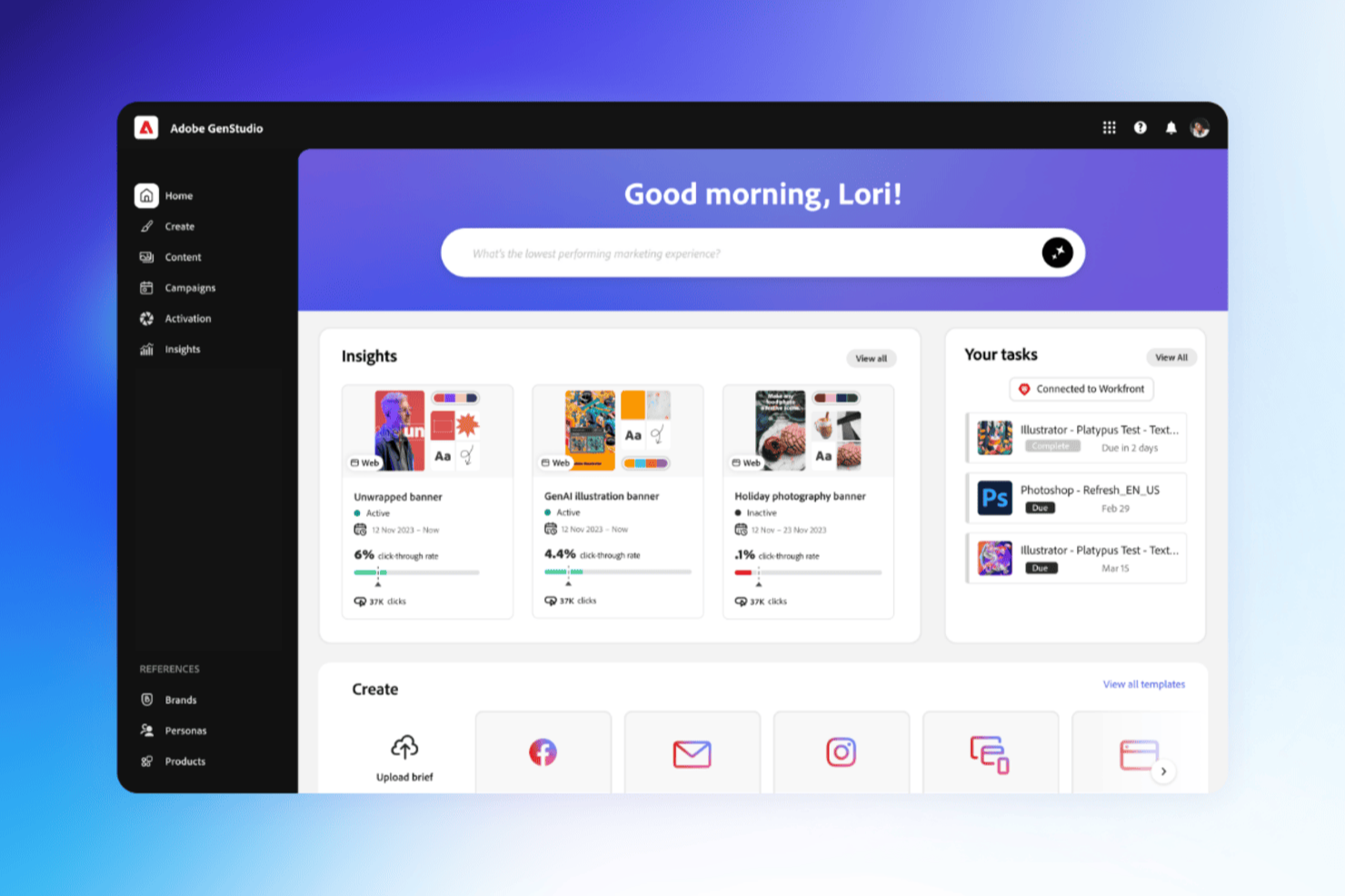
Adobe GenStudio for Performance Marketing is designed for marketing teams aiming to enhance their campaign strategies with speed and precision. By leveraging generative AI, it offers a unique advantage in crafting on-brand content that resonates with diverse audiences, addressing the need for quick adaptation in a fast-paced market. This tool is particularly appealing to industries such as retail and telecommunications, where tailored, multilingual, and timely marketing materials can significantly impact customer engagement and conversion rates.
Why I Picked GenStudio for Performance Marketing
I picked GenStudio for its standout capability in multilingual content generation, which is crucial for businesses targeting diverse markets. This feature allows your team to create culturally relevant marketing materials that adapt tone and imagery to fit regional preferences. Additionally, the seamless activation across major platforms like Meta, LinkedIn, and Google minimizes manual effort and reduces errors, making it an efficient choice for busy marketing professionals. The AI-driven performance insights further support data-driven decision-making, ensuring your campaigns are continuously optimized for better results.
GenStudio for Performance Marketing Key Features
In addition to its multilingual content generation and seamless activation, I also found:
- AI Tagging: Automatically tags content to improve cross-channel data analysis and optimize future campaigns.
- Brand Compliance Checks: Ensures all marketing materials adhere to brand guidelines, checking for tone, accessibility, and compliance.
- Experimentation Tools: Facilitates A/B testing and content variation experiments to refine marketing strategies based on audience engagement.
- Localization Support: Adapts marketing content for different regions, ensuring cultural relevance and resonance with local audiences.
GenStudio for Performance Marketing Integrations
Integrations include Adobe Experience Manager, Adobe Analytics, Adobe Target, Adobe Campaign, Adobe Commerce, Adobe Stock, Adobe Creative Cloud, Google Ads, Meta Ads, and LinkedIn Ads.
Pros and Cons
Pros:
- Multi-channel content activation support
- Built-in brand compliance checks
- AI generates on-brand variations
Cons:
- Limited public integration details
- Pricing available upon request


For those in search of marketing software that balances user privacy with growth, Ketch offers a unique solution. It aids brands in collecting and managing data through features like consent management and data mapping. Ideal for marketers navigating data privacy regulations, Ketch ensures effective customer engagement without compromising compliance.
Why I Picked Ketch
I picked Ketch because it excels in offering custom marketing consent experiences, crucial for today's data-driven strategies. It provides customizable consent banners that integrate into your marketing activities, allowing you to tailor user experiences while ensuring compliance with regulations like GDPR and CCPA. The platform's AI-powered data mapping and automated data subject request management enhance its capability to manage user permissions, making it an excellent choice for marketers who prioritize privacy without compromising engagement. Ketch turns compliance into an opportunity for growth by enabling the collection of high-quality first-party data, boosting brand trust and personalizing customer journeys.
Ketch Key Features
In addition to its standout custom marketing consent experiences, Ketch offers a suite of features that cater to the diverse needs of marketing teams.
- Data Sharing Management: Maps data flows between your marketing systems and vendors, ensuring privacy choices are enforced under regulations like the CPRA.
- Unified Preferences: Synchronizes consent and preferences in real-time across multiple platforms, maintaining compliant customer profiles and consistent user experiences.
- Compliant Analytics: Guarantees that analytics tools process data only with valid consent, providing accurate performance insights and maintaining trust with your audience.
- Consented Data Activation: Transforms consented first-party data into actionable insights, supporting compliant audience targeting and enhancing marketing strategies.
Ketch Integrations
Integrations include Adobe Experience Platform, AdRoll, Airship, Alchemer, Amazon Redshift, Amplitude, Attentive, Autopilot, BigMarker, and Braze.
Pros and Cons
Pros:
- Integrates consent data with existing marketing systems
- Provides clear visibility into data practices
- Offers customizable privacy notices
Cons:
- May require ongoing adjustments to stay current with evolving regulations
- No broader marketing functions beyond privacy and compliance
New Product Updates from Ketch

Ketch Expands Marketing Preference Management Capabilities
Ketch expands Marketing Preference Management, introducing capabilities for unifying consent, preferences, and zero-party data across systems. This update enables teams to activate customer data more effectively for personalized and compliant marketing. For more information, visit Ketch’s official site.
 .
.
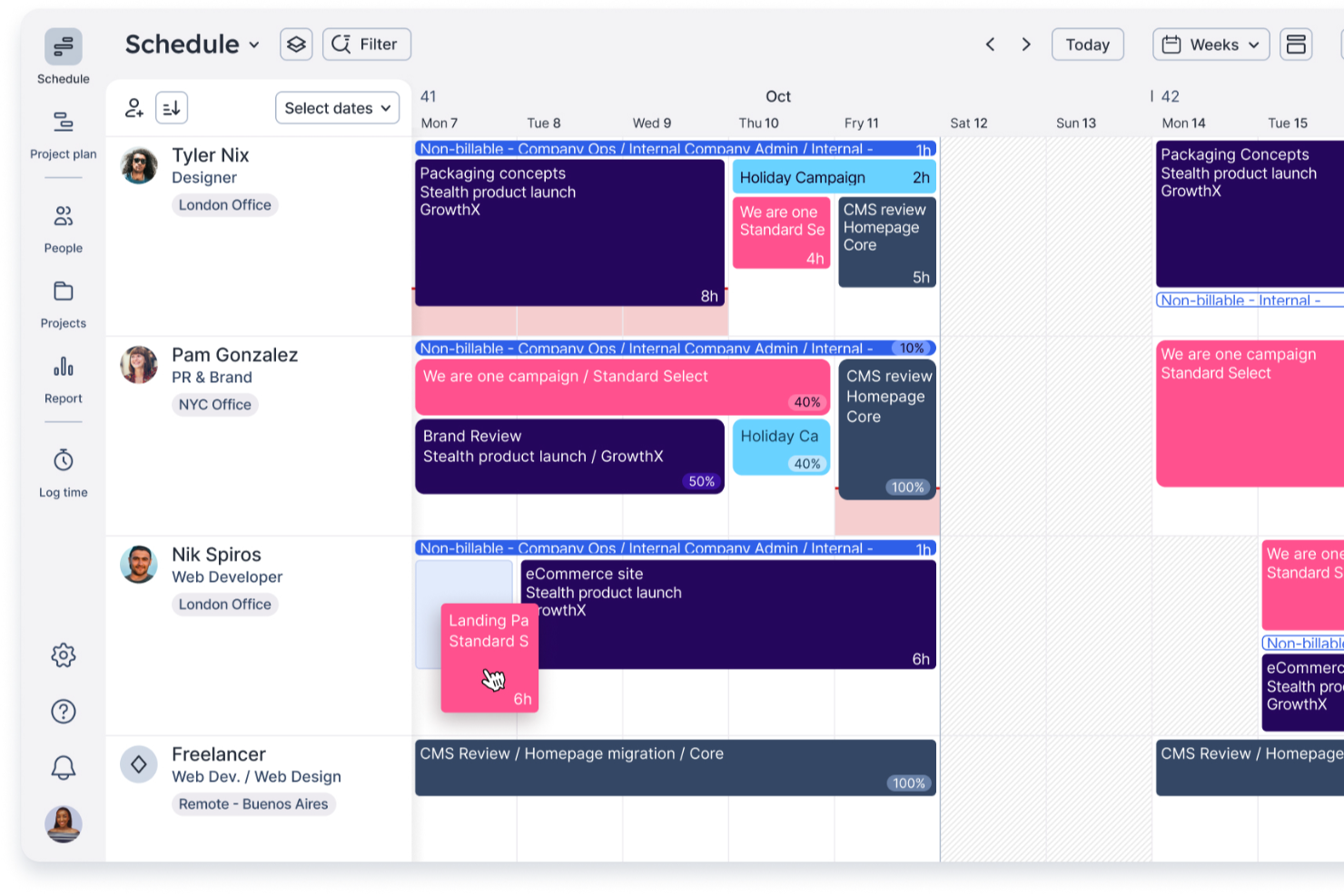
Float.com is a leading platform for resource management, great for marketing and creative teams that need clearer visibility into capacity, staffing, and delivery risk. It gives you a clear view of who’s working on what, what’s coming up, and where workloads are trending toward over-allocation, so you can prioritize campaigns realistically and avoid creative bottlenecks. With added forecasting and planned vs. actuals insights, Float supports more predictable delivery when timelines and priorities shift, while giving you real-time insights into margin and budget implications.
Why I Picked Float.com
I picked Float because it solves a problem many marketing stacks don’t: understanding whether your team can realistically deliver the work you’re planning. Instead of focusing on campaign execution, it helps you model new requests, evaluate tradeoffs, and adjust resourcing before deadlines start slipping.
It’s beneficial for teams with shared creative resources or an in-house studio where a few bottlenecks can ripple across multiple campaigns.
Float.com Key Features
In addition to its standout resource management capabilities, Float offers several other features that can benefit your marketing team:
- Project estimation: Model new work, align resourcing to budgets, and see how timeline shifts affect capacity and margins. Map incoming work to roles and skills to confirm you have the right mix as the pipeline firms up.
- Reporting: Gather live insight into team utilization and budget spend to map how resourcing impacts project margins and profitability.
- Time tracking with actuals insights: Pre-fill timesheets from planned allocations to improve accuracy and adoption. Compare estimate baselines or scheduled work to actual hours to strengthen planning over time.
- Leave & availability controls: Account for time off, holidays, and custom work hours directly in capacity views.
Float.com Integrations
Integrations include Slack, Google Calendar, Outlook Calendar, Asana, Jira, Trello, and Zapier. A public API is also available for custom integrations.
Pros and Cons
Pros:
- Unified multi-project view supports managing several campaigns or clients at once.
- Capacity-planning and budget tracking help monitor project profitability over time.
- Float gives a live view of team assignments to avoid scheduling conflicts.
Cons:
- It lacks collaboration tools for reviewing creative assets or collecting feedback.
- While it manages marketing resourcing, it doesn't manage marketing assets (content, analytics, deliverables, etc.).
New Product Updates from Float.com

Float Introduces Smart Assign for Faster Team Staffing
Float.com releases Smart Assign, powered by machine learning, to quickly suggest roles for team members. For more information, visit Float’s official site.


Flodesk offers a visually driven email marketing solution for businesses seeking impactful, aesthetically pleasing campaigns. Whether you're a designer or a novice, Flodesk's intuitive interface and customization options allow you to craft emails that not only capture attention but also address common challenges like low engagement rates. With features such as automation and integration with popular platforms, Flodesk provides a comprehensive suite for those looking to improve their marketing efforts.
Why I Picked Flodesk
I picked Flodesk for its unique emphasis on design and deliverability in email marketing. Its patented layouts and custom fonts allow you to create visually stunning emails that stand out in crowded inboxes. Additionally, the automation tools, such as abandoned cart recovery and link-triggered actions, seamlessly enhance your marketing strategies, making it easier to engage with your audience. These features, combined with its high deliverability rate, make Flodesk an appealing choice for businesses seeking to improve email engagement and conversion rates.
Flodesk Key Features
In addition to its design-centric approach, Flodesk offers:
- Countdown Timers: Add urgency to your emails with built-in countdown timers to drive immediate action from your subscribers.
- Embedded Polls: Engage your audience directly within emails using polls to gather feedback and insights.
- Link-in-Bio Forms: Capture subscribers directly from social media by integrating link-in-bio forms, expanding your reach beyond traditional email lists.
- Sales Funnel Creation: Build comprehensive sales funnels for products, memberships, and services, boasting higher conversion rates.
Flodesk Integrations
Integrations include Shopify, Canva, Zapier, and an API for custom integrations.
Pros and Cons
Pros:
- Visually stunning email templates enhance brand presentation
- High deliverability rates ensure emails reach more recipients
- Audience segmentation enables targeted and personalized marketing
Cons:
- Limited integration options with niche applications
- Image-heavy design can lead to slower email loading times


Referral Factory is a platform designed to help you grow your business by launching referral programs. With its customizable tools and automated features, it's aimed at simplifying the process of getting more customers.
Why I Picked Referral Factory: One of the reasons I picked Referral Factory is its customizable drag-and-drop builder. This feature allows you to create tailored referral programs that fit your specific business needs, making it easier to engage your customers and encourage them to refer others. The ability to issue a variety of rewards, like cash or discounts, also adds a layer of motivation for participants.
I also like that it automatically tracks referrals. Additionally, with tools like pop-ups and widgets for promotion, you're equipped to get your referral program in front of potential advocates without the hassle of manual tracking.
Referral Factory Standout Features & Integrations
Features include support for multiple currencies, which is great if your business operates internationally. Referral Factory also offers industry-specific templates, making it easier to get started and tailor your programs to your business's unique needs.
Integrations include HubSpot, Stripe, Intercom, Zapier, Zoho, Pipedrive, ServiceTitan, Monday, and Salesforce.
Pros and Cons
Pros:
- Real-time data access through client dashboards
- Flexible reward structures
- Customizable templates with over 1000 pre-built options
Cons:
- No mobile application available for on-the-go management
- Limited advanced features compared to competitors


Wrike is a flexible and scalable tool that provides businesses with marketing workflow planning oversight.
Why I picked Wrike: The software provides you with the option of multiple types of marketing workflow planning with agile methodologies, including Kanban boards, Gantt charts, issue tracking, and task lists. Wrike uses a task-creation system that allows you to create due dates, tag team members, and monitor progress. You can plan your workflow processes in advance using Wrike’s shared team calendar, which gives you real-time workflow updates every time you or a marketing manager adds a new task or your team completes one.
Wrike is a project management tool that small and large teams can use, but it’s more suitable for enterprise-level organizations. When working in the platform, you can use the built-in time tracking feature to monitor how your team members spend their work hours. You can use this tool to monitor productivity and identify issues that may be slowing down your team. For example, you can track how long your marketing team takes to complete a marketing task.
Wrike Standout Features and Integrations
Features include automated requests, campaign calendars, in-app proofing, Gantt charts, intuitive automations, pre-built templates, AI work creation, workload charts, resource management, and data dashboards.
Integrations include Google Sheets, Miro, Salesforce, Tableau, Microsoft Teams, MediaValet, Zoom, Adobe Creative Cloud, Google Drive, Jira, Slack, Okta, OneLogin, Dropbox, and HubSpot.
Pros and Cons
Pros:
- All conversations are on one screen
- Automatically adjusts deadlines
- Provides complete team visibility
Cons:
- The user interface is complex
- Difficult to create reports
New Product Updates from Wrike

Streamlining Workspaces with New Updates
Wrike announces custom space templates, AI Agents in Wrike Labs, and a new Guage widget to improve project management. For more information, visit Wrike's official site.


Adverity is an integrated data platform designed to enhance your marketing performance by automating data integration, governance, and management on a large scale. It enables you to consolidate data from various sources into a single, centralized hub, providing a comprehensive view of your marketing activities.
Why I Picked Adverity: I like Adverity for its extensive library of over 600 pre-built data connectors. These connectors facilitate seamless integration with a wide range of data sources, including marketing platforms, ecommerce systems, databases, analytics tools, and CRMs.
Another notable aspect is Adverity's AI-powered data governance capabilities. The platform offers automated data quality monitoring with customizable alerts and notifications, allowing you to detect and address duplicates or anomalies at the source. This ensures that your data remains accurate and reliable, enabling you to make confident, data-driven marketing decisions.
Adverity Standout Features & Integrations
Features include advanced data transformation options that allow you to edit columns, convert date formats, and change currencies without requiring coding knowledge. Additionally, the platform offers full flexibility in sharing and reporting by enabling you to schedule data integration from all your sources and automatically sync it to your preferred visualization tools in real time.
Integrations include Google Ads, Facebook Ads, Amazon Advertising, Shopify, Salesforce, Adobe Experience Platform, LinkedIn, Microsoft, SAP, Snowflake, Tableau, and hundreds more.
Pros and Cons
Pros:
- Offers AI-powered data quality monitoring
- Provides advanced data transformation features
- Automates data integration from multiple sources
Cons:
- Integration with certain niche data sources may require additional configuration
- Some advanced features might require extra training to utilize fully
New Product Updates from Adverity
Adverity Introduces Brandwatch and Kakao Connectors
Adverity introduces the Brandwatch Measure and Kakao Moment connectors. These updates expand data integration capabilities, enabling more comprehensive social media and regional marketing analysis. For more information, visit Adverity’s official site.
 .
.

Salesforce Pardot is a robust marketing automation platform designed to streamline and automate B2B marketing processes. It empowers businesses to create, deploy, and manage targeted marketing campaigns, nurture leads, and align sales and marketing teams for more effective customer engagement. Pardot offers features such as email marketing, lead scoring, lead nurturing, and ROI reporting, allowing marketers to track and analyze the effectiveness of their campaigns.
Why I Picked Salesforce Pardot: Salesforce Pardot stands out with its B2B Marketing Analytics Plus, which offers advanced analytics capabilities specifically tailored for B2B marketers. This tool allows users to connect their marketing and sales data, providing deep insights into campaign performance, lead generation, and customer engagement. What makes this feature unique is its ability to correlate marketing efforts directly with revenue, enabling businesses to understand the true impact of their marketing initiatives on the bottom line. By offering detailed revenue attribution models and predictive analytics, B2B Marketing Analytics Plus goes beyond basic reporting, helping businesses optimize their marketing strategies effectively.
Salesforce Pardot Standout Features & Integrations
Features include Pardot’s AI-powered lead scoring system stands out from competitors by leveraging machine learning algorithms to analyze lead behavior and engagement patterns. It goes beyond traditional demographic-based scoring, taking into account a prospect's online interactions, email engagement, and website behavior. This nuanced approach ensures that sales teams are focused on leads that are genuinely interested and more likely to convert, enhancing productivity and efficiency.
Pardot allows the creation of behavior-based triggers, where specific actions or patterns trigger automated responses. For instance, if a lead repeatedly engages with product-related content, Pardot can automatically trigger targeted follow-up emails or notify sales representatives, ensuring timely and relevant communication. This feature not only saves time but also increases the likelihood of converting leads into customers based on their actual interests and interactions.
Integrations include Mailchimp, LinkedIn Sales Navigator, Adobe Sign, Amazon Connect CTI, Zoom, Quickbooks, task-based specialty apps, and others.
Pros and Cons
Pros:
- AI-Powered lead scoring & behavior-based triggers
- Seamless integration with Salesforce CRM
- Comprehensive marketing automation
Cons:
- Landing page creation tool is feature-lite
- API capabilities could use improvement

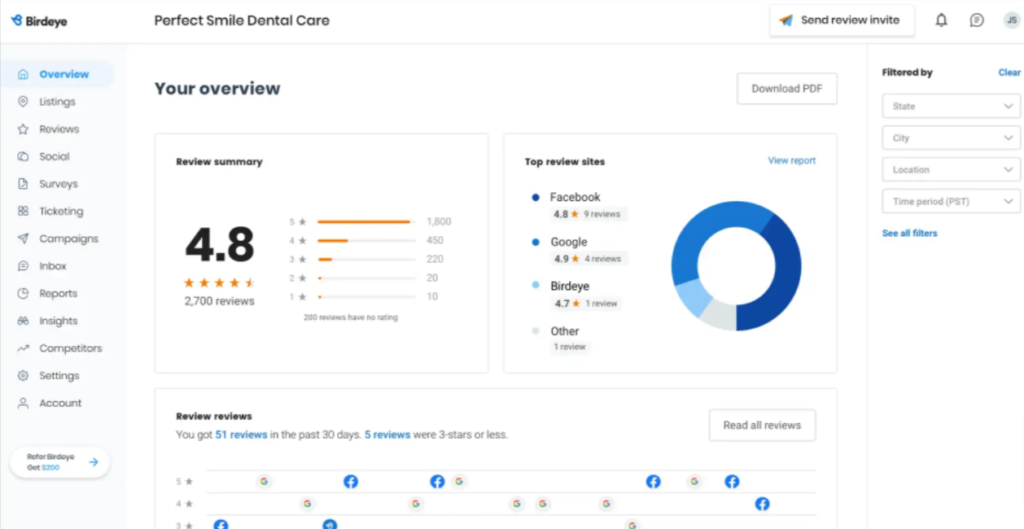
Birdeye is a customer engagement and online reputation management platform. Local businesses can use it to monitor customer reviews, customer messages, and social media presence. This helps you to craft a more cohesive and positive bran image, ensuring a consistent experience for prospects and customers alike.
Why I Picked Birdeye: I chose this marketing software tool because of its specialized focus on review management and customer feedback collection. For local businesses that rely on word-of-mouth referrals and offering an exceptional customer experience, these are critical components of business growth.
Users can monitor their business's online reviews and customer feedback from over 150 different review sites, and request feedback from their existing customers. You're able to see where reviews are coming from and what they're saying. You can also compare yourself with competitors to see how your NPS holds up to theirs, and which areas of customer service you could work to improve.
Birdeye Standout Features & Integrations
Features include the ability to track trending topics related to your business on social media platforms. This is super helpful because you can then engage with the conversation, respond to customer inquiries, and create brand awareness for your company.
You can also create surveys through the software to capture real-time feedback and understand your customers better. Gathering this type of data can do wonders for not just your marketing tactics but your customer service approach, product and service offerings, and more.
Integrations include QuickBooks, Square, Zoho CRM, Zoho Books, Zoho Invoice, Pipedrive, Thryv, Keap, HubSpot, Lightspeed, and hundreds of other SaaS tools.
Pros and Cons
Pros:
- Has customer feedback management tools
- Tons of integrations available
- Automates surveys and reviews
Cons:
- No free plan or trial available
- Limited customer support
New Product Updates from Birdeye
Birdeye Integrates With Covetrus Ascend
Birdeye integrates with Covetrus Ascend. This new integration enables automated review requests and client data syncing for veterinary practices, helping streamline feedback collection and improve online reputation management. For more information, visit Birdeye’s official site.
 .
.

Enji is a marketing software suite designed for small businesses that want to simplify their marketing efforts without needing a full-time marketing team. It combines planning, scheduling, and content creation tools into one platform, making it easier to stay consistent and see results over time.
Why I Picked Enji: I chose Enji because of its marketing strategy generator, which gives you structured guidance to build a plan that actually aligns with your business goals. Instead of starting from scratch, you get ready-made frameworks and campaigns you can adapt to your needs. This is especially useful if you’re not a marketer by trade but still need to keep your brand visible.
I also like Enji’s built-in AI copywriter. It helps you create captions, blog posts, and other content that fits your tone of voice, saving you hours of writing. Combined with its marketing calendar and social media scheduler, you can map out campaigns in advance and keep an active online presence without constant manual updates.
Enji Standout Features & Integrations
Features include a performance dashboard that shows how your campaigns are performing, a customer persona generator to better understand your target audience, and pre-designed marketing campaigns that you can launch quickly. Enji also provides analytics to track website activity and visitor interactions, giving you actionable insights into what’s working.
Integrations include Facebook, Instagram, LinkedIn, Pinterest, YouTube Shorts, Threads, TikTok, Google Analytics 4, Meta (Facebook), iCal, Canva, and Google Calendar.
Pros and Cons
Pros:
- Social media scheduler keeps posts consistent
- AI copywriting speeds up content creation
- Intuitive interface for beginners
Cons:
- Occasional bugs reported by users
- Limited customization for advanced marketers


Default is an all-in-one automation tool designed for fast-growing B2B teams to improve workflows, enhance lead conversion, and reduce manual tasks. It offers features such as forms, scheduling, and automated workflows to improve the efficiency of inbound lead qualification and routing.
Why I Picked Default: One of the standout features is automated lead routing, which leverages real-time routing logic based on CRM data and customer events. This ensures that leads are efficiently assigned to the appropriate sales representatives, reducing response times and increasing the likelihood of conversion.
Default’s automated workflows also enhance processes by integrating tasks such as enrichment and scheduling into a single platform, reducing manual workload and enhancing pipeline efficiency. The conversion-optimized forms are also designed to improve marketing efforts, lead capture, and conversion rates, providing a user-friendly interface that integrates seamlessly into websites.
Default Standout Features & Integrations
Features include automated workflows, emails, scheduling, customizable forms, data enrichment from various sources, real-time data, CRM insights, follow-up tools, customizable templates, and lead assignments.
Integrations include Salesforce, HubSpot, Salesloft, Outreach, Marketo, Customer.io, Google Calendar, Slack, Apollo, and Clearbit.
Pros and Cons
Pros:
- Robust workflow automation
- Good inbound scheduling and qualification
- Good lead routing capabilities
Cons:
- Learning curve for more advanced workflows
- Could offer more customization options for the emails sent from Default


TikTok is a popular social media platform that allows users to create, share, and discover short-form videos. It's become a hub for viral trends, creative content, and social interaction, attracting millions of users worldwide. TikTok also offers various tools and features for businesses to engage with their audience, including advertising solutions, product showcases, and performance analytics.
Why I picked TikTok: TikTok excels at helping your team drive organic engagement through its viral content potential. You can create short, engaging videos that naturally connect with audiences. The platform offers built-in tools for video creation, which lets your team craft content tailored to your target audience. Its algorithm pushes relevant content to users who are most likely to engage with it, making it easier to grow your following.
TikTok Standout Features & Integrations
Features include video creation tools, real-time content discovery, and audience engagement insights. You can easily craft content and track its impact with built-in analytics. TikTok’s algorithm boosts organic visibility for engaging content.
Integrations include Shopify, WooCommerce, BigCommerce, Magento, and Square.
Pros and Cons
Pros:
- Simple video creation tools
- Encourages user interaction
- Boosts organic content reach
Cons:
- Short content lifespan
- Not ideal for cross-platform management


Tidio is an AI-powered customer service and marketing platform designed to help businesses engage visitors and convert leads in real time. It combines live chat, chatbots, and email marketing tools in one unified interface, giving marketers a direct way to nurture relationships and drive conversions across channels.
Why I Picked Tidio: I picked Tidio because it bridges customer support and marketing automation seamlessly. You can use it to collect user emails and build segmented lists for targeted campaigns, essential for marketers who rely on personalized outreach. I also like that its AI chatbot, Lyro, automatically handles common inquiries so your team can focus on higher-impact engagement.
With built-in analytics and integrations with HubSpot and Google Analytics, Tidio gives you the insights you need to optimize every conversation for better ROI.
Tidio Standout Features & Integrations
Features include the Lyro AI Agent, which automates customer interactions to reduce manual workload; flows, which help you create automated engagement paths for lead nurturing; and multi-channel communication tools for chat, email, and social messaging. These features make it easy to provide real-time support while capturing valuable marketing data.
Integrations include Shopify, WordPress, WooCommerce, Mailchimp, HubSpot, Slack, Zapier, Zendesk, Google Analytics, Salesforce, Microsoft Teams, and Instagram.
Pros and Cons
Pros:
- Affordable plans for small teams
- Strong multi-channel automation tools
- Easy setup and user interface
Cons:
- Occasional mobile app issues
- Limited analytics depth

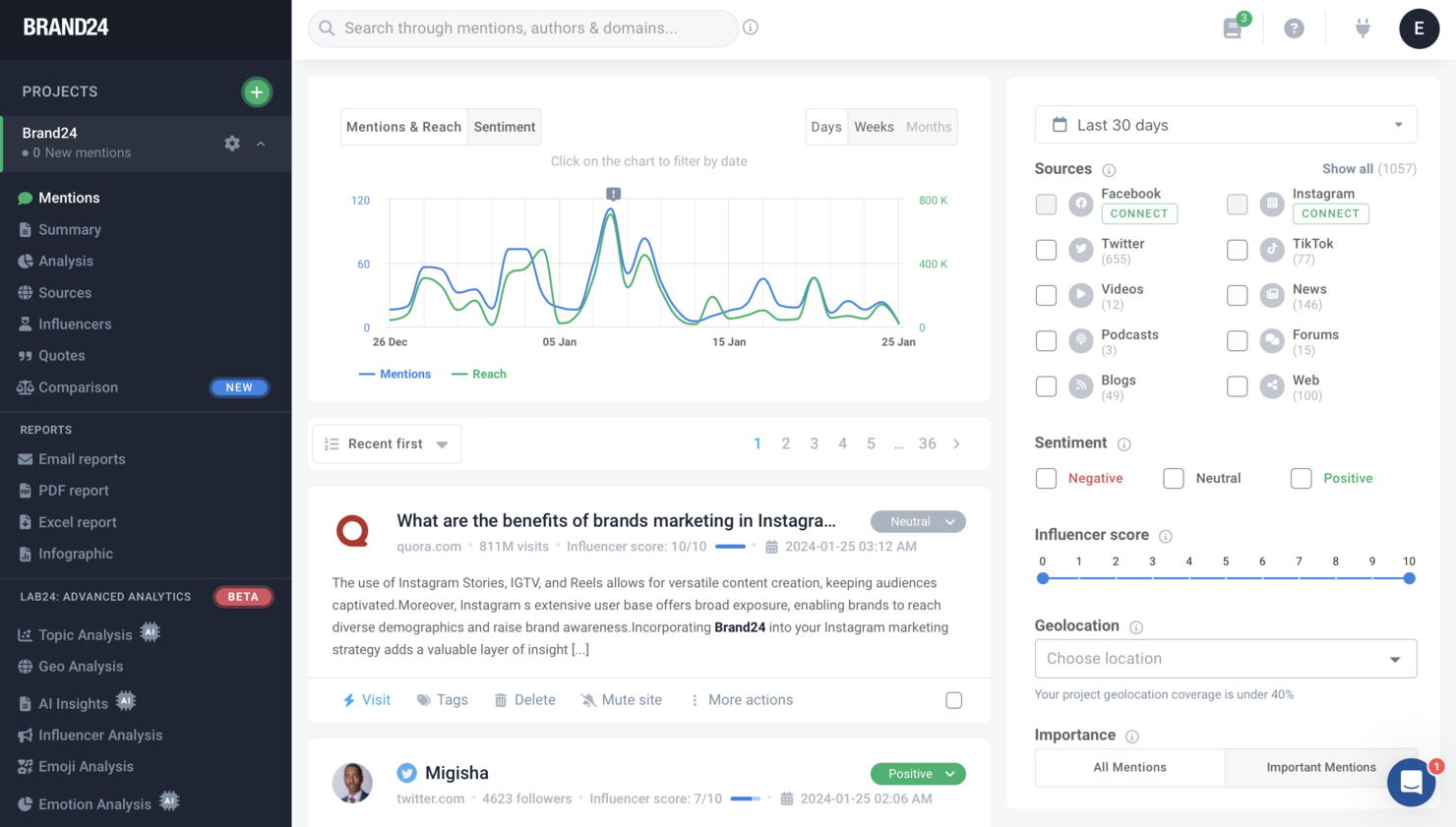
Brand24 is a comprehensive digital monitoring and analytics platform that helps businesses track their online presence, engage with customers, and analyze brand mentions across the web and social media in real time. The platform's advanced analytics, including sentiment analysis, influencer tracking, and mention volume charts, allow businesses to measure the impact of their marketing efforts and adjust strategies based on actionable insights.
Why I picked Brand24: Brand24, as a self-referential entity, excels in its core function of providing businesses with real-time insights into how their brand is perceived online. By aggregating data from various online sources, including social media, blogs, forums, and news sites, Brand24 offers a holistic view of brand mentions and sentiment. This enables companies to swiftly respond to customer feedback, manage their online reputation, and identify opportunities for engagement.
Brand24 Standout Features and Integrations
Features include tools for monitoring online brand presence, including a Mentions Feed that aggregates real-time data from various online sources, and a Discussion Volume Chart to track conversation trends. The platform also provides sentiment analysis to gauge public perception, influencer scores to identify key influencers, and customizable alerts to stay informed about brand mentions.
Integrations include Slack and SEMrush.
Pros and Cons
Pros:
- Strong competitor analysis
- Affordable pricing makes for businesses of all sizes
- Real-time alerts let you respond to mentions quickly
Cons:
- Only supports a limited number of languages
- Could use more integrations

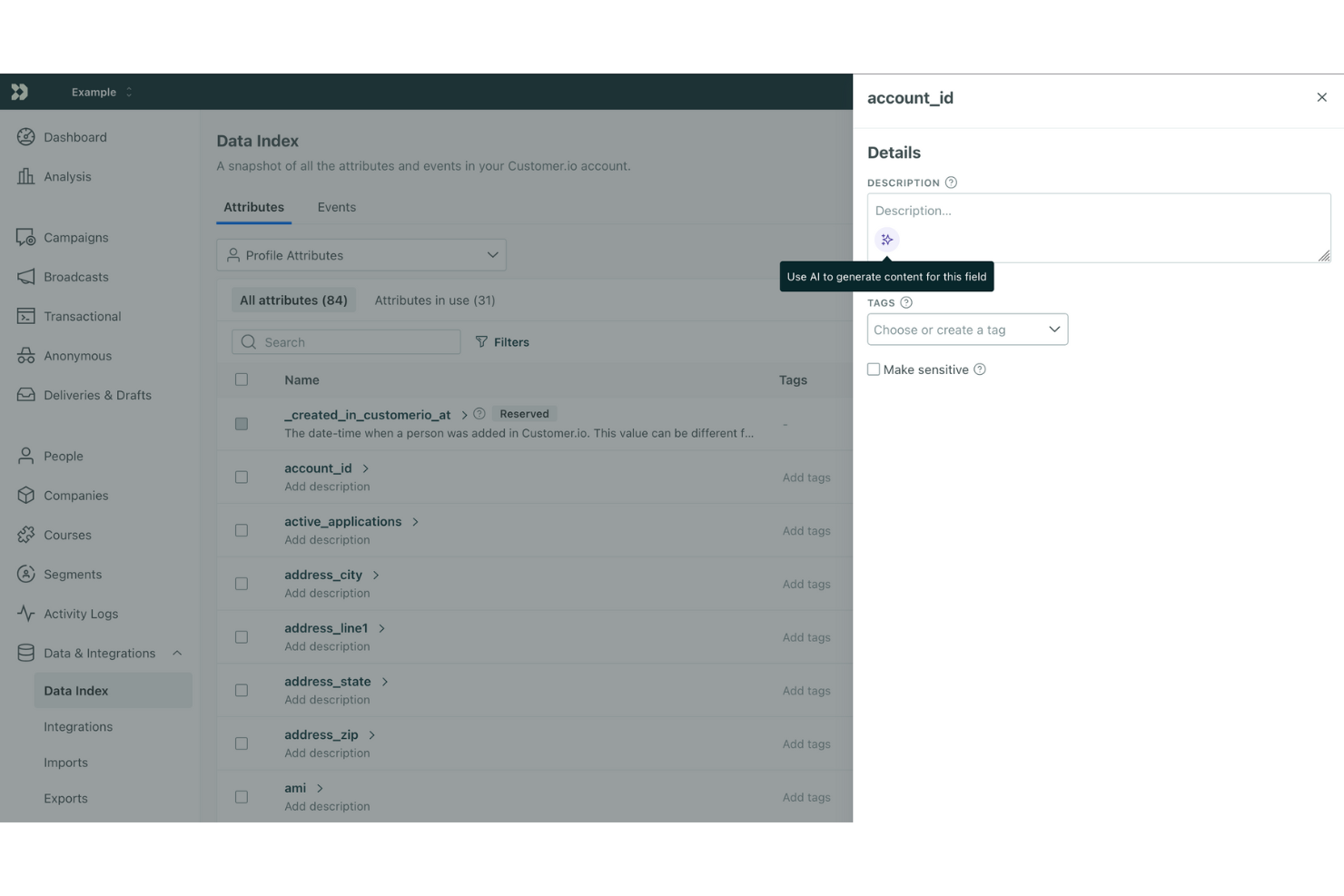
For businesses seeking a marketing software solution, Customer.io offers a versatile platform designed to enhance customer engagement and automate personalized marketing campaigns. It appeals to businesses across various industries, including SaaS, EdTech, and FinTech, by solving complex customer communication challenges. With its ability to integrate data from multiple sources and deliver targeted messaging across channels, Customer.io empowers teams to create meaningful, data-driven customer experiences.
Why I Picked Customer.io
I picked Customer.io because of its ability to automate personalized customer journeys across multiple channels. This feature is crucial for businesses looking to deliver tailored messaging based on customer behaviors and preferences. The platform's visual workflow builder lets you design complex marketing campaigns with ease, while its real-time data integration capabilities ensure your marketing efforts are always data-driven. These features make Customer.io a strong contender for anyone seeking to optimize their marketing strategies.
Customer.io Key Features
In addition to multi-channel automation, Customer.io offers:
- Omnichannel Support: Engage your customers through email, SMS, push notifications, and in-app messaging to meet them where they are.
- Visual Workflow Builder: Design and manage complex marketing campaigns with a user-friendly interface.
- A/B Testing: Experiment with different messaging strategies to find what resonates best with your audience.
- Custom Objects: Personalize your campaigns with detailed customer data for more targeted messaging.
Customer.io Integrations
Integrations include Google Ads, Mixpanel, Snowflake, Twilio, Typeform, Segment, and Hubspot.
Pros and Cons
Pros:
- Effective for advanced segmentation and real-time data utilization
- Provides real-time analytics and deliverability insights for improved email marketing
- Automation tools enable campaigns without requiring technical assistance
Cons:
- Some users may find the platform's complexity overwhelming initially
- Missing features limit advanced analytics and campaign optimization


Snapchat is a multimedia messaging app that lets you share photos and videos, known as "Snaps," which disappear after being viewed. It's designed for real-time communication, allowing you to connect with friends through images and short videos. Beyond personal use, Snapchat offers tools for businesses to reach and engage with a younger audience.
Why I Picked Snapchat: Snapchat's advertising platform provides various ad formats to help you connect with potential customers. You can create full-screen, immersive ads that encourage viewers to learn more about your products or services. These ads are designed to drive interest and prompt action from your target audience.
Additionally, Snapchat offers precise targeting options to ensure your ads reach the right people. You can select your audience based on location, demographics, interests, and behaviors. This level of targeting helps maximize the effectiveness of your marketing campaigns by connecting you with users who are most likely to engage with your brand.
Snapchat Standout Features & Integrations
Features include a centralized dashboard with real-time reporting, allowing you to monitor your ad performance and make necessary adjustments promptly. The Snap Pixel enables you to measure online conversion events across devices, providing insights into how users interact with your website after viewing your ads. Additionally, the Lens Web Builder lets you create augmented reality experiences, enabling users to engage with your brand in a fun and interactive way.
Integrations include Apple Maps, Bookatable, DoorDash, FourSquare, Games in Snapchat, Google Maps, Goop, Grubhub, Google Sheets, HubSpot, Gmail, and WhatsApp Notifications.
Pros and Cons
Pros:
- Easy to market a small business to a large audience
- Provides a variety of creative tools like filters and lenses
- Offers a unique and authentic form of communication
Cons:
- Layout can be tricky to figure out, especially for new users
- Ads can be intrusive and interrupt the user experience

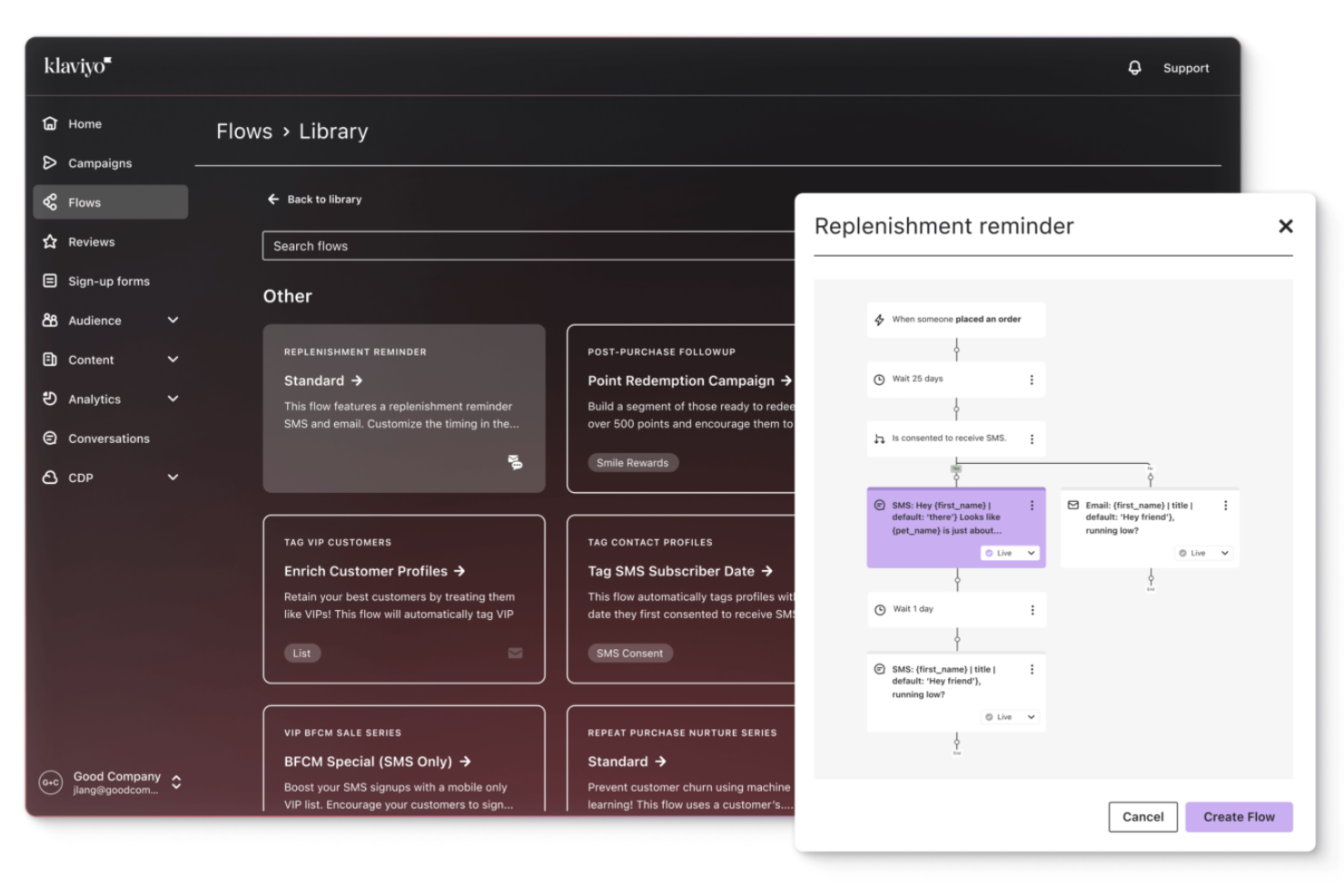
Klaviyo is designed to meet the needs of businesses seeking to enhance their marketing strategies through data-driven insights. With its ability to unify customer data and activate it in real-time, Klaviyo appeals to businesses that want to deliver personalized experiences across various channels like email, SMS, and social media.
Why I Picked Klaviyo
I picked Klaviyo because of its strong focus on customer data integration and real-time activation. Its ability to integrate with over 350 applications allows you to unify your customer data seamlessly, providing a holistic view of your audience. The platform's AI-driven tools enhance marketing strategies by predicting customer behavior and personalizing interactions. This makes Klaviyo an excellent fit for businesses aiming to leverage data for more targeted and effective marketing campaigns.
Klaviyo Key Features
In addition to its data integration capabilities, Klaviyo offers several other features that enhance its utility as a marketing software:
- Omnichannel Marketing: Facilitates marketing automation across email, SMS, and social media.
- Advanced Segmentation: Allows you to create highly personalized customer experiences.
- AI-Powered Marketing Agents: Uses built-in AI tools to generate campaign content, suggest segments, and optimize strategies based on patterns in your own data.
- Proactive Performance Monitoring: Offers tools to monitor key metrics and set custom alerts, helping optimize marketing efforts in real-time.
Klaviyo Integrations
Integrations include Shopify, WooCommerce, BigCommerce, Magento, Salesforce, Stripe, Facebook, Zendesk, Eventbrite, and Amazon Marketplace.
Pros and Cons
Pros:
- Supports omnichannel marketing, including email, SMS, and social media.
- Provides AI-driven insights for personalized marketing strategies.
- Offers comprehensive data integration for unified customer profiles.
Cons:
- Pricing can escalate quickly as contact lists grow.
- Some users desire more customization options.


ActiveCampaign is a powerful and user-friendly marketing automation platform designed to help businesses of all sizes optimize their customer engagement strategies. Offering a wide array of features, including email marketing, marketing automation, sales automation, and CRM capabilities, ActiveCampaign enables businesses to create targeted and personalized marketing campaigns that resonate with their audience. What sets ActiveCampaign apart is its intuitive automation builder, which allows users to create complex automation workflows with ease, combining email marketing, site tracking, and lead scoring for more precise customer targeting.
Why I Picked ActiveCampaign: ActiveCampaign is a versatile marketing automation platform that excels in creating highly personalized and targeted marketing campaigns. Marketers can leverage its intuitive automation builder to design intricate workflows, integrating email marketing, site tracking, and lead scoring for precise audience segmentation. By analyzing customer behavior and preferences using machine learning algorithms, ActiveCampaign enables businesses to send timely and relevant messages, increasing the likelihood of conversions. The platform's robust email marketing features, combined with advanced automation, allow for efficient nurturing of leads, turning prospects into loyal customers.
ActiveCampaign Standout Features & Integrations
Features include a unique combination of site tracking and event tracking. While many marketing automation platforms provide site tracking to monitor user behavior on websites, and some offer event tracking for specific actions, ActiveCampaign seamlessly integrates both. This allows businesses to track not just which pages visitors view but also specific actions they take, such as downloads, video views, or button clicks.
ActiveCampaign incorporates machine learning algorithms for predictive sending, a feature that sets it apart from many competitors. This tool analyzes the historical engagement patterns of each contact to predict the optimal time for sending emails to maximize open rates and click-through rates. By automatically determining the best sending times for individual recipients, ActiveCampaign ensures that marketing emails are delivered when they are most likely to be seen and acted upon.
Integrations include BigCommerce, Calendly, Magento Commerce, PayPal, Shopify, Stripe, Square, Typeform, WooCommerce, WordPress, and others.
Pros and Cons
Pros:
- Combined website and event tracking
- Machine learning-driven predictive sending feature
- Robust automation and segmentation
Cons:
- Limited built-in reporting customization options
- Learning curve for complex automations

Google Analytics is a powerful web analytics service offered by Google that helps website owners and marketers understand their online audience and how users interact with their websites. By tracking website traffic, user behavior, and other key metrics, Google Analytics provides detailed insights into the performance of a website. It offers a wide range of features, including real-time analytics, audience demographics, user flow analysis, and conversion tracking. Website owners can gain valuable data on visitor demographics, popular pages, and referral sources.
Why I Picked Google Analytics: Google Analytics is a vital tool for marketers, offering deep insights into website performance and user behavior. Marketers can utilize it to track the effectiveness of their marketing campaigns by analyzing traffic sources, user engagement, and conversion rates. With Google Analytics, marketers can identify which marketing channels are driving the most valuable traffic, measure the success of specific campaigns, and optimize their strategies based on real-time data. By understanding user behavior such as the pages they visit, the time they spend on the site, and the actions they take, marketers can refine their content, design, and calls-to-action for better engagement and conversions.
Google Analytics Standout Features & Integrations
Features include the User Explorer tool, allowing marketers to delve deeply into individual user journeys on their websites. Unlike many other analytics platforms, User Explorer provides a granular view of user interactions, displaying specific anonymized user IDs along with their behavior patterns, sessions, and conversion paths. This tool is particularly valuable for marketers seeking to understand the unique customer journey on a micro-level, enabling them to identify pain points, optimize user experience, and personalize marketing strategies effectively.
Plus, Google Analytics stands out with its robust customization options, allowing marketers to create highly tailored reports and apply advanced segmentation to their data. Unlike many competitors, Google Analytics enables users to define specific segments based on a wide array of dimensions and metrics.
Integrations include Shopify, WordPress, Facebook, Zendesk, and Marketo, plus others, as well as additional Google solutions like Google Ads, Google Cloud, Google Play, and Google Ad Manager.
Pros and Cons
Pros:
- High degree of customization and flexibility
- Comprehensive website data
- Integration with other Google services
Cons:
- Must be combined with other tools for a complete solution
- Steep learning curve


Sprout Social is a comprehensive social media management platform designed to help businesses effectively manage their online presence. It offers tools for scheduling posts, engaging with audiences, and analyzing performance across various social media channels.
Why I Picked Sprout Social: I really like its advanced publishing capabilities. The platform allows you to plan, create, and manage content across multiple social networks from a single interface. With features like a visual content calendar, you can easily schedule posts, ensuring consistent and timely delivery of your marketing messages.
Another feature I appreciate is Sprout Social's analytics tools. The platform provides in-depth reports that offer insights into your social media performance, audience demographics, and engagement metrics. These analytics enable you to assess the effectiveness of your campaigns and make data-driven decisions to optimize your marketing strategies.
Sprout Social Standout Features & Integrations
Features include social listening, which allows you to monitor conversations and trends relevant to your brand, providing insights into customer sentiment and emerging topics. Additionally, the platform's employee advocacy tools empower your team to share curated content, amplifying your brand's reach through personal networks.
Integrations include Facebook, Instagram, LinkedIn, Pinterest, Threads, TikTok, X (formerly Twitter), YouTube, Facebook Messenger, WhatsApp, Salesforce Marketing Cloud, and Tableau.
Pros and Cons
Pros:
- Robust analytics provide valuable insights into campaign performance
- Smart Inbox consolidates messages from multiple platforms
- Advanced scheduling features
Cons:
- Some integrations limited to higher-tier plans
- May be pricey for smaller businesses
Other Marketing Software
Here are the rest of my best marketing software picks, including a best use case for each.
- iContact
For email marketing
- Marketo
For account-based marketing tools
- Mailchimp
For AI-powered audience segmentation
- Maximizer
For customizable industry-specific solutions
- Campaigner
For segmentation & personalization
- Freshworks
For customer data analytics
- Tofu
For generative marketing
- Creatio CRM
Affiliate marketing software
- ClickUp
For marketing collaboration
- Semrush
Content marketing tools
- monday.com
For flexible marketing calendars
- Survicate
Survey tool for getting insights about your customers
- Brandfolder
For digital asset management (DAM)
- impact.com
For partnership marketing
- Textmagic
For two-way SMS marketing comms
- Trellis
For Amazon PPC marketing automation
- GetResponse
Landing page builder
- Funnel
Product marketing software
- SharpSpring
Open API for easy integration
- Act-On
Marketing content templates


Related Marketing Software
If you still haven't found what you're looking for here, check out these tools closely related to marketing software that we've tested and evaluated.
- Marketing Management Software
- Account Based Marketing Software
- Email Marketing Software
- Local Marketing Software
Selection Criteria for Marketing Software
Selecting the right marketing software hinges on understanding the specific functionalities that align with your business's unique needs, pain points, and objectives. Through extensive personal trials and research, I've developed a set of criteria to evaluate marketing solutions, ensuring they meet the diverse requirements of different businesses.
Core Marketing Software Functionality: 25% of total weighting score
To be considered for inclusion on my list of the best marketing solutions, a platform had to support the ability to fulfill common use cases. These include:
- Automated email marketing campaigns
- Social media scheduling and analytics
- Lead capture and management
- Basic CRM functionalities
- Performance analytics and reporting
Additional Standout Features: 25% of total weighting score
Innovative features that set a platform apart from its competitors are crucial. I look for:
- Advanced AI-driven insights for predictive analytics
- Unique personalization capabilities across channels
- Integrated content management systems for seamless content creation and distribution
- Comprehensive multi-channel marketing automation beyond email and social media
- Cutting-edge SEO tools for keyword research and optimization
Usability: 10% of total weighting score
Key considerations include:
- Intuitive interface design that balances power and simplicity
- Drag-and-drop editors for email and landing page design
- Clear, logical navigation paths that facilitate easy access to all features
- Responsive design for mobile and tablet use
Onboarding: 10% of total weighting score
Effective onboarding processes are essential. I evaluate:
- Availability of comprehensive training materials, such as videos and tutorials
- Interactive product tours and chatbots for immediate assistance
- Pre-designed templates to kickstart campaign creation
- Community forums or webinars for deeper learning and engagement
Customer Support: 10% of total weighting score
Exceptional customer support is non-negotiable. Criteria include:
- 24/7 live chat support
- A robust knowledge base for self-service troubleshooting
- Dedicated account management for personalized assistance
- Quick response times to support tickets
Value For Money: 10% of total weighting score
Assessing value involves:
- Transparent pricing models without hidden fees
- Scalable plans that grow with your business
- Free trials or demos to test functionality before committing
- A clear ROI from using the platform, justified by its features and efficiencies
Customer Reviews: 10% of total weighting score
Genuine user feedback provides invaluable insights. I look for:
- High overall satisfaction ratings
- Positive comments on ease of use and customer support quality
- Testimonials highlighting specific benefits and outcomes
- Feedback on the platform's impact on marketing ROI and campaign effectiveness
By meticulously applying these criteria, businesses can identify marketing solutions that not only meet their immediate needs but also offer the scalability and innovation required to adapt to future challenges and opportunities in the marketing landscape.
How to Choose Marketing Software
With so many different marketing software solutions available, it can be challenging to make decisions on what marketing software is going to be the best fit for your needs.
As you're shortlisting, trialing, and selecting marketing software, consider:
- What you want to use it to do - Start by identifying the marketing software feature gap you're trying to fill to clarify the features and functionality the marketing software needs to provide.
- Who will need to use it - To evaluate cost and requirements, consider who'll be using the software and how many licenses you'll need. You'll need to evaluate if it'll just be the marketing professionals, or the whole organization that will require access. When that's clear, it's worth considering if you're prioritizing ease of use for all, or advanced functionality for your marketing software power users.
- What other tools it needs to work with - Clarify what tools you're replacing, what tools are staying, and the tools you'll need to integrate with, such as accounting, CRM or HR software. You'll need to decide if the tools will need to integrate together, or alternatively, if you can replace multiple tools with one consolidated marketing software.
- What outcomes are important - Consider the result that the software needs to deliver to be considered a success. Consider what capability you want to gain, or what you want to improve, and how you will be measuring success. For example, an outcome could be the ability to get greater visibility into performance. You could compare marketing software features until you’re blue in the face but if you aren’t thinking about the outcomes you want to drive, you could be wasting a lot of valuable time.
- How it would work within your organization - Consider the software selection alongside your workflows and delivery methodology. Evaluate what's working well, and the areas that are causing issues that need to be addressed. Remember every business is different—don’t assume that because a tool is popular that it'll work in your organization.
Trends in Marketing Software for 2025
What marketing software you use and how you use it will largely depend on industry trends. Here are some trends that I thought you might find helpful as you design your ultimate MarTech stack:
- Integration of AI and Machine Learning: Tools like Marketo and HubSpot have enhanced their AI capabilities for predictive analytics and automated decision-making. These advancements allow for more personalized and efficient marketing campaigns, with AI-driven insights driving strategy and execution.
- Rise of Voice and Conversational Marketing: Platforms such as Drift and Intercom have introduced advanced voice recognition and natural language processing features. This trend signifies a shift towards more interactive and engaging customer experiences, leveraging voice technology for enhanced user engagement.
- Decline in Traditional Email Marketing Tools: A gradual shift away from standalone email marketing platforms, as seen in the reduced feature updates from providers like Mailchimp. This suggests a pivot towards more integrated, multi-channel approaches, as email becomes one component of a broader strategy.
- Growing Importance of Content Marketing Platforms: The expansion of features in platforms like Contently and CoSchedule, focusing on content creation, distribution, and analytics. Content remains king, with an increasing emphasis on strategic creation and distribution to drive engagement and ROI.
- User Experience (UX) Optimization: Adobe XD and Figma have introduced new features for creating more intuitive and user-friendly marketing interfaces. This highlights the critical role of UX in marketing, ensuring that campaigns are not only effective but also provide a seamless user experience.
What is Marketing Software?
Marketing software, also known as martech (marketing technology), is a category of tools that help businesses execute, manage, measure, and optimize their marketing campaigns and strategies.
Marketing software encompasses various functionalities such as email marketing, social media management, SMS marketing, customer relationship management (CRM), and analytics. This software streamlines the process of targeting and engaging with customers, automating repetitive tasks, and analyzing the effectiveness of marketing efforts.
Features of Marketing Software
When selecting marketing software, keep an eye out for the following key features:
- Campaign management: Juggle multiple marketing campaigns from a single dashboard, making it easier to plan, schedule, launch, and track activities across all your channels.
- Email marketing automation: Set up automatic email workflows that reach your audience at just the right moments, so you never miss an opportunity to engage.
- Analytics and reporting: Get real-time insights into your campaign performance, helping you quickly understand what’s working and where you need to course-correct.
- Customer relationship management (CRM): Keep all your customer information, interactions, and history in one convenient place—perfect for personalizing messages and nurturing deeper relationships.
- Social media integration: Connect your accounts so you can publish, monitor, and respond to posts and messages without ever leaving your dashboard.
- Lead generation tools: Capture and convert leads directly within the platform using landing pages, forms, or pop-ups designed to boost your conversion rates.
- Segmentation capabilities: Easily break your audience into groups based on behavior, interests, or engagement, so every message feels tailored and relevant.
- Content management: Organize, store, and schedule marketing assets like images, blog posts, or videos—all in one spot—making collaboration smoother for your entire team.
Common Marketing Software AI Features
Beyond the standard marketing software features listed above, many of these solutions are incorporating AI with features like:
- Optimization recommendations: Receive tailored suggestions for improving send times, subject lines, or ad bids based on continuous AI analysis of your performance data.
- Predictive analytics: AI examines historical data to forecast future campaign performance, helping you allocate resources where they’ll have the biggest impact.
- Automated content generation: Let AI craft email subjects, social posts, or ad copy, saving you time and experimenting with new approaches.
- Smart audience segmentation: AI identifies hidden patterns within your data and creates hyper-targeted segments, ensuring your messages hit the mark every time.
- Personalization engines: AI powers unique content recommendations and customized user experiences across channels, so each customer feels like you truly get them.
Marketing Software Benefits
There are many benefits to using marketing software, including:
- Efficient Campaign Management: Marketing software streamlines the planning, execution, and monitoring of campaigns. This efficiency allows marketers to launch more campaigns in less time, significantly boosting productivity and campaign output.
- Data-Driven Insights: With advanced analytics, marketing software provides deep insights into customer behavior and campaign performance. This enables businesses to make informed decisions, tailoring their strategies to better meet customer needs and market demands.
- Enhanced Customer Engagement: Tools within marketing software facilitate personalized and targeted communication. This personalization leads to higher engagement rates, as messages resonate more effectively with the intended audience.
- Cost-Effective Marketing: By automating various marketing tasks, software reduces the need for extensive manual labor and resources. This automation translates into lower operational costs and a better allocation of the marketing budget.
- Scalability and Flexibility: Marketing software adapts to the changing needs of a business, supporting growth and expansion. This scalability ensures that digital marketing efforts can grow in tandem with the business, without the need for constant reinvestment in new tools.
Cost & Pricing of Marketing Software
Marketing software providers offer a range of plans tailored to accommodate the unique requirements and financial constraints of various organizations. Each plan includes a specific set of features and pricing structures.
To help you make an informed decision, here's an overview of the common plan options available in the marketing software market, allowing you to compare the features offered at different price points and determine which plan best aligns with your organization's needs and budget.
Plan Comparison Table for Marketing Software
| Plan Type | Average Price | Common Features | Best For |
|---|---|---|---|
| Basic | $0 - $200/month | - Email Marketing - Basic Analytics - Social Media Integration - Limited Campaign Automation | Small businesses/startups just beginning to explore marketing automation and looking for essential features at an affordable price. |
| Standard | $200 - $500/month | - Enhanced Automation - Lead Scoring - CRM Integration - Advanced Analytics - A/B Testing | Growing businesses that need more advanced features like lead scoring, CRM integration, and better analytics to optimize their marketing efforts. |
| Professional | $500 - $1,000/month | - Multi-Channel Campaigns - Advanced Reporting - Custom Integrations - Team Collaboration Tools - Advanced Lead Management | Established businesses with complex marketing needs that require multi-channel campaigns, advanced reporting, and custom integrations to streamline processes. |
| Enterprise | $1,000+/month | -Customizable Dashboards - AI-Powered Insights - 24/7 Support - Advanced Security Features - API Access | Large enterprises with extensive marketing teams that need customizable dashboards, AI-powered insights, and advanced security features to support their scale. |
| Free | $0 | - Basic Email Marketing - Limited Analytics - Social Media Posting - Contact Management | Solopreneurs, freelancers, or very small businesses that are just starting out and need basic marketing tools without any financial investment. |
When considering which plan to choose, it's important to evaluate the specific needs of your business. Consider where you are now and start with the best plan for your current state. As your business grows and expands, you can upgrade your marketing software plan to suit those needs down the road.
New & Noteworthy Product Updates
Below you’ll find release notes and hot takes on the latest and greatest marketing software product updates. Discover what’s now possible through feature releases, improvements, and updates on web, desktop and mobile apps. Learn what’s new, if it’s hot—or not, and why it matters for managing campaigns.
April 2024: Marketing Software Updates
Here are some April update highlights.
Birdeye Update Notes
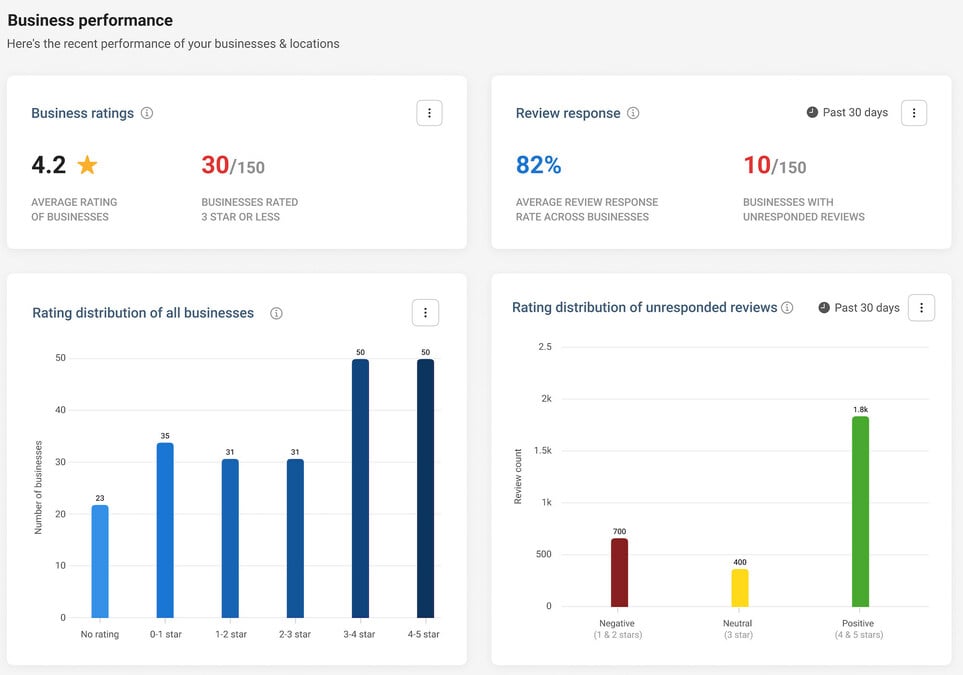
In April 2024, Birdeye introduced the Partner Command Center, a new analytics tool tailored for agency partners. This platform is designed to streamline operations and enhance service delivery by providing key analytics functionalities in one centralized location.
The Partner Command Center equips agencies with customizable dashboards, error alerts, churn reduction strategies, and upsell opportunities. These features enable agencies to monitor and optimize their performance efficiently, addressing potential issues promptly and capitalizing on growth opportunities through detailed insights.
The value of the Partner Command Center to users is clear. It empowers agencies with the tools needed to improve client retention and expand revenue streams. By integrating comprehensive analytics and operational tools, agencies can achieve better results, making the Partner Command Center an essential asset for enhancing their competitive edge.
Verdict: Hot! The value in becoming a Birdeye agency partner just skyrocketed.
Marketo Update Notes
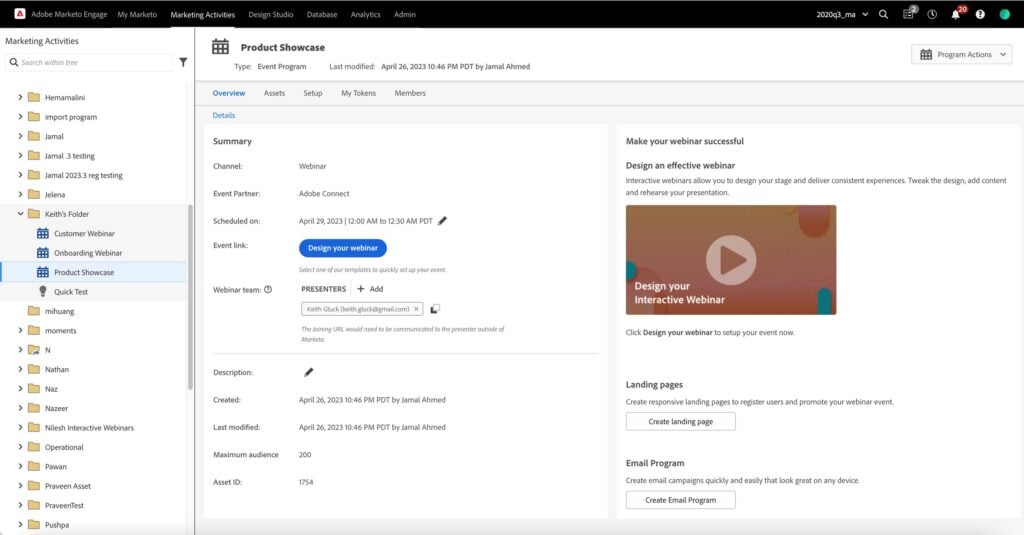
In April 2024, Adobe Marketo plans to release significant updates to its Interactive Webinars capabilities. These enhancements allow hosts and presenters to customize webinar titles and room names, and manually sync engagement data after events. The platform will also introduce templates for creating customized, branded webinar room layouts.
The ability to alter webinar titles and room settings enhances relevance for participants, while manual data syncing offers precise control over engagement analytics. The new templates ensure consistent, professional branding across webinar presentations.
The value of these enhancements lies in their ability to improve user experience and operational effectiveness during webinars. With greater customization options and better data handling, Marketo users can host more engaging and brand-cohesive webinars.
Verdict: Hot! Webinars are a great inbound marketing technique but it's hard to find the time/budget to manage them. Adobe Marketo users are now a step ahead!
March 2024: Marketing Software Updates
Here are some March update highlights.
ActiveCampaign Update Notes
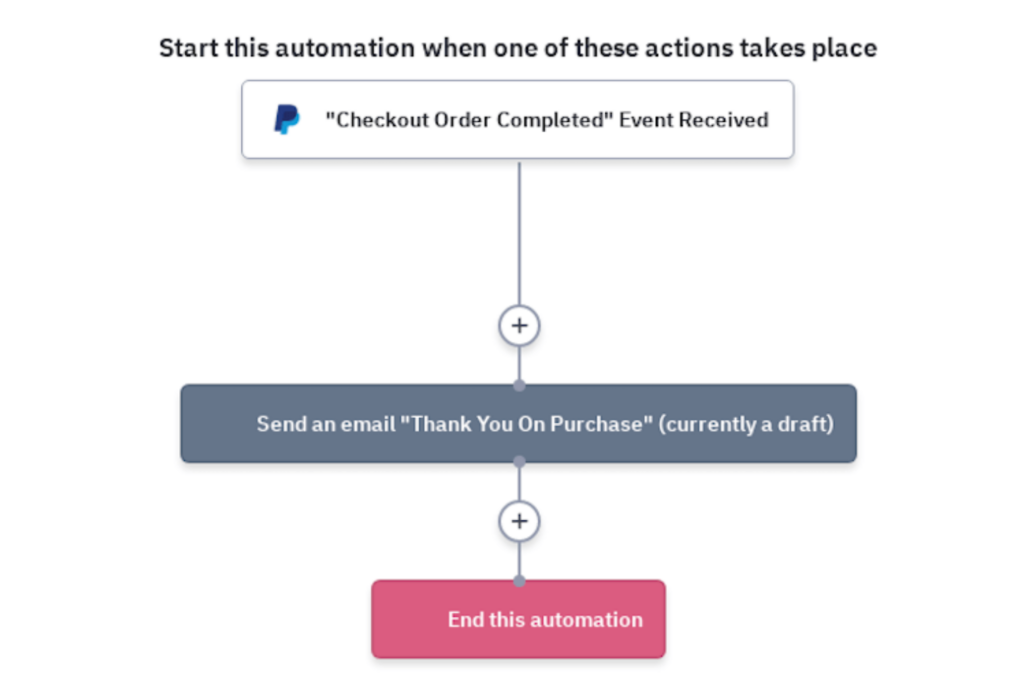
In March 2024, ActiveCampaign introduced a new feature that integrates recurring payments with WooCommerce and PayPal. This enhancement broadens the ecommerce capabilities of the platform, providing a streamlined solution for setting up and managing regular transactions.
This new functionality allows users to easily configure recurring payment options within their WooCommerce store, using PayPal as the payment processor. The integration facilitates automatic billing cycles and ensures seamless transaction processing, making it easier for businesses to offer subscriptions or other regular payment models to their customers.
The addition of recurring payments significantly enhances the value ActiveCampaign offers to ecommerce businesses. By enabling automatic and regular billing, companies can improve cash flow consistency and customer retention. This feature not only simplifies the payment process but also helps businesses stabilize revenue streams and build stronger, ongoing relationships with their customers.
Verdict: Not! This update is pretty niche, so the majority of active users probably won't be affected by it or even notice the change.
CreatioCRM Update Notes
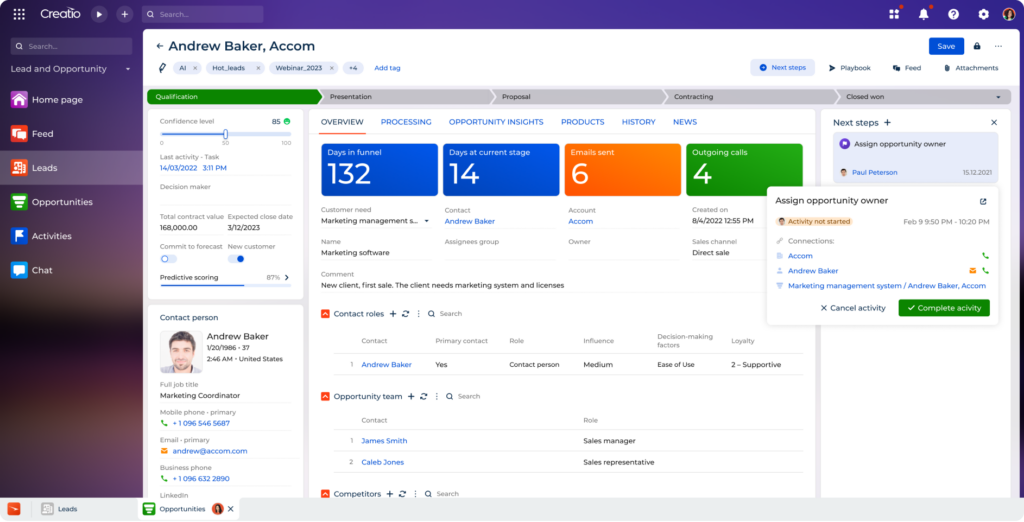
In March 2024, CRM Creatio introduced a significant enhancement to its platform with the launch of AI-driven analytics tools. These tools are engineered to harness the power of artificial intelligence to delve deeper into customer behavior and business operations.
The primary function of this update is to empower users with a more robust analytical toolset, enabling them to perform complex data analyses without the need for extensive technical expertise. The AI-driven tools analyze patterns and trends within the data, offering predictions and recommendations that help businesses anticipate customer needs.
The value of this update to users lies in its potential to significantly enhance decision-making processes. By providing deeper insights into customer behavior and business operations, CRM Creatio's AI tools help users make informed decisions that are predictive, rather than merely reactive.
Verdict: Hot! AI-driven reports are a must nowadays. It's great to see CRM Creatio go full tilt to empower users with the best predictive analytics.
Mailchimp Update Notes

Mailchimp has introduced a new AI Growth Assistant, a forward-thinking tool designed to enhance marketing campaigns through artificial intelligence. This feature is part of Mailchimp's ongoing efforts to incorporate advanced technologies into their platform, making sophisticated marketing tools more accessible to their users.
The AI Growth Assistant works by analyzing user data and previous campaign performance to offer tailored suggestions aimed at increasing engagement and efficiency. By leveraging AI, the tool can identify patterns and opportunities that may not be evident through traditional analysis, suggesting actionable improvements in real-time.
This update is highly valuable to users as it simplifies the process of campaign optimization. By automating the analysis and recommendation phases, Mailchimp users can focus more on creative and strategic aspects of marketing, rather than getting bogged down by data analysis.
Verdict: Hot! Newsletters are a key component of modern marketing but they take a lot of time. Having an AI outline to get you started is a great time-saver.
February 2024: Marketing Software Updates
Here are some February update highlights.
Salesforce Perdot Update Notes
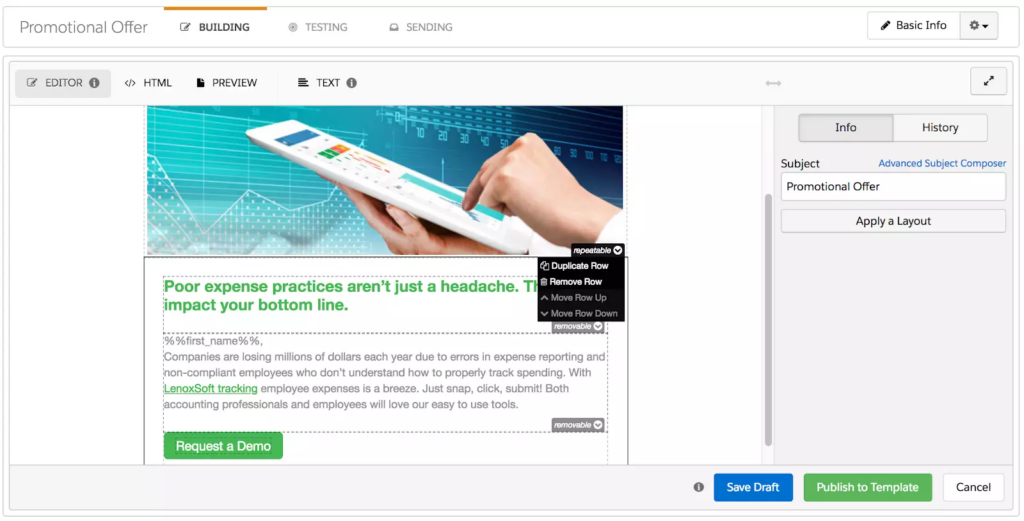
In February 2024, Salesforce Pardot will launch a new email builder. This tool offers a modular design, allowing users to switch between the current and a new, advanced editor. This flexibility enhances the email creation process.
The update brings a robust email builder that supports customizable modules, making it easier to align emails with campaign objectives. Users can choose between the straightforward existing editor or the enhanced capabilities of the new builder, enabling precise customization.
The upgrade provides significant benefits by allowing marketers to create more engaging, tailored emails. With editing options for all skill levels, it boosts the effectiveness of campaigns, enhances customer engagement, and drives better returns.
Verdict: Hot! I'm a big fan of making critical components of software easier to use. No brainer!
HubSpot Marketing Update Notes
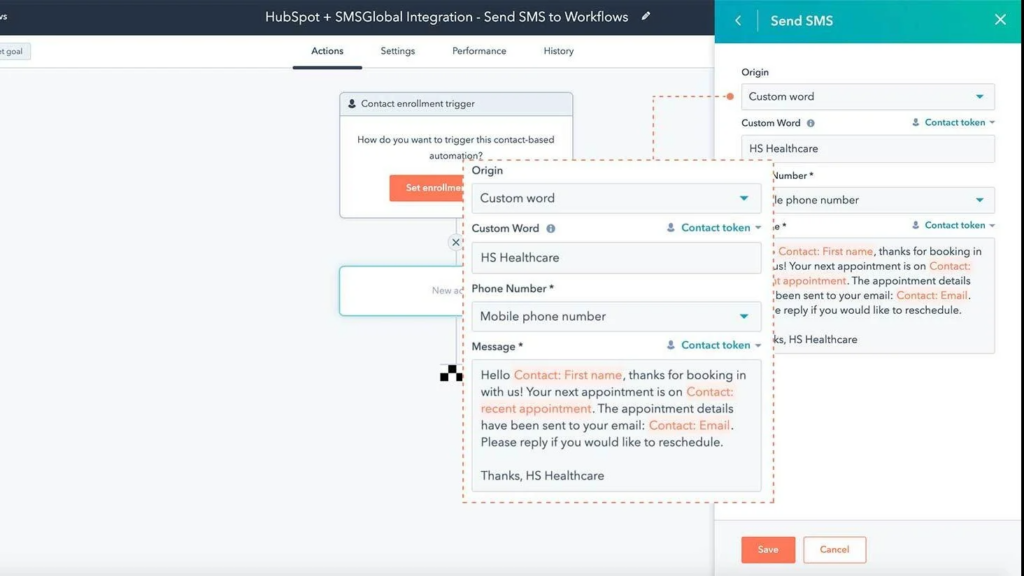
In February 2024, HubSpot Marketing enhanced its platform by integrating SMS capabilities through a partnership with Twilio. This update allows users to send timely and relevant SMS messages directly to customers without the need for a separate Twilio account.
The integration simplifies the process of setting up and deploying SMS campaigns by leveraging Twilio's robust messaging technology within the HubSpot environment. Users can now initiate SMS communications quickly, ensuring messages are both timely and aligned with customer interactions and needs.
The value of this update is significant for users seeking direct and immediate customer engagement. By incorporating SMS services, HubSpot enables more dynamic and responsive marketing strategies. This addition helps businesses increase customer touchpoints, improve communication efficiency, and enhance overall engagement metrics without complicating their existing workflows.
Verdict: Not! HubSpot is just borrowing Twilio tech and charging extra for it. You can probably find a better deal shopping around.
Campaigner Update Notes
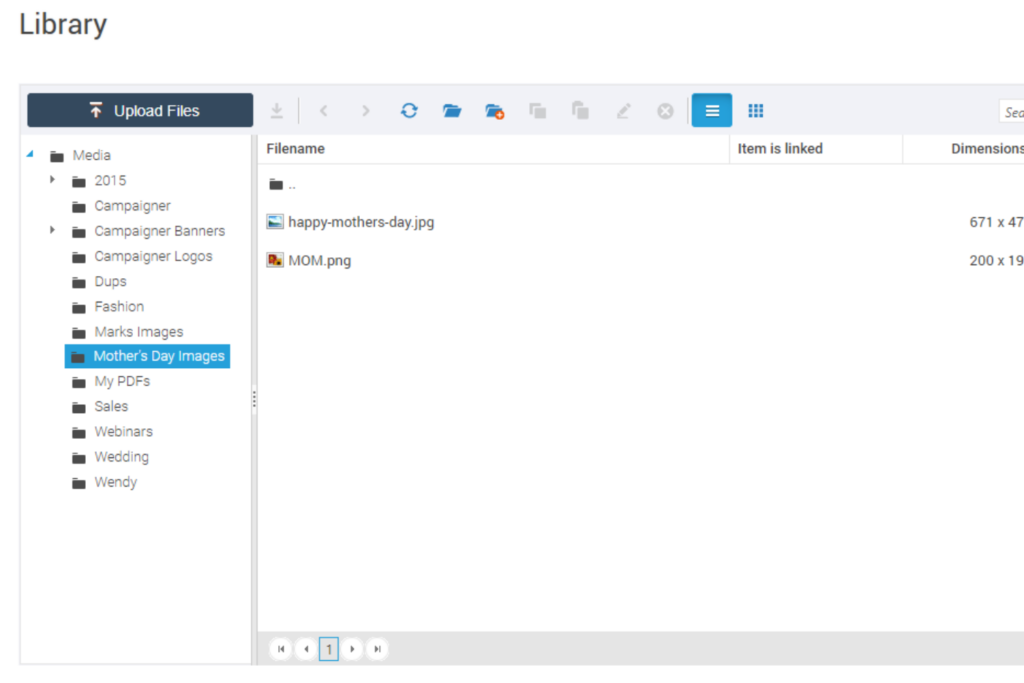
In the first quarter of 2024, Campaigner introduced significant enhancements to its platform, including a full email editor and a comprehensive media library. These new features streamline the creation and management of marketing materials directly within Campaigner, eliminating the need for third-party software.
The updated email editor supports HTML customization, allowing users to have full control over the design and layout of their email campaigns. Simultaneously, the new media library provides a centralized space where users can store, organize, and edit images and PDF files. This integration ensures that all marketing assets are easily accessible and editable in one place.
The enhancements bring substantial value to users by simplifying the marketing process. With advanced editing tools and a unified media library, users can enhance the visual appeal and effectiveness of their campaigns. These tools not only save time and resources but also empower marketers to execute more personalized and impactful email campaigns.
Verdict: Hot! A unified media library makes maintaining brand consistency across all channels much easier, including email blasts.
Google Analytics Update Notes
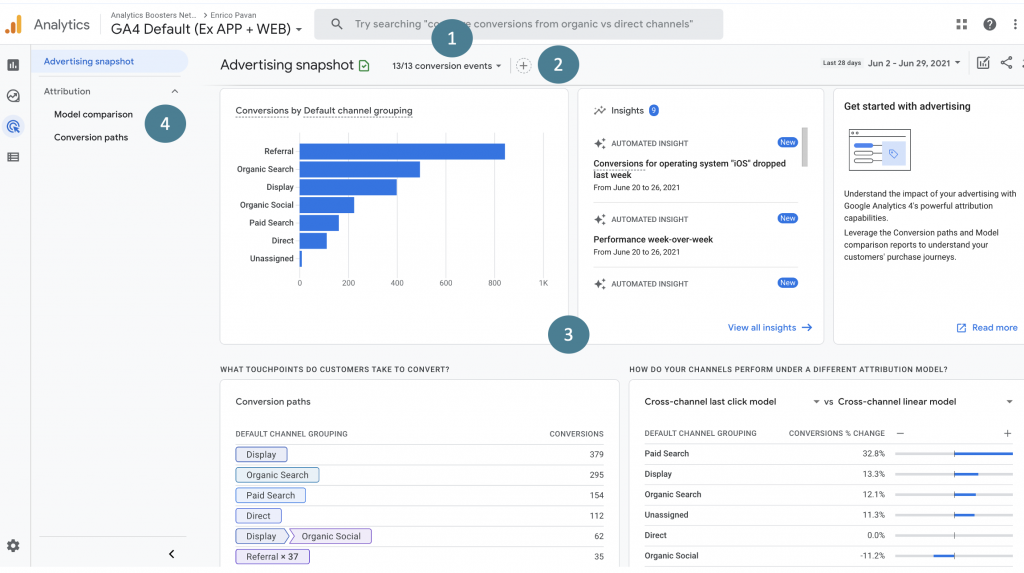
On February 22, 2024, Google Analytics 4 rolled out a significant update to its Advertising workspace. This enhancement introduced two distinct areas: one area is dedicated to marketers for tracking and analyzing their advertising campaigns, while the other focuses on gathering and interpreting behavioral insights.
The primary function of this update is to streamline the reporting process for users. By segmenting the workspace into two dedicated areas, it allows marketers to access specialized tools and reports tailored to either campaign management or behavioral analysis.
The update significantly benefits users by simplifying how they interact with complex data sets and improve their decision-making processes. For advertisers and publishers, this means quicker access to relevant data and a smoother workflow.
Verdict: Hot! These enhancements to G4A's Advertising workspace stand to make managing paid campaigns much more straightforward for marketers.
Freshworks Product Updates
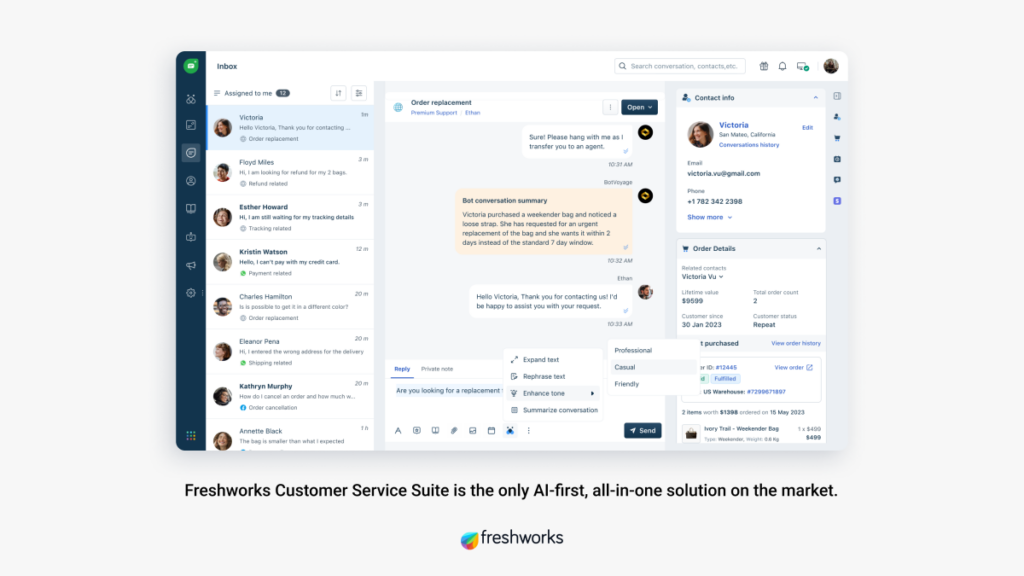
In February 2024, Freshworks launched the Freddy Copilot Add-on. This tool introduces AI features aimed at boosting agent productivity and enhancing response quality in support scenarios.
The add-on uses AI to suggest responses and automate tasks, freeing agents to focus on complex customer needs. It also sorts incoming requests to streamline workflow.
The update boosts efficiency in customer support, helping businesses improve response times and customer satisfaction, which is crucial for their success.
Verdict: Not! Freshworks has been AI-powered for a while now, so the "new" benefits may seem slim to existing users.
Frequently Asked Questions
Need more information about the best marketing software before making your pick? Here are the answers to a couple of questions you might have.
How do I get executive buy-in for marketing software?
Securing buy-in starts by linking the software’s benefits to your company’s goals, such as faster growth or better ROI. Show clear examples of efficiency gains or cost savings, and share data or customer stories from similar organizations. Build consensus by involving stakeholders early and providing a clear implementation plan.
Can marketing software help in improving customer retention?
Yes, marketing software can significantly enhance customer retention by automating engagement processes, such as sending personalized emails, reminders, and special offers based on customer behavior and preferences. Reporting tools also help you spot churn risks and measure engagement, so you can take action faster.
What metrics and KPIs can be tracked using marketing software?
Most platforms let you track campaign performance, lead generation, conversion rates, and pipeline value. Focus on metrics like cost per acquisition, customer lifetime value, marketing qualified leads, and multi-touch attribution to see how each channel contributes to revenue.
How can I ensure a smooth marketing software implementation for my team?
Start by picking a platform that matches your needs and tech skills. Engage your team early, set up training, and define clear steps for onboarding. Assign a project lead, use the vendor’s customer support, and create a feedback loop to spot problems quickly in the rollout.
What integrations should I prioritize in marketing software?
Prioritize integrations with your CRM, sales tools, analytics platforms, and existing ad or email systems. This keeps data unified and reduces manual work. Look for platforms offering open APIs, or direct connectors with major platforms like Salesforce, HubSpot, or Google Analytics.
How do I measure the impact of marketing software on campaign performance?
Assess impact by tracking changes in campaign metrics before and after using the software like lead volume, conversion rates, or engagement. Use built-in attribution and reporting features to link software actions to results. Regularly compare analytics with business targets for ongoing improvement.
What common mistakes should marketers avoid when selecting software?
Don’t choose tools based just on price or features. Make sure they fit your team’s workflow and existing stack. Avoid overlooking integrations and user adoption hurdles. Always test for scalability and vendor support before final decisions.
How often should I review or update our marketing software stack?
Optimization recommendations: Receive tailored suggestions for improving send times, subject lines, or ad bids based on continuous AI analysis of your performance data.
Predictive analytics: AI examines historical data to forecast future campaign performance, helping you allocate resources where they’ll have the biggest impact.
Automated content generation: Let AI craft email subjects, social posts, or ad copy, saving you time and experimenting with new approaches.
Smart audience segmentation: AI identifies hidden patterns within your data and creates hyper-targeted segments, ensuring your messages hit the mark every time.
Personalization engines: AI powers unique content recommendations and customized user experiences across channels, so each customer feels like you truly get them.
Review your marketing tech stack at least once a year, or when your strategy changes. Regular audits help you identify outdated software, gaps, or overlaps. Involve users from across the marketing team in reviewing needs, and consider market trends before adding new tools.
Additional Marketing Software Reviews
Marketing tends to require different platforms working in tandem. Here are some other software lists you might find useful:
- Marketing Workflow Software
- Marketing Calendar Software
- Marketing Collaboration Software
- Marketing Intelligence Software
- Marketing CRM Software
- Brand Management Software
- Affiliate Marketing Software
- Social Media Management Software
- Direct Mail Marketing Software
- Multi-Level Marketing Software
- Promotional Product Management Software
- Marketing Operations Software
Choose the Right Marketing Software for Your Needs
When it comes to picking marketing software, it's important to consider your team's context and unique requirements. Remember, your choice is more than just another tool in your tech stack.
The right software helps you to not only hit your marketing goals, but also makes creating, managing, and analyzing your marketing campaigns easier. Now, it's your turn. Whether you're grappling with lead generation, email automation, analytics, or customer relationship management, you are sure to find a tool on our shortlist that meets all your requirements.
Marketing software trends change so rapidly, so be sure to sign up for The CMO newsletter. That way, you'll get insights delivered right to your inbox as the MarTech tide ebbs and flows.