

In qualità di CMO o vicepresidente del marketing di un'azienda SaaS, la tua principale difficoltà nell'ascolto dei social non consiste nel trovare dati, ma nel filtrare le conversazioni irrilevanti per estrarre informazioni utili sui ricavi. Hai bisogno di metriche chiare direttamente collegate alla pipeline, al posizionamento sul mercato e al rischio per il brand, senza sommergere il tuo team di rumore.
Ho testato i principali strumenti di ascolto dei social in diversi casi d'uso B2B tecnologici per mostrarti quali piattaforme favoriscono davvero la crescita.
Perché fidarsi dei nostri consigli sui software
6,700+
Reviews
20
Industry experts
16+
Evaluation factors
14
Years
Il nostro team testa e recensisce software dal 2012. In quanto leader del marketing noi stessi, sappiamo quanto sia difficile — e importante — scegliere il software giusto.
Per questa guida, abbiamo valutato gli strumenti attraverso test pratici e ricerche indipendenti, assegnando un punteggio agli strumenti in base ai nostri criteri di selezione.
Le nostre recensioni riflettono il nostro giudizio editoriale umano, non un discorso di vendita.
Revisori esperti:
 Gui DrusinaDirettore creativo
- Shriya GhateSenior Marketing Lead
 Amanda JacquesResponsabile Marketing Ops

Riepilogo dei migliori strumenti di ascolto dei social
| Tool | Best For | Trial Info | Price | ||
|---|---|---|---|---|---|
| 1 | Ideale per un ascolto social completo | Prova gratuita + demo gratuita disponibili | Da $99/utente/mese (fatturazione annuale) | Website | |
| 2 | Il miglior strumento tutto-in-uno per analisi del sentiment e protezione del brand | Prova gratuita di 14 giorni | A partire da $69/utente/mese (fatturato annualmente) | Website | |
| 3 | Ideale per social listening e analisi del sentiment | Prova gratuita di 7 giorni disponibile | Da $99/mese | Website | |
| 4 | Ideale per i ricercatori di mercato | Demo gratuita disponibile | Prezzi su richiesta | Website | |
| 5 | Lo strumento più facile da usare | Prova gratuita di 30 giorni | A partire da $49/utente/mese (fatturato annualmente) | Website | |
| 6 | Ideale come strumento tutto-in-uno | Piano gratuito + prova gratuita di 7 giorni + demo gratuita | A partire da $117.33/mese (con fatturazione annuale) | Website | |
| 7 | Il miglior strumento per startup | Prova gratuita di 30 giorni | Da $119/utente/mese | Website | |
| 8 | Miglior strumento per team in crescita | Demo gratuita disponibile | Prezzi su richiesta | Website | |
| 9 | Ideale per i team B2B | Prova gratuita di 30 giorni | Da $249/utente/mese | Website | |
| 10 | Il miglior strumento di social listening per l'analisi degli hashtag | Prova gratuita di 7 giorni | Da $79/utente/mese | Website |


Recensioni dei migliori strumenti di ascolto dei social
In questa sezione fornirò una valutazione degli strumenti di ascolto dei social di alta qualità attualmente disponibili sul mercato. Nel corso della valutazione, illustrerò i principali vantaggi e limiti e fornirò schermate dell’interfaccia utente per ogni strumento.
 Ideale per un ascolto social completo
- Prova gratuita + demo gratuita disponibili
- Da $99/utente/mese (fatturazione annuale)
Visit WebsiteCustomer Rating:4.3/5
Hootsuite Listening rende semplice monitorare informazioni chiave su tendenze rilevanti, parole chiave e altro ancora. Hootsuite offre ai team di marketing e alle agenzie una piattaforma unificata per monitorare, analizzare e rispondere alle conversazioni sui social, aiutandoti a tracciare le menzioni del brand, individuare le tendenze e comprendere il sentiment del pubblico su tutti i principali social network.
Per chi è più indicato Hootsuite?
Hootsuite è particolarmente adatto a team di marketing di medie e grandi dimensioni che gestiscono la presenza social su più canali e necessitano di funzionalità di listening, pubblicazione e analisi in un’unica soluzione.
Perché ho scelto Hootsuite
Hootsuite si guadagna un posto tra i migliori della mia lista perché copre più aspetti del social listening rispetto a quasi qualsiasi altro strumento che ho utilizzato. Mi piace la funzionalità Streams, che permette al mio team di monitorare in tempo reale menzioni del brand, parole chiave e hashtag su piattaforme come Instagram, LinkedIn e X, tutto da un’unica dashboard. Mi affido inoltre all’analisi del sentiment per valutare come il pubblico reagisce a campagne o notizie, aiutando il mio team a rispondere prima che la conversazione cambi. L’ampiezza dei dati di ascolto, combinata con strumenti integrati di pubblicazione e coinvolgimento, significa che non devo passare da una piattaforma all’altra per agire su ciò che trovo.
Caratteristiche principali di Hootsuite
- Benchmark competitivo: Confronta direttamente le metriche delle tue performance social con quelle dei concorrenti sui canali chiave.
- Report analitici personalizzati: Crea e pianifica report personalizzati che raccolgono dati su engagement, reach e pubblico da più profili.
- Gestione della posta in arrivo: Visualizza e rispondi a commenti, messaggi e menzioni da diversi account social in un’unica inbox unificata.
- Programmazione in blocco: Carica e programma fino a 350 post contemporaneamente tramite file CSV su più profili social.
Integrazioni di Hootsuite
Le integrazioni includono Instagram, Facebook, TikTok, YouTube, X (Twitter), LinkedIn, Pinterest, WhatsApp, Salesforce e Canva.
Pros and Cons
Pros:
- È possibile gestire diversi account social da un'unica dashboard
- Gli strumenti di analisi di Hootsuite aiutano a comprendere meglio il proprio pubblico.
- La funzione di social listening permette al tuo team di interagire efficacemente con il pubblico.
Cons:
- Le funzionalità avanzate richiedono tempo per essere apprese, soprattutto per i team più piccoli.
- L'interfaccia può sembrare affollata e disorientante per i nuovi utenti.
Learn more about Hootsuite: Il miglior strumento tutto-in-uno per analisi del sentiment e protezione del brand
- Prova gratuita di 14 giorni
- A partire da $69/utente/mese (fatturato annualmente)
Visit WebsiteCustomer Rating:4.7/5
La dashboard di Brand24 per il monitoraggio del brand e l'ascolto social offre approfondimenti su cosa dicono le persone su di te. Brand24 offre ai team di marketing, alle agenzie e ai brand la possibilità di monitorare le conversazioni online, tracciare il sentiment e proteggere la propria reputazione su social media, siti di notizie, blog e forum—tutto da un'unica dashboard.
Per Chi È Brand24?
Brand24 è una soluzione adatta a medie imprese, agenzie di marketing digitale e team PR che hanno bisogno di monitorare le menzioni del brand e gestire la reputazione su un'ampia gamma di fonti online.
Perché Ho Scelto Brand24
Brand24 si è guadagnato un posto nella mia shortlist perché combina l'analisi del sentiment e la protezione del brand in un unico workflow fortemente integrato. Apprezzo il rilevamento del sentiment alimentato dall'IA che classifica automaticamente le menzioni come positive, negative o neutre in tempo reale, permettendo al mio team di individuare un problema di PR prima che sfugga di mano. Anche la funzionalità Presence Score è utile, perché quantifica la visibilità del marchio nel tempo e mi aiuta a collegare i dati di monitoraggio all'impatto sulla reputazione. Il rilevamento delle anomalie in Brand24 invia anche avvisi quando il volume delle menzioni aumenta improvvisamente, fornendo un avvertimento tempestivo essenziale per una strategia di brand protection.
Funzionalità Principali di Brand24
- Feed menzioni: Aggrega le menzioni del brand da social media, siti di notizie, blog, podcast e forum in un unico flusso filtrabile.
- Punteggio influencer: Classifica gli autori delle menzioni in base alla loro portata social, aiutando a identificare chi genera più discussioni sul tuo brand.
- Report personalizzati: Genera report PDF brandizzati con volume delle menzioni, analisi del sentiment e dati di portata per la condivisione con gli stakeholder.
- Strumento di confronto: Permette di monitorare e confrontare più parole chiave o concorrenti fianco a fianco nella stessa dashboard.
Integrazioni Brand24
Le integrazioni includono Slack, Excel, PowerPoint e un'API per integrazioni personalizzate.
Pros and Cons
Pros:
- Ottimo rapporto qualità-prezzo
- Facile da usare
- Opzioni di personalizzazione flessibili
Cons:
- Fonti di dati limitate
- Limitazioni linguistiche
Learn more about Brand24: Ideale per social listening e analisi del sentiment
- Prova gratuita di 7 giorni disponibile
- Da $99/mese
Visit WebsiteCustomer Rating:5/5
Dashboard di BrandMentions che mostra le tendenze delle emozioni, il sentiment per canale e lingua e l’analisi delle emozioni guidata dall’intelligenza artificiale. BrandMentions aiuta i team di marketing, le agenzie e i brand a tracciare le conversazioni online, monitorare la reputazione e analizzare il sentiment sui social media e sul web per anticipare le tendenze e gestire la percezione del brand.
Per chi è BrandMentions?
BrandMentions è adatto a team di marketing e professionisti delle relazioni pubbliche in piccole e medie imprese che devono monitorare la reputazione del brand e tenere traccia delle attività dei concorrenti sul web e sui social media.
Perché ho scelto BrandMentions
BrandMentions si guadagna un posto tra i migliori nella mia lista per come unisce efficacemente il social listening in tempo reale all’analisi del sentiment in un unico workflow mirato. Mi piace la funzione di analisi del sentiment che classifica automaticamente le menzioni in categorie positive e negative, così il mio team può individuare tempestivamente un problema di PR prima che si aggravi, invece di dover esaminare manualmente centinaia di menzioni. Gli avvisi via email in tempo reale ci notificano non appena una menzione del brand va online sui canali web o social. Questo livello di immediatezza rende BrandMentions davvero utile per la gestione della reputazione, non solo per la reportistica.
Caratteristiche principali di BrandMentions
- Monitoraggio dei concorrenti: Tieni traccia delle menzioni dei concorrenti su web e social media per confrontare la quota di voce del tuo brand rispetto ai rivali.
- Storico delle menzioni: Accedi ai dati storici delle menzioni per analizzare come si sono evolute nel tempo le conversazioni sul brand.
- Report di performance: Genera report condivisibili che riassumono il volume delle menzioni, la copertura e le tendenze di sentiment su un determinato periodo di tempo.
- Monitoraggio web: Monitora le menzioni del brand oltre i social media, inclusi siti di notizie, blog e forum, per una visione più ampia delle conversazioni online.
Integrazioni di BrandMentions
Le integrazioni includono X (Twitter), Facebook, Instagram, YouTube, LinkedIn, TikTok, Reddit, Bluesky, Google My Business e Tripadvisor.
Pros and Cons
Pros:
- Fornisce avvisi e notifiche in tempo reale su più piattaforme
- Ottimi strumenti di analisi dei concorrenti
- Pianificazione automatica dei report per aggiornamenti regolari
Cons:
- Non offre una versione mobile o un’app particolarmente efficace
- Il monitoraggio storico è limitato nei piani di fascia bassa
Learn more about BrandMentions: Ideale per i ricercatori di mercato
- Demo gratuita disponibile
- Prezzi su richiesta
Visit WebsiteCustomer Rating:4.8/5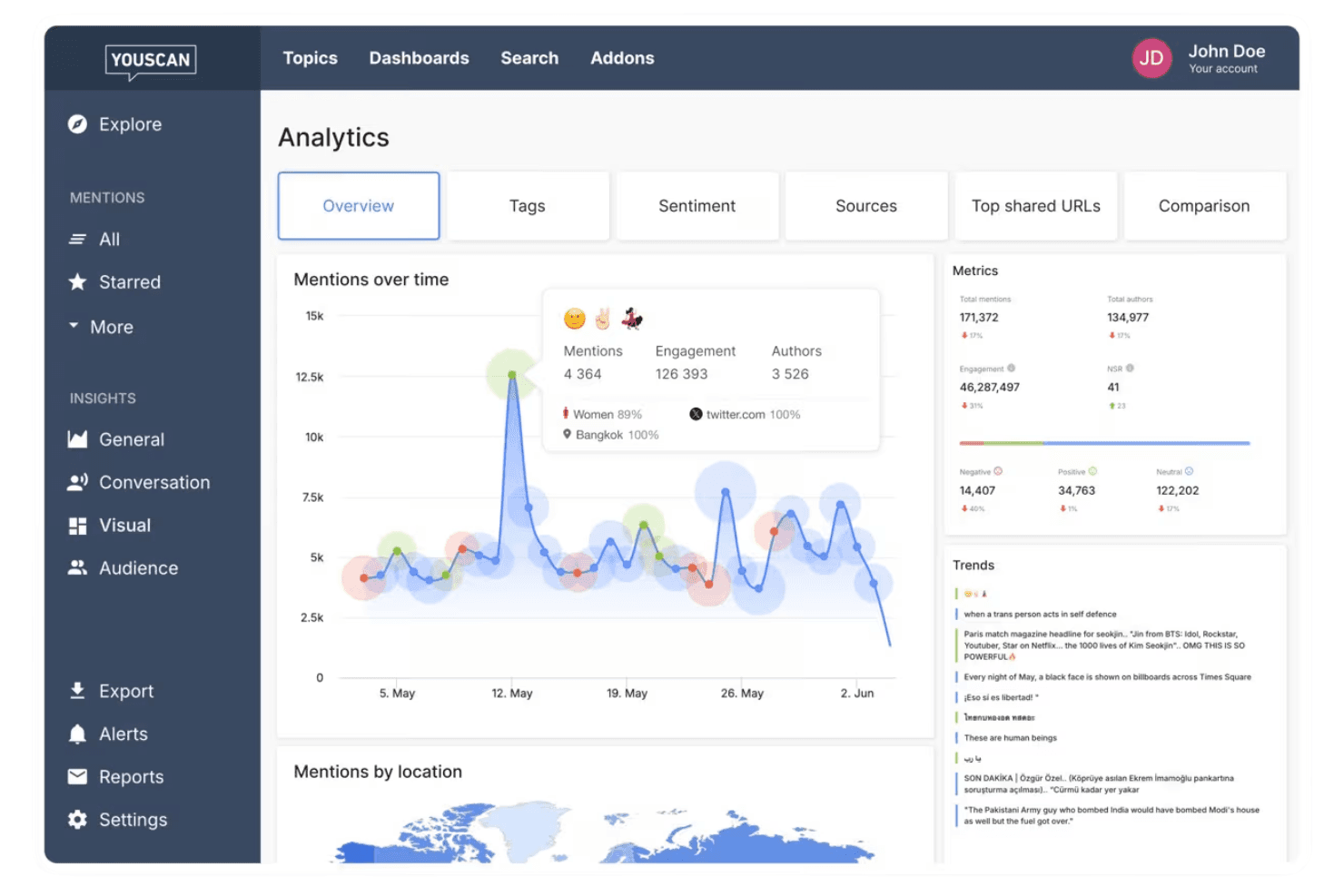
YouScan offre una dashboard di analisi con le menzioni nel tempo, la suddivisione del sentiment, le metriche di coinvolgimento e gli argomenti di tendenza per l'ascolto dei social. YouScan utilizza l'ascolto dei social media e l'analisi visiva basati sull'intelligenza artificiale per aiutare brand, agenzie e team di ricerca a monitorare le conversazioni, individuare le tendenze e comprendere il sentiment del pubblico sui canali digitali.
Per chi è più adatto YouScan?
YouScan è particolarmente adatto a ricercatori di mercato, strateghi del brand e team di analisi che necessitano di un'analisi approfondita dei dati social, oltre al semplice monitoraggio delle menzioni.
Perché ho scelto YouScan
YouScan si è guadagnato un posto nella mia lista ristretta per il modo in cui risponde alle esigenze dei ricercatori di mercato che hanno bisogno di qualcosa di più del semplice conteggio delle menzioni. Apprezzo in particolare la funzione Insights Copilot, che utilizza l'intelligenza artificiale per individuare schemi e temi all'interno di grandi volumi di dati social, un'attività che richiederebbe giorni di lavoro manuale a un team di ricerca. Mi affido inoltre agli strumenti di analisi del pubblico per suddividere le persone che parlano di un argomento in base a dati demografici, interessi e posizione geografica, informazioni che confluiscono direttamente nei risultati della ricerca.
Funzionalità principali di YouScan
- Analisi visiva: Utilizza il riconoscimento delle immagini basato sull'intelligenza artificiale per rilevare loghi, oggetti, ambienti e attività nelle immagini generate dagli utenti provenienti da oltre 500K fonti online.
- Monitoraggio audio: Trascrive e riassume automaticamente le menzioni orali del brand nei video di YouTube per acquisire feedback non registrati in forma testuale.
- Analisi del sentiment: Monitora le conversazioni positive e negative a livello dettagliato, includendo aspetti del prodotto come prezzi, qualità e servizio clienti.
- Analisi della concorrenza: Confronta le prestazioni del brand con quelle dei concorrenti utilizzando i dati social, incluso il monitoraggio delle menzioni visive e l'analisi del coinvolgimento.
Integrazioni di YouScan
Le integrazioni includono Slack, Microsoft Teams, Telegram, Zendesk, Salesforce, Freshdesk, Bitrix24, amoCRM, Power BI e un'API per flussi di lavoro personalizzati.
Pros and Cons
Pros:
- Copertura completa dei social media
- Analisi avanzata del sentiment
- Potente visualizzazione dei dati
Cons:
- Mancanza di trasparenza sui prezzi
- Limitazioni nell'accesso all'API
Learn more about YouScan: Lo strumento più facile da usare
- Prova gratuita di 30 giorni
- A partire da $49/utente/mese (fatturato annualmente)
Visit WebsiteCustomer Rating:4.5/5
L'interfaccia di pubblicazione e pianificazione di Agorapulse per i social media è semplice e facile da usare Agorapulse offre ai team di marketing e alle agenzie un modo per monitorare le menzioni del brand, tenere traccia dei concorrenti e gestire le conversazioni sui vari social da un unico cruscotto.
Per chi è più adatto Agorapulse?
Agorapulse è perfetto per i social media manager e le agenzie di marketing che gestiscono più account di clienti e hanno bisogno di un unico luogo dove monitorare, interagire e creare report.
Perché ho scelto Agorapulse
Agorapulse merita il suo posto tra i migliori della mia selezione perché la configurazione è davvero veloce—puoi impostare ricerche per parole chiave, il monitoraggio delle menzioni del brand e il controllo dei concorrenti in pochi secondi, non in ore. Mi piace il fatto che la casella di posta unificata raccolga tutte le conversazioni monitorate in un unico posto, così il mio team può rispondere alle menzioni senza dover saltare da una piattaforma all'altra. Anche il sistema di allerta sul sentiment è tra i punti di forza: invia notifiche quando il sentiment sul brand cambia bruscamente, il che significa che posso intercettare un potenziale problema di PR prima che prenda piede. Questa combinazione di configurazione rapida e avvisi in tempo reale lo rende uno degli strumenti di social listening più accessibili che abbia mai usato.
Funzionalità principali di Agorapulse
- Inbox social: Consolida commenti, messaggi e menzioni da tutti i profili social collegati in un unico feed gestibile.
- Report di ascolto: Genera report su parole chiave e hashtag monitorati, mostrando volumi, copertura e trend di engagement nel tempo.
- Benchmarking dei concorrenti: Monitora l’attività social dei concorrenti e confronta direttamente le loro metriche di performance con quelle dei tuoi account.
- Calendario per la pubblicazione: Permette di programmare e mettere in coda i post su più profili social dallo stesso cruscotto dove si monitorano le conversazioni.
Integrazioni di Agorapulse
Le integrazioni includono Facebook, Instagram, LinkedIn, X (Twitter), TikTok, YouTube, Pinterest, Google Business Profile, Salesforce e HubSpot.
Pros and Cons
Pros:
- Facile da usare
- Gestione unificata dei social media
- App mobile per iOS e Android
Cons:
- Limitazioni nelle integrazioni con terze parti
- Supporto linguistico limitato
Learn more about Agorapulse: Ideale come strumento tutto-in-uno
- Piano gratuito + prova gratuita di 7 giorni + demo gratuita
- A partire da $117.33/mese (con fatturazione annuale)
Visit WebsiteCustomer Rating:4.5/5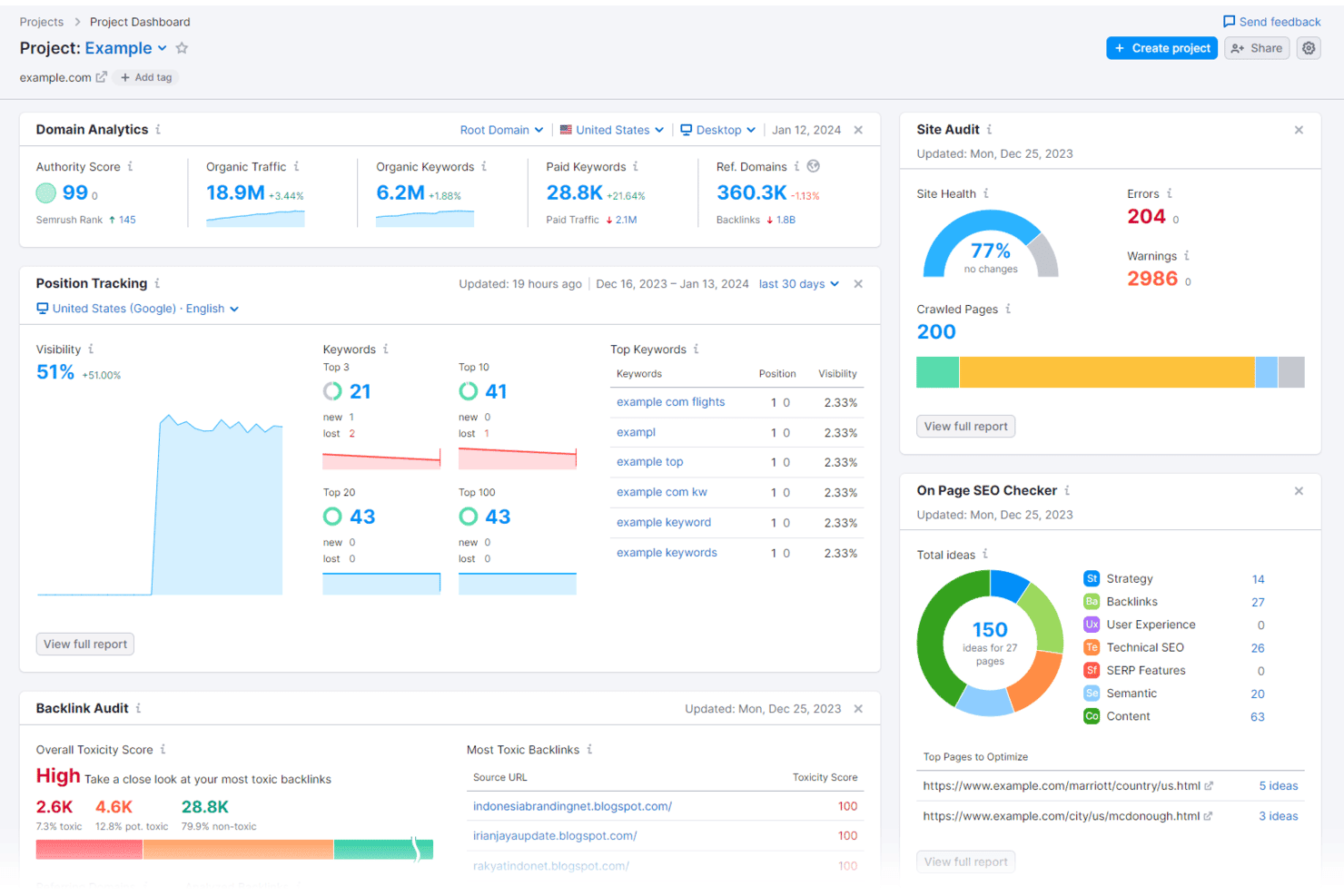
Semrush mostra un pannello di controllo completo del progetto con strumenti di analisi del dominio, monitoraggio delle posizioni, controllo dei backlink, audit del sito e verifica SEO sulla pagina. Semrush è una piattaforma di marketing digitale con un kit di strumenti per i social media che comprende il monitoraggio delle menzioni del marchio, l'analisi del sentimento, il confronto con i concorrenti e l'analisi degli influencer su reti sociali, blog, siti di notizie, forum e podcast.
Per chi è più adatto Semrush?
Semrush è adatto ai team e alle agenzie di marketing che desiderano riunire SEO, contenuti e monitoraggio delle conversazioni sui social media in un'unica piattaforma, invece di gestire strumenti separati.
Perché ho scelto Semrush
Ho incluso Semrush tra le mie scelte migliori perché è l'unica piattaforma che mi consente di monitorare le menzioni del marchio, confrontare i concorrenti e ricercare opportunità SEO senza dover cambiare scheda. Il suo strumento di monitoraggio dei media analizza contemporaneamente piattaforme social, siti di notizie, forum e podcast, mentre il monitoraggio dei social media aggiunge i dati sul coinvolgimento dei concorrenti alle metriche delle tue prestazioni. Mi affido anche all'analisi delle tendenze per individuare gli argomenti in crescita prima che raggiungano il loro picco, integrando direttamente questi dati nella pianificazione dei contenuti.
Funzionalità principali di Semrush
- Pannello di controllo per l'analisi degli influencer: Monitora e analizza le prestazioni degli influencer su Instagram, TikTok, YouTube e Twitch.
- Monitoraggio del sentimento del pubblico: Classifica automaticamente le menzioni come positive, negative o neutrali in tempo reale.
- Parole chiave personalizzate per il monitoraggio dei media: Monitora fino a 10 parole chiave uniche su fonti web, social media, di notizie e forum.
- Analisi dei social media dei concorrenti: Confronta le metriche di coinvolgimento e crescita per un massimo di 20 profili concorrenti.
Integrazioni di Semrush
Semrush offre integrazioni native con Facebook, Instagram, LinkedIn, Pinterest, Google Business Profile e YouTube. È disponibile anche un'API per integrazioni personalizzate.
Pros and Cons
Pros:
- Combina SEO, contenuti e monitoraggio delle conversazioni sui social media
- Il monitoraggio dei media copre social media, notizie e podcast
- Confronto sui social media con i concorrenti incluso nei piani principali
Cons:
- Profondità limitata del monitoraggio delle conversazioni sui social media
- I limiti sul volume delle menzioni ostacolano il monitoraggio ad alto traffico
 Il miglior strumento per startup
- Prova gratuita di 30 giorni
- Da $119/utente/mese
Visit WebsiteCustomer Rating:4.5/5
La dashboard di ricerca dei contenuti di BuzzSumo semplifica l'espansione della tua portata. BuzzSumo aiuta i team di marketing, le agenzie e gli strategist dei contenuti a monitorare le menzioni del marchio, analizzare gli argomenti di tendenza e scoprire informazioni sugli influencer per guidare decisioni più intelligenti in ambito social listening e strategia dei contenuti.
Per chi è più indicato BuzzSumo?
BuzzSumo è una scelta ideale per le startup che devono monitorare le menzioni del brand, individuare i trend dei contenuti e identificare gli influencer senza affrontare una curva di apprendimento ripida.
Perché ho scelto BuzzSumo
BuzzSumo si guadagna il suo posto tra i migliori della mia shortlist perché offre alle startup un modo veloce e poco impegnativo per iniziare con il social listening senza bisogno di un analista dedicato. Mi piace come gli avvisi relativi a keyword e brand permettano al mio team di tracciare in tempo reale le menzioni dei concorrenti e gli argomenti emergenti—così reagiamo a ciò che sta realmente accadendo, senza dover indovinare. Anche lo strumento per la scoperta di contenuti è davvero utile nelle fasi iniziali, estraendo domande da Reddit, Quora e forum per mostrare esattamente cosa chiede il tuo pubblico target. Quel tipo di segnale sul pubblico è difficile da replicare quando si sta ancora costruendo la funzione di ricerca di mercato.
Caratteristiche principali di BuzzSumo
- Monitoraggio dei backlink: Tiene traccia dei nuovi link in entrata non appena appaiono, così puoi vedere quale contenuto sta generando link e da dove provengono.
- Avvisi su autori e testate: Imposta notifiche per giornalisti, blogger o editori specifici in modo da non perdere mai nuovi contenuti dalle voci chiave nel tuo settore.
- Filtro degli influencer tramite metriche di engagement: Identifica gli influencer basandosi sui dati concreti di engagement—come la media dei retweet—invece che solo sul numero di follower.
- Analizzatore di contenuti: Cerca tra miliardi di articoli per mettere in evidenza i contenuti più condivisi su qualsiasi argomento su Facebook, X, Reddit e YouTube.
Integrazioni di BuzzSumo
Le integrazioni includono Slack, Salesforce, Canva, Hootsuite, Buffer, Microsoft Teams, Trello, Mailchimp, Google Sheets e altro ancora.
Pros and Cons
Pros:
- Analisi avanzata dei concorrenti
- Facile da usare
- Assistenza clienti e formazione solide
Cons:
- Copertura limitata delle piattaforme emergenti
- Limitazioni sui dati storici
 Miglior strumento per team in crescita
- Demo gratuita disponibile
- Prezzi su richiesta
Visit WebsiteCustomer Rating:4.5/5
Il webchart della rete di influencer di Digimind fornisce una visualizzazione completa dei dati sugli influencer. Digimind offre ai team di marketing e comunicazione un modo per monitorare le menzioni del brand, analizzare il sentiment e tenere traccia dei concorrenti sui social media, nelle notizie e sui canali online, aiutando le aziende a individuare le tendenze e gestire la propria reputazione online.
Per chi è ideale Digimind?
Digimind è adatto ai team di marketing e brand di aziende di medie dimensioni che hanno bisogno di ampliare l'ascolto dei social e l'intelligence competitiva man mano che crescono le esigenze di monitoraggio.
Perché ho scelto Digimind
Ho scelto Digimind perché si adatta facilmente ai team mentre aumentano le loro necessità di social listening. La piattaforma copre oltre 25 canali social e più di 800 milioni di fonti online, così il mio team evita lacune nella copertura quando aggiungiamo nuovi mercati o campagne da monitorare. La funzione AI Sense etichetta e classifica automaticamente i contenuti e svolge analisi del sentiment su 15 emozioni distinte, permettendomi di dedicare meno tempo allo smistamento manuale delle informazioni irrilevanti e più tempo ad agire su ciò che conta. L'accesso a dati storici fino a 24 mesi aiuta i team in crescita a confrontare le nuove iniziative con le performance passate.
Funzionalità principali di Digimind
- Dashboard di intelligence competitiva: Monitora le attività dei concorrenti, la quota di voce e il posizionamento sul mercato attraverso social e canali online in un'unica visualizzazione.
- Avvisi personalizzabili: Imposta notifiche in tempo reale per parole chiave specifiche, menzioni del brand o picchi nel volume delle conversazioni.
- Identificazione degli influencer: Rileva e analizza le principali voci e opinion leader che guidano le conversazioni rilevanti per il tuo brand o settore.
- Reportistica automatizzata: Genera e programma report condivisibili con branding personalizzato, grafici e visualizzazioni dati.
Integrazioni di Digimind
Le integrazioni native non sono attualmente elencate.
Pros and Cons
Pros:
- Altamente scalabile
- Copertura e supporto globale multilingue
- Robusta sicurezza dei dati
Cons:
- Mancanza di trasparenza sui prezzi
- Limitazioni nelle integrazioni
Learn more about Digimind: Ideale per i team B2B
- Prova gratuita di 30 giorni
- Da $249/utente/mese
Visit WebsiteCustomer Rating:4.3/5
Le metriche chiave di social listening di Sprout Social forniscono indicatori intuitivi e analisi del coinvolgimento del pubblico. Sprout Social offre ai team di marketing e comunicazione una piattaforma unificata per monitorare le menzioni del brand, analizzare il sentiment e seguire le tendenze di settore su diversi canali social, aiutando le aziende a restare aggiornate sulle conversazioni più rilevanti per il proprio pubblico.
Per chi è ideale Sprout Social?
Sprout Social è particolarmente adatto a team di marketing di medie e grandi dimensioni che devono gestire ascolto social, reportistica e coinvolgimento su più canali da un unico posto.
Perché ho scelto Sprout Social
Sprout Social si è guadagnato un posto nella mia shortlist grazie alla sua capacità di collegare i dati di social listening agli strumenti già utilizzati dai team B2B. Apprezzo in particolare l'integrazione con Salesforce: non si tratta solo di una sincronizzazione dati. Il mio team può importare lo storico delle conversazioni social direttamente in Sales Cloud per creare lead qualificati, oppure indirizzare i messaggi social nei casi di Service Cloud con l'analisi del sentiment guidata dall'IA. Anche il lato listening è molto solido: Trellis AI di Sprout mi permette di porre domande di ricerca complesse in linguaggio naturale e ricevere risposte senza dover creare report separati, cosa davvero utile quando devo aggiornare gli stakeholder rapidamente. Per i team B2B dove i dati social devono dimostrare il proprio valore tra vendite, marketing e customer success, questo tipo di connettività trasversale è difficile da eguagliare.
Caratteristiche principali di Sprout Social
- Report di benchmarking dei competitor: Confronta le prestazioni del tuo brand su Facebook, Instagram e X con una lista personalizzabile di profili concorrenti in termini di crescita follower, engagement e post migliori.
- Smart Inbox: Monitora e interagisci con i messaggi di tutte le reti social collegate in un'unica casella di posta centralizzata, con rilevamento di collisioni per evitare risposte duplicate.
- Ottimizzazione degli orari di pubblicazione ViralPost®: Identifica automaticamente i momenti migliori per pubblicare contenuti in base ai pattern di coinvolgimento del tuo pubblico per massimizzare la portata.
- Sondaggi di soddisfazione del cliente: Raccogli dati CSAT e NPS tramite sondaggi automatizzati inviati direttamente attraverso i canali social dopo le interazioni.
Integrazioni di Sprout Social
Le integrazioni includono Facebook, Instagram, LinkedIn, X (precedentemente Twitter), YouTube, HubSpot, Salesforce, Zendesk, Google Analytics e Canva.
Pros and Cons
Pros:
- Gestione completa dei social media
- Analisi e reportistica approfondite
- Pubblicazione e programmazione robuste
Cons:
- Copertura limitata delle piattaforme emergenti
- Lingue social listening limitate
Learn more about Sprout Social: 10Il miglior strumento di social listening per l'analisi degli hashtag
Keyhole
- Prova gratuita di 7 giorni
- Da $79/utente/mese
Visit WebsiteCustomer Rating:4.3/5
La dashboard di monitoraggio degli hashtag in tempo reale di Keyhole ti aiuta a tracciare facilmente le prestazioni di parole chiave e hashtag. Keyhole consente ai team di marketing, alle agenzie e ai brand di monitorare le conversazioni sui social, tracciare le prestazioni delle campagne e scoprire insight sul pubblico sulle principali piattaforme social in tempo reale.
Per chi è più adatto Keyhole?
Keyhole è particolarmente indicato per social media manager, team PR e agenzie di marketing che gestiscono campagne basate su hashtag e necessitano di dati prestazionali dettagliati da riportare a clienti o stakeholder.
Perché ho scelto Keyhole
Ho scelto Keyhole tra i migliori strumenti di social listening per la sua profonda integrazione nel monitoraggio di hashtag e parole chiave. Quando gestisco una campagna, posso monitorare il volume dei post, le impression e la copertura legati a uno specifico hashtag in tempo reale, tutto da una sola dashboard. Mi piace anche la Influencer View, che scompone chi interagisce con un hashtag target e li classifica per Engagement Medio dei Follower, una metrica che misura l'influenza contestuale invece che limitarsi al numero di follower. Inoltre, gli avvisi personalizzati mi segnalano quando un hashtag cresce di una certa percentuale rispetto alla media mobile, così non vengo mai colto di sorpresa da una conversazione che sta diventando trend.
Funzionalità principali di Keyhole
- Analisi del sentiment: Keyhole classifica i post che menzionano le keyword o gli hashtag monitorati come positivi, negativi o neutrali, per evidenziare i cambiamenti nella percezione del pubblico.
- Monitoraggio account: Monitora qualsiasi account social, inclusi quelli dei concorrenti, per confrontare prestazioni dei post, crescita dei follower e interazione fianco a fianco.
- Dashboard condivisibile: Condividi una dashboard live e di sola lettura con clienti o stakeholder tramite un link URL, senza necessità di login da parte loro.
- Accesso ai dati storici: Recupera dati fin dal primo post realizzato con un hashtag o parola chiave monitorati, per supportare il benchmark delle campagne.
Integrazioni Keyhole
Nessuna integrazione nativa indicata.
Pros and Cons
Pros:
- Report personalizzati
- Visualizzazione dati avanzata
- Analisi dei dati storici
Cons:
- Assenza di coinvolgimento in tempo reale
- Limitazioni dei dati
Learn more about Keyhole:
Altri strumenti di ascolto dei social
Non lasciarti sfuggire queste altre opzioni interessanti che vale la pena esplorare:
- 11Lumen by TalkwalkerIdeale per il monitoraggio delle menzioni del brand
- 12MeltwaterMiglior strumento per team PR
- 13AwarioLo strumento migliore per solopreneur
- 14BrandwatchMiglior strumento per grandi imprese
- 15Ipsos SynthesioMiglior strumento per marchi globali
- 16Zoho SocialMiglior strumento per principianti
- 17VulseIdeale per engagement focalizzato su LinkedIn
Recensioni correlate di software di marketing
Se non hai ancora trovato ciò che cerchi, dai un'occhiata a questi strumenti strettamente correlati alla strategia di marketing digitale che abbiamo testato e valutato.
- Software di marketing
- Software di gestione del marketing
- Software di marketing basato sugli account
- Software di gestione dei social media
- Strumenti di gestione della reputazione sui social media
- Software di marketing via email
Come valuto gli strumenti di social listening
Divido ogni valutazione in due livelli: i requisiti indispensabili—copertura multicanale, analisi del sentiment, query booleane—e i fattori distintivi che rendono uno strumento più adatto di un altro.
Funzionalità di base (Requisiti indispensabili per questa lista)
Queste capacità fondamentali costituiscono i criteri di accettazione per l'inclusione nella mia lista di strumenti di social listening:
- Monitoraggio multicanale: Controllo quali social network, forum, blog e fonti di notizie ogni strumento copre—che rilevi un thread su Reddit, un commento su TikTok o un forum di nicchia di settore è importante.
- Query booleane e filtri: Costruire query precise è essenziale, quindi valuto se lo strumento supporta la logica booleana nidificata e filtri come geografia, lingua e tipo di fonte.
- Analisi del sentiment: Cerco una classificazione automatica del sentiment accurata, che regga su più lingue e sia in grado di gestire contesti come sarcasmo o gergo specifico del settore.
- Rilevamento di trend e argomenti: Un buon strumento fa emergere nuovi temi e picchi di conversazione prima ancora che tu vada a cercarli—valuto l'efficacia della piattaforma nel raggruppare argomenti e segnalare anomalie.
- Benchmark competitivo: Considero se puoi monitorare share of voice, sentiment ed engagement di più concorrenti fianco a fianco all'interno della stessa dashboard.
- Avvisi e dashboard di reporting: Avvisi in tempo reale su picchi di volume o variazioni di sentiment ti permettono di anticipare le crisi, quindi valuto la personalizzazione degli avvisi, la flessibilità delle dashboard e le opzioni di esportazione.
Valuto ogni fornitore su una scala da 0 (non offre la funzionalità) a 5 (eccelle in quest'area) per ciascun criterio.
I fornitori devono raggiungere un punteggio medio minimo per essere presi in considerazione nella mia lista. Da lì, valuto cosa distingue ogni piattaforma dalle altre.
Fattori distintivi (Cosa differenzia i fornitori)
Dopo aver curato la mia lista, ecco come confronto diversi fornitori nel settore degli strumenti di social listening:
Funzionalità eccezionali
Le funzionalità basate sull'intelligenza artificiale sono importanti quando i team necessitano di sintesi pronte per i dirigenti a partire da dati grezzi, riducendo il tempo di elaborazione manuale. Valuto l'identificazione e il punteggio degli influencer in base a quanto sia facile individuare creatori e sostenitori rilevanti all'interno delle conversazioni monitorate. Il visual listening, come il riconoscimento di immagini e loghi su Instagram o YouTube, è cruciale per i brand che hanno bisogno di copertura dove le menzioni non sono sempre in forma testuale. L'arricchimento demografico del pubblico aiuta i team a capire non solo cosa viene detto, ma anche chi lo dice.
Oltre le funzionalità
La copertura dei dati è un grande fattore di differenziazione. Valuto fino a che punto arrivano i dati storici e se uno strumento ha accesso con licenza al firehose di piattaforme come X o Reddit invece di affidarsi a API limitate. Anche le integrazioni sono importanti—collegamenti nativi con CRM come Salesforce o HubSpot e strumenti di BI come Tableau determinano quanto bene i dati di listening alimentano i flussi di reporting più ampi. Anche la struttura dei prezzi merita un'attenzione particolare, in particolare come limiti di menzione, limiti di query e quantità di utenti si adattano all'aumentare delle esigenze delle campagne.
Come scegliere gli strumenti di ascolto dei social
Con così tanti strumenti diversi per l'ascolto dei social media disponibili, può essere difficile decidere quale strumento di ascolto dei social sia più adatto alle tue esigenze.
Mentre crei il tuo elenco, provi e selezioni gli strumenti di ascolto dei social, considera quanto segue:
- Quale problema stai cercando di risolvere - Inizia identificando la lacuna nelle funzionalità di ascolto dei social che stai cercando di colmare, per chiarire le caratteristiche e le funzionalità che lo strumento di ascolto dei social deve offrire.
- Chi dovrà utilizzarlo - Per valutare costi e requisiti, considera chi utilizzerà il software e di quante licenze avrai bisogno. Dovrai valutare se l'accesso sarà necessario solo per il team di marketing o per l'intera organizzazione. Una volta chiarito questo aspetto, vale la pena considerare se stai dando priorità alla facilità d'uso per tutti o alla velocità per gli utenti esperti del tuo software di marketing.
- Con quali altri strumenti dovrà funzionare - Chiarisci quali strumenti stai sostituendo, quali rimarranno e con quali dovrai integrarti, come i software di contabilità, CRM o gestione delle risorse umane. Dovrai decidere se gli strumenti dovranno integrarsi tra loro oppure se puoi sostituire più strumenti con un unico strumento consolidato di ascolto dei social.
- Quali risultati sono importanti - Considera il risultato che il software deve fornire per essere considerato un successo. Rifletti sulle capacità che vuoi acquisire o migliorare e su come misurerai il successo. Ad esempio, un risultato potrebbe essere la possibilità di ottenere una maggiore visibilità sulle prestazioni. Potresti confrontare le funzionalità degli strumenti di ascolto dei social fino allo sfinimento, ma se non stai pensando ai risultati che vuoi ottenere, potresti sprecare molto tempo prezioso.
- Come funzionerebbe all'interno della tua organizzazione - Considera la scelta del software insieme ai tuoi flussi di lavoro e alla tua metodologia di erogazione. Valuta cosa funziona bene e quali sono le aree che stanno causando problemi e devono essere affrontate. Ricorda che ogni azienda è diversa: non dare per scontato che uno strumento funzionerà nella tua organizzazione solo perché è popolare.
Tendenze degli strumenti di ascolto dei social per il 2025
Una revisione dei più recenti aggiornamenti dei prodotti, comunicati stampa e registri delle versioni degli strumenti di ascolto dei social più importanti sul mercato rivela diverse tendenze e sviluppi chiave. Ecco cosa stiamo osservando nel campo delle tecnologie di ascolto dei social:
- Integrazione dell'intelligenza artificiale e dell'apprendimento automatico: l'intelligenza artificiale e l'apprendimento automatico stanno diventando funzionalità standard negli strumenti di ascolto dei social e offrono informazioni più dettagliate sui consumatori, come l'analisi del sentiment, l'analisi predittiva e l'identificazione automatizzata delle tendenze emergenti. Questa evoluzione evidenzia una necessità sempre maggiore per le aziende non solo di comprendere le menzioni del marchio passate e presenti, ma anche di anticipare le conversazioni e i sentimenti futuri.
- Crescita delle funzionalità di identificazione e coinvolgimento degli influencer: identificare e collaborare con gli influencer è una tendenza in crescita. Gli strumenti di ascolto dei social integrano sempre più funzionalità che aiutano i marchi a scoprire potenziali influencer e a misurare l'impatto delle loro sponsorizzazioni, riflettendo la crescente importanza dell'influencer marketing nelle strategie dei marchi.
- Analisi del sentiment e analisi predittiva basate sull'intelligenza artificiale: queste funzionalità forniscono alle aziende strumenti avanzati per comprendere e anticipare le tendenze del mercato. Alcuni strumenti iniziano a offrire il rilevamento delle emozioni nell'analisi del sentiment, andando oltre gli stati positivo, negativo o neutro per identificare emozioni specifiche come gioia, rabbia o delusione. Questo livello di dettaglio consente di sviluppare strategie di marketing più mirate.
Per i professionisti del marketing, scegliere uno strumento di ascolto dei social nel 2025 significa guardare oltre i semplici strumenti di monitoraggio dei social media per trovare soluzioni che offrano analisi avanzate, informazioni basate sull'intelligenza artificiale e funzionalità di coinvolgimento strategico.
Cosa sono gli strumenti di ascolto dei social?
Gli strumenti di ascolto dei social sono software che monitorano e analizzano le conversazioni e le menzioni online del tuo marchio o prodotto per comprendere il sentiment pubblico sui social media, sui siti web e nei forum online. Questi strumenti cercano parole chiave, frasi, nomi di marchi o argomenti specifici, fornendo informazioni in tempo reale sulla percezione del pubblico, sulle tendenze e sui feedback dei clienti. Lo scopo è consentire alle aziende di comprendere come vengono percepite nel panorama digitale, identificare opportunità di coinvolgimento e monitorare l'attività dei concorrenti.
Funzionalità degli strumenti di ascolto dei social
Quando scegli gli strumenti di ascolto dei social, presta attenzione alle seguenti funzionalità chiave:
- Monitoraggio in tempo reale: Tieni traccia delle menzioni del tuo marchio, dei prodotti o delle parole chiave sui social media e su altre piattaforme online. Questo ti aiuta a rimanere aggiornato su ciò che le persone dicono del tuo marchio in tempo reale.
- Analisi del sentiment: Ottieni informazioni preziose su ciò che le persone pensano del tuo marchio analizzando i sentimenti negativi o positivi nei post e nei commenti. Con queste informazioni, puoi adattare meglio i tuoi messaggi o fornire ulteriore contesto se i commenti stanno prendendo una direzione negativa.
- Identificazione delle tendenze: Individua argomenti, hashtag o conversazioni emergenti che stanno guadagnando popolarità nel tuo settore. Questo ti offre un vantaggio competitivo, permettendoti di partecipare alle conversazioni o creare contenuti che fanno presa sul tuo pubblico.
- Analisi della concorrenza: Tieni sotto controllo la concorrenza monitorando ciò che fanno gli altri operatori del tuo settore e come reagiscono i loro pubblici. Puoi confrontare le tue prestazioni e perfezionare le tue strategie imparando da ciò che funziona (o non funziona) per i tuoi concorrenti.
- Individuazione degli influencer: Scopri chi influenza le conversazioni sul tuo marchio o sul tuo settore. Identificando gli influencer più importanti, puoi costruire relazioni o avviare attività di contatto mirate che attirino maggiore attenzione.
- Reportistica completa: Genera report dettagliati che evidenziano metriche, tendenze e risultati delle campagne. Una reportistica chiara semplifica la condivisione dei risultati con il tuo team, il monitoraggio dei progressi e il processo decisionale basato sui dati.
- Integrazione multicanale: Monitora più piattaforme, da Twitter e Facebook a blog e siti di notizie, tutto da un'unica dashboard. Questo ti fa risparmiare tempo e garantisce che non trascuri mai conversazioni rilevanti, indipendentemente da dove avvengano.
- Avvisi di crisi: Ricevi notifiche immediate quando si verifica un improvviso aumento delle menzioni negative o sta per insorgere una crisi. Agendo rapidamente, puoi gestire la reputazione del tuo marchio prima che la situazione sfugga di mano.
Funzionalità comuni degli strumenti di ascolto dei social basate sull'intelligenza artificiale
Oltre alle funzionalità standard degli strumenti di ascolto dei social elencate sopra, molte di queste soluzioni integrano l'intelligenza artificiale con funzionalità come:
- Raggruppamento per argomento: L'intelligenza artificiale raggruppa automaticamente le conversazioni correlate, aiutandoti a identificare temi e schemi nelle conversazioni online. Questo riduce il rumore e rivela ciò che interessa al tuo pubblico.
- Classificazione automatizzata del sentiment: L'intelligenza artificiale può interpretare rapidamente il tono emotivo di grandi quantità di contenuti, classificando con precisione post e commenti. Questo ti fa risparmiare tempo e ti aiuta a valutare l'umore del pubblico su larga scala.
- Rilevamento delle anomalie: I sistemi basati sull'intelligenza artificiale ti avvisano di variazioni insolite nel volume o nel sentiment, come improvvisi aumenti dei feedback negativi. Questo ti consente di reagire a potenziali crisi o tendenze virali prima che si aggravino.
- Analisi predittiva: L'intelligenza artificiale esamina i dati storici per prevedere le tendenze e le conversazioni future. L'analisi predittiva può aiutarti a posizionare strategicamente il tuo marchio, soprattutto se tieni sotto controllo gli argomenti di tendenza.
- Elaborazione del linguaggio naturale (NLP): L'intelligenza artificiale avanzata comprende il contesto, il sarcasmo e il linguaggio complesso all'interno dei post, offrendo informazioni più approfondite di quanto potrebbe mai fare il semplice monitoraggio delle parole chiave.
Vantaggi degli strumenti di ascolto dei social
Gli strumenti di ascolto dei social sono risorse preziose per le aziende che desiderano orientarsi nel panorama vasto e dinamico delle conversazioni online. Ecco cinque vantaggi principali che gli strumenti di ascolto dei social offrono agli utenti e alle organizzazioni:
- Maggiore comprensione del sentiment dei clienti: Questi strumenti forniscono una visione completa di come i clienti percepiscono il tuo marchio. Analizzando le conversazioni e le menzioni pertinenti, le aziende possono identificare le tendenze nel sentiment dei clienti, consentendo loro di adeguare le proprie strategie per soddisfare meglio le aspettative e le esigenze dei clienti.
- Gestione delle crisi in tempo reale: L'ascolto dei social consente alle organizzazioni di rilevare e affrontare le potenziali crisi prima che si aggravino. Monitorando le menzioni e il sentiment in tempo reale, le aziende possono rispondere rapidamente ai feedback negativi o ai problemi emergenti, proteggendo la reputazione del proprio marchio.
- Informazioni sulla concorrenza: Ottieni un vantaggio strategico comprendendo i punti di forza e di debolezza dei tuoi concorrenti. Gli strumenti di ascolto dei social consentono alle aziende di monitorare la presenza online dei concorrenti, i feedback dei clienti e il sentiment generale, offrendo informazioni preziose che possono orientare le decisioni strategiche.
- Migliore strategia dei contenuti: Adatta i tuoi contenuti per creare un legame con il tuo pubblico. L'ascolto dei social fornisce dati sugli argomenti di tendenza, sugli hashtag più popolari e sui tipi di contenuti che coinvolgono il tuo pubblico di riferimento, contribuendo a definire una strategia dei contenuti più efficace.
- Maggiore coinvolgimento dei clienti: Rafforza le relazioni con il tuo pubblico. Identificando e coinvolgendo i clienti che menzionano il tuo marchio online, gli strumenti di ascolto dei social aiutano le aziende a creare un'esperienza cliente più interattiva e personalizzata per il proprio pubblico.
Gli strumenti di ascolto dei social offrono alle aziende un mezzo efficace per rimanere in contatto con il proprio pubblico, gestire la reputazione online del marchio e orientarsi strategicamente nel panorama competitivo.
Costi e prezzi degli strumenti di ascolto dei social media
Gli strumenti di ascolto dei social media sono disponibili con diversi piani e opzioni di prezzo. Inoltre, ogni fornitore adatta i propri prezzi e le funzionalità alle esigenze di utenti diversi, dalle piccole startup alle grandi aziende.
Che tu sia un solopreneur o un'azienda Fortune 500, ecco i vari punti di accesso da considerare quando si decide di investire in un software di ascolto dei social media:
| Tipo di piano | Prezzo medio | Funzionalità comuni | Ideale per |
|---|---|---|---|
| Tipo di pianoBase | Prezzo medioGratuito-$29/mo | Funzionalità comuni- Monitoraggio limitato delle parole chiave - Analisi di base - Avvisi via e-mail - Accesso limitato ai dati storici | Ideale perPiccole aziende o singoli utenti che iniziano a utilizzare l'ascolto dei social media |
| Tipo di pianoStandard | Prezzo medio$29-99/mo | Funzionalità comuni- Monitoraggio avanzato delle parole chiave - Analisi avanzate - Integrazione con i social media - Avvisi in tempo reale | Ideale perAziende in crescita o professionisti del marketing che necessitano di funzionalità più complete |
| Tipo di pianoProfessionale | Prezzo medio$99-199/mo | Funzionalità comuni- Monitoraggio completo delle parole chiave - Suite completa di strumenti di analisi - Accesso API - Funzionalità per la collaborazione tra team | Ideale perAziende di medie dimensioni o agenzie che gestiscono più marchi |
| Tipo di pianoAziendale | Prezzo medio$200+/mo | Funzionalità comuni- Monitoraggio personalizzato delle parole chiave - Analisi e report personalizzati - Assistenza dedicata - Accesso illimitato ai dati storici | Ideale perGrandi aziende o agenzie che richiedono analisi approfondite e personalizzazione |
| Tipo di pianoOpzione gratuita | Prezzo medioGratuito | Funzionalità comuni- Monitoraggio molto basilare - Avvisi limitati - Nessun accesso ai dati storici - Nessuna funzionalità per i team | Ideale perSingoli utenti o startup che vogliono testare l'ascolto dei social media prima di investire in uno strumento a pagamento |
Quando valuti uno strumento di ascolto dei social media, è importante considerare sia le esigenze immediate sia quelle a lungo termine. Il piano giusto dovrebbe offrire un equilibrio tra funzionalità e costi, garantendo un valore adeguato al tuo investimento.
Domande frequenti
Curioso di conoscere gli strumenti di ascolto dei social media? Ecco le domande frequenti su questo potente strumento:
Altre recensioni degli strumenti di protezione del brand
Gli strumenti di marketing sono disponibili in tutte le forme e dimensioni, dalla gestione delle piattaforme di social media alla reportistica su siti web e prodotti. Probabilmente avrai bisogno di diversi strumenti per coprire l'intera gamma di esigenze. Ecco altri elenchi di recensioni di strumenti che ti consiglio di consultare:
- Software per la protezione del marchio
- Software per la gestione del marchio
- Software per le frodi sui clic
- Software GDPR
- Software per la promozione del marchio
- Aziende di protezione del marchio
Conclusione
Concludendo la nostra analisi degli strumenti di ascolto dei social, dovresti riuscire a comprendere come l'integrazione di uno strumento di questo tipo possa apportare vantaggi significativi alla tua strategia di marketing. Che tu stia cercando di capire cosa pensano le persone del tuo marchio sui canali social o di trovare influencer che lo promuovano, gli strumenti di ascolto dei social possono aiutarti.
Per sfruttare al meglio l'ascolto dei social, le organizzazioni dovrebbero cercare di scegliere uno strumento affidabile, in linea con le proprie esigenze specifiche, che si integri bene con i sistemi esistenti e fornisca analisi complete e informazioni utili per agire. Se desideri ulteriori indicazioni sugli strumenti e sulle tendenze del settore, ti invitiamo a iscriverti alla newsletter di The CMO per ricevere informazioni e aggiornamenti preziosi.