


Red Points vs BrandShield: Expert Comparison For 2026


A fake listing shows up on a marketplace using your product photos. A customer forwards a suspicious website pretending to be your brand.
After a few searches and internal discussions, the conversation turns to brand protection companies, and two names keep appearing: Red Points and BrandShield.
This guide breaks down how each platform works so you can understand which one fits the threats your brand is dealing with right now.
Red Points vs. BrandShield: An Overview
Red Points
BrandShield
Why Trust Our Software Reviews
Red Points vs. BrandShield Pricing Comparison
| Red Points | BrandShield | |
|---|---|---|
| Free Trial | Free demo available | Free demo available |
| Pricing | Pricing upon request | Pricing upon request |
Red Points vs. BrandShield Pricing & Hidden Costs
Red Points uses a flat-fee pricing model that includes unlimited detections and takedowns. Pricing is available upon request and varies based on the type of protection required—such as counterfeits, gray market activity, impersonation, or piracy—while maintaining predictable costs regardless of enforcement volume.
BrandShield also does not list public pricing and directs businesses to request a demo or contact sales. Its pricing likely depends on the scope of protection needed, including monitoring for phishing, impersonation, marketplaces, and other digital threats, which are typically discussed during the sales process.
Red Points vs. BrandShield Feature Comparison
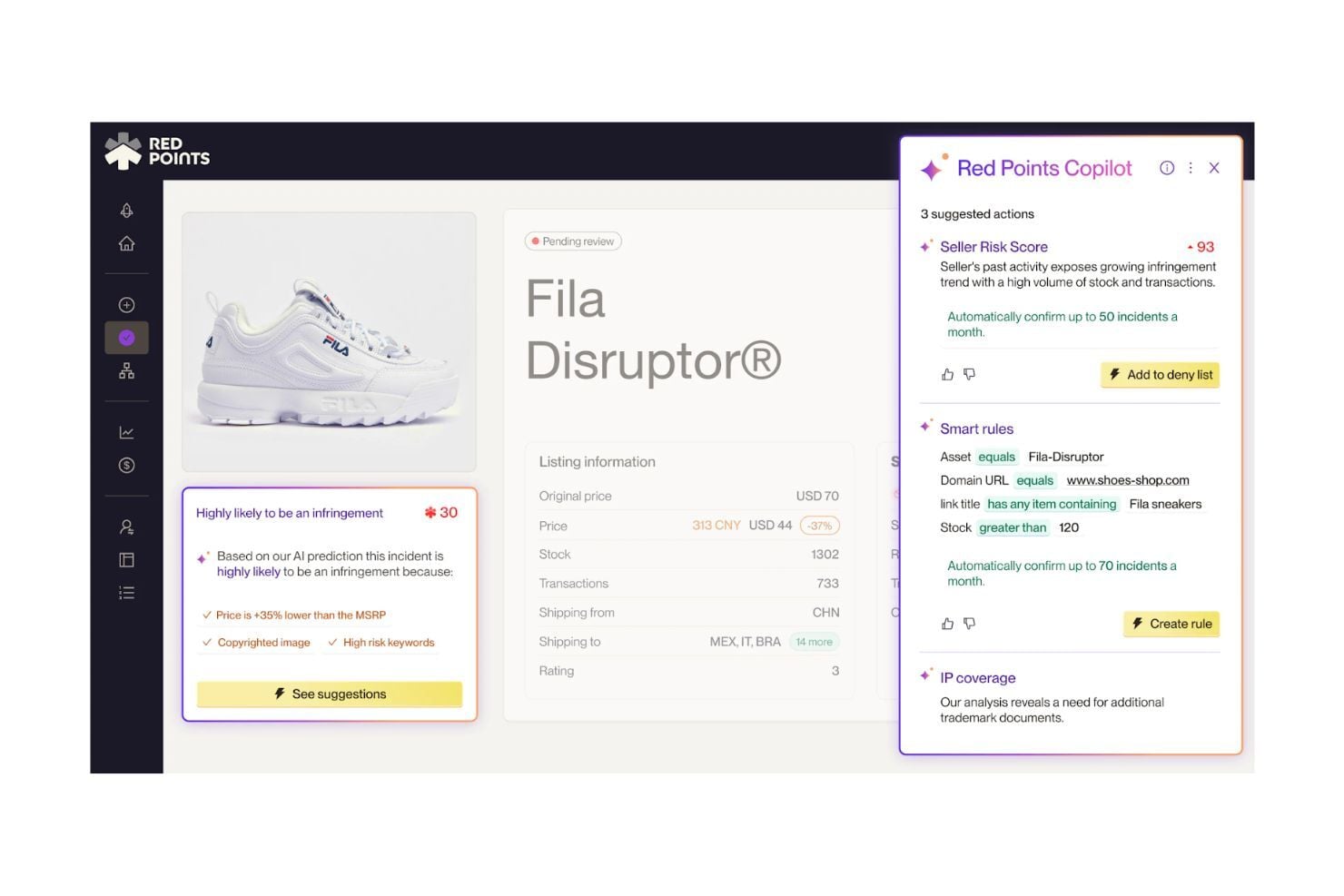
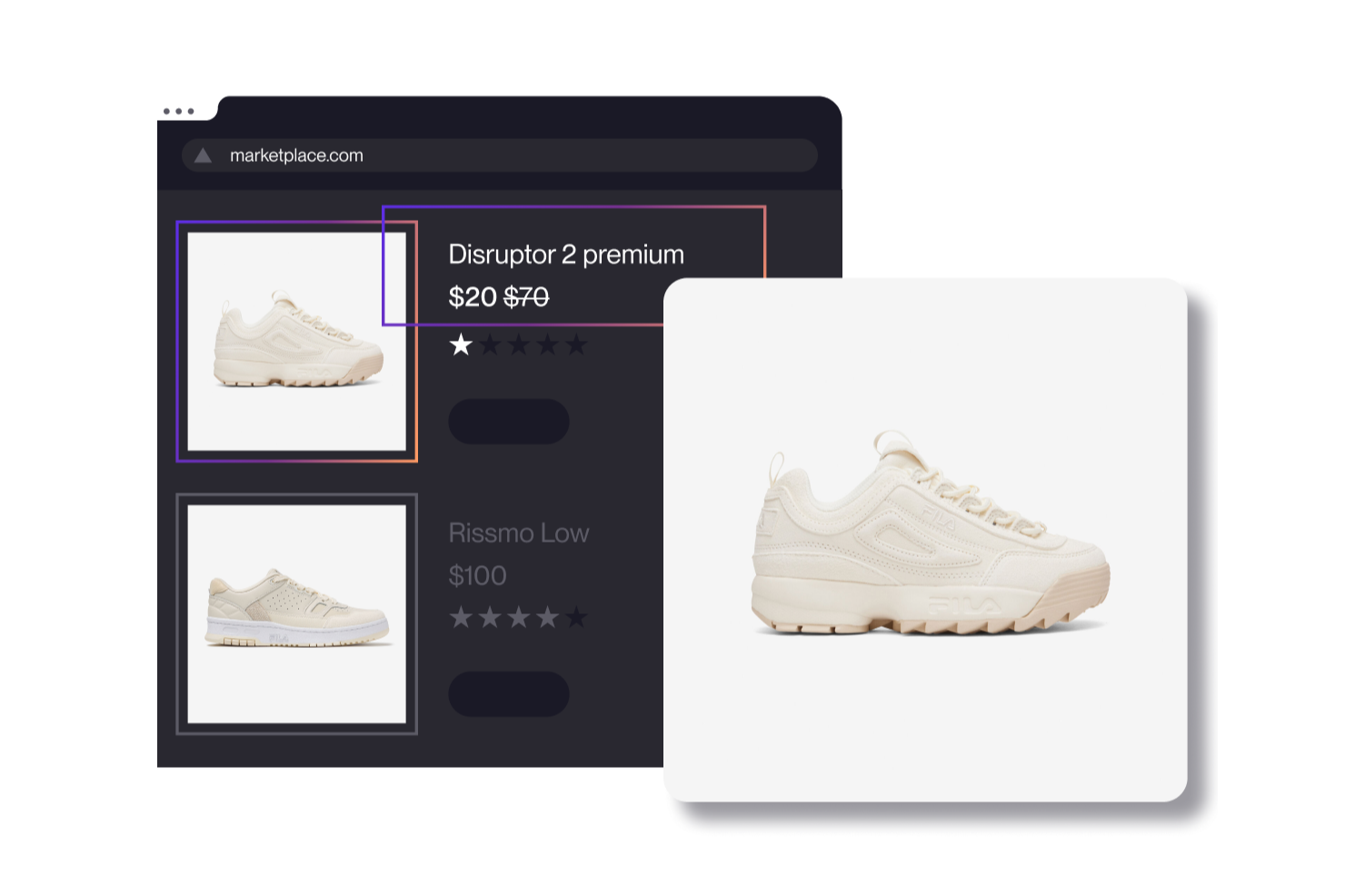
Red Points delivers always-on protection across 5,000+ marketplaces, social media, websites, domains, ads, and apps, with AI trained on 2.7 billion monthly data points powering predictive incident scoring and cross-channel seller clustering. Enforcement is unlimited, never capped by analyst hours or package limits, and fully managed by IP-Ops specialists.
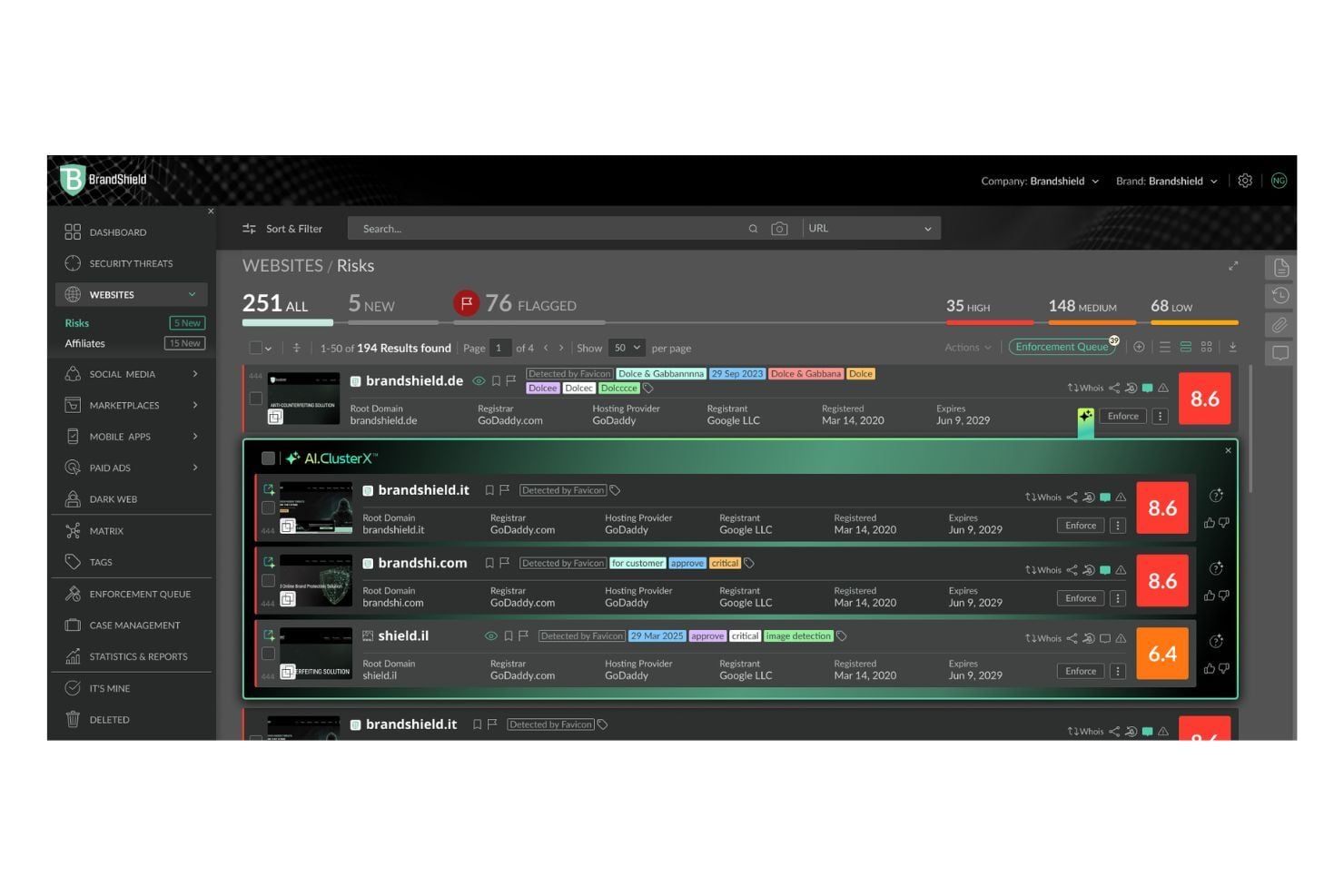
BrandShield offers a brand protection platform focused primarily on phishing, impersonation, and digital fraud detection. Its capabilities include social media scam detection, domain monitoring, marketplace counterfeit detection, paid ad scam protection, and some dark web monitoring. It includes AI.ClusterX for grouping related threats, though enforcement capacity is capped depending on the plan selected.
| Red Points | BrandShield | |
|---|---|---|
| API | ||
| CRM Integration | ||
| Contact Management | ||
| Data Export | ||
| Data Import | ||
| External Integrations |
Red Points vs. BrandShield Integrations
| Platform | Red Points | BrandShield |
| Amazon | ✅ | ✅ |
| eBay | ✅ | ✅ |
| Alibaba / AliExpress | ✅ | ✅ |
| Etsy | ✅ | ✅ |
| TikTok Shop | ✅ | ✅ |
| Facebook Marketplace | ✅ | ✅ |
| ✅ | ✅ | |
| TikTok | ✅ | ✅ |
| YouTube | ✅ | ✅ |
| X (Twitter) | ✅ | ✅ |
| Google Ads | ✅ | ✅ |
| App Store (iOS) | ✅ | ✅ |
| Google Play Store | ✅ | ✅ |
| ✅ | ✅ | |
| Independent Websites | ✅ | ✅ |
Neither Red Points nor BrandShield publicly lists plug-and-play workflow integrations, but both offer API support and extensibility. Where they differ is in platform depth: Red Points holds direct API integrations and priority enforcement partnerships, while BrandShield's marketplace coverage has some limitations, with stronger depth in domains, phishing, and dark web sources.
Red Points vs. BrandShield Security, Compliance & Reliability
| Factor | Red Points | BrandShield |
| Data Privacy | Personal data is processed under the Client’s documented instructions and protected by technical and organizational measures. | BrandShield only collects personal information that users voluntarily provide. |
| Regulatory Compliance | Data protection policy aligns with GDPR requirements. The company holds ISO certification, is an Amazon Web Services partner, and is a YouTube-certified Multi-Channel Network. | Follows strong security practices, including ISO/IEC 27001 certification, aligning with recognized information security standards. |
| Encryption | Red Points uses encrypted VPN connections to secure remote access and data transmission. | Sensitive information is encrypted and transmitted securely. |
| Uptime Reliability | Public information about uptime reliability is not available. | Not publicly disclosed on BrandShield’s website. |
Red Points processes personal data under client instructions with technical and organizational safeguards, with a data protection policy aligned to GDPR requirements. It holds ISO certification, is an Amazon Web Services partner, and is a YouTube-certified Multi-Channel Network. Red Points also uses encrypted VPN connections to secure remote access and data transmission.
BrandShield states that it only collects personal information users voluntarily provide, encrypts sensitive information during transmission, and follows established security practices, including ISO/IEC 27001 certification. Public uptime reliability information is not listed on either platform’s website.
Red Points vs. BrandShield Ease of Use
| Factor | Red Points | BrandShield |
| User Interface | Offers a clear dashboard where teams can view detections, removals, and overall brand protection activity in one place. | Has a clean, easy-to-navigate interface with a dashboard that clearly displays threats, investigations, and takedown activity. |
| Onboarding Experience | Onboarding is led by dedicated Implementation Specialists who manage brand setup, asset configuration, and workflow alignment, ensuring the platform is fully operational before handoff, with no coordination burden on your team. | After signing up, BrandShield activates monitoring for your brand assets and provides a dedicated analyst to guide you through the platform. |
| Setup | Once live, IP-Ops specialists take over day-to-day operations, continuously refining detection logic, keyword coverage, automation rules, and enforcement strategies so protection evolves as threats evolve, without requiring input from your team. | The system is delivered as a managed SaaS solution, so there are no complex installations or integrations required to start using it. |
| Support | Every plan includes a dedicated Customer Success Manager for strategic coordination, performance tracking, and roadmap alignment. | Users can contact BrandShield directly through the contact page to request assistance or speak with the team. |
Red Points offers an intuitive dashboard and fully managed onboarding supported by Implementation Specialists and a dedicated CSM. Once live, IP-Ops specialists operate the platform on your behalf, handling detection tuning, enforcement execution, and continuous optimization without requiring day-to-day input from internal teams.
BrandShield features a clean interface that displays threats, investigations, and takedown activity within its dashboard. After signing up, monitoring for brand assets begins, and users may be guided by a dedicated analyst.
Red Points vs BrandShield: Pros & Cons
Red Points
- Fully managed platform — Red Points' IP-Ops specialists operate detection, validation, enforcement, and continuous optimization on behalf of clients.
- Unlimited detections and takedowns on a flat-fee model. Enforcement never capped by analyst hours or package limits.
- Uses AI models trained on 2.7 billion data points to detect and prioritize infringements.
- Standard reporting may not meet every internal team's requirements out of the box.
- It can be more expensive than other brand protection providers.
- Trademark registration and renewal is handled through industry partners rather than in-house.
BrandShield
- The user-friendly interface makes it easy for your team to navigate and use.
- Automated enforcement tools save your team time by handling trademark takedowns.
- Offers real-time monitoring to keep your brand protected around the clock.
- Enforcement is capped by plan, and unlimited takedowns are not available, requiring teams to prioritize which threats to act on.
- Infringement scan frequency is limited depending on the plan selected, which may slow detection during high-volume periods.
- Services are sold in packs, offering less flexibility in service and pricing customization compared to some other providers.
Best Use Cases for Red Points and BrandShield
Red Points
- Brands Expanding into China Continuously monitor and enforce trademark rights in domestic China platforms like Goofish, Pinduoduo, WeChat, and Douyin that are often inaccessible from outside the mainland.
- Brands with High Seller Abuse Identify and dismantle entire networks of unauthorized sellers, not just isolated listings, using cross-channel seller clustering built on 2.7 billion monthly data points.
- Global Enterprise Brands Protect revenue and reputation across all digital channels with end-to-end managed enforcement.
- Brands Recovering Revenue from Infringers Go beyond takedowns with Red Points' Revenue Recovery Program, designed for brands that want to pursue counterfeit operations through high-scale litigation and recover tangible revenue lost to infringement activity.
- Fast-Growing Brands Needing Cost Predictability Scale brand protection without scaling costs. Red Points' flat-fee model includes unlimited detections and takedowns, meaning enforcement capacity grows with your brand without triggering variable pricing or hitting package limits during seasonal spikes.
- Brands Looking to Scale Enforcement Without Scaling Headcount Brands that want to expand their protection program without adding internal resources can rely on Red Points' proven AI and fully managed protection program operated by IP-Ops specialists who can implement an enforcement strategy on your behalf.
BrandShield
- Cybersecurity Threat Protection Needs Companies that want to extend their protection beyond brand infringement into external cybersecurity threats can use Brandshield.
- Teams Needing "Enforcement-Only" Packages If an organization already has an internal process for finding and identifying fake websites or listings but lacks the time to execute takedowns, Brandshield is a fit.
- Easy Entry Packages Brands looking for a straightforward way to get started with brand protection can use BrandShield's packages, which include a set number of detections and takedowns. The fixed caps on detections and takedowns mean enforcement cadence and scale are tied to the package rather than the size of the threat.
- Technology and Internet Companies Tech companies with large online footprints can use BrandShield to uncover spoofed domains, impersonation attempts, counterfeits, and trademark misuse.
- Financial Services Organizations Banks, fintech companies, and financial platforms benefit from continuous monitoring that detects fraud, impersonation, and digital threats targeting customers.
- Retail and Ecommerce Brands Retail companies selling products online are a strong fit since BrandShield monitors marketplaces and removes counterfeit listings and trademark abuse at scale.
Who Should Use Red Points, and Who Should Use BrandShield?
Red Points is best for brands of all sizes seeking fully managed, scalable protection across all digital channels. With a flat-fee model, unlimited takedowns, and IP-Ops specialists operating enforcement on your behalf, it suits global brands needing cost predictability, AI-driven seller prioritization, and protection that evolves continuously without adding operational burden to internal teams.
BrandShield is a good fit for organizations primarily facing phishing attacks, domain impersonation, and digital fraud rather than high-volume marketplace counterfeiting. It suits teams that need dark web monitoring and cybersecurity-adjacent brand protection, particularly where offline investigation and enforcement manager support are a priority.
Differences Between Red Points and BrandShield
| Red Points | BrandShield | |
|---|---|---|
| Dark Web Monitoring | Generally not supported or limited. | Includes dark web monitoring for deeper threat signals. |
| Detection Scope | Monitors all digital channels — marketplaces, social media, websites, deep web, domains, and ads — using cross-channel seller clustering built on 2.7 billion monthly data points to identify networks of infringers, not just isolated listings. | Covers domains, websites, social media, paid ads, mobile app stores, and some dark web sources, with particular strength in phishing and impersonation detection. Marketplace coverage has some limitations compared to dedicated counterfeit enforcement platforms. |
| Enforcement Model | Fully managed enforcement operated by IP-Ops specialists with unlimited takedowns across all channels, never capped by analyst hours or package limits. | Offers enforcement managers and threat hunters for manual validation and escalation, though enforcement capacity is capped by plan and may require confirmation before action, which can slow response times. |
| Platform Scope | Built as a fully managed AI brand protection platform covering 5,000+ marketplaces, social media, websites, domains, ads, and apps, with operational maturity across 10+ years of enforcement and a Revenue Recovery Program for brands seeking litigation-backed revenue recovery. | Built as a digital threat detection platform with particular strength in phishing, domain abuse, and brand impersonation, with some marketplace coverage limitations and enforcement capped by plan. |
| Target Audience | Suited for brands of all sizes: SMEs (35%), mid-market (35%), and large enterprises (30%) seeking fully managed, scalable protection with cost predictability and unlimited enforcement across all digital channels. | Suited for organizations prioritizing phishing, fraud, and digital impersonation over high-volume marketplace enforcement, particularly where dark web monitoring and offline investigation support are required. |
| Read Red Points ReviewOpens new window | Read BrandShield ReviewOpens new window |
Similarities Between Red Points and BrandShield
| AI-Driven Technology | Both solutions rely heavily on artificial intelligence and machine learning to automate the detection of infringements at scale. Their systems analyze patterns, text, images, and seller behavior to identify potential violations faster than manual review alone. |
|---|---|
| Counterfeit Detection | Each platform identifies counterfeit products and trademark infringements across online marketplaces and digital commerce environments. |
| Investigation Support | Both provide systems where teams can review incidents, analyze threats, and track cases. |
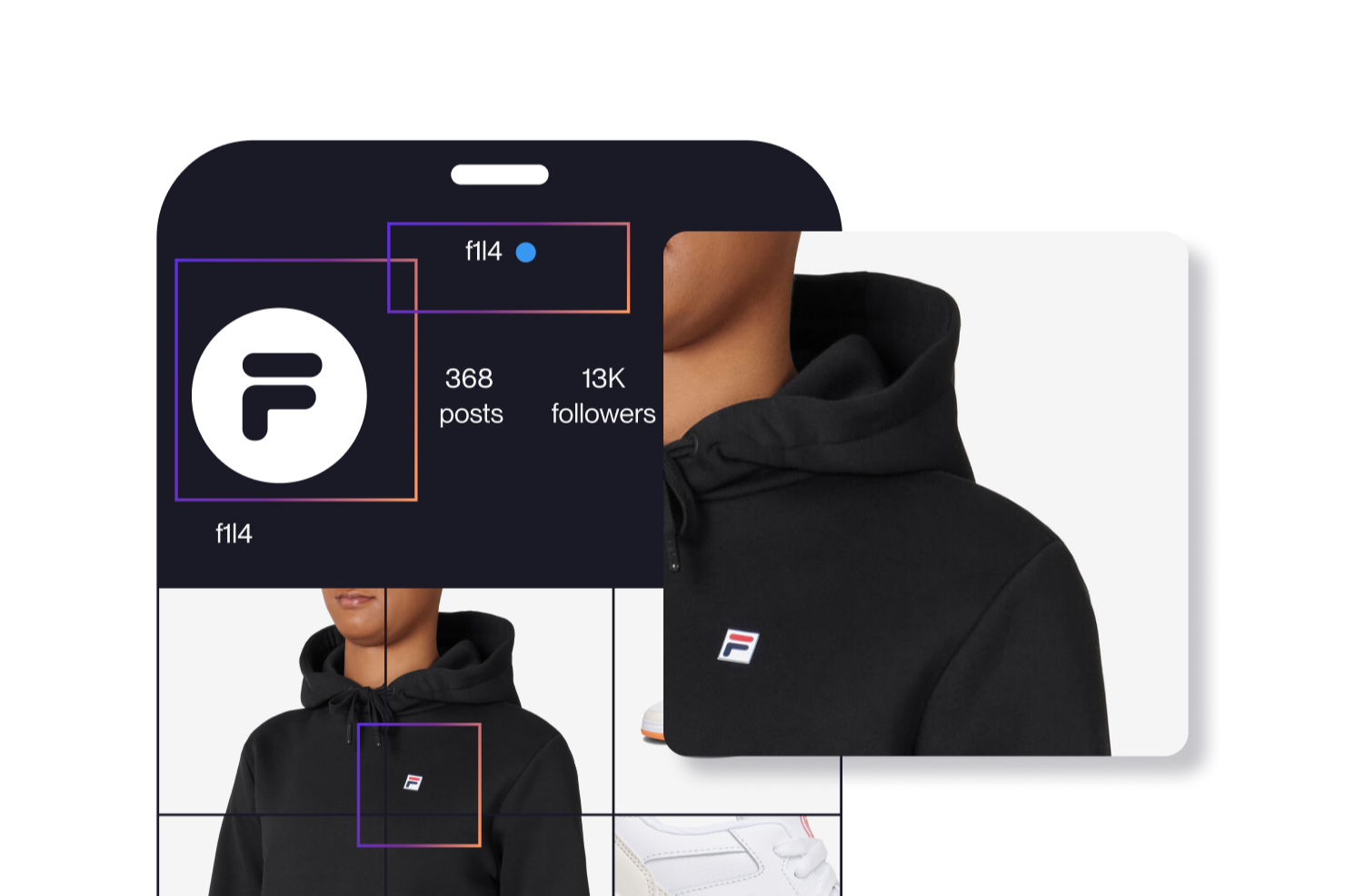
| Social Media Monitoring | Both companies monitor major social media platforms to detect impersonation accounts, fraudulent sellers, misleading advertisements, and brand misuse. |
| Takedown Capabilities | Both platforms provide mechanisms to remove infringing listings, fake accounts, or unauthorized content through formal takedown processes. |
| Read Red Points ReviewOpens new window Read BrandShield ReviewOpens new window | |