
17 Best AI Account-Based Marketing Platforms in 2026

AI Account-Based Marketing Platforms Shortlist
Here’s my shortlist of the best AI account-based marketing platforms:


AI account-based marketing platforms use artificial intelligence to help your team identify, target, and engage high-value accounts with greater precision and personalization. If you’re searching for the best AI account-based marketing platforms, you’re likely aiming to improve how you reach decision-makers, align sales and marketing, and drive measurable results in complex B2B environments.
With so many tools promising smarter targeting and automation, it’s essential to know which platforms actually deliver the features and data you need. This guide will help you compare top options so you can choose the right solution for your goals, resources, and workflows.
Why Trust Our Software Reviews
We’ve been testing and reviewing marketing software since 2022. As marketing experts ourselves, we know how critical and difficult it is to make the right decision when selecting software.
We invest in deep research to help our audience make better software purchasing decisions. We’ve tested more than 2,000 tools for different marketing use cases and written over 1,000 comprehensive software reviews. Learn how we stay transparent & our software review methodology.
AI Account-Based Marketing Platforms Summary
This comparison chart summarizes pricing details for my top AI account-based marketing platforms to help you find the best software for your budget and business needs.
| Tool | Best For | Trial Info | Price | ||
|---|---|---|---|---|---|
| 1 | Best for real-time company and contact enrichment | Free trial available | Pricing upon request | Website | |
| 2 | Best for targeting complex B2B buying groups | Free demo available | Pricing upon request | Website | |
| 3 | Best for predictive intent data insights | Free plan available | Pricing upon request | Website | |
| 4 | Best for intent-driven lead generation | Free demo available | Pricing upon request | Website | |
| 5 | Best for automating paid campaign execution | Free demo available | Pricing upon request | Website | |
| 6 | Best for tracking job changes in key accounts | Free demo available | From $2,750/month | Website | |
| 7 | Best for advanced lead nurturing automation | Free demo available | Pricing upon request | Website | |
| 8 | Best for multichannel ad campaign management | Free demo available | Pricing upon request | Website | |
| 9 | Best for integrating media and data solutions | Free demo available | Pricing upon request | Website | |
| 10 | Best for global account engagement analytics | Free demo available | Pricing upon request | Website |
-

Demandbase
Visit WebsiteThis is an aggregated rating for this tool including ratings from Crozdesk users and ratings from other sites.4.4 -
6sense
Visit WebsiteThis is an aggregated rating for this tool including ratings from Crozdesk users and ratings from other sites.4.3 -
AnswerThePublic
Visit Website


AI Account-Based Marketing Platforms Reviews
Below are my detailed summaries of the best AI account-based marketing platforms that made it onto my shortlist. My reviews offer a detailed look at the features, capabilities, and integrations of each platform to help you find the best one for you.

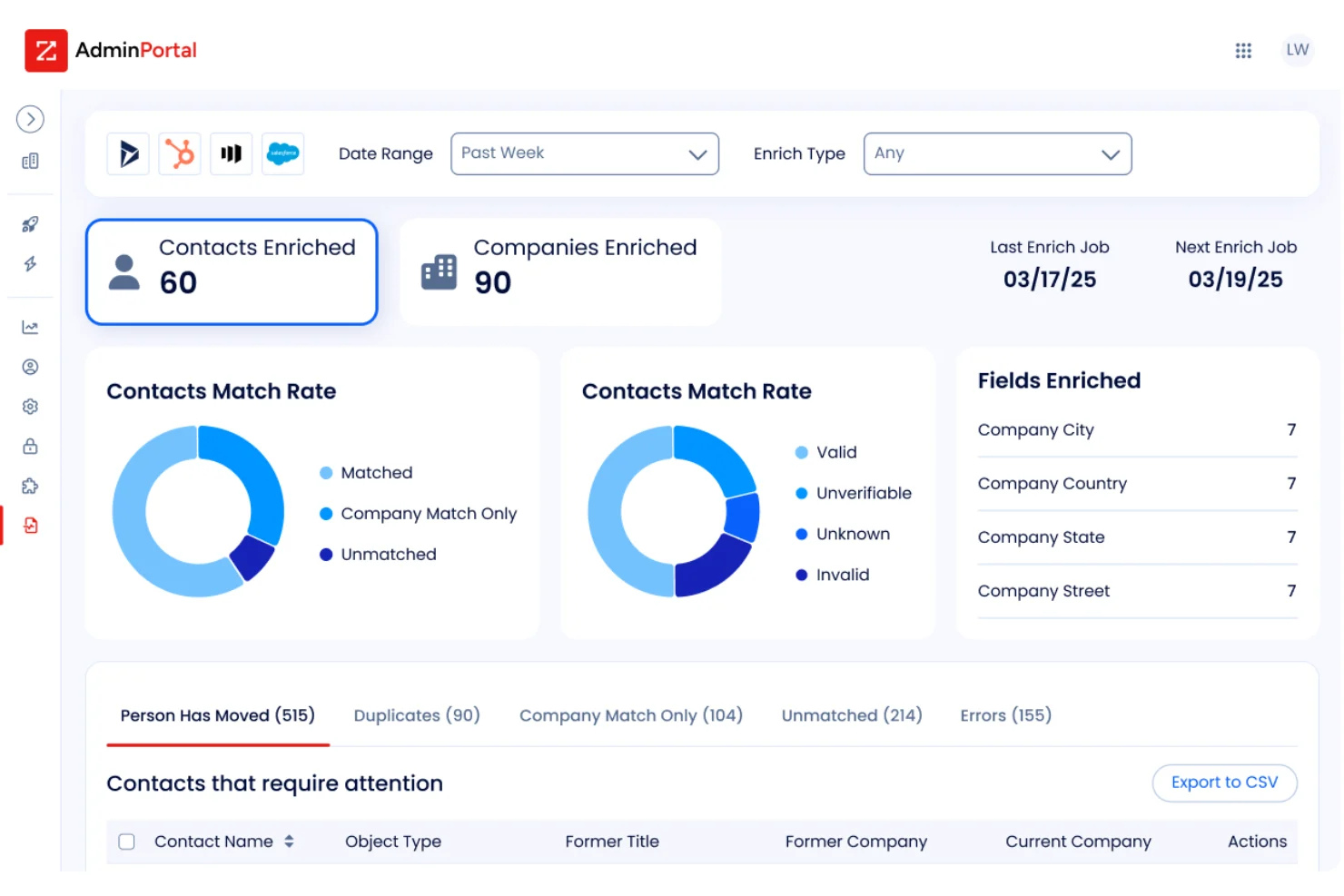
ZoomInfo gives B2B marketing and sales teams access to a vast database of company and contact information, updated in real time. If you need to identify, segment, and reach decision-makers quickly, this platform offers advanced enrichment and targeting capabilities. It’s especially useful for teams that want to power AI-driven account-based marketing with accurate, up-to-date data.
Who Is ZoomInfo Best For?
ZoomInfo is a strong choice for B2B sales and marketing teams at mid-sized to large companies that need real-time data to drive targeted outreach and account-based strategies.
Why I Picked ZoomInfo
I picked ZoomInfo because its real-time company and contact enrichment capabilities are especially valuable for AI-driven account-based marketing. The platform’s automated data enrichment ensures that account and contact records are always current, which is essential for precise targeting and personalization. I also like that ZoomInfo’s intent data and advanced segmentation tools help you identify in-market accounts and prioritize outreach based on real buying signals. This combination of up-to-date data and actionable insights makes it a strong fit for teams that want to power AI workflows with reliable information.
ZoomInfo Key Features
Some other features that make ZoomInfo valuable for AI account-based marketing platforms include:
- Intent data monitoring: Track real-time buying signals from companies actively researching solutions relevant to your business.
- Scoops (organizational news alerts): Get updates on executive changes, funding rounds, and other key events within target accounts.
- Websights (website visitor identification): Identify anonymous website visitors and connect them to company and contact profiles.
- FormComplete: Automatically enrich lead forms with full contact profiles, even from partially completed or abandoned submissions.
ZoomInfo Integrations
Integrations include Salesforce, HubSpot, Microsoft Dynamics 365, Outreach, Salesloft, Snowflake, Gmail, Zoom, and more.
Pros and Cons
Pros:
- Automated workflows for prospecting and outreach
- Intent data surfaces in-market buying signals
- Real-time enrichment keeps contact data current
Cons:
- Limited customization for enrichment fields
- Data accuracy can vary by region

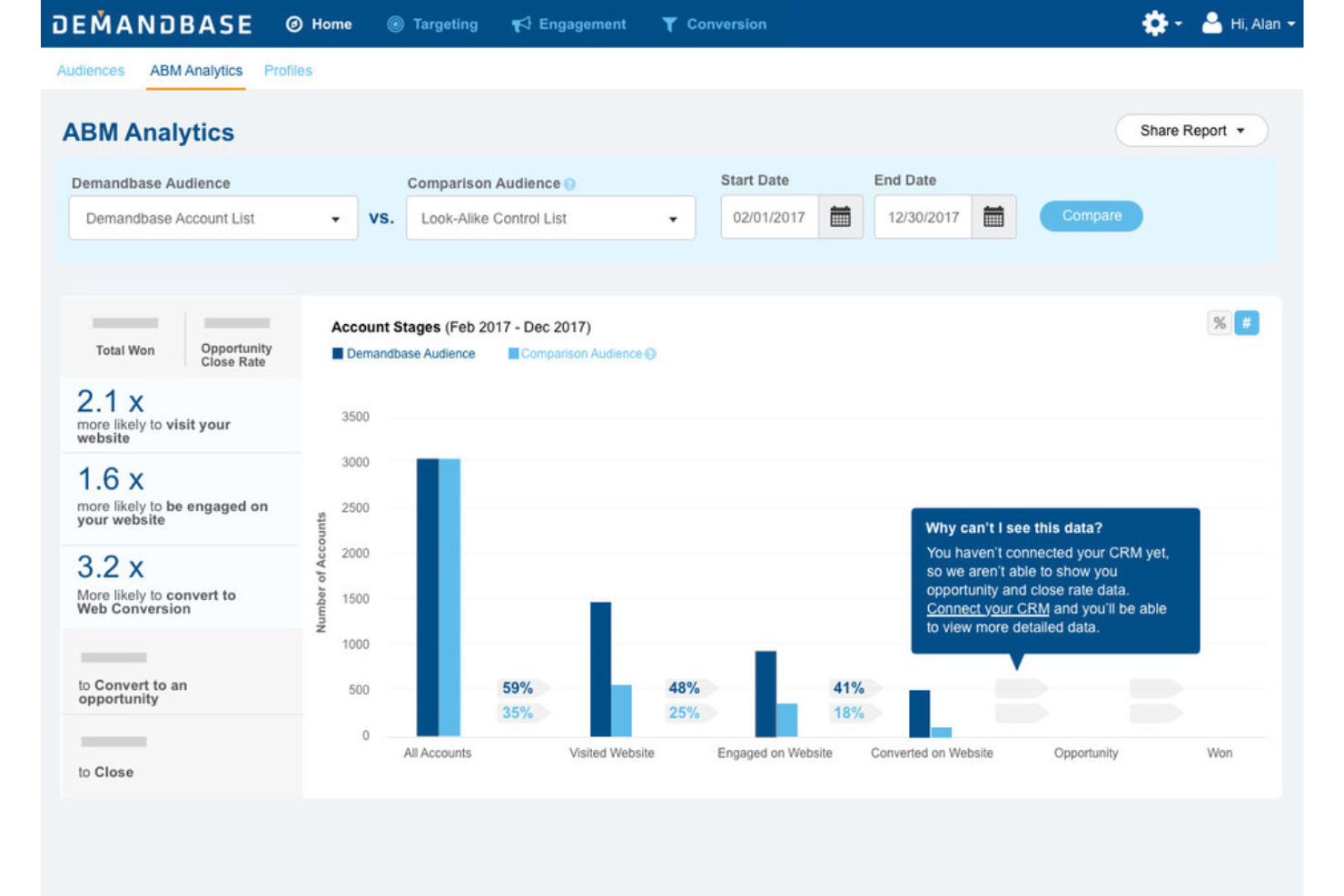
Demandbase is an all-in-one AI-driven platform designed for B2B marketers who need to coordinate complex account-based strategies. It’s especially useful for teams managing long sales cycles and multiple stakeholders across enterprise accounts. The platform helps unify data, automate targeting, and deliver personalized engagement at scale.
Who Is Demandbase Best For?
Demandbase is a strong choice for enterprise B2B marketing and sales teams managing complex buying groups and long sales cycles.
Why I Picked Demandbase
When I need to target complex B2B buying groups, Demandbase stands out for its ability to map and engage multiple stakeholders within large organizations. Its AI-driven account identification pinpoints high-value accounts and uncovers the key decision-makers and influencers involved in each deal. I appreciate how Demandbase’s account intelligence and predictive analytics help prioritize outreach based on real-time intent signals and engagement data. These features make it a strong fit for AI account-based marketing platforms focused on navigating intricate B2B buying committees.
Demandbase Key Features
Some other features that make Demandbase a strong option for account-based marketing teams include:
- AI-powered account scoring: The platform automatically scores accounts based on your ICP engagement, fit, and intent data to help you prioritize outreach.
- Personalized website experiences: Demandbase enables dynamic website content tailored to specific accounts or segments.
- Sales intelligence dashboard: Teams get a unified view of account activity, engagement, and buying signals in one place.
- Automated campaign orchestration: You can set up and manage multi-channel campaigns that trigger based on account behaviors and signals.
Demandbase Integrations
Integrations include HubSpot, Microsoft Dynamics 365, Marketo, Outreach, Salesloft, Google Analytics, and more.
Pros and Cons
Pros:
- Strong integration with major CRM platforms
- Deep intent data and predictive analytics
- Advanced AI for identifying buying committees
Cons:
- Limited support for smaller B2B teams
- Reporting dashboards can feel overwhelming

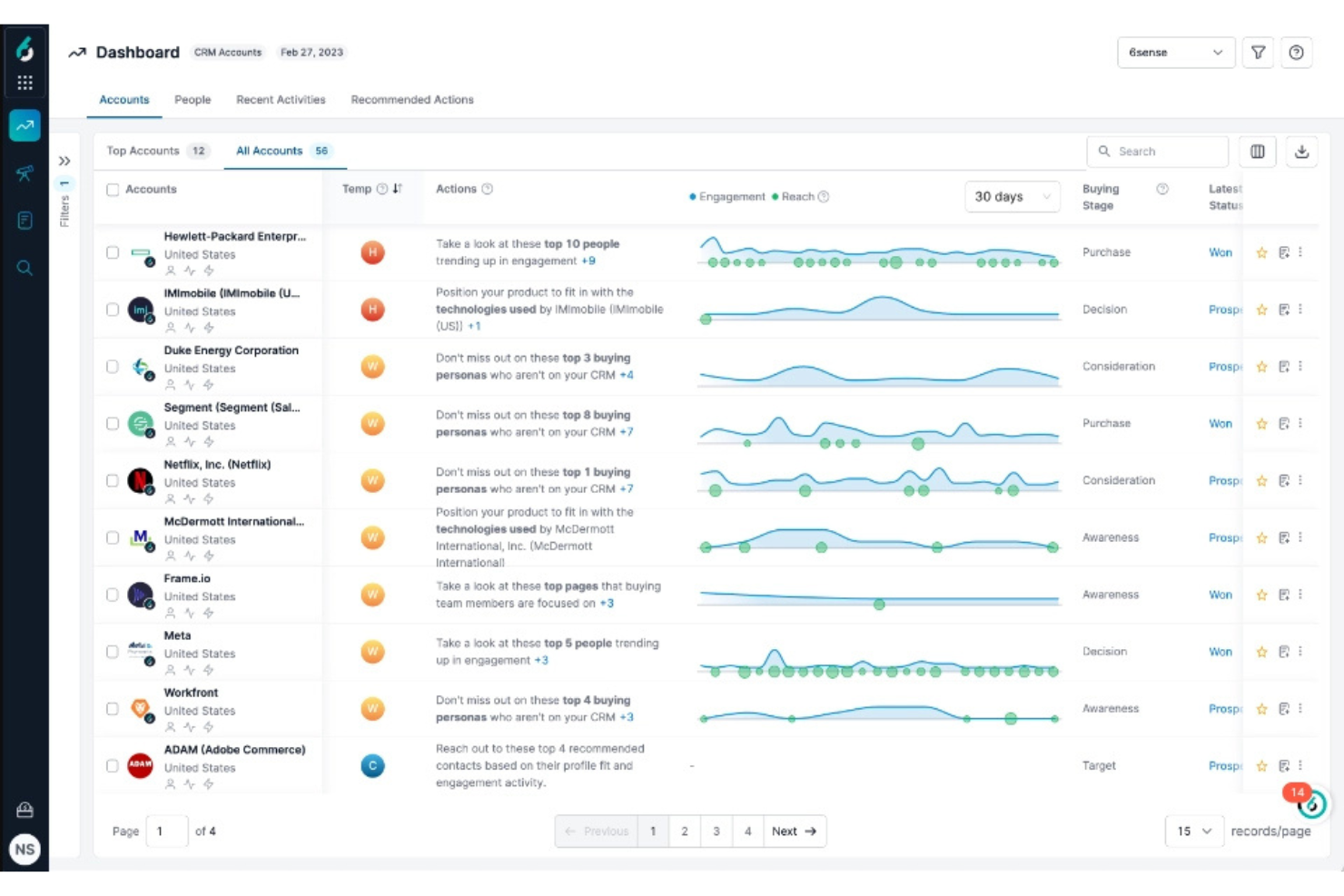
6sense is an AI-driven platform designed for B2B revenue teams that need to identify and engage in-market accounts. It’s especially useful for marketing and sales professionals who want to uncover hidden buyer intent and prioritize outreach. The platform helps teams align around real-time data to drive more targeted and timely account-based strategies.
Who Is 6sense Best For?
6sense is a strong fit for mid-market and enterprise B2B sales and marketing teams that prioritize data-driven account targeting.
Why I Picked 6sense
I picked 6sense because its predictive intent data capabilities set it apart for teams that want to anticipate buyer needs before outreach. The platform uses AI to analyze behavioral signals across the web, uncovering which accounts are actively researching solutions like yours. I also appreciate how 6sense surfaces these insights directly within workflows, so sales and marketing teams can prioritize the right accounts at the right time. This focus on predictive analytics makes it a strong choice for organizations that want to move beyond reactive engagement and drive proactive account-based strategies.
6sense Key Features
Some other features that make 6sense valuable for account-based marketing teams include:
- Account engagement dashboard: View real-time engagement metrics for target accounts in a centralized dashboard.
- Automated campaign orchestration: Set up and trigger multi-channel campaigns based on account activity and buying stage.
- Sales intelligence insights: Deliver actionable account and contact insights directly within CRM and sales tools.
- Custom segment builder: Create dynamic account segments based on your ideal customer profile using filters like industry and engagement.
6sense Integrations
Integrations include Salesforce, HubSpot, Eloqua, Marketo, Outreach, Salesloft, Bombora, Drift, and more.
Pros and Cons
Pros:
- Dynamic website personalization for target accounts
- Triggers automated multi-channel orchestration flows
- Predicts specific account buying stages
Cons:
- Depends on high-volume credit consumption
- Lacks native person-level contact verification

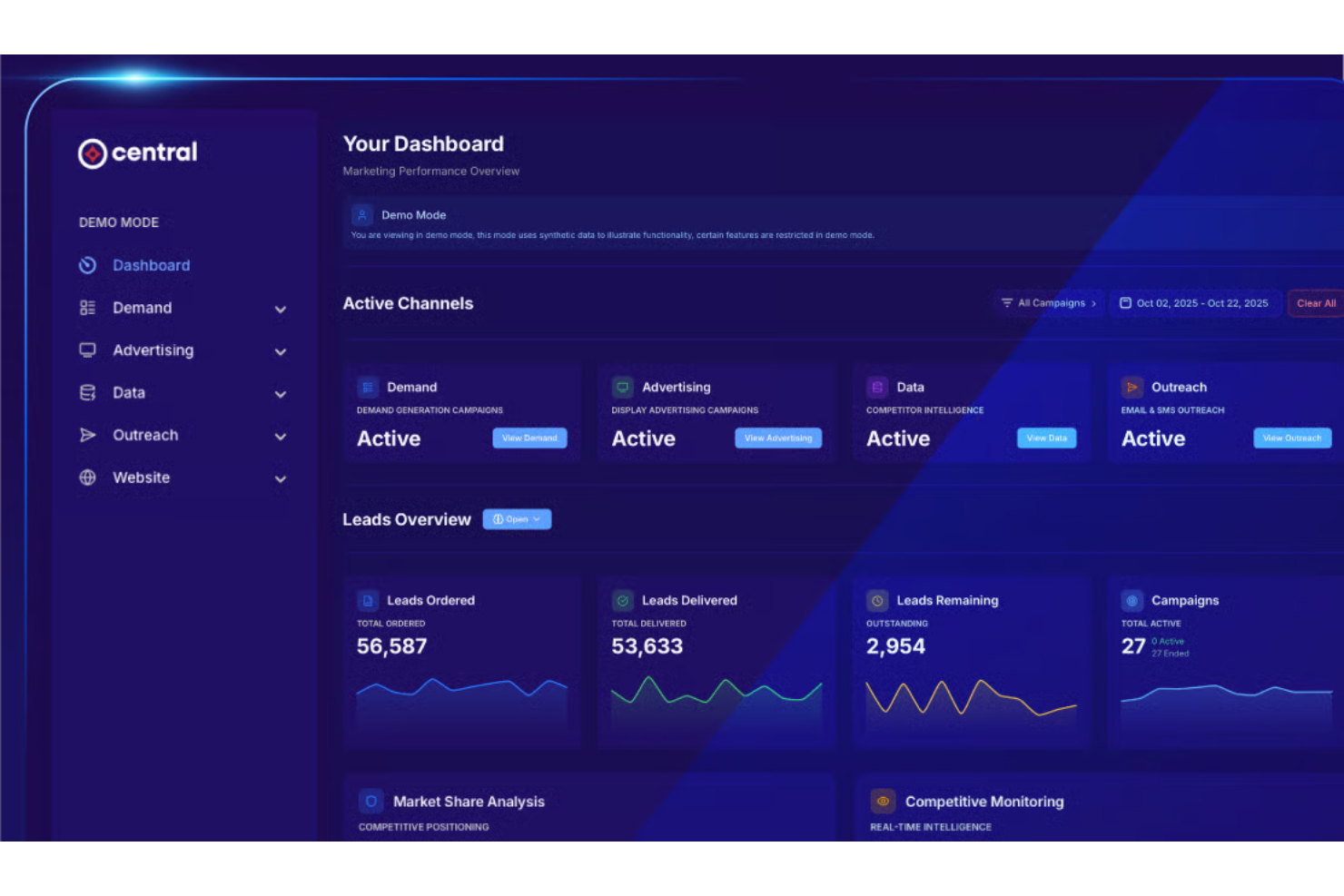
If you’re looking for a platform that connects intent data with account-based marketing, DemandScience is worth considering. It’s designed for B2B marketers and sales teams who want to identify and engage buyers showing real purchase signals. The platform helps you focus outreach on accounts that are actively researching solutions like yours.
Who Is DemandScience Best For?
DemandScience is a strong fit for B2B marketing and sales teams at mid-sized to large enterprises that prioritize intent-driven lead generation.
Why I Picked DemandScience
What drew me to DemandScience is its focus on intent-driven lead generation, which is especially valuable for AI account-based marketing strategies. The platform aggregates and analyzes intent signals from multiple sources, helping you pinpoint accounts that are actively researching solutions in your category. I appreciate how DemandScience enables you to prioritize outreach based on real-time buyer intent, rather than relying on static firmographic data. Its ability to deliver targeted leads who are already showing purchase interest makes it a strong choice for teams looking to maximize ABM campaign efficiency.
DemandScience Key Features
In addition to its intent-driven lead generation capabilities, DemandScience offers several other features relevant to AI account-based marketing platforms:
- Audience segmentation: Filter and segment audiences using firmographic, technographic, and behavioral data for targeted outreach.
- Data enrichment: Automatically update and enhance contact and account records with verified business information.
- Campaign performance analytics: Access dashboards that track engagement, conversion rates, and pipeline impact from ABM campaigns.
- Lead validation tools: Verify lead authenticity and deliverability before routing to sales or marketing automation platforms.
DemandScience Integrations
Integration includes HubSpot CRM.
Pros and Cons
Pros:
- Supports compliance with global data privacy standards
- Offers multi-source data enrichment capabilities
- Provides verified intent data for B2B targeting
Cons:
- Limited visibility into AI-driven features
- Lacks detailed documentation for integrations

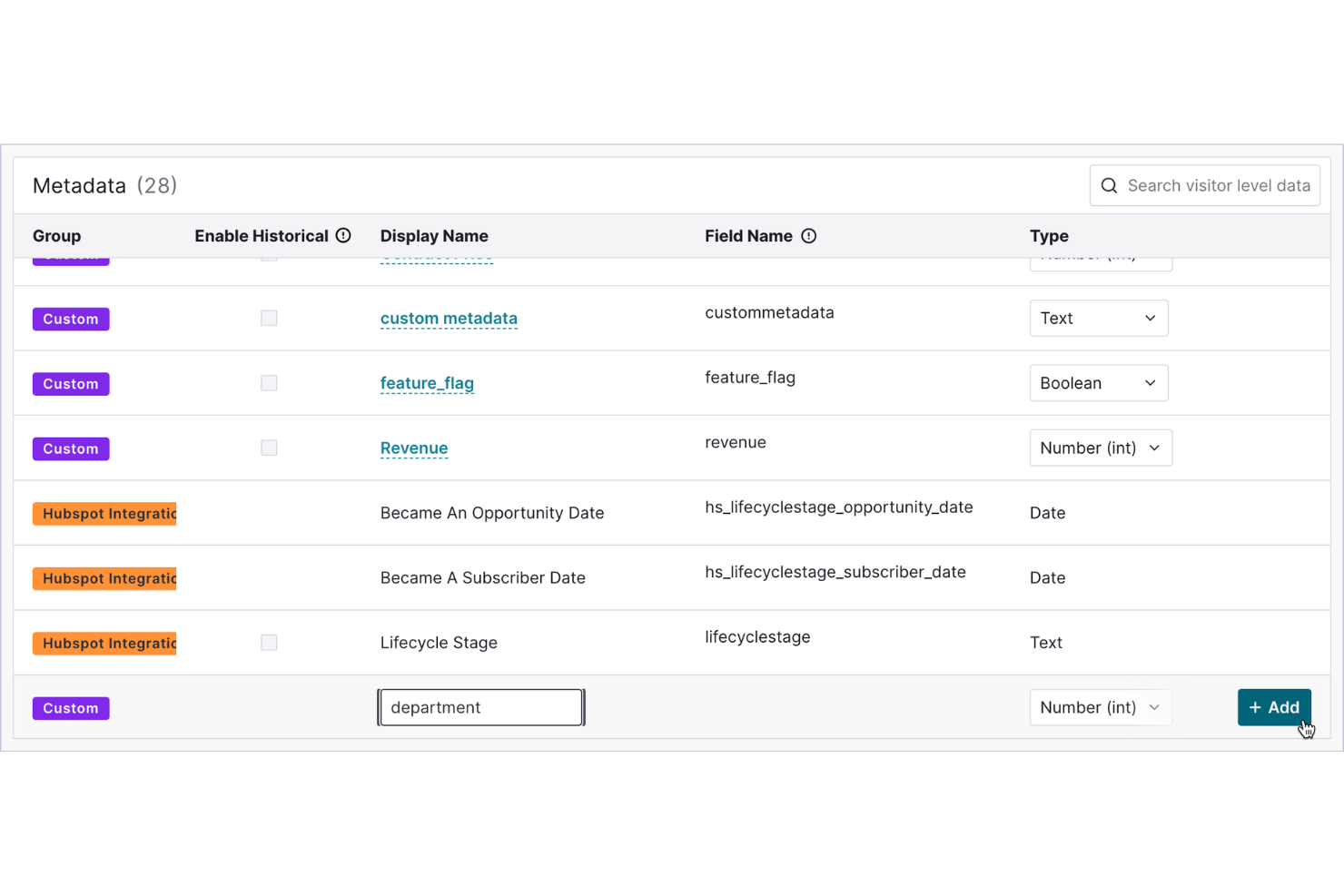
Metadata is an AI-driven platform designed for B2B marketers who want to automate and optimize paid campaign execution. It appeals to teams looking to unify campaign management across channels and reduce manual work in digital advertising. The platform helps solve challenges around targeting, budget allocation, and campaign performance tracking in complex account-based marketing programs.
Who Is Metadata Best For?
Metadata is a strong fit for B2B marketing teams at mid-sized to large companies that need to automate and scale paid campaign execution across multiple channels.
Why I Picked Metadata
What drew me to Metadata is how it uses AI to automate the most time-consuming parts of paid campaign execution for account-based marketing. The platform can automatically test and optimize creatives, audiences, and budget allocation across channels like LinkedIn, Facebook, and Google. I like that it centralizes campaign management and reporting, so you can launch, monitor, and adjust campaigns from one place. These features make Metadata especially useful for teams that want to scale their ABM efforts without getting bogged down in manual campaign setup and optimization.
Metadata Key Features
In addition to its campaign automation capabilities, Metadata offers several other features that support AI-driven account-based marketing platforms:
- Audience targeting tools: Build and refine audiences using firmographic, technographic, and intent data for precise ad delivery.
- Multivariate campaign experimentation: Test multiple combinations of ad creative, offers, and channels to identify top-performing strategies.
- Real-time budget optimization: Automatically adjust ad spend across channels based on live performance data and revenue impact.
- Advanced reporting dashboards: Access detailed analytics on campaign performance, pipeline influence, and revenue attribution.
Metadata Integrations
Integrations include Salesforce, HubSpot, Marketo, Pardot, Eloqua, LinkedIn Ads, Facebook Ads, Google Ads, Drift, and more.
Pros and Cons
Pros:
- Provides granular reporting on campaign performance
- Centralizes creative and budget testing in one platform
- Automates multichannel paid campaign execution workflows
Cons:
- Requires significant ad spend to unlock full value
- No built-in content creation or design tools

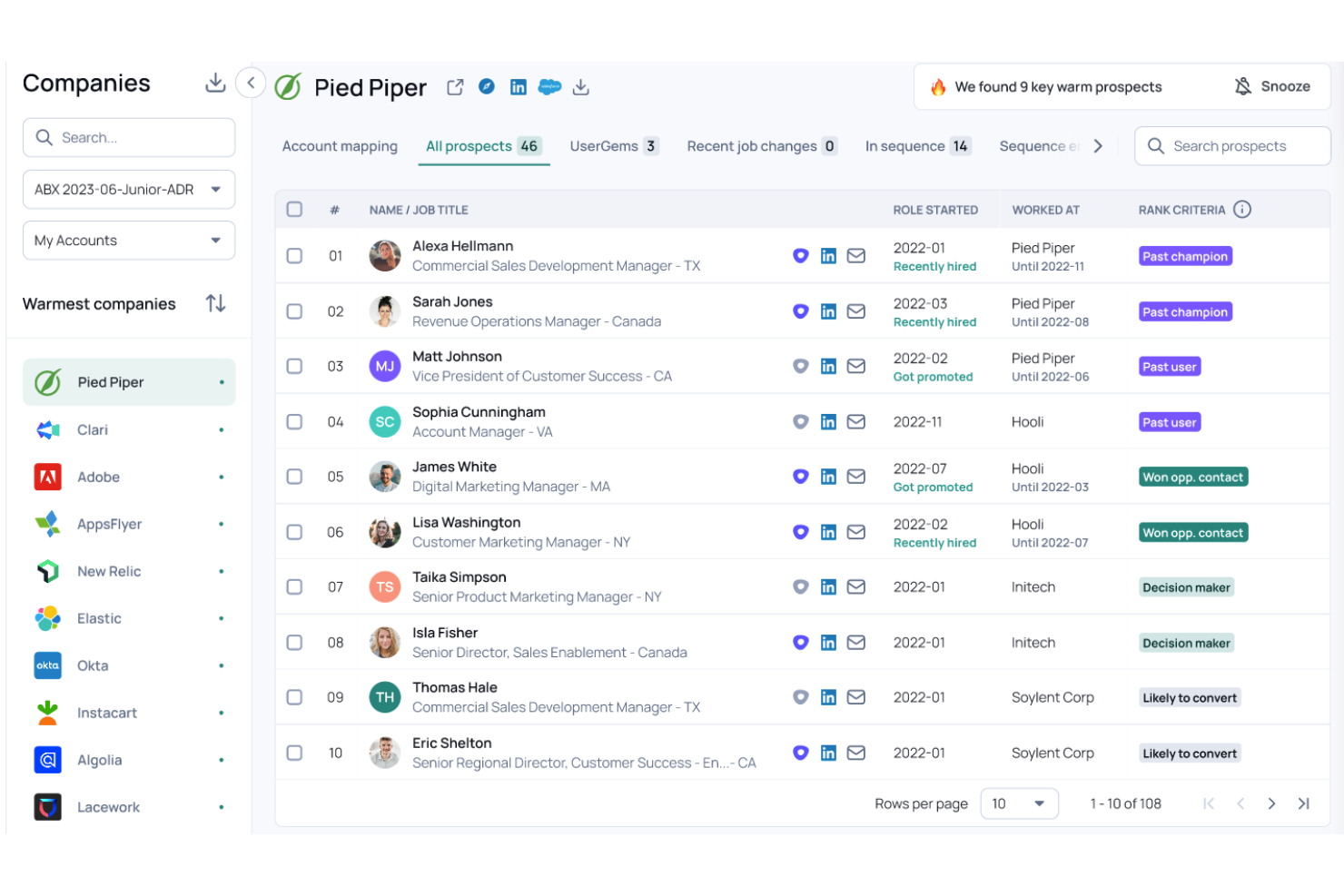
UserGems uses AI to help revenue teams identify and act on key contact changes within their target accounts. It’s a strong fit for B2B sales and marketing teams that want to stay ahead of buyer movement and trigger timely outreach. The platform addresses the challenge of keeping account data current and surfacing new opportunities as contacts change roles.
Who Is UserGems Best For?
UserGems is a strong choice for B2B sales and marketing teams at mid-sized to large companies that need to monitor and act on job changes within key accounts.
Why I Picked UserGems
What stands out to me about UserGems is its focus on tracking job changes within key accounts, which is a unique challenge for account-based marketing teams. The platform uses AI to automatically detect when contacts move to new companies or roles, helping you trigger timely outreach and keep your pipeline fresh. I like that UserGems enriches your CRM with updated contact information and surfaces warm leads based on past relationships. These capabilities make it especially valuable for teams that rely on up-to-date account intelligence to drive targeted campaigns and sales engagement.
UserGems Key Features
In addition to tracking job changes in key accounts, UserGems offers several other features that support AI account-based marketing platforms:
- Automated contact enrichment: Update and enrich contact records with the latest professional and company information.
- Pipeline generation alerts: Receive notifications when high-value contacts join target accounts or move into relevant roles.
- Multi-channel outreach triggers: Automatically trigger outreach sequences in connected sales and marketing tools based on contact activity.
- Custom reporting dashboards: Access dashboards that visualize contact movement, engagement, and campaign performance.
UserGems Integrations
Integrations include Salesforce, HubSpot, Outreach, Gong Engage, LinkedIn Ads, Google Ads, Meta, Sendoso, Orum, and more.
Pros and Cons
Pros:
- Supports multi-channel lead routing workflows
- Sends alerts via Slack, email, and CRM
- Tracks job changes across target accounts automatically
Cons:
- No built-in email campaign management
- No intent data or predictive scoring features

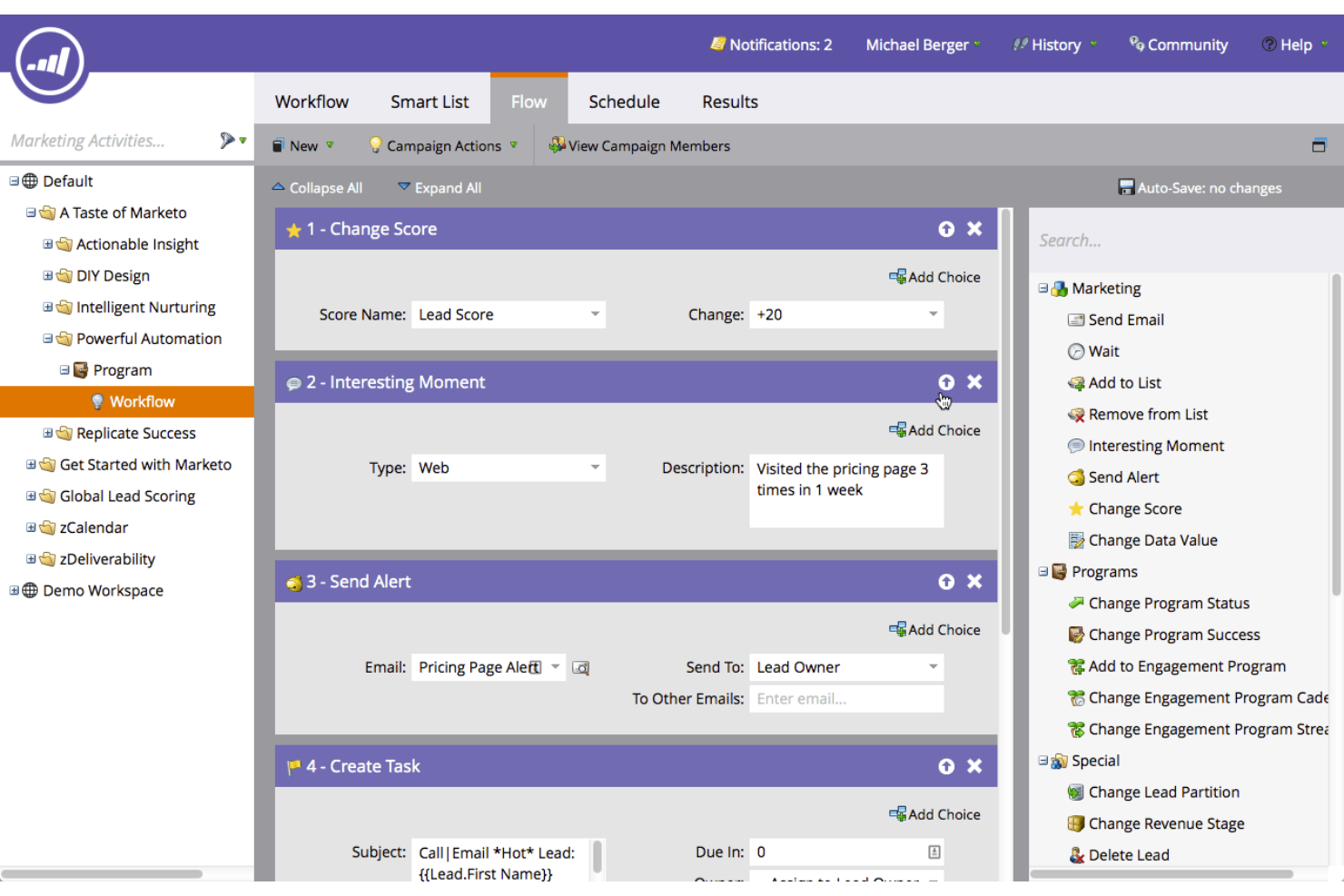
Marketo Engage is a marketing automation platform built for organizations that need sophisticated lead management and campaign orchestration. It’s especially relevant for B2B marketers and demand generation teams looking to automate complex buyer journeys and personalize engagement at scale. The platform helps unify data, segment audiences, and deliver personalized experiences across channels.
Who Is Marketo Engage Best For?
Marketo Engage is well-suited for mid-sized to enterprise B2B marketing teams that need advanced automation for complex lead nurturing and segmentation.
Why I Picked Marketo Engage
What sets Marketo Engage apart for me is its depth in lead nurturing automation, which is essential for sophisticated account-based marketing strategies. The platform lets you build complex, multi-step nurture programs that adapt to buyer behavior and engagement signals in real time. I also like how its AI-driven audience segmentation and trigger-based workflows help teams deliver highly personalized content at every stage of the funnel. These capabilities make Marketo Engage a strong choice for organizations that need to optimize buyer touchpoints across long buying journeys.
Marketo Engage Key Features
Some other features that make Marketo Engage valuable for account-based marketing teams include:
- Account-based marketing workspaces: Segment and manage campaigns for different account lists or business units within a single platform.
- AI-powered predictive content: Automatically recommend and deliver content based on user behavior and engagement patterns.
- Multi-channel campaign management: Coordinate and track campaigns across email, web, social media, and paid media from one interface.
- Advanced analytics and reporting: Access detailed performance dashboards and attribution models to measure campaign impact and ROI.
Marketo Engage Integrations
Integrations include Salesforce, Microsoft Dynamics, Veeva, Zoom, ON24, Hootsuite, Clearbit, ZoomInfo, Adobe Analytics, and more.
Pros and Cons
Pros:
- Deep Salesforce and Microsoft Dynamics integration
- AI-driven audience segmentation and scoring
- Advanced nurture streams for multi-stage journeys
Cons:
- AI features require significant data volume
- Steep setup requirements for complex automation
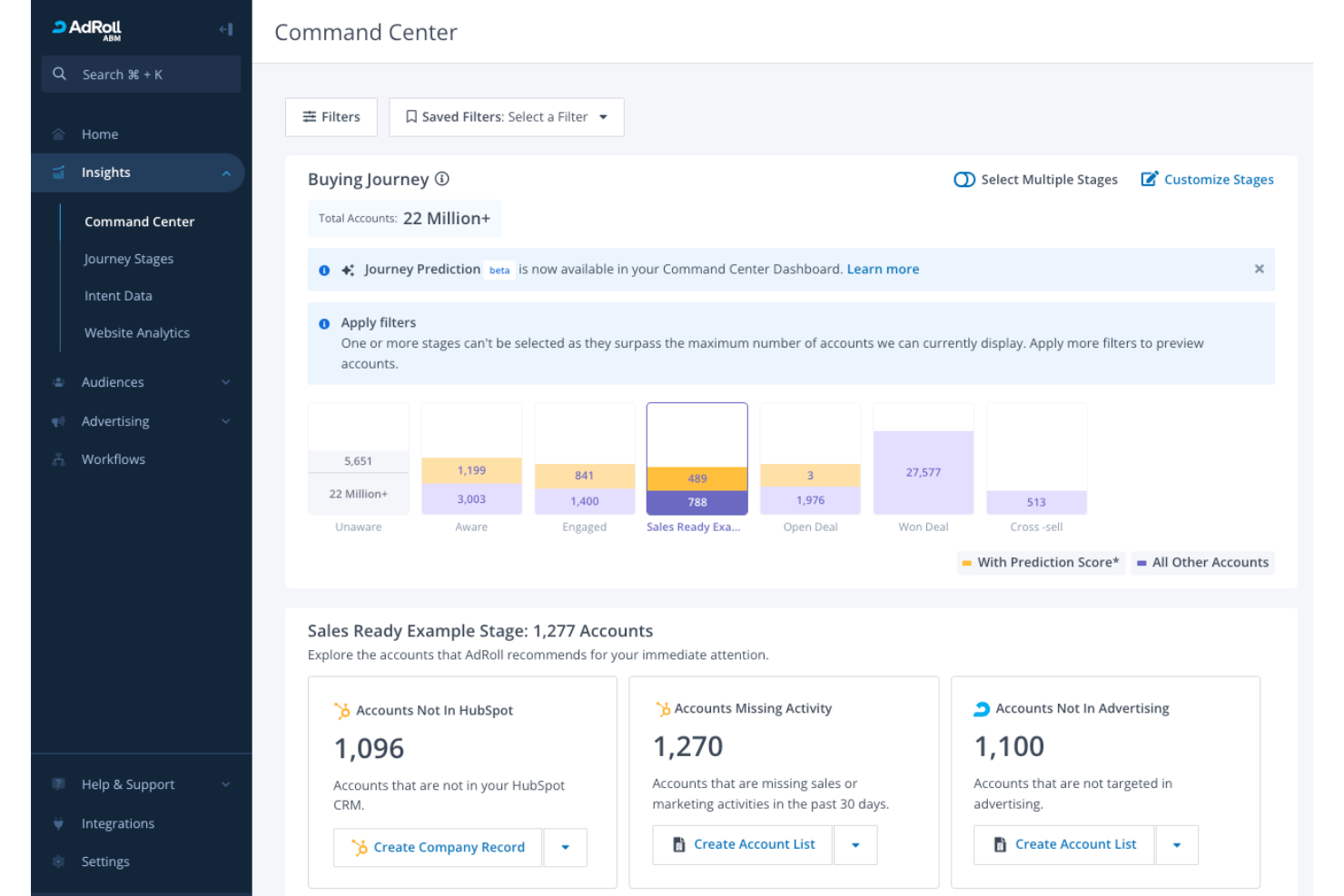
AdRoll ABM offers a unified platform for running personalized campaigns across multiple channels. It’s a strong fit for marketing teams in e-commerce and B2B companies that want to coordinate ads, email, and web personalization for specific accounts. The platform helps simplify campaign management and audience targeting for businesses aiming to reach high-value prospects.
Who Is AdRoll ABM Best For?
AdRoll ABM is well-suited for marketing teams at e-commerce and B2B companies that need to manage and optimize multichannel ad campaigns targeting specific accounts.
Why I Picked AdRoll ABM
What drew me to AdRoll ABM is its ability to centralize multichannel ad campaign management for account-based marketing. The platform lets you coordinate display, social, and email ads from a single dashboard, making it easier to deliver consistent messaging to target accounts. I also appreciate how AdRoll ABM uses AI-driven audience targeting and dynamic ad personalization to help teams reach the right buyers across channels. These features make it a strong choice for marketers who need to orchestrate and optimize campaigns for specific accounts at scale.
AdRoll ABM Key Features
Some other features that make AdRoll ABM valuable for account-based marketing teams include:
- Account-level analytics dashboard: Track engagement and performance metrics for each target account in real time.
- Cross-device targeting: Deliver ads to contacts across desktop, mobile, and tablet devices for broader reach.
- Audience segmentation tools: Build and refine audience lists using firmographic, behavioral, and intent data.
- Automated budget allocation: Let the platform optimize ad spend across channels based on campaign performance.
AdRoll ABM Integrations
Integrations include Shopify, WooCommerce, BigCommerce, Klaviyo, Meta, TikTok, Pinterest, Yotpo, Google Ads, and more.
Pros and Cons
Pros:
- Automated budget allocation across channels
- Real-time account-level analytics and reporting
- Multichannel ad management from a single dashboard
Cons:
- No built-in intent data provider integration
- Limited ABM reporting customization

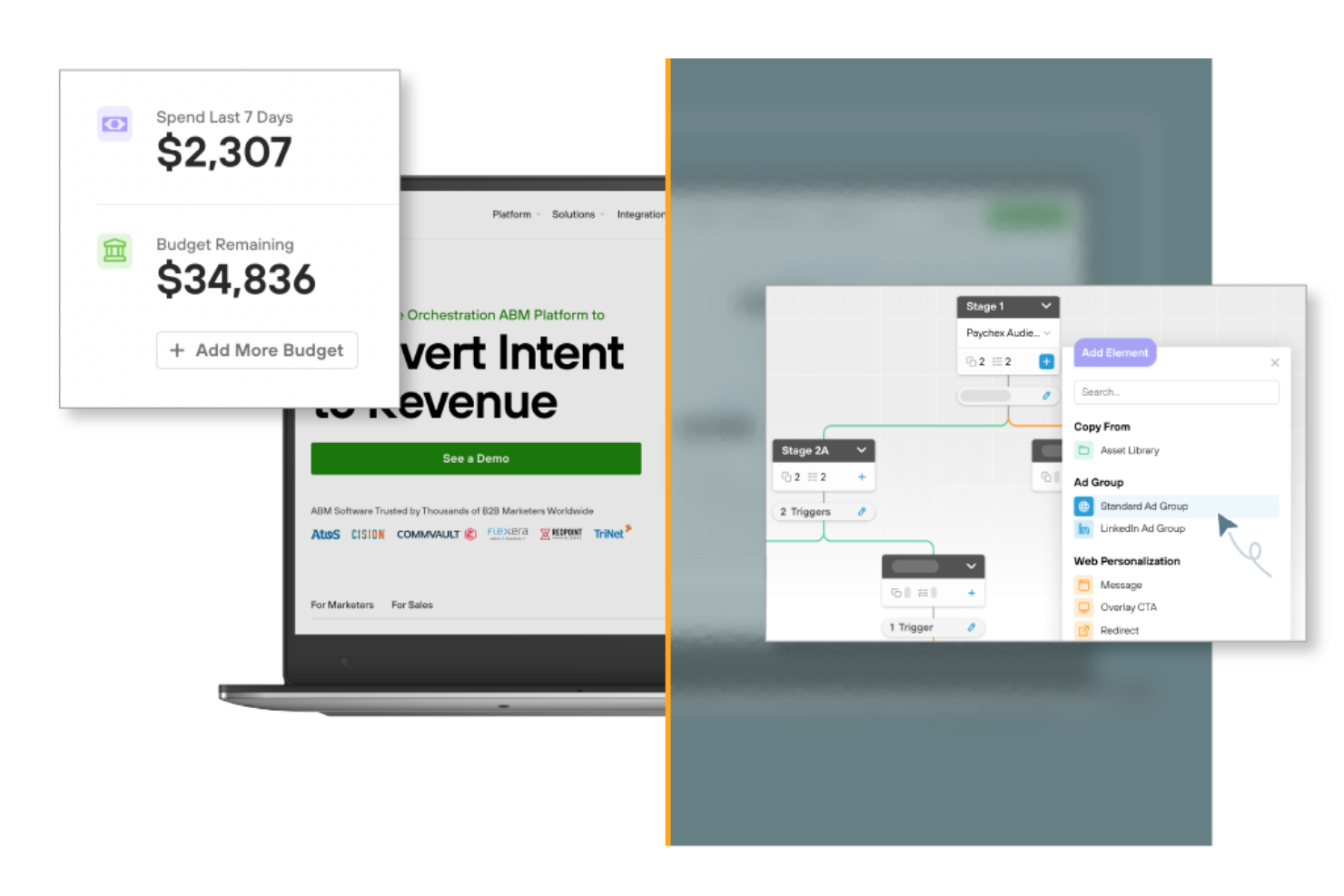
Foundry ABM brings together media, data, and technology for B2B marketers who want to run targeted account-based campaigns. It’s a strong choice for teams looking to connect intent data with digital advertising and content syndication. If you need to unify campaign execution and measurement across multiple channels, Foundry ABM addresses those challenges directly.
Who Is Foundry ABM Best For?
Foundry ABM is a strong fit for B2B marketing teams at mid-sized to large enterprises that need to connect media, data, and technology for targeted account-based advertising campaigns.
Why I Picked Foundry ABM
What stands out to me about Foundry ABM is how it brings media and data solutions together in one platform, which is rare among AI account-based marketing platforms. I picked it because you can activate campaigns using Foundry’s proprietary intent data and media inventory, making it easier to reach target accounts across digital channels. I also appreciate that the platform connects campaign execution with measurement, so you can see how media spend and data-driven targeting impact the pipeline. This combination is especially useful for B2B marketers who want to unify their media buying and data strategies without juggling multiple vendors.
Foundry ABM Key Features
Some other features that make Foundry ABM a strong choice for AI account-based marketing platforms include:
- Audience segmentation tools: Segment audiences based on firmographic, technographic, and behavioral data for more precise targeting.
- Personalized content delivery: Serve dynamic content to accounts and individuals based on their engagement and profile data.
- Campaign performance dashboards: Access real-time dashboards that visualize campaign metrics and account engagement.
- Automated lead scoring: Use AI-driven scoring models to prioritize accounts and contacts most likely to convert.
Foundry ABM Integrations
Integrations include Salesforce, HubSpot, SugarCRM, Microsoft Dynamics 365, Pardot, LinkedIn, Facebook, and more.
Pros and Cons
Pros:
- Provides account-level engagement analytics
- Offers multi-channel media activation options
- Integrates proprietary intent data with campaign tools
Cons:
- Limited transparency into third-party data sources
- No self-serve ad creative builder


Madison Logic offers a data-driven platform designed for B2B marketers who need to engage and measure activity across complex buying groups. It’s especially useful for enterprise teams looking to unify account targeting, content syndication, and measurement in one place. If you want to align marketing and sales around real-time account insights, this platform brings those capabilities together.
Who Is Madison Logic Best For?
Madison Logic is a strong fit for enterprise B2B marketing teams that need to track and optimize account engagement across global markets.
Why I Picked Madison Logic
What drew me to Madison Logic for AI account-based marketing is its focus on global account engagement analytics. The platform brings together account-level intent data and engagement signals, so you can see which accounts are interacting with your campaigns across regions and channels. I appreciate how it lets you measure and compare engagement at both the account and buying group level, which is essential for global B2B teams. With these analytics, you can prioritize outreach and tailor content strategies based on real-time account activity.
Madison Logic Key Features
Some other features that make Madison Logic valuable for AI account-based marketing include:
- Content syndication management: Launch and manage content syndication campaigns to reach targeted accounts with relevant assets.
- Audience segmentation tools: Build and refine account lists using firmographic, technographic, and intent-based filters.
- Multi-channel campaign orchestration: Coordinate campaigns across display, native, and social channels from a single platform.
- CRM and marketing automation integrations: Connect with platforms like Salesforce and Marketo to sync account data and campaign activity.
Madison Logic Integrations
Integrations include Salesforce, HubSpot, LinkedIn, Gong, Convertr, Adobe Journey Optimizer, ZoomInfo, and more.
Pros and Cons
Pros:
- Detailed buying group and persona insights
- Real-time intent data for account targeting
- Global account engagement analytics across channels
Cons:
- Minimum spend requirements for new clients
- No self-serve onboarding or campaign setup
Other AI Account-Based Marketing Platforms
Here are some additional AI account-based marketing platforms options that didn’t make it onto my shortlist, but are still worth checking out:
- Userled
For product-led account targeting
- Unbounce
For AI-powered landing page personalization
- HubSpot
With native CRM workflow integration
- LeanData
For lead-to-account matching automation
- HockeyStack
For revenue analytics integration
- Factors
For multi-touch attribution insights
- Influ2
For person-based ad targeting


AI Account-Based Marketing Platforms Selection Criteria
When selecting the best AI account-based marketing platforms to include in this list, I considered common buyer needs and pain points like identifying in-market accounts and automating personalized outreach at scale. I also used the following framework to keep my evaluation structured and fair:
Core Functionality (25% of total score)
To be considered for inclusion in this list, each solution had to fulfill these common use cases:
- Identify target accounts using AI-driven insights
- Aggregate and analyze intent data signals
- Enable multi-channel campaign orchestration
- Score and prioritize accounts for outreach
- Track engagement and conversion metrics
Additional Standout Features (25% of total score)
To help further narrow down the competition, I also looked for unique features, such as:
- Predictive analytics for account readiness
- Dynamic audience segmentation based on behavior
- Real-time data enrichment and validation
- AI-powered content personalization
- Automated lead-to-account matching
Usability (10% of total score)
To get a sense of the usability of each system, I considered the following:
- Intuitive dashboard and navigation
- Clear workflow setup and management
- Minimal manual data entry required
- Responsive interface across devices
- Customizable reporting views
Onboarding (10% of total score)
To evaluate the onboarding experience for each platform, I considered the following:
- Step-by-step product tours or walkthroughs
- Access to training videos and documentation
- Availability of onboarding webinars or workshops
- Pre-built templates for common ABM workflows
- In-app chat or guided support during setup
Customer Support (10% of total score)
To assess each software provider’s customer support services, I considered the following:
- Multiple support channels, including chat and email
- Fast response times for technical issues
- Access to a dedicated customer success manager
- Online knowledge base
- Community forums or peer support options
Value For Money (10% of total score)
To evaluate the value for money of each platform, I considered the following:
- Transparent and scalable pricing tiers
- Features included at each pricing level
- No hidden fees or surprise charges
- Free trial or demo availability
- Discounts for annual or multi-user plans
Customer Reviews (10% of total score)
To get a sense of overall customer satisfaction, I considered the following when reading customer reviews:
- Consistent positive feedback on core features
- Reports of measurable ROI or impact
- Comments on ease of implementation
- Feedback on support and onboarding experience
- Noted limitations or recurring complaints
How to Choose AI Account-Based Marketing Platforms
It’s easy to get bogged down in long feature lists and complex pricing structures. To help you stay focused as you work through your unique software selection process, here’s a checklist of factors to keep in mind:
| Factor | What to Consider |
|---|---|
| Scalability | Will the platform support your current and future account volumes, campaign complexity, and team size as you grow? |
| Integrations | Does the tool connect natively with your existing tech stack, including CRM, marketing automation tools, and data sources, or will you need workarounds? |
| Customizability | Can you tailor workflows, scoring models, and reporting to match your team’s processes and terminology? |
| Ease of use | How quickly can new users learn the system, and does the interface support efficient day-to-day campaign management? |
| Implementation and onboarding | What resources, training, or vendor support are available to help your team get up and running with minimal disruption? |
| Cost | Are pricing tiers transparent, and do they align with your usage patterns, user count, and expected ROI? |
| Security safeguards | Does the platform meet your organization’s data privacy, access control, and compliance requirements (e.g., GDPR)? |
| Support availability | What support channels are offered, and are response times and expertise sufficient for your team’s needs? |
What Are AI Account-Based Marketing Platforms?
AI account-based marketing platforms are specialized software tools that use artificial intelligence to help marketing and sales teams identify, target, and engage high-value accounts. These platforms analyze data signals, automate campaign orchestration, and personalize outreach at scale. By leveraging AI, they enable teams to prioritize accounts most likely to convert, optimize resource allocation, and measure the impact of the ABM strategy across multiple channels.
Features of AI Account-Based Marketing Platforms
When selecting AI ABM platforms, keep an eye out for the following key features:
- Intent data analysis: Uses AI to identify accounts actively researching topics or solutions relevant to your business, helping you prioritize outreach.
- Account scoring: Automatically ranks target accounts based on engagement, fit, and likelihood to convert, so teams can focus on high-potential opportunities.
- Multi-channel campaign orchestration: Coordinates outreach across email, ads, social, and other channels, ensuring consistent messaging and timing for each account.
- Dynamic audience segmentation: Groups accounts and contacts based on real-time behaviors, firmographics, or engagement signals for more precise targeting.
- Contact enrichment: Updates and supplements account and contact records with verified business information, improving data quality and reach.
- Personalized content delivery: Uses AI to tailor messaging and assets for each account or persona, increasing relevance and engagement.
- Engagement tracking: Monitors account interactions across channels, providing visibility into campaign performance and buyer journey stages.
- CRM and marketing automation integrations: Connects with existing systems to sync data, trigger workflows, and maintain a unified view of account activity.
- Predictive analytics: Uses machine learning to forecast which accounts are most likely to progress or convert, supporting proactive decision-making and resource allocation.
- Compliance management: Helps ensure campaigns and data handling meet privacy regulations such as GDPR, reducing risk for your organization.
Benefits of AI Account-Based Marketing Platforms
Implementing AI account-based marketing platforms provides several benefits for your team and your business. Here are a few you can look forward to:
- Improved account targeting: AI-driven insights and intent data help you identify and prioritize high-value accounts more accurately.
- Personalized outreach at scale: Automated content personalization and dynamic segmentation enable tailored messaging for each account without manual effort.
- Higher campaign efficiency: Multi-channel orchestration and workflow automation reduce repetitive tasks and simplify campaign management.
- Better data quality: Contact enrichment and real-time data validation keep your account and contact records accurate and actionable.
- Actionable performance analytics: Engagement tracking and predictive analytics provide clear visibility into what’s working and where to optimize.
- Stronger sales and marketing alignment: CRM integrations and unified reporting ensure both teams work from the same data and cross-channel insights.
- Enhanced compliance and security: Built-in compliance management features help your team meet privacy regulations and safeguard sensitive data.
Costs and Pricing of AI Account-Based Marketing Platforms
Selecting AI ABM tools requires an understanding of the various pricing models and plans available. Costs vary based on features, team size, add-ons, and more. The table below summarizes common plans, their average prices, and typical features included in AI account-based marketing platforms solutions:
Plan Comparison Table for AI Account-Based Marketing Platforms
| Plan Type | Average Price | Common Features |
|---|---|---|
| Free Plan | $0 | Basic account identification, limited intent data, single-user access, and minimal reporting. |
| Personal Plan | $50-$150/user/month | Core account targeting, basic campaign orchestration, standard analytics, and email support. |
| Business Plan | $200-$600/user/month | Multi-channel orchestration, advanced segmentation, CRM integrations, enhanced analytics, and chat support. |
| Enterprise Plan | $1,000+/month | Custom workflows, predictive analytics, dedicated onboarding, advanced compliance, and priority support. |
AI Account-Based Marketing Platforms FAQs
Here are some answers to common questions about AI account-based marketing platforms:
How does AI improve account-based marketing?
AI improves account-based marketing by analyzing large volumes of data to identify high-potential accounts, predict buying intent, and automate personalized outreach. This helps teams focus resources on the most promising opportunities and adapt campaigns in real time based on engagement signals.
Can AI account-based marketing platforms integrate with my existing CRM?
Yes, most AI account-based marketing platforms offer integrations with popular CRM systems. This allows you to sync account and contact data, trigger workflows, and maintain a unified view of engagement across sales and marketing teams.
What data sources do these platforms use for intent signals?
These platforms typically use a mix of first-party website activity, third-party intent data providers, and public digital signals. Combining multiple sources helps build a more accurate picture of which accounts are actively researching solutions like yours.
Are AI account-based marketing platforms suitable for small teams?
Yes, many platforms offer scalable plans and user-friendly interfaces that work for small teams. However, it’s important to assess whether the features and pricing align with your team’s size, goals, and available resources.
How do these platforms help with compliance and data privacy?
Most platforms include compliance management features such as data encryption, access controls, and support for regulations like GDPR. Always review a vendor’s privacy policies and security certifications to ensure they meet your organization’s requirements.