
11 Best AI Direct Mail Marketing Tools in 2026

AI Direct Mail Marketing Tools Shortlist
Here’s my shortlist of the best AI direct mail marketing tools:


AI direct mail marketing tools use artificial intelligence to automate, personalize, and optimize physical mail campaigns for your business. If you’re searching for ways to reach audiences beyond digital channels, these tools help you target, track, and measure direct mail with the same precision as email or digital ads.
With rising pressure to prove ROI and coordinate campaigns across multiple platforms, knowing which AI-powered solutions can handle address verification, audience segmentation, and campaign analytics is essential.
This list will help you quickly compare top options so you can choose the right tool to drive results and align with your marketing goals.
Why Trust Our Software Reviews
We’ve been testing and reviewing marketing software since 2022. As marketing experts ourselves, we know how critical and difficult it is to make the right decision when selecting software.
We invest in deep research to help our audience make better software purchasing decisions. We’ve tested more than 2,000 tools for different marketing use cases and written over 1,000 comprehensive software reviews. Learn how we stay transparent & our software review methodology.
Best AI Direct Mail Marketing Tools Summary
This comparison chart summarizes pricing details for my top AI direct mail marketing tools selections to help you find the best one for your budget and business needs.
| Tool | Best For | Trial Info | Price | ||
|---|---|---|---|---|---|
| 1 | Best with AI-powered gift recommendations | Free demo available | Pricing upon request | Website | |
| 2 | Best for CRM-integrated mail automation | Free plan available | From $199/month | Website | |
| 3 | Best for nationwide print delivery network | Free plan + free demo available | From $260/month | Website | |
| 4 | Best for address verification capabilities | Free demo and discovery call offered | From $20/month | Website | |
| 5 | Best for authentic handwritten note automation | Free demo available | From $374/month (billed annually) | Website | |
| 6 | Best for programmatic direct mail campaigns | Expert consultation available | Pricing upon request | Website | |
| 7 | Best for global gifting and swag management | Free demo available | Pricing upon request | Website | |
| 8 | Best for curated gifting marketplace access | Consultation + free demo available | Pricing upon request | Website | |
| 9 | Best for machine learning audience targeting | Free demo available | Pricing upon request | Website | |
| 10 | Best for omnichannel marketing integrations | Free strategy audit available | Pricing upon request | Website |
-

Demandbase
Visit WebsiteThis is an aggregated rating for this tool including ratings from Crozdesk users and ratings from other sites.4.4 -
6sense
Visit WebsiteThis is an aggregated rating for this tool including ratings from Crozdesk users and ratings from other sites.4.3 -
AnswerThePublic
Visit Website


AI Direct Mail Marketing Tools Reviews
Below are my detailed summaries of the best AI direct mail marketing tools that made it onto my shortlist. My reviews offer a detailed look at the features, integrations, and best use cases of each platform to help you find the best one for you.

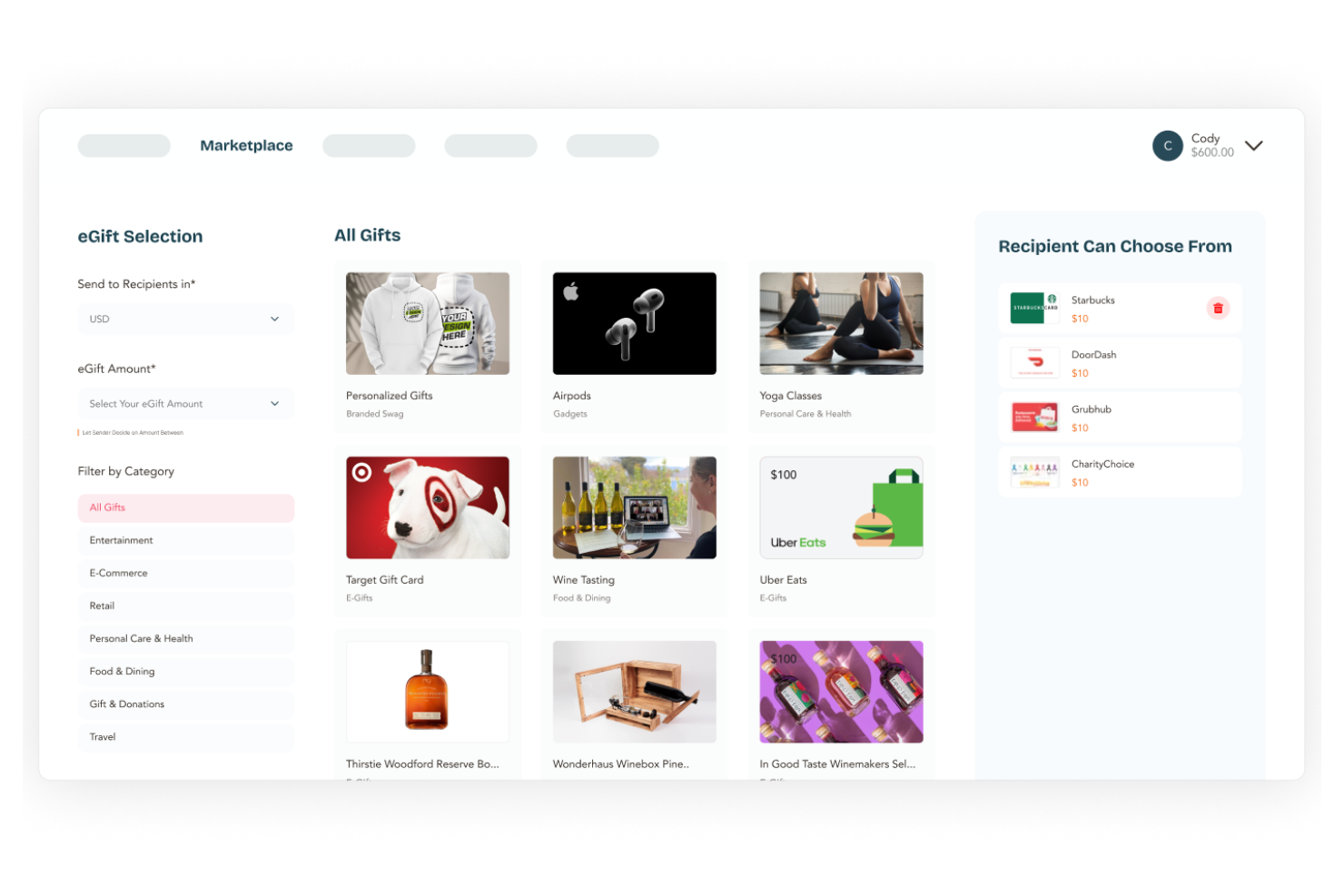
Sendoso offers a platform for businesses that want to automate and personalize direct mail and gifting as part of their marketing or sales outreach. It’s a good fit for B2B teams in tech, finance, or enterprise sales that need to engage prospects and customers beyond digital channels. If you’re looking to add physical touchpoints to your campaigns and track their impact, Sendoso brings those capabilities together in one place.
Who Is Sendoso Best For?
Sendoso is a strong match for B2B marketing and sales teams in mid-sized to large enterprises that want to automate and personalize direct mail and gifting outreach.
Why I Picked Sendoso
What sets Sendoso apart for me is its AI-powered gift recommendation engine, which helps teams select relevant, personalized gifts for prospects and customers at scale. This feature analyzes recipient data and campaign goals to suggest items that are more likely to resonate, making direct mail campaigns smarter and more targeted.
I also appreciate that Sendoso manages sourcing, shipping, and tracking, so marketing and sales teams can focus on strategy rather than logistics. For organizations that want to use gifting as a strategic touchpoint, these AI-driven recommendations make Sendoso a compelling choice.
Sendoso Key Features
Some other features that make Sendoso useful for direct mail marketing include:
- Marketplace of curated gifts: Access a wide selection of pre-vetted gifts, swag, and branded items for campaigns.
- Automated campaign workflows: Set up triggers and rules to send gifts or mailers based on recipient actions or CRM data.
- Address confirmation tool: Collect and verify recipient addresses before sending, reducing undeliverable mail.
- Delivery tracking dashboard: Monitor the status of every send, from shipment to delivery, within a centralized dashboard.
Sendoso Integrations
Integrations include Salesforce, HubSpot, Marketo, Eloqua, Microsoft Dynamics, Shopify, Amazon, Outreach, Salesloft, and Calendly.
Pros and Cons
Pros:
- Tracks delivery status and recipient engagement
- Supports multi-channel campaigns with direct mail
- AI suggests gifts based on recipient data
Cons:
- International shipping options are limited
- Minimum send volume required for most plans

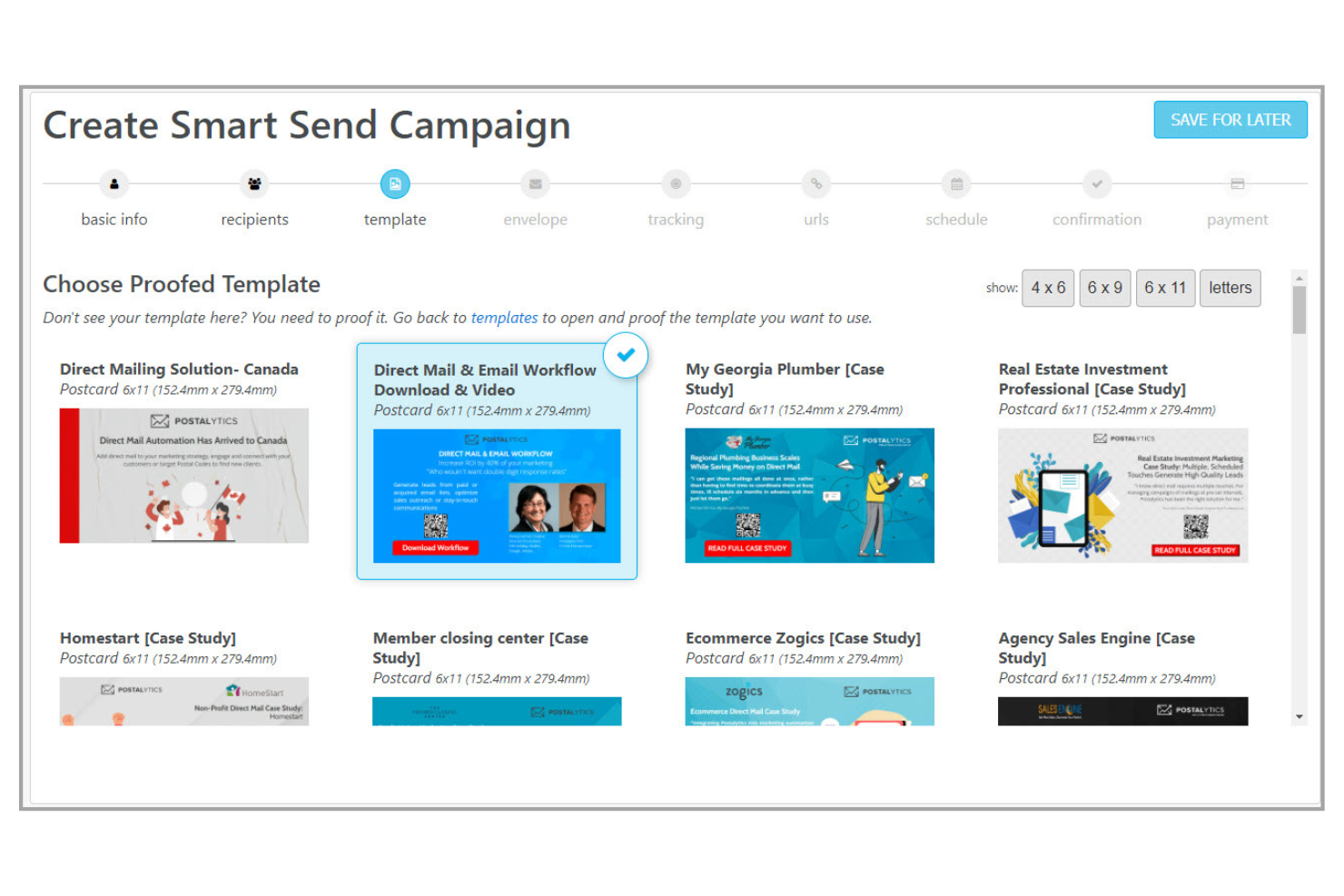
If you’re looking to automate direct mail campaigns from within your CRM, Postalytics offers a focused solution. It’s designed for marketers and sales teams who want to trigger, personalize, and track mailings using customer data. Postalytics helps bridge the gap between digital and physical outreach by making direct mail as measurable and automated as email.
Who Is Postalytics Best For?
Postalytics is a good fit for marketing and sales teams at small to mid-sized businesses that want to automate direct mail campaigns directly from their CRM.
Why I Picked Postalytics
What sets Postalytics apart for me is how deeply it integrates with popular CRMs to automate direct mail campaigns. I picked it because you can trigger mailings directly from your CRM workflows, using real-time customer data to personalize each piece.
The platform also tracks delivery and response metrics, syncing this information back to your CRM for a unified view of campaign performance. This level of automation and data connectivity makes Postalytics especially valuable for teams that want to blend direct mail with their digital marketing strategies.
Postalytics Key Features
Some other features that make Postalytics a strong option for direct mail automation include:
- Drag-and-drop direct mail editor: Create and customize postcards and letters without needing design experience.
- Automated address verification: The platform checks and corrects mailing addresses before sending to reduce undeliverable mail.
- Triggered drip campaigns: Set up multi-step direct mail sequences that send based on customer actions or dates.
- QR code and pURL tracking: Add personalized QR codes and URLs to mail pieces to track recipient engagement online.
Postalytics Integrations
Integrations include HubSpot, Salesforce, HighLevel, ActiveCampaign, Klaviyo, Canva, Figma, Calix, Zoho CRM, and Marketo.
Pros and Cons
Pros:
- Built-in address verification and cleansing tools
- Real-time mail delivery and response tracking
- Direct mail automation triggered by CRM events
Cons:
- Limited native integrations with marketing platforms
- No built-in campaign analytics dashboard

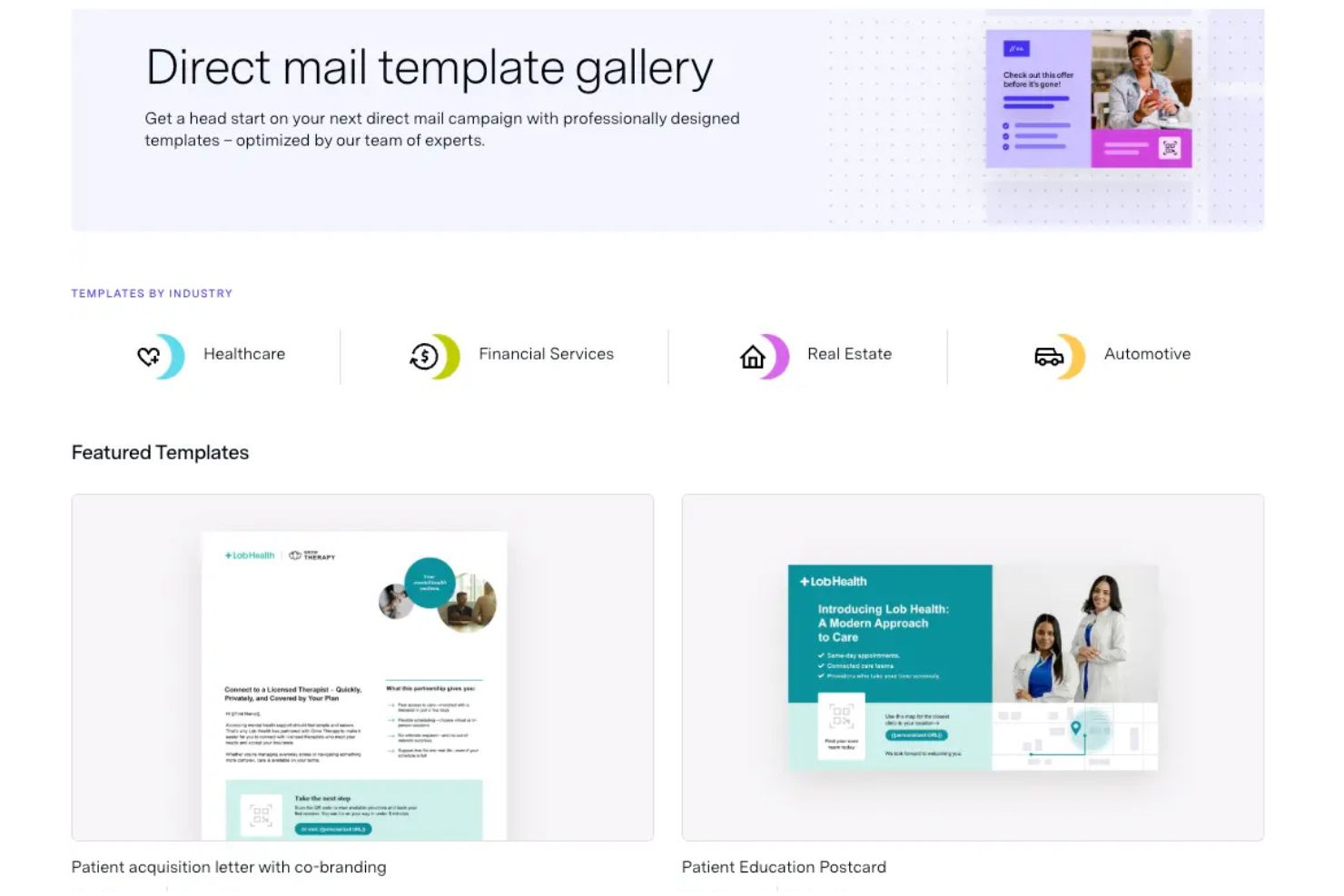
Lob offers AI-driven direct mail automation designed for teams that need to send high volumes of personalized mail across the United States. It’s a strong fit for marketers, operations teams, and enterprises looking to integrate direct mail into digital workflows or trigger mailings based on customer data. Lob helps solve challenges around scaling campaigns, tracking delivery, and ensuring address accuracy.
Who Is Lob Best For?
Lob is a good fit for enterprise marketing and operations teams in the United States that need to automate and scale direct mail campaigns.
Why I Picked Lob
I picked Lob because its nationwide print delivery network stands out for marketers who need reliable, large-scale direct mail distribution. With Lob, you can automate mailings to any address in the U.S. and track delivery status in real time, which is essential for campaign accountability.
The platform’s address verification and print partner network help ensure your mail reaches recipients quickly and accurately. For teams running high-volume or geographically dispersed campaigns, these features make Lob a strong choice in the AI direct mail marketing space.
Lob Key Features
Some other features that make Lob a versatile choice for direct mail automation include:
- Automated address cleansing: The platform automatically corrects and standardizes addresses before mailing to reduce undeliverable mail.
- API-driven campaign management: You can trigger, customize, and manage mailings directly from your existing software using Lob’s API.
- Personalized mail templates: Lob supports dynamic content and variable data printing for highly personalized mail pieces.
- Delivery event webhooks: The system sends real-time updates on mail status and delivery events to your CRM or marketing automation tools.
Lob Integrations
Integrations include Braze, Figma, and Iterable, and an API is available for custom integrations.
Pros and Cons
Pros:
- Supports dynamic, personalized mail templates
- API-driven campaign automation capabilities
- Automated address verification and cleansing
Cons:
- Minimum volume requirements for some services
- No built-in campaign analytics dashboard

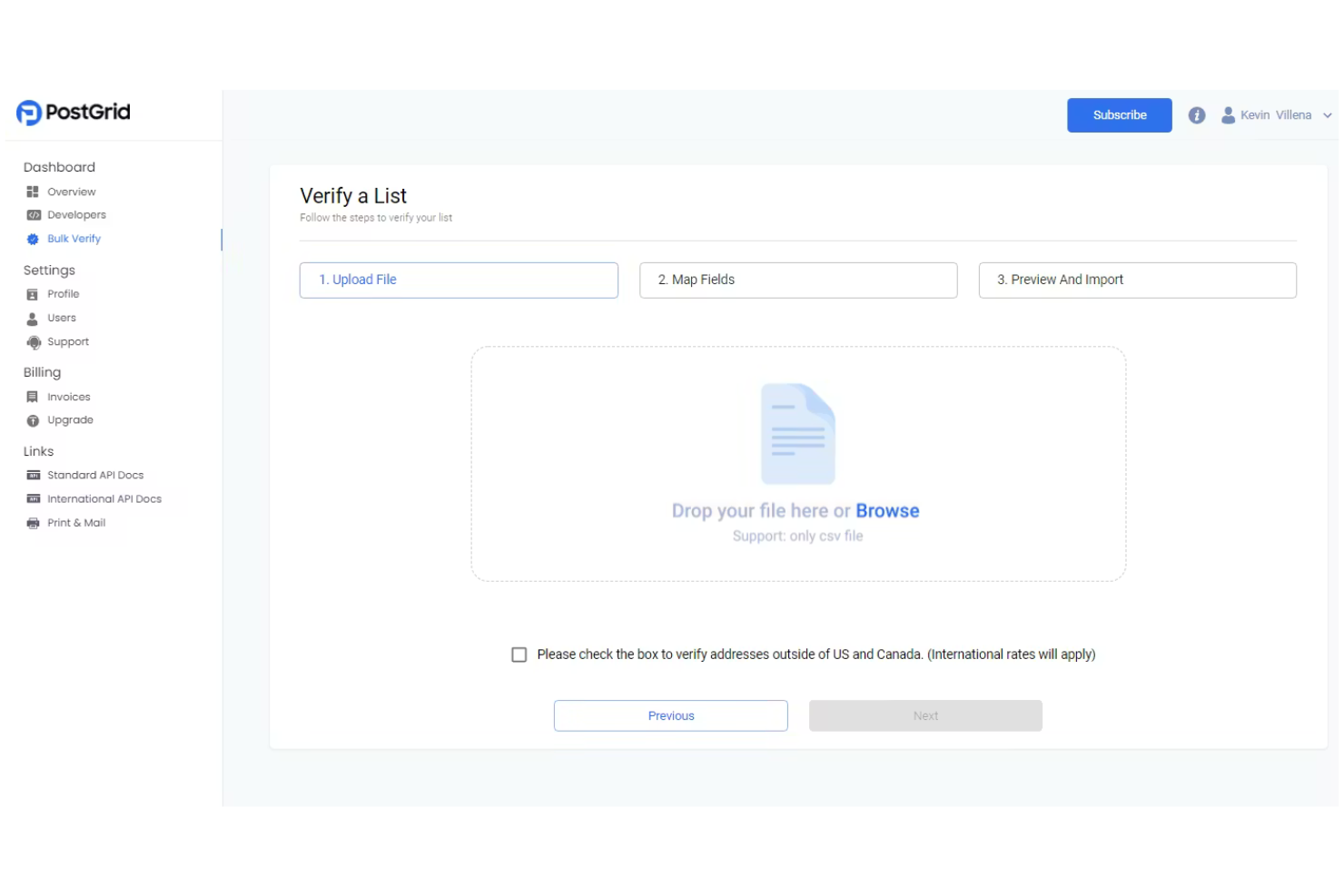
If you need a direct mail platform that prioritizes data accuracy, PostGrid is worth a look. It’s designed for businesses that want to automate mailings while ensuring address data is always up to date. PostGrid appeals to teams in finance, healthcare, ecommerce, and logistics that rely on precise delivery for customer communications and compliance.
Who Is PostGrid Best For?
PostGrid is a strong choice for operations and marketing teams in regulated industries that need reliable address verification and automated direct mail at scale.
Why I Picked PostGrid
What drew me to PostGrid is its advanced address verification capabilities, which are essential for any direct mail campaign that relies on accurate delivery. The platform verifies, standardizes, and corrects addresses in real time, reducing the risk of undeliverable mail and wasted spend.
I also like that PostGrid supports CASS and SERP certification, which means it meets strict postal standards in both the US and Canada. For teams that need to automate high-volume mailings and can’t afford errors in address data, these features make PostGrid a reliable choice.
PostGrid Key Features
Some other features that make PostGrid useful for direct mail automation include:
- Automated mail campaign builder: Set up, schedule, and manage direct mail campaigns from a single dashboard.
- Template editor: Design and customize postcards, letters, and checks using a built-in editor.
- Batch processing: Upload and process large lists of recipients for high-volume mailings.
- Tracking and reporting dashboard: Monitor mail status, delivery, and campaign performance in real time.
PostGrid Integrations
Integrations include HubSpot, Salesforce, Stripe, Parserr, Rigi, and an API for custom integrations.
Pros and Cons
Pros:
- Batch processing for high-volume mail campaigns
- CASS and SERP certification for compliance needs
- Real-time address verification for mail accuracy
Cons:
- Limited native integrations with popular marketing platforms
- No built-in campaign analytics dashboard

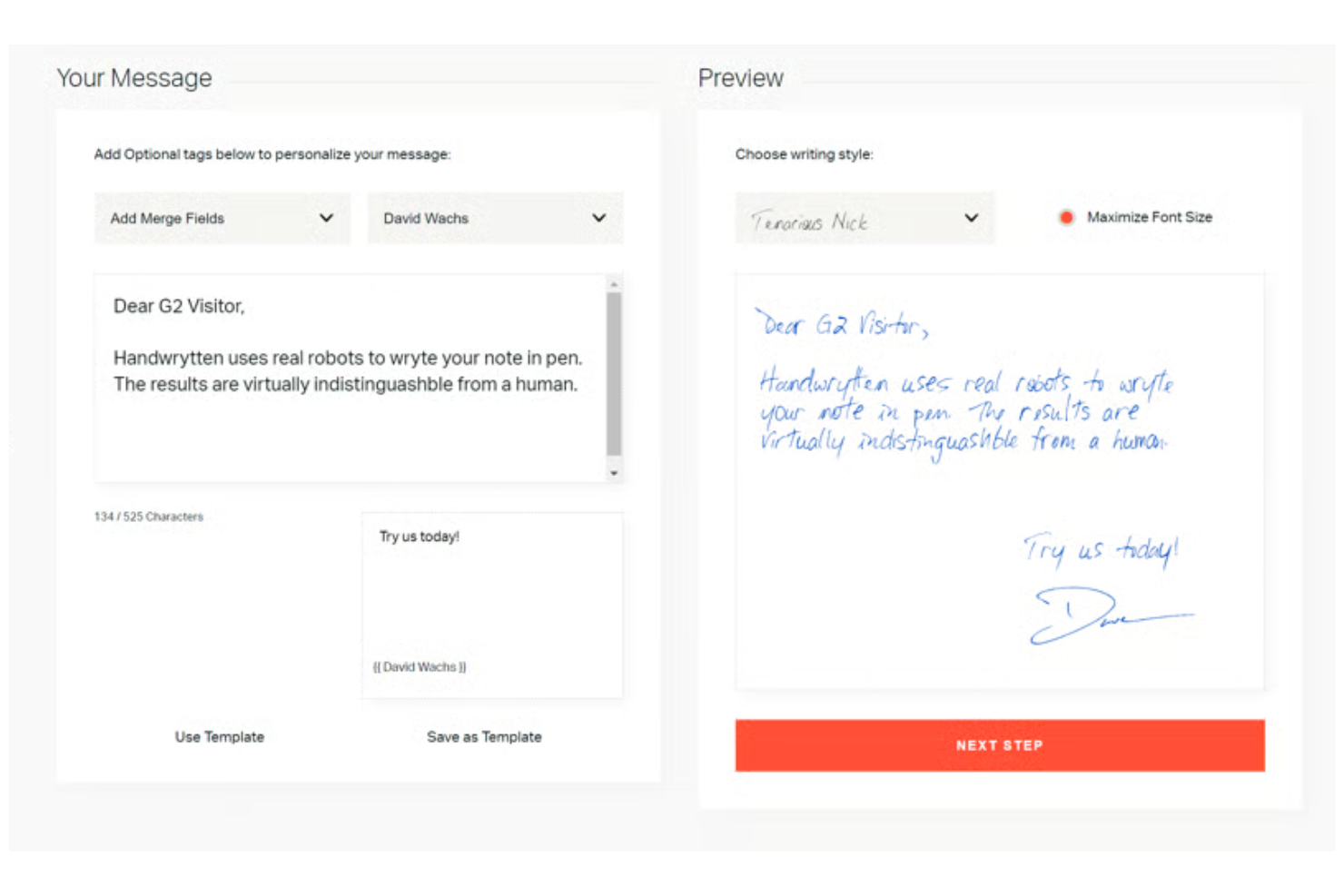
If you want to add a personal touch to your direct mail campaigns, Handwrytten offers a unique approach. The platform is designed for marketers, sales teams, and customer experience professionals who want to send handwritten notes at scale. Handwrytten helps you stand out in crowded inboxes by automating authentic-feeling, pen-written messages for your audience.
Who Is Handwrytten Best For?
Handwrytten is a strong fit for sales, marketing, and customer success teams at businesses that want to automate sending personalized handwritten notes at scale.
Why I Picked Handwrytten
What sets Handwrytten apart in the AI direct mail marketing space is its ability to automate the creation and delivery of authentic handwritten notes at scale. I picked Handwrytten because it uses proprietary robotics to produce real pen-written messages, which helps campaigns feel personal and genuine.
The platform lets you choose from a variety of handwriting styles and even upload your own, so your outreach can match your brand’s voice. For marketers who want to break through digital noise with a tactile, memorable touch, Handwrytten’s approach to handwritten automation is a clear differentiator.
Handwrytten Key Features
Some other features that make Handwrytten useful for direct mail marketers include:
- Bulk sending tools: Upload recipient lists and send hundreds or thousands of handwritten notes in a single campaign.
- Scheduled delivery: Set specific dates for your notes to be written and mailed, aligning outreach with key events or campaigns.
- Custom stationery options: Choose from a wide range of card designs or upload your own branded stationery for a personalized look.
- API access: Integrate Handwrytten with your CRM or marketing automation platform to trigger handwritten notes based on customer actions.
Handwrytten Integrations
Integrations include Blackbaud Raisers Edge, CDK/Fortellis, HubSpot, Integrately, Make, Salesforce, Shopify, SyncSpider, Tekion, and an API is available for custom integrations.
Pros and Cons
Pros:
- Custom stationery and handwriting styles
- Bulk sending for large-scale campaigns
- Real pen-written notes for authentic outreach
Cons:
- International shipping can be slow
- No built-in address verification feature

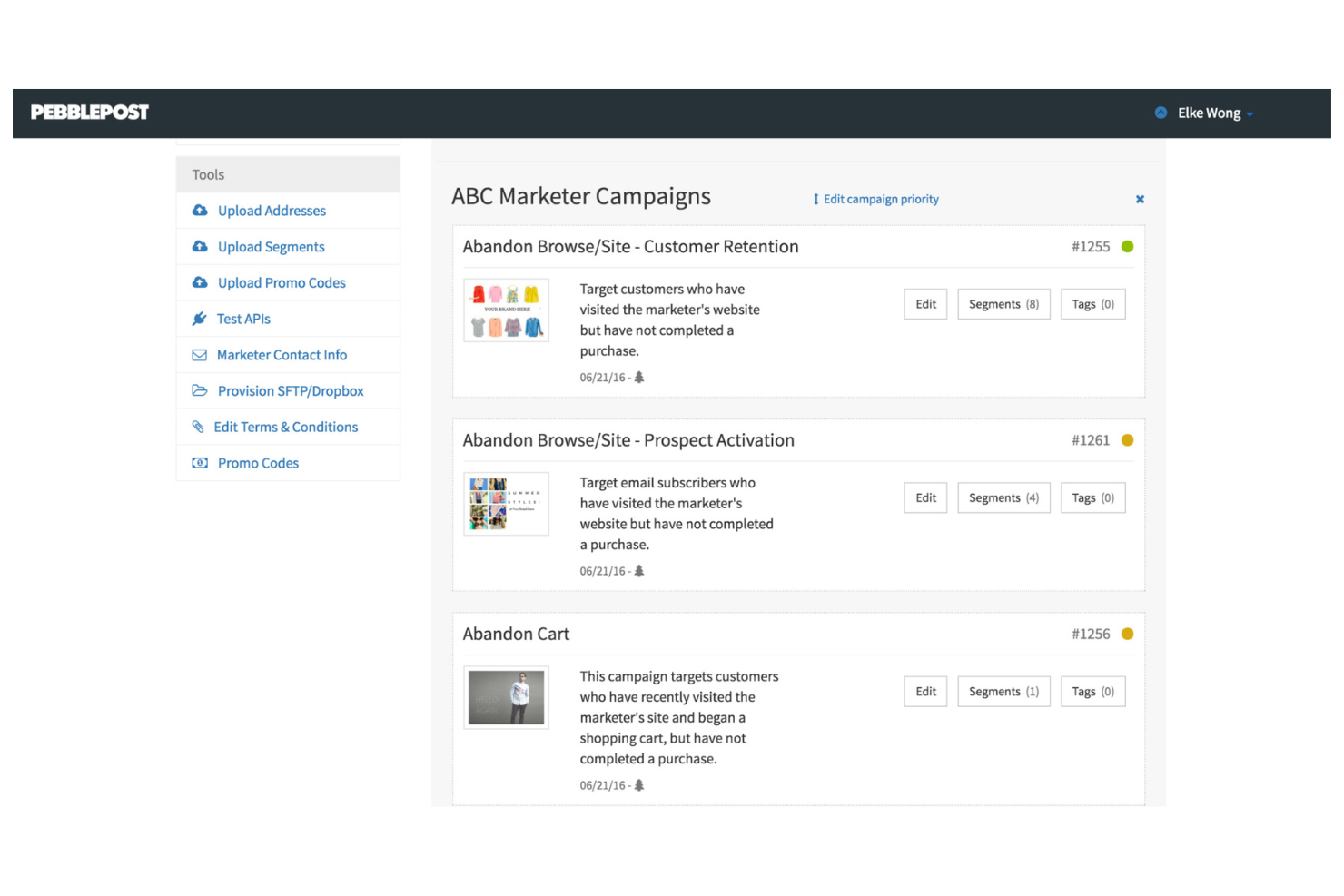
PebblePost helps digital marketers and ecommerce brands connect with online audiences through targeted direct mail campaigns. The platform uses online intent data to trigger timely, relevant mailers that reach prospects at home. If you want to bridge digital engagement with physical outreach, PebblePost offers a data-driven approach that stands out from traditional direct mail solutions.
Who Is PebblePost Best For?
PebblePost is a strong fit for digital marketing teams at ecommerce and retail brands that want to connect online intent data with targeted direct mail outreach.
Why I Picked PebblePost
What sets PebblePost apart for me is its programmatic approach to direct mail, which brings digital targeting and automation to physical outreach. I like that PebblePost uses real-time online intent signals to trigger personalized mailers, so campaigns reach prospects when interest is highest.
The platform’s ability to segment audiences and automate mail sends based on digital behaviors makes it a strong fit for marketers who want to bridge online and offline engagement. For teams looking to move beyond batch-and-blast mail, PebblePost’s programmatic capabilities offer a more data-driven, responsive way to reach customers at home.
PebblePost Key Features
Some other features that make PebblePost useful for direct mail marketers include:
- Attribution and reporting dashboard: Track campaign performance and measure direct mail’s impact on conversions with detailed analytics.
- Creative asset management: Store, organize, and deploy creative assets for mailers directly within the platform.
- Audience suppression controls: Exclude specific segments or individuals from campaigns to avoid duplicate or unwanted mailings.
- Compliance and privacy management: Manage data privacy and compliance requirements for direct mail campaigns, including opt-out handling.
PebblePost Integrations
Integrations include Shopify, Adobe Launch, Tealium, Elevar, and Rockerbox.
Pros and Cons
Pros:
- Offers real-time campaign performance analytics
- Automates direct mail based on digital triggers
- Uses online intent data for targeting
Cons:
- Lacks published native integrations with CRMs
- No transparent pricing on the website

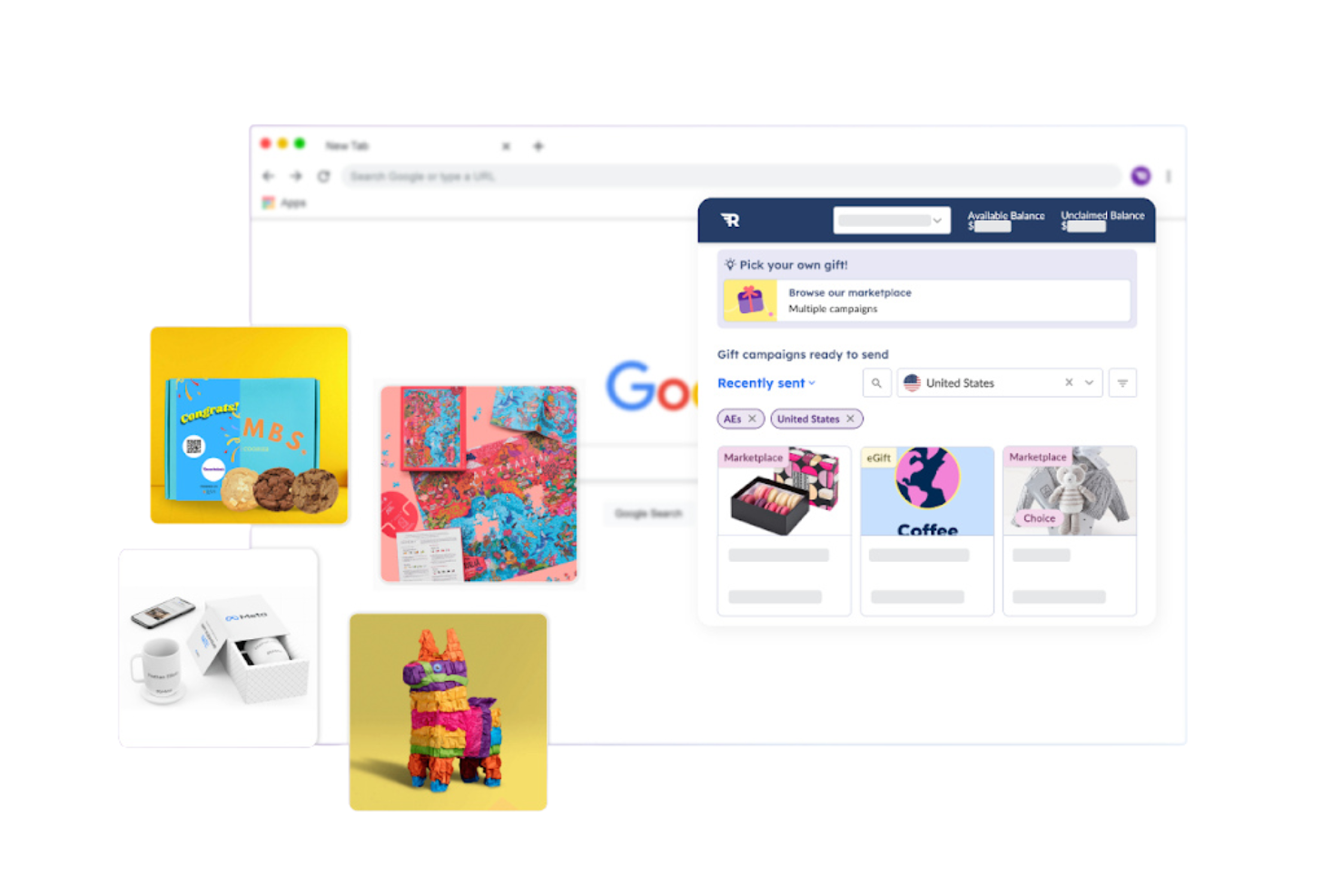
If you need to manage direct mail and gifting campaigns across multiple countries, Reachdesk is worth considering. The platform is designed for marketing and sales teams that want to send personalized gifts, swag, and mail globally while tracking campaign impact. It helps businesses coordinate logistics, compliance, and recipient experience in one place.
Who Is Reachdesk Best For?
Reachdesk is a strong fit for global marketing and sales teams in mid-sized to large organizations that need to manage gifting and swag campaigns across multiple regions.
Why I Picked Reachdesk
What drew me to Reachdesk is its ability to handle global gifting and swag management from a single platform. For teams running international campaigns, Reachdesk offers local warehousing and fulfillment, so you can send gifts and branded items to recipients in different countries without dealing with customs or shipping headaches.
I also like that it supports localized gift options and currency management, which helps ensure gifts are relevant and compliant in each region. These features make Reachdesk especially useful for organizations that need to scale direct mail marketing across multiple markets.
Reachdesk Key Features
Some other features that make Reachdesk valuable for direct mail marketing teams include:
- Automated campaign triggers: Set up rules to send gifts or swag based on CRM or marketing automation data.
- Recipient address confirmation: Collect and verify recipient addresses before sending, reducing failed deliveries.
- Real-time tracking dashboard: Monitor the status of every send, from shipment to delivery, in one place.
- Personalized messaging tools: Add custom notes or branded collateral to each gift or package.
Reachdesk Integrations
Integrations include Salesforce, HubSpot, Marketo, Salesloft, Outreach, Gong, Slack, Amazon, Chili Piper, and Calendly.
Pros and Cons
Pros:
- Tracks recipient engagement and delivery status
- Offers curated marketplace for branded swag
- Supports global shipping and local fulfillment
Cons:
- Limited self-service options for small teams
- Minimum annual contract required for access

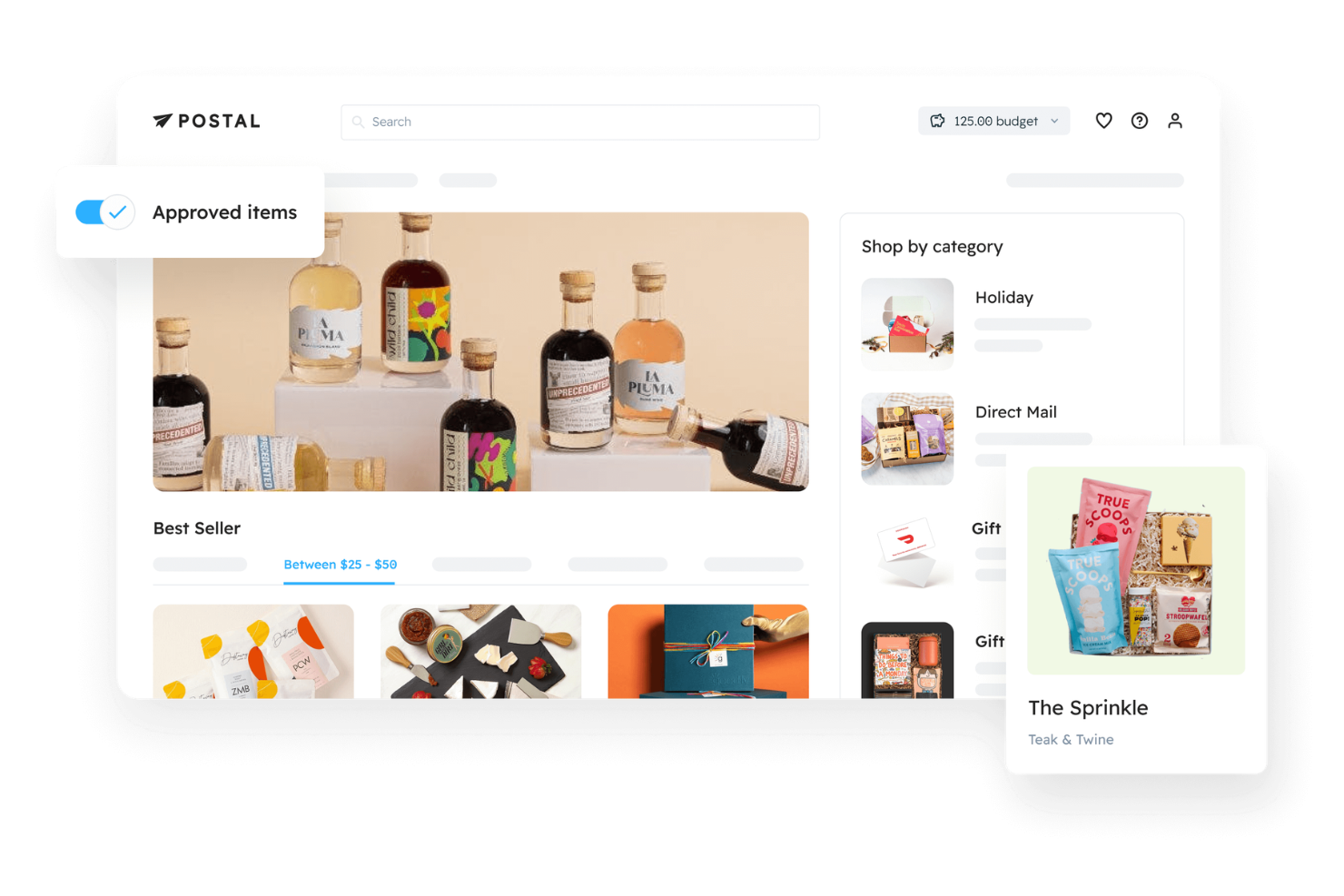
Postal offers a platform for marketing and sales teams that want to automate and personalize direct mail and gifting campaigns. The tool is especially useful for organizations looking to connect with prospects and customers through physical experiences, not just digital outreach. With Postal, you can manage, track, and optimize your offline engagement efforts from a single dashboard.
Who Is Postal Best For?
Postal is a strong fit for marketing and sales teams at mid-sized to large B2B companies that want to manage and scale personalized direct mail and gifting campaigns.
Why I Picked Postal
What drew me to Postal is its curated gifting marketplace, which gives marketing teams access to a wide range of unique, high-quality gifts and experiences. This marketplace approach means you can source everything from branded swag to local treats and event kits, all in one place, without juggling multiple vendors.
I also like that Postal lets you automate gift sends based on campaign triggers or recipient actions, making it easy to scale personalized outreach. For teams that want to stand out with thoughtful, memorable direct mail, Postal’s marketplace and automation features make it a strong choice.
Postal Key Features
In addition to its curated gifting marketplace and automation, Postal offers several other features that support direct mail marketing at scale:
- Address confirmation workflows: Automatically collect and verify recipient addresses before sending physical items to reduce failed deliveries.
- Event and meeting kit fulfillment: Ship pre-assembled kits for webinars, virtual events, or in-person meetings directly from the platform.
- Campaign analytics dashboard: Monitor campaign performance, track recipient engagement, and measure ROI with real-time reporting tools.
- Budget management controls: Set spending limits, allocate budgets by team or campaign, and track usage to maintain control over gifting expenses.
Postal Integrations
Integrations include Salesforce, HubSpot, Outreach, Chili Piper, Calendly, Shopify, Microsoft Dynamics, Marketo, Eloqua, and Salesloft.
Pros and Cons
Pros:
- Tracks recipient engagement and delivery status
- Automates direct mail based on CRM triggers
- Curated marketplace offers diverse gift options
Cons:
- Limited self-service for small businesses
- Requires an annual contract for most plans

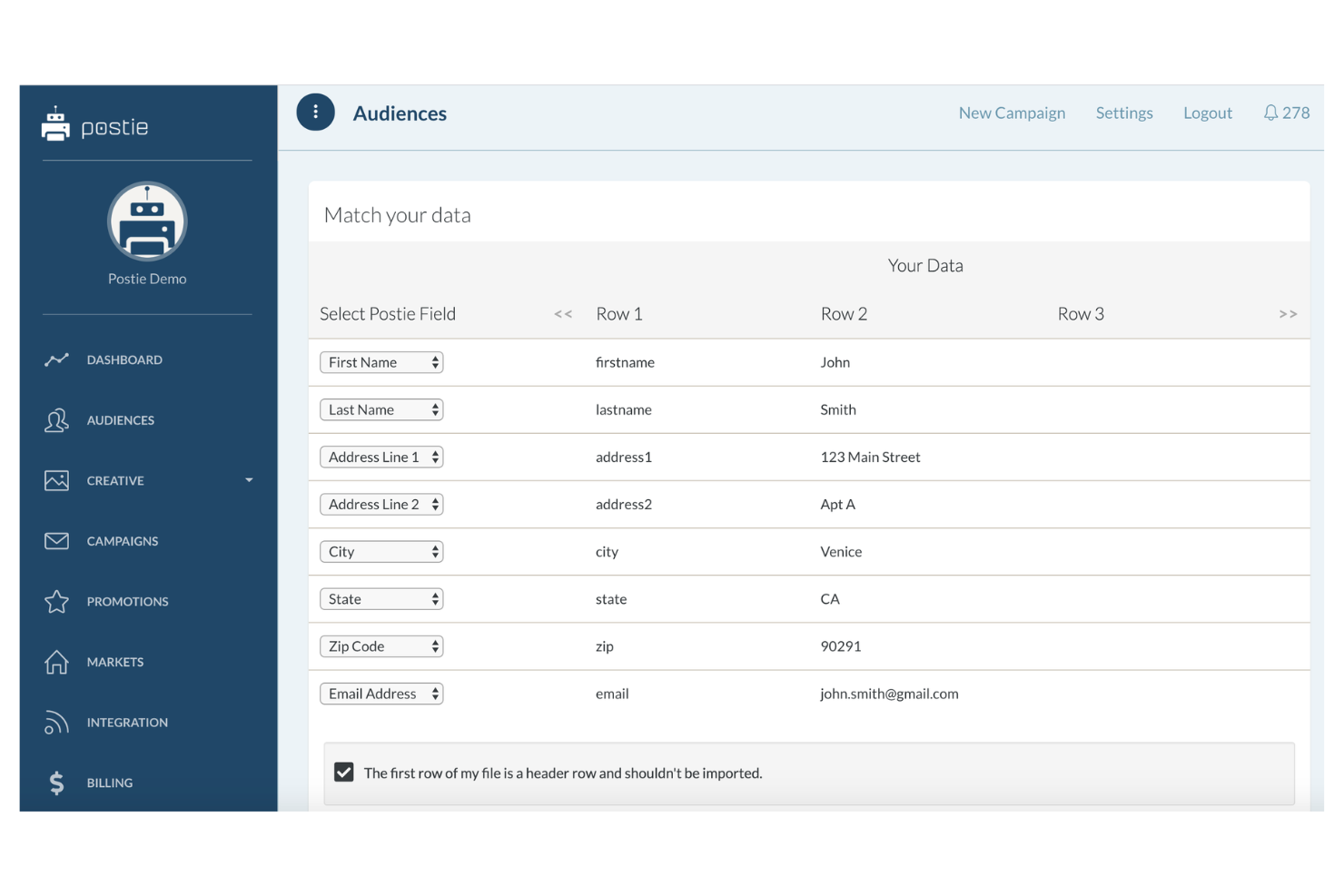
If you want to bring advanced data science to your direct mail campaigns, Postie offers a platform built for marketers who value precision targeting. The tool appeals to ecommerce brands, agencies, and growth teams looking to use AI and machine learning to reach high-value audiences offline. Postie helps you activate digital data for direct mail, making it easier to connect with customers in a measurable, data-driven way.
Who Is Postie Best For?
Postie is a strong fit for marketing teams at ecommerce and retail brands that want to use machine learning for highly targeted direct mail campaigns.
Why I Picked Postie
What drew me to Postie is its focus on machine learning audience targeting, which brings a level of precision that’s hard to find in traditional direct mail platforms. Postie uses AI-driven models to analyze digital and offline data, helping you identify and reach the audiences most likely to convert.
I appreciate that you can build lookalike audiences and segment based on real-time behaviors, making campaigns more relevant and timely. For marketers who want to maximize ROI by sending mail to the right people at the right moment, Postie’s targeting capabilities stand out.
Postie Key Features
Some other features that make Postie useful for direct mail marketers include:
- Lookalike audience modeling: Build custom audiences and use machine learning to create lookalike models based on top-performing customer segments.
- Website retargeting and identity resolution: Match website visitors to home addresses so campaigns can reach both anonymous and logged-in visitors by mail.
- A/B testing and campaign execution: Set up tests, launch campaigns, and manage execution from one platform instead of juggling separate vendors and workflows.
- Real-time performance measurement: Track CPA, CVR, and ROAS with KPI dashboards that show which audiences, creatives, and offers are driving conversions.
Postie Integrations
Integrations include Shopify, Klaviyo, Meta, Google Ads, CRM data sources, Acxiom, Experian, Epsilon, and Neustar.
Pros and Cons
Pros:
- Provides real-time analytics and reporting
- Automates direct mail based on digital triggers
- Uses machine learning for audience segmentation
Cons:
- Limited self-service options for small businesses
- No transparent pricing information available

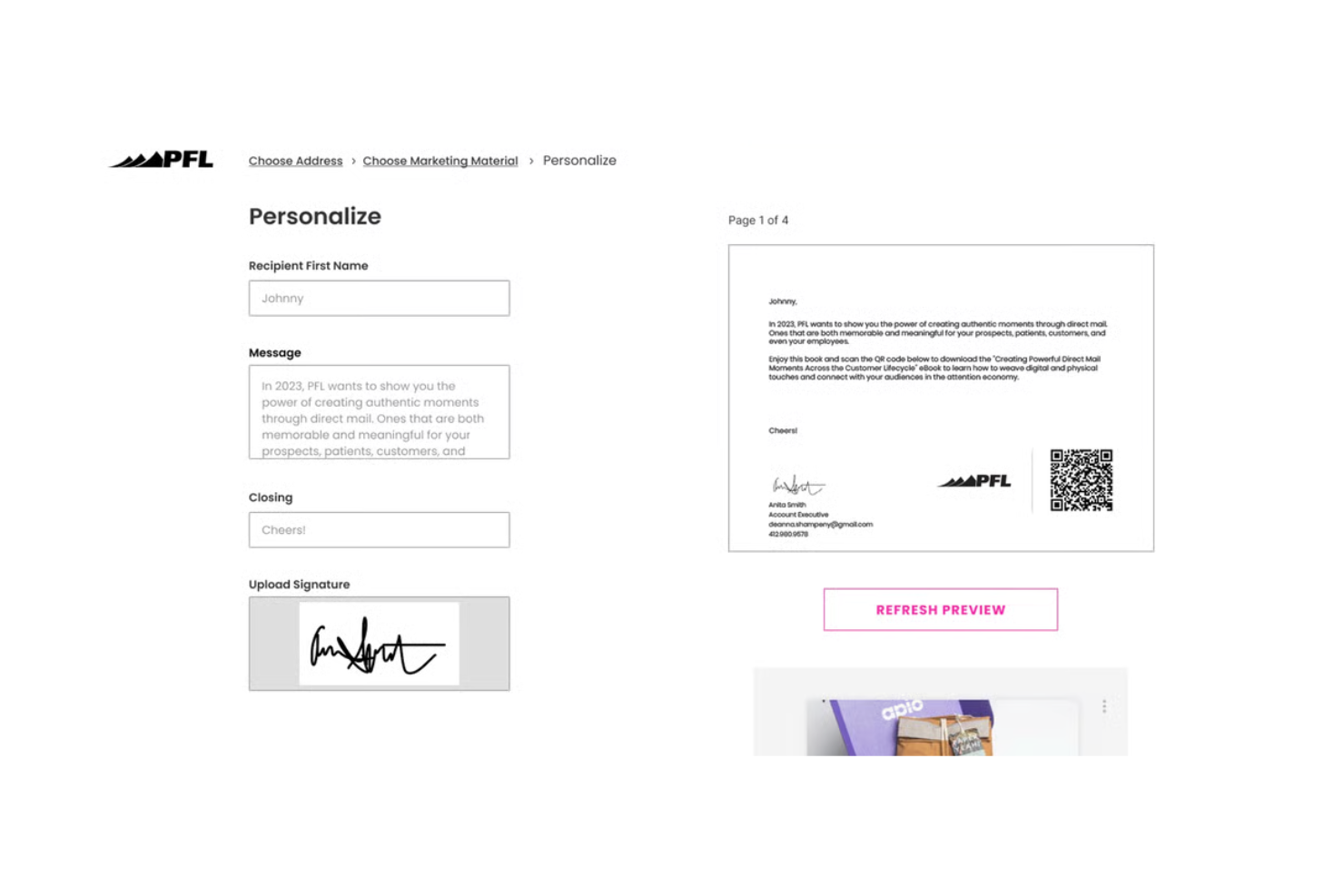
If you need to connect direct mail with your digital marketing stack, PFL offers a unique solution. It’s built for marketing teams and enterprise organizations that want to trigger personalized mailers based on customer data and digital behaviors. PFL helps you bridge the gap between online engagement and physical outreach, making your campaigns more coordinated and measurable.
Who Is PFL Best For?
PFL is a strong choice for enterprise marketing teams in regulated industries that need to coordinate direct mail with digital campaigns.
Why I Picked PFL
What stands out about PFL is how it connects direct mail with digital marketing platforms, making true omnichannel campaigns possible. I picked it because you can trigger personalized mailers based on CRM or marketing automation data, so your physical outreach is always in sync with digital touchpoints.
PFL’s platform also tracks delivery and response, letting you measure direct mail performance alongside your other channels. This level of integration is especially valuable for marketing teams that need to coordinate complex, multi-channel campaigns without manual handoffs.
PFL Key Features
Some other features that make PFL useful for direct mail marketing teams include:
- Automated address verification: Ensures mailers are sent to accurate, up-to-date recipient addresses.
- Personalized print production: Supports variable data printing for highly customized mail pieces.
- Campaign management dashboard: Centralizes campaign planning, tracking, and reporting in one interface.
- Compliance and security controls: Offers features to help meet regulatory requirements for data privacy and secure mail handling.
PFL Integrations
Integrations include Salesforce Sales Cloud, Salesforce Marketing Cloud, Salesforce Health Cloud, Salesforce Financial Cloud, Iterable, Marketo, Eloqua, and Braze.
Pros and Cons
Pros:
- Supports personalized, variable data print campaigns
- Automated direct mail triggered by digital actions
- Deep integration with Salesforce and major CRMs
Cons:
- Reporting features lack advanced analytics options
- Setup and onboarding can be time-consuming
Other AI Direct Mail Marketing Tools
Here are some additional AI direct mail marketing tools that didn’t make it onto my shortlist, but are still worth considering:
- Cactus Mailing
For full-service postcard campaign management.


AI Direct Mail Marketing Tools Selection Criteria
When selecting the best AI direct mail marketing tools to include in this list, I considered common buyer needs and pain points like integrating direct mail with digital campaigns and automating personalized mail triggers. I also used the following framework to keep my evaluation structured and fair:
Core Functionality (25% of total score) To be considered for inclusion in this list, each solution had to fulfill these common use cases:
- Automate direct mail campaign workflows
- Personalize mail content using customer data
- Track delivery and response rates
- Integrate with CRM or marketing automation platforms
- Manage recipient address data and validation
Additional Standout Features (25% of total score) To help further narrow down the competition, I also looked for unique features, such as:
- Real-time campaign analytics dashboards
- Omnichannel campaign orchestration
- Advanced compliance and security controls
- Dynamic creative testing for mail pieces
- AI-driven audience segmentation
Usability (10% of total score) To get a sense of the usability of each system, I considered the following:
- Simple and intuitive campaign builder
- Clear navigation and dashboard layout
- Minimal manual data entry required
- Responsive design for different devices
- Accessible help resources within the platform
Onboarding (10% of total score) To evaluate the onboarding experience for each platform, I considered the following:
- Step-by-step product tours or walkthroughs
- Availability of training videos and documentation
- Pre-built templates for common campaign types
- Access to onboarding webinars or live sessions
- In-app chat or chatbot support during setup
Customer Support (10% of total score) To assess each software provider’s customer support services, I considered the following:
- Multiple support channels like chat, email, and phone
- Fast response times to inquiries
- Knowledgeable support staff familiar with direct mail
- Access to a searchable help center or FAQ
- Availability of dedicated account managers
Value For Money (10% of total score) To evaluate the value for money of each platform, I considered the following:
- Transparent and flexible pricing options
- No hidden fees or surprise charges
- Features included at each pricing tier
- Discounts for higher volume or annual contracts
- Free trial or demo availability
Customer Reviews (10% of total score) To get a sense of overall customer satisfaction, I considered the following when reading customer reviews:
- Consistent positive feedback on campaign results
- Reports of reliable platform performance
- Comments on integration quality and ease
- User experiences with customer support
- Feedback on onboarding and training resources
How to Choose AI Direct Mail Marketing Tools
It’s easy to get bogged down in long feature lists and complex pricing structures. To help you stay focused as you work through your unique software selection process, here’s a checklist of factors to keep in mind:
| Factor | What to Consider |
|---|---|
| Scalability | Will the tool handle your current and future campaign volumes? Ask about batch limits, automation, and pricing as you grow. |
| Integrations | Does it connect natively with your CRM, marketing automation, or data platforms? Check for direct integrations, not just API access. |
| Customizability | Can you tailor workflows, templates, and triggers to your brand and campaign needs? Consider how much flexibility you’ll need. |
| Ease of use | How quickly can your team learn and operate the platform? Look for clear navigation and minimal training requirements. |
| Implementation and onboarding | What resources are needed to get started? Assess the time, support, and technical steps required for setup and migration. |
| Cost | Are pricing tiers transparent and predictable? Watch for volume-based fees, minimums, or extra charges for integrations and support. |
| Security safeguards | Does the tool meet your data privacy and security standards? Ask about encryption, access controls, and audit trails. |
| Compliance requirements | Will the platform help you meet industry or regional regulations (like HIPAA or GDPR)? Confirm support for required documentation and processes. |
What Are AI Direct Mail Marketing Tools?
AI direct mail marketing tools are software platforms that use artificial intelligence to automate, personalize, and optimize physical mail campaigns. These tools connect digital data sources with print production, enabling marketers to trigger mailings based on customer behaviors, segment audiences, and track campaign performance.
By integrating with CRM and marketing automation systems, they help teams coordinate direct mail with digital channels for more targeted, measurable outreach.
Features
When selecting AI direct mail marketing tools, keep an eye out for the following key features:
- Automated campaign triggers: Launch direct mail automatically based on customer actions, CRM updates, or marketing automation workflows, ensuring timely and relevant outreach.
- Personalized content generation: Use AI to customize mail pieces with recipient-specific data, such as names, offers, or imagery, for higher engagement and response rates.
- Address verification and validation: Check and correct recipient addresses in real time to reduce undeliverable mail and improve campaign accuracy.
- Omnichannel integration: Connect direct mail with digital channels like email, SMS, or social ads, allowing for coordinated, multi-touch campaigns.
- Delivery tracking and analytics: Monitor mail delivery status and measure campaign performance with dashboards that show response rates, conversions, and ROI.
- Variable data printing: Produce unique mail pieces at scale by merging data fields into print files, supporting true one-to-one marketing.
- Compliance and security controls: Protect sensitive customer data and support regulatory requirements with encryption, access controls, and audit trails.
- Template management: Store, edit, and reuse branded mail templates to speed up campaign creation and maintain consistency.
- Audience segmentation: Use AI-driven tools to group recipients based on behaviors, demographics, or purchase history for more targeted mailings.
- API access: Integrate the platform with custom systems or workflows, enabling advanced automation and data syncing beyond native integrations.
Benefits
Implementing AI direct mail marketing tools provides several benefits for your team and your business. Here are a few you can look forward to:
- Greater personalization: AI-driven content and variable data printing enable you to tailor each mail piece to individual recipients, increasing engagement and response rates.
- Improved campaign efficiency: Automated triggers and workflow integrations reduce manual effort and speed up campaign execution from planning to delivery.
- Higher deliverability: Built-in address verification and validation features help ensure your mail reaches the right recipients, minimizing wasted spend.
- Better measurement and optimization: Delivery tracking and analytics dashboards provide clear insights into campaign performance, allowing for data-driven improvements.
- Stronger omnichannel coordination: Integrations with CRM and digital marketing platforms let you align direct mail with other channels for a unified customer experience.
- Enhanced compliance and security: Advanced security controls and compliance features help protect sensitive data and support regulatory requirements.
- Scalable outreach: Automation and template management make it easy to launch personalized campaigns at scale, supporting both small tests and large mailings.
Costs and Pricing
Selecting AI direct mail marketing tools requires an understanding of the various pricing models and plans available. Costs vary based on features, team size, add-ons, and more. The table below summarizes common plans, their average prices, and typical features included in AI direct mail marketing tools solutions:
Plan Comparison Table for AI Direct Mail Marketing Tools
| Plan Type | Average Price | Common Features |
|---|---|---|
| Free Plan | $0 | Basic campaign creation, limited automation, simple templates, and access to support documentation. |
| Personal Plan | $25-$75/user/month | Automated triggers, address validation, basic analytics, and limited CRM integration. |
| Business Plan | $100-$300/user/month | Advanced personalization, omnichannel integration, delivery tracking, team collaboration, and API access. |
| Enterprise Plan | $500-$2,000+/month | Custom workflows, dedicated account management, advanced compliance, premium support, and custom integrations. |
AI Direct Mail Marketing Tools FAQs
Here are some answers to common questions about AI direct mail marketing tools:
How do AI direct mail marketing tools integrate with my existing CRM or marketing platforms?
Most AI direct mail marketing tools offer native integrations or API access to connect with popular CRMs and marketing automation platforms. This allows you to sync customer data, trigger mailings based on digital actions, and track campaign results alongside your other channels.
Can I personalize each mail piece with AI direct mail marketing tools?
Yes, AI direct mail marketing tools use variable data printing and AI-driven content generation to personalize each mail piece. You can include recipient names, custom offers, images, and other data-driven elements to increase relevance and engagement.
What types of campaigns work best with AI direct mail marketing tools?
Triggered campaigns—such as abandoned cart reminders, re-engagement mailings, and event invitations—work especially well. These tools also support batch campaigns for product launches, seasonal promotions, or customer loyalty programs.
Are there minimum volume requirements for using AI direct mail marketing tools?
Some platforms have minimum volume requirements, especially for business or enterprise plans. Others allow you to send as few as one piece at a time. Always check the provider’s terms to ensure their model fits your campaign needs.
How do AI direct mail marketing tools help with compliance and data security?
These tools often include address verification, encryption, access controls, and audit trails to help you meet data privacy and regulatory requirements. Look for platforms that support compliance standards relevant to your industry, such as GDPR or HIPAA.
What support options are available if I run into issues?
Most vendors offer multiple support channels, including email, live chat, and phone. Some provide dedicated account managers, onboarding assistance, and searchable help centers to help you resolve issues quickly and keep campaigns running smoothly.