

Estás gestionando docenas de prioridades: calentar leads, empujar registros, mantener a los clientes comprometidos—y, de alguna manera, todo debe sentirse personal. He estado en tu lugar. Con más de una década como profesional del marketing digital, he probado innumerables herramientas de software de marketing de goteo para encontrar cuáles realmente generan resultados. Utilizando nuestro método de revisión comprobado, he dado con plataformas todo-en-uno que operan campañas de marketing de goteo de alto rendimiento silenciosamente, para que puedas centrarte en la estrategia, no en enviar correos electrónicos. Esto es lo que vale la pena y lo que no.
Por qué confiar en nuestras recomendaciones de software
6,700+
Reviews
20
Industry experts
16+
Evaluation factors
14
Years
Nuestro equipo lleva probando y evaluando software desde 2012. Como líderes de marketing, sabemos lo difícil —y lo importante— que es elegir el software adecuado.
Para esta guía, evaluamos las herramientas mediante pruebas prácticas e investigación independiente, puntuando las herramientas según nuestros criterios de selección.
Nuestras reseñas reflejan nuestro criterio editorial humano, no un discurso de ventas.
Revisores expertos:
 Gui DrusinaDirector creativo
- Shriya GhateSenior Marketing Lead
 Amanda JacquesLíder de Marketing Ops

Resumen del Mejor Software de Marketing de Goteo
Esta tabla comparativa resume los detalles de precios de mis principales selecciones de software de marketing de goteo para ayudarte a encontrar el mejor según tu presupuesto y necesidades de negocio.
| Tool | Best For | Trial Info | Price | ||
|---|---|---|---|---|---|
| 1 | La mejor opción para secuencias de goteo B2B salientes | Plan gratuito disponible | Desde $49/usuario/mes (facturado anualmente) | Website | |
| 2 | Ideal por su diseño fácil de usar | Plan gratuito disponible | Desde $12/mes | Website | |
| 3 | Ideal para campañas impulsadas por datos | Plan gratuito + demo gratis disponible | Desde $20/mes | Website | |
| 4 | Mejor para la automatización de correos electrónicos | Prueba gratuita de 21 días + demo gratuita disponible | Desde $39/mes (facturado anualmente) | Website | |
| 5 | Ideal para integración con CRM | Prueba gratuita de 14 días + demo gratuita disponible | Desde $15/mes (facturado anualmente) | Website | |
| 6 | Mejor para pequeños negocios | Prueba gratuita de 14 días disponible | Desde $33/mes (facturado anualmente) | Website | |
| 7 | Ideal para marketing de comercio electrónico | Prueba gratuita de 14 días + demo gratis disponible | Desde $39/mes | Website | |
| 8 | Ideal para correos electrónicos transaccionales | Plan gratuito + demo gratis disponible | Desde $8.08/mes (facturado anualmente) | Website | |
| 9 | Mejor para soluciones para agencias | Prueba gratuita de 14 días | Desde $97/mes | Website | |
| 10 | Mejor para la interacción móvil | Prueba gratuita de 14 días + demo gratuita disponible | Precio a consultar | Website |


Reseña del Mejor Software de Marketing de Goteo
A continuación encontrarás mis resúmenes detallados de los mejores software de marketing de goteo que han entrado en mi lista corta. Mis reseñas ofrecen una mirada detallada a las características clave, pros u0026amp; contras, integraciones y casos de uso ideales de cada herramienta para ayudarte a encontrar la mejor para ti.
 La mejor opción para secuencias de goteo B2B salientes
- Plan gratuito disponible
- Desde $49/usuario/mes (facturado anualmente)
Visit WebsiteCustomer Rating:4.5/5This rating combines scores from multiple user review sites to reflect overall customer sentiment about the product.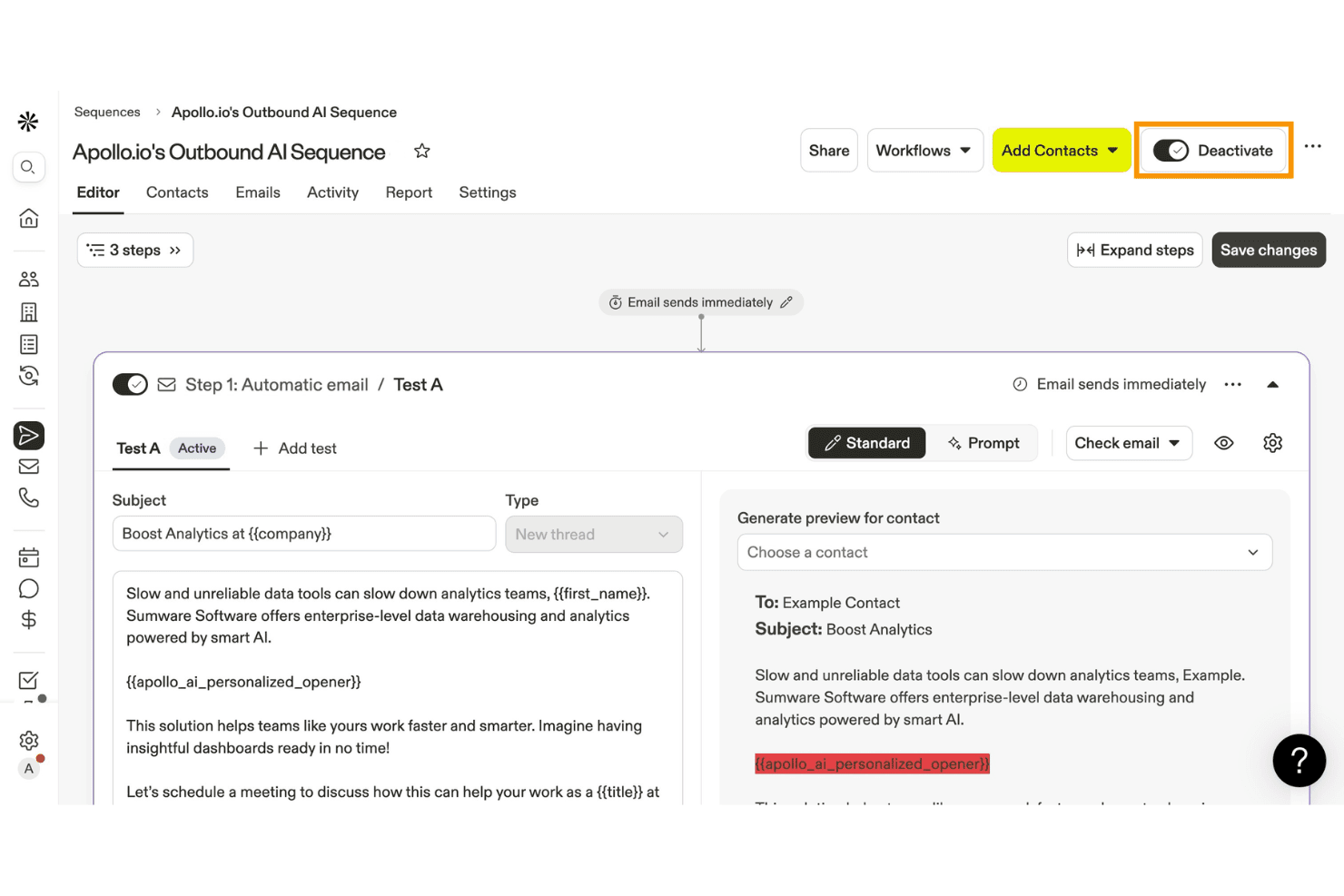
Apollo.io permite a los usuarios crear y activar secuencias de correo electrónico saliente impulsadas por IA. Apollo.io es una plataforma de interacción de ventas B2B que combina una base de datos de más de 275 millones de contactos con secuencias de contacto multicanal, personalización de correos electrónicos asistida por IA, automatización de flujos de trabajo y herramientas integradas de entregabilidad.
¿Para quién es más adecuado Apollo.io?
Apollo.io es una opción excelente para equipos de ventas y crecimiento B2B que realizan campañas de prospección saliente y necesitan secuencias de correo electrónico, datos de contactos y sincronización con el CRM en un solo lugar.
Por qué elegí Apollo.io
Apollo.io ocupa un lugar en mi lista de opciones porque su función Secuencias está diseñada específicamente para campañas de goteo B2B salientes y combina pasos multicanal (correo electrónico, teléfono y LinkedIn) en un único flujo de trabajo automatizado. Me gusta especialmente la función integrada de pruebas A/B para las líneas de asunto y el contenido de los correos electrónicos, que permite optimizar los mensajes sin necesidad de otra herramienta. El Asistente de IA también redacta mensajes de contacto personalizados utilizando más de 240 millones de datos de contactos, por lo que las secuencias parecen adaptadas y no genéricas.
Características principales de Apollo.io
- Suite integrada de entregabilidad de correo electrónico: Apollo incluye calentamiento del dominio, configuración de SPF/DKIM/DMARC, puntuación de entregabilidad y supervisión de la colocación en la bandeja de entrada para proteger la reputación del remitente.
- Motor visual de flujos de trabajo: Un lienzo de arrastrar y soltar con lógica condicional de múltiples ramas permite crear y gestionar flujos de trabajo automatizados de contacto entre equipos.
- Integración de datos de intención de Bombora: Disponible en los planes Professional y superiores, esta función muestra las cuentas con alta intención para que puedas priorizar los contactos que muestran señales activas de compra.
- Pruebas A/B de secuencias: Prueba las líneas de asunto y el contenido de los correos electrónicos directamente dentro de las secuencias y utiliza los datos de rendimiento a nivel de cada paso para perfeccionar tus contactos.
Integraciones de Apollo.io
Apollo.io ofrece integraciones nativas con Salesforce, HubSpot, Pipedrive, Microsoft Dynamics 365, Zoho CRM, Gmail, Outlook, Slack y Google Calendar. También es compatible con Zapier y Make, mientras que el acceso a la API y a los webhooks está disponible en el plan Organization.
Pros and Cons
Pros:
- Las secuencias multicanal incluyen correos electrónicos, LinkedIn y llamadas
- El asistente de IA redacta campañas de ventas personalizadas
- Suite integrada de entregabilidad con calentamiento del dominio
Cons:
- Las tasas de rebote de los correos electrónicos suelen superar el 15 por ciento
- Carece de funciones de goteo para comercio electrónico y suscripción voluntaria
Learn more about Apollo.io: Ideal por su diseño fácil de usar
- Plan gratuito disponible
- Desde $12/mes
Visit WebsiteCustomer Rating:4.7/5This rating combines scores from multiple user review sites to reflect overall customer sentiment about the product.
MailerLite ayuda a las pymes a diseñar correos, automatizar flujos de trabajo y crecer fácilmente MailerLite es un software de automatización de correo electrónico diseñado para pequeñas y medianas empresas que buscan crear campañas de correo electrónico atractivas. Ofrece herramientas para diseñar correos, automatizar flujos de trabajo y crear páginas de destino, centrándose en la facilidad de uso y accesibilidad.
Por qué elegí MailerLite: El diseño intuitivo de MailerLite lo hace accesible para equipos sin experiencia técnica. El editor de correos electrónicos de arrastrar y soltar permite crear mensajes atractivos sin esfuerzo. Las funciones de automatización te ayudan a establecer flujos de trabajo para mantener el compromiso con tu audiencia de manera constante. Además, las herramientas de creación de páginas de destino fortalecen aún más tu estrategia de marketing al captar clientes potenciales de manera eficaz.
Funciones destacadas e integraciones:
Funciones incluyen un editor de arrastrar y soltar que simplifica la creación de correos electrónicos, permitiéndote enfocarte en el contenido en lugar de en los detalles técnicos. La plataforma también ofrece herramientas de automatización que te ayudan a configurar secuencias, asegurando una comunicación oportuna con tu audiencia. Los análisis de desempeño proporcionan información sobre el éxito de las campañas, ayudándote a tomar decisiones informadas.
Integraciones incluyen Shopify, WordPress, Stripe, WooCommerce, Zapier, Squarespace, Facebook, Slack, Mailchimp y Google Analytics.
Pros and Cons
Pros:
- Editor intuitivo de arrastrar y soltar
- Excelente soporte al cliente
- Herramientas de automatización eficaces
Cons:
- Funciones avanzadas limitadas
- Opciones de informes limitadas
 Ideal para campañas impulsadas por datos
- Plan gratuito + demo gratis disponible
- Desde $20/mes
Visit WebsiteCustomer Rating:4.6/5This rating combines scores from multiple user review sites to reflect overall customer sentiment about the product.
Klaviyo ayuda a marcas de ecommerce a enviar campañas de correo electrónico y SMS basadas en datos Klaviyo es una plataforma de automatización de marketing diseñada para empresas de comercio electrónico que buscan aprovechar los datos para una interacción personalizada con los clientes. Permite a los usuarios crear campañas dirigidas de correo electrónico y SMS basadas en el comportamiento y las preferencias del cliente.
Por qué elegí Klaviyo: Klaviyo destaca en la creación de campañas impulsadas por datos, lo que lo convierte en una excelente opción para negocios que quieren aprovechar los conocimientos de sus clientes. Funciones como la segmentación avanzada de tu lista de correos y la analítica predictiva te ayudan a personalizar tus mensajes de manera efectiva. Puedes automatizar flujos personalizados de correo electrónico y SMS, asegurando comunicaciones relevantes y oportunas. Las sólidas herramientas de generación de informes de Klaviyo ofrecen información detallada sobre el rendimiento de tus campañas, ayudándote a perfeccionar tu estrategia de email marketing.
Funciones y integraciones destacadas:
Funciones incluyen analítica predictiva que ayuda a anticipar el comportamiento del cliente y mejorar el enfoque de tus campañas. La plataforma ofrece pruebas A/B para optimizar los elementos de las campañas y lograr mayor interacción. El seguimiento y los informes en tiempo real te brindan información instantánea sobre la efectividad de tus campañas.
Integraciones incluyen Shopify, WooCommerce, Magento, BigCommerce, Facebook, Instagram, Stripe, PayPal, Salesforce y Zapier.
Pros and Cons
Pros:
- Información profunda sobre los clientes
- Capacidades de analítica predictiva
- Seguimiento e informes en tiempo real
Cons:
- Puede resultar abrumador al principio
- Requiere conocimientos técnicos
 Mejor para la automatización de correos electrónicos
- Prueba gratuita de 21 días + demo gratuita disponible
- Desde $39/mes (facturado anualmente)
Visit WebsiteCustomer Rating:4.6/5This rating combines scores from multiple user review sites to reflect overall customer sentiment about the product.
Mailmodo aumenta el compromiso con campañas de correo electrónico interactivas y automatizadas Mailmodo es una plataforma interactiva de marketing por correo electrónico dirigida a empresas que buscan aumentar la participación y las tasas de conversión mediante campañas automatizadas de email drip. Su principal público son los equipos de marketing enfocados en crear campañas de correo electrónico interactivas y automatizadas.
Por qué elegí Mailmodo: Esta herramienta destaca en la automatización de correos electrónicos, ofreciendo funciones como correos electrónicos AMP interactivos y capacidades impulsadas por IA que simplifican la gestión de campañas. Puedes utilizar el editor de correos electrónicos de arrastrar y soltar para diseñar correos interactivos sin necesidad de conocimientos técnicos. Los recorridos automatizados de correo ayudan a mantener una comunicación constante con tu audiencia. Además, la función de segmentación inteligente garantiza que tus mensajes lleguen eficazmente al público adecuado.
Características e integraciones destacadas:
Las características incluyen un editor de correos electrónicos de arrastrar y soltar, lo que hace que el diseño de emails sea intuitivo. Los correos AMP interactivos permiten a los destinatarios interactuar directamente desde su bandeja de entrada, aumentando así las tasas de interacción. Los recorridos automatizados de correo ayudan a mantener una comunicación constante con tu audiencia objetivo.
Las integraciones incluyen HubSpot, Salesforce, Shopify, Google Analytics, Zapier, Slack, WordPress, Mailchimp, Pabbly y Webhooks.
Pros and Cons
Pros:
- Diseños de correos interactivos
- Capacidades impulsadas por IA
- Segmentación inteligente
Cons:
- Curva de aprendizaje para principiantes
- Complejidad en la configuración de integraciones
Learn more about Mailmodo: Ideal para integración con CRM
- Prueba gratuita de 14 días + demo gratuita disponible
- Desde $15/mes (facturado anualmente)
Visit WebsiteCustomer Rating:4.4/5This rating combines scores from multiple user review sites to reflect overall customer sentiment about the product.
ActiveCampaign potencia las relaciones con los clientes mediante la automatización de correo electrónico y CRM ActiveCampaign es una plataforma de automatización de marketing dirigida a empresas que buscan mejorar las relaciones con sus clientes a través del email marketing y la integración con CRM. Ayuda a los usuarios a automatizar campañas de correo electrónico y gestionar de forma eficaz los datos de los clientes.
Por qué elegí ActiveCampaign: ActiveCampaign sobresale en la integración con CRM, proporcionando herramientas que te ayudan a gestionar las interacciones y los datos de los clientes sin complicaciones. Las funciones de automatización de la plataforma te permiten crear recorridos de correo electrónico personalizados para tu audiencia. Puedes utilizar sus capacidades de CRM para rastrear el comportamiento del cliente y mejorar la interacción. En mi experiencia, la flexibilidad de las herramientas de automatización de ActiveCampaign la convierte en un recurso valioso para empresas que buscan optimizar sus esfuerzos de marketing.
Características y integraciones destacadas:
Entre las características se incluye un editor de correos electrónicos con función de arrastrar y soltar que simplifica la creación de campañas, permitiéndote centrarte en confeccionar mensajes atractivos. La plataforma ofrece segmentación avanzada para dirigirse a grupos específicos de clientes según su comportamiento y preferencias. Las analíticas en tiempo real proporcionan información sobre el rendimiento de las campañas, ayudando a tomar decisiones basadas en datos.
Las integraciones incluyen Shopify, Salesforce, WordPress, Zendesk, Facebook, Zapier, WooCommerce, Slack, Microsoft Dynamics y Google Analytics.
Pros and Cons
Pros:
- Integración sólida con CRM
- Flujos de trabajo de automatización flexibles
- Segmentación avanzada de clientes
Cons:
- Curva de aprendizaje pronunciada
- Soporte al cliente con horario limitado
Learn more about ActiveCampaign: 6Mejor para pequeños negocios
Kit
- Prueba gratuita de 14 días disponible
- Desde $33/mes (facturado anualmente)
Visit WebsiteCustomer Rating:4.5/5This rating combines scores from multiple user review sites to reflect overall customer sentiment about the product.
Kit ayuda a los creadores a automatizar campañas de correo y aumentar las ventas en línea Kit es una plataforma de email marketing diseñada para ayudarte a gestionar tu audiencia mediante campañas automatizadas y contenido personalizado. Ofrece herramientas para crear páginas de aterrizaje, organizar suscriptores y vender productos digitales. La plataforma está pensada para creadores y emprendedores que desean hacer crecer su presencia en línea.
Por qué elegí Kit: Kit mantiene las cosas simples, lo cual es ideal si no eres muy técnico. Puedes crear secuencias de correos automatizados según la interacción de tus suscriptores con tu contenido. También te permite crear formularios y páginas de aterrizaje para ayudarte a hacer crecer tu lista. Si vendes productos digitales o suscripciones, puedes hacerlo directamente desde tu cuenta. Todo esto lo convierte en una opción sólida para pequeños equipos o creadores individuales.
Características e integraciones destacadas:
Las características incluyen creadores de páginas de aterrizaje y formularios con plantillas editables, herramientas para vender productos digitales y suscripciones, así como analíticas para ver el rendimiento de tus correos. También puedes usar etiquetas para organizar tu audiencia y enviar mensajes más relevantes. Estas funciones te ayudan a mantener tu marketing enfocado y manejable.
Las integraciones incluyen Podia, Teachable, Squarespace, Zapier, Patreon, Mighty Networks, Leadpages e Instapage.
Pros and Cons
Pros:
- El creador visual de automatizaciones es ideal para principiantes
- El sistema de etiquetas ayuda a organizar los contactos
- Creación fácil de páginas de aterrizaje
Cons:
- Las herramientas de reporte son bastante limitadas
- No es ideal para flujos de trabajo complejos
Learn more about Kit: 7Ideal para marketing de comercio electrónico
Drip
- Prueba gratuita de 14 días + demo gratis disponible
- Desde $39/mes
Visit WebsiteCustomer Rating:4.4/5This rating combines scores from multiple user review sites to reflect overall customer sentiment about the product.
Drip potencia el comercio electrónico con correos electrónicos personalizados y flujos de trabajo automatizados Drip es una plataforma de automatización de marketing diseñada para negocios de comercio electrónico que buscan mejorar la interacción con los clientes e incrementar las ventas. Ofrece herramientas para email marketing personalizado, segmentación de clientes y flujos de trabajo automatizados.
Por qué elegí Drip: Drip ofrece soluciones adaptadas específicamente para el marketing de comercio electrónico, permitiéndote crear experiencias personalizadas para tus clientes. Funcionalidades como la segmentación de clientes y el seguimiento de comportamientos te ayudan a dirigirte a la persona adecuada en el momento oportuno con mensajes relevantes. Los flujos de trabajo automatizados te ahorran tiempo al encargarse de tareas repetitivas, asegurando una comunicación constante. La analítica de Drip te brinda información sobre tus campañas, ayudándote a optimizar tu estrategia basada en datos reales.
Características destacadas e integraciones:
Las características incluyen segmentación avanzada que te permite dirigirte a grupos de clientes específicos según su comportamiento y preferencias. La plataforma ofrece flujos de trabajo personalizables para automatizar tareas repetitivas y aumentar la eficiencia. Analíticas detalladas proporcionan información sobre el rendimiento de las campañas, ayudándote a perfeccionar tus estrategias de marketing.
Las integraciones incluyen Shopify, WooCommerce, Magento, BigCommerce, Facebook, Instagram, Stripe, PayPal, Zapier y Google Analytics.
Pros and Cons
Pros:
- Diseñado para negocios de comercio electrónico
- Segmentación avanzada de clientes
- Flujos de trabajo de automatización personalizables
Cons:
- Curva de aprendizaje más pronunciada
- Variedad limitada de plantillas
Learn more about Drip: Ideal para correos electrónicos transaccionales
- Plan gratuito + demo gratis disponible
- Desde $8.08/mes (facturado anualmente)

Brevo garantiza una comunicación oportuna con tus clientes gracias a correos electrónicos transaccionales fiables Brevo es una plataforma de marketing diseñada para empresas que necesitan servicios de correo electrónico transaccional fiables. Sirve a compañías que requieren una entrega eficiente de correos electrónicos para notificaciones, confirmaciones y alertas, garantizando una comunicación oportuna con los clientes.
Por qué elegí Brevo: Brevo destaca en la entrega de correos electrónicos transaccionales, lo que la hace ideal para empresas que dependen de una comunicación de correo confiable. La plataforma ofrece altas tasas de entregabilidad, asegurando que tus correos electrónicos lleguen a su destino puntualmente. Puedes configurar flujos de trabajo automatizados para gestionar tareas repetitivas, ahorrando tiempo a tu equipo. En mi experiencia, la interfaz intuitiva de Brevo simplifica la gestión de campañas de correo electrónico, incluso para quienes tienen habilidades técnicas limitadas.
Características e integraciones destacadas:
Las características incluyen herramientas de automatización avanzadas que ayudan a optimizar los procesos de correo electrónico. Brevo ofrece análisis detallados, brindando información sobre el rendimiento y la interacción de los correos electrónicos. La plataforma también soporta marketing por SMS, lo que te permite llegar a tu audiencia a través de múltiples canales.
Las integraciones incluyen Shopify, WooCommerce, Magento, PrestaShop, WordPress, Zapier, Salesforce, Microsoft Dynamics, Pipedrive y Google Analytics.
Pros and Cons
Pros:
- Altas tasas de entregabilidad
- Gestión eficaz de correos electrónicos transaccionales
- Admite múltiples canales de comunicación
Cons:
- Opciones de personalización de plantillas limitadas
- Desafíos ocasionales en la configuración
Learn more about Brevo: Mejor para soluciones para agencias
- Prueba gratuita de 14 días
- Desde $97/mes

HighLevel ayuda a las agencias a automatizar el marketing y gestionar las interacciones con los clientes HighLevel es una plataforma integral diseñada para agencias de marketing que buscan gestionar interacciones con los clientes y automatizar esfuerzos de marketing. Ofrece herramientas para CRM, marketing por correo electrónico y automatización de SMS, satisfaciendo las necesidades únicas de las agencias.
Por qué elegí HighLevel: HighLevel ofrece una solución personalizada para agencias, permitiéndote gestionar múltiples cuentas de clientes de manera eficiente. Las funciones de CRM de la plataforma te ayudan a rastrear interacciones con los clientes y mantener relaciones sólidas. Sus capacidades de automatización optimizan las campañas de correo electrónico y SMS, ahorrando tiempo y esfuerzo. Las opciones de marca blanca de HighLevel permiten que marques la plataforma como propia, agregando valor a tu oferta de servicios.
Características destacadas e integraciones:
Características incluyen un panel totalmente personalizable que te permite organizar los datos de tus clientes y las tareas de manera eficiente. La plataforma ofrece herramientas para la programación de citas para gestionar reservas sin problemas. HighLevel también proporciona funciones de gestión de embudos de ventas para rastrear los procesos de ventas y mejorar las tasas de conversión.
Integraciones incluyen Stripe, QuickBooks, Google My Business, Facebook, Instagram, Shopify, WordPress, Zapier, Twilio y Mailchimp.
Pros and Cons
Pros:
- Capacidades de marca blanca
- Funciones de CRM completas
- Escalable para el crecimiento de agencias
Cons:
- Horario de soporte limitado
- Curva de aprendizaje para nuevos usuarios
Learn more about GoHighLevel: 10Mejor para la interacción móvil
Braze
- Prueba gratuita de 14 días + demo gratuita disponible
- Precio a consultar

Braze potencia la mensajería personalizada para aumentar la participación móvil y digital Braze es una plataforma de interacción con clientes centrada en ofrecer mensajes personalizados en dispositivos móviles y otros canales digitales. Está dirigida a empresas que buscan mejorar sus estrategias de marketing móvil y aumentar la participación de los usuarios.
Por qué elegí Braze: Braze destaca en la interacción móvil, ofreciendo herramientas que te ayudan a conectar con los clientes a través de mensajes personalizados dentro de la aplicación y notificaciones push. Las capacidades de datos en tiempo real de la plataforma permiten ajustar las campañas sobre la marcha. Puedes crear recorridos de cliente segmentados que garantizan una comunicación relevante en cada punto de contacto. En mi experiencia, la interfaz intuitiva de Braze facilita que los equipos implementen y gestionen estrategias de marketing complejas de manera efectiva.
Funciones destacadas e integraciones:
Funciones como la segmentación avanzada permiten orientar a los usuarios según su comportamiento y preferencias, asegurando que tus mensajes lleguen al público adecuado. Braze ofrece análisis en tiempo real que proporcionan información sobre el rendimiento de las campañas y las interacciones de los clientes. La plataforma también admite mensajería multicanal, lo que te permite interactuar con los clientes mediante correo electrónico, SMS y notificaciones dentro de la aplicación.
Integraciones incluyen Salesforce, Segment, Amplitude, Adjust, AppsFlyer, Mixpanel, mParticle, Branch, Google Ads y Facebook.
Pros and Cons
Pros:
- Potentes capacidades de interacción móvil
- Procesamiento de datos en tiempo real
- Soporte para mensajería multicanal
Cons:
- Ocasionales problemas de sincronización de datos
- Soporte limitado disponible
Learn more about Braze :
Otro Software de Marketing de Goteo
Aquí tienes algunas opciones adicionales de software de marketing de goteo que no han llegado a mi lista corta, pero que aún así vale la pena revisar:
- 11ChetuIdeal para integraciones personalizadas
- 12OmnisendMejor para marketing omnicanal
- 13FlodeskMejor para profesionales creativos
- 14BenchmarkONEMejor para marketing de pequeñas empresas
Wie ich Drip-Marketing-Software bewerte
Ich denke bei Drip-Tools an zwei Ebenen: Zum einen die Grundfunktionen, die jede Option bieten muss – automatisierte Sequenzen, verhaltensbasierte Auslöser, Segmentierung – und zum anderen die Unterscheidungsmerkmale, die die besten Tools von den übrigen abheben.
Kernfunktionen (Grundvoraussetzungen für diese Liste)
Bei der Auswahl bewerte ich jedes Tool auf einer Skala von 0 (bietet diese Funktion nicht) bis 5 (hervorragend in diesem Bereich) für jede der nachfolgenden Kernfunktionen. Dann berechne ich die Gesamtbewertung jedes Tools als Prozentsatz. Jedes Tool muss mindestens eine Gesamtwertung von 65% erreichen, um für die Aufnahme berücksichtigt zu werden.
- Automatisierte Drip-Sequenzen: Ich prüfe, ob ein Tool mehrstufige Sequenzen mit anpassbaren Verzögerungen handhaben kann – zum Beispiel das zeitliche Aufteilen einer fünfteiligen Onboarding-Serie über zwei Wochen mit unterschiedlichen Wartezeiten zwischen den Schritten.
- Auslöser-basierte Workflows: Jedes Tool sollte ermöglichen, dass eine Drip-Sequenz durch reale Nutzeraktionen losgetreten oder fortgeführt wird, etwa durch eine Anmeldung, einen Besuch einer Produktseite oder einen abgebrochenen Warenkorb.
- Kontaktsegmentierung: Ich schaue mir an, wie fein granuliert man die Zielgruppe vor Beginn eines Drips filtern kann – etwa nach Interaktionshistorie, Kaufverhalten oder Lebenszyklusphase.
- Visueller Kampagnen-Builder: Eine Drag-and-Drop-Oberfläche zum Abbilden der Drip-Logik ist hier wichtig. Ich prüfe, ob Sie Bedingungen und Verzweigungen einfügen können, beispielsweise um einen Pfad abzuspalten, je nachdem, ob ein Abonnent einen Link angeklickt hat.
- Personalisierung & dynamische Inhalte: Über grundlegende Platzhalter hinaus bewerte ich, ob das Tool bedingte Inhaltsblöcke unterstützt – also ob verschiedene Angebote an unterschiedliche Segmente innerhalb derselben Drip-E-Mail ausgespielt werden können.
- Drip-Performance-Analysen: Das Reporting sollte die Kennzahlen pro Schritt einer Sequenz ausweisen, sodass Sie genau nachvollziehen können, wo Abonnenten abspringen oder konvertieren, um Timing oder Ansprache gezielt anzupassen.
Wenn ich so eine Auswahl an Tools habe, prüfe ich, wodurch sich jede Plattform besonders abhebt.
Unterscheidungsmerkmale (Was Anbieter voneinander abhebt)
So vergleiche und bewerte ich unterschiedliche Anbieter:
Herausragende Funktionen
Multi-Channel-Drip-Fähigkeiten sind hier sehr wichtig. Ein Tool, das SMS oder Push-Benachrichtigungen in eine E-Mail-Sequenz integrieren kann – etwa eine SMS-Erinnerung nach einer nicht geöffneten Reaktivierungs-E-Mail – bietet zusätzliche Kontaktpunkte, ohne separate Kampagnen aufsetzen zu müssen. Auch die Integration mit Lead-Scoring-Systemen bewerte ich, da sie eine automatische Weiterleitung qualifizierter Interessenten an den Vertrieb bei ausreichender Drip-Interaktion ermöglicht. Tools für Zustellbarkeit runden das Bild ab: Integrierte Spam-Tests und Domain-Authentifizierung helfen dabei, den Absender-Ruf bei wachsendem Volumen zu schützen.
Mehr als nur Features
Integration mit CRM-Systemen und anderen Bestandteilen des Tech-Stacks sind entscheidend. Ich prüfe, ob ein Tool nativ mit Ihrem CRM und Ihrer E-Commerce-Plattform verbunden werden kann, sodass Drip-Auslöser auch durch echte Verkaufs- oder Kaufvorgänge und nicht nur durch Formularübermittlungen ausgelöst werden. Die Preisstruktur ist ebenfalls wichtig – insbesondere, wie die Kosten mit wachsender Kontaktliste steigen. Ein Tarif, der bei 5.000 Kontakten funktioniert, kann bei 50.000 schnell zu teuer werden, wenn das Preismodell Wachstum bestraft. Zudem schaue ich auf Compliance-Tools wie Einwilligungserfassung und Präferenzzentren, da beim Versand von Drip-Kampagnen in verschiedene Regionen Vorgaben wie DSGVO, CAN-SPAM und CASL zu berücksichtigen sind.
Cómo Elegir un Software de Marketing de Goteo
Es fácil quedarse atascado en largas listas de funciones y complejas estructuras de precios. Para ayudarte a mantener el enfoque mientras avanzas en tu proceso de selección de software, aquí tienes una lista de factores a tener en cuenta:
| Factor | Qué considerar |
| Escalabilidad | Asegúrate de que el software pueda crecer junto con tu empresa. Busca soluciones que gestionen un mayor volumen de correos electrónicos y funciones adicionales conforme evolucionen tus necesidades. |
| Integraciones | Revisa si el software se integra con tus herramientas existentes como sistemas CRM, plataformas de e-commerce y herramientas de analítica para optimizar tu flujo de trabajo. |
| Personalización | Evalúa la capacidad de personalizar plantillas de correo, reglas de automatización e interfaces para ajustarse a los requisitos únicos de tu marca. |
| Facilidad de uso | Elige una interfaz intuitiva que tu equipo pueda utilizar fácilmente, minimizando el tiempo de formación y maximizando la productividad desde el primer día. |
| Presupuesto | Considera el costo total, incluidos los gastos de configuración, tarifas mensuales y otros cargos adicionales, para asegurarte de que encaja en tu plan financiero. |
| Salvaguardas de seguridad | Busca funciones como cifrado de datos, autenticación de usuarios y cumplimiento de normativas como el RGPD para proteger la información de tus clientes. |
| Soporte | Evalúa la disponibilidad y calidad del soporte, incluidos el chat en vivo, soporte telefónico y una amplia base de conocimientos. |
| Análisis | Asegúrate de que la plataforma ofrezca analíticas detalladas para rastrear el rendimiento de los correos, tasas de apertura y conversiones para fundamentar tus estrategias de marketing. |
¿Qué es un Software de Marketing de Goteo?
El software de marketing de goteo es una herramienta que automatiza el envío de correos electrónicos dirigidos para nutrir prospectos y mantener relaciones con los clientes a lo largo del tiempo.
Los profesionales de marketing, equipos de ventas y propietarios de negocios suelen utilizar estas herramientas para mejorar el compromiso y aumentar la conversión. Las funciones de automatización, segmentación y analítica facilitan la gestión eficaz de campañas, la personalización de mensajes y el seguimiento de resultados. En general, estas herramientas aportan valor al ahorrar tiempo y optimizar las estrategias de comunicación.
Características del Software de Marketing de Goteo
Al seleccionar software de marketing de goteo, presta atención a las siguientes características clave:
- Automatización: Automatiza el envío de correos electrónicos basados en el comportamiento del usuario para mantener la participación sin intervención manual.
- Segmentación: Te permite categorizar a tu audiencia en grupos específicos para mensajes más personalizados.
- Analítica: Ofrece información sobre el rendimiento de las campañas, ayudándote a rastrear las tasas de apertura y conversiones de manera eficaz.
- Plantillas personalizables: Ofrece plantillas de correo electrónico prediseñadas que pueden adaptarse al estilo único de tu marca.
- Capacidades de integración: Se conecta con herramientas existentes como sistemas CRM y plataformas de comercio electrónico para un flujo de trabajo cohesivo.
- Soporte multicanal: Permite la comunicación a través de varios canales como correo electrónico, SMS y redes sociales.
- Personalización: Ayuda a adaptar los mensajes a cada destinatario individual, haciendo las comunicaciones más relevantes y efectivas.
- Interfaz fácil de usar: Garantiza que tu equipo pueda navegar y utilizar el software de forma rápida y sencilla.
- Funciones de seguridad: Protege los datos de los clientes con encriptación y cumplimiento de normativas como el RGPD.
- Seguimiento en tiempo real: Supervisa el progreso de la campaña y las interacciones de los usuarios a medida que ocurren, permitiendo ajustes oportunos.
Beneficios del software de marketing por goteo
Implementar un software de marketing por goteo proporciona varios beneficios para tu equipo y tu empresa. Aquí tienes algunos a los que puedes aspirar:
- Mayor engagement: Al automatizar mensajes personalizados, mantienes a tu audiencia interesada y conectada sin esfuerzo manual constante.
- Ahorro de tiempo: Las funciones de automatización se encargan de tareas repetitivas, liberando a tu equipo para centrarse en actividades más estratégicas.
- Mejor segmentación: La segmentación te permite enviar contenido relevante a grupos específicos de tu audiencia, aumentando las posibilidades de conversión.
- Decisiones basadas en datos: La analítica te ofrece información sobre lo que funciona y lo que no, ayudándote a perfeccionar tus estrategias de marketing.
- Comunicación constante: Los flujos de trabajo automatizados garantizan que tus mensajes lleguen a la audiencia en el momento adecuado, manteniendo un flujo constante de comunicación.
- Personalización mejorada: Las funciones de personalización te permiten adaptar mensajes a cada destinatario, haciendo que las interacciones sean más significativas.
- Mayor eficiencia: Las capacidades de integración optimizan tus procesos al conectarse con herramientas existentes, reduciendo la necesidad de ingreso manual de datos.
Costos y precios del software de marketing por goteo
Seleccionar software de marketing por goteo requiere comprender los distintos modelos y planes de precios disponibles. Los costos varían según las funciones, el tamaño del equipo, los complementos y más. La siguiente tabla resume los planes comunes, sus precios promedio y las características típicas que incluyen las soluciones de software de marketing por goteo:
Tabla comparativa de planes de software de marketing por goteo
| Tipo de plan | Precio promedio | Características comunes |
| Plan gratuito | $0 | Automatización básica de correos electrónicos, plantillas limitadas y análisis básicos. |
| Plan personal | $10-$30/ usuario/mes | Plantillas avanzadas, segmentación básica, programación de emails y acceso a soporte. |
| Plan de negocios | $30-$60/ usuario/mes | Flujos de trabajo de automatización completos, segmentación avanzada, integraciones y análisis. |
| Plan empresarial | $60-$150/ usuario/mes | Funciones personalizables, soporte dedicado, informes avanzados y acceso a API. |
Preguntas frecuentes sobre software de marketing drip
Aquí tienes algunas respuestas a preguntas comunes sobre el software de marketing drip:rn
¿Qué tan efectivas son las campañas drip?
Las campañas drip son efectivas porque están altamente segmentadas y personalizadas. Al enviar mensajes basados en acciones específicas del usuario, suelen lograr tasas de rebote más bajas y una mayor interacción. Cuando alcanzas a tu audiencia en el momento adecuado con contenido relevante, aumentas la probabilidad de conversión.
¿Cuánto cuesta el email marketing drip?
El costo del email marketing drip varía, pero normalmente oscila entre $39 y $699 al mes, dependiendo del número de suscriptores y las funciones incluidas. Es importante evaluar tus necesidades y comparar planes para encontrar el que mejor se adapte a tu presupuesto y objetivos.
¿Qué industrias se benefician más del marketing drip?
Industrias como ecommerce, SaaS y bienes raíces se benefician significativamente del marketing drip. Estos sectores dependen de una comunicación constante para nutrir prospectos, convertir leads y retener clientes, por lo que las campañas drip son una solución ideal para mantener el compromiso.
¿El marketing drip puede mejorar la retención de clientes?
El marketing drip puede mejorar la retención de clientes al mantener un contacto regular con tu audiencia. Al ofrecer contenido y recordatorios personalizados, mantienes tu marca presente, promueves compras repetidas y construyes relaciones a largo plazo con tus clientes.
¿Qué tipos de emails debería enviar durante el ciclo de vida del cliente?
Comienza con un correo de bienvenida para presentar tu marca y guiar a los nuevos usuarios hacia su primer éxito. Si alguien navega pero no compra, un correo de carrito abandonado puede animarlo a volver con un recordatorio o incentivo. Más adelante, un seguimiento oportuno (después de una demo, prueba o compra) ayuda a mantener el impulso, resolver objeciones y profundizar la relación. Automatizar estos mensajes con software de marketing drip garantiza que lleguen en el momento perfecto sin añadir tareas a tu lista de pendientes.
Reseñas relacionadas de software de marketing
¿Buscas software que aumente las tasas de clics, reduzca las bajas de suscriptores y realmente contribuya a la generación de leads? Aquí tienes una lista seleccionada para que empieces:
- Software de email marketing personalizado
- Software de email marketing con video
- Software para embudos de marketing
- Software de marketing multicanal
- Software de marketing de proximidad
¿Qué sigue?
Si estás investigando software de marketing drip, conéctate con un asesor de SoftwareSelect para obtener recomendaciones gratuitas.
Llenas un formulario y tienes una charla rápida donde se profundiza en los detalles de tus necesidades. Luego, recibirás una lista corta de software para revisar. Incluso te apoyarán durante todo el proceso de compra, incluyendo la negociación de precios.