
Many marketing leaders assume short CMO tenure is a strategy problem. Jay Livingston sees it differently. In this conversation, the former Shake Shack CMO argues that one of the most overlooked drivers of CMO success is alignment with the CEO—not just on business goals, but on how both leaders see the world, evaluate opportunities, and define what great looks like.
Jay also shares lessons from overseeing marketing, product, supply chain, and digital at Shake Shack, why challenger brands win by embedding marketing into product development, and how marketing leaders should approach AI without losing sight of what ultimately drives brand value: human connection, community, and customer experience.
What You’ll Learn
- Why CEO-CMO alignment may be a hidden factor behind short CMO tenure
- How integrating marketing into product development creates stronger customer outcomes
- What challenger brands understand about culture, authenticity, and market disruption
- Why modern CMOs need product fluency alongside brand and growth expertise
- How AI is expanding the scope of the CMO role—and increasing leadership complexity
- Where marketing leaders should prioritize AI efficiency versus human experiences
- Why community and connection remain strategic differentiators in an increasingly automated world
- How to evaluate emerging technologies without getting distracted by hype cycles
- Why quality should remain the guiding principle when balancing speed, experimentation, and execution
Key Takeaways
- CEO-CMO fit matters more than most organizations realize
Jay believes many CMO tenures fail before they begin because leaders underestimate the importance of alignment between the CEO and CMO. Beyond business objectives, both leaders need compatible sensibilities, shared values, and a similar view of what the brand should represent. - Marketing should influence product before launch—not after
Too often, marketers inherit products and are asked to “go sell them.” Jay advocates bringing marketing into product development from the beginning so customer insight, positioning, partnerships, and demand creation are built into the offering itself. - Great challenger brands create cultural relevance
Shake Shack and Liquid Death succeeded by rethinking mature categories rather than inventing new ones. Strong products matter, but challenger brands also earn attention by participating in culture, creating conversations, and giving customers something worth talking about. - The CMO role keeps expanding
Today's marketing leaders are expected to drive brand, growth, performance marketing, technology adoption, AI transformation, and executive communication simultaneously. The breadth of the role continues to grow, increasing both opportunity and pressure. - Be leading edge, not bleeding edge
Jay recommends focusing on AI capabilities that create tangible efficiencies today while avoiding overcommitment to tools and trends that have not yet matured. Curiosity matters. So does discipline. - AI efficiency should not come at the expense of human connection
As brands invest more heavily in automation, marketers should also think about experiences that create genuine customer relationships. Community, events, activations, and human interactions may become more valuable—not less—as AI becomes more prevalent. - Cost pressure will accelerate AI adoption
One area Jay expects to change rapidly is content production. As CFOs push for greater efficiency, marketing organizations and agencies will face increasing pressure to use AI to reduce production costs while maintaining quality standards. - Quality remains the non-negotiable
When forced to choose between speed, cost, and quality, Jay argues that quality should win. AI should strengthen the product, customer experience, and brand—not compromise them in pursuit of short-term gains. - Marketing leaders still have a critical human role to play
Even as AI and robotics advance, Jay believes marketers will continue to provide judgment, creativity, values, and direction. The technology may evolve quickly, but humans remain responsible for determining how these systems serve customers, organizations, and society.
Chapters
- 00:00 — The CMO Tenure Problem
- 01:26 — Career Meadows
- 05:13 — Marketing Meets Product
- 07:16 — The AI Messaging Gap
- 08:34 — Building Challenger Brands
- 10:24 — CEO-CMO Alignment
- 11:59 — The Modern CMO Mandate
- 13:10 — AI Without the Hype
- 15:20 — The Human Connection Advantage
- 17:15 — Community as Strategy
- 17:41 — AI's Operational Impact
- 19:42 — Speed vs. Quality
- 22:25 — Lessons from Tech Cycles
- 22:56 — The Rise of Robotics
- 24:03 — The Human Role in AI
- 26:00 — Final Thoughts
Meet Our Guest
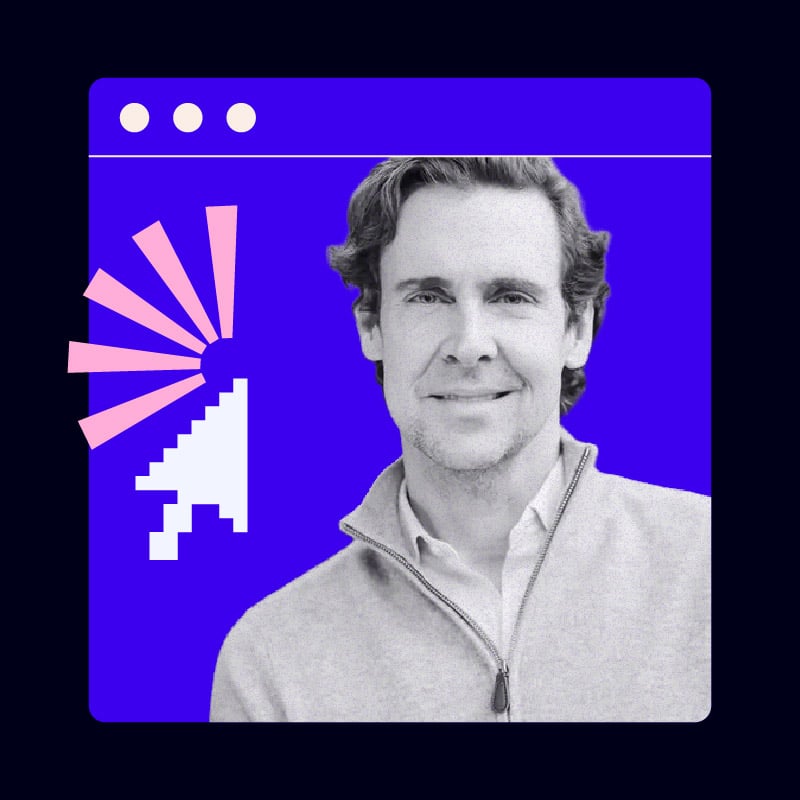
Jay Livingston is a seasoned marketing executive and former Chief Marketing Officer of Shake Shack, where he helped shape the brand’s growth, customer experience, and marketing strategy during a pivotal period of expansion. With more than two decades of leadership experience across consumer brands, hospitality, and retail, Jay is known for building customer-centric marketing organizations that blend creativity, data, and brand storytelling to drive growth. He is a respected voice on brand building, customer loyalty, and modern marketing leadership, helping organizations create meaningful connections with consumers in an increasingly digital world.
Resources from this episode:
- Join the CMO Club Community
- Subscribe to the newsletter to get our latest articles and podcasts
- Connect with Jay on LinkedIn
Related articles and podcasts:
Breanna Lawlor: Many marketing leaders assume a short CMO tenure comes down to strategy or execution. But what if the real reason most CMOs don’t last is a misalignment that was there before the first campaign launched? Right now, with AI accelerating the pace of change and raising expectations on every marketing leader, the CEO and CMO relationship is either a force multiplier or a quiet ceiling. And most organizations don’t talk about it until it’s already too late.
Today, I’m joined by Jay Livingston, former CMO of Shake Shack, where his mandate expanded to include product, supply chain, and digital alongside marketing, who brings a rare perspective on what it takes to build brands people are genuinely passionate about and not just loyal to.
We talk about why the CEO and CMO dynamic sits quietly behind most of the short tenures in the industry and what alignment truly looks like in practice, what challenger brands like Shake Shack understand about culture that most organizations are still figuring out, and why Jay believes chasing AI efficiency at the expense of human connection is a brand risk hiding in plain sight.
I’m Breanna Lawlor, and this is The CMO Club Podcast.
Jay, welcome. I’d love to hear a little bit about sort of your history, what you’re doing now, and also kinda what you’re looking forward to in the next little bit. Give us- Yeah … a snapshot in time.
Jay Livingston: Yeah. Yeah, for sure. So I spent 20 years at Bank of America.
I started in a rotational program there called the MAPS program. Right. Management Associate Program. And really, during that time, I got a lot of experience in technology and finance, but I realized my biggest focus and interest and passion was marketing- … and strategy, and also product development to some degree.
Spent 20 years there, and then I left and took two years off.
Breanna Lawlor: Kudos to you for taking a career break. I don’t know how many CMOs would actively advertise that, but it seems like there’s a lot of value in taking time for yourself. So let’s travel down that path a bit.
Jay Livingston: Yeah. Well, taking that time off I regard as top five best decisions- Yeah
I’ve ever made in my life. And I took the opportunity sort of mid-career to- Mm … explore some other things I was interested in. Yeah. I executive produced a few films. I got involved politically and helped start an organization called The Centrist Project. It’s now called Unite America. I did some- Yeah
angel investing for the first time. Yes. And really got close to a lot of growth companies around New York City- … and found that really interesting. So when I went back to work and ended up becoming the first CMO at Barkbox- … at the time- Fun … that was, like, a great way to both spend that time- Yeah
but also travel and spend time with family, and I was- Mm … really invigorated to go back at it. So-
Breanna Lawlor: I bet.
Jay Livingston: Yeah. Yeah. Nice. So I did that, and then I was there for about a year and a half. Great. And then got recruited over to Shake Shack-
Breanna Lawlor: Okay …
Jay Livingston: where I eventually oversee all product- … supply chain, digital, and marketing.
Breanna Lawlor: Nice. And so you were effectively their CMO?
Jay Livingston: Yeah, so I was CMO there for- Okay … last six and a half years until- Nice … last April.
Breanna Lawlor: Okay. And then- Yeah … last April, now you’re in a position where you… Are you advising other CMOs?
Jay Livingston: So fast-forward, I was like- Sure … “Man, this is another opportunity.” Yeah. I, I really felt like Every 10 years or so- Mm-hmm
you know, if you have the luxury to do it, and I know it’s a luxury, to take a little bit of time off again. Yeah. And I wanted to spend some time with family- … and travel and, and I have been advising on some businesses- Sure … and taking investments that I thought were particularly interesting.
For instance, the creator economy has become such a huge part- Huge, yes … of how marketers are thinking about allocating dollars. Big time. So I invested in a business called Agento that I’m also an advisor for. And part of it is I just wanna learn more about that space, right? Why not?
Because when I go back in, we know so many dollars are going there. They’re creating a platform for brands to basically efficiently invest- … in creators at scale.
Breanna Lawlor: Okay.
Jay Livingston: And right now that’s really difficult to do.
Breanna Lawlor: I bet.
Jay Livingston: So things like that just keep me like in the mix of- Yeah … these young talented founders and these growth companies that are doing things on the cutting edge- while also, being exposed to a lot of big company things.
Breanna Lawlor: What I’m hearing is that you’re really like leading with your values in a lot of what you’re doing with your time, where you’re putting your energy, where you’re spending your expertise at work.
Jay Livingston: Definitely.
Breanna Lawlor: How has that served you in your career?
Jay Livingston: I’ve always talked about this idea, people talk about career paths. Yeah. And I’ve talked a lot about it. It’s really, if you’re a generalist, it’s like career meadows.
Breanna Lawlor: Sure.
Jay Livingston: So you’re wandering the meadow- Yeah. … and you have all these different interests- Yeah … and you try to do things ancillary- that you can bring into your core job.
Breanna Lawlor: I think that’s really important.
Jay Livingston: Yeah. So producing films was, like, a really good way to think about actually producing television commercials-
Breanna Lawlor: Well, yeah …
Jay Livingston: or political, pollsters are almost cousins of marketers in a way, right? So politically active folks are trying to get folks elected- Right
and trying to understand where people are going, what they’re passionate about. So I love kinda being in all those other areas so that I can apply that to my day job or the job when I end up in Y.
Yeah.
Breanna Lawlor: There’s a lot of parallels there. I mean, marketing and strategy touches so many components of a business.
It’s impossible to ignore marketing.
Jay Livingston: Yeah.
Breanna Lawlor: And really at its root, it’s trying to connect with the right people-
Jay Livingston: Sure …
Breanna Lawlor: and give them what they need. Sure. So audience research is a component. There was one thing that you had shared earlier with me- Mm … about kinda the fundamental difference between, as a CMO, being given a product to sell, and embedding marketing in the building process from the get-go.
Yeah. Can you map out what that looks like fundamentally, how the two are different, and in what your experience has been maybe- Yeah … a more enjoyable ride?
Jay Livingston: Sure. I mean, one of the reasons I was attracted to the restaurant business is- Right … it’s not uncommon for the CMOs to also oversee culinary, right?
Of course. And all product. And so that was part of my role at Shake Shack, and there’s a huge benefit to building marketing into the product-
Breanna Lawlor: Of course …
Jay Livingston: from the very beginning. And now I’ve got some product management background from my time at Bank of America. So you need to be able to understand that.
But what I often see in a lot of companies is the marketers are handed a product, and they say, “Go sell it.” Yeah. And then when it doesn’t go well, they say, “Hey, why don’t you sell that product better,” right? Yeah. And the marketers are saying, “Well, why didn’t you build me a better product that actually, understood what our customers really needed?”
Breanna Lawlor: Right.
Jay Livingston: So I’m a big advocate, if possible, of bringing those organizations together and allowing the marketing team to oversee that development. An example was, like, at Shake Shack, we had done several hot chicken sandwiches over the years. Sure. And so we’re trying to, like, how do we invigorate that, right?
Yeah. Well, when that’s under marketing, we say, actually, we could work with Hot Ones is a huge brand out there right now. First We Feast owns, right? And the show that Sean’s doing, how do we work with him- … to actually work on the next hot sauce so that he talks about it all the time within his channel, and now we’ve got a- a built-in media brand, basically.
Breanna Lawlor: Yeah, and a larger sphere of influence as a result.
Jay Livingston: For sure. Yeah. And so that gets baked in from the very beginning. Right? And that’s the kind of example of, I think, what happens when you can put the two together- … which I’m a, a big fan of.
Breanna Lawlor: Do you think marketing leaders can afford to not have that product savvy sense in how they operate?
Can they just put the blinders on and do what they’re tasked with doing, or do you think it’s really important to have that- Product marketing philosophy in how they approach the work they’re doing
Jay Livingston: They’re very closely aligned.
Breanna Lawlor: They are.
Jay Livingston: Like one area where I see it failing is so many of the tech businesses, right?
Let’s take the AI world- Let’s do it … where you’ve seen basically public opinion go from 80% positive- Right … to 20% positive in the last year and a h- a half around AI. Well, all these companies actually have huge advertising budgets. They’re doing all sorts of marketing, their comms strategy. But their CEOs, and in many cases their entire company approach- Right
is not very thoughtful from a strategic comms standpoint. Hmm. And they are so focused on the engineers who are running the business versus partnering with the marketing team to understand- Mm … well, wait, what does your end customer really want there? Yeah. How do we build a message around that- incorporate it? I’ve noticed they hire a lot of people all within the same ecosystem. And so, I expect that to continue to be problematic, even though this technology is probably gonna change all of our lives dramatically. So part of it is having public opinion on your side- Yeah
having consumers be excited, and that’s a place where it’s very clear there’s just huge separation between folks running the product and all the folks doing all the communications around it.
Breanna Lawlor: Big time. Yeah. Yeah, and if you can bring them together, then there might be some shared learnings and more opportunity.
Jay Livingston: Definitely.
Breanna Lawlor: You had a keynote earlier with Benoit Potier from Liquid Death, and I would love to hear kinda your read on the room, what came up in conversation, whether it was Q&A, and also maybe something that was surprising that came out of that, that session.
Jay Livingston: I mean, we didn’t have Q&A, so I don’t know exactly how the room felt about it all.
Okay, perfect. But we did have the themes I kinda think we were both talking about. When you think about Liquid Death and Shake Shack- … they were both kinda innovators to product categories that have been around a long time. I mean, there’ve been lots of water brands and lots of burger brands, right?
Yeah. And so both companies took a fresh approach to saying, “How could we do this differently?” And in Shake Shack’s case, it was very much about whoever wrote the rule that a burger just had to be, like, not that great a product- … in a boring environment- Right … or plasticky fast food. I mean, ours was born out of fine dining.
Everything was better about the actual product, and we were able to build something that people were super passionate about. A fine dining burger in a fast casual environment. And then once you know who, that’s who you are, another theme really felt was being conveyed is being both authentic to who you are, but provocative and being in the fabric of the cultural conversation.
So if you’re gonna be a challenger brand- Yeah … that’s trying to break into these categories that are very established, great product helps. Yeah. But then on top of that, you really have to be provocative in your marketing- … in the conversation. You’ve gotta become somewhat i- insert yourselves.
Breanna Lawlor: You do.
Jay Livingston: You can’t just sit back and wait for people- Yeah … to come to you. And so that was a theme that we talked about a lot.
Breanna Lawlor: There’s some parallels here for leaders, too. Same sorta thing.
Jay Livingston: Definitely.
Breanna Lawlor: As a leader, you have a personal brand. You’re representing an organization, and you are- Absolutely maybe, whether it’s your decision or not, embedded in the fabric of- Yeah … culture.
Jay Livingston: Yeah.
Breanna Lawlor: How would you sorta suggest CMOs and marketing leaders take a strategic position in how they navigate that?
Jay Livingston: I think it even goes back to CMOs and CEOs thinking about the jobs they take- Sure … or in CEOs cases, who they hire.
Right. I’ve joked a lot before that, if you’re the CEO- … you don’t have to really see the world the same way as your CTO-
Breanna Lawlor: Sure …
Jay Livingston: or even your CFO, right? Or a bunch of people on the team. But if the CMO, if the head- Yeah … of marketing and the CEO of the company walk through the world and look at everything and say, “Wow, that’s terrible,” another one says, “That’s fantastic.”
If you have very different views, it’s probably not gonna go well. No. So having that fit about, it doesn’t mean you don’t want a place where you can push back on each other. But you kinda have to have a sense of creatively we appreciate the same things. Yes. We find beauty in the same things- and we s- find interest in the same things. And so that’s a relationship that I think often gets overlooked.
Breanna Lawlor: Yes, completely.
Jay Livingston: People just hire a CMO, or the CMO goes work for a job where they just need the growth, or they need to redo the brand- Yeah … or the marketing, but they don’t really take the time to say, “Well, what are the sensibilities here, and are they complementary?”
Breanna Lawlor: Totally, yeah. The- often the case where someone is hired because of something they’ve been able to prove previously. Sure. But the CMO arguably is tasked with executing the vision that the CEO holds.
Jay Livingston: Yeah.
Breanna Lawlor: And then ideally, you get buy-in from the entire company, and then it-
Jay Livingston: Yeah …
Breanna Lawlor: trickles down to your customers and- Yeah everyone else who touches it.
Jay Livingston: Absolutely.
Breanna Lawlor: You make a really good point, that if- Hmm … the CEO and the CMO don’t necessarily align, that’s probably gonna be quite a challenge.
Jay Livingston: Yeah.
Breanna Lawlor: Yeah.
Jay Livingston: It’s gonna be a big challenge. I see it go wrong. I think the, the famously short CMO tenures-
Breanna Lawlor: Yes …
Jay Livingston: there is often a connection there.
Breanna Lawlor: Do you think?
Jay Livingston: Yeah.
Breanna Lawlor: Do you think that’s what plays into it? ‘Cause- Yeah … historically, CMO tenure is around three years.
Jay Livingston: Right.
Breanna Lawlor: And maybe there’s a probably a multitude of reasons behind that. Right. They have to demonstrate ROI. They maybe are dealing with condensed budgets. Marketing can take time to prove.
Jay Livingston: Yeah.
Breanna Lawlor: AI is probably slashing a lot of those budgets. And so it’s a tricky place to be in. On top of it, you have to communicate in a language that your board understands. There’s just so much pressure that CMOs are under.
Jay Livingston: For sure. And now there’s the pressure to add hardcore growth generally to brand experience.
Right. And in my mind, that’s what the CMO job is. But, the growth has become a very quantitative … Performance marketing is a whole world unto itself- … and a lot of the sorta older school CMOs just didn’t have that in their remit. That wasn’t an option for them. So the skill set has gotten more and more broad-
Breanna Lawlor: It has
Jay Livingston: over the last few years, and now add AI to that. Yeah. So you gotta be tech-savvy-
Breanna Lawlor: You do …
Jay Livingston: in that way. It doesn’t mean you have to be technical, but you gotta bring AI into your organization now, whereas most marketers weren’t thinking about how to bring technology in 10 years ago, 15 years ago.
Breanna Lawlor: You … Yeah, you weren’t tasked with that the same way you are now.
Jay Livingston: That’s right.
Breanna Lawlor: And on top of it, you still have to do your day job- Yeah … and deliver-
Jay Livingston: Yeah …
Breanna Lawlor: quickly.
Jay Livingston: Yeah, for sure.
Breanna Lawlor: Yeah. I know AI has been, like, a huge focal point right now. It’s almost like it’s unignorable.
But if you have any sort of sage advice in your experience, what you’re hearing, what you’re noticing, how people can adopt it, test it out.
What sort of approach would you recommend they take? Especially in a leadership position where you do have internal and external pressure to deliver, to prove ROI, to try these things out.
Jay Livingston: Yeah. I mean, I view the marketer’s job is to go where the eyeballs are. And so, for instance, one of the reasons I mentioned the creator economy earlier- Right
is 53% of young people’s attention, which used to be heavily focused on television- Totally … reading books, et cetera, has gone to influencers and creators, right? So as a marketer, you’ve gotta understand- Mm … okay, if that much attention has moved there-
Breanna Lawlor: Right …
Jay Livingston: how do I get in front of it? I really view, radio is gonna kill newspapers.
Television was gonna kill radio. The internet was gonna kill television, right? And now we’re in the thing where AI is gonna kill everything. Well, the reality is yes and no. In the meantime- Mm … there’s still gonna be a lot of TV bought. Yep. There’s gonna be a lot of radio bought. There are also gonna be a lot of podcasts and influencers bought, and we’ve gotta explore all that- Mm
while now looking at- Mm … how do we dip our toe in all the ways that AI is gonna change where those eyeballs go?
Breanna Lawlor: Yes.
Jay Livingston: And I do think it’s a balance, and we’re all trying to predict- Mm … and nobody really knows yet where that’s gonna go. So I can’t add a lot to that conversation. Mm. I’m skeptical of people, frankly, that are fully predicting like, “Hey, I know.
I purport to know where that’s gonna go.” What I wanna do is take the efficiencies that we know now- Yes … maybe be leading edge, not bleeding edge. Take the efficiencies that we know now we can get in our organization, wherever that may be, but then also be a little careful about over-investing in something that’s not fully mature yet.
Breanna Lawlor: Yeah, no, I think that’s a really sage place to be- Yeah … because you really do need to operate from a what do we need as an organization- Right … what our users need, and where are we at, and also what’s possible? Because it is … Some of it’s guesswork, and you can have all of the data and everything in place, but you f- Yeah
you don’t know where you wanna get to from an outcome standpoint. Take AI out of it, you’re just gonna add more layers and complicated situations. It doesn’t have to be complicated.
Jay Livingston: Thousand percent.
Breanna Lawlor: It’s just … It’s a tricky spot when the FOMO-
Jay Livingston: Yeah …
Breanna Lawlor: is kinda leading the conversation. “Oh, my rival’s doing this, so I don’t wanna not use it.”
Well, it’s like- Yeah … but do you need to use it for this instance? It shouldn’t be a blanketed approach. It should be fairly bespoke.
Jay Livingston: Completely agree. You also wanna balance with more and more people want experiences, right? Yes. There’s a reason the experience economy is also popping. AI can do so many things and replace so many things.
What it can’t replace is a lot of that human connection and human experiences. It can make them better- … more interesting. But I think that as you both wanna shift money to AI over time- Sure … you also wanna shift some money the other direction to having on-the-ground, like- regional marketing, activation marketing. Yeah. What are you doing to connect with your human customers- Yeah … in a way that is very not digital?
Breanna Lawlor: Completely.
Jay Livingston: And so marketers are gonna have to figure out the balance of that- … and how to convince CFOs and CEOs and everybody else on how to allocate to that.
‘Cause building your brand with pure AI tools for a while here is probably not realistic.
Breanna Lawlor: Not for the long term.
Jay Livingston: We never know where it’s gonna go, 10 years from now. But for the next five years, as you’re building out your brand, if you’re a consumer product- … company and you’re not touching humans in some way- i’d question how successful you can be.
Breanna Lawlor: No, you make a really good point. And I was speaking with Priya yesterday, and, her whole philosophy is connection and community at the root of the work that she’s doing as CMO of Iterable. Yeah. And I think that’s a really sound place to be, because she’s not positioning herself as the be-all, end-all.
She doesn’t know everything. But she’s constantly reflecting on what the community is saying, and themes that come up, and what people are asking for. And Iterable is at the center of these conversations. Definitely. These, these one-to-one exchanges where people have another trusted ally in the space.
They can exchange ideas- … and then there’s a spark. And then, you as the brand sit at the center of that. And historically, it seems like community’s kind of been this add-on. “Oh, we do that because we should.” Yeah. Rather than it should be rooted in the fabric of our, of our culture as a company.
What are your thoughts on that?
Jay Livingston: Well, that’s where, especially if you’re a martech business- Yeah … like Iterable is- Right … you, yes, it’s gonna be very much at the core of everything you do.
Breanna Lawlor: Or it should be.
Jay Livingston: Or it should be. Yeah. It’s inevi- Well, you’re gonna have to to be able to compete.
If you’re, let’s say, a consumer business that does a tremendous amount of advertising typically- Yeah … and so forth. One example I gave somebody the other day, I was talking to a friend that works in photo shoot and film production.
Breanna Lawlor: Oh, fun.
Jay Livingston: So they’ve been doing this for 20 years. Yeah. And they’re very skeptical that anything is gonna disrupt that.
And here was my point. Yeah. So here’s what’s gonna happen. Every CMO- … of any company of any size has these huge line items on their budgets- Heaven … that are for photo shoots and video shoots- … that don’t seem to … It’s insanely expensive to do these photo shoots, right? Mm. You can spend a million dollars on six photo shoots.
Right. And it’s not that the marketers are gonna object to it so much as the CFO, who’s hated that line item- … on the budget all along ’cause they don’t understand- Right … why those things cost a million bucks, is gonna say, “I’m giving you $100,000- … to spend on all of your photo shoots this year.”
“That’s what you’ve got.” So the CMOs are gonna bring that pressure down- Yes … to their agencies and their teams, and they’re gonna say, “Well, guys, gotta do five photo shoots for 100,000 now- … not a million.” And it’s just gonna happen. So all those agencies and those downstream folks are gonna have to find tools that will help them do that.
Well, when you think about a photo shoot that typically had a director, a producer, all the talent- True … a location scout, craft services, right? Yeah. All these things, that’s going away-
Breanna Lawlor: Mm …
Jay Livingston: soon.
Now, that’s a prediction I’ll make. Sure. But if you’re a CMO or if you work in that space, that is a killer to hear, and it’s brutal, and it’s gonna cause all sorts of disruption.
Breanna Lawlor: Well, ’cause it’s a visibility play.
Jay Livingston: That’s right.
Breanna Lawlor: Right? That’s why they have such massive line items, because then- That’s right … if you, if you are everywhere, people think that they should know about you, and they wanna buy in because, you know- Sure … we look to our peers for a bit of guidance.
Jay Livingston: Sure. So the tech’s not quite there yet, but it’s coming.
And it’s gonna automate more and more of those processes. So that’s a place where, as a CMO, you have to be looking at and thinking about. And if, of course, if you work at an agency-
Breanna Lawlor: Right …
Jay Livingston: or anyone that does production- … they’re already thinking about that- Yeah … and then trying to adjust their businesses around it.
Breanna Lawlor: Yeah, it’s fascinating. There’s so much talk about it, but then what is outside of that should be front of mind for you but maybe isn’t right this second. And it’s interesting ’cause CMOs do have a lot on their shoulders.
Jay Livingston: Yeah, sure.
Breanna Lawlor: I wonder if you can maybe provide some advice from your experience.
If you were to share a philosophy about AI, and let’s assume you’re maybe on the more, not skeptical side, but just making sure it’s the right play, and you had to choose between speed, experimentation, and quality, what would be your approach? If you were to be offered a job tomorrow as a CMO for a new organization, and you’re really excited about it.
Jay Livingston: Well, that’s kinda like the triangle, right? I can give you two but never three.
Breanna Lawlor: Correct.
Jay Livingston: If you want fast, cheap, and good-
…
Jay Livingston: You can’t ever have three. Nope. So you gotta just pick. What I would say is you’re always gonna have to fall on quality. You can’t put things out there because your product ultimately, for me anyway- Sure
is your priority- Yeah … of what you have. Because if your product sucks you can put lipstick on a pig for only so long. So I would always focus on the quality of what you’re doing, and again, let these tools be facilitators to improve that quality, and ideally, then speed and cost follow quickly, but we’re all in different situations, right?
We are. And every business is in a different situation. And yeah, so that’s kinda how I think about it.
Breanna Lawlor: I think that’s a really wise long game play, right? Because there’s a lot of noise, and people are like, “I need to be the fastest and be the best- Yeah … and get ahead.” But it’s like you might be changing things in another three months, and so, are you actually gonna redeem those costs?
Jay Livingston: Yeah.
Breanna Lawlor: We don’t know. This is all a bit of guesswork, but thank you for sharing your take on it. Yeah. I think quality should be a leader because that’s brand longevity at play. If you risk that, you don’t know what will happen.
Jay Livingston: Yeah. Well, and-
Breanna Lawlor: It wouldn’t be good …
Jay Livingston: you always wanna be curious and dip your toes in.
The- Yeah … AI is not the metaverse, right? No. It’s not NFTs. It’s not a, some sort of cryptocurrency that’s- Right … every business thought they were gonna have their own crypto for a while. So it’s not those things, but billions of dollars were wasted on those things in the moment that people thought they had to do.
Yeah. Now, I don’t blame anyone for dipping their toe in and trying to understand, because if one of those things did take off-
Breanna Lawlor: Yes …
Jay Livingston: you wanted to be there. You do. You wanted to have a presence. But so much of the art of this is figuring out where do I allocate my capital- Yes … and my time and my energy, and where do I pull back quickly?
I mean, it’s amazing that Meta is called Meta.
Breanna Lawlor: Yeah.
Jay Livingston: Right? He, like Mark Zuckerberg, who has been incredible as a business person- Right … he quickly decided the metaverse was gonna be so dominant- Yeah … that he changed one of the most dominant companies in the history of American business- Yeah … to the word Meta I mean, that’s not really a thing much anymore.
So even the smartest amongst us- … can make some questionable calls in that regard. Yeah, yeah. So anyway, I just think AI requires us to be completely focused. Yeah. It’s gonna change the world and our lives quickly, but you gotta be balanced that you still have to s- fly the plane- … in the meantime.
Breanna Lawlor: I think that’s a really important point to leave people with. Yeah. Because you have to know at the core what you’re trying to accomplish-
Jay Livingston: Yeah …
Breanna Lawlor: regardless of the tools that you’re using to do it.
Jay Livingston: Yeah.
Breanna Lawlor: And just how operate from this sound place of knowledge and outcomes that you’re trying to reach. Thank you for sharing that, too.
And it’s funny. Yeah. It’s almost like if the leaders among us can make mistakes or missteps, let that be a lesson in that it’s okay. It’s all part of the journey. Absolutely. Yeah. Who knows where we’re gonna be three, six, nine months from now, but-
Jay Livingston: Yeah …
Breanna Lawlor: is there anything you’re particularly excited about that you’re hearing, seeing, feeling, just in general as it relates to marketing?
Jay Livingston: The robots I think are fascinating. After all that conversation- Yeah … the, the vast changes we’re seeing in robotics- … depending on what your business is. Sure. And of course, that’s gonna change life in the world. Another place where no idea what the timeframes really are for that, right?
Right. By the way, if this podcast comes out in six months- Yeah. … it might even seem can you imagine this guy was saying the robots, weren’t here? And Elon Musk will tell you that within two years- Mm … or three years- … if every surgery in any un- across the medical field is not being done by robots, he said it’s impossible that they won’t be.
Now, to think about what it will take for that to happen, but I do think robotics are gonna be fascinating. And you just had to watch this week the viral videos of them winning these races- Right … in running, and the continuing smoothness- … that they mimic human form, and so therefore can do a lot of human tasks.
Watching that- … I think is … I’m not in that business at all- No … but I’m just fascinated by it.
Breanna Lawlor: That’s bringing up something else for me. Let’s say AI takes over a lot of marketers’ tasks- Yeah … and robots take over a lot of other jobs.
Jay Livingston: Yeah.
Breanna Lawlor: What do you think is left for the humans?
Jay Livingston: Again, now we’re getting into predictions that who knows, and there are a lot smarter people than me to opine on that. My sense is I don’t wanna speak to the long term, but in the midterm- … in the short term, I think humans are still gonna drive a lot of the authentic creativity that happens- in the world, where we’ve gotta be the moral compass for training the AIs. And I think- Politically.
So no matter what happens with the future of AI and robotics, at least in the midterm, the way our government works in the United States- … at this federal, state, local levels- Right … has to work well and improve, and we’ve gotta decide as a country- where we focus, who we are, what we stand for. There’s so much polarization- Big
Breanna Lawlor: time …
Jay Livingston: economically and politically, that it makes it difficult for us to get out of some of our problems. Because people are farther apart, and our political representatives are so far apart, they’re not coming to the middle to solve problems.
Compromise is really how every problem gets solved. Right. And now without … This is a whole nother conversation- I bet … and whole nother podcast.
Breanna Lawlor: Maybe in the future, yeah.
Jay Livingston: But without competitive races, for instance, which is a, a whole nother conversation, you just get people that wanna stop the other side.
Breanna Lawlor: Yeah.
Jay Livingston: They don’t want their side. Well, that’s gonna have impacts on all of us-
Breanna Lawlor: Right …
Jay Livingston: all the way down through culture, marketing, how we deal with that. Because marketing is culture. And so back to your question, us making sure we know what our values are as a country and a place- … and can direct AIs to be supportive- of this- … and not disruptive. And that’s gonna be a place that we as humans have to figure out quickly.
Breanna Lawlor: Yeah. That’s really smart. We do have a say in how this all kind of rolls out.
Jay Livingston: Of course.
Breanna Lawlor: And it’s really important to recognize that the onus is on us.
Jay Livingston: And we’re, we’re building it. Yeah. It’s not like … We may not be saying that in 10 years- Yeah … but we’re in charge. Yeah. So we’ve gotta make sure that it works for us- … or we’re gonna work for them.
Breanna Lawlor: The time is now.
Jay Livingston: Yeah.
Breanna Lawlor: Yeah. Jay, this has been awesome. Yeah. We’ve covered a lot of ground here. Yeah. Thank you.
Jay Livingston: Politics to AI to robots yeah.
Breanna Lawlor: You know what, though? It’s, it’s great, and it’s, and it’s really refreshing to hear your take on things, too. And I think, when you shared how you took a career break, that perspective is everything. Right? Because if you’re too in it, you got the blinders on, you’re not seeing the other components of how your company, yourself, you, you operate and integrate with the world around you.
Yeah. And you need that perspective. You need those, the freshness and the reminders-
Jay Livingston: Yeah …
Breanna Lawlor: to keep striving and moving forward.
Jay Livingston: Well, maybe we can do another podcast sometime- Yeah … on sabbaticals ’cause-
Breanna Lawlor: I would love to …
Jay Livingston: people ask me all the time- Yeah … “How do you do it? Here’s what I’m f- fearful of,” et cetera.
Yeah, yeah. And yeah, a lot of thoughts-
Breanna Lawlor: There’s so much there … on that. I would love that.
Jay Livingston: Yeah, yeah.
Breanna Lawlor: Yeah, right on. Great. Thank you so much for your time.
Jay Livingston: Thank you. Thank you.
Breanna Lawlor: This has been awesome.
Jay Livingston: Of course.
Breanna Lawlor: Yeah, so many good things to share, too.