

Stai gestendo una dozzina di priorità: scaldare i lead, spingere le iscrizioni, mantenere i clienti coinvolti—e in qualche modo tutto deve sembrare personale. Ci sono passato anch'io. Con oltre dieci anni di esperienza come digital marketer, ho provato innumerevoli software di drip marketing per capire cosa funziona davvero. Utilizzando il nostro metodo di valutazione collaudato, ho selezionato piattaforme all-in-one che gestiscono silenziosamente campagne di drip marketing ad alte prestazioni, così puoi concentrarti sulla strategia, non sull’invio di email. Ecco cosa vale il tuo tempo—e cosa no.
Perché fidarsi dei nostri consigli sui software
6,700+
Reviews
20
Industry experts
16+
Evaluation factors
14
Years
Il nostro team testa e recensisce software dal 2012. In quanto leader del marketing noi stessi, sappiamo quanto sia difficile — e importante — scegliere il software giusto.
Per questa guida, abbiamo valutato gli strumenti attraverso test pratici e ricerche indipendenti, assegnando un punteggio agli strumenti in base ai nostri criteri di selezione.
Le nostre recensioni riflettono il nostro giudizio editoriale umano, non un discorso di vendita.
Revisori esperti:
 Gui DrusinaDirettore creativo
- Shriya GhateSenior Marketing Lead
 Amanda JacquesResponsabile Marketing Ops

Riepilogo dei migliori software di drip marketing
Questa tabella comparativa riassume i dettagli sui prezzi delle mie migliori scelte di software di drip marketing per aiutarti a trovare quello più adatto al tuo budget e alle tue esigenze aziendali.
| Tool | Best For | Trial Info | Price | ||
|---|---|---|---|---|---|
| 1 | Ideale per le sequenze di sviluppo dei contatti B2B in uscita | Piano gratuito disponibile | A partire da $49/utente/mese (fatturati annualmente) | Website | |
| 2 | Ideale per il design intuitivo | Piano gratuito disponibile | A partire da $12/mese | Website | |
| 3 | Ideale per campagne basate sui dati | Piano gratuito + demo gratuita disponibile | Da $20/mese | Website | |
| 4 | Ideale per l'automazione delle email | Prova gratuita di 21 giorni + demo gratuita disponibile | Da $39/mese (fatturazione annuale) | Website | |
| 5 | Ideale per l'integrazione con il CRM | Prova gratuita di 14 giorni + demo gratuita disponibile | A partire da $15/mese (fatturato annualmente) | Website | |
| 6 | Ideale per piccole imprese | Prova gratuita di 14 giorni disponibile | Da $33/mese (fatturato annualmente) | Website | |
| 7 | Ideale per il marketing ecommerce | Prova gratuita di 14 giorni + demo gratuita disponibile | A partire da $39/mese | Website | |
| 8 | Ideale per email transazionali | Piano gratuito + demo gratuita disponibile | A partire da $8.08/mese (fatturato annualmente) | Website | |
| 9 | Ideale per soluzioni agenzia | Prova gratuita di 14 giorni | Da $97/mese | Website | |
| 10 | Ideale per il coinvolgimento mobile | Prova gratuita di 14 giorni + demo gratuita disponibile | Prezzi su richiesta | Website |


Recensioni dei migliori software di drip marketing
Di seguito trovi i miei riassunti dettagliati dei migliori software di drip marketing che hanno superato la mia selezione. Le mie recensioni forniscono una panoramica sulle caratteristiche principali, pro e contro, integrazioni e i casi d’uso ideali di ogni strumento, per aiutarti a trovare quello più adatto a te.
 Ideale per le sequenze di sviluppo dei contatti B2B in uscita
- Piano gratuito disponibile
- A partire da $49/utente/mese (fatturati annualmente)
Visit WebsiteCustomer Rating:4.5/5This rating combines scores from multiple user review sites to reflect overall customer sentiment about the product.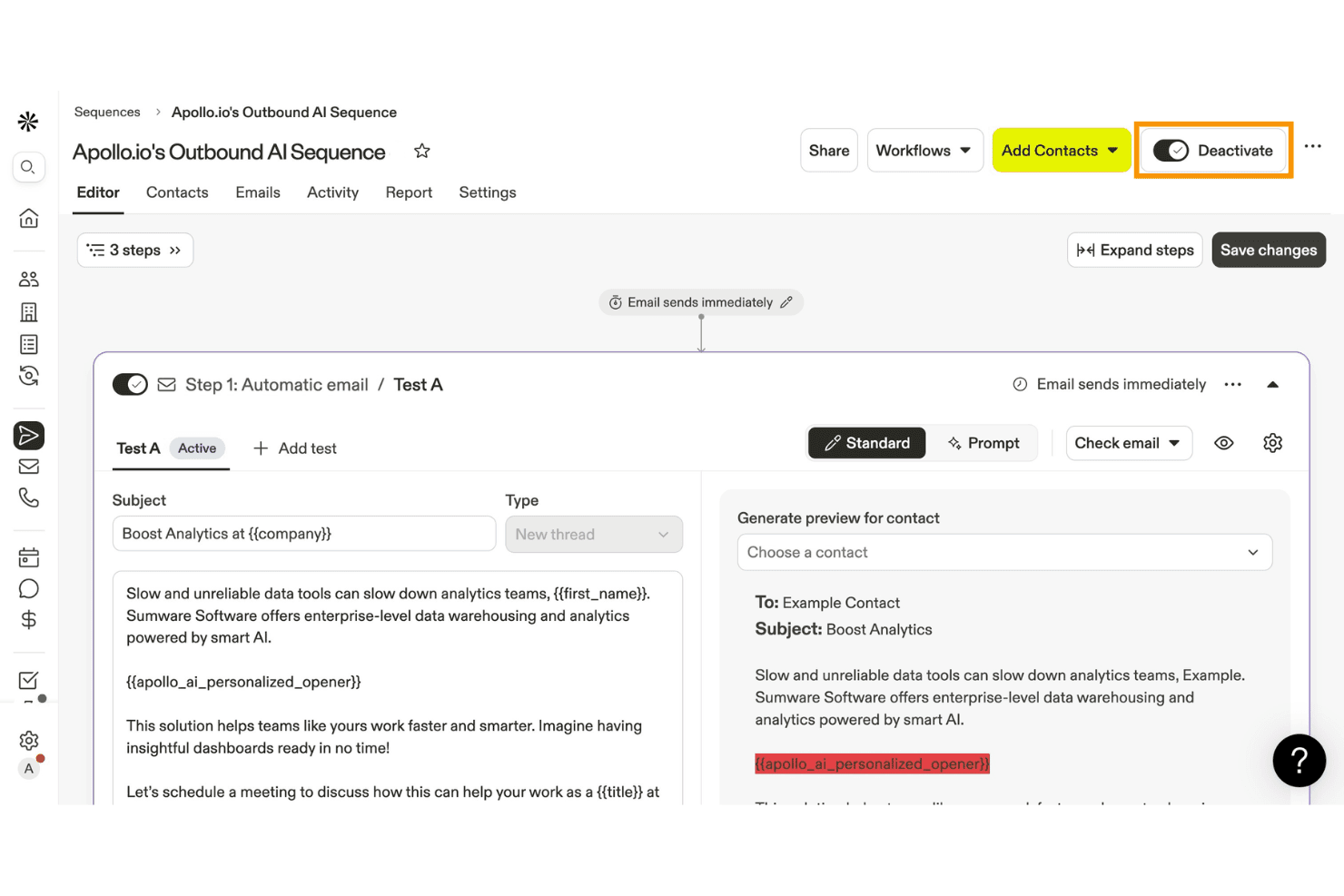
Apollo.io consente agli utenti di creare e attivare sequenze email in uscita basate sull'intelligenza artificiale. Apollo.io è una piattaforma B2B per la gestione delle interazioni commerciali che combina un database di oltre 275 milioni di contatti con sequenze di contatto multicanale, personalizzazione delle email assistita dall'intelligenza artificiale, automazione dei flussi di lavoro e strumenti integrati per la recapitabilità.
Per chi è più adatto Apollo.io?
Apollo.io è particolarmente adatto ai team di vendita e crescita B2B che gestiscono campagne di prospezione in uscita e hanno bisogno di sequenze email, dati sui contatti e sincronizzazione con il CRM in un unico ambiente.
Perché ho scelto Apollo.io
Apollo.io si è guadagnato un posto nella mia lista ristretta perché la sua funzione Sequenze è progettata appositamente per le campagne B2B in uscita di sviluppo dei contatti, combinando passaggi multicanale (email, telefono e LinkedIn) in un unico flusso di lavoro automatizzato. Apprezzo particolarmente i test A/B integrati per gli oggetti e il testo delle email, che consentono di ottimizzare i messaggi senza ricorrere a uno strumento separato. L'Assistente AI prepara inoltre messaggi di contatto personalizzati utilizzando oltre 240 milioni di dati sui contatti, così le sequenze risultano personalizzate anziché standardizzate.
Caratteristiche principali di Apollo.io
- Suite integrata per la recapitabilità delle email: Apollo include il riscaldamento del dominio, la configurazione di SPF/DKIM/DMARC, il punteggio di recapitabilità e il monitoraggio del posizionamento nella posta in arrivo per proteggere la reputazione del mittente.
- Motore visivo per i flussi di lavoro: Un'area di lavoro con funzionalità di trascinamento e logica condizionale multi-ramo consente di creare e gestire flussi di lavoro automatizzati per le attività di contatto tra diversi team.
- Integrazione dei dati di intenzione di acquisto di Bombora: Disponibile nei piani Professional e superiori, mostra gli account con elevata intenzione di acquisto per consentire di dare priorità ai contatti che mostrano segnali attivi di acquisto.
- Test A/B delle sequenze: Testa gli oggetti e il testo delle email direttamente nelle sequenze e utilizza i dati sulle prestazioni a livello di singolo passaggio per perfezionare le attività di contatto.
Integrazioni di Apollo.io
Apollo.io offre integrazioni native con Salesforce, HubSpot, Pipedrive, Microsoft Dynamics 365, Zoho CRM, Gmail, Outlook, Slack e Google Calendar. Supporta inoltre Zapier e Make, mentre l'accesso tramite API e webhook è disponibile nel piano Organization.
Pros and Cons
Pros:
- Le sequenze multicanale includono email, LinkedIn e chiamate
- L'assistente AI prepara campagne commerciali personalizzate di sviluppo dei contatti
- Suite integrata per la recapitabilità con riscaldamento del dominio
Cons:
- I tassi di rimbalzo delle email spesso superano il 15 percento
- Non dispone di funzionalità di sviluppo dei contatti per l'e-commerce e basate sul consenso
Learn more about Apollo.io: Ideale per il design intuitivo
- Piano gratuito disponibile
- A partire da $12/mese
Visit WebsiteCustomer Rating:4.7/5This rating combines scores from multiple user review sites to reflect overall customer sentiment about the product.
MailerLite aiuta le PMI a progettare email, automatizzare i flussi di lavoro e crescere facilmente MailerLite è un software di automazione email progettato per piccole e medie imprese che desiderano creare campagne email coinvolgenti. Offre strumenti per la progettazione di email, l'automazione dei flussi di lavoro e la creazione di landing page, concentrandosi sulla facilità d'uso e sull'accessibilità.
Perché ho scelto MailerLite: Il design intuitivo di MailerLite lo rende accessibile anche ai team senza competenze tecniche. L'editor drag-and-drop permette di creare bellissime email senza sforzo. Le funzionalità di automazione aiutano a impostare flussi di lavoro per coinvolgere costantemente la tua audience. Inoltre, gli strumenti per la creazione di landing page rafforzano ulteriormente la tua strategia di marketing facilitando la generazione di lead.
Caratteristiche principali & integrazioni:
Caratteristiche includono un editor drag-and-drop che semplifica la creazione di email, permettendoti di concentrarti sui contenuti invece che sugli aspetti tecnici. La piattaforma offre anche strumenti di automazione per impostare sequenze e garantire una comunicazione tempestiva con il pubblico. Le analisi delle prestazioni forniscono informazioni sull'efficacia delle campagne, aiutandoti a prendere decisioni consapevoli.
Integrazioni includono Shopify, WordPress, Stripe, WooCommerce, Zapier, Squarespace, Facebook, Slack, Mailchimp e Google Analytics.
Pros and Cons
Pros:
- Editor drag-and-drop intuitivo
- Assistenza clienti eccellente
- Strumenti di automazione efficaci
Cons:
- Funzionalità avanzate limitate
- Opzioni di reportistica limitate
 Ideale per campagne basate sui dati
- Piano gratuito + demo gratuita disponibile
- Da $20/mese
Visit WebsiteCustomer Rating:4.6/5This rating combines scores from multiple user review sites to reflect overall customer sentiment about the product.
Klaviyo aiuta i brand ecommerce a inviare campagne email e SMS basate sui dati Klaviyo è una piattaforma di automazione del marketing progettata per le aziende ecommerce che desiderano sfruttare i dati per un coinvolgimento personalizzato dei clienti. Consente agli utenti di creare campagne email e SMS mirate, basate sul comportamento e sulle preferenze dei clienti.
Perché ho scelto Klaviyo: Klaviyo eccelle nella creazione di campagne basate sui dati, rendendolo una scelta di primo piano per le aziende che vogliono sfruttare le informazioni sui clienti. Funzionalità come la segmentazione avanzata delle liste email e l'analisi predittiva ti aiutano a personalizzare i tuoi messaggi in modo efficace. Puoi automatizzare flussi di email e SMS personalizzati, garantendo comunicazioni tempestive e rilevanti. Gli strumenti di reportistica avanzata di Klaviyo offrono approfondimenti dettagliati sulle prestazioni delle campagne, aiutandoti a perfezionare la tua strategia di email marketing.
Caratteristiche principali & integrazioni:
Caratteristiche includono l'analisi predittiva che aiuta a prevedere il comportamento dei clienti e a migliorare il targeting. La piattaforma offre test A/B per ottimizzare gli elementi delle campagne e aumentare il coinvolgimento. Il monitoraggio e la reportistica in tempo reale ti forniscono informazioni istantanee sull'efficacia delle campagne.
Integrazioni includono Shopify, WooCommerce, Magento, BigCommerce, Facebook, Instagram, Stripe, PayPal, Salesforce e Zapier.
Pros and Cons
Pros:
- Approfondite informazioni sui clienti
- Capacità di analisi predittiva
- Monitoraggio e reportistica in tempo reale
Cons:
- Può risultare inizialmente complesso
- Richiede comprensione tecnica
 Ideale per l'automazione delle email
- Prova gratuita di 21 giorni + demo gratuita disponibile
- Da $39/mese (fatturazione annuale)
Visit WebsiteCustomer Rating:4.6/5This rating combines scores from multiple user review sites to reflect overall customer sentiment about the product.
Mailmodo aumenta il coinvolgimento con campagne email interattive e automatizzate Mailmodo è una piattaforma di email marketing interattiva pensata per le aziende che desiderano aumentare il coinvolgimento e i tassi di conversione attraverso campagne drip via email. Si rivolge principalmente ai team di marketing focalizzati sulla creazione di campagne e-mail interattive e automatizzate.
Perché ho scelto Mailmodo: Questo strumento si distingue per l'automazione delle email, offrendo funzionalità come email interattive AMP e capacità guidate dall'IA che semplificano la gestione delle campagne. Puoi utilizzare l'editor email drag-and-drop per progettare email interattive senza competenze tecniche. I percorsi email automatizzati della piattaforma aiutano a mantenere una comunicazione costante con il tuo pubblico. Inoltre, la funzione di segmentazione intelligente assicura che i tuoi messaggi raggiungano in modo efficace il pubblico giusto.
Funzionalità e integrazioni principali:
Le funzionalità includono un editor email drag-and-drop, che rende intuitiva la progettazione delle email. Le email interattive AMP permettono ai destinatari di interagire direttamente nella propria casella di posta, aumentando i tassi di coinvolgimento. I percorsi email automatizzati ti aiutano a mantenere una comunicazione costante con il pubblico di riferimento.
Le integrazioni includono HubSpot, Salesforce, Shopify, Google Analytics, Zapier, Slack, WordPress, Mailchimp, Pabbly e Webhooks.
Pros and Cons
Pros:
- Design di email interattive
- Funzionalità guidate dall'IA
- Segmentazione intelligente
Cons:
- Curva di apprendimento per i principianti
- Complessità nella configurazione delle integrazioni
Learn more about Mailmodo: Ideale per l'integrazione con il CRM
- Prova gratuita di 14 giorni + demo gratuita disponibile
- A partire da $15/mese (fatturato annualmente)
Visit WebsiteCustomer Rating:4.4/5This rating combines scores from multiple user review sites to reflect overall customer sentiment about the product.
ActiveCampaign migliora le relazioni con i clienti grazie all'automazione di email e CRM ActiveCampaign è una piattaforma di automazione del marketing pensata per le aziende che desiderano migliorare le relazioni con i clienti attraverso l'email marketing e l'integrazione con il CRM. Aiuta gli utenti ad automatizzare le campagne email e a gestire efficacemente i dati dei clienti.
Perché ho scelto ActiveCampaign: ActiveCampaign eccelle nell'integrazione con il CRM, offrendo strumenti che permettono di gestire senza intoppi le interazioni e i dati dei clienti. Le funzionalità di automazione della piattaforma consentono di creare percorsi email personalizzati per il proprio pubblico. È possibile utilizzare le capacità CRM per tracciare il comportamento dei clienti e migliorare il coinvolgimento. Nella mia esperienza, la flessibilità degli strumenti di automazione di ActiveCampaign lo rende una risorsa preziosa per le aziende che vogliono ottimizzare le attività di marketing.
Funzionalità principali & integrazioni:
Le funzionalità includono un editor email drag-and-drop che semplifica la creazione delle campagne, consentendo di concentrarsi sulla realizzazione di messaggi coinvolgenti. La piattaforma offre segmentazione avanzata per raggiungere gruppi specifici di clienti in base al loro comportamento e alle loro preferenze. Le analisi in tempo reale forniscono informazioni sulle prestazioni delle campagne, aiutando a prendere decisioni basate sui dati.
Le integrazioni includono Shopify, Salesforce, WordPress, Zendesk, Facebook, Zapier, WooCommerce, Slack, Microsoft Dynamics e Google Analytics.
Pros and Cons
Pros:
- Forte integrazione CRM
- Flussi di lavoro di automazione flessibili
- Segmentazione avanzata dei clienti
Cons:
- Curva di apprendimento ripida
- Orari di assistenza clienti limitati
Learn more about ActiveCampaign: 6Ideale per piccole imprese
Kit
- Prova gratuita di 14 giorni disponibile
- Da $33/mese (fatturato annualmente)
Visit WebsiteCustomer Rating:4.5/5This rating combines scores from multiple user review sites to reflect overall customer sentiment about the product.
Kit aiuta i creatori ad automatizzare le campagne email e ad aumentare le vendite online Kit è una piattaforma di email marketing progettata per aiutarti a gestire il tuo pubblico attraverso campagne automatizzate e contenuti personalizzati. Offre strumenti per creare landing page, organizzare gli iscritti e vendere prodotti digitali. La piattaforma è ideale per creatori ed imprenditori che vogliono far crescere la propria presenza online.
Perché ho scelto Kit: Kit mantiene tutto semplice, il che è perfetto se non sei particolarmente tecnico. Puoi creare sequenze di email automatizzate basate su come i tuoi iscritti interagiscono con i tuoi contenuti. Inoltre, ti permette di creare moduli e landing page per aiutarti a far crescere la tua lista. Se vendi prodotti digitali o abbonamenti, puoi farlo direttamente dal tuo account. Tutto questo lo rende una scelta solida per piccoli team o creatori solitari.
Caratteristiche principali & integrazioni:
Le caratteristiche includono strumenti per creare landing page e moduli con template modificabili, strumenti per vendere prodotti digitali e abbonamenti, e analisi per vedere come performano le tue email. Puoi anche usare i tag per organizzare il tuo pubblico e inviare messaggi più pertinenti. Queste funzionalità ti aiutano a mantenere il tuo marketing focalizzato e gestibile.
Le integrazioni includono Podia, Teachable, Squarespace, Zapier, Patreon, Mighty Networks, Leadpages e Instapage.
Pros and Cons
Pros:
- Il costruttore di automazioni visive è adatto ai principianti
- Il sistema di tag aiuta ad organizzare i contatti
- Creazione di landing page semplice
Cons:
- Gli strumenti di reportistica sono piuttosto limitati
- Non ideale per flussi di lavoro complessi
Learn more about Kit: 7Ideale per il marketing ecommerce
Drip
- Prova gratuita di 14 giorni + demo gratuita disponibile
- A partire da $39/mese
Visit WebsiteCustomer Rating:4.4/5This rating combines scores from multiple user review sites to reflect overall customer sentiment about the product.
Drip potenzia l'ecommerce con email personalizzate e workflow automatizzati Drip è una piattaforma di automazione del marketing pensata per le aziende ecommerce che desiderano aumentare il coinvolgimento dei clienti e incrementare le vendite. Offre strumenti per l'email marketing personalizzato, la segmentazione dei clienti e workflow automatizzati.
Perché ho scelto Drip: Drip propone soluzioni su misura specificatamente per il marketing ecommerce, consentendoti di creare esperienze personalizzate per i tuoi clienti. Funzionalità come la segmentazione dei clienti e il monitoraggio dei comportamenti ti aiutano a raggiungere la persona giusta al momento giusto con messaggi pertinenti. I workflow automatizzati ti fanno risparmiare tempo gestendo attività ripetitive, garantendo una comunicazione costante. Le analisi di Drip ti forniscono approfondimenti sulle campagne, aiutandoti a ottimizzare la strategia sulla base di dati reali.
Funzionalità e integrazioni principali:
Le funzionalità includono una segmentazione avanzata che consente di indirizzare gruppi specifici di clienti in base a comportamenti e preferenze. La piattaforma offre workflow personalizzabili per automatizzare i compiti ripetitivi e migliorare l'efficienza. Analisi dettagliate forniscono informazioni sulle prestazioni delle campagne, aiutandoti a perfezionare le tue strategie di marketing.
Le integrazioni includono Shopify, WooCommerce, Magento, BigCommerce, Facebook, Instagram, Stripe, PayPal, Zapier e Google Analytics.
Pros and Cons
Pros:
- Pensato per aziende ecommerce
- Segmentazione avanzata dei clienti
- Workflow di automazione personalizzabili
Cons:
- Curva di apprendimento più ripida
- Varietà di template limitata
Learn more about Drip: Ideale per email transazionali
- Piano gratuito + demo gratuita disponibile
- A partire da $8.08/mese (fatturato annualmente)

Brevo garantisce comunicazioni tempestive con il cliente tramite email transazionali affidabili Brevo è una piattaforma di marketing progettata per le aziende che necessitano di servizi affidabili per l'invio di email transazionali. Serve le imprese che richiedono una consegna efficiente di email per notifiche, conferme e avvisi, garantendo una comunicazione tempestiva con i clienti.
Perché ho scelto Brevo: Brevo eccelle nell'invio di email transazionali, rendendolo ideale per le aziende che fanno affidamento su una comunicazione email affidabile. La piattaforma offre alti tassi di recapito, assicurando che le tue email raggiungano la destinazione rapidamente. È possibile impostare flussi di lavoro automatizzati per gestire le attività ripetitive, facendo risparmiare tempo al tuo team. Nella mia esperienza, l'interfaccia intuitiva di Brevo semplifica la gestione delle campagne email, anche per chi ha competenze tecniche limitate.
Funzionalità e integrazioni principali:
Funzionalità avanzate includono strumenti di automazione che aiutano a ottimizzare i processi email. Brevo offre analisi dettagliate, fornendo informazioni sulle prestazioni e l'engagement delle email. La piattaforma supporta anche il marketing SMS, consentendo di raggiungere il pubblico attraverso più canali.
Integrazioni disponibili con Shopify, WooCommerce, Magento, PrestaShop, WordPress, Zapier, Salesforce, Microsoft Dynamics, Pipedrive e Google Analytics.
Pros and Cons
Pros:
- Alti tassi di recapito email
- Gestione efficace delle email transazionali
- Supporta più canali di comunicazione
Cons:
- Personalizzazione dei template limitata
- Occasionali difficoltà di configurazione
Learn more about Brevo:

HighLevel aiuta le agenzie ad automatizzare il marketing e gestire le interazioni con i clienti HighLevel è una piattaforma completa progettata per le agenzie di marketing che desiderano gestire le interazioni con i clienti e automatizzare le attività di marketing. Offre strumenti per CRM, email marketing e automazione degli SMS, adattandosi alle esigenze specifiche delle agenzie.
Perché ho scelto HighLevel: HighLevel propone una soluzione su misura per le agenzie, consentendoti di gestire in modo efficiente diversi account cliente. Le funzionalità CRM della piattaforma aiutano a tracciare le interazioni con i clienti e a mantenere relazioni solide. Le sue capacità di automazione semplificano le campagne email e SMS, facendoti risparmiare tempo ed energie. Le opzioni white-label di HighLevel ti permettono di personalizzare il marchio della piattaforma, aggiungendo valore alla tua offerta di servizi.
Funzionalità e integrazioni principali:
Le funzionalità includono una dashboard completamente personalizzabile che ti consente di organizzare in modo efficiente i dati e le attività dei clienti. La piattaforma offre strumenti per la pianificazione degli appuntamenti per gestire le prenotazioni senza difficoltà. HighLevel offre anche funzionalità di gestione delle pipeline per monitorare i processi di vendita e migliorare i tassi di conversione.
Le integrazioni includono Stripe, QuickBooks, Google My Business, Facebook, Instagram, Shopify, WordPress, Zapier, Twilio e Mailchimp.
Pros and Cons
Pros:
- Capacità white-label
- Funzionalità CRM complete
- Scalabile per la crescita dell'agenzia
Cons:
- Orari di supporto limitati
- Curva di apprendimento per i nuovi utenti
Learn more about GoHighLevel: 10Ideale per il coinvolgimento mobile
Braze
- Prova gratuita di 14 giorni + demo gratuita disponibile
- Prezzi su richiesta

Braze alimenta messaggi personalizzati per aumentare il coinvolgimento su mobile e digitale Braze è una piattaforma di coinvolgimento dei clienti focalizzata sull'offerta di messaggi personalizzati attraverso canali mobile e digitali. Si rivolge alle aziende che desiderano potenziare le loro strategie di mobile marketing e migliorare il coinvolgimento degli utenti.
Perché ho scelto Braze: Braze eccelle nel coinvolgimento mobile, offrendo strumenti che aiutano a connettersi con i clienti tramite messaggi in-app personalizzati e notifiche push. Le capacità di analisi dei dati in tempo reale della piattaforma permettono di modificare le campagne al volo. Puoi creare percorsi cliente mirati che assicurano comunicazioni rilevanti in ogni punto di contatto. Nella mia esperienza, l'interfaccia intuitiva di Braze rende semplice per i team implementare e gestire strategie di marketing complesse in modo efficace.
Funzionalità e integrazioni principali:
Funzionalità includono segmentazione avanzata per raggiungere gli utenti in base ai comportamenti e alle preferenze, assicurando che i tuoi messaggi arrivino al pubblico giusto. Braze offre analisi in tempo reale, fornendo approfondimenti sulle prestazioni delle campagne e sulle interazioni dei clienti. La piattaforma supporta anche la messaggistica multicanale, consentendo di coinvolgere i clienti tramite email, SMS e notifiche in-app.
Integrazioni includono Salesforce, Segment, Amplitude, Adjust, AppsFlyer, Mixpanel, mParticle, Branch, Google Ads e Facebook.
Pros and Cons
Pros:
- Ottime capacità di coinvolgimento mobile
- Elaborazione dati in tempo reale
- Supporto alla messaggistica multicanale
Cons:
- Occasionali problemi di sincronizzazione dei dati
- Supporto limitato disponibile
Learn more about Braze :
Altri software di drip marketing
Ecco alcune altre opzioni di software di drip marketing che non sono rientrate nella mia shortlist, ma che vale comunque la pena considerare:
- 11ChetuIdeale per integrazioni personalizzate
- 12OmnisendIdeale per il marketing omnicanale
- 13FlodeskIdeale per professionisti creativi
- 14BenchmarkONEIdeale per il marketing delle piccole imprese
Come Valuto il Software di Drip Marketing
Penso agli strumenti di drip in due livelli: il requisito minimo che ogni opzione deve soddisfare—sequenze automatizzate, trigger comportamentali, segmentazione—e gli elementi differenzianti che separano i migliori dal resto.
Funzionalità Principali (Requisiti di Base per Questa Lista)
Quando seleziono gli strumenti per la mia lista, assegno a ciascuno un punteggio da 0 (non offre la funzionalità) a 5 (eccelle in quest'area) per ogni funzionalità principale elencata di seguito. Quindi calcolo il punteggio totale in percentuale. Ogni strumento deve ottenere un punteggio totale minimo del 65% per essere preso in considerazione.
- Sequenze Drip Automatizzate: Valuto se uno strumento può gestire sequenze a più passaggi con ritardi personalizzabili—ad esempio programmare una serie di cinque email di onboarding in due settimane, con tempi di attesa diversi tra i passaggi.
- Workflow Basati su Trigger: Ogni strumento dovrebbe permetterti di avviare o far avanzare un drip in base a reali azioni dell’utente, come un’iscrizione, una visita a una pagina prodotto o un evento di abbandono del carrello.
- Segmentazione dei Contatti: Valuto quanto sia granulare la suddivisione del pubblico prima di iscriverlo a un drip—filtrando ad esempio per storico di coinvolgimento, comportamento di acquisto o fase del ciclo di vita.
- Costruttore Visivo di Campagne: Qui è importante una tela drag-and-drop per mappare la logica del drip. Verifico se è possibile aggiungere rami condizionali, come dividere un percorso in base al fatto che un iscritto abbia cliccato su un link.
- Personalizzazione & Contenuti Dinamici: Oltre ai semplici segnaposto, valuto se lo strumento supporta blocchi di contenuti condizionali—mostrando offerte diverse a segmenti diversi all’interno della stessa email drip.
- Analisi delle Performance dei Drip: I report dovrebbero suddividere le metriche a ogni passaggio di una sequenza, così da individuare esattamente dove gli iscritti si interrompono o convertono e regolare i tempi o i messaggi.
Una volta che ho una lista di strumenti che rispettano i criteri, considero cosa distingue ogni piattaforma.
Fattori Differenzianti (Cosa Distingue i Fornitori)
Ecco come confronto e metto a confronto i diversi fornitori:
Funzionalità Distintive
Le capacità drip multicanale sono molto importanti qui. Uno strumento che consente di integrare SMS o notifiche push in una sequenza email—ad esempio, inviando un promemoria SMS dopo una email di re-engagement non aperta—offre più punti di contatto senza dover creare campagne separate. Valuto anche l’integrazione con il lead scoring, poiché consente di indirizzare automaticamente un potenziale cliente alle vendite quando il suo coinvolgimento con il drip raggiunge una soglia. Gli strumenti per la deliverability completano il quadro; test antispam integrati e autenticazione del dominio aiutano a proteggere la reputazione del mittente man mano che il volume cresce.
Oltre le Funzionalità
Le integrazioni con CRM e tech stack sono fondamentali. Verifico se uno strumento si collega nativamente al CRM e alla piattaforma ecommerce, in modo che i trigger dei drip possano attivarsi da reali eventi di vendita o d’acquisto, non solo dalla compilazione di moduli. Anche la struttura dei prezzi conta, soprattutto come i costi aumentano con la crescita della lista contatti. Un piano che va bene con 5.000 contatti può diventare proibitivo con 50.000 se il modello penalizza la crescita. Guardo anche agli strumenti di conformità come tracciamento del consenso e centri preferenze, dato che gestire drip su più regioni significa occuparsi di GDPR, CAN-SPAM e CASL.
Come scegliere il software di drip marketing
È facile perdersi tra lunghe liste di funzionalità e strutture di prezzo complesse. Per aiutarti a rimanere concentrato durante il tuo processo di selezione del software, ecco un elenco di fattori da tenere in considerazione:
| Fattore | Cosa considerare |
| Scalabilità | Assicurati che il software possa crescere insieme alla tua azienda. Cerca soluzioni in grado di gestire volumi maggiori di email e nuove funzionalità man mano che le tue necessità evolvono. |
| Integrazioni | Verifica se il software si integra con i tuoi strumenti attuali, come sistemi CRM, piattaforme e-commerce e strumenti di analytics, per semplificare il tuo flusso di lavoro. |
| Personalizzazione | Valuta la possibilità di personalizzare i template email, le regole di automazione e le interfacce utente per adattarle alle esigenze specifiche del tuo brand. |
| Facilità d’uso | Scegli un’interfaccia intuitiva che il tuo team possa utilizzare facilmente, riducendo i tempi di formazione e massimizzando la produttività fin dal primo giorno. |
| Budget | Considera il costo totale, includendo configurazione, canoni mensili ed eventuali costi aggiuntivi, per assicurarti che rientri nel tuo piano finanziario. |
| Sicurezza | Cerca funzionalità come crittografia dei dati, autenticazione utenti e conformità a regolamenti come il GDPR per proteggere le informazioni dei tuoi clienti. |
| Assistenza | Valuta la disponibilità e la qualità del servizio clienti, incluso live chat, supporto telefonico e una knowledge base completa. |
| Analisi | Assicurati che la piattaforma offra analisi dettagliate per monitorare le performance delle email, i tassi di apertura e le conversioni, così da informare le tue strategie di marketing. |
Che cos'è un software di drip marketing?
Il software di drip marketing è uno strumento che automatizza l’invio di email mirate per coltivare i lead e mantenere nel tempo le relazioni con i clienti.
Professionisti del marketing, team di vendita e titolari d'impresa utilizzano generalmente questi strumenti per aumentare il coinvolgimento e stimolare le conversioni. Le funzionalità di automazione, segmentazione e analisi aiutano a gestire efficacemente le campagne, personalizzare i messaggi e monitorare le performance. In sintesi, questi strumenti offrono valore risparmiando tempo e migliorando le strategie di comunicazione.
Funzionalità dei software di drip marketing
Quando scegli un software di drip marketing, presta attenzione alle seguenti funzionalità chiave:
- Automazione: Automatizza l’invio di email basate sul comportamento dell’utente per mantenere il coinvolgimento senza intervento manuale.
- Segmentazione: Permette di suddividere il pubblico in gruppi specifici per una comunicazione più personalizzata.
- Analisi: Fornisce approfondimenti sulle prestazioni delle campagne, aiutando a monitorare tassi di apertura e conversioni in modo efficace.
- Modelli personalizzabili: Offre modelli di email pre-progettati che possono essere adattati allo stile unico del tuo marchio.
- Capacità di integrazione: Si integra con strumenti esistenti come sistemi CRM e piattaforme di e-commerce per un flusso di lavoro coeso.
- Supporto multicanale: Consente la comunicazione attraverso diversi canali come email, SMS e social media.
- Personalizzazione: Aiuta a personalizzare i messaggi per ogni destinatario, rendendo le comunicazioni più rilevanti ed efficaci.
- Interfaccia intuitiva: Garantisce facilità d’uso affinché il tuo team possa navigare e utilizzare rapidamente il software.
- Funzionalità di sicurezza: Protegge i dati dei clienti con crittografia e conformità a regolamenti come il GDPR.
- Monitoraggio in tempo reale: Segue l’andamento delle campagne e delle interazioni degli utenti mentre avvengono, consentendo adattamenti tempestivi.
Vantaggi del software di drip marketing
L’implementazione di un software di drip marketing offre numerosi vantaggi per il tuo team e la tua azienda. Eccone alcuni a cui puoi ambire:
- Maggior coinvolgimento: Automatizzando messaggi personalizzati, mantieni il pubblico interessato e connesso senza sforzi manuali continui.
- Risparmio di tempo: Le funzionalità di automazione gestiscono le attività ripetitive, liberando il tuo team per concentrarsi su attività più strategiche.
- Migliore targeting: La segmentazione consente di inviare contenuti rilevanti a gruppi di pubblico specifici, aumentando le probabilità di conversione.
- Decisioni basate sui dati: Le analisi offrono spunti su cosa funziona e cosa no, aiutandoti a perfezionare le tue strategie di marketing.
- Comunicazione costante: I flussi di lavoro automatizzati garantiscono che i messaggi raggiungano il pubblico al momento giusto, mantenendo una comunicazione regolare.
- Personalizzazione avanzata: Le funzionalità di personalizzazione consentono di adattare i messaggi ai singoli destinatari, rendendo le interazioni più significative.
- Efficienza aumentata: Le capacità di integrazione ottimizzano i processi collegandosi agli strumenti esistenti e riducendo la necessità di inserimento dati manuale.
Costi e prezzi dei software di drip marketing
La scelta di un software di drip marketing richiede la comprensione dei vari modelli di prezzo e dei piani disponibili. I costi variano in base alle funzionalità offerte, alla dimensione del team, agli extra e altro ancora. La tabella seguente riassume i piani più comuni, i prezzi medi e le caratteristiche tipiche incluse nelle soluzioni di drip marketing:
Tabella di confronto dei piani per i software di drip marketing
| Tipo di piano | Prezzo medio | Caratteristiche comuni |
| Piano gratuito | $0 | Automazione email di base, modelli limitati e analisi basilari. |
| Piano personale | $10-$30/ utente/mese | Modelli avanzati, segmentazione di base, pianificazione delle email e accesso al supporto. |
| Piano business | $30-$60/ utente/mese | Flussi di automazione completi, segmentazione avanzata, integrazioni e analisi. |
| Piano enterprise | $60-$150/ utente/mese | Funzionalità personalizzabili, supporto dedicato, reportistica avanzata e accesso API. |
FAQ sul Software di Drip Marketing
Ecco alcune risposte alle domande più comuni sul software di drip marketing:rn
Quanto sono efficaci le campagne drip?
Le campagne drip sono efficaci perché sono altamente mirate e personalizzate. Inviando messaggi basati su azioni specifiche dell’utente, raggiungono generalmente tassi di rimbalzo più bassi e un coinvolgimento maggiore. Raggiungere il tuo pubblico al momento giusto con contenuti rilevanti aumenta la probabilità di conversione.
Quanto costa il drip email marketing?
I costi del drip email marketing variano, ma tipicamente vanno da $39 a $699 al mese, in base al numero di iscritti e alle funzionalità offerte. È importante valutare le proprie esigenze e confrontare i piani per trovare la soluzione migliore per il proprio budget e i propri obiettivi.
Quali settori beneficiano maggiormente dal drip marketing?
Settori come ecommerce, SaaS e immobiliare traggono un grande vantaggio dal drip marketing. Questi ambiti si basano su una comunicazione costante per coltivare contatti, convertire potenziali clienti e fidelizzare, rendendo le campagne drip una soluzione ideale per mantenere attivo il coinvolgimento.
Il drip marketing può migliorare la fidelizzazione dei clienti?
Il drip marketing può migliorare la fidelizzazione mantenendo un contatto regolare con il tuo pubblico. Fornendo contenuti e promemoria personalizzati, mantieni il tuo brand in evidenza, incoraggi acquisti ripetuti e costruisci relazioni durature con i clienti.
Quali tipi di email dovrei inviare durante il ciclo di vita del cliente?
Inizia con un’email di benvenuto per presentare il tuo brand e guidare i nuovi utenti verso il primo successo. Se qualcuno naviga ma non acquista, una mail di carrello abbandonato può riportarlo indietro con un promemoria o un incentivo. Più avanti, un follow-up ben programmato (dopo una demo, una prova o un acquisto) aiuta a mantenere il coinvolgimento, rispondere alle obiezioni e approfondire la relazione. Automatizzare questi passaggi con un software di drip marketing garantisce che arrivino nel momento perfetto senza aggiungere carico al tuo lavoro quotidiano.
Recensioni su altri software di marketing
Cerchi un software che migliori la percentuale di clic, riduca i disiscritti e generi davvero nuovi lead? Ecco una selezione curata per aiutarti a iniziare:
- Software per Email Marketing Personalizzato
- Software per Video Email Marketing
- Software per Funnel di Marketing
- Software di Marketing Multicanale
- Software di Proximity Marketing
Cosa fare dopo:
Se stai valutando diversi software di drip marketing, puoi contattare gratuitamente un consulente SoftwareSelect per ricevere consigli personalizzati.
Compila un modulo e fai una breve chiacchierata in cui ti aiuteranno a chiarire le tue esigenze specifiche. Poi riceverai una lista ristretta di software da valutare. Ti supporteranno anche durante tutta la fase di acquisto, comprese le eventuali negoziazioni sui prezzi.