

10 software de CRM B2B para 2026

Listado de software CRM B2B


El software CRM B2B ayuda a tu empresa a gestionar relaciones, flujos de ventas y datos de clientes en acuerdos complejos con múltiples partes interesadas. Si buscas el mejor software CRM B2B, seguramente te centras en encontrar herramientas que respalden ciclos de ventas largos, gestión detallada de cuentas e integración con tu stack actual de marketing y ventas. Elegir el CRM adecuado puede influir en la capacidad de tu equipo para rastrear prospectos, personalizar el contacto y demostrar el ROI en un mercado competitivo. En esta guía encontrarás una comparación clara de las principales plataformas CRM B2B para 2026, para que puedas relacionar características y necesidades de flujo de trabajo según los objetivos de tu negocio.
Por qué confiar en nuestras reseñas de software
Hemos estado probando y revisando software de marketing desde 2022. Como expertos en marketing, sabemos lo crítico y difícil que es tomar la decisión correcta al elegir software. Invertimos en una investigación profunda para ayudar a nuestra audiencia a tomar mejores decisiones de compra. Hemos probado más de 2,000 herramientas para diferentes necesidades de marketing y escrito más de 1,000 reseñas exhaustivas de software. Conozca cómo mantenemos la transparencia y nuestra metodología de evaluación de software.
Resumen del mejor software CRM B2B
u003cspan style=u0022font-weight: 400u0022u003eEsta tabla comparativa resume los detalles de precios de mis principales selecciones locales de software CRM B2B para ayudarte a encontrar la mejor opción según tu presupuesto y necesidades empresariales.u003c/spanu003e
| Tool | Best For | Trial Info | Price | ||
|---|---|---|---|---|---|
| 1 | Ideal para la gestión de tareas orientada a la acción | Prueba gratuita de 21 días + demo gratis disponible | Desde $9.95/usuario/mes | Website | |
| 2 | Ideal para una gestión de contactos sencilla | Prueba gratuita de 15 días | Desde $9.99/mes (facturado anualmente) | Website | |
| 3 | Mejor compatibilidad con sistemas contables | Prueba gratuita de 30 días | Precio a consultar | Website | |
| 4 | Ideal para la captación de prospectos de pequeñas empresas | Prueba gratuita de 14 días + demo gratuita disponible | Desde $299/2 usuarios/mes | Website | |
| 5 | Mejor con opciones avanzadas de personalización | Prueba gratuita de 30 días + plan gratis disponible | Desde $25/usuario/mes (facturado anualmente) | Website | |
| 6 | Mejor integración con soporte al cliente | Prueba gratuita + demo gratuita disponible | Desde $19/agente/mes (facturado anualmente) | Website | |
| 7 | Ideal para la gestión visual del embudo de ventas | Prueba gratuita de 14 días disponible | Desde $14/usuario/mes (facturado anualmente) | Website | |
| 8 | Ideal para la automatización de marketing integrada | Prueba gratuita de 28 días + plan gratuito disponible | Desde $20 por usuario/mes | Website | |
| 9 | Ideal para automatización de procesos con bajo código | Demo gratuita disponible | Desde $40/mes (5 usuarios) | Website | |
| 10 | Ideal para funciones automatizadas de introducción de datos | Prueba gratuita de 30 días + demo gratis disponible | Desde $29/usuario/mes (facturado anualmente) | Website |
-

Eloqua
Visit WebsiteThis is an aggregated rating for this tool including ratings from Crozdesk users and ratings from other sites.4.3 -
Optimizely
Visit WebsiteThis is an aggregated rating for this tool including ratings from Crozdesk users and ratings from other sites.4.2 -
Uberflip
Visit WebsiteThis is an aggregated rating for this tool including ratings from Crozdesk users and ratings from other sites.4.3




Reseñas de software CRM B2B
u003cspan style=u0022font-weight: 400u0022u003eA continuación encontrarás mis resúmenes detallados del software CRM B2B que forma parte de mi selección. Mis reseñas ofrecen un análisis profundo de las características, mejores casos de uso e integraciones de cada plataforma para ayudarte a encontrar la más adecuada para tu negocio.u003c/spanu003e
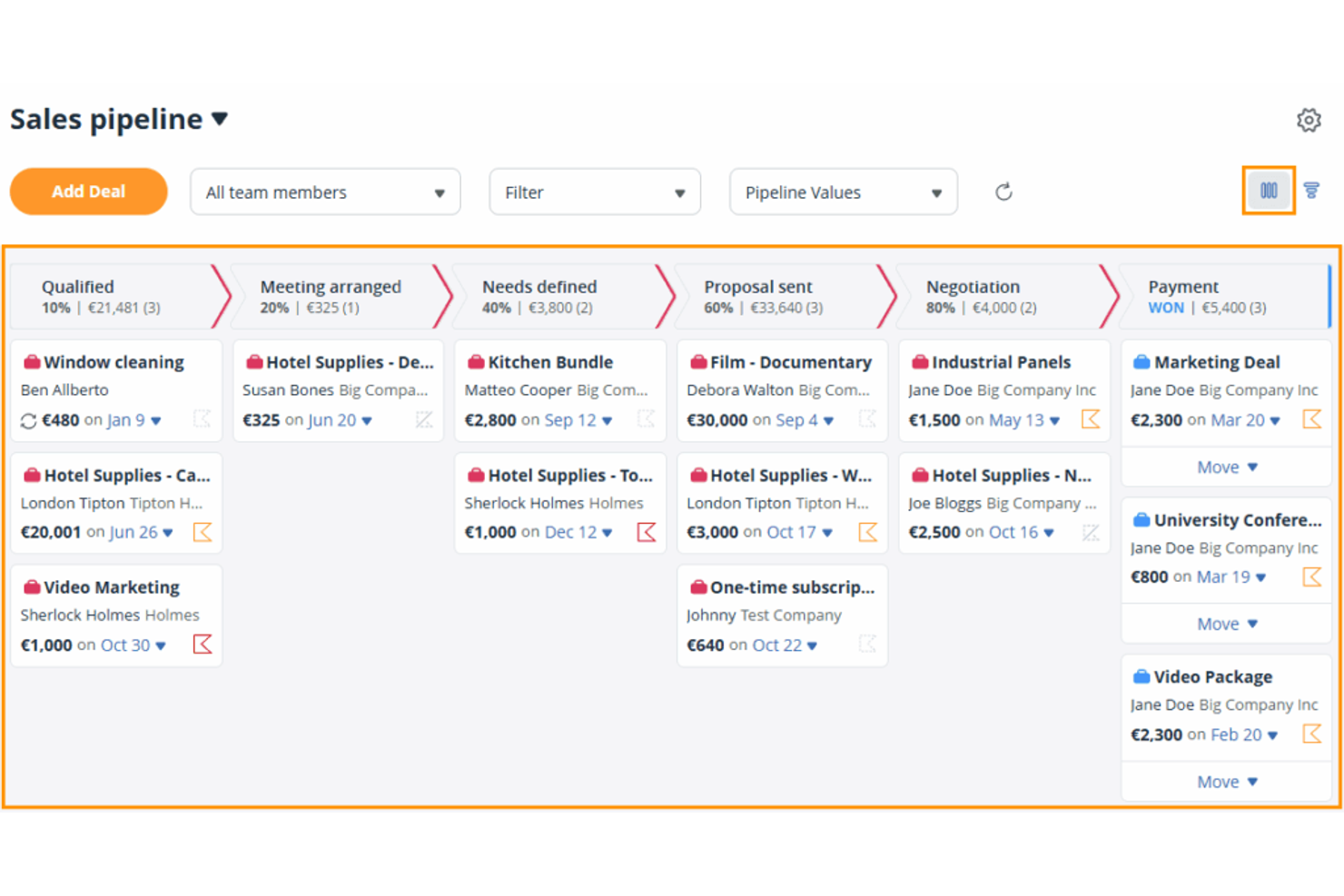
OnePageCRM destaca para los equipos de ventas que quieren convertir cada contacto en una acción clara a seguir. Está diseñado para profesionales B2B que necesitan un CRM que mantenga los acuerdos avanzando gracias a flujos de trabajo centrados en tareas. Si buscas gestionar seguimientos y actividades comerciales en una sola vista orientada a la acción, OnePageCRM está hecho para ti.
Por qué elegí OnePageCRM
Lo que hace que OnePageCRM sea una excelente opción como software CRM para empresas B2B es su enfoque en la gestión de tareas orientadas a la acción. La plataforma centra cada contacto en una “Próxima Acción”, por lo que tu equipo siempre sabrá el siguiente paso a seguir con cada cliente potencial o cliente. Me gusta que puedes crear, asignar y seguir tareas de forma rápida directamente desde la vista del contacto, lo que mantiene las actividades de ventas organizadas y avanzando. Este enfoque en pasos accionables ayuda a los equipos B2B a evitar que los acuerdos se estanquen y a mantener el impulso durante todo el proceso de ventas.
Funciones clave de OnePageCRM
Otras funciones de OnePageCRM ayudan a respaldar a los equipos de ventas B2B y sus flujos de trabajo:
- Gestión de pipeline: Visualiza y gestiona negocios a través de etapas de ventas personalizables.
- Sincronización de correo electrónico y plantillas: Conecta tu cuenta de correo y utiliza plantillas prediseñadas para agilizar el contacto.
- Lead Clipper: Captura clientes potenciales desde cualquier parte de la web con una extensión de navegador.
- Aplicaciones móviles: Accede a contactos, tareas e información de ventas en dispositivos iOS y Android.
Integraciones de OnePageCRM
Actualmente no se enumeran integraciones nativas.
Pros and Cons
Pros:
- El método Próxima Acción mantiene los seguimientos organizados
- Lead Clipper añade contactos desde la web
- La vista pipeline permite un seguimiento claro de los negocios
Cons:
- No incluye automatización de marketing multicanal integrada
- La importación/exportación masiva es algo limitada

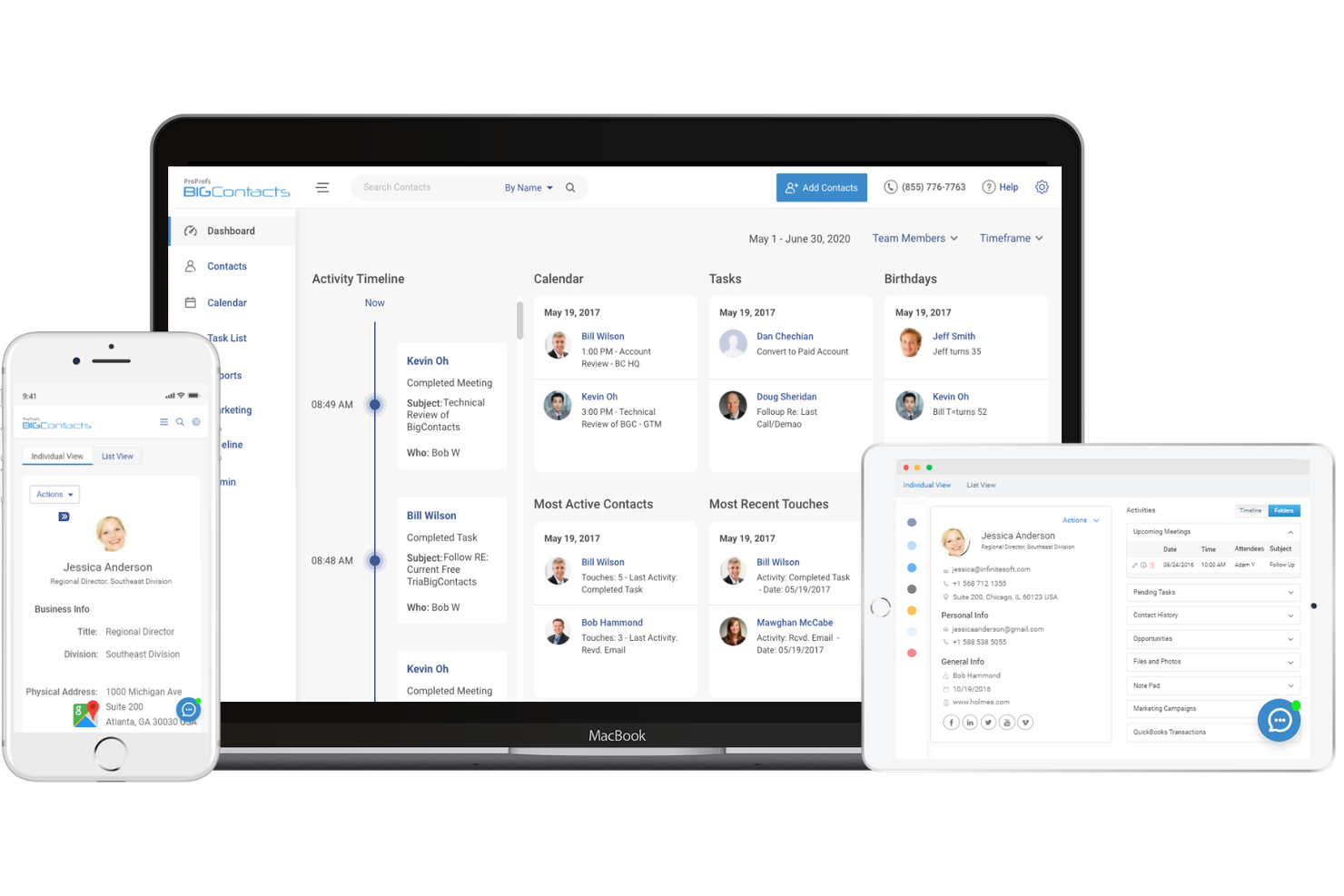
BIGContacts está diseñado para equipos que desean una forma sencilla de organizar y rastrear relaciones comerciales. Es ideal para pequeñas empresas B2B o profesionales que necesitan una gestión de contactos simple, sin la complejidad de las grandes plataformas CRM. BIGContacts destaca por su enfoque en el seguimiento de contactos fácil de usar, recordatorios de seguimiento y gestión básica de actividades de ventas.
Por qué elegí BIGContacts
Para los equipos B2B que desean un CRM enfocado en lo esencial, BIGContacts ofrece una gestión de contactos directa. Elegí BIGContacts porque permite a los usuarios agregar, organizar y buscar contactos rápidamente sin complicaciones adicionales. Los recordatorios de seguimiento y el control de actividades de la plataforma ayudan a garantizar que ninguna relación se pierda. Si tu negocio valora la simplicidad y quieres mantener la gestión de contactos como prioridad, BIGContacts es una opción práctica.
Principales funciones de BIGContacts
Otras funciones de BIGContacts fortalecen su oferta CRM:
- Integración de correo electrónico: Conecta tu cuenta de correo para enviar, recibir y rastrear mensajes dentro de la plataforma.
- Campos personalizados: Añade campos de datos personalizados a los registros de contacto para capturar información exclusiva de tu negocio.
- Gestión de tareas: Asigna y monitorea tareas relacionadas con contactos, oportunidades o proyectos.
- Panel de informes: Visualiza informes gráficos sobre actividades de ventas, estado del embudo y desempeño del equipo.
Integraciones de BIGContacts
Las integraciones incluyen Google Workspace y Outlook.
Pros and Cons
Pros:
- Los registros de contacto incluyen cronología de actividades
- Recordatorios automáticos para apoyar seguimientos
- Campos personalizados para datos específicos
Cons:
- No incluye herramientas integradas de automatización de marketing ni gestión de campañas
- Las herramientas de importación y exportación masiva de datos son menos flexibles


Sage CRM está diseñado para empresas que necesitan una alineación estrecha entre la gestión de clientes y los procesos contables. Es una excelente opción para equipos financieros u organizaciones que ya utilizan productos contables de Sage y buscan conectar ventas, servicio y datos financieros. Al vincular el CRM y la contabilidad, Sage ayuda a reducir la entrada manual de datos y brinda a los equipos una vista unificada del historial de clientes y transacciones.
Por qué elegí Sage
Para equipos B2B que necesitan que su CRM funcione de cerca con la contabilidad, Sage destaca por su compatibilidad con sistemas contables. Elegí Sage porque conecta ventas, servicio al cliente y datos financieros en un solo lugar, lo cual es especialmente valioso para organizaciones que ya utilizan productos contables de Sage. La plataforma permite ver historiales de transacciones de clientes y gestionar cotizaciones, pedidos y facturas directamente desde el CRM. Este nivel de integración ayuda a reducir la entrada manual de datos y asegura que los equipos de ventas y finanzas siempre tengan acceso a información actualizada.
Funciones clave de Sage
Otras funciones en Sage ayudan a completar sus capacidades de CRM:
- Gestión de casos: Realiza el seguimiento, asignación y resolución de incidencias de servicio al cliente desde el CRM.
- Seguimiento de oportunidades de venta: Visualiza y gestiona oportunidades a través de etapas de ventas personalizables.
- Integración de correo electrónico: Sincroniza correos y comunicaciones con los registros de clientes para obtener un historial completo de interacciones.
- Informes y paneles: Crea y consulta informes en tiempo real sobre ventas, servicio y el rendimiento del equipo.
Integraciones de Sage
Actualmente no se listan integraciones nativas.
Pros and Cons
Pros:
- Pipelines personalizados se adaptan a procesos B2B
- La gestión de casos monitorea problemas de servicio
- Los registros de correo electrónico se asocian a los historiales de clientes
Cons:
- La interfaz resulta anticuada frente a CRMs modernos
- La implementación requiere una notable participación de IT

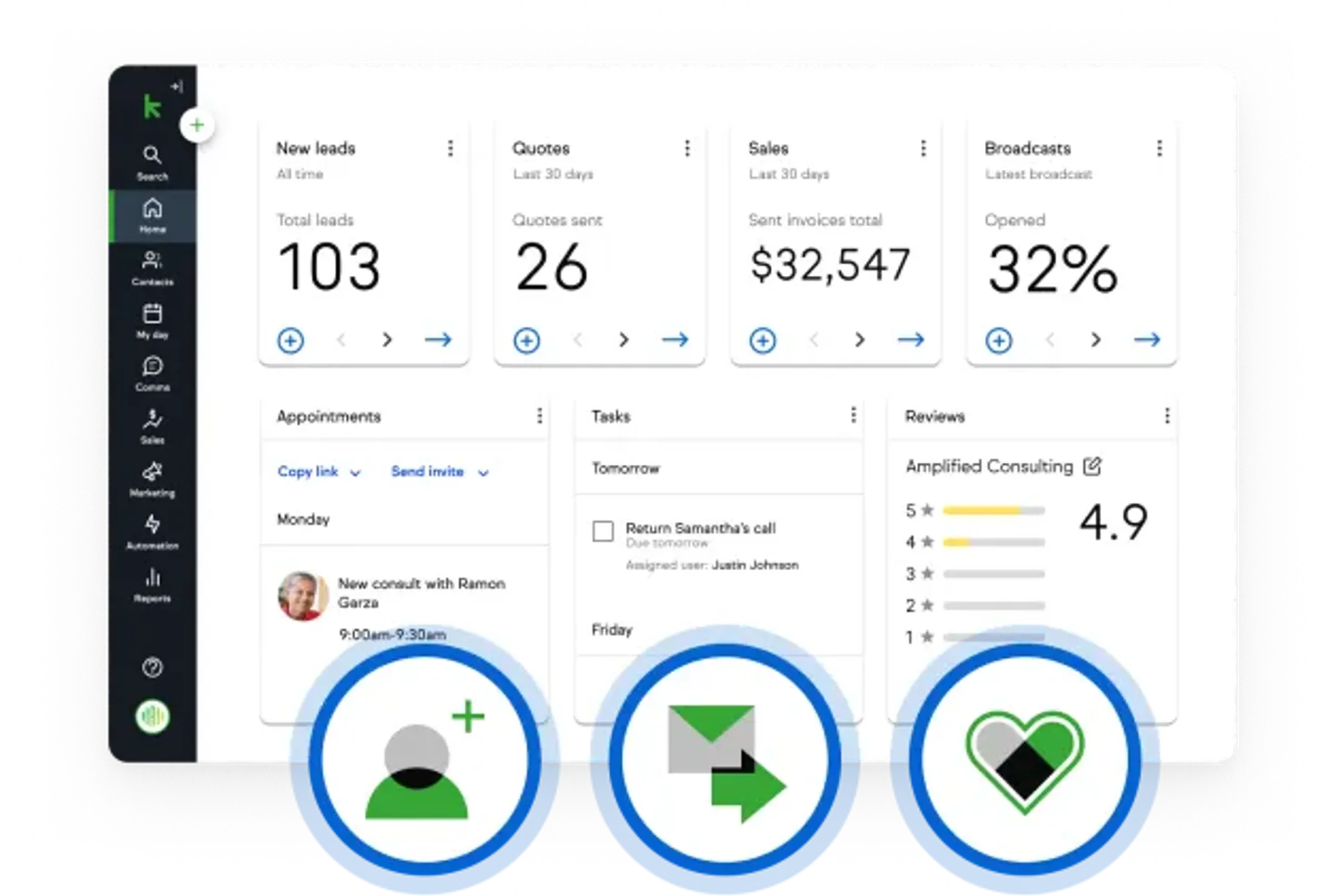
Keap está diseñado para pequeñas empresas que quieren capturar, organizar y hacer seguimiento a los clientes potenciales sin una configuración complicada. Es especialmente útil para proveedores de servicios y emprendedores individuales que necesitan automatizaciones integradas para capturar y nutrir contactos. Con Keap, puedes centralizar los contactos, automatizar los seguimientos y convertir rápidamente nuevos prospectos en clientes que pagan.
Por qué elegí Keap
Lo que me atrajo de Keap es cómo está orientado a la captación de clientes potenciales para pequeñas empresas, que suele ser un desafío para equipos en crecimiento. Keap ofrece formularios web y páginas de destino personalizables que te ayudan a recolectar prospectos directamente en tu CRM sin herramientas adicionales. Me gusta que también incluya secuencias de seguimiento automatizadas, para que puedas responder a nuevos clientes potenciales de forma instantánea y consistente. Estas características hacen que Keap sea una opción sólida para pequeñas empresas que desean captar, organizar y nutrir prospectos en un solo lugar.
Funciones clave de Keap
También encontré varias otras funciones en Keap que apoyan las necesidades de ventas y marketing de pequeñas empresas:
- Agendamiento de citas: Permite que clientes potenciales y clientes reserven reuniones directamente a través de herramientas de calendario integradas.
- Mensajería de texto: Envía mensajes SMS a tus contactos para recordatorios, actualizaciones o promociones.
- Facturación y procesamiento de pagos: Crea y envía facturas, y acepta pagos dentro del CRM.
- Segmentación y etiquetado: Organiza los contactos usando etiquetas y listas para comunicaciones y campañas específicas.
Integraciones de Keap
Las integraciones incluyen QuickBooks, Gmail, Outlook, Zapier, WordPress, Shopify, PayPal, Stripe y más.
Pros and Cons
Pros:
- La programación nativa elimina la necesidad de herramientas adicionales
- Facturación y cobros integrados
- La segmentación permite campañas específicas
Cons:
- Reportados problemas de entregabilidad del correo electrónico
- Los límites de contactos pueden restringir el crecimiento

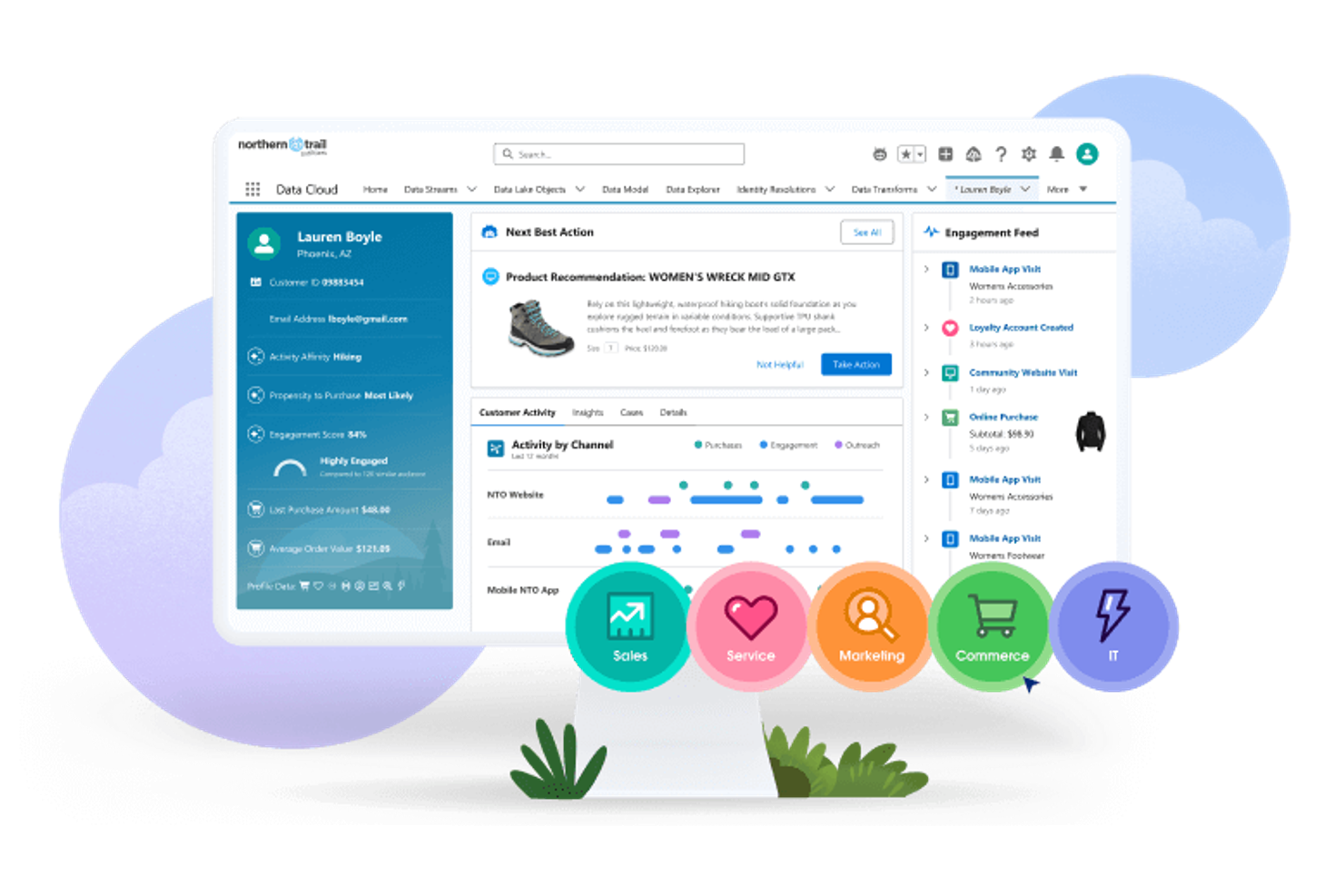
Salesforce es una plataforma CRM diseñada para organizaciones que necesitan una personalización profunda y control sobre sus procesos de ventas y marketing. Es especialmente adecuada para empresas B2B con flujos de trabajo complejos, ciclos de ventas de varias etapas o requerimientos específicos de la industria. Los equipos que desean adaptar cada aspecto de su experiencia CRM—desde los modelos de datos hasta la automatización—a menudo recurren a Salesforce por su flexibilidad y amplitud de funciones.
Por qué elegí Salesforce
Lo que distingue a Salesforce para CRM B2B son sus avanzadas capacidades de personalización, que van mucho más allá de lo que ofrecen la mayoría de las plataformas. Puedes adaptar modelos de datos, diseños de páginas y flujos de trabajo para ajustarlos incluso a los procesos de ventas más complejos o a necesidades específicas de la industria. Elegí Salesforce porque permite a los equipos crear objetos personalizados, automatizar procesos de varios pasos y crear flujos de aprobación detallados—todo dentro de la plataforma. Este nivel de flexibilidad es especialmente valioso para organizaciones B2B que necesitan que su CRM se adapte a reglas de negocio únicas y requisitos en evolución.
Funciones clave de Salesforce
Otras funciones de Salesforce que pueden resultar valiosas para equipos B2B incluyen:
- Reglas de asignación de leads: Asigna automáticamente los leads a los representantes de ventas adecuados según territorio, industria u otros criterios.
- Pronóstico de oportunidades: Genera previsiones de ventas utilizando datos del pipeline en tiempo real y modelos de pronóstico personalizables.
- Integración con correo electrónico: Sincroniza correos y eventos del calendario con Salesforce para mantener todas las comunicaciones conectadas a los registros CRM.
- Marketplace AppExchange: Accede a miles de aplicaciones e integraciones preconstruidas para ampliar la funcionalidad principal de Salesforce.
Integraciones de Salesforce
Las integraciones nativas no se encuentran listadas actualmente.
Pros and Cons
Pros:
- Los objetos personalizados soportan procesos B2B complejos
- La automatización de flujos de trabajo gestiona aprobaciones de múltiples pasos
- Permisos basados en roles controlan el acceso
Cons:
- Los costos aumentan con complementos y usuarios adicionales
- La interfaz puede sentirse recargada con personalizaciones

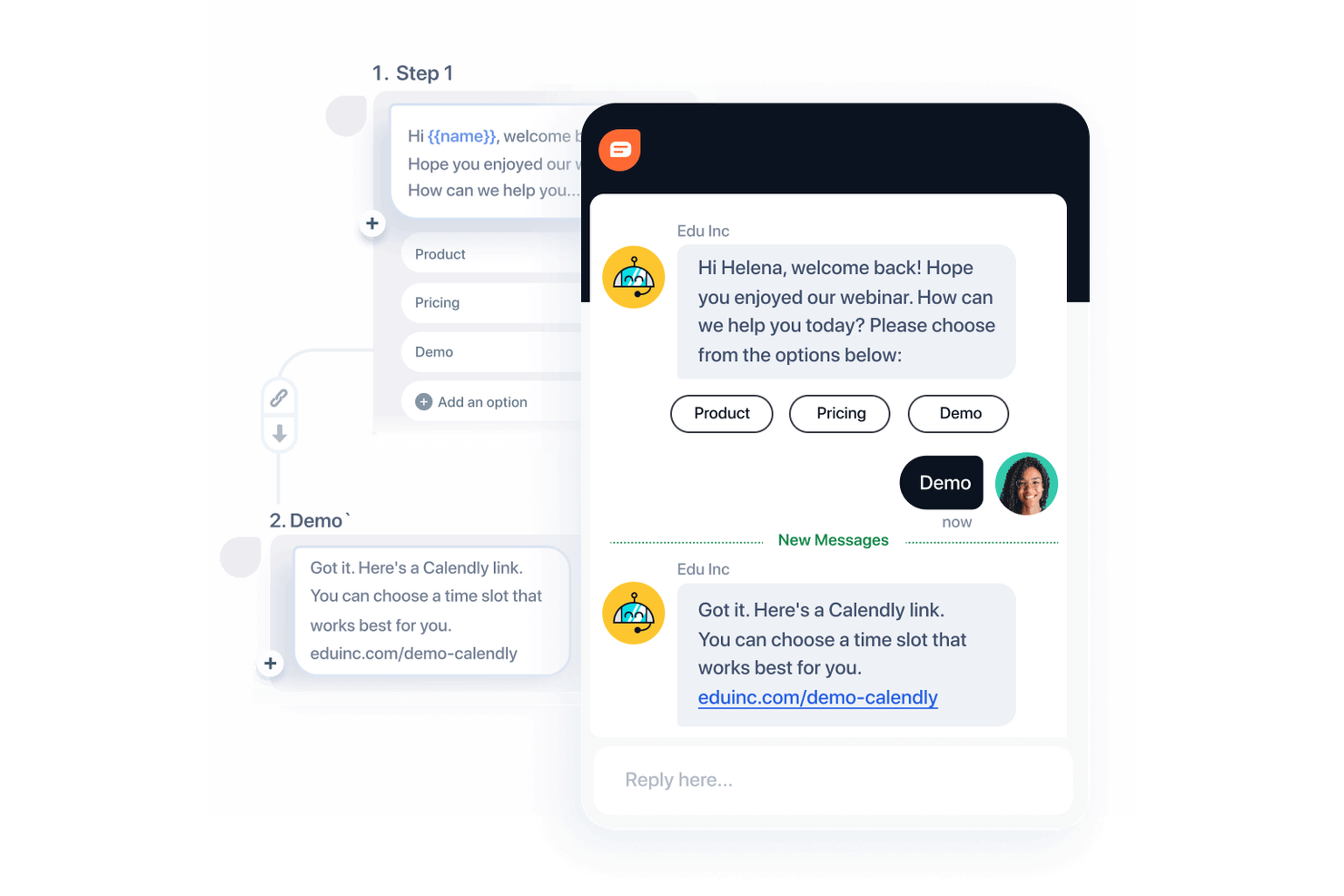
Si tu empresa necesita un CRM que conecte los equipos de ventas y soporte, Zendesk Sell merece que lo consideres. Esta plataforma está diseñada para organizaciones B2B que desean unificar los datos del cliente y simplificar la transferencia entre ventas y servicio. Zendesk destaca para las empresas que priorizan la integración del soporte al cliente junto con la gestión de oportunidades de ventas.
Por qué elegí Zendesk
Zendesk llamó mi atención porque une ventas y soporte en una sola plataforma, algo poco frecuente entre los CRM B2B. La estrecha integración entre Zendesk Sell y las herramientas de soporte al cliente de Zendesk permite que los equipos de ventas vean tickets de soporte, historial de clientes y problemas en curso directamente en el CRM. Elegí Zendesk porque esta visibilidad ayuda a los representantes de ventas a anticipar las necesidades del cliente y coordinar con soporte para lograr una experiencia más fluida. Para organizaciones B2B donde la relación con el cliente no termina con la venta, el enfoque unificado de Zendesk es una opción muy adecuada.
Funciones clave de Zendesk
Otras funciones de Zendesk Sell complementan sus capacidades como CRM:
- Automatización de correos de ventas: Configura secuencias automáticas de emails y haz seguimiento del compromiso directamente desde el CRM.
- Pipelines de ventas personalizables: Diseña y gestiona múltiples pipelines de ventas adaptados al proceso de tu equipo.
- Gestión de tareas y citas: Programa seguimientos, configura recordatorios y administra citas dentro de la plataforma.
- Aplicación CRM móvil: Accede a leads, oportunidades y datos de clientes desde cualquier dispositivo móvil.
Integraciones de Zendesk
Las integraciones incluyen Salesforce, Shopify, Slack, Jira, Microsoft Teams, Google Workspace, Mailchimp, HubSpot, Zoom, y más.
Pros and Cons
Pros:
- El seguimiento de correo electrónico muestra aperturas y clics
- Pipelines personalizados que se adaptan al proceso B2B
- El registro y grabación de llamadas permite rastrear conversaciones
Cons:
- La automatización de flujos es menos flexible que en los CRM enfocados a grandes empresas
- Las actualizaciones de la interfaz pueden ir por detrás de otros CRM líderes

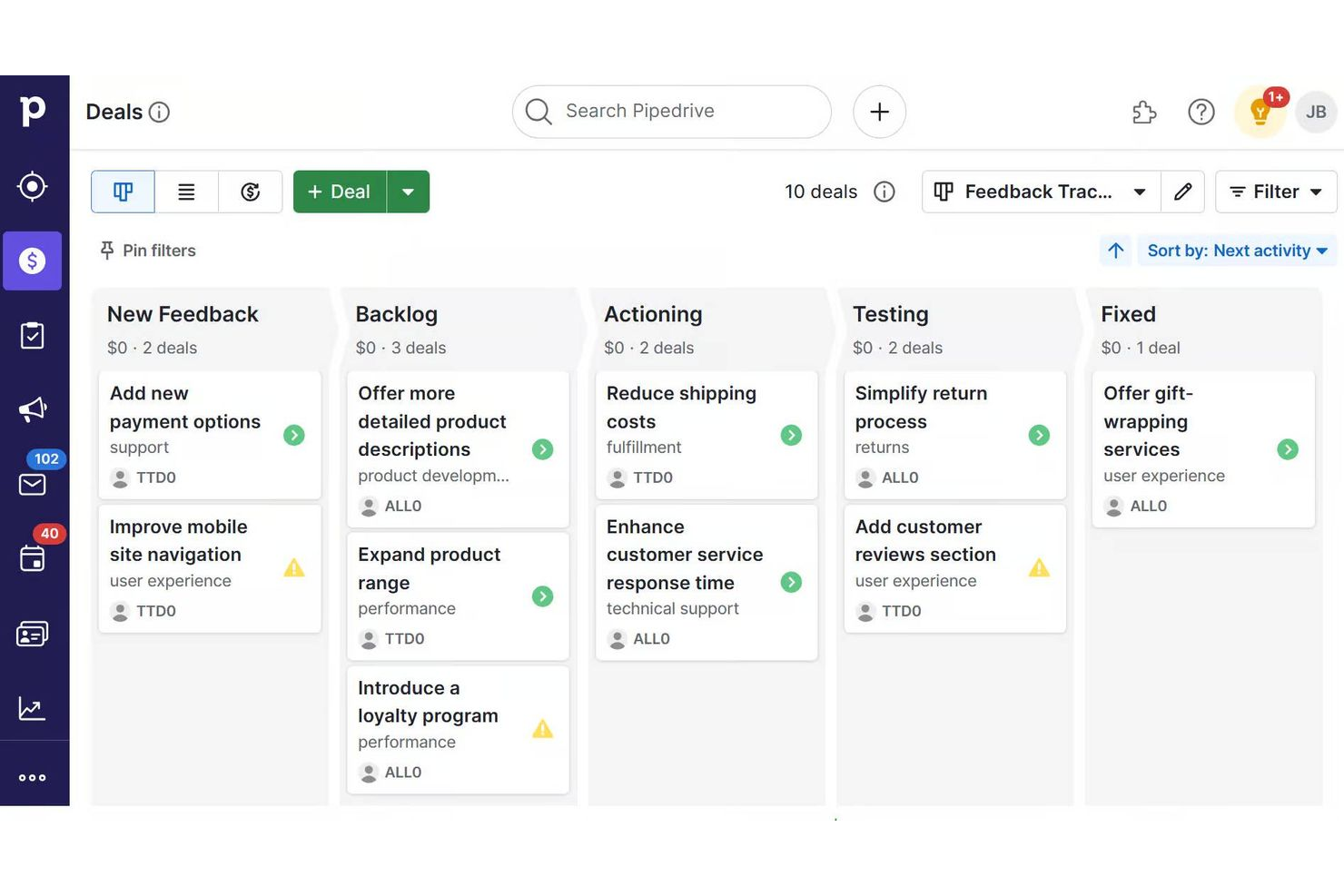
Los equipos de ventas que buscan una manera clara y visual de gestionar acuerdos suelen recurrir a Pipedrive. Este CRM está diseñado para organizaciones B2B que quieren hacer seguimiento de oportunidades a través de embudos personalizables y con función de arrastrar y soltar. Pipedrive ayuda a los equipos a identificar rápidamente cuellos de botella, priorizar acuerdos de alto valor y mantener a todos enfocados en avanzar los prospectos.
Por qué elegí Pipedrive
Lo que diferencia a Pipedrive para los compradores de CRM B2B es su enfoque altamente visual para la gestión del embudo de ventas. Puedes crear y personalizar múltiples embudos y luego mover los acuerdos entre cada etapa con una sencilla interfaz de arrastrar y soltar. Elegí Pipedrive porque ofrece a los equipos de ventas una visión clara y de un vistazo del progreso de los acuerdos, ayudándolos a enfocarse en las oportunidades correctas. Las etapas codificadas por colores y los recordatorios de actividades facilitan la detección de acuerdos estancados y mantienen el impulso.
Funciones clave de Pipedrive
Otras funciones de Pipedrive lo convierten en una excelente opción para equipos de ventas B2B:
- Integración de correo electrónico: Sincroniza tus cuentas de correo para enviar, recibir y rastrear mensajes directamente desde Pipedrive.
- Programador de actividades: Programa llamadas, reuniones y tareas con un calendario y recordatorios integrados.
- Campos y filtros personalizados: Agrega campos de datos personalizados y usa filtros para segmentar oportunidades y acuerdos.
- Informes de ventas: Genera informes detallados sobre actividades de ventas, progreso de acuerdos y desempeño del equipo.
Integraciones de Pipedrive
Las integraciones incluyen Gmail, Outlook, Mailchimp, Trello, Slack, Zapier, Google Calendar, HubSpot, Zoom, Microsoft Teams y más.
Pros and Cons
Pros:
- El embudo visual permite rastrear el progreso de los acuerdos
- Las etapas personalizadas soportan flujos de trabajo B2B
- El programador de actividades gestiona los seguimientos
Cons:
- Las importaciones masivas pueden requerir limpieza manual
- La automatización de flujos de trabajo es menos flexible
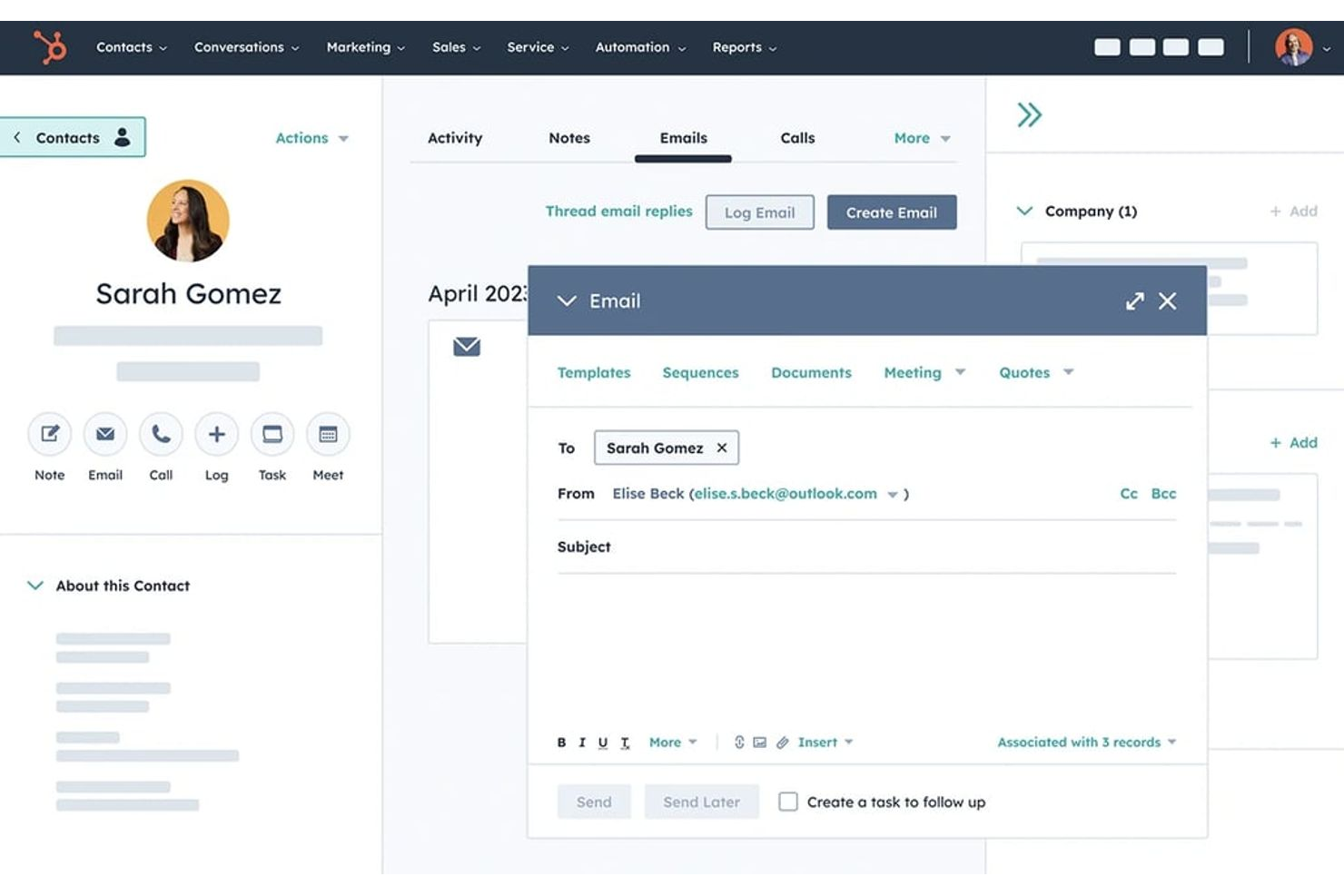
Si tu equipo necesita un CRM que conecte las actividades de marketing y ventas en un solo lugar, HubSpot CRM merece ser considerado detenidamente. Esta plataforma destaca para empresas B2B que buscan automatización de marketing integrada junto con la gestión de contactos y oportunidades. Es una excelente opción para equipos de marketing y ventas que desean unificar el seguimiento de leads, campañas de correo electrónico e informes sin tener que alternar entre varias herramientas.
Por qué elegí HubSpot CRM
Elegí HubSpot CRM para esta lista porque sus herramientas integradas de automatización de marketing lo diferencian de otras plataformas CRM B2B. La plataforma te permite crear y automatizar campañas de correo electrónico, calificar leads y activar flujos de trabajo directamente desde los datos del CRM. Considero que esto es especialmente valioso para equipos B2B que desean alinear marketing y ventas sin cambiar entre sistemas separados. HubSpot CRM también incluye seguimiento integrado de la actividad en el sitio web y atribución de marketing, para que puedas conectar el desempeño de las campañas con los resultados del pipeline.
Funciones clave de HubSpot CRM
Otras funciones de HubSpot CRM que pueden resultar útiles para equipos B2B incluyen:
- Visualización del pipeline de oportunidades: Haz seguimiento de las oportunidades mediante etapas del pipeline personalizables con funcionalidad de arrastrar y soltar.
- Herramienta de programación de reuniones: Comparte un enlace de reserva personalizado que se sincroniza con tu calendario para simplificar la coordinación de reuniones.
- Gestión de documentos: Almacena, comparte y haz seguimiento de documentos de ventas directamente en el CRM para un fácil acceso y análisis de interacción.
- Widget de chat en vivo: Añade chat en vivo a tu sitio web para captar y atender leads en tiempo real.
Integraciones de HubSpot CRM
Las integraciones incluyen Gmail, Outlook, Salesforce, Shopify, WordPress, Slack, Zoom, Mailchimp, Microsoft Teams, Google Calendar y más.
Pros and Cons
Pros:
- La automatización de marketing conecta campañas con el CRM
- Los pipelines visuales permiten gestionar oportunidades en varias etapas
- La programación y el seguimiento de correos simplifican el contacto
Cons:
- Los flujos de trabajo se complican a gran escala
- La exportación de datos está restringida en los planes básicos

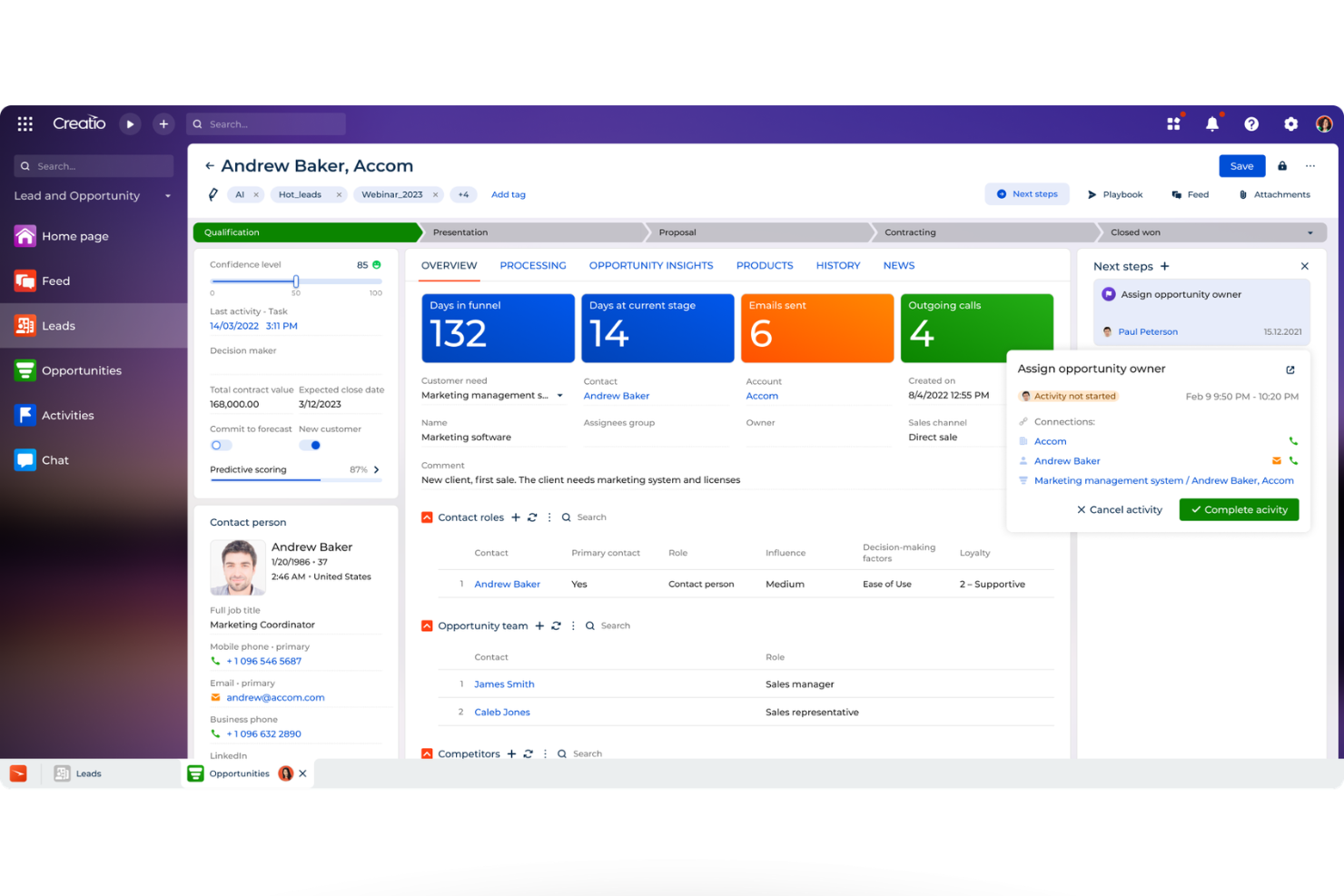
Creatio CRM es una plataforma CRM B2B que combina ventas, marketing y automatización de servicios con un diseñador de procesos de bajo código. Está diseñada para organizaciones que necesitan flujos de trabajo altamente personalizables sin depender en gran medida de desarrolladores.
¿Para quién es mejor Creatio CRM?
Creatio CRM funciona bien para equipos B2B de tamaño mediano a empresarial en sectores como finanzas, manufactura y servicios profesionales que requieren procesos de CRM a medida y automatización entre departamentos.
Por qué elegí Creatio CRM
Creatio destaca por la flexibilidad real de su automatización de procesos. En lugar de quedar atados a etapas fijas de CRM, mi equipo puede diseñar flujos de trabajo de varios pasos usando un constructor visual de arrastrar y soltar. La asignación de prospectos, cadenas de aprobación y escalaciones de servicio se pueden configurar sin programar código. Esa flexibilidad facilita adaptar el CRM a diferentes modelos de negocio en vez de obligar al negocio a adaptarse a la herramienta.
Características clave de Creatio CRM
- Vista de cliente de 360 grados: Acceso al historial de cuentas, comunicaciones y actividad de tratos en un único registro unificado.
- Puntuación de prospectos impulsada por IA: Prioriza prospectos según su interacción y criterios de calificación definidos.
- Pronóstico de ventas: Monitorea el desempeño del pipeline y los ingresos proyectados utilizando datos en tiempo real.
- Gestión de casos: Haz seguimiento de incidencias de servicio desde la recepción hasta la resolución con flujos de trabajo estructurados.
Integraciones de Creatio CRM
Las integraciones incluyen Microsoft 365, Google Workspace, Mailchimp, DocuSign, Zendesk, Twilio, Facebook, LinkedIn y Slack. Hay una API disponible para integraciones personalizadas.
Pros and Cons
Pros:
- Personalización sólida de flujos de trabajo con bajo código
- Plantillas específicas por sector aceleran la configuración
- Motor de flujos de trabajo unificado entre departamentos
Cons:
- La implementación puede ser prolongada para construcciones complejas
- Los detalles de precios no son totalmente transparentes
New Product Updates from Creatio CRM

Creatio CRM Expands AI Across Marketing and Collaboration
Creatio CRM introduces AI-assisted landing page generation, template-based email generation, RAG-enabled knowledge governance, a Microsoft Teams personal tab, and AI meeting summaries. These updates help teams create content faster and streamline AI-powered workflows. For more information, visit Creatio’s official site.
 .
.
Salesflare
Ideal para funciones automatizadas de introducción de datos
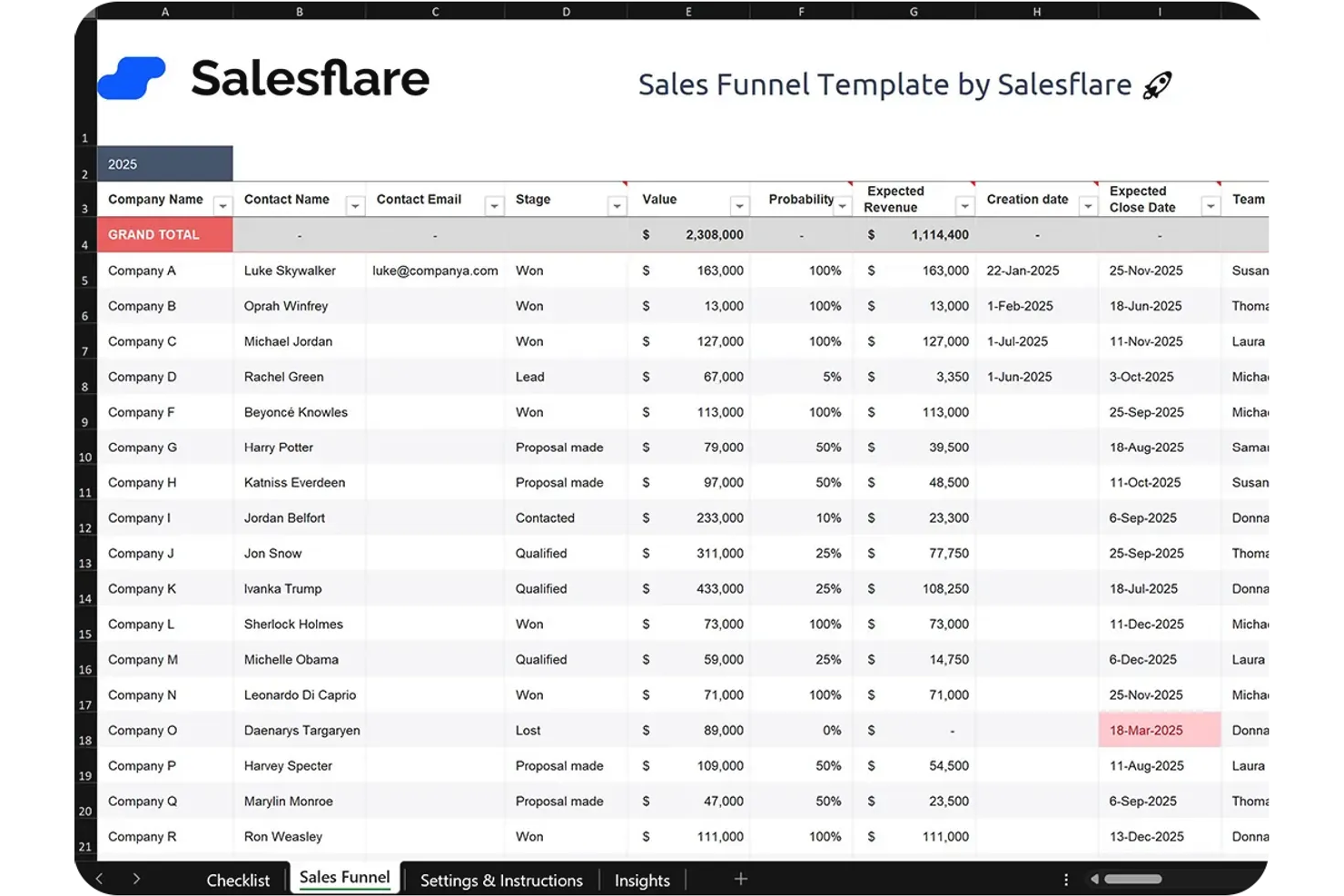
Si a tu equipo le cuesta mantener actualizados los datos en el CRM, Salesflare ofrece un enfoque diferente. Esta herramienta está diseñada para equipos de ventas B2B que desean automatizar la introducción de datos al extraer información de correos electrónicos, calendarios y perfiles sociales. Salesflare ayuda a reducir el trabajo manual y garantiza que tu pipeline se mantenga preciso sin depender de la actualización constante por parte de los representantes.
Por Qué Elegí Salesflare
A diferencia de muchos CRM que dependen de actualizaciones manuales, Salesflare destaca por sus funciones de entrada de datos automatizada. La plataforma recopila automáticamente detalles de contacto, interacciones por correo electrónico e información de reuniones desde las bandejas de entrada y calendarios de tu equipo. Elegí Salesflare porque reduce el riesgo de tener datos faltantes o desactualizados en los pipelines de ventas B2B. Esta automatización ayuda a los equipos de ventas a centrarse en construir relaciones en vez de perder tiempo en tareas repetitivas de introducción de datos.
Funciones Clave de Salesflare
Otras funciones en Salesflare complementan sus capacidades de CRM:
- Visualización de Pipeline: Sigue los acuerdos a través de etapas personalizables del pipeline con una interfaz de arrastrar y soltar.
- Seguimiento de Correos Electrónicos: Recibe notificaciones en tiempo real cuando los contactos abren o hacen clic en tus correos electrónicos.
- Sistema de Tareas y Recordatorios: Establece tareas y recordatorios de seguimiento vinculados a oportunidades o contactos específicos.
- Aplicación Móvil: Accede a los datos de tu CRM y actualiza acuerdos desde cualquier lugar con una aplicación móvil dedicada.
Integraciones de Salesflare
Las integraciones incluyen Gmail, Outlook, LinkedIn, Slack, Mailchimp, Google Calendar, Microsoft Teams, HubSpot, Pipedrive y más.
Pros and Cons
Pros:
- Captura automática de datos de contactos y empresas
- Sincronización de correo electrónico y calendario para seguir actividades
- Pipeline visual que rastrea el progreso de los acuerdos
Cons:
- La automatización es básica para flujos de trabajo complejos
- No incluye marcador telefónico integrado
Otros software CRM B2B
u003cspan style=u0022font-weight: 400u0022u003eAquí tienes algunas opciones adicionales de software CRM B2B que no entraron en mi selección principal, pero que igual vale la pena revisar:u003c/spanu003e


Cómo evalúo el software CRM B2B
Evalúo los CRM B2B en dos capas: elementos esenciales como jerarquías de cuentas, puntuación de leads y atribución; y luego diferenciadores como la orquestación ABM y los datos de intención que distinguen a los mejores competidores.
Funcionalidad central (requisitos fundamentales para esta lista)
Cuando selecciono herramientas para mi lista, califico cada una en una escala del 0 (no ofrece la funcionalidad) al 5 (sobresale en esta área) para cada funcionalidad central que aparece a continuación. Luego, convierto la puntuación total de la herramienta en un porcentaje. Cada herramienta debe lograr una puntuación total mínima del 65% para ser considerada para su inclusión.
- Gestión de cuentas y contactos: Verifico si un CRM vincula contactos con cuentas principales y mapea los comités de compra, ya que los acuerdos B2B rara vez involucran a un solo responsable de decisión.
- Puntuación y segmentación de leads: Cada herramienta debe permitirte puntuar leads utilizando criterios firmográficos y de comportamiento, como ponderar la antigüedad del cargo junto con descargas de contenido.
- Integración de automatización de marketing: Evalúo cómo el CRM se conecta con flujos de trabajo de automatización para secuencias de nutrición, ya sea de manera nativa o a través de integraciones profundas con plataformas como Marketo o HubSpot.
- Alineación de ventas y marketing: Busco vistas compartidas del embudo, reglas de asignación de leads y etapas claras de traspaso de MQL a SQL para que marketing y ventas estén alineados.
- Atribución de campañas e informes: Aquí importa la atribución multitouch: quiero ver si el CRM puede rastrear un acuerdo cerrado a través de la asistencia a webinars, clics en anuncios y contactos por correo electrónico.
- Integraciones de martech de terceros: El ecosistema de conectores de la herramienta debe cubrir plataformas ABM, proveedores de enriquecimiento, redes publicitarias y herramientas iPaaS como Zapier o Workato sin necesidad de mucho desarrollo personalizado.
Una vez que tengo una lista de herramientas que cumplen con los criterios, considero qué distingue a cada plataforma.
Factores diferenciadores (qué distingue a los proveedores)
Así es como comparo y contrasto a los diferentes proveedores:
Características destacadas
La integración de datos de intención es un gran diferenciador. Busco CRM que muestren cuentas en proceso de compra de proveedores como Bombora o G2 directamente en el embudo, para que tu equipo sepa a quién priorizar. La orquestación ABM es otro factor que evalúo, en particular la capacidad de construir listas objetivo y coordinar acciones a través de email, anuncios y secuencias de ventas. Las ideas impulsadas por IA también aportan profundidad: compruebo si un CRM puede recomendar las mejores acciones siguientes o prever la salud del embudo para los negocios influenciados por marketing.
Más allá de las características
El costo total de propiedad importa mucho en este sector. Evalúo si el precio escala por usuarios, contactos o uso, y si capacidades clave como la atribución o entornos sandbox requieren complementos de pago. La velocidad de implementación es otro aspecto que considero: un CRM con paneles B2B preconfigurados y plantillas de flujo de trabajo ayuda a tu equipo a generar valor más rápido que uno que requiera meses de personalización. La gobernanza de datos también es relevante, especialmente el seguimiento de consentimientos y logs de auditoría para equipos que ejecutan campañas en regiones con diferentes regulaciones de privacidad.
Cómo elegir un software CRM B2B
Es fácil perderse entre largas listas de características y estructuras de precios complejas. Para ayudarte a mantener la concentración durante tu proceso de selección de software, aquí tienes una lista de factores que debes considerar:
| Factor | Aspectos a considerar |
|---|---|
| Escalabilidad | ¿El CRM soportará tu crecimiento previsto en usuarios, datos y volumen de ventas? Revisa límites de usuarios, restricciones de datos y posibilidades de actualización que se ajusten a tu hoja de ruta. |
| Integraciones | ¿El CRM se conecta de forma nativa con tus herramientas actuales (correo electrónico, marketing, ERP, etc.)? Fíjate en costos ocultos por integraciones o dependencia de conectores externos. |
| Capacidad de personalización | ¿Puedes adaptar campos, flujos de trabajo y embudos a los procesos de tu empresa? Evita herramientas que impongan estructuras rígidas o requieran desarrollos costosos. |
| Facilidad de uso | ¿Tu equipo adoptará el CRM rápidamente? Busca navegación intuitiva, poco requerimiento de capacitación y opiniones de organizaciones similares sobre la experiencia de usuario. |
| Implementación y puesta en marcha | ¿Cuánto tiempo tomará empezar a utilizarlo? Considera el soporte para migración de datos, recursos de onboarding y la experiencia del proveedor en implementaciones fluidas. |
| Costo | ¿Cuál es el coste total de propiedad, incluyendo complementos y soporte? Compara niveles de precios, términos de contrato y cualquier tarifa adicional por almacenamiento o integraciones. |
| Medidas de seguridad | ¿El CRM cumple con tus estándares de protección de datos? Consulta sobre cifrado, permisos de usuario, registros de auditoría y cumplimiento de normativas como GDPR. |
| Disponibilidad de soporte | ¿Qué canales y horarios de atención ofrece? Asegúrate de contar con ayuda cuando lo necesites, especialmente en horarios críticos o durante lanzamientos importantes. |
¿Qué es un software CRM B2B?
El software CRM B2B es una plataforma de gestión de relaciones con clientes o sistema CRM que ayuda a las organizaciones de empresa a empresa a gestionar las interacciones con los clientes, las actividades de ventas y las comunicaciones con otras compañías. Estas herramientas CRM centralizan los datos, reemplazan las hojas de cálculo manuales y proporcionan un espacio de trabajo compartido para los equipos de ventas, marketing y soporte. Un sistema CRM B2B ayuda a las empresas B2B a hacer seguimiento de los acuerdos a través del embudo de ventas, a facilitar la generación de leads y a ejecutar campañas de marketing segmentadas. Con funciones como la automatización de tareas repetitivas, una integración fluida con otras herramientas y una interfaz fácil de usar, estas plataformas mejoran la experiencia del cliente y hacen más sencillo identificar oportunidades como la venta adicional.
Características del software CRM B2B
Al seleccionar un software CRM B2B, ten en cuenta las siguientes funcionalidades clave:
- Gestión de contactos: Almacena, organiza y actualiza los registros de empresas y contactos individuales, incluyendo notas, historial de comunicaciones y campos personalizados.
- Gestión de pipeline: Visualiza y haz seguimiento de los acuerdos a medida que avanzan por las etapas personalizables de ventas, ayudando a los equipos a priorizar y prever los ingresos.
- Seguimiento de tareas y actividades: Programa, asigna y supervisa llamadas, reuniones, correos electrónicos y seguimientos para garantizar una atención oportuna a prospectos y clientes.
- Gestión de leads: Captura, califica y asigna prospectos desde múltiples fuentes, facilitando el seguimiento y evitando la pérdida de oportunidades.
- Informes y análisis: Genera reportes de ventas, paneles de control y métricas de desempeño para monitorear la actividad del equipo, el avance de los acuerdos y la salud del pipeline.
- Integración de correo electrónico: Sincroniza con cuentas de correo empresarial para registrar correspondencia, enviar mensajes directamente desde el CRM y utilizar plantillas en los contactos.
- Permisos por roles: Controla el acceso de los usuarios a datos sensibles y funciones asignando roles y permisos según la estructura del equipo.
- Almacenamiento de documentos: Sube, organiza y comparte contratos, propuestas y otros documentos de ventas en el CRM para facilitar el acceso y la colaboración.
- Acceso móvil: Utiliza aplicaciones móviles dedicadas o interfaces web adaptativas para gestionar contactos, acuerdos y tareas fuera de la oficina.
Beneficios del software CRM B2B
La implementación de un software CRM B2B ofrece diversos beneficios para tu equipo y tu empresa. Estos son algunos a los que puedes aspirar:
- Información centralizada: Mantén todos los datos de empresas, contactos y acuerdos en un solo lugar, facilitando el acceso y la actualización por parte de los equipos.
- Mejor visibilidad del pipeline: Haz seguimiento de las oportunidades y actividades de ventas en etapas personalizables, ayudando a los gerentes a prever ingresos e identificar cuellos de botella.
- Colaboración interna fortalecida: Comparte notas, asigna tareas y coordina seguimientos en un espacio de trabajo compartido, reduciendo la desinformación y los contactos duplicados.
- Relación con el cliente coherente: Usa el seguimiento de tareas, recordatorios y la integración de correo electrónico para garantizar seguimientos a tiempo y mantener relaciones sólidas con los clientes.
- Toma de decisiones basada en datos: Aprovecha los informes y análisis integrados para monitorear el desempeño, identificar tendencias y guiar la estrategia de ventas.
- Mejora en la seguridad de los datos: Controla el acceso a información sensible con permisos por roles y trazabilidad de acciones, facilitando el cumplimiento normativo y la privacidad.
- Incorporación más rápida: Utiliza plantillas, recorridos guiados y recursos de formación para que los nuevos integrantes del equipo se adapten rápidamente.
Costos y precios del software CRM B2B
Elegir un software CRM B2B requiere comprender los diferentes modelos de precios y planes disponibles. Los costes varían según las funciones, el tamaño del equipo, los complementos y más. La siguiente tabla resume los planes más comunes, sus precios promedio y las características típicas incluidas en las soluciones de software CRM B2B:
Tabla comparativa de planes para software CRM B2B
| Tipo de Plan | Precio Promedio | Características Comunes |
|---|---|---|
| Plan Gratuito | $0 | Gestión básica de contactos, seguimiento limitado de pipeline, gestión simple de tareas e integración de correo electrónico. |
| Plan Personal | $5-$25/user/month | Gestión de contactos y acuerdos, seguimiento de tareas, informes básicos, sincronización de correo, y opciones limitadas de personalización. |
| Plan Empresarial | $25-$60/user/month | Gestión avanzada de pipeline, automatización de flujos de trabajo, herramientas de colaboración en equipo, informes avanzados e integraciones. |
| Plan Corporativo | $60-$150/user/month | Roles y permisos personalizados, seguridad mejorada, soporte dedicado, análisis avanzados y acceso a API. |
Preguntas frecuentes sobre software CRM B2B
u003cspan style=u0022font-weight: 400u0022u003eAquí tienes respuestas a preguntas comunes sobre el software CRM B2B:u003c/spanu003e
¿En qué se diferencia el software CRM B2B del software CRM B2C?
u003cspan style=u0022font-weight: 400u0022u003eEl software CRM B2B está diseñado para gestionar relaciones y ciclos de venta entre empresas, que a menudo implican plazos más largos, varios responsables y canales de ventas más complejos. En contraste, el software CRM B2C se enfoca en interacciones individuales y de alto volumen con consumidores, y suele soportar procesos de venta más rápidos y sencillos.u003c/spanu003e
¿Puede integrarse el software CRM B2B con herramientas de automatización de marketing?
u003cspan style=u0022font-weight: 400u0022u003eSí, la mayoría del software CRM B2B puede integrarse con plataformas de automatización de marketing. Esto permite sincronizar datos de clientes potenciales, seguir el compromiso en campañas y coordinar actividades de ventas y marketing. Siempre revisa que existan integraciones nativas o APIs disponibles para asegurar la compatibilidad con tu stack actual.u003c/spanu003e
¿Qué debo tener en cuenta al migrar datos a un nuevo software CRM B2B?
u003cspan style=u0022font-weight: 400u0022u003ePlanifica el mapeo, la limpieza y la validación de los datos antes de la migración. Asegúrate de que tu nuevo CRM admita la importación desde el formato de tu sistema actual y pregunta por soporte de incorporación o herramientas de migración. Prueba el proceso con un conjunto de datos de muestra para detectar problemas antes de la implementación total.u003c/spanu003e
¿Cómo funcionan los permisos de usuario en el software CRM B2B?
u003cspan style=u0022font-weight: 400u0022u003eLos permisos de usuario te permiten controlar quién puede ver, editar o eliminar registros y funciones dentro del CRM. La mayoría de las plataformas ofrecen acceso basado en roles, por lo que puedes asignar diferentes niveles de acceso a representantes de ventas, gerentes y administradores según sus responsabilidades.u003c/spanu003e
¿El acceso móvil es estándar en el software CRM B2B?
u003cspan style=u0022font-weight: 400u0022u003eSí, la mayoría del software CRM B2B ofrece aplicaciones móviles o interfaces web responsive. Esto permite que tu equipo gestione contactos, oportunidades y tareas mientras viaja o trabaja en remoto. Revisa siempre las valoraciones de las aplicaciones y las funciones soportadas para asegurarte de que la experiencia móvil se adapte a tus necesidades.u003c/spanu003e