

I migliori strumenti di marketing con IA aiutano i team di marketing a creare più rapidamente opportunità commerciali, personalizzare le campagne su larga scala, prevedere il comportamento dei clienti e automatizzare attività ripetitive come la reportistica e la creazione di contenuti.
Se ti occupi di marketing, probabilmente stai affrontando almeno uno di questi problemi in questo momento:
- Subisci pressioni per favorire la crescita con meno risorse.
- Il tuo team trascorre ore a creare manualmente segmenti, scrivere testi o estrarre report sulle prestazioni.
- I tuoi dati sono isolati tra CRM, strumenti di analisi e piattaforme pubblicitarie, rendendo la personalizzazione e l'attribuzione quasi impossibili.
Ecco perché è importante scegliere il software di marketing con IA giusto. Ho trascorso oltre 300 ore a testare personalmente le piattaforme di marketing con IA, gestendo campagne reali, inserendo dati CRM effettivi nei modelli predittivi e confrontando gli strumenti per i contenuti con autori umani. Ho utilizzato la mia esperienza decennale come responsabile marketing per assicurarmi che questi consigli rispondano alle esigenze dei team di marketing di oggi.
Questa guida raccoglie tutto ciò in un elenco dei migliori strumenti di marketing con IA che dovresti prendere in considerazione. Questi strumenti ti aiuteranno a migliorare risultati come la riduzione del CAC, il miglioramento della qualità dei lead, l'accelerazione dei cicli di vendita e l'aumento della produzione di contenuti. Iniziamo.
Perché fidarsi dei nostri consigli sui software
6,700+
Reviews
20
Industry experts
16+
Evaluation factors
14
Years
Il nostro team testa e recensisce software dal 2012. In quanto leader del marketing noi stessi, sappiamo quanto sia difficile — e importante — scegliere il software giusto.
Per questa guida, abbiamo valutato gli strumenti attraverso test pratici e ricerche indipendenti, assegnando un punteggio agli strumenti in base ai nostri criteri di selezione.
Le nostre recensioni riflettono il nostro giudizio editoriale umano, non un discorso di vendita.
Revisori esperti:
 Gui DrusinaDirettore creativo
- Shriya GhateSenior Marketing Lead
 Amanda JacquesResponsabile Marketing Ops

Tabella comparativa degli strumenti di marketing con IA
Questa tabella comparativa riassume i dettagli dei prezzi delle mie principali selezioni di software di marketing con IA:
| Tool | Best For | Trial Info | Price | ||
|---|---|---|---|---|---|
| 1 | La soluzione migliore per l'automazione dei progetti e del marketing basata sull'IA | Piano gratuito + prova gratuita di 14 giorni + demo gratuita disponibile | A partire da $10/utente/mese (con fatturazione annuale) | Website | |
| 2 | Ideale per flussi di lavoro personalizzabili potenziati dall'intelligenza artificiale | Piano gratuito disponibile OPPURE prova gratuita di 14 giorni | Da $31/utente/mese (fatturazione annuale) | Website | |
| 3 | Ideale per la segmentazione del pubblico guidata dall'IA | Demo gratuita disponibile | A partire da $40/mese (5 utenti) | Website | |
| 4 | Ideale per analizzare le campagne dei competitor | Piano gratuito + demo gratuita disponibile | Da $23.2/mese (fatturazione annuale) | Website | |
| 5 | Migliore per sicurezza e privacy di livello aziendale | Piano gratuito disponibile | A partire da $32/mese (fatturazione annuale) | Website | |
| 6 | Ideale per l'ottimizzazione dei media a pagamento per l'e-commerce | Prova gratuita di 7 giorni | A partire da $49/mese/marchio | Website | |
| 7 | Ideale per query dati tramite chat | Piano gratuito disponibile | Da $16/mese (fatturazione annuale) | Website | |
| 8 | Ideale per assistenza clienti basata sull’IA | Prova gratuita di 7 giorni + piano gratuito disponibile | Da $24,17/mese (fatturazione annuale) | Website | |
| 9 | Ideale per la generazione di contenuti guidata dall'IA | Prova gratuita di 7 giorni + demo gratuita disponibile | Da $59/postazione/mese (fatturazione annuale) | Website | |
| 10 | Ideale per ottimizzare la strategia dei contenuti | Piano gratuito + demo gratuita disponibile | Prezzo su richiesta | Website |


Recensioni dei migliori strumenti di marketing con IA
Di seguito trovi le mie sintesi dettagliate dei migliori strumenti di marketing con IA inclusi nel mio elenco. Le mie recensioni offrono un’analisi approfondita delle funzionalità principali, dei pro e dei contro, delle integrazioni e dei casi d’uso ideali di ogni strumento, per aiutarti a trovare quello più adatto a te.
 La soluzione migliore per l'automazione dei progetti e del marketing basata sull'IA
- Piano gratuito + prova gratuita di 14 giorni + demo gratuita disponibile
- A partire da $10/utente/mese (con fatturazione annuale)
Visit WebsiteCustomer Rating:4.3/5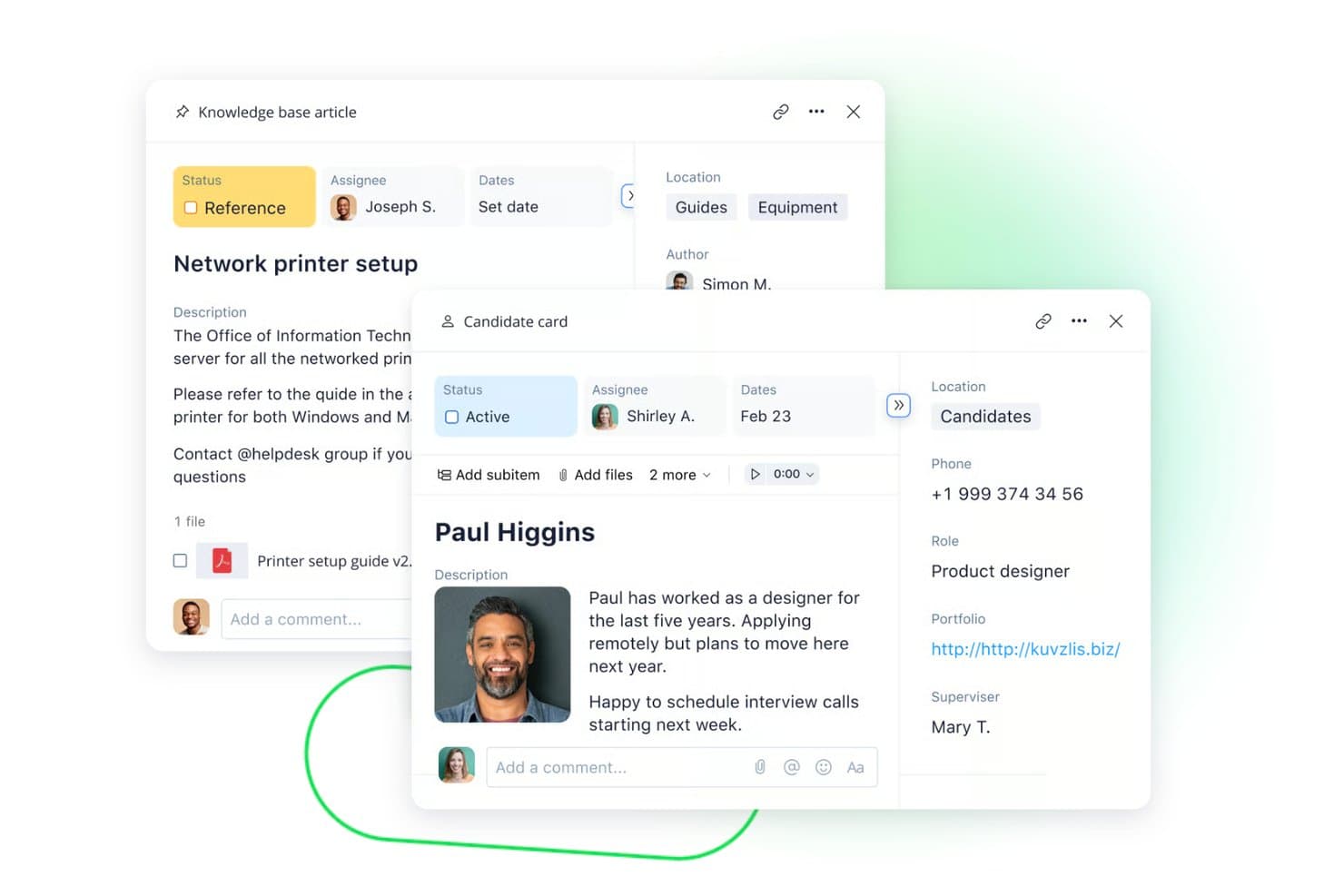
Wrike mostra schede dettagliate degli elementi per la base di conoscenza e il monitoraggio dei candidati. Wrike è una piattaforma per la gestione dei progetti e del marketing che combina l'intelligenza operativa basata sull'IA, la pianificazione delle campagne, l'automazione dei flussi di lavoro e gli strumenti di collaborazione per i team di marketing.
Per chi è più adatto Wrike?
Wrike è particolarmente adatto ai team di marketing di medie e grandi aziende che gestiscono campagne complesse e multicanale e hanno bisogno di una supervisione strutturata dei progetti insieme all'automazione.
Perché ho scelto Wrike
Ho scelto Wrike come una delle soluzioni migliori per il modo in cui l'IA è profondamente integrata nel lavoro effettivo, invece di essere semplicemente aggiunta come funzionalità secondaria. Wrike Copilot consente al mio team di porre domande in linguaggio naturale sullo stato dei progetti, individuare i rischi e generare widget per i pannelli di controllo senza dover gestire manualmente neanche un report. Mi affido inoltre agli agenti IA di Wrike per gestire la selezione iniziale delle richieste: quando arriva un documento di campagna, gli agenti analizzano l'invio, compilano i campi personalizzati e assegnano automaticamente un punteggio alla richiesta. Per i team di marketing che gestiscono grandi volumi di richieste creative, la gestione automatizzata delle richieste fa risparmiare ore ogni settimana.
Funzionalità principali di Wrike
- Moduli dinamici per le richieste: Crea moduli di raccolta condizionali che indirizzano automaticamente le richieste di campagna in arrivo ai membri del team appropriati in base alle risposte.
- Revisione e approvazioni: Esamina e annota direttamente in Wrike i contenuti creativi, quindi inoltrali agli approvatori interni o esterni senza uscire dalla piattaforma.
- Diagrammi di Gantt: Pianifica le tempistiche delle campagne con diagrammi di Gantt interattivi che mostrano le dipendenze tra le attività e consentono di modificare le pianificazioni trascinando gli elementi.
- Governance dell'IA: L'IA di Wrike rispetta le autorizzazioni esistenti degli utenti, non utilizza mai i dati dei clienti per l'addestramento e consente agli amministratori di controllare la distribuzione degli agenti, con il supporto della conformità SOC 2 e ISO 27001.
- Wrike MCP: Collega i dati di Wrike ad assistenti IA esterni per l'analisi, con accesso regolato dalle autorizzazioni esistenti di ciascun utente.
Integrazioni di Wrike
Wrike offre centinaia di integrazioni tramite il proprio mercato e i connettori integrati, inclusi strumenti come Google Workspace, Microsoft 365, Salesforce, Slack, Adobe Creative Cloud, Box, Dropbox, Jira, GitHub e Zoom. Supporta inoltre Zapier e mette a disposizione un'API per le integrazioni personalizzate.
Pros and Cons
Pros:
- Chat integrata nell'app per ridurre il costo del cambio di contesto nella collaborazione
- Visualizzazione semplice delle prestazioni dei flussi di lavoro
- Singoli utenti e team possono monitorare i carichi di lavoro
Cons:
- Non adatto alle piccole organizzazioni
- Limitato a 10 flussi di lavoro per spazio
 Ideale per flussi di lavoro personalizzabili potenziati dall'intelligenza artificiale
- Piano gratuito disponibile OPPURE prova gratuita di 14 giorni
- Da $31/utente/mese (fatturazione annuale)
Visit WebsiteCustomer Rating:4.6/5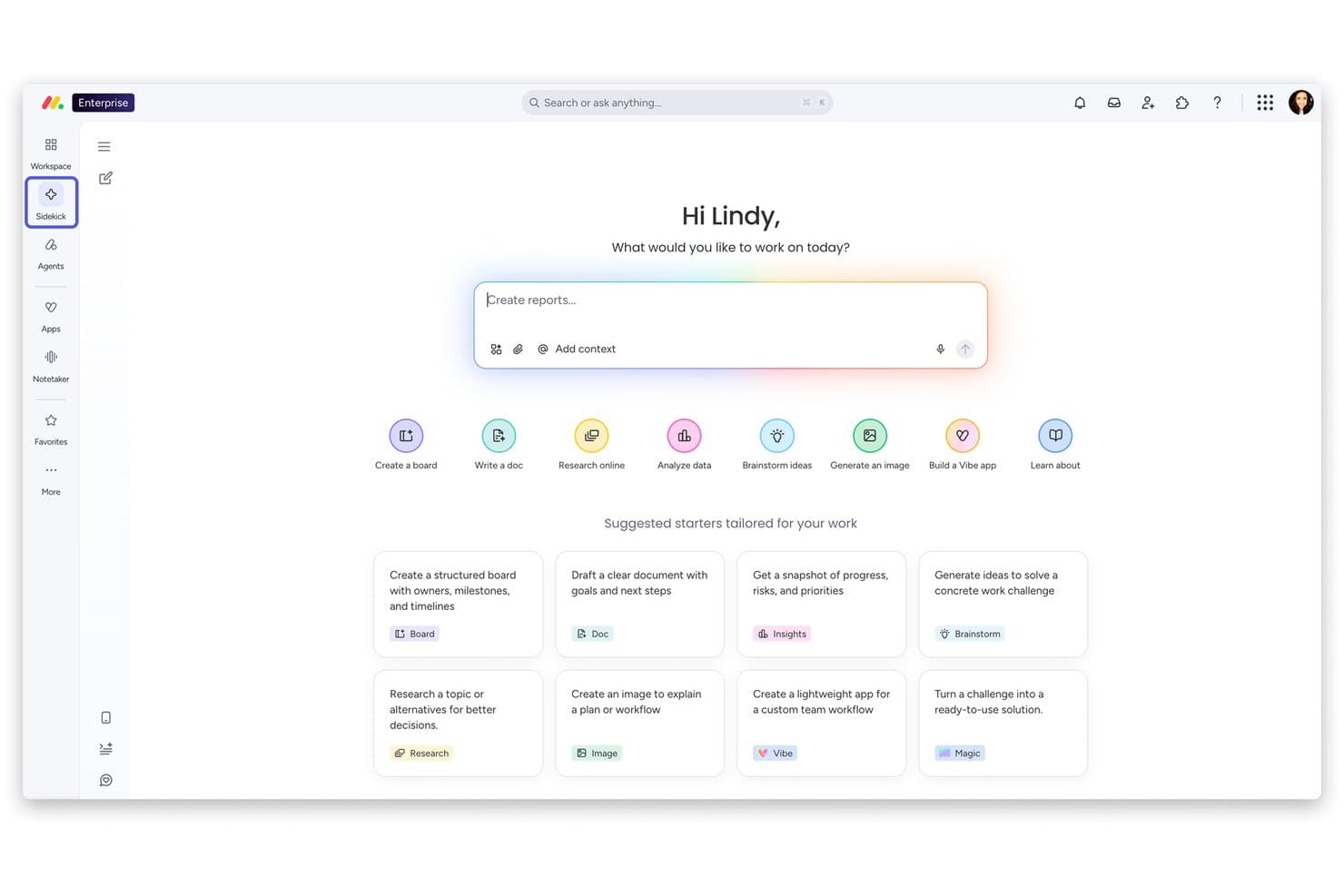
monday AI Workspace offre un assistente Sidekick basato su AI con suggerimenti iniziali per creare bacheche, redigere documenti, fare brainstorming e generare immagini per ottimizzare i flussi di lavoro di marketing. monday AI Workspace è una piattaforma di gestione del lavoro potenziata dall'intelligenza artificiale che combina automazione AI agentica, creazione di flussi di lavoro personalizzabili, pianificazione di campagne e strumenti di email marketing collegati al CRM in un unico spazio di lavoro connesso.
Per chi è più indicato monday AI Workspace?
È particolarmente adatto per team marketing e operativi di medie e grandi dimensioni che necessitano di flussi di lavoro flessibili e guidati dall'AI, che coprano più funzioni e reparti.
Perché ho scelto monday AI Workspace
Ho inserito monday AI Workspace nella mia lista perché il suo livello di personalizzazione AI è estremamente approfondito. Il generatore di flussi di lavoro AI consente al mio team di mappare flussi di lavoro di marketing a più fasi e di affidarli ad agenti AI specializzati per l'esecuzione autonoma. Mi piace anche come le campagne di monday utilizzino i dati del CRM per suggerire segmenti di pubblico e attivare l'invio di email personalizzate direttamente in base alle azioni dei clienti.
Funzionalità principali di monday AI Workspace
- Prendi appunti AI per riunioni: Riassume istantaneamente le riunioni ed estrae le azioni da eseguire per il follow-up.
- Generatore di app Vibe: Consente ai team di creare e lanciare app di marketing personalizzate in pochi minuti utilizzando l'AI.
- Colonne AI: Integra l'AI direttamente nelle bacheche per automatizzare attività di marketing ripetitive e la generazione di testi.
- Controlli avanzati dei permessi: Offre controlli multi-livello per gestire gli accessi in grandi organizzazioni composte da più team.
Integrazioni di monday AI Workspace
monday AI Workspace offre integrazioni native con Slack, Gmail, Google Drive, Trello, Zoom, GitHub, Excel e Aircall. Si connette inoltre con Zapier e offre un'API per integrazioni personalizzate.
Pros and Cons
Pros:
- Agenti AI personalizzati per l'automazione di flussi di lavoro multistep
- Il generatore di flussi di lavoro supporta processi di marketing unici
- Pianificazione campagne AI collegata ai dati CRM
Cons:
- Non genera contenuti di immagini, video o social
- Manca di analitiche avanzate per l'attribuzione marketing
Learn more about monday AI Workspace: Ideale per la segmentazione del pubblico guidata dall'IA
- Demo gratuita disponibile
- A partire da $40/mese (5 utenti)
Visit WebsiteCustomer Rating:4.7/5
CRM Creatio offre una piattaforma di automazione del marketing basata sull'IA che consente agli utenti di progettare, eseguire e ottimizzare campagne multicanale con visualizzazione dei workflow. Creatio CRM è una piattaforma di automazione del marketing che combina segmentazione del pubblico potenziata dall'IA, gestione delle campagne, analisi predittiva e strumenti di marketing omnicanale per i team di marketing.
Per chi è più adatto Creatio CRM?
Creatio CRM è particolarmente indicato per team di marketing di medie e grandi dimensioni che necessitano di segmentazione e automazione guidate dall'IA su campagne complesse e multicanale.
Perché ho scelto Creatio CRM
Ho incluso Creatio CRM tra le mie migliori scelte perché la sua segmentazione del pubblico guidata dall'IA funziona concretamente. La piattaforma costruisce e aggiorna autonomamente i segmenti di pubblico in base a comportamento, intenzioni e fase del ciclo di vita—senza lavoro manuale da parte del team. Mi piace che non si tratti di un esercizio di segmentazione una tantum; i segmenti si evolvono al cambiare dei segnali dei clienti. L'agente di Lead Scoring cattura e qualifica i lead in tempo reale, permettendo al mio team di dare priorità ai contatti più propensi alla conversione invece di indovinare.
Funzionalità principali di Creatio CRM
- Agente Campagne: Un agente IA che costruisce, coordina e misura autonomamente campagne multicanale su email, SMS e annunci digitali in tempo reale.
- Agente Contenuti Marketing: Genera e personalizza i contenuti per ogni segmento di pubblico, canale e fase del percorso, adattandosi continuamente a ciò che funziona meglio.
- Automazione della gestione eventi: Agenti IA gestiscono inviti, registrazioni, promemoria e follow-up degli eventi per monitorare il coinvolgimento dei partecipanti e il ROI.
- Configurazione workflow no-code: Crea e modifica workflow di marketing, pagine e modelli di dati senza scrivere codice grazie al visual designer no-code di Creatio.
Integrazioni di Creatio CRM
Creatio CRM offre integrazioni native con Salesforce, Microsoft 365, Google Workspace, Mailchimp, Zendesk, DocuSign, Twilio, Facebook, LinkedIn e Slack. È disponibile un'API per integrazioni personalizzate.
Pros and Cons
Pros:
- Piattaforma no-code per utenti non tecnici
- Ampie possibilità di personalizzazione
- Soluzione scalabile per diversi processi aziendali
Cons:
- Curva di apprendimento per i nuovi utenti
- La configurazione della piattaforma può richiedere tempo
Learn more about Creatio CRM: Ideale per analizzare le campagne dei competitor
- Piano gratuito + demo gratuita disponibile
- Da $23.2/mese (fatturazione annuale)
Visit WebsiteCustomer Rating:5/5
CrafterQ mostra la dashboard delle impostazioni per configurare i dettagli di un agente AI. CrafterQ è una piattaforma di agenti AI per siti web che ti consente di implementare agenti conversazionali addestrati sui tuoi contenuti per gestire la raccolta lead, le conversazioni di vendita e il supporto clienti.
Per chi è CrafterQ?
CrafterQ è ideale per piccole e medie imprese che desiderano aggiungere agenti chat basati su AI al proprio sito web senza scrivere codice.
Perché ho scelto CrafterQ
Ho incluso CrafterQ tra le mie scelte principali perché le sue analisi delle conversazioni offrono una visione chiara di come i visitatori interagiscono con il mio sito, che utilizzo per individuare lacune che i concorrenti potrebbero trascurare nei loro messaggi. Mi piace che ogni interazione in chat venga registrata e sia rivedibile, così posso individuare domande o obiezioni ricorrenti che rivelano cosa interessa davvero al mio mercato. Questo tipo di segnale diretto è difficile da ottenere con i tradizionali strumenti di monitoraggio delle campagne.
Funzionalità principali di CrafterQ
- Addestramento personalizzato dell’agente AI: Addestra il tuo agente direttamente sui contenuti del tuo sito, documenti di supporto o file caricati, in modo da ottenere risposte accurate e specifiche per il tuo brand.
- Form di raccolta lead: Incorpora richieste di acquisizione contatti all’interno delle conversazioni chat per raccogliere i dati dei visitatori senza reindirizzarli a un modulo separato.
- Implementazione senza codice: Aggiungi il tuo agente AI a qualsiasi sito, inclusi WordPress e Shopify, incollando un semplice tag script.
- Supporto multi-agente: Crea e gestisci più agenti AI, ciascuno addestrato su diversi insiemi di contenuti, per pagine o casi d’uso differenti del tuo sito.
Integrazioni di CrafterQ
Le integrazioni includono Temenos, FIS, Salesforce, Microsoft Dynamics, HubSpot, Stripe, PayPal, QuickBooks, WordPress e Zendesk.
Pros and Cons
Pros:
- Gli agenti si addestrano sui tuoi contenuti
- Cattura in tempo reale dell’intento del visitatore integrata
- Configurazione senza codice sulle principali piattaforme
Cons:
- Limitato solo a conversazioni basate su sito web
- Nessuna app desktop nativa offline
Learn more about CrafterQ: Migliore per sicurezza e privacy di livello aziendale
- Piano gratuito disponibile
- A partire da $32/mese (fatturazione annuale)
Visit WebsiteCustomer Rating:4.4/5
Chatbase aiuta i team marketing a distribuire agenti AI che coinvolgono i visitatori, rispondono alle domande sui prodotti e migliorano l'esperienza di conversione. Chatbase è una piattaforma di chatbot AI per team di marketing che consente di creare, distribuire e gestire chatbot personalizzati con elaborazione del linguaggio naturale, supporto multilingue e opzioni di integrazione per siti web e sistemi aziendali.
Per chi è ideale Chatbase?
Chatbase è adatto ai team di marketing e assistenza clienti di aziende di medie e grandi dimensioni che desiderano automatizzare le conversazioni su più canali.
Perché ho scelto Chatbase
Ho scelto Chatbase come uno dei migliori perché necessito di livello di sicurezza e privacy aziendale per la gestione di dati sensibili dei clienti nelle campagne di marketing. Mi piace che Chatbase offra crittografia avanzata dei dati e funzioni di conformità, inclusi supporto SOC 2 e GDPR. Il mio team può impostare controlli di accesso dettagliati e registri di audit, il che ci aiuta a soddisfare rigorosi requisiti di sicurezza interna.
Funzionalità principali di Chatbase
- Costruttore di chatbot AI: Crea e personalizza chatbot utilizzando un'interfaccia visiva e l'elaborazione del linguaggio naturale.
- Supporto multilingue: Distribuisci chatbot in grado di interagire con gli utenti in più lingue.
- Integrazione tramite API e webhook: Collega i chatbot ai tuoi sistemi aziendali e automatizza i flussi di lavoro.
- Dashboard di analytics: Monitora in tempo reale le interazioni del chatbot, il coinvolgimento degli utenti e le metriche di performance.
Integrazioni di Chatbase
Chatbase offre integrazioni native con Zendesk, Notion, Slack, Stripe, Salesforce, Cal.com, Calendly, WhatsApp e Messenger. Si collega inoltre con Make e Zapier e fornisce un'API per integrazioni personalizzate.
Pros and Cons
Pros:
- Offre API personalizzate e webhook
- Costruttore visuale di flussi per la progettazione dei chatbot
- Piano gratuito per sempre disponibile con funzioni di base
Cons:
- Nessun A/B test integrato per i flussi dei chatbot
- Manca l'integrazione nativa con HubSpot
Learn more about Chatbase: Ideale per l'ottimizzazione dei media a pagamento per l'e-commerce
- Prova gratuita di 7 giorni
- A partire da $49/mese/marchio
Visit WebsiteCustomer Rating:5/5
Pannello di controllo del Centro di comando di Meerkads con metriche unificate sulle prestazioni tra i canali, tra cui spesa, ricavi, ROAS, conversioni, parametri di riferimento delle piattaforme e una panoramica visiva dell'imbuto di conversione. Meerkads è una piattaforma di marketing delle performance basata sull'intelligenza artificiale che collega Google Ads, Meta Ads, TikTok Ads e i dati dell'e-commerce per offrire analisi tra i canali, ottimizzazione basata sull'intelligenza artificiale, generazione di creatività e suggerimenti automatizzati sul budget.
Per chi è più adatto Meerkads?
Meerkads è una soluzione adatta ai marchi di e-commerce, alle agenzie e ai professionisti del marketing delle performance che gestiscono campagne a pagamento su più piattaforme pubblicitarie e hanno bisogno di informazioni basate sull'intelligenza artificiale in un unico posto.
Perché ho scelto Meerkads
Ho incluso Meerkads tra le mie migliori scelte perché il monitoraggio continuo delle campagne e le regole di automazione basate sull'intelligenza artificiale riducono notevolmente il carico di lavoro manuale nella gestione dei media a pagamento per l'e-commerce. La piattaforma monitora costantemente le campagne su Google, Meta e TikTok, segnala i problemi prima che si aggravino e consente di impostare regole di automazione e avvisi, così gli account rimangono ottimizzati senza controlli costanti. Mi piace anche la possibilità di collegare i dati di Shopify per monitorare il ROAS a livello di prodotto, offrendo una visione più chiara di come la spesa pubblicitaria si traduce nelle prestazioni dell'e-commerce.
Caratteristiche principali di Meerkads
- Generazione di testi e immagini pubblicitarie con l'intelligenza artificiale: Genera testi e immagini pubblicitarie direttamente all'interno della piattaforma utilizzando strumenti creativi basati sull'intelligenza artificiale.
- Rilevamento dell'affaticamento delle creatività: Individua le creatività con prestazioni insufficienti prima che consumino il budget, monitorando il calo delle prestazioni nel tempo.
- Monitoraggio del ROAS a livello di prodotto: Collega il tuo negozio Shopify per visualizzare il ritorno sulla spesa pubblicitaria suddiviso per singolo prodotto, non solo per campagna.
- Suggerimenti per l'ottimizzazione del budget basati sull'intelligenza artificiale: Ricevi suggerimenti basati sui dati per riallocare la spesa tra i canali in base ai segnali di performance.
Integrazioni di Meerkads
Attualmente Meerkads offre 6 integrazioni native, tra cui Google Ads, Meta Ads, TikTok Ads, Google Analytics 4, Google Search Console e Shopify. Ulteriori integrazioni con Amazon, Pinterest Ads, Klaviyo, Omnisend, WooCommerce e altri servizi sono previste per una fase successiva di {{year}}. Il supporto per Zapier e un'API pubblica non sono documentati chiaramente.
Pros and Cons
Pros:
- Le creatività pubblicitarie generate dall'intelligenza artificiale fanno risparmiare tempo di produzione
- Il ROAS effettivo tiene conto dei resi
- Il rilevamento dell'affaticamento delle creatività segnala gli annunci con prestazioni insufficienti
Cons:
- Limitato ai dati dei canali pubblicitari a pagamento
- Le funzionalità del piano Hunter sono ancora in fase di sviluppo
Learn more about Meerkads: Ideale per query dati tramite chat
- Piano gratuito disponibile
- Da $16/mese (fatturazione annuale)

Querri risponde a domande sui dati formulate in linguaggio naturale e genera approfondimenti sulle performance di marketing. Querri è una piattaforma di query dati basata su intelligenza artificiale progettata per i team di marketing che necessitano di accedere e analizzare i dati utilizzando un'interfaccia chat conversazionale.
Per chi è ideale Querri?
Querri è adatto ad analisti di marketing e team guidati dai dati che devono interrogare ed esplorare i dati senza doversi affidare a SQL o al supporto tecnico.
Perché ho scelto Querri
Ho incluso Querri nella mia shortlist perché l'esperienza di query basata sulla chat è davvero costruita attorno al modo in cui i marketer pensano effettivamente. Posso porre domande in italiano semplice—come 'quali campagne hanno generato più pipeline lo scorso trimestre'—e l'AI agentica di Querri pianifica ed esegue l'analisi su più passaggi. Calcola nuovi indicatori al volo, quindi non sono limitato alle metriche predefinite impostate in anticipo. Mantiene inoltre il contesto per 30 conversazioni di seguito, il che significa che posso approfondire una linea di domande senza dover ricominciare da capo.
Funzionalità principali di Querri
- Domande di follow-up suggerite dall'AI: Mentre esplori i tuoi dati in chat, Querri propone automaticamente domande di approfondimento e ulteriori aree da indagare.
- Costruttore di dashboard drag-and-drop: Crea grafici interattivi, tabelle e widget di testo arricchito dall'analisi in chat e organizza tutto in pochi minuti tramite drag-and-drop.
- Aggiornamento automatico delle dashboard: Imposta l'aggiornamento delle dashboard su base giornaliera, settimanale, mensile o personalizzata, così il tuo team lavora sempre su dati aggiornati.
- Pulizia dati basata su intelligenza artificiale: Querri pulisce, deduplica e standardizza automaticamente i dati disordinati come parte delle richieste in linguaggio naturale prima dell'analisi.
Integrazioni di Querri
Querri offre integrazioni native con Google Sheets, PostgreSQL, MySQL, Snowflake, e BigQuery, oltre a un'API per integrazioni personalizzate.
Pros and Cons
Pros:
- Le query tramite chat rendono l'esplorazione dei dati accessibile anche ai marketer non tecnici
- Recupera rapidamente insight da fonti dati marketing e CRM collegate
- Poni domande in italiano semplice invece di scrivere query SQL
Cons:
- Numero limitato di connettori nativi per fonti dati di piattaforme marketing
- Le risposte alle query a volte falliscono o arrivano in ritardo durante l'analisi
Learn more about Querri: Ideale per assistenza clienti basata sull’IA
- Prova gratuita di 7 giorni + piano gratuito disponibile
- Da $24,17/mese (fatturazione annuale)
Visit WebsiteCustomer Rating:4.7/5
La dashboard di Tidio mostra analisi in tempo reale e interazioni con i clienti attraverso i vari canali. Tidio è una piattaforma di marketing AI che combina live chat, chatbot alimentati dall'intelligenza artificiale e strumenti di automazione per aiutare le aziende a gestire le conversazioni con i clienti e acquisire lead attraverso i canali digitali.
Per chi è ideale Tidio?
Tidio è particolarmente adatto per piccole e medie imprese ecommerce che necessitano di strumenti di assistenza clienti basati sull'AI per gestire un alto volume di interazioni senza un grande team di supporto.
Perché ho scelto Tidio
Tidio si guadagna un posto tra i migliori nella mia lista grazie a come il suo Lyro AI Agent gestisce l'assistenza clienti automatizzata senza il problema delle 'allucinazioni' che affligge la maggior parte degli strumenti AI. Lyro è addestrato esclusivamente sui tuoi contenuti di supporto e si basa su Claude (Anthropic AI), il che significa che risponde solo alle domande di cui conosce effettivamente la risposta — ed esegue un'escalation a un operatore umano quando non sa rispondere. Apprezzo anche Lyro Smart Actions, che permette all'AI non solo di rispondere alle domande ma anche di svolgere compiti come la verifica dello stato di un ordine o la qualificazione dei lead senza l'intervento umano. Il builder Flows di Tidio offre un sistema senza codice per impostare percorsi di automazione basati su trigger che coinvolgono i visitatori nei momenti chiave del loro percorso, come l'abbandono del carrello o l'intenzione di uscire dal sito.
Funzionalità chiave di Tidio
- Supporto multilingue: Lyro AI Agent rileva e risponde ai clienti in decine di lingue, tra cui spagnolo, francese, portoghese e tedesco, in base ai tuoi contenuti di supporto già esistenti.
- Lista dei visitatori in tempo reale: Visualizza tutti i visitatori attivi sul sito web e le pagine che stanno navigando in tempo reale, così puoi avviare conversazioni proattivamente in base al loro comportamento online.
- Sondaggio pre-chat: Raccogli i dettagli di contatto dei visitatori prima dell'inizio della chat, dando al tuo team il contesto prima dell'inizio della conversazione.
- Cruscotto analitico: Monitora metriche delle conversazioni, performance degli operatori, performance dei canali e risultati dei Flows su tutte le attività di supporto e marketing.
Integrazioni di Tidio
Tidio offre integrazioni native con Shopify, WordPress, Wix, BigCommerce, Mailchimp, HubSpot, Zendesk, Messenger, Instagram e Google Analytics. Si collega inoltre a Zapier e fornisce un'API per integrazioni personalizzate.
Pros and Cons
Pros:
- Comunicazione multicanale in un unico posto
- Personalizzazione semplice di chatbot e flussi
- Monitoraggio in tempo reale del comportamento dei visitatori
Cons:
- Strumenti AI limitati nei piani base
- Costi extra per chat che possono sommarsi
Learn more about Tidio: Ideale per la generazione di contenuti guidata dall'IA
- Prova gratuita di 7 giorni + demo gratuita disponibile
- Da $59/postazione/mese (fatturazione annuale)
Visit WebsiteCustomer Rating:4.7/5
Jasper migliora la creazione di contenuti e la gestione delle campagne per i team. Jasper è una piattaforma di marketing guidata dall'IA per team aziendali, progettata per potenziare la creazione di contenuti e la gestione delle campagne. Serve principalmente i professionisti del marketing, offrendo strumenti per la generazione di contenuti, la collaborazione tra team e il monitoraggio delle prestazioni.
Perché ho scelto Jasper: Jasper offre la creazione di contenuti assistita dall'IA, aiutando il tuo team a generare contenuti di alta qualità in modo efficiente. Include una gestione centralizzata delle conoscenze per mantenere tutti aggiornati, oltre a strumenti di analisi e insight per monitorare le performance. Jasper mette inoltre a disposizione oltre 50 modelli per avviare facilmente i tuoi progetti e supporta più lingue per una copertura globale.
Funzionalità principali e integrazioni:
Funzionalità includono creazione di contenuti assistita dall'IA, gestione centralizzata delle conoscenze, oltre 50 modelli disponibili e supporto multilingue. Puoi anche monitorare le prestazioni tramite analisi e insight e integrare Jasper nei flussi di lavoro esistenti con estensioni per browser e un'API.
Integrazioni disponibili con Google Docs, Microsoft Word, WordPress, HubSpot, Grammarly, Surfer SEO, Copyscape, Shopify e Facebook.
Pros and Cons
Pros:
- Generazione di contenuti di alta qualità
- Risparmio di tempo significativo
- Strumenti di marketing completi
Cons:
- Richiede tempo per imparare
- Personalizzazione limitata
Learn more about Jasper: Ideale per ottimizzare la strategia dei contenuti
- Piano gratuito + demo gratuita disponibile
- Prezzo su richiesta
Visit WebsiteCustomer Rating:4.6/5
MarketMuse potenzia la strategia dei contenuti con ricerca e ottimizzazione alimentate dall'IA. MarketMuse è una piattaforma di ricerca e ottimizzazione dei contenuti basata sull'intelligenza artificiale che aiuta i team di marketing ad analizzare argomenti, eseguire audit dei contenuti e generare briefing dettagliati per la SEO e la strategia.
Per chi è ideale MarketMuse?
MarketMuse è adatto ai team di content marketing e ai professionisti SEO di aziende di medie e grandi dimensioni che gestiscono programmi di contenuti su larga scala.
Perché ho scelto MarketMuse
MarketMuse si guadagna il suo posto tra i migliori della mia lista per il suo approccio alla strategia dei contenuti basato su dati personalizzati guidati dall'IA, invece che su metriche generiche di parole chiave. Apprezzo particolarmente il punteggio di difficoltà personalizzato, che considera l'autorevolezza tematica già acquisita dal tuo dominio per mostrare quali argomenti vale davvero la pena perseguire. Un'altra funzionalità su cui faccio affidamento è l'inventario automatico dei contenuti: monitora continuamente le prestazioni dei contenuti del tuo sito, segnala i casi di decadenza e mette in evidenza opportunità rapide senza necessità di crawl manuali. Insieme ai piani di contenuti generati dall'IA, che mappano cosa creare o aggiornare su interi cluster tematici, rappresenta un modo davvero guidato dai dati per costruire e mantenere una strategia di contenuti.
Caratteristiche principali di MarketMuse
- Briefing dei contenuti: Genera briefing dettagliati e supportati dalla ricerca, che includono argomenti correlati, domande a cui rispondere, suggerimenti di collegamento e indicazioni strutturali per gli autori.
- Heatmap SERP: Visualizza la copertura degli argomenti nelle prime 20 pagine in classifica per individuare rapidamente lacune nei contenuti e identificare elementi chiave per contenuti competitivi.
- Punteggio dei contenuti: Ottieni un punteggio in tempo reale che misura la profondità e la completezza tematica mentre scrivi o rivedi pagine esistenti.
- Analisi dei cluster dei competitor: Esamina come qualsiasi sito web copre un cluster di argomenti—non solo i singoli risultati SERP—per trovare opportunità trascurate.
Integrazioni di MarketMuse
Le integrazioni native non sono chiaramente documentate.
Pros and Cons
Pros:
- Analisi competitiva dei contenuti
- Briefing dei contenuti personalizzabili
- Dà priorità agli argomenti ad alto impatto
Cons:
- Richiede ottimizzazione continua
- Integrazioni di terze parti limitate
Learn more about MarketMuse:
Altri software di marketing con IA
Ecco alcune ulteriori opzioni di strumenti di marketing con IA che non sono entrate nel mio elenco, ma che vale comunque la pena prendere in considerazione:
- 11BuzzSumoIdeale per il monitoraggio delle performance dei contenuti
- 12AdverityIdeale per l’analisi unificata dei dati di marketing
- 13Adobe FireflyIdeale per la creazione di contenuti con IA generativa
- 14OptimizelyIdeale per la sperimentazione di funzionalità e i test A/B
- 15GenStudioIdeale per generare numerose varianti di contenuti diversificati
- 16MarketoIdeale per la gestione dei lead e l'email marketing
- 17AdRollIdeale per l'automazione del marketing multicanale
- 18MaximizerIdeale per soluzioni CRM personalizzabili
- 19CampaignerIdeale per campagne email personalizzate
- 20Hootsuite InsightsIdeale per l'analisi del sentiment sui social media
- 21EmarsysIdeale per il coinvolgimento omnicanale dei clienti
- 22Salesforce PardotIdeale per la gestione di campagne di marketing B2B
- 23Parse.lyIdeale per insight sui contenuti in tempo reale
- 24CrawlQIdeale per ricerche di mercato basate sull'IA
- 25AicarmaIdeale per il monitoraggio della visibilità del brand nell'IA
- 26elvexIdeale per contenuti di marketing allineati al brand
- 27OmniboundIdeale per il contesto marketing B2B
- 28TikTokIdeale per la scoperta di contenuti video brevi
- 29TrupeerIdeale per la creazione di video AI per aziende
Come Valuto gli Strumenti di Marketing AI
Ogni strumento qui presente deve dimostrare che la sua AI aggiunge un vero valore—come l'ottimizzazione automatica degli orari di invio o la generazione di copy coerenti con il brand su larga scala. Valuto ogni opzione in base alle funzionalità principali richieste per qualificarsi e ai fattori di differenziazione che distinguono una piattaforma dall'altra.
Funzionalità Principali (Requisiti Base per Questa Lista)
Quando seleziono gli strumenti per la mia lista, valuto ciascuno su una scala da 0 (non offre la funzionalità) a 5 (eccelle in quest'area) per ciascuna delle funzionalità principali elencate sotto. In seguito, trasformo il punteggio totale dello strumento in una percentuale. Ogni strumento deve raggiungere almeno un punteggio totale minimo del 75% per essere incluso.
- Generazione di contenuti AI: Esamino quanti tipi di contenuti può produrre lo strumento—bozze di blog, copy pubblicitari, oggetti di email, didascalie social—e se i risultati rispettano le impostazioni di tono di voce del brand.
- Personalizzazione & Segmentazione: Ogni strumento deve andare oltre le liste statiche, utilizzando il ML per creare segmenti di pubblico dinamici e modificare i contenuti in base a comportamento o attributi.
- Analitica Predittiva & Approfondimenti: Valuto se l'AI fornisce raccomandazioni azionabili, come la previsione del ROI delle campagne o l'evidenziazione di canali con performance insufficienti prima che venga sprecato budget.
- Ottimizzazione della Campagna: Strumenti come HubSpot e Jasper affrontano questo aspetto in modo diverso, ma verifico la presenza di aggiustamenti AI a variabili come orari di invio, varianti creative o strategie di offerta.
- Automazione del Workflow: Cerco automazioni assistite dall'AI che gestiscono sequenze multi-step—come journey di nurturing attivate o etichettatura automatica dei lead in base ai punteggi di coinvolgimento.
- Integrazioni con lo Stack di Marketing: Lo strumento deve disporre di connessioni native con le piattaforme su cui i marketer già fanno affidamento, inclusi CRM, reti pubblicitarie, CDP e strumenti di analisi.
Una volta che ho una lista di strumenti che soddisfano i criteri, considero ciò che distingue ogni piattaforma.
Fattori Distintivi (Cosa Distingue i Fornitori)
Ecco come confronto e metto a confronto i diversi fornitori:
Funzionalità Distintive
La formazione della voce del brand è un fattore importante di differenziazione—verifico se uno strumento può apprendere dai tuoi contenuti esistenti così che ogni output sembri scritto dal tuo team. Gli assistenti AI agentici vanno oltre pianificando ed eseguendo compiti in modo indipendente, come la creazione di una sequenza completa di nurturing da zero. Cerco anche paletti di conformità integrati in grado di rilevare eventuali problemi normativi o di sicurezza del brand prima che il contenuto venga pubblicato, evitando al team errori costosi.
Oltre le Funzionalità
La privacy dei dati è importante qui—valuto quanto ogni fornitore sia trasparente riguardo all’utilizzo dei tuoi prompt e dati dei clienti per addestrare i loro modelli e se offrono opzioni come istanze private. La struttura dei prezzi è un altro fattore chiave, soprattutto se la fatturazione a crediti o a consumo resta prevedibile quando il volume delle campagne cresce. Osservo anche il time-to-value: strumenti con playbook di marketing preimpostati e connessioni guidate alle fonti di dati aiutano i team ad avviare le campagne più rapidamente rispetto alle piattaforme che richiedono settimane di configurazione.
Come scegliere gli strumenti di marketing con IA
È facile perdersi in lunghi elenchi di funzionalità e strutture tariffarie complesse. Per aiutarti a rimanere concentrato mentre segui il tuo processo di selezione del software, unico per le tue esigenze, ecco una lista di fattori da tenere a mente:
| Fattore | Cosa considerare |
| Scalabilità | Questo strumento crescerà insieme alla tua attività? |
| Integrazioni | Si integra con i tuoi sistemi esistenti? |
| Personalizzazione | Puoi adattare lo strumento alle tue esigenze specifiche? |
| Facilità d'uso | Il tuo team si trova a suo agio nell'utilizzare questo strumento? |
| Budget | Rientra nei tuoi vincoli finanziari? |
| Misure di sicurezza | I tuoi dati e la tua privacy sono protetti? |
Utilizza questa lista di controllo per mantenere organizzato e mirato il processo di selezione del software.
Tendenze negli strumenti di marketing basati sull’IA
Nella mia ricerca, ho raccolto innumerevoli aggiornamenti sui prodotti, comunicati stampa e registri delle versioni di diversi fornitori di strumenti di marketing basati sull’IA. Ecco alcune delle tendenze emergenti che sto tenendo d’occhio:
- IA generativa: questa tecnologia sta avanzando rapidamente, consentendo ai professionisti del marketing di creare contenuti completi, come video, immagini e testi. Alcuni strumenti hanno già introdotto nuove funzionalità che rendono la creazione di contenuti più efficiente e adatta a esigenze di marketing specifiche, come il marketing sui social media.
- Agenti IA autonomi: questi agenti, come AutoGPT e Microsoft Jarvis, possono svolgere attività in modo indipendente, automatizzando processi complessi senza intervento umano. Questa tendenza sta ampliando le capacità dell’automazione del marketing, rendendola più adattiva e intelligente.
- IA causale: concentrandosi sulle relazioni di causa ed effetto, l’IA causale aiuta i professionisti del marketing a comprendere l’impatto reale dei loro investimenti. Questa tecnologia fornisce informazioni più approfondite su ciò che determina le prestazioni, consentendo decisioni più efficaci.
- IA conversazionale: migliorando le interazioni con i clienti attraverso una comunicazione più naturale e pertinente, l’IA conversazionale sta andando oltre i semplici chatbot. Tra gli esempi ci sono strumenti che offrono risposte personalizzate e migliorano il coinvolgimento degli utenti, come le versioni avanzate di ChatGPT.
- Analisi predittiva: questa funzionalità sta diventando essenziale per la segmentazione dei clienti, la valutazione dei lead e l’ottimizzazione delle campagne. Gli strumenti di analisi predittiva aiutano i professionisti del marketing ad anticipare tendenze e comportamenti, consentendo un targeting più preciso e un ROI migliore.
Sfruttando queste tendenze dell’IA, le aziende possono migliorare le proprie attività di marketing con strumenti più intelligenti ed efficienti. Ciò può portare a un maggiore coinvolgimento dei clienti, a un ROI più elevato e a una strategia di marketing più orientata ai dati.
Cosa sono gli strumenti di marketing basati sull’IA?
Gli strumenti di marketing basati sull’IA sono soluzioni software che utilizzano l’intelligenza artificiale per assistere o ottimizzare diverse attività di marketing. Aiutano gli utenti automatizzando le attività ripetitive, analizzando grandi quantità di dati e fornendo informazioni utili a migliorare il processo decisionale. Funzionalità come l’analisi predittiva, la segmentazione dei clienti e i suggerimenti personalizzati sui contenuti aiutano a rivolgersi al pubblico giusto, ottimizzare le campagne e aumentare il coinvolgimento. Nel complesso, questi strumenti fanno risparmiare tempo e forniscono informazioni preziose che possono portare a risultati di marketing migliori. Questi strumenti sono generalmente utilizzati da professionisti del marketing, agenzie di marketing digitale e titolari di aziende per migliorare l’efficienza e l’efficacia delle proprie strategie di marketing.
Funzionalità degli strumenti di marketing basati sull’IA
Quando selezioni gli strumenti di marketing basati sull’IA, presta attenzione alle seguenti funzionalità chiave:
- Integrazione multicanale: collega e gestisci facilmente le tue campagne su piattaforme come e-mail, social media e siti web, così puoi raggiungere il tuo pubblico ovunque si trovi.
- Segmentazione del pubblico: suddividi i tuoi contatti in gruppi mirati in base ai loro comportamenti, interessi o dati demografici. In questo modo puoi inviare messaggi realmente rilevanti per ogni gruppo.
- Automazione delle campagne: configura campagne a invio graduale, messaggi attivati da eventi o post programmati che funzionano automaticamente, risparmiando tempo e assicurandoti di non trascurare mai le tue attività di comunicazione.
- Analisi e report: esamina in profondità le metriche delle prestazioni, come tassi di apertura, percentuali di clic e conversioni, per vedere a colpo d’occhio cosa funziona e cosa no.
- Strumenti di personalizzazione: adatta messaggi, offerte e contenuti ai singoli utenti in base alle loro preferenze o azioni passate, facendo sì che ogni punto di contatto risulti perfettamente appropriato.
- Integrazione con CRM ed e-commerce: sincronizzati con i database dei clienti e le piattaforme di vendita, così avrai sempre informazioni aggiornate e potrai collegare facilmente le attività di marketing ai ricavi.
- Test A/B: esegui esperimenti con diversi oggetti delle e-mail, immagini o inviti all’azione e scopri rapidamente quale versione preferisce il tuo pubblico.
- Gestione della conformità e della privacy: gestisci facilmente consensi, utilizzo dei dati e standard regionali sulla privacy per mantenere conformi le tue attività di marketing e preservare la fiducia degli utenti.
- Gestione dei contenuti: organizza, programma e riutilizza risorse come articoli, immagini e video, così avrai sempre materiale aggiornato per le tue campagne.
Funzionalità comuni degli strumenti di marketing basati sull’IA
Oltre alle funzionalità standard degli strumenti di marketing basati sull’IA elencate sopra, molte di queste soluzioni stanno integrando ulteriori livelli di IA con funzionalità come:
- Analisi del sentiment: monitora in tempo reale il feedback dei clienti, le recensioni o le menzioni sui social per comprendere le emozioni e individuare le tendenze, così da poter adattare la tua strategia prima che un problema diventi virale.
- Analisi predittiva: l'IA elabora dati storici e in tempo reale per prevedere i comportamenti dei clienti, ad esempio chi sta per effettuare un acquisto o annullare l'iscrizione, aiutandoti a dare priorità al tuo pubblico.
- Generazione di linguaggio naturale: crea automaticamente titoli accattivanti, testi per annunci o descrizioni di prodotti che sembrano scritti da una persona reale e si adattano al tono del tuo brand.
- Raccomandazioni automatizzate di contenuti: l'IA propone contenuti, prodotti o esperienze personalizzati a ciascun utente analizzando i suoi percorsi online: pensa alle liste "Solo per te" di Netflix, ma applicate al tuo marketing.
- Chatbot con IA conversazionale: fornisci assistenza o raccomandazioni immediate e basate sul contesto ai visitatori del sito web 24 ore su 24, 7 giorni su 7, rendendo il tuo brand sempre operativo senza bisogno di personale aggiuntivo.
- Ottimizzazione dinamica degli elementi creativi: l'IA combina e propone automaticamente la combinazione migliore di immagini, testo e inviti all'azione per ciascun utente, facendo sembrare ogni annuncio realizzato su misura.
Vantaggi degli strumenti di marketing basati sull'IA
L'implementazione di strumenti di marketing basati sull'IA offre diversi vantaggi al tuo team e alla tua azienda. Ecco alcuni dei risultati che puoi aspettarti:
- Migliore ROI: l'analisi basata sull'IA ti aiuta a prendere decisioni basate sui dati, garantendo che il budget di marketing venga utilizzato in modo più efficace.
- Esperienza cliente migliorata: il marketing dei contenuti personalizzato e le raccomandazioni basate sugli algoritmi di IA e sugli strumenti di scrittura dei contenuti basati sull'IA possono migliorare significativamente la soddisfazione dei clienti.
- Elaborazione efficiente dei dati: gli strumenti di apprendimento automatico basati sull'IA possono analizzare rapidamente enormi quantità di dati, fornendo informazioni che richiederebbero molto più tempo per essere individuate dagli esseri umani.
- Pubblicità mirata: l'IA consente di indirizzare gli annunci con maggiore precisione in base ai dati demografici e al comportamento dei clienti, portando a tassi di coinvolgimento e conversione migliori.
- Analisi predittiva: la tecnologia IA può prevedere le tendenze e il comportamento dei consumatori, permettendoti di anticipare i cambiamenti e adeguare proattivamente le tue strategie.
- Attività automatizzate: le attività di marketing di routine, come le campagne email e la redazione di testi per i post sui social media o le pagine di destinazione, possono essere automatizzate con un assistente di scrittura basato sull'IA e altri strumenti avanzati, liberando tempo per consentire al tuo team di concentrarsi sulle attività strategiche.
- Misurazione accurata delle prestazioni: gli strumenti di IA forniscono analisi dettagliate e KPI, consentendo una valutazione più accurata dell'efficacia delle attività di marketing sul pubblico di riferimento.
Costi e prezzi degli strumenti di marketing basati sull'IA
La scelta degli strumenti di marketing basati sull'IA richiede la comprensione dei vari modelli e piani tariffari disponibili. I costi variano in base alle funzionalità, alle dimensioni del team, agli extra e ad altri fattori; gli strumenti di marketing gratuiti basati sull'IA offrono un punto di partenza per i team che non hanno ancora bisogno delle funzionalità a pagamento. La tabella seguente riassume i piani più comuni, i relativi prezzi medi e le funzionalità generalmente incluse nelle soluzioni di strumenti di marketing basati sull'IA:
Tabella comparativa dei piani per gli strumenti di marketing basati sull'IA
| Tipo di piano | Prezzo medio | Funzionalità comuni |
| Piano gratuito | $0 | Automazione di base, accesso limitato per gli utenti, analisi essenziali e assistenza di base. |
| Piano personale | $10-$30/utente/mese | Automazione avanzata, raccomandazioni personalizzate, analisi dettagliate e assistenza via email. |
| Piano aziendale | $50-$150/utente/mese | Automazione completa, accesso multiutente, analisi avanzate, report personalizzati e assistenza prioritaria. |
| Piano per grandi aziende | $200-$500+/utente/mese | Suite completa di automazione, utenti illimitati, funzionalità avanzate di IA, gestione dedicata dell'account e assistenza 24 ore su 24, 7 giorni su 7. |
Analisi dei tipi di piano degli strumenti di marketing basati sull'IA, con relativi costi e funzionalità
Domande frequenti sugli strumenti di marketing basati sull'IA
Ecco alcune risposte alle domande comuni sugli strumenti di marketing basati sull’IA:
Quali limiti ha l'IA nel marketing?
L’IA nel marketing può automatizzare le attività e analizzare i dati su larga scala, ma non può sostituire completamente la creatività umana o la supervisione strategica. Dovrai prestare attenzione a problemi come la qualità dei dati, la comprensione del contesto e la capacità limitata di gestire le interazioni sfumate con i clienti. Assicurati che il tuo team consideri l’IA uno strumento che potenzia, non sostituisce, una buona capacità di giudizio nel marketing.
Come posso misurare il successo di una campagna di marketing basata sull'IA?
Misura il successo monitorando i KPI importanti per i tuoi obiettivi aziendali, come i tassi di conversione, il costo di acquisizione dei clienti, l’aumento del coinvolgimento e i ricavi attribuiti. Utilizza i test A/B e i report segmentati per confrontare i risultati ottenuti con l’IA con quelli delle campagne precedenti. Valuta costantemente quanto l’IA sia in linea con gli standard del tuo brand e migliori l’efficienza.
Quali sono alcuni rischi legati all'uso dell'IA nel marketing?
I rischi includono violazioni della privacy dei dati, algoritmi distorti, automazione eccessiva e perdita della voce del brand. Per gestirli, definisci policy rigorose di governance dei dati, verifica la presenza di distorsioni nei risultati dell’IA, mantieni le persone coinvolte nei cicli di revisione creativa e dai priorità all’automazione sicura per il brand. Rispetta le normative per evitare problemi legali.
Come posso integrare l'IA con il mio attuale stack di marketing?
L’IA può essere integrata tramite API e utilizzando piattaforme che supportano funzionalità di IA. Inizia verificando la compatibilità con l’IA degli strumenti attuali, quindi seleziona piattaforme con API solide o integrazioni predefinite. Collabora con il reparto IT per configurare la condivisione sicura dei dati e automatizzare i flussi di lavoro quando possibile. Sperimenta prima l’IA in un solo canale, come l’email o il targeting degli annunci, per misurarne l’impatto prima di estenderne l’uso.
Come posso affrontare i problemi di privacy dei dati quando utilizzo l'IA nel marketing?
Rendi la privacy dei dati parte della tua strategia per l’IA fin dall’inizio. Scegli fornitori con solide certificazioni di conformità, anonimizza i dati sensibili e crea policy trasparenti sull’utilizzo dei dati. Forma il tuo team sulle normative vigenti, come il GDPR e il CCPA, per proteggere il tuo brand e il tuo pubblico.
Come dovrei valutare gli strumenti di marketing basati sull'IA in termini di distorsioni e conformità etica?
Esamina la documentazione del fornitore relativa all’addestramento degli algoritmi e alla mitigazione delle distorsioni. Richiedi trasparenza sui set di dati e sui risultati. Esegui campagne di prova e verifica i risultati per individuare schemi distorti o anomalie. Rendi la conformità etica una parte formale del processo di approvvigionamento e della valutazione continua delle prestazioni.
Quali casi d'uso del marketing basato sull'IA offrono il miglior ROI alle organizzazioni B2B?
La valutazione dei lead basata sull’IA, i suggerimenti personalizzati di contenuti, l’analisi predittiva per l’ottimizzazione del funnel di vendita e la gestione automatizzata delle campagne tendono a offrire il ROI più elevato ai team B2B. Utilizza progetti pilota per misurare l’aumento degli MQL, la velocità della pipeline o il valore delle trattative.
Di quali competenze o ruoli ha bisogno il mio team per massimizzare il valore delle piattaforme di marketing basate sull'IA?
Avrai bisogno di professionisti del marketing con competenze sui dati, di una persona responsabile dell’analisi e di un responsabile di progetto esperto di tecnologia. Sviluppa le competenze dei membri del team esistenti o assumi persone per ruoli come tecnologo del marketing o responsabile di prodotto per l’IA, così da colmare il divario tra la data science e l’esecuzione delle attività di marketing.