
Recensione di Asana: Vantaggi, Svantaggi, Caratteristiche e Prezzi
Asana eccelle nella gestione dei progetti di squadra grazie alla sua interfaccia intuitiva, diventando la preferita tra i team di marketing per la sua flessibilità ed efficienza.

Recensiamo gli strumenti in modo indipendente, e le commissioni aiutano a finanziare i nostri test. Consulta la nostra politica sulla trasparenza, la nostra metodologia o suggerisci uno strumento.
Asana is a marketing resource management software for marketing teams that need to plan, track, and coordinate campaigns, creative workflows, and cross-functional projects in a single workspace. I'd consider it if you want more structured workflow management and task visibility than monday.com offers, without the setup complexity that comes with enterprise-grade platforms.
Asana Evaluation Summary
4.4/5
- From $10.99/user/month (billed annually)
- Free plan available
Perché fidarsi dei nostri consigli sui software
6,700+
Reviews
20
Industry experts
16+
Evaluation factors
14
Years
Il nostro team testa e recensisce software dal 2012. In quanto leader del marketing noi stessi, sappiamo quanto sia difficile — e importante — scegliere il software giusto.
Per questa guida, abbiamo valutato gli strumenti attraverso test pratici e ricerche indipendenti, assegnando un punteggio agli strumenti in base ai nostri criteri di selezione.
Le nostre recensioni riflettono il nostro giudizio editoriale umano, non un discorso di vendita.
Revisori esperti:
 Gui DrusinaDirettore creativo
- Shriya GhateSenior Marketing Lead
 Amanda JacquesResponsabile Marketing Ops

Asana Overview
In my opinion, Asana excels as a marketing resource management software with its user-friendly interface and effective task management features. It stands out with useful integrations and visual project planning abilities. However, its pricing, especially for advanced features, can be a setback compared to Asana alternatives such as ClickUp, Trello, or monday.com. Asana is ideal for teams that prioritize ease of use and task management but might not suit those needing extensive resource management without upgrading to a higher plan. If you're choosing a project management software for marketing or creative teams with a focus on collaboration and task tracking, Asana is a strong contender.
Pros
- The intuitive interface allows you to track tasks and due dates without effort.
- Your team can customize workflows to suit project needs.
- Visual project planning helps your team stay organized.
Cons
- Your team might find the advanced features overwhelming.
- You may experience occasional delays in customer support.
- Task dependencies can be tricky to manage effectively.
Is Asana Right For Your Needs?
Who Would be a Good Fit for Asana?
Asana’s project management features are perfect for marketing teams, creative agencies, and project managers who need to track tasks and manage deadlines. If your team values key features such as visual project planning and customizable workflows, Asana's interface supports these needs well. It's especially useful if your work involves collaboration and task management. Its features help keep everyone on the same page, making it a great choice for teams focused on organization and productivity.
- Creative AgenciesYour team can customize workflows to manage client projects smoothly.
- Marketing TeamsVisual task tracking helps you coordinate campaigns and deadlines.
- Project ManagersYou can use Asana to assign tasks and track the progress of specific projects with the intuitive interface.
- Small BusinessesAsana offers flexibility to manage tasks and subtasks without overwhelming your team.
- Remote TeamsYou can keep everyone connected and organized, no matter where they are.
- Small Teams and Tech StartupsAsana supports fast-paced environments with its agile task management features.
Who Would be a Bad Fit for Asana?
Asana might not suit large enterprises with complex resource management needs or teams requiring intricate task dependencies. If your role involves detailed resource allocation or extensive reporting, Asana's work management functionalities might fall short. Teams that need highly specialized features for industry-specific tasks may find Asana lacking. Its simplicity, while a strength, can be a limitation for those needing more advanced project management tools.
- Large EnterprisesYour complex resource management needs may exceed Asana's capabilities.
- Construction ProjectsYou might find Asana's task dependencies inadequate for detailed planning.
- Finance DepartmentsYour need for intricate reporting could make Asana a poor fit.
- Legal TeamsAsana lacks features tailored for managing legal cases and documents.
- Manufacturing CompaniesYour industry-specific tracking needs may not align with Asana's offerings.
- Healthcare FacilitiesAsana's functionalities might not support the regulatory and compliance demands of the healthcare industry.
Come Testiamo e Valutiamo gli Strumenti
Abbiamo passato anni a costruire, perfezionare e migliorare il nostro sistema di test e valutazione del software. Il nostro metodo è progettato per cogliere le sfumature nella selezione del software e ciò che rende uno strumento efficace, concentrandoci sugli aspetti critici del processo decisionale. Qui sotto puoi vedere esattamente come funziona il nostro sistema di test e valutazione su sette criteri. Questo ci permette di offrire una valutazione imparziale del software basata su funzionalità principali, funzioni distintive, facilità d’uso, onboarding, supporto clienti, integrazioni, recensioni dei clienti e rapporto qualità-prezzo.
Funzionalità principali (25% del punteggio finale)
Il punto di partenza della nostra valutazione è sempre la funzionalità principale dello strumento. Include le caratteristiche e le funzioni basilari che un utente si aspetterebbe di trovare? Alcune di queste funzionalità sono bloccate nei piani premium? Ci aspettiamo che ogni strumento soddisfi almeno le capacità di base dei suoi concorrenti.
Funzionalità distintive (25% del punteggio finale)
Successivamente, valutiamo le funzionalità uniche che vanno oltre la normale funzionalità principale, quelle poco comuni negli strumenti simili. Un punteggio alto riflette caratteristiche specializzate o uniche che rendono il prodotto più veloce, efficiente o offrono un valore aggiunto all’utente. Valutiamo anche quanto sia semplice integrare il software con altri strumenti abitualmente usati in una tech stack, per espandere le funzionalità e l’utilità del prodotto. Sono valutate positivamente soluzioni con molte integrazioni native, connessioni di terze parti e API per creare integrazioni personalizzate.
Facilità d’uso (10% del punteggio finale)
Consideriamo la rapidità e semplicità con cui si possono eseguire le attività principali tramite lo strumento. I software con punteggio più alto sono ben progettati, intuitivi, dispongono di app mobili, offrono template e semplificano compiti complessi.
Onboarding (10% del punteggio finale)
Sappiamo quanto sia importante l’adozione rapida in azienda, quindi valutiamo la facilità di apprendimento e utilizzo di uno strumento con formazione minima. Analizziamo quanto velocemente un utente senza esperienza può iniziare a usare il software. Le soluzioni migliori richiedono poco o nessun supporto.
Supporto clienti (10% del punteggio finale)
Analizziamo la rapidità e facilità nel trovare aiuto tramite telefono, chat dal vivo o knowledge base. Gli strumenti che offrono supporto in tempo reale ottengono il punteggio migliore: i chatbot invece i peggiori.
Recensioni dei clienti (10% del punteggio finale)
Oltre ai nostri test, consideriamo il net promoter score di attuali ed ex clienti. Valutiamo la probabilità che, potendo scegliere, l’utente decida di utilizzare ancora quello strumento per le funzionalità principali. Un software con un punteggio alto corrisponde ad un alto net promoter score tra clienti attuali o passati.
Rapporto qualità-prezzo (10% del punteggio finale)
Infine, tenendo conto di tutti gli altri criteri, confrontiamo il prezzo medio dei piani base rispetto alle funzionalità principali e agli altri fattori di valutazione. I software che offrono di più, a meno, ottengono i punteggi più alti.
Core Features
Project Management
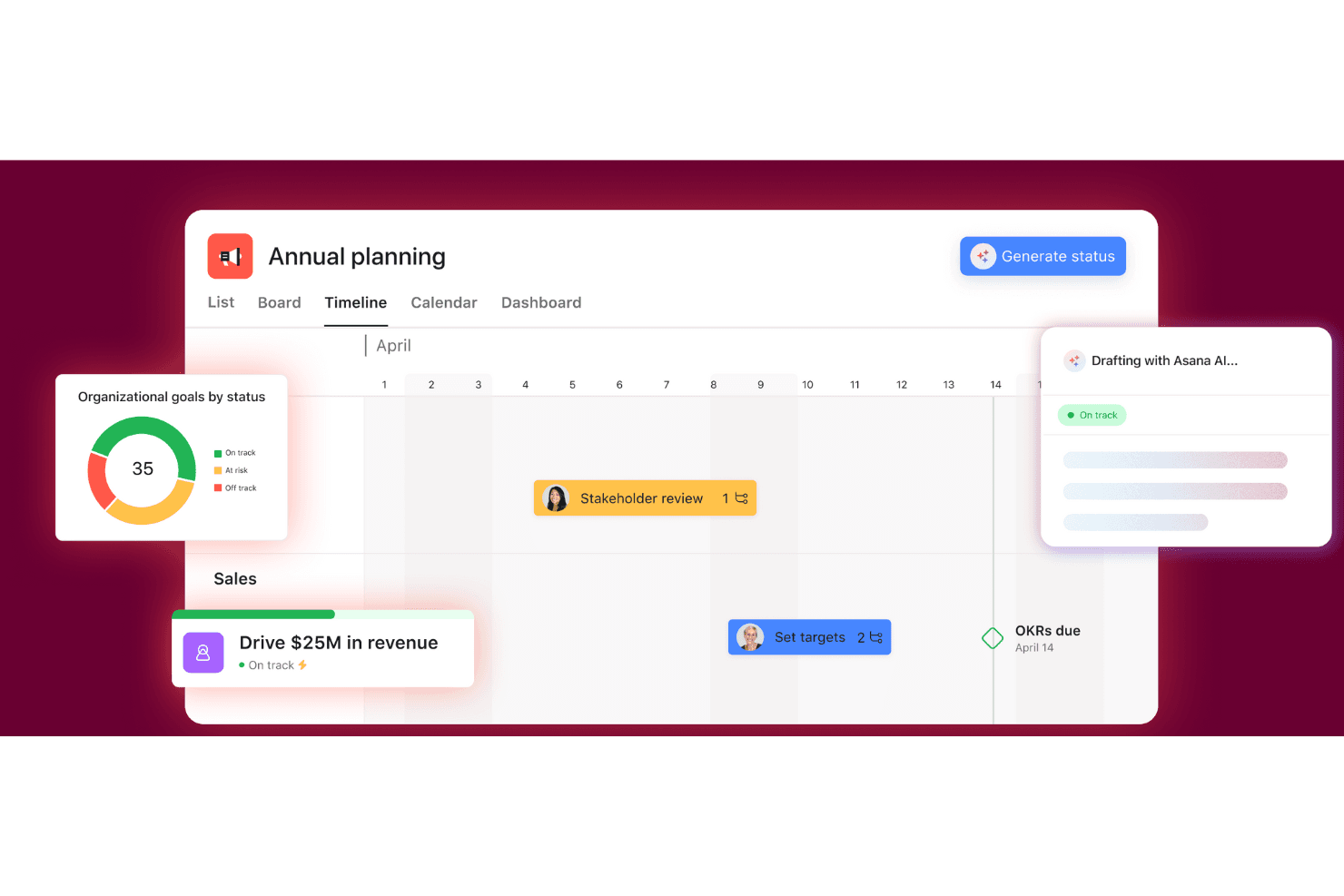
Helps teams plan and deliver work day-to-day using tasks, projects, different views (like timeline/Gantt/Kanban), updates, and personal inbox/task lists so everyone knows what’s happening and who owns what.
Goals and Reporting
Connects work to company targets and shows progress in one place using goals, portfolios, and dashboards so leaders can track results without chasing updates.
Workflows and Automation
Standardizes how work comes in and moves forward using forms, rules, bundles, and templates so repeatable processes run faster with less manual follow-up.
Resource Management
Gives visibility into who has time and who’s overloaded using workload and capacity planning so you can balance assignments and avoid burnout or missed deadlines.
Admin and Security
Controls access, privacy, and governance with admin tools, permissions, audits, and guest settings so teams can collaborate safely and stay compliant.
Ease of Use
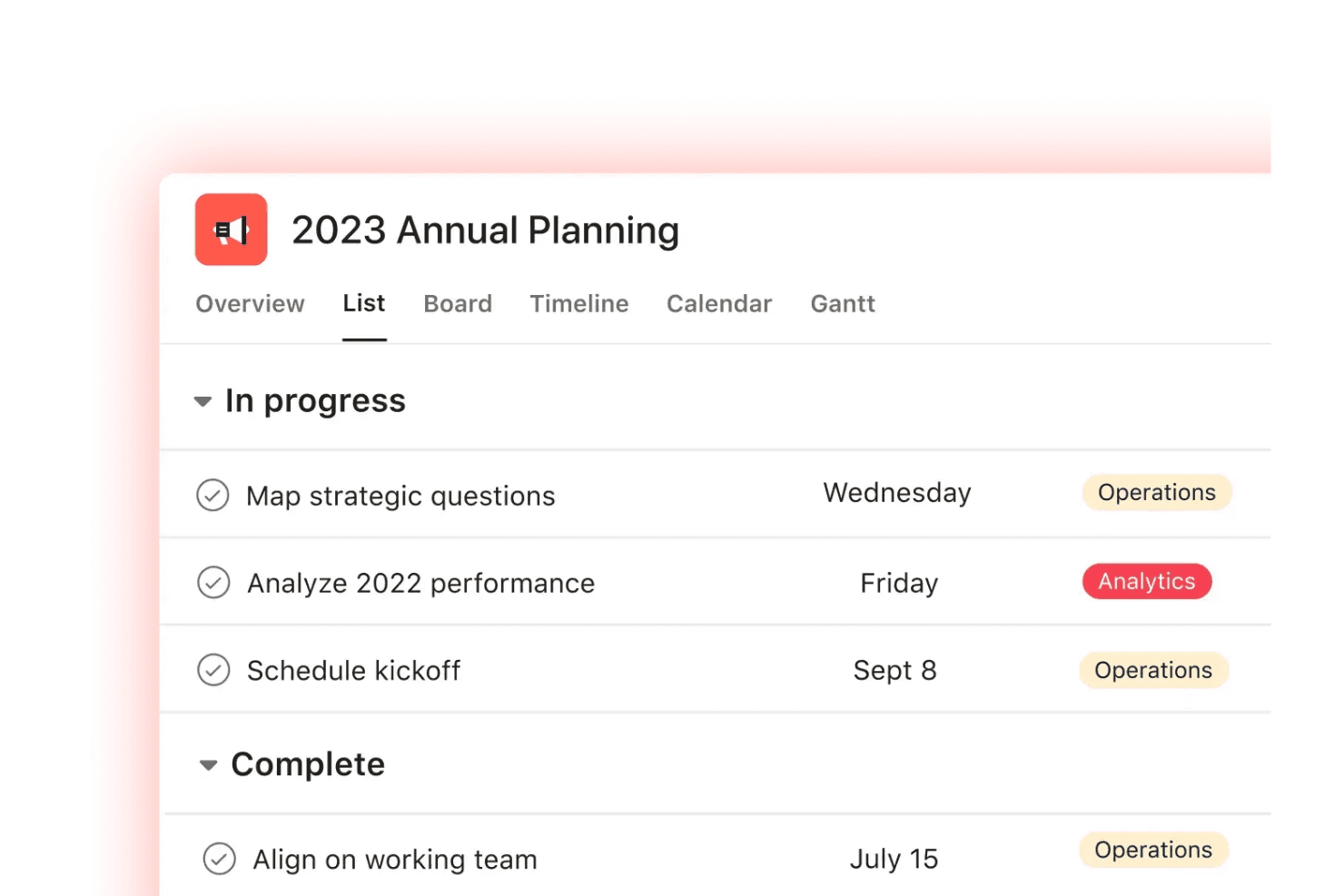
Asana shines in user-friendliness with its intuitive interface that makes it easy for your team to jump right in. The clear layout and drag-and-drop functionality simplify task management and project planning. You don't need extensive training to get started, which saves time and effort. Its design focuses on boosting your team's productivity, making it a preferred choice for those seeking a straightforward project management tool. Users appreciate how it organizes their workflows without unnecessary complexity, while routine task automation saves time.
Integrations
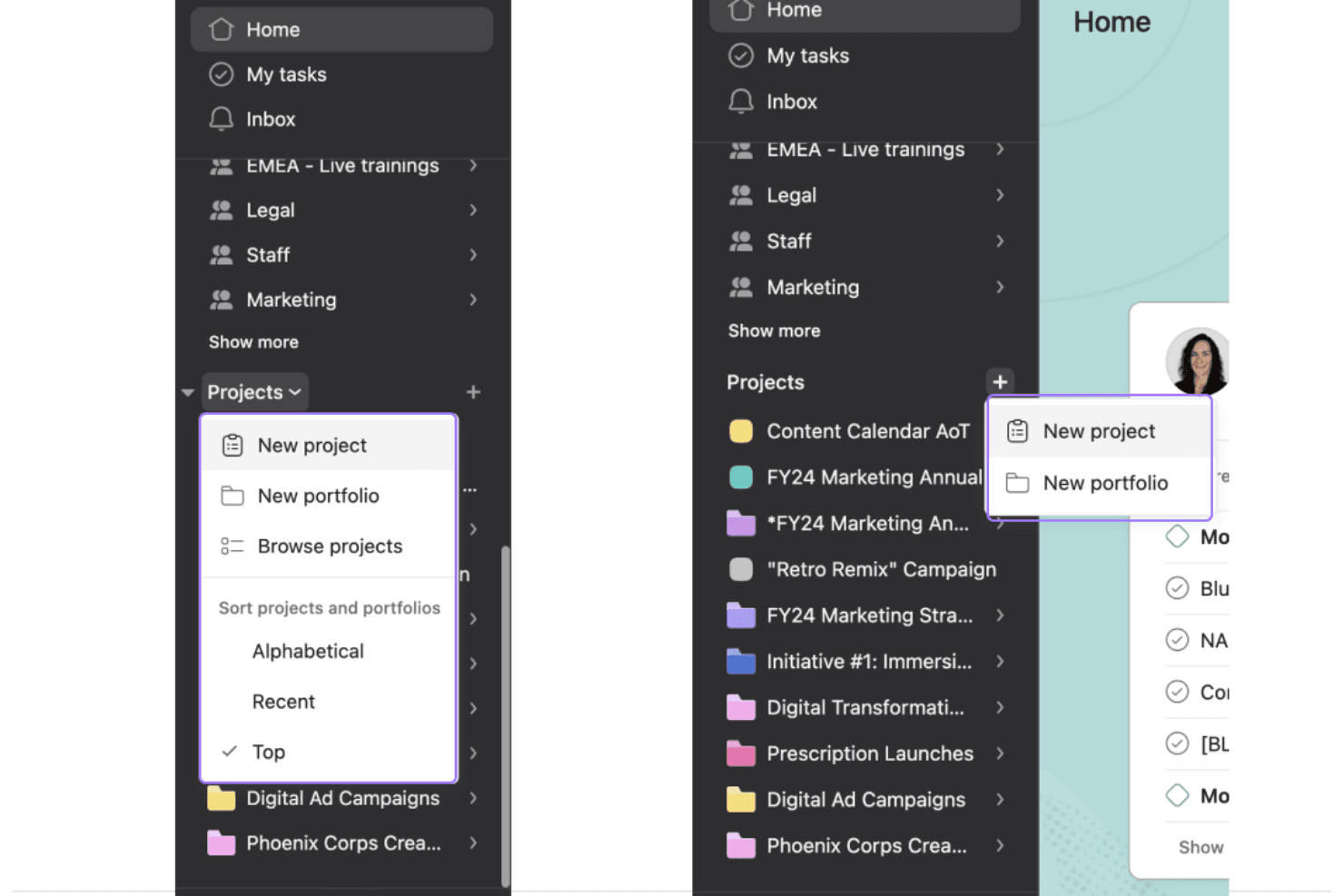
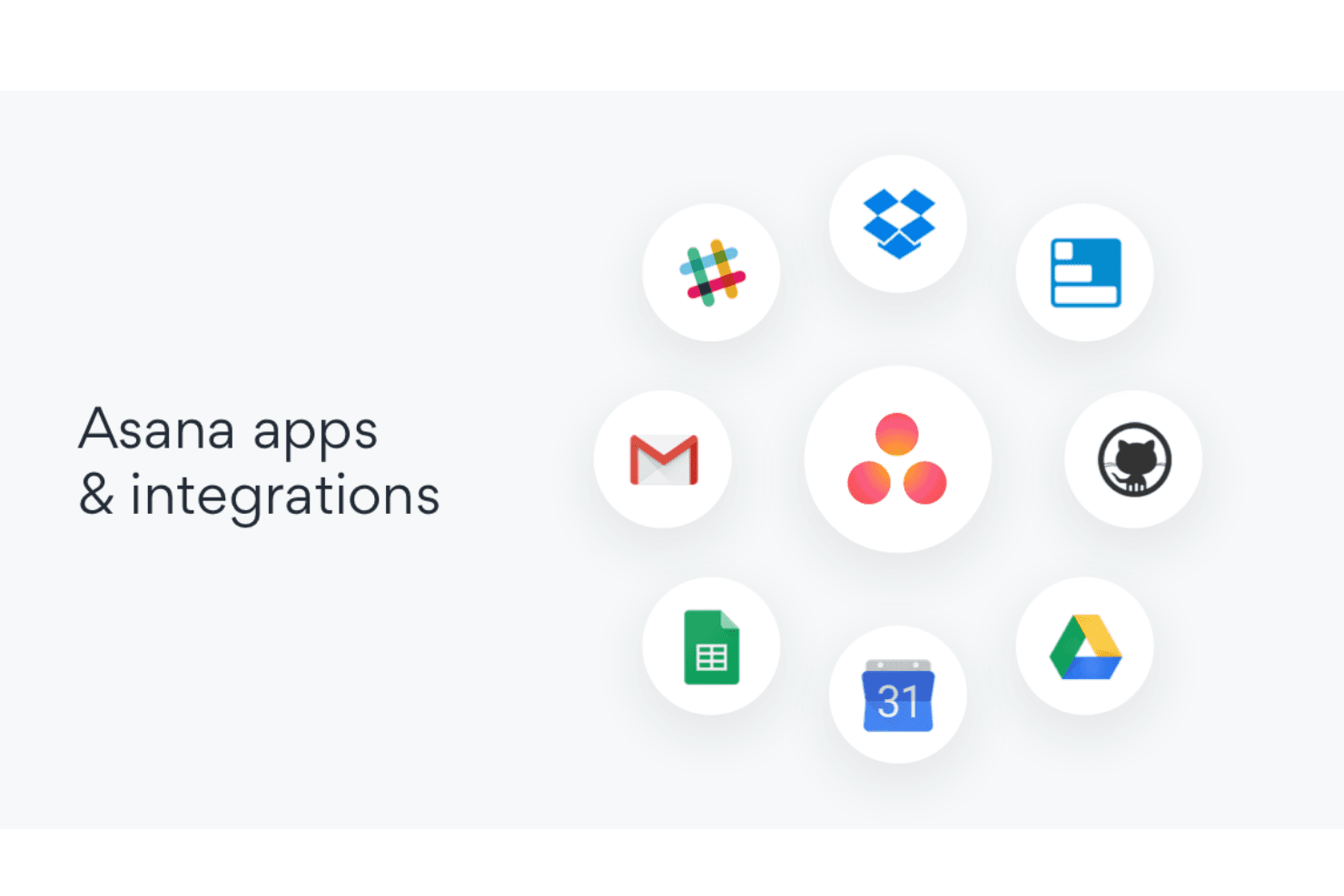
Asana has a large app directory, so you can connect the tools your team already uses communication, file storage, video calls, CRM, and developer tools. Common examples include Slack, Microsoft (Teams/Outlook), Google (Drive), Zoom, Dropbox, Salesforce, GitHub, and tools like Jira (by Atlassian).
For more flexibility, Asana also supports custom connections through its developer API and third-party connectors.
Asana Specs
- API: Yes
- Batch Permissions & Access: Yes
- Budgeting: Yes
- Calendar Management: Yes
- Collaboration Support: Yes
- Contact Management: Yes
- Contact Sharing: No
- Customer Management: No
- Dashboard: Yes
- Dashboards: Yes
- Data Export: Yes
- Data Import: Yes
- Data Visualization: Yes
- Dependency Tracking: Yes
- Document Sharing: Yes
- Expense Tracking: Yes
- External Integrations: Yes
- File Sharing: Yes
- Gantt Charts: Yes
- Kanban Boards: Yes
- Multi-User: Yes
- Notifications: Yes
- Project Management: Yes
- Resource Management: No
- Scheduling: Yes
- Task Scheduling/Tracking: Yes
- Third-Party Plugins/Add-Ons: Yes
- Time Management: Yes
- Travel Management: No
- Workflow Management: Yes


