

10 strumenti PPC per il 2026

Elenco ristretto degli strumenti PPC


Gli strumenti PPC aiutano a creare, gestire e ottimizzare gli annunci PPC e le campagne di marketing più ampie su piattaforme pubblicitarie come Google, Bing e i social media. Che tu sia un principiante o un esperto alla ricerca dei migliori strumenti di automazione, probabilmente vuoi migliorare le prestazioni del marketing PPC, automatizzare le attività che richiedono tempo e ottenere informazioni approfondite sul tuo budget pubblicitario. Con l'aumento delle tariffe CPC e la forte concorrenza, scegliere gli strumenti di IA giusti può fare davvero la differenza nel modo in cui raggiungi il tuo pubblico e dimostri il ROI, insieme alle tue attività di content marketing. Questo elenco ti aiuterà a confrontare le migliori opzioni per il 2026, così potrai abbandonare il foglio di calcolo manuale e trovare la soluzione più adatta ai tuoi obiettivi e al tuo flusso di lavoro di marketing.
Perché fidarsi dei nostri consigli sui software
Il nostro team testa e recensisce software dal 2012. In quanto leader del marketing noi stessi, sappiamo quanto sia difficile — e importante — scegliere il software giusto.
Per questa guida, abbiamo valutato gli strumenti attraverso test pratici e ricerche indipendenti, assegnando un punteggio agli strumenti in base ai nostri criteri di selezione.
Le nostre recensioni riflettono il nostro giudizio editoriale umano, non un discorso di vendita.
Riepilogo dei migliori strumenti PPC
Questa tabella comparativa riassume i dettagli dei prezzi delle mie migliori selezioni di strumenti PPC per aiutarti a trovare quello più adatto al tuo budget e alle esigenze della tua attività.
| Tool | Best For | Trial Info | Price | ||
|---|---|---|---|---|---|
| 1 | Ideale per scoprire le strategie pubblicitarie dei concorrenti | Non disponibile | Da $39/mese | Website | |
| 2 | Ideale per la ricerca delle parole chiave dei concorrenti | Piano gratuito + prova gratuita di 7 giorni + demo gratuita | Da $117.33/mese (fatturato annualmente) | Website | |
| 3 | Ideale per il reporting in dashboard unificata | Piano gratuito disponibile | Da $69/mese | Website | |
| 4 | Ideale per il test di annunci Facebook e Instagram | Prova gratuita di 14 giorni | Da $49/mese | Website | |
| 5 | Ideale per la gestione di campagne pubblicitarie su larga scala | Non disponibile | Prezzo su richiesta | Website | |
| 6 | Ideale per raggiungere il pubblico su Bing e siti partner | Non disponibile | Nessun costo minimo, paghi solo per i clic | Website | |
| 7 | Ideale per l’ottimizzazione automatizzata degli account | Prova gratuita di 14 giorni | Da $66/mese | Website | |
| 8 | Ideale per workflow avanzati di test sugli annunci | Prova gratuita di 30 giorni | Da $149/mese | Website | |
| 9 | Ideale per la pubblicità sui marketplace di e-commerce | Demo gratuita disponibile | Da $695/mese | Website | |
| 10 | Ideale per la gestione semplificata delle campagne | Demo gratuita disponibile | Non disponibile | Website |
Recensioni degli strumenti PPC
Di seguito trovi i miei riepiloghi dettagliati degli strumenti PPC entrati nel mio elenco ristretto. Le mie recensioni offrono un’analisi approfondita delle funzionalità, dei migliori casi d’uso e delle integrazioni di ogni piattaforma, per aiutarti a trovare quella più adatta a te.

SpyFu
Ideale per scoprire le strategie pubblicitarie dei concorrenti
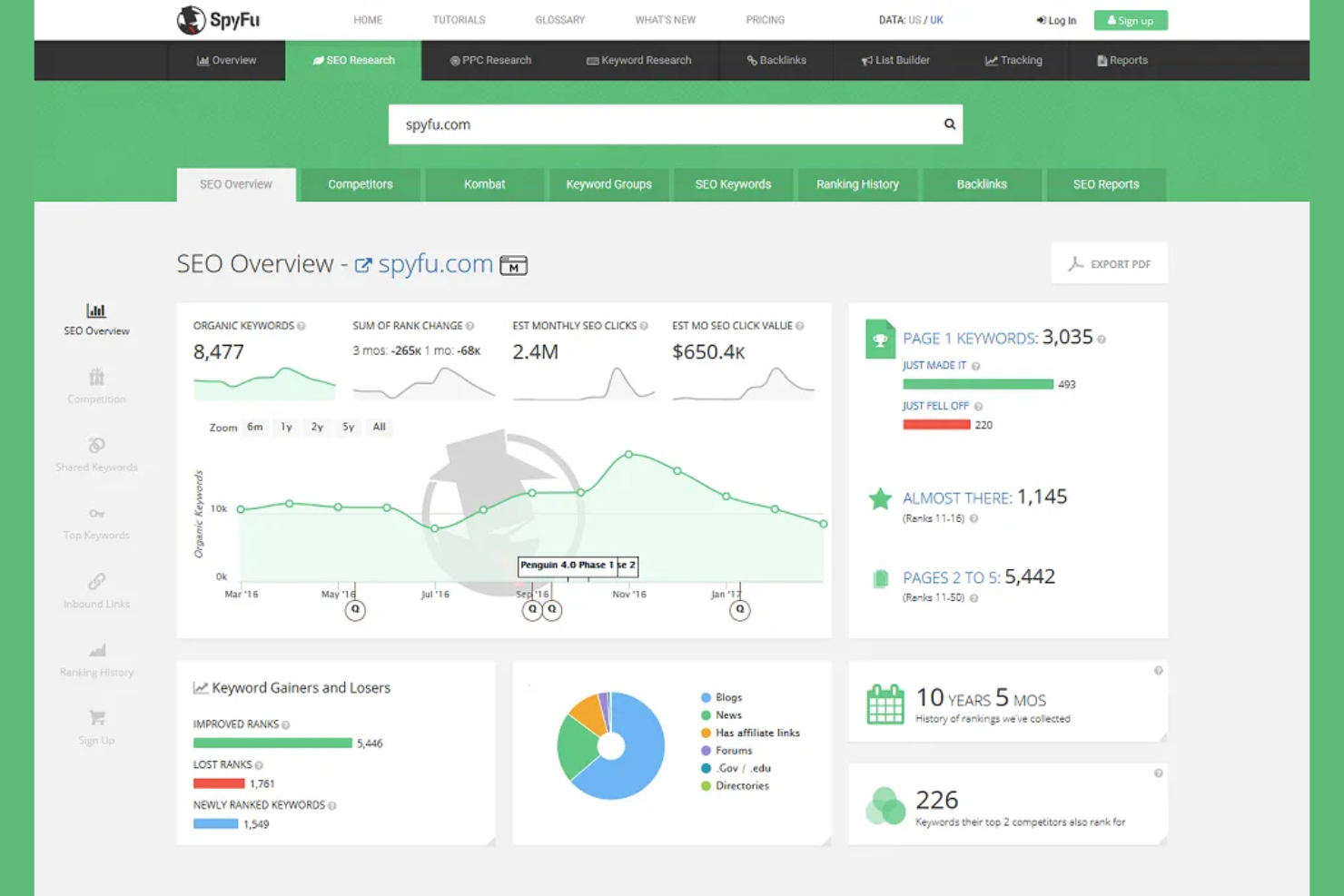
Se desideri analizzare le strategie di ricerca a pagamento dei tuoi concorrenti, SpyFu ti dà accesso alle loro campagne PPC storiche e attuali. Questo strumento è particolarmente utile per marketer digitali e agenzie che vogliono scoprire quali parole chiave, testi degli annunci e landing page portano risultati agli altri nel loro settore. Con SpyFu, puoi individuare le lacune nelle tue campagne e trovare nuove opportunità per migliorare le tue performance nella ricerca a pagamento.
Perché ho scelto SpyFu
SpyFu si distingue per la sua capacità di rivelare strategie PPC dettagliate dei concorrenti, un elemento essenziale per chi vuole confrontarsi e superare i rivali. L'ho scelto perché permette di vedere le esatte parole chiave su cui puntano i concorrenti, insieme ai relativi testi degli annunci e alla cronologia delle spese. Lo strumento consente anche di monitorare i cambiamenti nelle campagne dei concorrenti nel tempo, così puoi individuare tendenze e cambiamenti nel loro approccio. Per chi si occupa di ricerca a pagamento, queste informazioni fanno di SpyFu una risorsa preziosa per pianificare e ottimizzare le campagne.
Funzionalità principali di SpyFu
Oltre alle sue capacità di ricerca sui concorrenti, SpyFu offre anche diverse altre funzionalità per la gestione delle campagne PPC:
- Report sulla cronologia degli annunci: Accedi alla cronologia degli annunci di qualsiasi dominio per analizzare i cambiamenti di messaggi e creatività.
- Raggruppamento delle parole chiave: Organizza le parole chiave in gruppi logici per facilitare la pianificazione e la gestione delle campagne.
- Analisi delle SERP: Esamina le pagine dei risultati dei motori di ricerca per vedere quali domini si posizionano e fanno pubblicità per le parole chiave target.
- Report personalizzati con il tuo brand: Genera report scaricabili con il tuo marchio per presentazioni a clienti o uso interno.
Integrazioni di SpyFu
Le integrazioni includono Google Ads, Google Analytics, Google Search Console, WriterAccess e Slack.
Pros and Cons
Pros:
- Trova idee per parole chiave negative
- Facile esportazione di template per annunci
- Traccia rapidamente le variazioni di ranking
Cons:
- Si concentra solo sugli annunci di ricerca
- Manca il monitoraggio delle PPC sui social

Semrush
Ideale per la ricerca delle parole chiave dei concorrenti
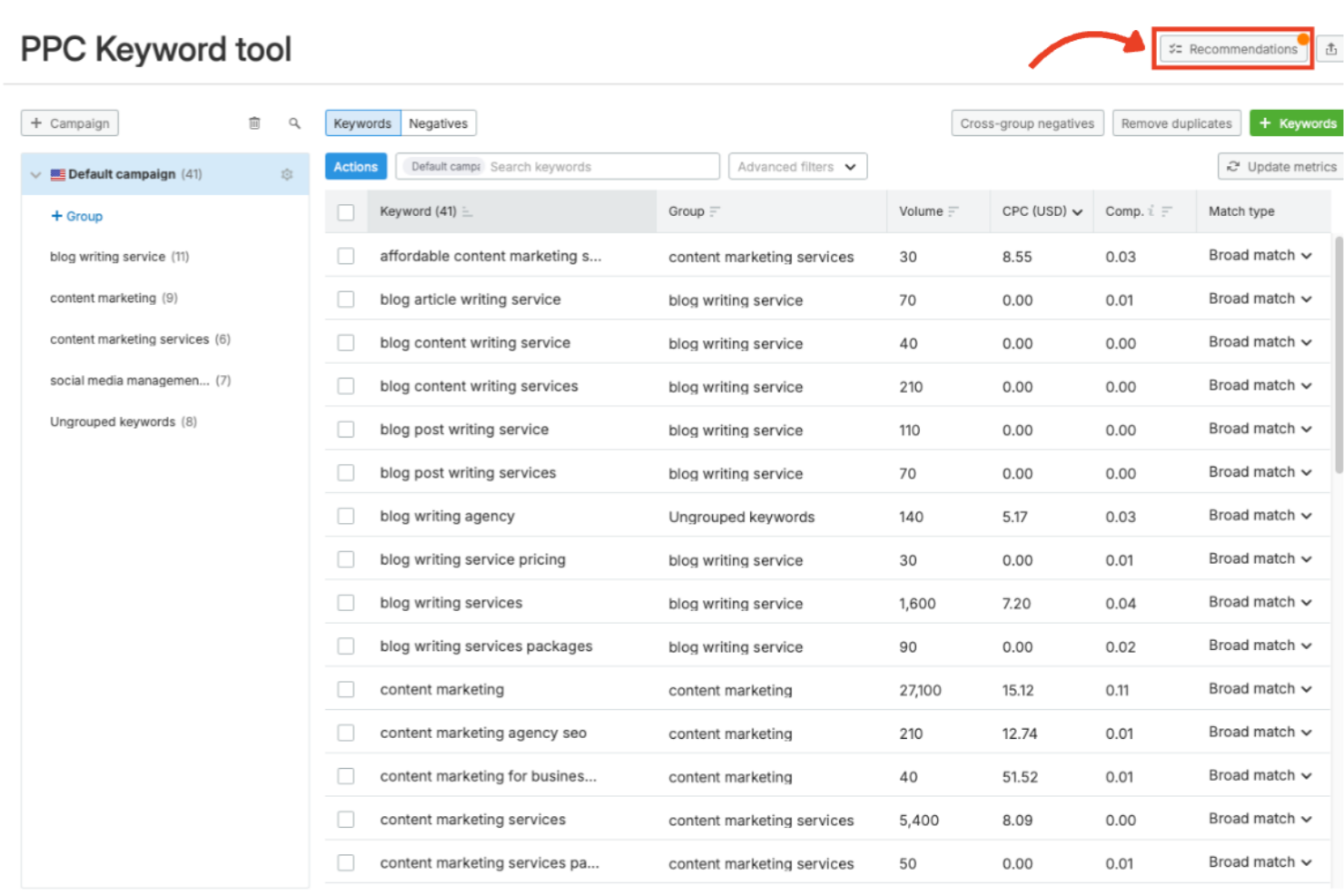
Se hai bisogno di scoprire le strategie di keyword dei tuoi concorrenti, Semrush offre un set completo di strumenti di ricerca ideati proprio per questo scopo. È una soluzione ideale per team marketing e agenzie che desiderano analizzare le campagne PPC dei rivali e individuare nuove opportunità di parole chiave. La piattaforma ti aiuta a confrontare le tue prestazioni nella ricerca a pagamento e a perfezionare la tua strategia di bidding con dati competitivi dettagliati.
Perché ho scelto Semrush
Semrush si distingue per la sua capacità di mettere in luce dati dettagliati sulle keyword dei concorrenti, essenziali per creare campagne PPC efficaci. L'ho scelto perché lo strumento Keyword Gap ti consente di confrontare direttamente il tuo portafoglio di keyword a pagamento con quello dei competitor e individuare opportunità perse. La funzione Advertising Research ti dà inoltre accesso alle creatività pubblicitarie dei rivali, alle landing page e alle stime di spesa, così puoi perfezionare la tua strategia. Per i marketer che vogliono superare la concorrenza nelle campagne a pagamento, queste funzionalità rendono Semrush una scelta potente.
Funzionalità principali di Semrush
Altre funzionalità di Semrush possono aiutarti a gestire e ottimizzare le campagne PPC:
- Strumento PPC Keyword: Crea, organizza e perfeziona liste di parole chiave per campagne a pagamento in un unico spazio di lavoro.
- Ad Builder: Crea e testa varianti di testo pubblicitario prima di lanciare le campagne su Google Ads.
- PLA Research: Analizza gli annunci Shopping dei competitor per migliorare le tue campagne shopping.
- Position Tracking: Monitora il ranking e la visibilità delle tue keyword a pagamento su diverse località e dispositivi.
Integrazioni Semrush
Le integrazioni includono Google Ads, Google Analytics, Google Search Console, WordPress e HubSpot.
Pros and Cons
Pros:
- Traccia la cronologia degli annunci
- Stima la spesa dei concorrenti
- Eccellente Keyword Magic Tool
Cons:
- L'interfaccia appare visivamente complessa
- I componenti aggiuntivi hanno un costo extra
Adzooma
Ideale per il reporting in dashboard unificata
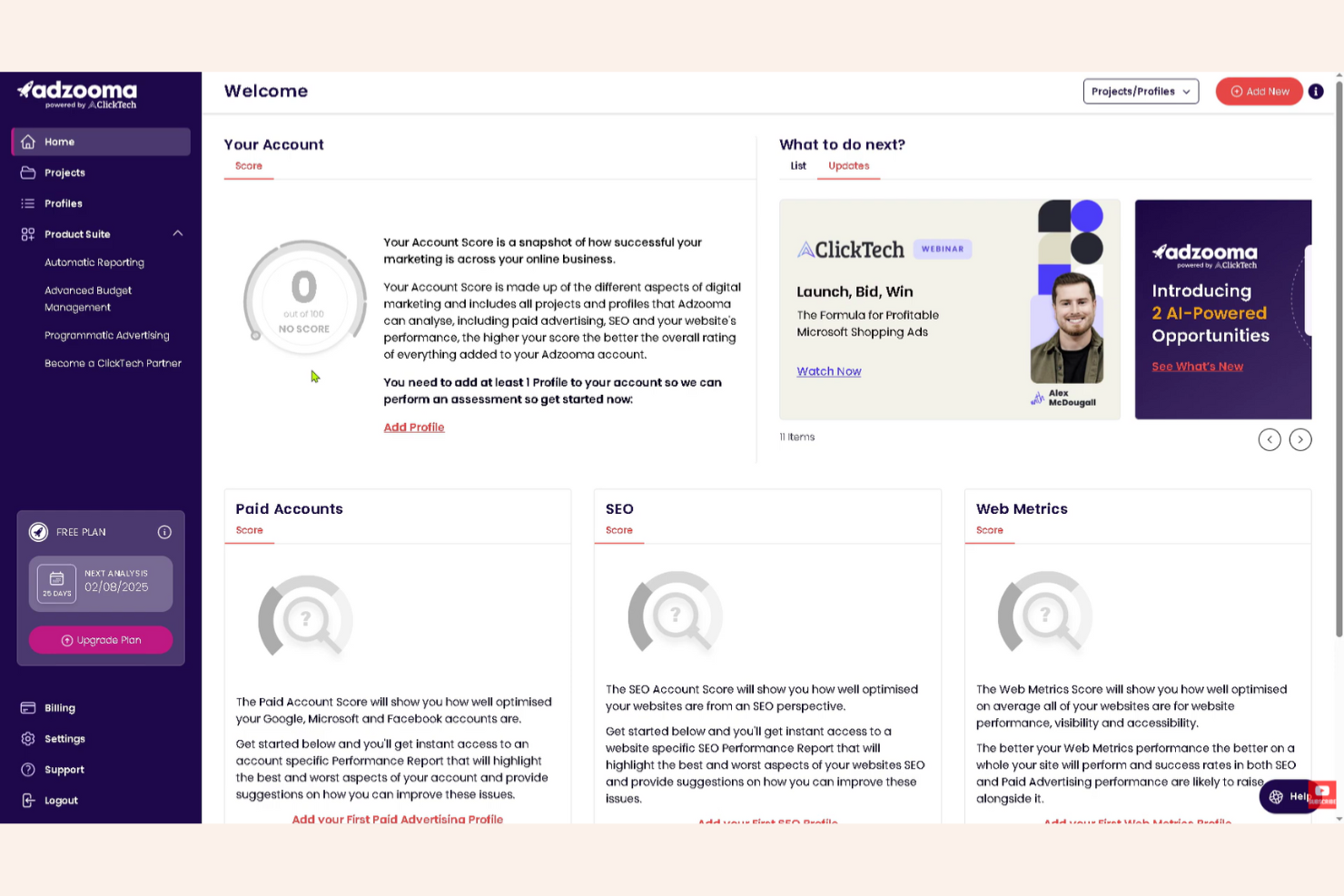
Adzooma offre ai responsabili PPC e ai team di marketing digitale una dashboard unificata per monitorare e ottimizzare le campagne su più piattaforme. Lo strumento è particolarmente utile per agenzie e aziende che gestiscono annunci Google, Facebook e Microsoft in un unico posto. Se hai bisogno di report unificati e raccomandazioni automatizzate senza dover passare da un account all'altro, Adzooma è progettato proprio per questo tipo di lavoro.
Perché ho scelto Adzooma
Per i team PPC che gestiscono più piattaforme pubblicitarie, il reporting tramite dashboard unificata di Adzooma è un grande vantaggio. La piattaforma riunisce i dati da Google, Facebook e Microsoft Ads in una vista unica e personalizzabile, così puoi monitorare le prestazioni senza cambiare scheda. Apprezzo come Adzooma consenta di creare report su misura e visualizzare i risultati cross-channel in un unico posto. Questa configurazione aiuta agenzie e marketer interni a individuare rapidamente le tendenze e a prendere decisioni informate su tutte le campagne.
Caratteristiche principali di Adzooma
Altre funzionalità che rendono Adzooma prezioso per la gestione PPC includono:
- Motore delle opportunità: Fornisce suggerimenti automatizzati per migliorare le campagne sulla base dei dati dell'account.
- Automazione delle attività: Consente di programmare e automatizzare le azioni di gestione ordinaria degli account.
- Strumento di confronto delle prestazioni: Permette di confrontare i risultati tra diverse campagne, gruppi di annunci o periodi di tempo.
- Report in white label: Genera report personalizzabili che possono essere brandizzati per clienti o stakeholder.
Integrazioni di Adzooma
Le integrazioni includono Google Ads, Microsoft Advertising e Meta Ads.
Pros and Cons
Pros:
- Supporta più network
- Interfaccia pulita e semplice
- Utile directory di agenzie SEO
Cons:
- Le funzionalità avanzate hanno un costo aggiuntivo
- Ritardi nella sincronizzazione occasionali

Ideale per il test di annunci Facebook e Instagram
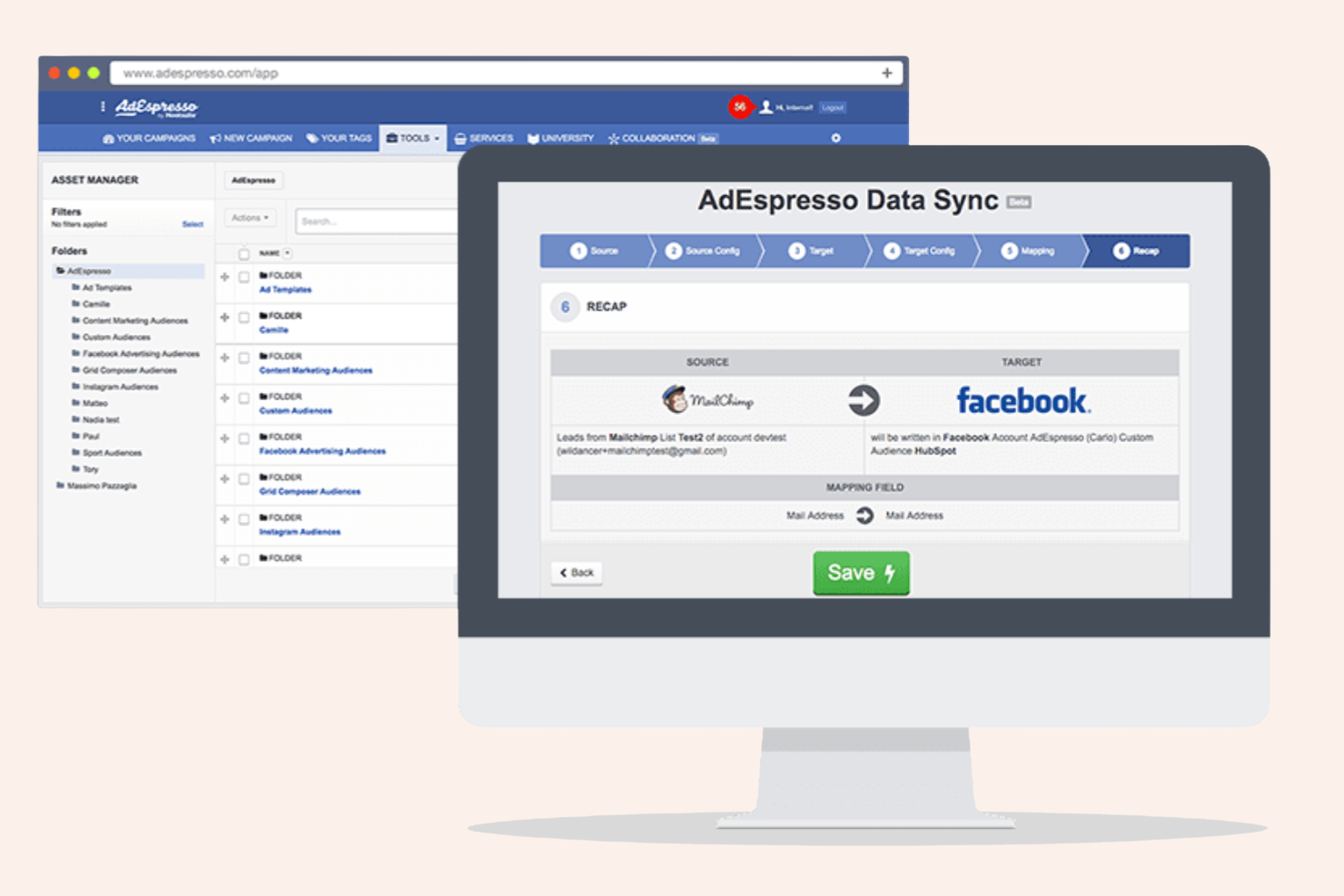
Per i marketer che si concentrano sulla pubblicità a pagamento sui social, AdEspresso offre strumenti specializzati per testare e ottimizzare gli annunci su Facebook e Instagram. È una soluzione particolarmente adatta per agenzie e team interni che desiderano eseguire esperimenti multivariati sugli annunci senza configurazioni manuali. La piattaforma ti aiuta a identificare rapidamente le combinazioni di creatività e pubblico che ottengono le migliori performance, rendendo più facile migliorare il ROI sulle piattaforme Meta.
Perché ho scelto AdEspresso
AdEspresso è progettato appositamente per i marketer che vogliono testare e ottimizzare su larga scala gli annunci Facebook e Instagram. L'ho scelto perché il suo processo di creazione delle campagne ti permette di impostare test multivariati su creatività, pubblico e posizionamenti in pochi passaggi. La dashboard di analisi della piattaforma suddivide le prestazioni per ogni variante di annuncio, in modo da individuare rapidamente cosa funziona. Per chiunque si occupi di social advertising a pagamento, queste funzionalità di test e reporting rendono AdEspresso una scelta solida.
Funzionalità principali di AdEspresso
Oltre alle sue capacità di test e reporting, AdEspresso offre altre funzionalità per la gestione delle campagne social a pagamento:
- Regole di ottimizzazione automatica: Imposta regole personalizzate per mettere in pausa, promuovere o modificare automaticamente gli annunci in base alle metriche di performance.
- Strumenti di collaborazione: Invita membri del team o clienti a revisionare, commentare e approvare le campagne direttamente sulla piattaforma.
- Programmazione degli annunci: Pianifica la pubblicazione degli annunci in determinati orari o giorni per adattarti alle abitudini della tua audience.
- Report in PDF: Genera report PDF personalizzabili per condividere i risultati delle campagne con gli stakeholder.
Integrazioni AdEspresso
Le integrazioni includono Facebook Ads, Instagram Ads e Google Ads.
Pros and Cons
Pros:
- Dashboard visuale chiara
- Regole di ottimizzazione automatica
- Ottimo per l'advertising su Meta
Cons:
- Manca di profondità su Google Search
- Le analisi possono caricarsi lentamente

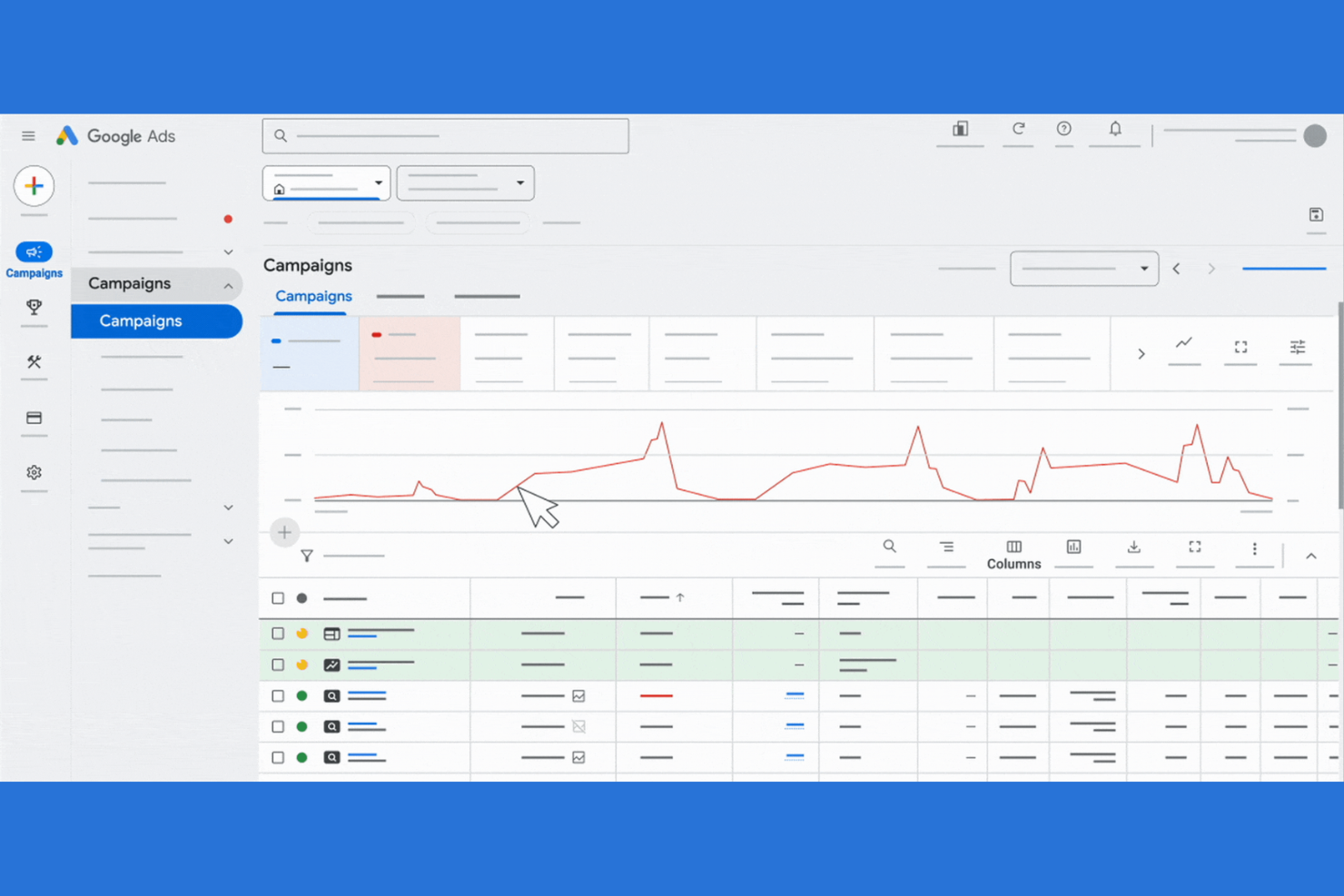
Se hai bisogno di gestire campagne pubblicitarie ad alto volume su più mercati, Google Ads offre l'estensione e la flessibilità per farlo. Questa piattaforma è progettata per team di marketing e agenzie che desiderano un controllo granulare su budget, targeting e creatività su larga scala. È particolarmente utile per le aziende che mirano a massimizzare la visibilità su Google Search, YouTube e siti partner.
Perché ho scelto Google Ads
Ho scelto Google Ads perché è specificamente progettato per gestire campagne pubblicitarie su larga scala con requisiti complessi. La piattaforma supporta strutture avanzate di campagne, permettendoti di organizzare migliaia di annunci e parole chiave su più account e mercati. Apprezzo le opzioni dettagliate di targeting del pubblico e le offerte automatiche, che aiutano a allocare il budget in modo efficiente su larga scala. Google Ads mette inoltre a disposizione strumenti di reportistica avanzati, in modo da poter monitorare le prestazioni e adattare le strategie per campagne ad alto volume.
Funzionalità principali di Google Ads
Altre funzionalità di Google Ads particolarmente utili per la gestione PPC includono:
- Annunci di ricerca responsivi: Test automatici di titoli e descrizioni differenti per individuare le combinazioni di annunci più performanti.
- Estensioni annuncio: Aggiungi link al sito, callout e snippet strutturati ai tuoi annunci per fornire più informazioni e aumentare la visibilità.
- Monitoraggio delle conversioni: Misura le azioni specifiche che gli utenti compiono dopo aver cliccato sui tuoi annunci, come acquisti o iscrizioni, per valutare l'efficacia delle campagne.
- Google Keyword Planner: Ricerca e scopri nuove parole chiave, insieme a volumi di ricerca e dati previsionali, per guidare la strategia della tua campagna.
Integrazioni di Google Ads
Le integrazioni includono Google Analytics, Google Search Console, YouTube, Salesforce e HubSpot.
Pros and Cons
Pros:
- Potente intelligenza artificiale di apprendimento automatico
- Targeting del pubblico molto dettagliato
- Si integra facilmente con GA4
Cons:
- L'interfaccia cambia spesso
- Il supporto può essere poco utile

Per i marketer che desiderano raggiungere un pubblico oltre Google, Microsoft Advertising permette di accedere a Bing, Yahoo e a una rete di siti partner. Questa piattaforma è particolarmente indicata per le aziende che vogliono diversificare la propria strategia PPC e raggiungere segmenti di ricerca unici. È particolarmente utile per i team che desiderano ampliare il proprio raggio d’azione su utenti meno attivi sui prodotti Google.
Perché ho scelto Microsoft Advertising
Ciò che distingue Microsoft Advertising è la sua capacità di raggiungere un pubblico su Bing e su un’ampia rete di siti partner non accessibili tramite Google Ads. Questo la rende una scelta valida per campagne PPC rivolte a utenti che preferiscono motori di ricerca alternativi o hanno abitudini di navigazione differenti. Apprezzo il fatto che la piattaforma offra il targeting dei profili LinkedIn, consentendo di affinare il pubblico in base ad attributi professionali. Microsoft Advertising supporta inoltre strumenti di importazione per campagne Google Ads, agevolando l’espansione della portata senza dover ricostruire le campagne da zero.
Funzionalità principali di Microsoft Advertising
Ho riscontrato anche altre funzionalità in Microsoft Advertising che risultano preziose per la gestione PPC:
- Annunci sulla Audience Network: Distribuisci annunci sulla rete di siti, app e posizionamenti partner di Microsoft oltre i risultati di ricerca.
- Personalizzatori di annunci: Aggiorna dinamicamente il contenuto degli annunci in base alla posizione dell’utente, al dispositivo o all’ora del giorno.
- Campagne Shopping: Promuovi prodotti direttamente nei risultati di ricerca Bing con informazioni dettagliate e immagini dei prodotti.
- Regole automatizzate: Imposta regole personalizzate per modificare automaticamente offerte, budget o stato degli annunci in base a criteri di performance.
Integrazioni di Microsoft Advertising
Le integrazioni comprendono Bing Places for Business, Bing Webmaster Tools, Microsoft Clarity, Microsoft 365, MSN, Microsoft Edge e Netflix.
Pros and Cons
Pros:
- Raggiunge fasce demografiche più mature
- Importazione da Google Ads semplice
- Ottime opzioni di targeting B2B
Cons:
- Traffico di ricerca mobile debole
- L’assistenza può essere molto lenta

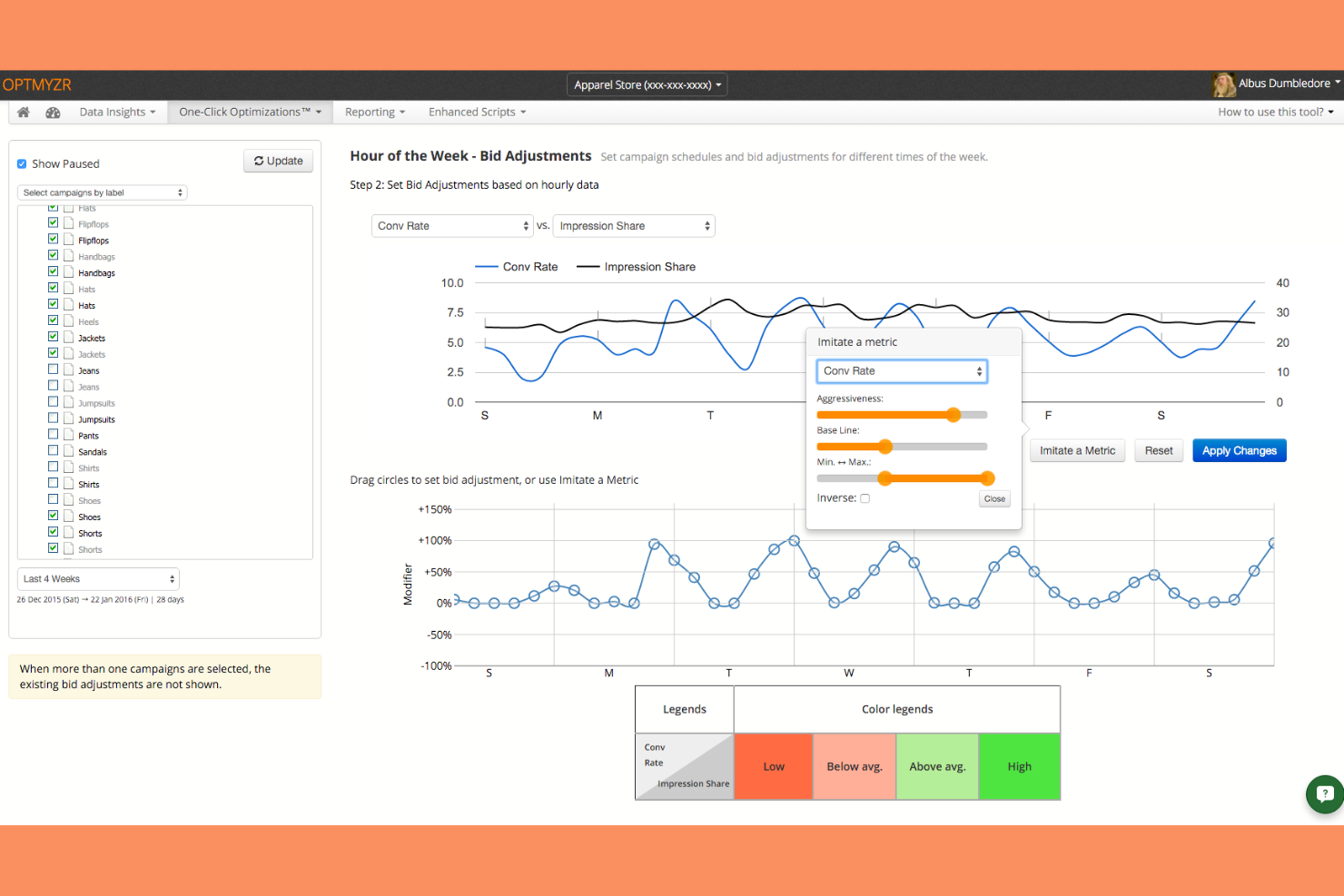
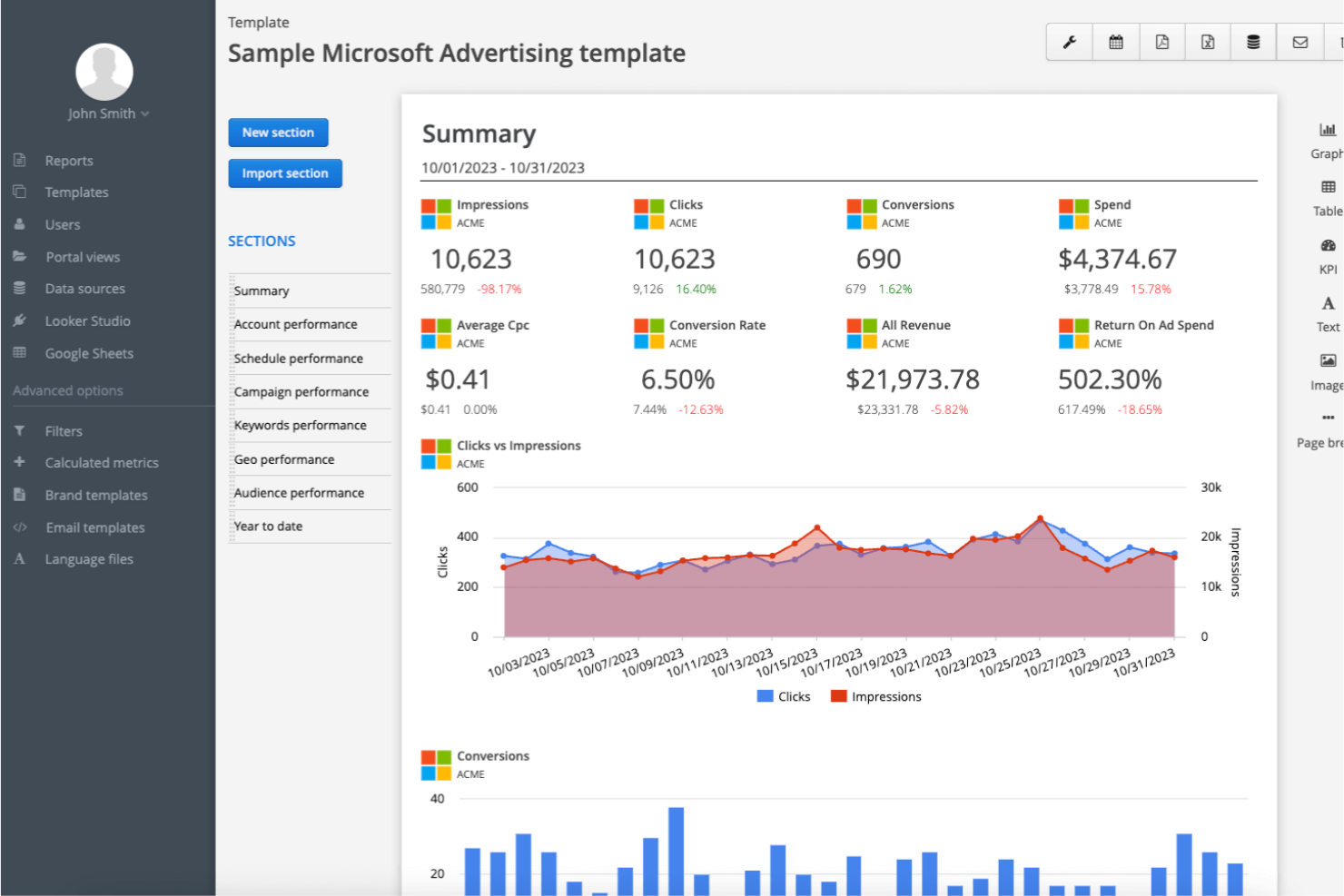
Optmyzr è progettato per i responsabili PPC e le agenzie che desiderano automatizzare e scalare l'ottimizzazione degli account su più piattaforme. Lo strumento offre flussi di lavoro basati su regole e sull’intelligenza artificiale che ti aiutano a gestire offerte, budget e script senza intervento manuale. Se desideri ridurre le attività ripetitive e concentrarti sulla strategia, Optmyzr porta automazione e controllo nella gestione del search advertising a pagamento.
Perché ho scelto Optmyzr
L'ottimizzazione automatizzata degli account è il vero punto di forza di Optmyzr per i professionisti PPC che vogliono scalare i propri sforzi. L’ho scelto perché le sue ottimizzazioni basate su regole e i controlli degli account con un solo clic consentono di identificare e cogliere rapidamente le opportunità su più campagne. Il sistema di automazione stratificata permette di combinare script, regole personalizzate e suggerimenti guidati dall’AI per mantenere le prestazioni degli account senza controlli manuali costanti. Per chi gestisce account PPC complessi o ad alto volume, le funzionalità di automazione di Optmyzr aiutano a mantenere il controllo riducendo il lavoro ripetitivo.
Caratteristiche principali di Optmyzr
Altre funzionalità che rendono Optmyzr utile per i team PPC includono:
- Shopping Campaign Builder: Crea e gestisci campagne Google Shopping con organizzazione automatica dei gruppi prodotto.
- PPC Investigator: Visualizza gli spostamenti delle performance e individua le cause principali con grafici interattivi e suddivisioni dettagliate.
- Strumenti di monitoraggio del budget: Monitora la spesa tra più account e imposta avvisi su andamento e limiti di budget.
- Editor di report personalizzati: Crea e pianifica report di performance con il tuo brand tramite widget drag-and-drop.
Integrazioni di Optmyzr
Le integrazioni includono Google Ads, Microsoft Ads, Amazon Ads, Meta Ads e LinkedIn Ads.
Pros and Cons
Pros:
- Supporto multi-piattaforma per annunci
- Ottimizzazioni con un solo clic
- Ottimi strumenti di reporting
Cons:
- Difficile per i principianti PPC
- Set di funzionalità vasto e complesso

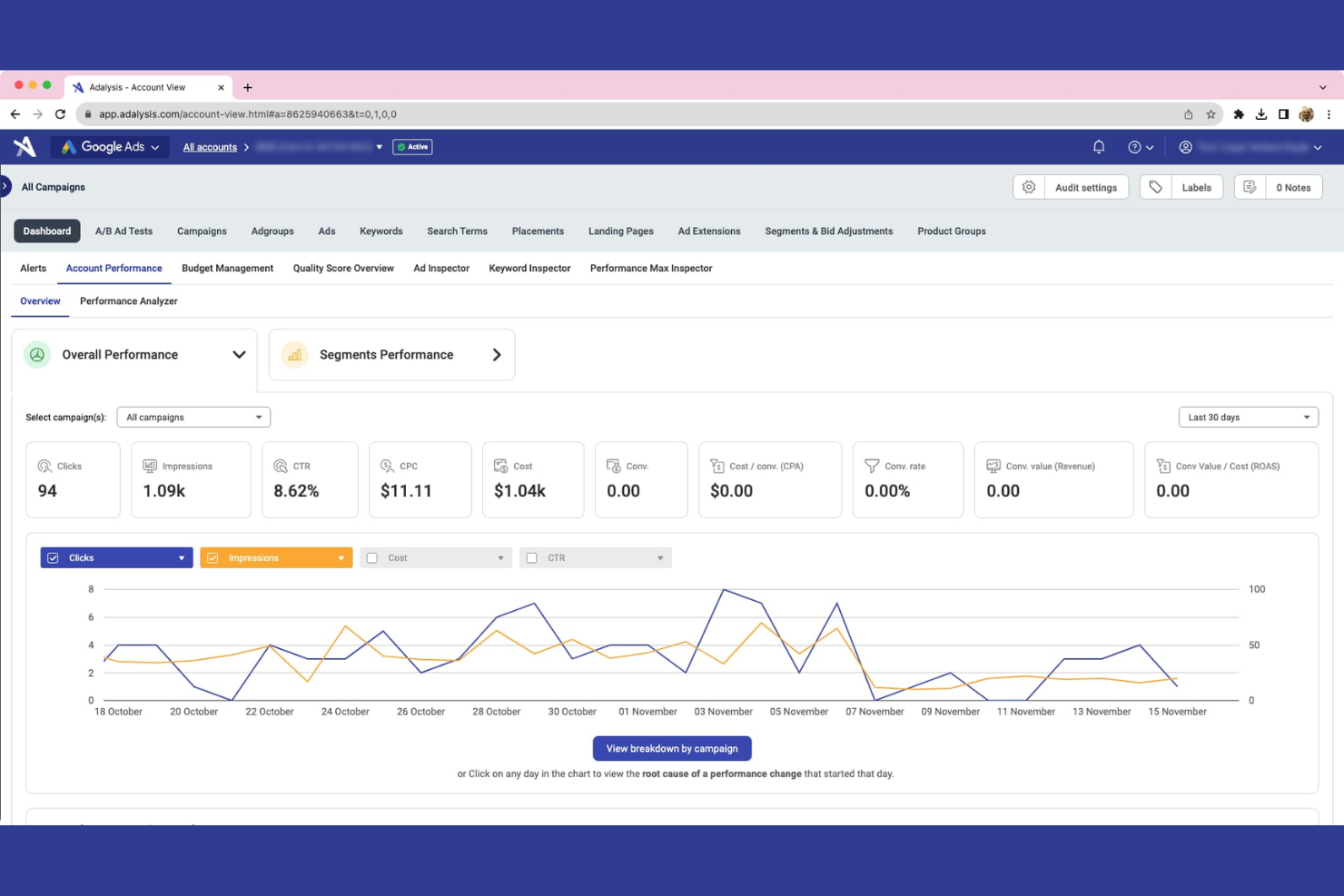
Adalysis è progettato per specialisti PPC e agenzie che desiderano eseguire test avanzati sugli annunci su larga scala. La piattaforma offre analisi statistiche automatizzate e avvisi operativi, aiutandoti a identificare rapidamente gli annunci con performance insufficienti e a ottimizzare le creatività. Se gestisci campagne ad alto volume e hai bisogno di workflow strutturati e guidati dai dati per i test, Adalysis apporta rigore e automazione al tuo processo di ottimizzazione degli annunci.
Perché ho scelto Adalysis
I workflow avanzati di test sugli annunci distinguono Adalysis per i team PPC focalizzati sul miglioramento continuo. L'ho scelto perché il suo test automatizzato di significatività statistica aiuta a identificare rapidamente quali annunci superano realmente gli altri, eliminando le congetture dalle decisioni creative. La piattaforma offre anche avvisi operativi e strumenti per test in blocco, così puoi gestire esperimenti su centinaia di gruppi di annunci senza monitoraggio manuale. Per chi vuole portare rigore scientifico e automazione nei test degli annunci, Adalysis offre un set di funzionalità specificatamente progettato per questo scopo.
Funzionalità principali di Adalysis
Oltre alle sue capacità avanzate di test sugli annunci, Adalysis offre diverse altre funzionalità a supporto della gestione PPC:
- Monitoraggio Quality Score: Monitora le variazioni del punteggio di qualità tra le campagne e ricevi avvisi per cambiamenti significativi.
- Audit automatici dell’account: Esegui audit regolari per identificare problemi come link interrotti, estensioni degli annunci mancanti o annunci non approvati.
- Strumenti di gestione del budget: Imposta e monitora gli obiettivi di spesa con avvisi sul ritmo e raccomandazioni di budget.
- Dashboard di performance personalizzabili: Crea dashboard per visualizzare metriche chiave e tendenze su più account.
Integrazioni di Adalysis
Le integrazioni includono Google Ads e Microsoft Ads.
Pros and Cons
Pros:
- Avvisi automatici sull’account
- Facile controllo tra campagne
- Individua termini di ricerca duplicati
Cons:
- Prezzo che cresce con la spesa pubblicitaria
- Funzionalità social limitate
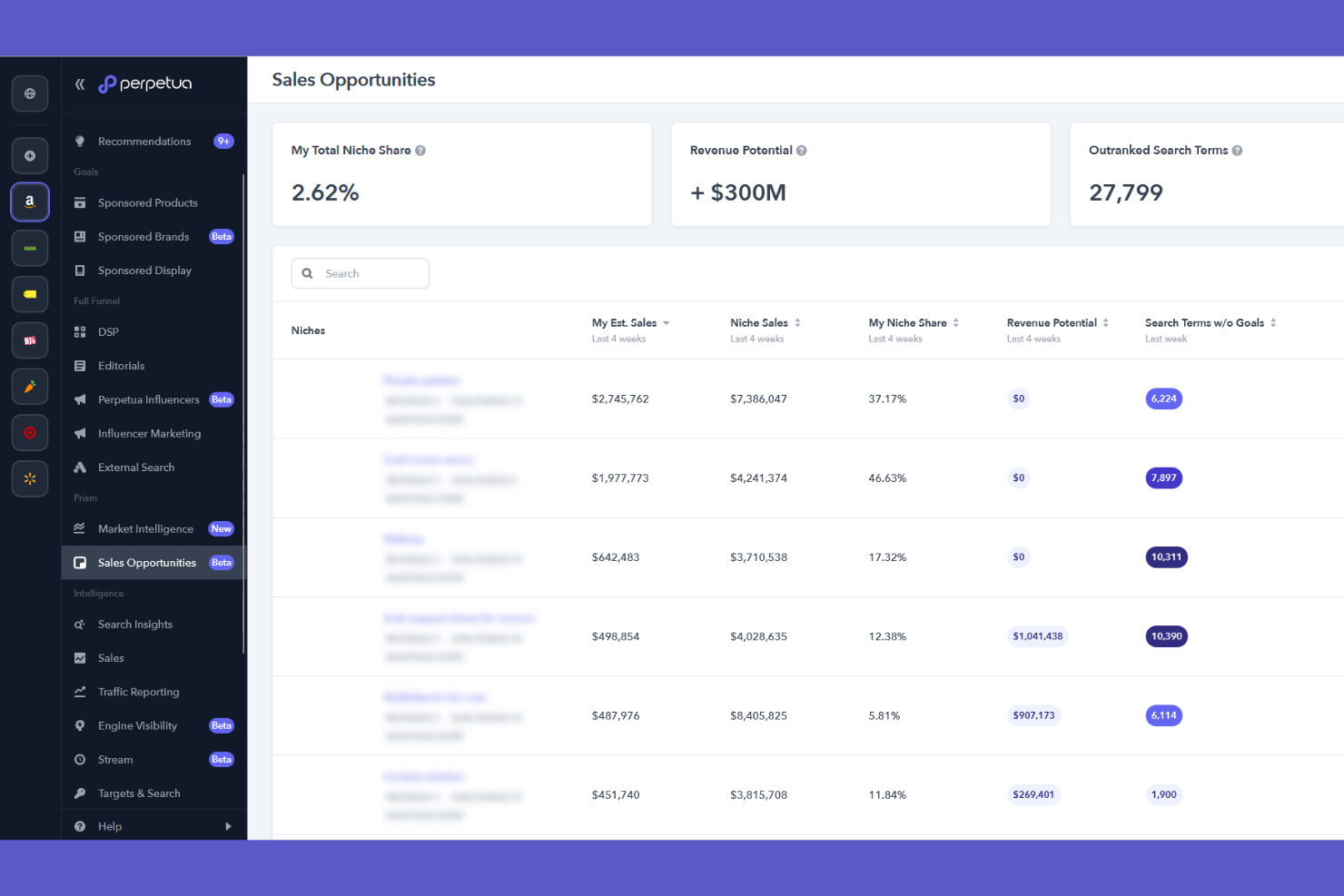
Se gestisci annunci su Amazon, Walmart o altri marketplace di e-commerce, Perpetua è progettato per aiutarti a gestire e ottimizzare quelle campagne in un unico posto. La piattaforma è pensata per marchi e agenzie e-commerce che necessitano di automazione avanzata, analisi dettagliate e strumenti creativi su misura per la pubblicità nei marketplace. Perpetua si distingue per le sue funzionalità specifiche per i marketplace, come l'ottimizzazione delle offerte basata su intelligenza artificiale e il monitoraggio in tempo reale delle parole chiave, che affrontano le sfide uniche dei media retail.
Perché ho scelto Perpetua
A differenza della maggior parte degli strumenti PPC che si concentrano sui canali di ricerca o social, Perpetua è pensato appositamente per la pubblicità sui marketplace di e-commerce. Ho scelto Perpetua perché offre automazione delle campagne basata su IA e raccolta di parole chiave specificamente per piattaforme come Amazon, Walmart e Instacart. Il generatore creativo per annunci video brandizzati e la dashboard di analisi in tempo reale sono particolarmente utili per i team che si occupano di media retail. Queste funzionalità aiutano marchi e agenzie e-commerce a gestire le campagne dei marketplace con la precisione e l’automazione che spesso mancano alle piattaforme PPC generiche.
Funzionalità principali di Perpetua
Altre caratteristiche che rendono Perpetua un punto di riferimento per gli inserzionisti dei marketplace includono:
- Monitoraggio della quota di voce: Controlla la visibilità e il posizionamento del tuo marchio per parole chiave target nei vari marketplace.
- Dayparting automatico: Regola offerte e budget in base ai dati sulle prestazioni nelle diverse fasce orarie.
- Impostazione di obiettivi personalizzati: Ti consente di definire e monitorare obiettivi di campagna come ROAS, vendite o nuovi clienti acquisiti dal marchio.
- Dashboard degli insight sui marketplace: Riunisce i dati sulle prestazioni di diversi marketplace in una sola vista analitica.
Integrazioni di Perpetua
Le integrazioni includono Amazon Ads, Walmart Connect, Instacart Ads, Target Roundel e Amazon Marketing Cloud.
Pros and Cons
Pros:
- Ottimi insight sulle quote di mercato
- Migliora i posizionamenti organici degli annunci
- Eccellente creatore di annunci video
Cons:
- Serve tempo affinché l’IA apprenda
- Processo di onboarding complesso
Se stai cercando un modo per semplificare la gestione delle campagne PPC, WordStream è stato progettato pensando alle piccole imprese e ai team di marketing. La piattaforma centralizza la creazione, l'ottimizzazione e la reportistica delle campagne per Google, Microsoft e Facebook Ads. WordStream è particolarmente utile per chi desidera raccomandazioni guidate e automazione senza la complessità degli strumenti di livello enterprise.
Perché ho scelto WordStream
La gestione semplificata delle campagne è il punto di forza di WordStream per i team PPC che vogliono ridurre il lavoro manuale. L'ho scelto perché la sua funzione 20-Minute Work Week offre una checklist prioritaria delle attività di ottimizzazione, facilitando la gestione delle campagne senza sentirsi sopraffatti. La piattaforma propone anche raccomandazioni automatizzate per aggiustamenti delle offerte, inserimento di nuove parole chiave e suggerimenti di parole chiave negative, aiutandoti ad agire rapidamente sugli insight delle prestazioni. Per i marketer che vogliono gestire più canali pubblicitari senza passare da una dashboard all'altra, WordStream riunisce tutto in un unico luogo.
Funzionalità principali di WordStream
Altre funzionalità che rendono WordStream utile per la gestione PPC includono:
- Reportistica cross-platform: Genera report unificati per Google, Microsoft e Facebook Ads in una sola dashboard.
- Landing Page Grader: Analizza le landing page per fattori di rilevanza e prestazioni collegati alle campagne pubblicitarie.
- Integrazione del monitoraggio delle chiamate: Traccia e attribuisce le conversioni delle chiamate telefoniche direttamente alle tue campagne PPC.
- Suggerimenti per la struttura degli account: Ricevi raccomandazioni automatizzate per la ristrutturazione di campagne e gruppi di annunci al fine di migliorarne le prestazioni.
Integrazioni di WordStream
Le integrazioni includono Google Ads, Microsoft Advertising e Facebook Ads.
Pros and Cons
Pros:
- Reportistica cross-platform
- Performance grader gratuito
- Ottime risorse educative
Cons:
- Test A/B approfonditi limitati
- Si concentra principalmente sulle PMI
Altri strumenti PPC
Ecco alcune ulteriori opzioni di strumenti PPC che non sono entrate nel mio elenco ristretto, ma che vale comunque la pena valutare:


Come Valuto gli Strumenti PPC
Valuto gli strumenti PPC su due livelli: le capacità di base che ogni strumento deve avere—come la gestione delle campagne su più network e le offerte automatiche—e i fattori che li differenziano e che distinguono i migliori dagli altri.
Funzionalità di Base (Requisiti Fondamentali per Questa Lista)
Quando seleziono gli strumenti per la mia lista, valuto ciascuno su una scala da 0 (non offre la funzionalità) a 5 (eccelle in quest'area) per ogni funzionalità base elencata di seguito. Poi calcolo il punteggio totale dello strumento come percentuale. Ogni strumento deve raggiungere un punteggio totale minimo del 75% per essere considerato.
- Gestione Annunci su Più Piattaforme: Controllo se posso lanciare e modificare le campagne su Google Ads, Microsoft Ads e Meta da un'unica dashboard invece di passare da una piattaforma all'altra.
- Ricerca e Gestione delle Parole Chiave: Qui sono importanti gli strumenti di scoperta, raggruppamento e parole chiave a corrispondenza negativa—soprattutto il mining dei termini di ricerca per intercettare query inutili che sfuggono alla corrispondenza generica.
- Ottimizzazione Offerte e Budget: Cerco offerte automatiche legate a obiettivi come target CPA o ROAS, oltre al controllo del budget che impedisce di sforare prima della fine della campagna.
- Analisi delle Prestazioni delle Campagne: Le dashboard devono coprire almeno CPC, CTR, conversioni e ROAS—e valuto se i report possono essere programmati o condivisi con gli stakeholder.
- Analisi della Concorrenza e delle Pubblicità: Strumenti come Semrush e SpyFu affrontano questo aspetto in modo diverso, quindi valuto le informazioni ottenute: parole chiave dei concorrenti, cronologia delle inserzioni, stime di spesa o dati SOV.
- Test degli Annunci e delle Creatività: Cerco test A/B o multivariati con monitoraggio chiaro delle performance così da poter ruotare le varianti degli annunci e identificare i vincitori senza doverlo fare manualmente.
Una volta che ho una lista di strumenti che soddisfano questi criteri, considero cosa distingue ciascuna piattaforma dalle altre.
Fattori Differenzianti (Cosa Distingue i Fornitori)
Ecco come confronto e distinguo i diversi fornitori:
Funzionalità Distintive
Le raccomandazioni basate sull'IA sono un grande elemento di differenziazione. Cerco strumenti che segnalano in modo proattivo le parole chiave sotto-performanti o suggeriscono variazioni di offerta basate sulle tendenze di conversione, non solo avvisi generici. Anche l'attribuzione cross-canale è importante, soprattutto quando devi dimostrare come la ricerca a pagamento abbia contribuito a una vendita che ha coinvolto anche email e traffico organico. Le librerie di script e automazioni completano il tutto—regole preimpostate che mettono in pausa le campagne meno performanti o riallocano il budget durante la notte significano meno sorprese al mattino quando è in gioco la spesa pubblicitaria.
Oltre le Funzionalità
Le integrazioni determinano quanto bene uno strumento PPC si inserisce nello stack esistente. Verifico se si collega al tuo CRM, alla piattaforma di analytics e al data warehouse—ad esempio, l'importazione dei dati di conversione da Salesforce nelle decisioni sulle offerte cambia il modo in cui ottimizzi. Anche la struttura dei prezzi conta; le commissioni in percentuale sulla spesa possono aumentare silenziosamente all'aumentare dei budget, quindi valuto se il modello si adatta alla tua struttura di account. Le agenzie e i team interni hanno esigenze molto diverse. L'accesso a livello MCC e i permessi dedicati ai clienti sono fondamentali per le agenzie, mentre i workflow di approvazione e gli strumenti di collaborazione sono più importanti a livello interno.
Come scegliere gli strumenti PPC
È facile perdersi in lunghi elenchi di funzionalità e strutture tariffarie complesse. Per aiutarti a rimanere concentrato mentre affronti il tuo processo personalizzato di selezione del software, ecco una checklist dei fattori da tenere presenti:
| Fattore | Cosa considerare |
|---|---|
| Scalabilità | Lo strumento supporterà il volume e la complessità delle tue campagne man mano che la tua attività cresce? Verifica i limiti relativi ad account, utenti o spesa pubblicitaria. |
| Integrazioni | Lo strumento si connette nativamente ai tuoi canali pubblicitari, alle piattaforme di analisi e agli strumenti di reportistica? Verifica la compatibilità con il tuo stack attuale. |
| Personalizzazione | Puoi adattare dashboard, report e flussi di lavoro alle esigenze del tuo team? Cerca impostazioni flessibili e autorizzazioni utente. |
| Facilità d'uso | Con quale rapidità il tuo team può imparare a usare e navigare nella piattaforma? Richiedi una demo o una prova per valutare l'interfaccia e il flusso di lavoro. |
| Implementazione e onboarding | Quali risorse sono necessarie per iniziare? Considera il tempo, la formazione e il supporto necessari per la configurazione e la migrazione. |
| Costo | I livelli di prezzo sono in linea con il tuo budget e il tuo utilizzo? Presta attenzione ai requisiti di spesa minima, ai costi aggiuntivi o agli impegni contrattuali. |
| Misure di sicurezza | Lo strumento offre accesso basato sui ruoli, crittografia dei dati e conformità agli standard sulla privacy? Informati sui registri di controllo e sui controlli degli utenti. |
| Disponibilità dell'assistenza | Quali canali di assistenza sono disponibili e in quali orari? Verifica la disponibilità di chat dal vivo, assistenza telefonica o gestione dedicata dell'account se il tuo team necessita di supporto pratico. |
Cosa sono gli strumenti PPC?
Questi strumenti aiutano le aziende a creare, gestire e ottimizzare la pubblicità PPC attraverso i canali digitali, comprese reti specializzate come Amazon PPC. Questi sistemi sfruttano algoritmi avanzati per supportare la configurazione delle campagne, la gestione delle parole chiave, gli aggiustamenti delle offerte e il monitoraggio delle prestazioni, migliorando l'efficienza della spesa pubblicitaria senza fare affidamento su semplici esportazioni in excel. I team di marketing, le agenzie e i marchi di ecommerce utilizzano queste soluzioni per automatizzare le attività di routine, analizzare i risultati e ampliare le proprie attività pubblicitarie mantenendo il controllo sui budget e sul targeting.
Funzionalità degli strumenti PPC
Quando selezioni gli strumenti PPC, presta attenzione alle seguenti funzionalità chiave:
- Gestione delle campagne: Centralizza la creazione, la programmazione e la modifica degli annunci su più piattaforme, consentendo di organizzare le campagne per obiettivo, pubblico o linea di prodotti.
- Ricerca delle parole chiave: Identifica le parole chiave ad alto rendimento e le parole chiave a corrispondenza inversa, aiutandoti a individuare i termini di ricerca giusti ed evitare sprechi nella spesa pubblicitaria.
- Gestione delle offerte: Ti consente di impostare, modificare e automatizzare le offerte per parole chiave o gruppi di annunci, assicurando che i tuoi annunci rimangano competitivi rispettando i limiti del budget.
- Programmazione degli annunci: Ti permette di specificare quando vengono visualizzati i tuoi annunci, così puoi raggiungere il pubblico negli orari e nei giorni ottimali per ottenere prestazioni migliori.
- Monitoraggio delle prestazioni: Tiene sotto controllo metriche chiave come clic, impressioni, conversioni e costo per acquisizione, fornendo dati in tempo reale per orientare gli aggiustamenti delle campagne.
- Gestione del budget: Ti consente di allocare, monitorare e controllare la spesa pubblicitaria a livello di campagna o account, riducendo il rischio di spese eccessive.
- Reportistica e analisi: Genera report e dashboard personalizzabili che visualizzano i risultati delle campagne, le tendenze e il ROI per gli stakeholder.
- Test A/B: Facilita il confronto tra diversi contenuti creativi degli annunci, testi pubblicitari o pagine di destinazione per determinare quali varianti producono i risultati migliori.
- Supporto multicanale: Supporta la gestione delle campagne su diverse reti pubblicitarie, come motori di ricerca, social media e marketplace, da un'unica interfaccia.
Funzionalità di intelligenza artificiale comuni negli strumenti PPC
Oltre alle funzionalità standard degli strumenti PPC elencate sopra, molte di queste soluzioni stanno integrando l'intelligenza artificiale con funzionalità come:
- Allocazione predittiva del budget: Utilizza l'intelligenza artificiale per prevedere le prestazioni delle campagne e sposta automaticamente il budget sugli annunci o sui canali con il maggiore potenziale, sulla base dei modelli di dati in tempo reale.
- Rilevamento automatizzato delle anomalie: Monitora continuamente le metriche delle campagne e ti avvisa in caso di aumenti o cali insoliti delle prestazioni, aiutandoti a individuare tempestivamente problemi o opportunità.
- Segmentazione dinamica del pubblico: Sfrutta l'intelligenza artificiale per analizzare il comportamento degli utenti e raggruppare automaticamente i pubblici, consentendo un targeting più preciso e una distribuzione personalizzata degli annunci.
- Analisi delle prestazioni dei contenuti creativi: Applica l'apprendimento automatico per valutare quali contenuti creativi degli annunci risuonano con i diversi segmenti, suggerendo modifiche per migliorare i tassi di coinvolgimento e conversione.
- Espansione delle parole chiave tramite linguaggio naturale: Utilizza l'intelligenza artificiale per suggerire nuove parole chiave pertinenti e parole chiave a corrispondenza inversa, analizzando le tendenze di ricerca e l'intento degli utenti oltre la semplice corrispondenza delle parole chiave.
Vantaggi degli strumenti PPC
L'implementazione degli strumenti PPC offre diversi vantaggi al tuo team e alla tua azienda. Eccone alcuni che puoi aspettarti:
- Maggiore efficienza delle campagne: Le funzionalità di gestione centralizzata e automazione aiutano il tuo team a lanciare, monitorare e modificare più rapidamente le campagne su diversi canali.
- Migliore controllo del budget: Gli strumenti integrati di gestione del budget e di allocazione basati sull'intelligenza artificiale riducono le spese eccessive e massimizzano il ritorno sulla spesa pubblicitaria.
- Informazioni più approfondite sulle prestazioni: La reportistica avanzata, le analisi e il rilevamento delle anomalie basato sull'intelligenza artificiale forniscono dati utili per perfezionare la strategia e migliorare i risultati.
- Maggiore precisione nel targeting: La ricerca delle parole chiave, la segmentazione dinamica del pubblico e il supporto multicanale ti consentono di raggiungere i pubblici giusti con messaggi pertinenti.
- Cicli di ottimizzazione più rapidi: I test A/B, l'analisi dei contenuti creativi e gli aggiustamenti automatizzati delle offerte consentono di individuare rapidamente ciò che funziona e ampliarne l'utilizzo.
- Riduzione del carico di lavoro manuale: L'automazione di attività di routine come la gestione delle offerte, la programmazione e l'espansione delle parole chiave libera il tuo team, permettendogli di concentrarsi sulla strategia e sul lavoro creativo.
- Crescita scalabile: Le funzionalità flessibili di gestione delle campagne e di integrazione supportano la tua azienda man mano che aumentano le esigenze e la complessità della tua attività pubblicitaria.
Costi e prezzi degli strumenti PPC
La selezione degli strumenti PPC richiede una comprensione dei vari modelli e piani tariffari disponibili. I costi variano in base alle funzionalità, alle dimensioni del team, agli elementi aggiuntivi e ad altro ancora. La tabella seguente riepiloga i piani più comuni, i relativi prezzi medi e le funzionalità generalmente incluse nelle soluzioni di strumenti PPC:
Tabella comparativa dei piani degli strumenti PPC
| Tipo di piano | Prezzo medio | Funzionalità comuni |
|---|---|---|
| Piano gratuito | $0 | Gestione di base delle campagne, monitoraggio limitato delle parole chiave, accesso per un singolo utente e reportistica standard. |
| Piano personale | $39-$209/mese | Supporto multicanale, ricerca avanzata delle parole chiave, gestione automatizzata delle offerte e assistenza via e-mail. |
| Piano aziendale | $249-$499/mese | Strumenti per la collaborazione tra team, analisi avanzate, report personalizzati, accesso API e assistenza prioritaria. |
| Piano per grandi aziende | $500+/mese | Gestione dedicata dell'account, integrazioni personalizzate, controlli di sicurezza avanzati, garanzie SLA e assistenza per l'inserimento. |
Domande frequenti sugli strumenti PPC
Ecco alcune risposte alle domande comuni sugli strumenti PPC:
In che modo gli strumenti PPC aiutano a gestire più piattaforme pubblicitarie?
Gli strumenti PPC consentono di creare, monitorare e ottimizzare le campagne su diverse reti pubblicitarie da un unico cruscotto. Questo fa risparmiare tempo, riduce gli errori manuali e permette di confrontare i dati sulle prestazioni fianco a fianco per prendere decisioni migliori.
Gli strumenti PPC possono automatizzare gli aggiustamenti delle offerte?
Sì, la maggior parte degli strumenti PPC offre la gestione automatizzata delle offerte. Queste funzionalità utilizzano regole o l’IA per modificare le offerte in tempo reale sulla base dei dati sulle prestazioni, aiutandoti a rimanere competitivo e a controllare i costi senza una supervisione manuale costante.
Quali integrazioni dovrei cercare in uno strumento PPC?
Cerca integrazioni con le principali piattaforme pubblicitarie, gli strumenti di analisi, i sistemi CRM e i software di reportistica. Le integrazioni fluide assicurano che i dati circolino senza problemi e consentono di monitorare l’intero percorso del cliente, dal clic sull’annuncio alla conversione.
Esistono rischi nell'automatizzare le campagne PPC?
Sì, se non configurata correttamente, l’automazione può talvolta apportare modifiche non in linea con i tuoi obiettivi. Esamina sempre le regole di automazione, monitora attentamente le prestazioni e imposta limiti chiari per evitare spese eccessive o di rivolgerti al pubblico sbagliato.
In che modo gli strumenti PPC supportano la collaborazione tra team?
Molti strumenti PPC includono ruoli utente, autorizzazioni e spazi di lavoro condivisi. Queste funzionalità consentono a più membri del team di gestire le campagne, esaminare le modifiche e accedere ai report senza compromettere la sicurezza dell’account o l’integrità dei dati.