

I 10 migliori software open source per il marketing via email per il 2026

Elenco dei migliori software open source per email marketing


I software open source per email marketing offrono la flessibilità necessaria per gestire campagne efficaci senza vincolarti a piattaforme costose e rigide. Se gestisci budget limitati, requisiti complessi o semplicemente vuoi avere maggiore controllo sul modo in cui le tue email vengono create e inviate, questi strumenti possono offrire un valore significativo.
Con 10 anni di esperienza alla guida di team di marketing e utilizzando la nostra metodologia di revisione interna, ho testato e selezionato le migliori piattaforme open source che bilanciano personalizzazione, scalabilità e facilità d'uso. Questa guida analizza le migliori opzioni per aiutarti a creare campagne più intelligenti ed efficienti, in linea con i tuoi obiettivi.
Perché fidarsi dei nostri consigli sui software
Il nostro team testa e recensisce software dal 2012. In quanto leader del marketing noi stessi, sappiamo quanto sia difficile — e importante — scegliere il software giusto.
Per questa guida, abbiamo valutato gli strumenti attraverso test pratici e ricerche indipendenti, assegnando un punteggio agli strumenti in base ai nostri criteri di selezione.
Le nostre recensioni riflettono il nostro giudizio editoriale umano, non un discorso di vendita.
Tabella comparativa dei software open source per email marketing
Questa tabella comparativa riassume i dettagli sui prezzi delle mie migliori selezioni di software open source per email marketing.
| Tool | Best For | Trial Info | Price | ||
|---|---|---|---|---|---|
| 1 | Ideale per soluzioni aziendali integrate | Piano gratuito + prova gratuita disponibili | A partire da $11.20/utente/mese (fatturazione annuale) | Website | |
| 2 | Ideale per campagne email su larga scala | Piano gratuito disponibile | Da $1/utente/mese (fatturato annualmente) | Website | |
| 3 | Ideale per messaggistica massiva ad alte prestazioni | Demo gratuita disponibile | Gratuito (open source) | Website | |
| 4 | Ideale per la gestione di grandi liste di iscritti | Demo gratuita disponibile | Prezzo su richiesta | Website | |
| 5 | Ideale per l’integrazione con WordPress | Piano gratuito disponibile | Da $77/utente/anno (fatturato annualmente) | Website | |
| 6 | Ideale per chi cerca email marketing conveniente | Demo gratuita disponibile | Da $1 per 10.000 email (autogestito) | Website | |
| 7 | Ideale per piccole aziende e organizzazioni no-profit | Piano gratuito + demo gratuita disponibile | Da $150 (fatturati annualmente) | Website | |
| 8 | Ideale per la gestione multi-cliente | Demo gratuita disponibile | Gratuito | Website | |
| 9 | Ideale per campagne e-mail focalizzate sulla privacy | Piano gratuito disponibile | Da $8/mese | Website | |
| 10 | Ideale per una gestione email con soluzione unica | Piano gratuito disponibile | Da $0.001/email | Website |
Recensioni dei migliori software open source per email marketing
Di seguito trovi i miei riepiloghi dettagliati dei migliori software open source per email marketing inclusi nel mio elenco. Le mie recensioni offrono un’analisi approfondita delle caratteristiche principali, dei pro e dei contro, delle integrazioni e dei casi d’uso ideali di ogni strumento, per aiutarti a trovare quello più adatto a te.

Ideale per soluzioni aziendali integrate

Odoo Email Marketing è in questa lista perché fa qualcosa che la maggior parte delle piattaforme open source non fa: collega le campagne email direttamente a un'intera suite di applicazioni aziendali. Continuo a proporre Odoo quando un team ha bisogno che il marketing interagisca a stretto contatto con le vendite, il CRM o anche l'inventario, tutto nello stesso database.
Si distingue per il modo in cui è possibile creare automazioni email che attingono a dati operativi reali—dai punti di contatto con i clienti alle attività di acquisto—senza esportare o sincronizzare. Apprezzo davvero quanto sia semplice attivare campagne basate su attività svolte in altri moduli Odoo. Questo funziona al meglio per le aziende che vogliono che tutto, compreso il marketing, funzioni come parte di un sistema strettamente integrato.
Odoo Email Marketing è ideale per
- Aziende che utilizzano più app Odoo e necessitano di flussi di lavoro unificati tra email e operatività
- Imprese che desiderano automatizzare campagne attivate da dati in tempo reale provenienti da vendite, CRM o inventario
Odoo Email Marketing non è l’ideale per
- Team che necessitano solo di semplici campagne email senza integrazioni di sistema più ampie
- Marketer che cercano analisi avanzate standalone o funzionalità email ricche di design
Cosa rende Odoo Email Marketing diverso
Odoo Email Marketing si distingue per il modo in cui integra perfettamente le campagne email nelle operazioni aziendali più ampie, invece di trattare il marketing come qualcosa di separato. Rispetto a strumenti come Constant Contact, sembra meno un canale di marketing isolato e più una parte del motore operativo—automazioni, trigger e liste sono tutti basati su ciò che accade altrove nell’azienda.
Odoo si aspetta che i team trattino il marketing come pienamente integrato con vendite, inventario, CRM e workflow—non solo come un canale per inviare newsletter. In pratica, questo significa che spesso si costruiscono campagne che reagiscono a veri eventi transazionali, aggiornandosi in sincronia con i cambiamenti del ciclo di vita del cliente tracciati nel resto del sistema.
Compromessi con Odoo Email Marketing
Odoo ottimizza davvero per un’integrazione profonda a livello di sistema, sacrificando la profondità del canale email. In genere, i marketer più avanzati sentono la mancanza di funzionalità specializzate solo per l’email o di analisi dettagliate che si trovano in piattaforme standalone, dato che Odoo si aspetta che tutto funzioni all’interno del proprio stack aziendale più ampio.
Pros and Cons
Pros:
- L’interfaccia drag-and-drop rende semplice la creazione di email professionali.
- Le analisi in tempo reale forniscono approfondimenti dettagliati sulle performance delle campagne.
- Le funzionalità di automazione semplificano la pianificazione e la personalizzazione delle campagne.
Cons:
- Opzioni limitate di personalizzazione creativa nell’editor email.
- Alcuni utenti segnalano ritardi nell’assistenza da parte del supporto clienti.

phpList
Ideale per campagne email su larga scala
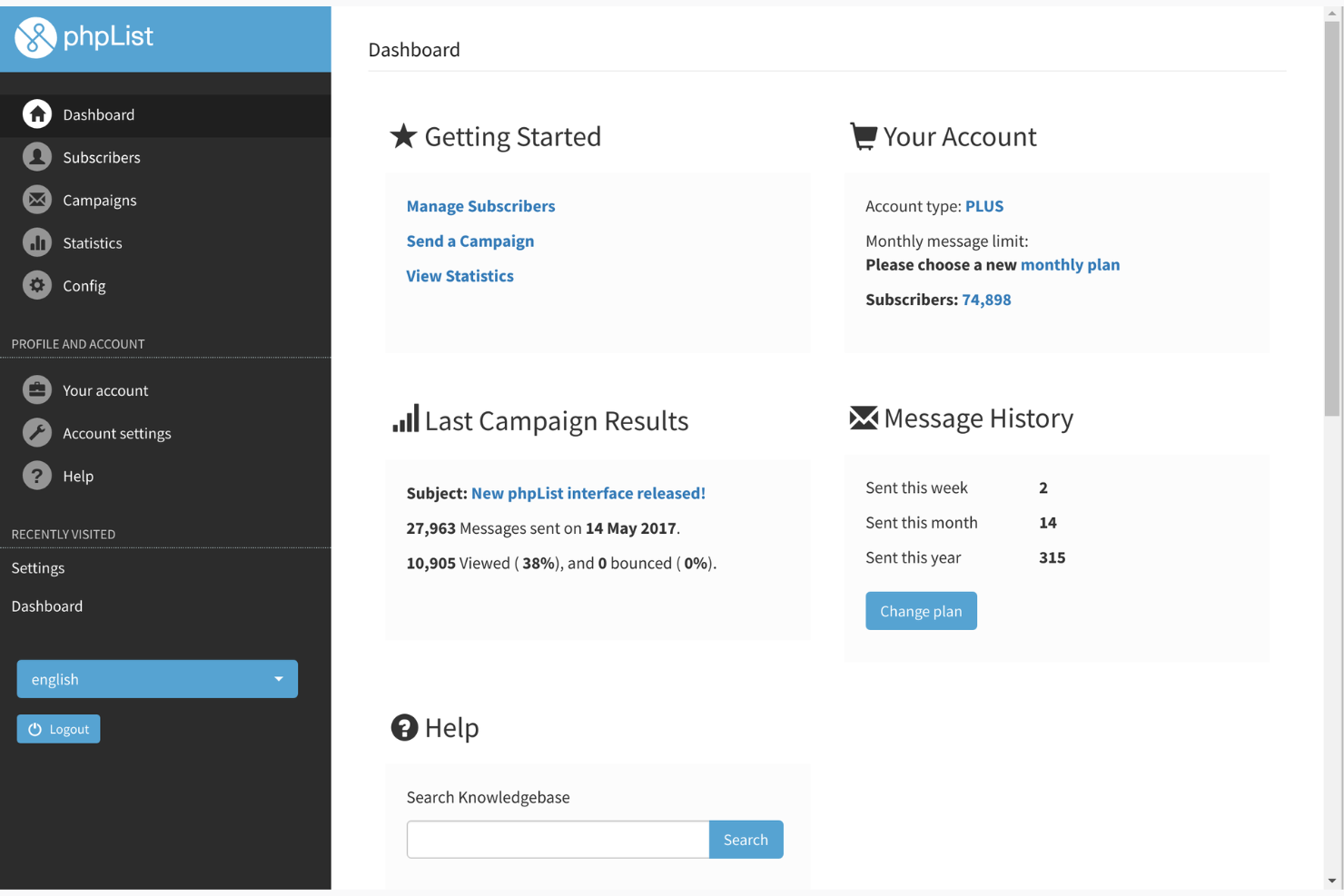
phpList entra nella mia lista ristretta perché cambia le carte in tavola per chi gestisce campagne su larga scala con strumenti open source. Lo consiglio quando il volume delle campagne e la segmentazione avanzata delle liste superano le soluzioni di base e serve il massimo controllo sull’affidabilità della consegna.
Quello che apprezzo di phpList è come gestisce liste di iscritti molto grandi, le impostazioni di limitazione per un’elevata frequenza di invio e una pianificazione delle campagne molto flessibile. Ho visto team con target audience complessi inviare milioni di messaggi senza che lo strumento mostrasse segni di cedimento.
phpList è ideale per
- Organizzazioni che inviano campagne email ad alto volume su liste complesse e segmentate
- Team che necessitano di controlli sulla deliverability e pianificazione avanzata in una piattaforma open source
phpList non è l’ideale per
- Marketer che vogliono strumenti moderni di design o automazioni drag-and-drop
- Piccoli gruppi che inviano solo campagne email di base o poco frequenti
Cosa distingue phpList
phpList affronta l’email marketing con un focus sulla capacità di invio massiva e sulla gestione approfondita degli iscritti, non sul design visivo o la creazione di campagne tutto-in-uno. Invece di integrare tutto in un’interfaccia WYSIWYG come Mailchimp o Brevo, phpList presuppone che tu abbia già contenuti e segmenti pronti, e offre il massimo controllo granulare su invio dei messaggi, permessi e pianificazione.
A differenza dei moderni strumenti email drag-and-drop, phpList prevede che le campagne siano trattate come operazioni orientate ai dati. Il flusso di lavoro è pensato per team che devono gestire volumi alti e messaggi basati su regole—pensa ad associazioni civiche, università o gruppi di advocacy che gestiscono liste enormi e desiderano il massimo controllo su come e quando le email arrivano.
Compromessi con phpList
Poiché phpList è pensato per ottimizzare la deliverability su scala massiva, l’installazione tecnica e manuale mette sulle spalle dei team la gestione di template e utenti. In genere, la flessibilità grafica e le analytics integrate passano in secondo piano: quindi marketer orientati al visual o team creativi si sentiranno limitati.
Pros and Cons
Pros:
- Gestisce grandi volumi di email
- Sviluppo guidato dalla community
- Opzione soluzione ospitata
Cons:
- Risorse di supporto basilari
- Nessuna funzione CRM integrata

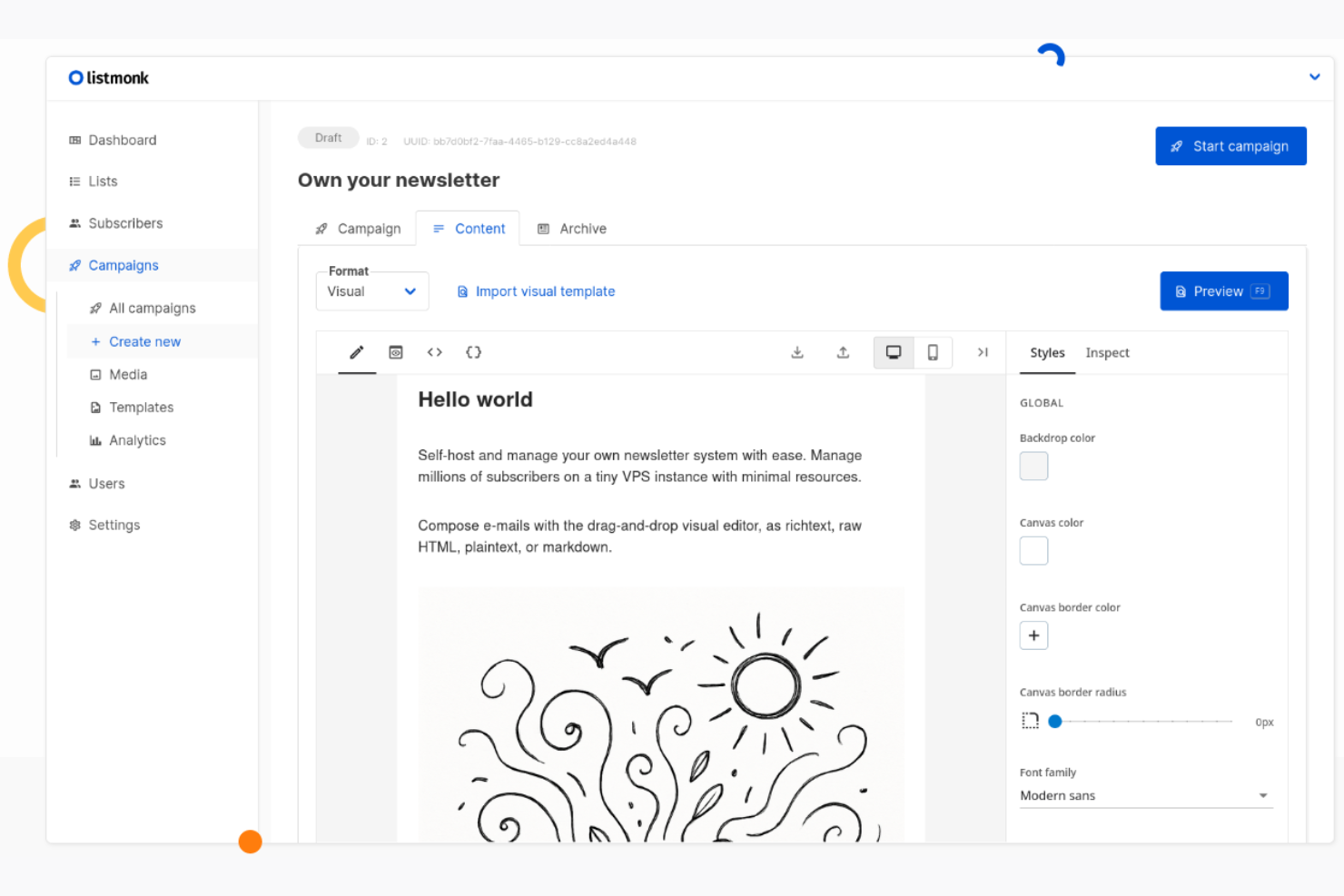
Listmonk guadagna il suo posto tra gli strumenti preferiti per i team che non si limitano a inviare qualche email, ma gestiscono campagne ad alto volume in cui velocità di consegna e scala sono requisiti fondamentali. Lo scelgo quando il team vuole ospitare autonomamente la soluzione e dare priorità alla piena visibilità, soprattutto su throughput e controllo.
Per me, ciò che distingue veramente Listmonk è la capacità di processare e consegnare milioni di email con forti prestazioni, grazie al backend basato su Go, i template avanzati e l’anteprima immediata delle campagne. Mi piace come permette di gestire le liste iscritti tramite query simili a SQL e di analizzare le consegne in tempo reale, ideale se desideri un flusso di lavoro ad alte prestazioni e basato sui dati.
A Chi È Più Adatto Listmonk
- Team di marketing esperti di tecnologia che necessitano di inviare grandi volumi di email da una piattaforma self-hosted
- Aziende che vogliono un controllo dettagliato sulla gestione degli iscritti, con monitoraggio e analisi approfonditi
Quando Listmonk Non È L’Ideale
- Team non tecnici che hanno bisogno di costruttori visuali per le campagne o di supporto guidato all’installazione
- Organizzazioni che cercano in un’unica soluzione funzionalità di CRM avanzate, automazioni o strumenti di design drag-and-drop
Cosa Distingue Listmonk
Listmonk affronta l’email marketing con la mentalità di uno sviluppatore o di un team DevOps, costruendo il servizio partendo da prestazioni pure e massimo controllo sui dati. A differenza di strumenti cloud come Mailchimp, si aspetta che tu possieda e gestisca interamente il sistema, usando un’interfaccia tipo SQL per segmentare gli iscritti e statistiche di consegna in tempo reale, livelli di trasparenza difficili da trovare in altre piattaforme.
Invece di concentrare l’offerta su automazioni complesse o funzioni di design avanzate, Listmonk punta tutto su throughput, trasparenza e la possibilità di gestire direttamente le liste e la logica dei messaggi. Lo vedo eccellere in ambienti dove la spedizione massiva è la priorità principale e dove la flessibilità tecnica è più importante della comodità.
Compromessi Con Listmonk
Puntando su prestazioni e controllo profondo, Listmonk rinuncia a molta assistenza iniziale e strumenti visuali. Di solito i team senza competenze tecniche fanno fatica a configurare o personalizzare la piattaforma, quindi se non hai qualcuno a proprio agio con la configurazione del server o con query di tipo SQL, potresti incontrare ostacoli sin dall’inizio.
Pros and Cons
Pros:
- Facile da installare e distribuire
- Segmentazione basata su SQL
- Dashboard integrata per le metriche
Cons:
- Template integrati limitati
- L’interfaccia può sembrare essenziale

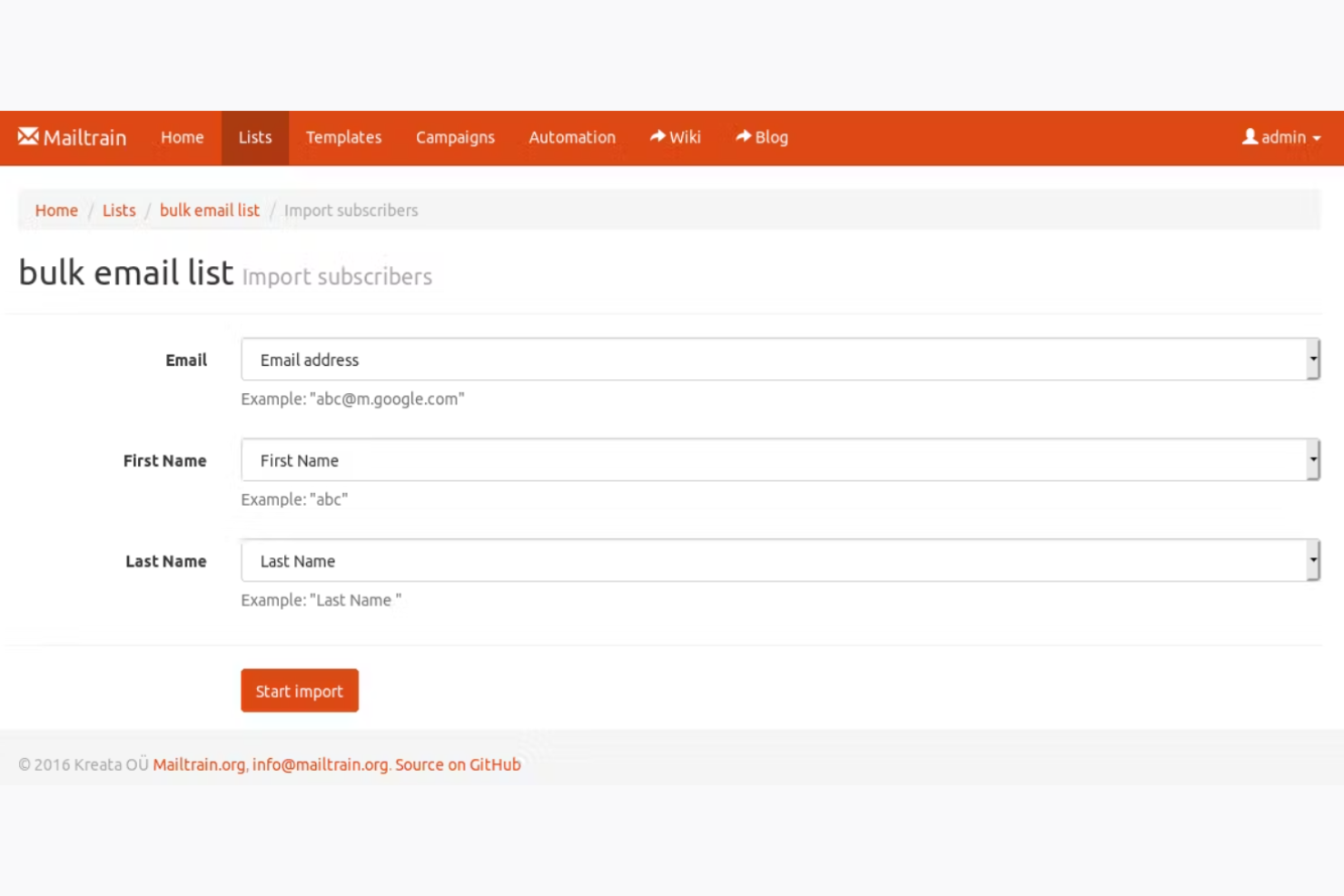
Mailtrain entra nella mia selezione perché è raro trovare una piattaforma di email marketing completamente open source che gestisca grandi basi di iscritti senza problemi. Quando vedo team che gestiscono decine o centinaia di migliaia di contatti, soprattutto per newsletter ad alto volume o comunicazioni associative, questo è lo strumento che mantiene tutto in movimento.
Quello che colpisce nella pratica è come Mailtrain ti permetta di segmentare enormi liste, programmare campagne ricorrenti e gestire moduli di iscrizione che controlli pienamente. Apprezzo molto il fatto di non dover mai preoccuparmi dei limiti sugli iscritti—quando il problema è la scala, è questa la soluzione che consiglio.
Ideale per
- Organizzazioni che gestiscono grandi liste di iscritti e per cui l'auto-gestione e il controllo dei dati sono importanti
- Email marketer che hanno bisogno di segmentazione avanzata delle liste e pianificazione di campagne ricorrenti su larga scala
Non ideale per
- Team che desiderano integrazioni già pronte con stack di marketing SaaS moderni
- Marketer alla ricerca di editor email drag-and-drop o strumenti di design visuale avanzati
Cosa distingue Mailtrain
Mailtrain approccia l’email marketing da una prospettiva tecnica, auto-gestita, pensando che i team valorizzino indipendenza e controllo dettagliato sulla propria infrastruttura. Invece di puntare su interfacce drag-and-drop intuitive come Sendinblue, Mailtrain presume che tu abbia competenze tecniche e desideri personalizzare la gestione degli iscritti, le automazioni e l’accesso ai dati in autonomia.
Gestire grandi liste è considerato una necessità primaria, non una funzionalità premium—dove la maggior parte delle piattaforme penalizza la scala, Mailtrain ti consente di gestire l’intero processo senza limiti arbitrari.
Compromessi con Mailtrain
Mailtrain privilegia controllo e scalabilità rispetto ad accessibilità e rifinitura. Se non hai risorse tecniche o desideri template raffinati e guide già integrate, la curva di apprendimento e l’investimento di tempo possono risultare impegnativi.
Pros and Cons
Pros:
- Gestisce grandi liste di iscritti
- Segmentazione delle liste personalizzabile
- Supporta diversi provider di invio
Cons:
- Integrazioni di terze parti limitate
- Interfaccia utente basilare

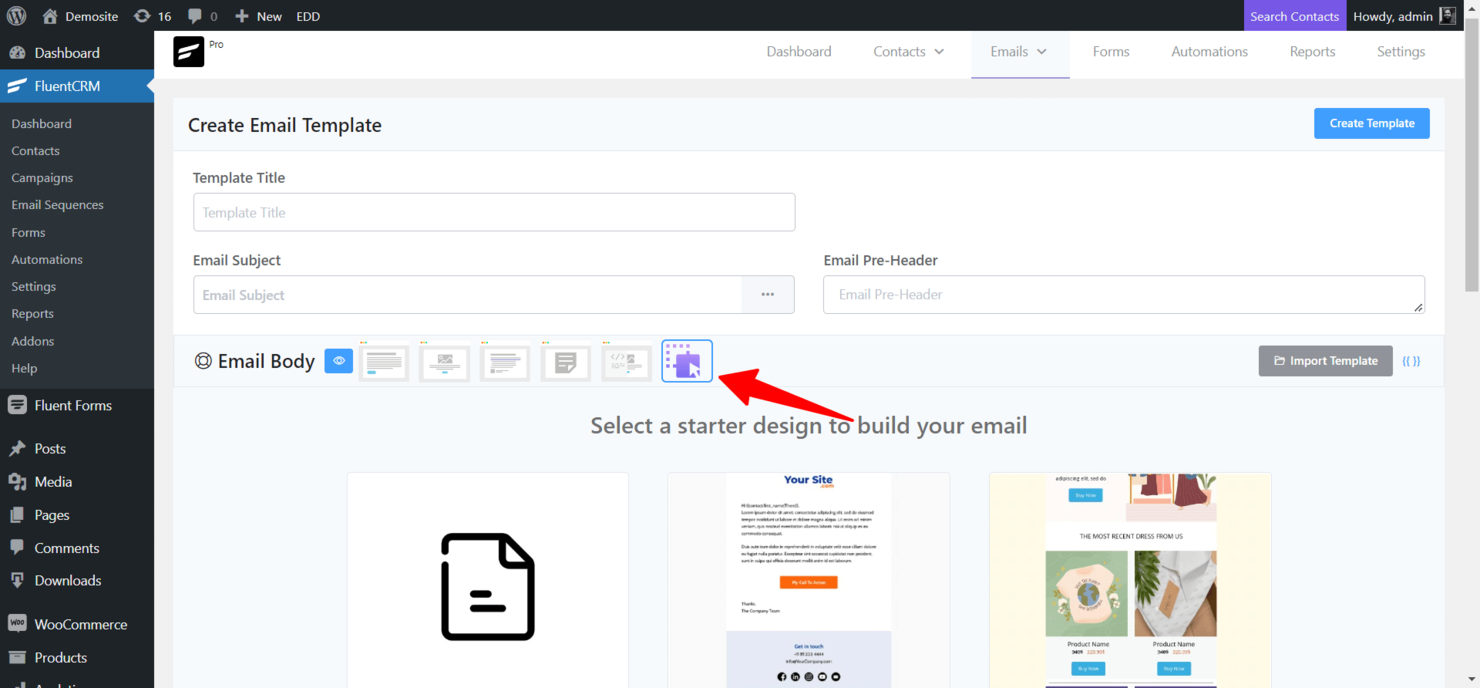
FluentCRM merita un posto qui perché è davvero pensato per chi ha bisogno di un'integrazione profonda e nativa con WordPress per l'email marketing. Lo consiglio spesso quando un team vuole liste, automazioni e campagne email gestite direttamente dentro il proprio sito WordPress, senza dover usare strumenti esterni.
Quando ho installato FluentCRM per una community a iscrizione, mi è piaciuto come mi permetteva di segmentare i contatti in base ai ruoli utente e di eseguire sequenze legate all'attività sul sito. Penso che si distingua per l’uso completo dei dati utente di WordPress e dei trigger di automazione—proprio qui gli altri strumenti open source per l’emailing sono carenti.
FluentCRM è ideale per
- Proprietari di siti WordPress che vogliono email marketing e automazione direttamente nell’area di amministrazione
- Siti di membership o corsi online che necessitano di segmentazione per ruoli utente WordPress
FluentCRM non è indicato per
- Team che gestiscono il marketing su più siti, piattaforme o canali oltre a WordPress
- Organizzazioni che hanno bisogno di analisi avanzate sulla deliverability o strumenti per campagne multicanale
Cosa distingue FluentCRM
FluentCRM è particolare perché non cerca di sostituire tutto il tuo stack di marketing—si aspetta che il tuo lavoro avvenga dentro WordPress. L’intero sistema non è solo integrato, ma costruito sull’utilizzo dei dati nativi di WordPress, dei suoi trigger e delle azioni degli utenti autenticati come base per le automazioni.
A differenza di strumenti come Sendy o Mailtrain, che solitamente si trovano esternamente al sito e si collegano tramite API, trovo che l’approccio di FluentCRM renda campagne e segmentazione davvero fluide per chi usa la dashboard di WordPress. È ottimizzato per team che vedono il sito stesso come il centro, non come un canale tra tanti.
Compromessi con FluentCRM
FluentCRM punta tutto su un flusso di lavoro incentrato su WordPress, quindi la sua utilità viene meno se si esce da quell’ecosistema. Se il tuo marketing si espande su Shopify, CMS headless o e-commerce esterni, incontrerai dei veri limiti.
Pros and Cons
Pros:
- Analisi dettagliate offrono una panoramica sulle prestazioni delle campagne.
- Flussi di automazione avanzati che ottimizzano le attività di marketing.
- Integrazione senza soluzione di continuità con WordPress che migliora la comodità d’uso.
Cons:
- La configurazione iniziale può essere complessa per utenti non tecnici.
- Richiede un ambiente WordPress per funzionare.

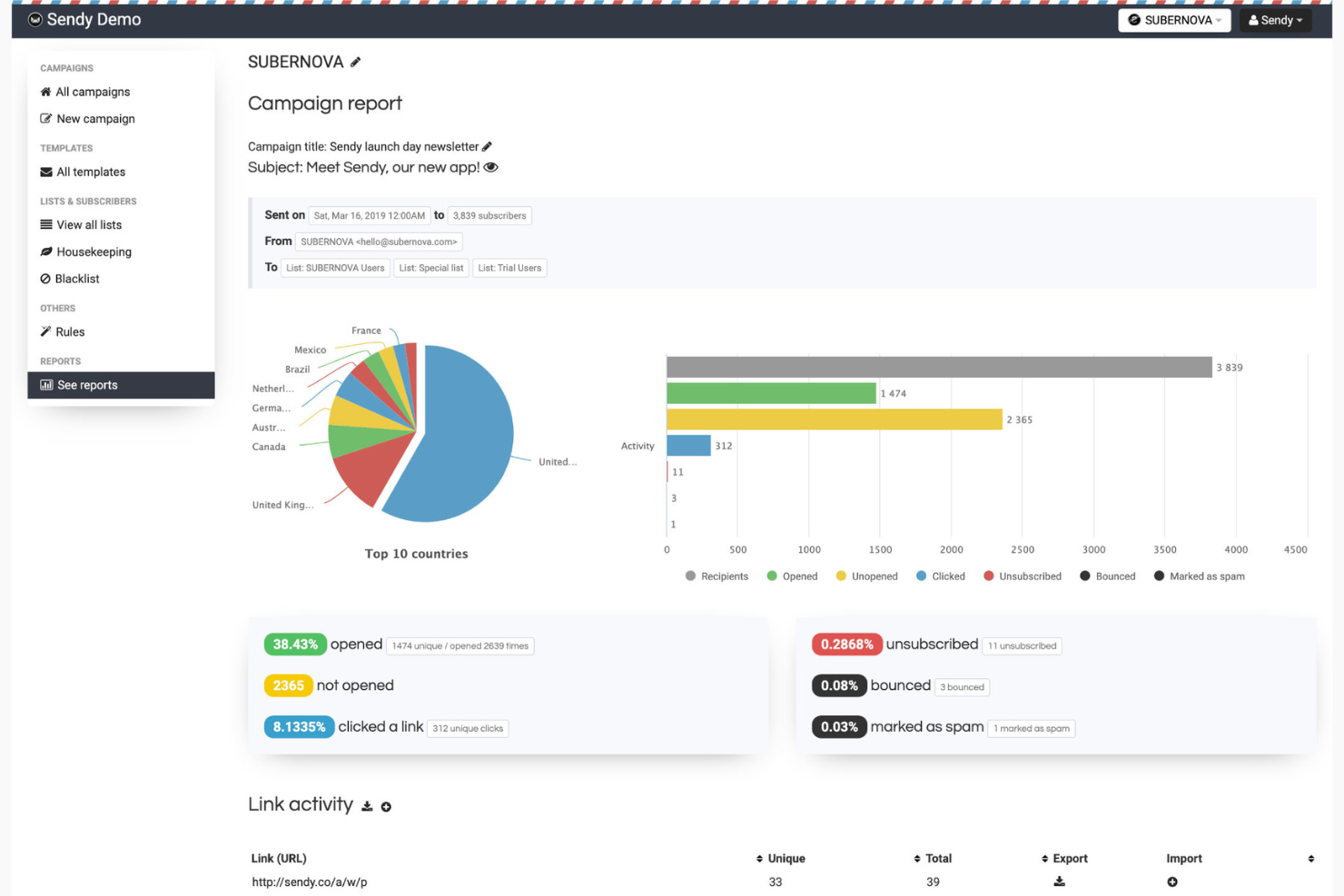
Ho scelto Sendy per questa lista perché offre un email marketing conveniente come pochi strumenti open source sanno fare. Quando i team vogliono il pieno controllo sull'invio e desiderano evitare i costi ricorrenti delle piattaforme SaaS più diffuse, Sendy si distingue immediatamente.
Ciò che apprezzo di più è come Sendy si integri con Amazon SES, rendendo ogni campagna realmente accessibile anche su larga scala. La possibilità di tracciare report dettagliati su aperture e clic senza i tipici rincari è un grande vantaggio quando la tua lista supera i 10.000 contatti.
Sendy è l'ideale per
- Team che vogliono autogestirsi e mantenere bassi i costi di email marketing
- Marketer che necessitano di report dettagliati sulle campagne e integrazione con Amazon SES
Sendy non è adatto a
- Organizzazioni che cercano strumenti integrati di design email e editor drag-and-drop
- Team che desiderano infrastrutture cloud gestite e una gestione minima del server
Cosa rende Sendy diverso
Quello che mi colpisce di Sendy è quanto chiaramente tratti l'invio delle email come un'infrastruttura, piuttosto che un servizio completamente gestito. A differenza di soluzioni come Constant Contact, che si occupano di tutto, Sendy si aspetta che tu controlli dove vengono inviate le email e ti dà la vera proprietà dei dati degli iscritti.
Invece di enfatizzare funzionalità superflue o template accattivanti, è direttamente concentrato sulla connessione delle tue campagne con Amazon SES—così sai sempre cosa accade 'sotto il cofano'. I team tendono a trattare l’email marketing con maggiore rigore tecnico e trasparenza usando Sendy, che può rappresentare un grande cambiamento rispetto all'approccio guidato e astratto dei principali provider SaaS.
Compromessi con Sendy
Sendy punta su trasparenza e controllo dei costi, ma spesso ciò che si perde è la comodità—la personalizzazione e la configurazione iniziale del server richiedono uno sforzo reale. In pratica, i team sono responsabili della deliverability e della sicurezza, il che aggiunge lavoro continuo che sulle piattaforme hosted tradizionali non serve.
Pros and Cons
Pros:
- Supporto alla gestione di più brand
- Alti tassi di deliverability
- Report dettagliati sulle campagne
Cons:
- Integrazioni limitate con terze parti
- Nessuna funzionalità CRM integrata

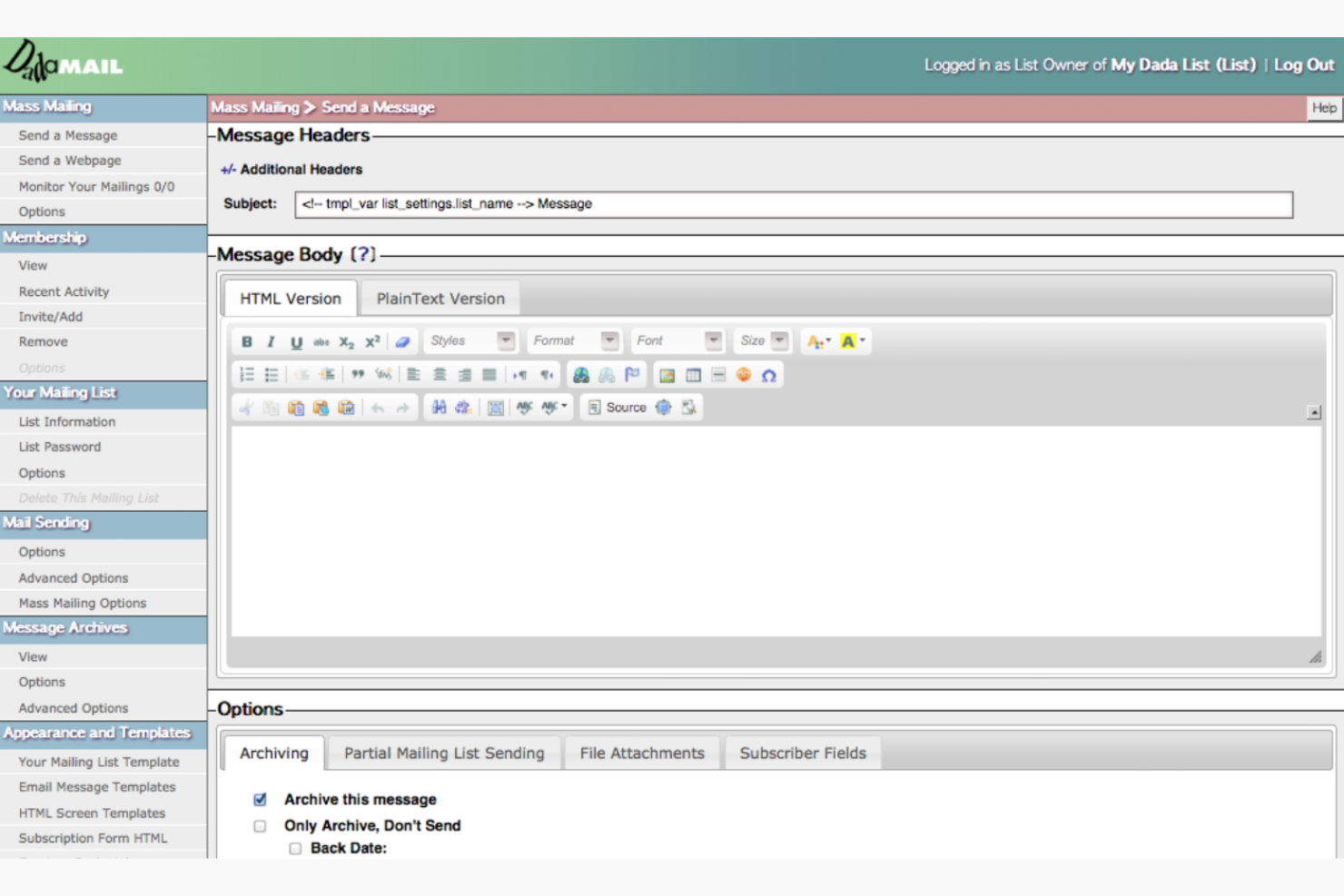
Dada Mail è sempre nella mia lista dei migliori software open source per l'email marketing perché offre a piccole aziende e organizzazioni no-profit un controllo diretto sulla gestione degli iscritti. Mi piace come tutto sia incentrato sulle liste: la gestione delle iscrizioni, il monitoraggio dei bounce e l’automazione delle newsletter sono estremamente chiare.
Per me, Dada Mail brilla davvero nelle sue funzionalità di archiviazione e nel tracciamento dettagliato delle email. Vedo piccoli team usarlo quando desiderano un sistema completamente self-hosted che sia semplice, ma garantisca una forte igiene delle liste e trasparenza nei risultati delle campagne.
Dada Mail è Ideale Per
- Piccole aziende e organizzazioni no-profit che gestiscono internamente le proprie liste di iscritti
- Team che vogliono un sistema di email self-hosted con un solido controllo sulle liste
Dada Mail Non è Indicato Per
- Marketer che necessitano di automazioni complesse o segmentazione avanzata
- Organizzazioni che richiedono integrazioni native con CRM o piattaforme di e-commerce
Cosa Distingue Dada Mail
Quello che mi colpisce di Dada Mail è quanto tutto sia strutturato intorno alle liste di email: la proprietà, la gestione e tutti gli strumenti sono pensati appositamente per questo. Diversamente dalle piattaforme SaaS come Mailchimp, che pongono le campagne al centro, Dada Mail si aspetta che tu lavori direttamente sul tuo server e gestisca gli iscritti secondo le tue regole.
Non troverai creatori di email visivi complessi o wizard per campagne; al loro posto, hai strumenti focalizzati sul controllo delle liste, un archivio dettagliato e la gestione dei digest. È davvero progettato per team che desiderano un controllo locale e diretto, senza le distrazioni delle automazioni di marketing più ampie.
Compromessi di Dada Mail
Poiché è ottimizzato per un controllo pratico e per le esigenze di piccoli team, si rinuncia alla comodità e alla scalabilità delle piattaforme commerciali. Ritengo che i team possano impiegare tempo nel personalizzare e mantenere le funzionalità in autonomia, visto che ci sono meno automazioni pronte e strumenti per campagne moderne.
Pros and Cons
Pros:
- Interfaccia web
- Gestione semplice delle liste
- Form di iscrizione personalizzabili
Cons:
- Funzionalità avanzate limitate
- Analisi di base

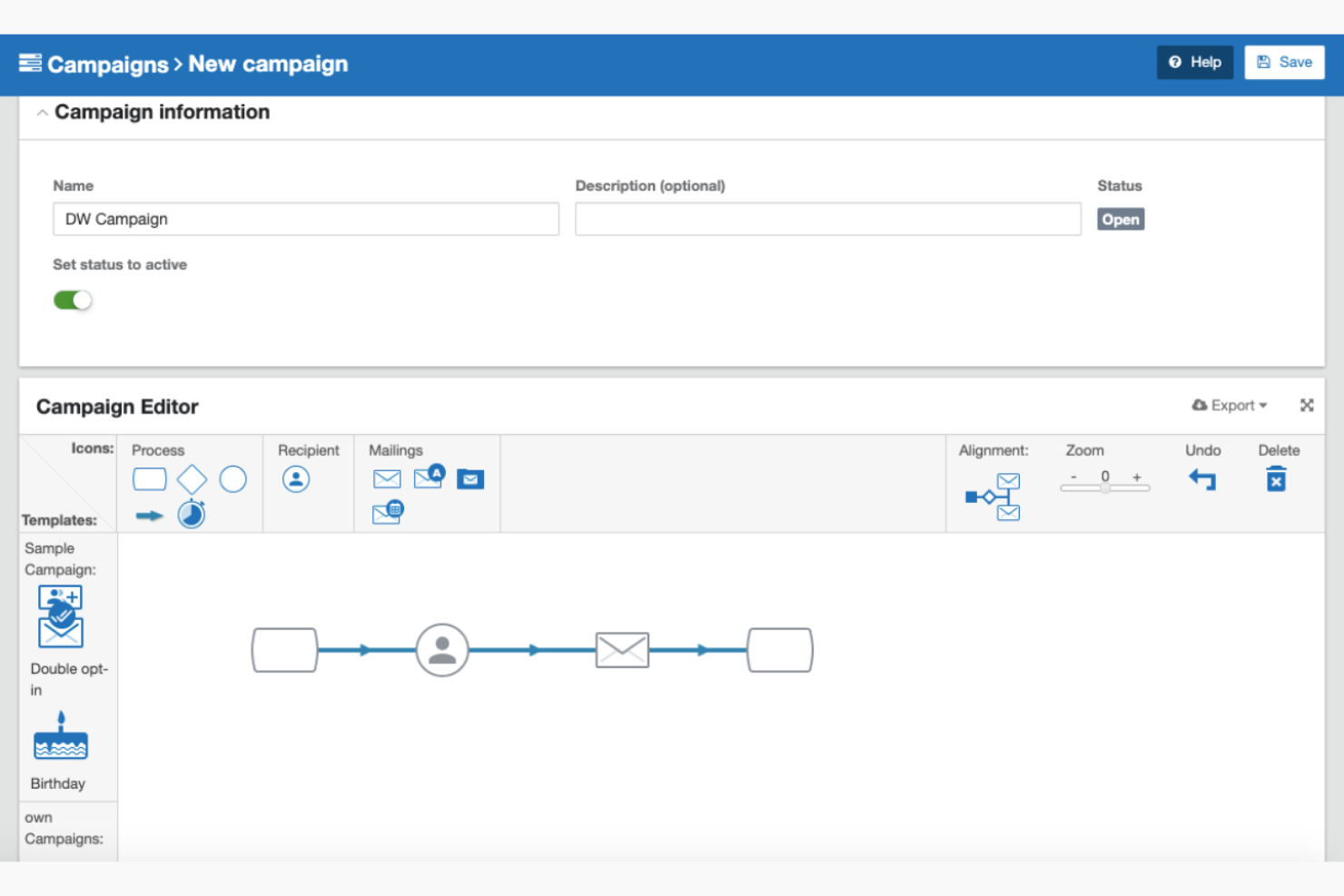
OpenEMM è nella mia lista dei preferiti perché non si limita a coprire le basi: è progettato per organizzazioni che gestiscono più clienti, brand o dipartimenti. Ho scelto OpenEMM quando i team raggiungono un nuovo livello di crescita e hanno bisogno di gestire profili mittente separati, permessi e modelli—tutto da un'unica piattaforma.
Quello che mi colpisce è la sua architettura multi-cliente, che permette agli amministratori di creare ambienti distinti per ogni unità aziendale. Apprezzo la rapidità con cui posso passare da un ambiente all'altro e monitorare separatamente le performance delle campagne, senza complicare i flussi di lavoro o rischiare sovrapposizioni di dati.
Per chi è migliore OpenEMM
- Agenzie e team marketing che gestiscono più clienti o unità aziendali
- Organizzazioni che richiedono una severa separazione dei dati, permessi e monitoraggio tra diversi mittenti
Per chi non è adatto OpenEMM
- Piccole imprese o singoli utilizzatori che gestiscono campagne su una sola lista
- Team che cercano funzionalità CRM integrate o automazione marketing avanzata
Cosa distingue OpenEMM
OpenEMM si distingue perché è uno dei pochi sistemi open source che presuppone che agenzie e team marketing orientati all’IT abbiano bisogno—in modo predefinito—di una reale separazione tra clienti, brand o unità. Dove altre piattaforme come phpList o Mailtrain costruiscono tutto attorno ad un unico account centrale, OpenEMM integra la gerarchia multi-cliente e i permessi direttamente nel prodotto centrale. Il flusso di lavoro si aspetta che gli amministratori definiscano confini, assegnino modelli e gestiscano le identità dei mittenti come canali distinti e non sovrapposti.
Questo approccio è molto diverso dalla maggior parte degli strumenti diffusi, che spesso considerano segmentazione e controlli di accesso solo come un’aggiunta o un upgrade. Invece di presumere un solo contesto aziendale per installazione, OpenEMM si aspetta sin dall’inizio che tu gestisca diverse entità separate.
Compromessi con OpenEMM
OpenEMM è ottimizzato per compartimentazione e struttura basata su regole, il che significa che la configurazione e la gestione richiedono più lavoro rispetto agli strumenti focalizzati su una sola lista. Nella pratica, i team spesso rinunciano alla semplicità per ottenere un isolamento dei dati affidabile e un controllo dettagliato.
Pros and Cons
Pros:
- Gestione multi-cliente
- Conformità GDPR
- Personalizzazione avanzata
Cons:
- Richiede configurazione tecnica
- Nessuna funzione CRM integrata

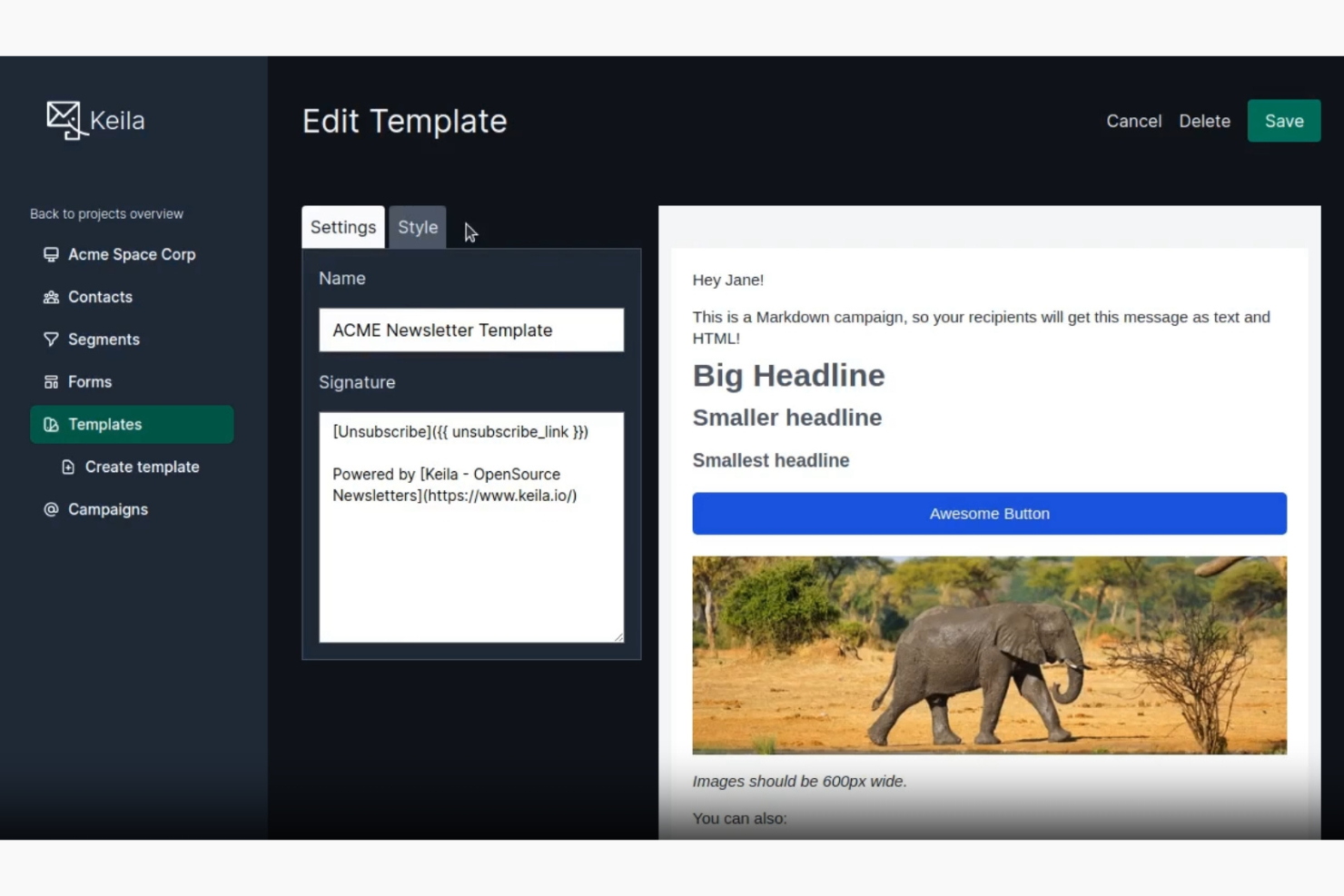
Keila merita un posto nella mia lista perché è uno dei pochi ESP open source che mette privacy e conformità al centro. Lo consiglio quando i team gestiscono liste sensibili o operano in regioni con regole sulla privacy molto rigide—le funzionalità integrate per il GDPR e i controlli sulla residenza dei dati sono fondamentali qui.
Ciò che mi colpisce di Keila è che non si affida a processori di terze parti o a strumenti di tracciamento, quindi inviare campagne risulta davvero privato. Trovo molto semplice gestire il consenso degli iscritti e ho ottenuto ottimi risultati utilizzando Keila quando la privacy non è solo un requisito di facciata, ma una necessità fondamentale per ogni email inviata.
Keila è ideale per
- Organizzazioni che necessitano della conformità al GDPR e di una forte tutela della privacy nelle campagne e-mail
- Team che trattano dati sensibili degli iscritti e che richiedono una chiara gestione del consenso
Keila non è adatto per
- Marketer che desiderano automazioni avanzate o personalizzazione dinamica dei contenuti
- Team che si affidano a tracciamenti analitici dettagliati e integrazioni native di terze parti
Cosa distingue Keila
Keila affronta il marketing via e-mail mettendo la privacy al primo posto ed eliminando le funzionalità di tracciamento presenti in strumenti come Mailchimp o Sendinblue. Il workflow parte dal presupposto che la conformità non sia un pensiero secondario—gestendo proprietà dei dati, consenso degli iscritti e privacy degli analytics fin dall’inizio. Invece di puntare su pesanti automazioni, Keila ti invita a concentrarti su una comunicazione trasparente e rispettosa. Rispetto agli ESP tradizionali che integrano pixel di terze parti ovunque, il design di Keila si basa sulla fiducia che tu metta sempre la privacy dei destinatari al primo posto.
Compromessi di Keila
Ottimizzando per la privacy e rinunciando al tracciamento comportamentale e alle automazioni avanzate, Keila limita quello che si può fare in termini di targeting e ottimizzazione. Questo significa che i team che si aspettano metriche di engagement in tempo reale o una segmentazione dettagliata del pubblico di solito si sentono limitati dall'approccio semplice e focalizzato sulla privacy offerto dalla piattaforma.
Pros and Cons
Pros:
- Fornisce segmentazione avanzata dei dati per campagne e-mail mirate.
- L'assistenza si basa sulle risorse della community anziché su un servizio dedicato.
- Offre un builder di moduli flessibile con misure anti-bot.
Cons:
- Nessun editor drag-and-drop integrato per le e-mail, richiede impostazioni tecniche.
- Integrazioni native limitate, si affida all'API per i collegamenti.

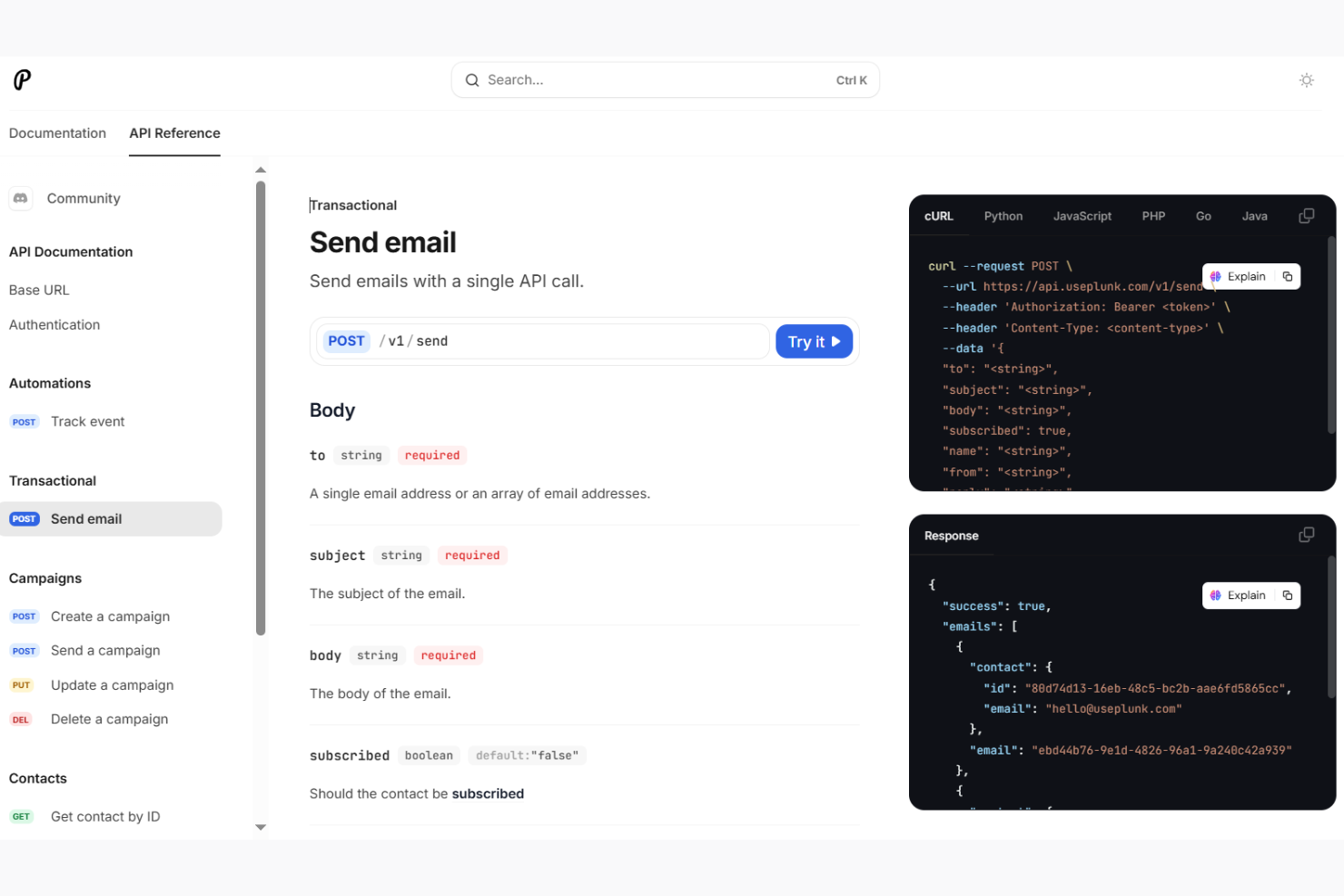
Plunk entra nella mia lista perché adotta un approccio all-in-one alla gestione delle email, risolvendo un vero punto dolente per i team stanchi di dover mettere insieme diversi strumenti. Mi rivolgo a Plunk quando un team desidera avere tutto, dalla raccolta delle email alla spedizione e alle analisi, in un unico posto, pronto all’uso.
Quello che mi colpisce è come Plunk gestisce la gestione degli opt-in e delle liste di iscritti senza aggiungere complessità o sistemi extra. Apprezzo quanto sia rapido passare dalla creazione di una campagna alla revisione di dettagli approfonditi sulle prestazioni—specialmente quando cerco di ridurre al minimo il numero di strumenti senza sacrificare la funzionalità.
Plunk è ideale per
- Team che desiderano una piattaforma unica per gestione liste, invio e reportistica
- Aziende che vogliono ridurre la complessità nella configurazione delle campagne email e nella gestione del pubblico
Plunk non è adatto a
- Marketer che vogliono automazioni avanzate, personalizzazione o workflow multi-canale
- Team focalizzati sulla creazione di percorsi email altamente personalizzati o segmentati
Cosa differenzia Plunk
Ciò che noto di Plunk è come riduca l’email marketing all’essenziale—c’è un minimalismo intenzionale che si percepisce in ogni scelta. Diversamente da strumenti come Mailchimp, che cercano di coprire ogni fase e caso d’uso, Plunk si aspetta che tu ti concentri soltanto sulla costruzione della lista, sull’invio delle campagne e sulla revisione dei risultati, tutto da un unico posto.
È evidente che Plunk è stato realizzato per team che preferiscono lavorare da un unico sistema senza il peso di plugin, gestione di API o dashboard superflue. Mentre gli strumenti più modulabili spingono verso workflow modulari, Plunk scommette che la maggior parte dei team piccoli e medi abbiano bisogno di uno spazio unico, pulito e unificato per le email—e poco altro.
Compromessi con Plunk
Plunk punta su semplicità e focus sulla piattaforma unica, ma questo avviene a scapito di sequenze avanzate, automazione e flessibilità di integrazione. Quello che di solito accade è che, quando le tue campagne hanno bisogno di trigger più raffinati o percorsi personalizzati, avrai superato ciò che Plunk è disposto a offrire.
Pros and Cons
Pros:
- Operazioni trasparenti
- Gestione dati orientata alla privacy
- Editor di email reattivo
Cons:
- Integrazioni limitate
- Limitato all’hosting dati in UE
Altri software open source per email marketing
Ecco alcune altre opzioni di software open source per email marketing che non sono state incluse nel mio elenco, ma che vale comunque la pena prendere in considerazione:
- Octeth
Ideale per campagne email di agenzia
- SendPortal
Ideale per il marketing via email orientato agli sviluppatori
- Mautic
Ideale per la massima flessibilità nell'automazione del marketing
- SendBlaster
Ideale per campagne email offline


Come valuto i software open source per l'email marketing
Divido la mia ricerca in due livelli: criteri di base che coprono l'auto-hosting, la consegna SMTP e la gestione degli iscritti, e fattori differenzianti che rivelano quali strumenti valgono lo sforzo di configurazione.
Funzionalità di base (Requisiti essenziali per questa lista)
Quando seleziono gli strumenti per la mia lista, valuto ciascuno su una scala da 0 (funzionalità assente) a 5 (eccellente in quest'area) per ogni funzionalità di base indicata sotto. Poi, calcolo il punteggio totale dello strumento come percentuale. Ogni strumento deve raggiungere un punteggio totale minimo del 65% per essere considerato per l'inclusione.
- Licenza Open Source: Verifico che ogni strumento disponga di una licenza open source riconosciuta e di un repository pubblico accessibile, come Mautic pubblicato sotto GPL o listmonk sotto AGPL.
- Creazione e invio campagne: Ogni piattaforma dovrebbe permettere di creare, programmare e inviare campagne massive con token di personalizzazione e targeting dell'audience integrati nel workflow.
- Gestione iscritti e liste: Valuto come lo strumento gestisce importazioni, segmentazione, campi personalizzati e processi di disiscrizione, soprattutto per i team che gestiscono liste su più prodotti o regioni.
- Integrazione SMTP e consegna: La piattaforma deve connettersi con provider esterni come Amazon SES, Mailgun o un server Postfix privato, dando al team il controllo sull'infrastruttura di invio e i costi.
- Editore template email: Controllo se è disponibile un editor visuale, l’accesso a HTML grezzo, o entrambi, e quanto sia semplice creare template responsive e personalizzati senza uno sviluppatore front-end.
- Analytics e tracciamento: I report devono coprire almeno aperture, clic, rimbalzi e disiscrizioni, così da poter misurare le performance delle campagne e pulire le liste nel tempo.
Una volta ottenuta una lista di strumenti che soddisfano questi criteri, considero ciò che distingue ciascuna piattaforma.
Fattori differenzianti (Cosa distingue i fornitori)
Ecco come confronto e metto a confronto i vari fornitori:
Funzionalità di spicco
I workflow di automazione marketing separano i semplici invii di newsletter dalle piattaforme con cui puoi crescere. Cerco builder visuali che permettano di attivare campagne drip in base al comportamento degli iscritti, come inviare una serie di re-engagement quando qualcuno smette di aprire le email. API e supporto webhook sono ugualmente importanti, visto che la maggior parte dei team deve sincronizzare i dati degli iscritti con un CRM o una piattaforma e-commerce. Valuto anche gli strumenti per la deliverability, compresa la configurazione DKIM/SPF integrata e la gestione dei bounce, perché anche la migliore campagna non renderà se finisce nello spam.
Oltre le funzionalità
La salute della community e dell'ecosistema dice molto sulla sostenibilità a lungo termine di una piattaforma. Controllo l'attività su GitHub, la qualità della documentazione e la presenza di un forum attivo o di una community su Discord dove ricevere supporto senza costi. Gli strumenti per la conformità sono un altro fattore chiave: valuto se la piattaforma include il double opt-in, il tracciamento del consenso e workflow di cancellazione dati indispensabili per GDPR e regolamenti simili. Anche la flessibilità di deploy conta, soprattutto la disponibilità di Docker e installatori one-click, poiché una configurazione complessa può bloccare l'adozione prima ancora di inviare la prima campagna.
Come scegliere un software open source per email marketing
È facile perdersi in lunghi elenchi di funzionalità e strutture tariffarie complesse. Per aiutarti a rimanere concentrato mentre affronti il tuo processo di selezione del software, unico per le tue esigenze, ecco una lista di fattori da tenere a mente:
| Fattore | Cosa considerare |
| Scalabilità | Valuta se il software può crescere insieme alla tua attività. Sarà in grado di gestire più iscritti ed email con l'aumentare delle tue esigenze? Cerca opzioni che non limitino la crescita. |
| Integrazioni | Verifica se si connette ai tuoi sistemi attuali. Funziona con il tuo CRM, gli strumenti di analisi e gli altri strumenti? Evita software che isolano i tuoi dati. |
| Personalizzazione | Considera quanto puoi adattare il software ai tuoi processi. I modelli e i flussi di lavoro sono adattabili? Trova un equilibrio tra flessibilità e facilità d'uso. |
| Facilità d'uso | Valuta la curva di apprendimento per il tuo team. L'interfaccia è intuitiva? Effettua una prova per assicurarti che non rallenti le tue operazioni. |
| Implementazione e avvio | Valuta il tempo e le risorse necessari per iniziare. Sono disponibili guide o supporto per aiutarti? Un avvio senza intoppi può evitarti problemi in seguito. |
| Costo | Confronta i prezzi con il tuo budget. Ci sono costi nascosti o limiti di utilizzo? Assicurati che il costo sia proporzionato al valore offerto. |
| Misure di sicurezza | Verifica le misure di sicurezza del software. Protegge i tuoi dati e rispetta le normative? Cerca sistemi di crittografia e aggiornamenti regolari. |
| Disponibilità del supporto | Determina il livello di supporto offerto. È disponibile assistenza quando ne hai bisogno? Considera l'importanza del servizio clienti nella tua decisione. |
Cos'è un software open source per email marketing?
Il software open source per l'email marketing è uno strumento che consente agli utenti di gestire e inviare campagne email con la libertà di modificare il codice sorgente del software. I professionisti del marketing, i titolari di piccole imprese e gli sviluppatori utilizzano spesso questi strumenti per personalizzare la propria strategia email riducendo i costi. Funzionalità come la gestione delle liste, l'automazione e le analisi dettagliate supportano attività di marketing personalizzate ed efficienti. Questi strumenti offrono flessibilità e controllo, consentendo agli utenti di adattare le proprie campagne email a esigenze e obiettivi specifici.
Funzionalità del software open source per l'email marketing
Quando scegli un software open source per l'email marketing, presta attenzione alle seguenti funzionalità principali:
- Modelli email personalizzabili: progetta rapidamente email dall'aspetto professionale utilizzando modelli predefiniti che puoi modificare per adattarli al tuo marchio o alle esigenze della campagna. Risparmierai tempo e farai in modo che ogni messaggio sia davvero personale.
- Automazione delle campagne: configura flussi di lavoro automatici per email di benvenuto, sequenze progressive o campagne di coinvolgimento. In questo modo puoi inviare il messaggio giusto al momento giusto, anche mentre sei impegnato in altre attività.
- Gestione degli iscritti: organizza, segmenta e monitora facilmente le liste dei tuoi iscritti, così puoi inviare contenuti mirati e mantenere il coinvolgimento del pubblico senza complicazioni.
- Analisi e report dettagliati: monitora i tassi di apertura, i clic, i messaggi respinti e altre metriche importanti. Grazie a questi report, saprai cosa funziona e dove puoi migliorare le tue campagne.
- Test A/B: esegui test comparativi su oggetti, contenuti delle email o orari di invio. Capire cosa stimola il tuo pubblico ti aiuta ad aumentare i tassi di risposta in modo misurabile e senza stress.
- Opzioni di integrazione: collega la tua piattaforma email ad altri strumenti che utilizzi, come sistemi CRM o moduli web. Semplificare il flusso dei dati ti fa risparmiare tempo e garantisce che nulla vada perso.
- Importazione/esportazione dei contatti: importa liste da altre fonti o esporta i tuoi contatti per utilizzarli altrove, rendendo la migrazione o l'analisi dei dati rapida e semplice.
- Segmentazione delle liste: suddividi gli iscritti in base a dati demografici, comportamento o cronologia del coinvolgimento, così puoi creare campagne mirate che siano davvero efficaci per ogni gruppo.
- Gestione delle disiscrizioni: gestisci automaticamente le rinunce e la conformità alle normative con facilità. Concentrati maggiormente sul coinvolgimento dei lettori interessati e meno sulla manutenzione manuale delle liste.
Funzionalità comuni di intelligenza artificiale nei software open source per l'email marketing
Oltre alle funzionalità standard dei software open source per l'email marketing elencate in precedenza, molte di queste soluzioni stanno integrando l'intelligenza artificiale con funzionalità come:
- Pulizia automatica delle liste: l'intelligenza artificiale individua gli iscritti inattivi, le trappole antispam o i possibili messaggi respinti prima dell'invio, proteggendo la reputazione del mittente e mantenendo aggiornata la lista.
- Ottimizzazione predittiva dell'orario di invio: l'intelligenza artificiale analizza il comportamento degli iscritti per suggerire i momenti migliori per inviare le email, aiutandoti a raggiungere le caselle di posta quando è più probabile che i lettori interagiscano.
- Personalizzazione dei contenuti: l'intelligenza artificiale adatta i contenuti delle email, come i consigli sui prodotti o i messaggi, a ciascun iscritto, aumentando le probabilità che trovi valore nel contenuto (invece di eliminarlo e basta).
- Valutazione del coinvolgimento: l'intelligenza artificiale monitora il modo in cui gli iscritti interagiscono con le tue email e assegna a ciascuno un punteggio chiaro, così sai chi è più interessato e chi ha bisogno di maggiore attenzione.
- Suggerimenti intelligenti per l'oggetto: l'intelligenza artificiale suggerisce gli oggetti in base al contenuto della tua email e alle prestazioni delle campagne precedenti, aiutandoti a creare titoli che aumentano i tassi di apertura.
Vantaggi del software open source per l'email marketing
L'implementazione di un software open source per l'email marketing offre numerosi vantaggi al tuo team e alla tua azienda. Eccone alcuni:
- Risparmio sui costi: risparmia evitando i costi degli abbonamenti e spendendo solo per le funzionalità di cui hai bisogno.
- Flessibilità: adatta il software alle esigenze specifiche della tua azienda grazie a funzionalità personalizzabili e all'accesso libero al codice sorgente.
- Controllo: mantieni il controllo completo sui tuoi dati e sul modo in cui vengono gestiti, garantendo privacy e sicurezza.
- Scalabilità: amplia facilmente le tue attività di email marketing con la crescita dell'azienda senza dover cambiare piattaforma.
- Integrazione: connettiti ad altri strumenti aziendali per creare una strategia di marketing unificata e migliorare l'efficienza.
- Supporto della community: approfitta di una comunità di sviluppatori e utenti che contribuiscono ai miglioramenti e forniscono assistenza.
- Trasparenza: scopri come funziona il software, consentendo una migliore risoluzione dei problemi e ottimizzazione.
Costi e prezzi del software open source per l'email marketing
La scelta di un software di marketing tramite email a codice aperto richiede la comprensione dei vari modelli di prezzo e dei piani disponibili. I costi variano in base alle funzionalità, alle dimensioni del team, ai componenti aggiuntivi e ad altri fattori. La tabella seguente riassume i piani comuni, i relativi prezzi medi e le funzionalità tipicamente incluse nelle soluzioni software di marketing tramite email a codice aperto:
Tabella di confronto dei piani per il software di marketing tramite email a codice aperto
| Tipo di piano | Prezzo medio | Funzionalità comuni |
| Piano gratuito | $0 | Gestione di base degli elenchi, modelli di email e supporto della comunità. |
| Piano personale | $5-$25/ utente/mese | Segmentazione avanzata degli elenchi, analisi di base e automazione limitata. |
| Piano aziendale | $30-$75/ utente/mese | Report dettagliati, automazione avanzata e accesso per più utenti. |
| Piano per grandi imprese | $80-$150/ utente/mese | Flussi di lavoro personalizzabili, supporto di livello superiore e integrazione con altri strumenti aziendali. |
Domande frequenti sul software di marketing tramite email a codice aperto
Ecco alcune risposte alle domande comuni sul software di marketing tramite email a codice aperto:
Posso personalizzare il software di marketing tramite email a codice aperto in base alle mie esigenze?
Sì, puoi personalizzare il software di marketing tramite email a codice aperto in base alle tue esigenze specifiche. La natura a codice aperto ti consente di modificare il codice sorgente e aggiungere funzionalità adatte alla tua attività. Tu o il tuo team di sviluppo potete adattare il software per integrarlo con i sistemi esistenti, garantendo un’integrazione perfetta.
Quanto è sicuro il software di marketing tramite email a codice aperto?
Il software di marketing tramite email a codice aperto può essere sicuro se gestito correttamente. Devi assicurarti che vengano applicati regolarmente aggiornamenti e correzioni per proteggere il sistema dalle vulnerabilità. È inoltre importante configurare correttamente le impostazioni di sicurezza e utilizzare ambienti di hosting sicuri per proteggere i tuoi dati.
Quale tipo di supporto è disponibile per il software di marketing tramite email a codice aperto?
Il supporto per il software di marketing tramite email a codice aperto proviene spesso dai forum della comunità e dai gruppi di utenti. Alcuni fornitori offrono piani di supporto a pagamento per fornire ulteriore assistenza. È utile verificare se esiste una comunità attiva o se il fornitore mette a disposizione documentazione e risorse per aiutare nella risoluzione dei problemi.
Il software di marketing tramite email a codice aperto può gestire elenchi di iscritti numerosi?
Sì, molti strumenti di marketing tramite email a codice aperto possono gestire elenchi di iscritti numerosi. Prima dell’implementazione, dovresti verificare la scalabilità e le capacità prestazionali del software. Valuta la possibilità di effettuare un test con un elenco campione per assicurarti che soddisfi i requisiti relativi alle dimensioni dell’elenco e al volume di email.
L'utilizzo di un software di marketing tramite email a codice aperto comporta dei costi?
Sebbene il software in sé sia spesso gratuito, potrebbero esserci costi associati all’hosting, al supporto e alle funzionalità aggiuntive. Potresti dover investire in competenze tecniche per la personalizzazione e la manutenzione. È consigliabile prevedere queste potenziali spese nel budget durante la pianificazione dell’implementazione.
Come scelgo il software di marketing tramite email a codice aperto più adatto alla mia attività?
La scelta del software di marketing tramite email a codice aperto più adatto richiede la valutazione delle esigenze aziendali e delle risorse tecniche disponibili. Considera fattori come scalabilità, possibilità di personalizzazione e capacità di integrazione. È utile provare dimostrazioni o versioni di prova per valutarne l’usabilità e la compatibilità con i processi esistenti.