
Reseña de monday.com: Ventajas, Desventajas, Características y Precios Explicados 2026
He puesto a prueba monday.com como una potente herramienta de planificación de marketing—aquí te cuento qué impulsa realmente las campañas, en qué falla y cómo se comparan sus herramientas para equipos reales.

Revisamos herramientas de manera independiente, y las comisiones ayudan a financiar nuestras pruebas. Consulta nuestra política de transparencia, nuestra metodología o sugiere una herramienta.
monday AI Workspace is a marketing planning software that combines project boards, campaign tracking, and AI-assisted workflow management in one place. It's a strong fit for marketing teams coordinating across multiple campaigns and channels who need AI built directly into their planning workspace. I'd consider it over Asana if you want more customizable board structures and AI features woven into how you plan and execute work—rather than added on top of standard task management.
monday AI Workspace Evaluation Summary
4.6/5
- From $9/user/month (billed annually)
- Free plan available
Por qué confiar en nuestras recomendaciones de software
6,700+
Reviews
20
Industry experts
16+
Evaluation factors
14
Years
Nuestro equipo lleva probando y evaluando software desde 2012. Como líderes de marketing, sabemos lo difícil —y lo importante— que es elegir el software adecuado.
Para esta guía, evaluamos las herramientas mediante pruebas prácticas e investigación independiente, puntuando las herramientas según nuestros criterios de selección.
Nuestras reseñas reflejan nuestro criterio editorial humano, no un discurso de ventas.
Revisores expertos:
 Gui DrusinaDirector creativo
- Shriya GhateSenior Marketing Lead
 Amanda JacquesLíder de Marketing Ops

monday AI Workspace Overview
In my experience, monday.com stands out for its flexible boards, visual workflows, and unbeatable ease of onboarding—especially for teams with mixed technical skills. The pricing feels fair for what you get, though some advanced automation and integrations can add up. I find its interface cleaner and more user-friendly than many alternatives, and customer support is responsive. If you’re judging options for a fast-paced marketing team that juggles campaigns, assets, and approvals, monday.com is one of the easiest to recommend. I’d choose it for organizations that value visibility, customization, and quick ramp-up over deep niche marketing features.
Pros
- Visual campaign timelines simplify deadline tracking for teams
- Multiple board views make team progress transparent at a glance
- Built-in automations reduce repetitive campaign coordination tasks
Cons
- Advanced reporting features require higher-tier subscriptions
- Campaign budget management tools are limited for marketing teams
- Task dependencies can be confusing and need clearer documentation
Is monday AI Workspace Right For Your Needs?
Who Would be a Good Fit for monday AI Workspace?
monday.com really shines for marketing teams, agencies, and project-driven companies that want a highly visual, collaborative way to plan, track, and adjust campaigns or projects. Its feature set works best for organizations that rely on creative handoffs, require big-picture timelines, and need frequent task updates, all without heavy IT lift or custom development.
- Marketing AgenciesYou get campaign dashboards, automated client updates, and file sharing that streamline client collaboration.
- In-House Marketing TeamsEasy campaign calendars, approval tracking, and shared assets make it simple to run multi-channel campaigns.
- Creative TeamsVisual timelines and clear review cycles help manage content, design projects, and feedback loops.
- Event PlannersHandle task assignments, venue logistics, and vendor communication with customizable templates and automations.
- Small to Medium BusinessesYou benefit from fast setup, intuitive workflows, and the ability to scale processes as you grow.
- Project ManagersGantt charts, resource planning, and workload views support simultaneous campaign management and clear reporting.
Who Would be a Bad Fit for monday AI Workspace?
monday.com isn’t built for compliance-heavy industries, complex corporate hierarchies, or teams in need of deep financial and budget controls baked into their workflow. If you require classic project management methodologies or work in regulated fields, you’ll probably find its focus on flexibility and marketing-style collaboration lacking.
- Highly Regulated IndustriesLacks advanced compliance tracking and validation features required for sectors like healthcare or finance.
- Enterprises With Legacy SystemsLimited support for deep, custom integrations with old on-premise business software.
- Finance DepartmentsBudget tracking and fiscal reporting tools aren’t robust enough for teams needing granular control.
- Construction CompaniesDoesn’t offer built-in resource scheduling, blueprint management, or field data collection specifics.
- Heavy ManufacturingNo modules for inventory management, shop floor automation, or supply chain logistics.
- Legal PracticesMissing advanced document management, case tracking, and confidentiality controls specific to law firms.
Cómo Probamos y Puntuamos las Herramientas
Hemos dedicado años a construir, refinar y mejorar nuestro sistema de prueba y puntuación de software. El marco está diseñado para captar los matices de la selección de software y lo que hace a una herramienta eficaz, enfocándose en los aspectos críticos del proceso de decisión. A continuación, puedes ver exactamente cómo funcionan nuestras pruebas y puntuaciones en siete criterios. Esto nos permite brindar una evaluación imparcial de los programas basada en la funcionalidad principal, características destacadas, facilidad de uso, integración, soporte al cliente, reseñas de clientes y relación calidad-precio.
Funcionalidad Principal (25% de la puntuación final)
El punto de partida de nuestra evaluación siempre es la funcionalidad principal de la herramienta. ¿Cuenta con las funciones básicas que un usuario esperaría? ¿Alguna de esas funciones está reservada solo para planes de pago avanzados? Esperamos que, en esencia, una herramienta se mantenga al nivel de las capacidades mínimas de sus competidores.
Características Destacadas (25% de la puntuación final)
Después, evaluamos las características poco comunes y destacadas que van más allá de la funcionalidad típica de herramientas similares. Una puntuación alta refleja funciones especializadas o únicas que hacen el producto más rápido, eficiente o aportan un valor adicional al usuario. También evaluamos qué tan fácil es integrarse con otras herramientas habituales en el entorno tecnológico para expandir la funcionalidad del software. Las herramientas que ofrecen muchas integraciones nativas, conexiones de terceros y acceso a API para crear integraciones personalizadas tienen la mejor puntuación.
Facilidad de Uso (10% de la puntuación final)
Consideramos cuán rápido y fácil es ejecutar las tareas definidas en la funcionalidad central utilizando la herramienta. El software mejor puntuado está bien diseñado, es intuitivo, ofrece aplicaciones móviles, proporciona plantillas y hace que tareas relativamente complejas parezcan sencillas.
Incorporación (10% de la puntuación final)
Sabemos lo importante que es que un equipo adopte rápidamente una nueva plataforma, por eso evaluamos lo fácil que es aprender y usar una herramienta con la menor formación posible. Analizamos lo rápido que un integrante puede comenzar a usar la herramienta sin experiencia previa. Las soluciones mejor puntuadas requieren poco o ningún soporte.
Soporte al Cliente (10% de la puntuación final)
Vemos cuán rápido y sencillo es obtener ayuda por teléfono, chat en vivo o base de conocimientos. Las empresas y herramientas que ofrecen soporte en tiempo real logran la mejor puntuación, mientras que los chatbots obtienen la peor.
Reseñas de Clientes (10% de la puntuación final)
Más allá de nuestras propias pruebas y evaluaciones, consideramos el puntaje de recomendación de clientes actuales y anteriores. Revisamos la probabilidad de que, de poder elegir de nuevo, seleccionarían la herramienta por su funcionalidad principal. Un software con alta puntuación refleja una elevada recomendación de sus usuarios.
Relación Calidad-Precio (10% de la puntuación final)
Finalmente, considerando todos los demás criterios, revisamos el precio promedio de los planes básicos frente a las funciones y el valor de los demás factores de evaluación. El software que ofrece más por menos obtiene mejor puntuación.
Core Features
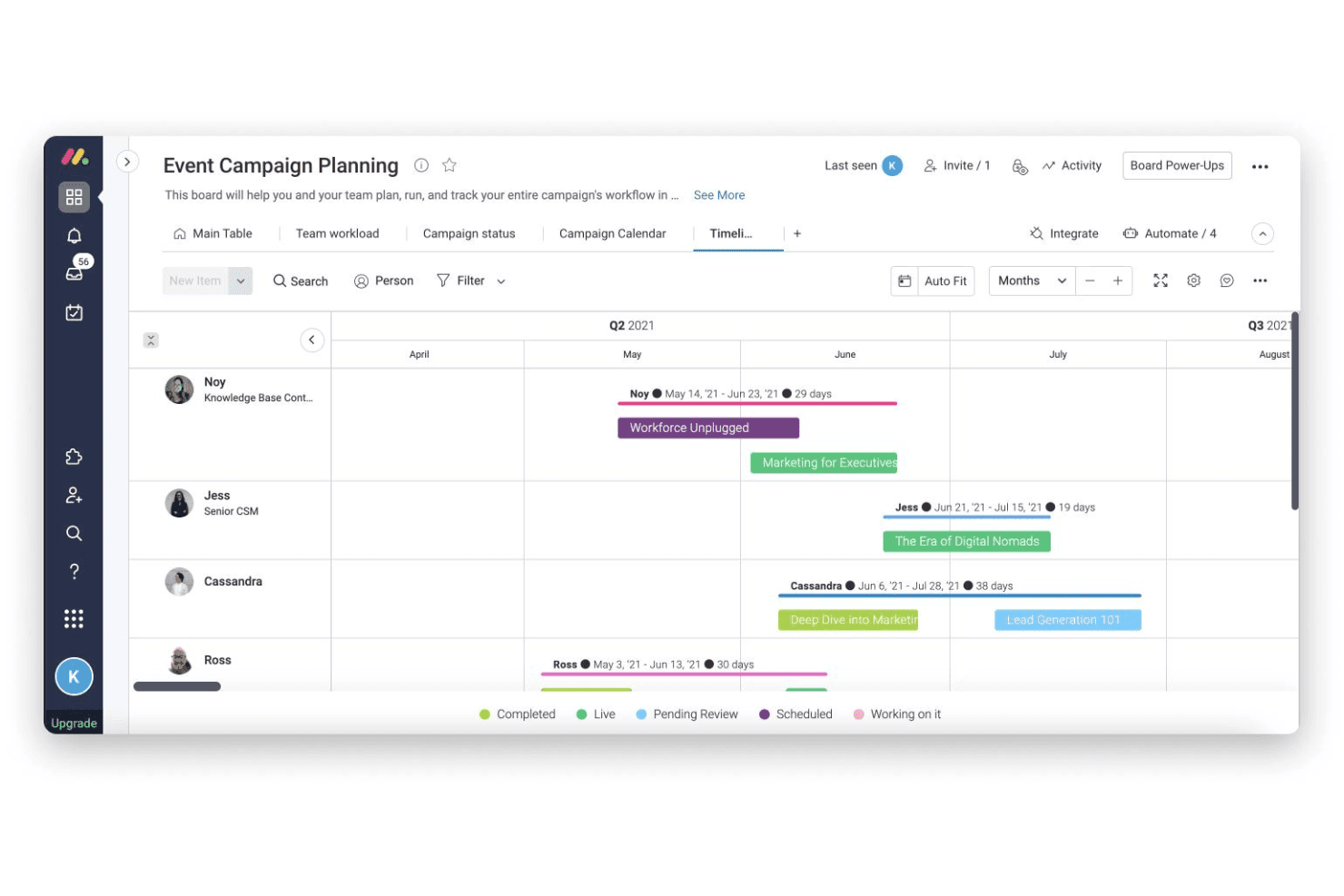
Campaign Timeline Views
Plan, view, and adjust campaign schedules using Gantt or calendar views. Easily spot dependencies and shift deadlines for multiple campaigns.
Automated Workflows
Set up trigger-based automations to assign tasks and send updates. This cuts down manual follow-ups and keeps campaigns moving.
Custom Dashboards
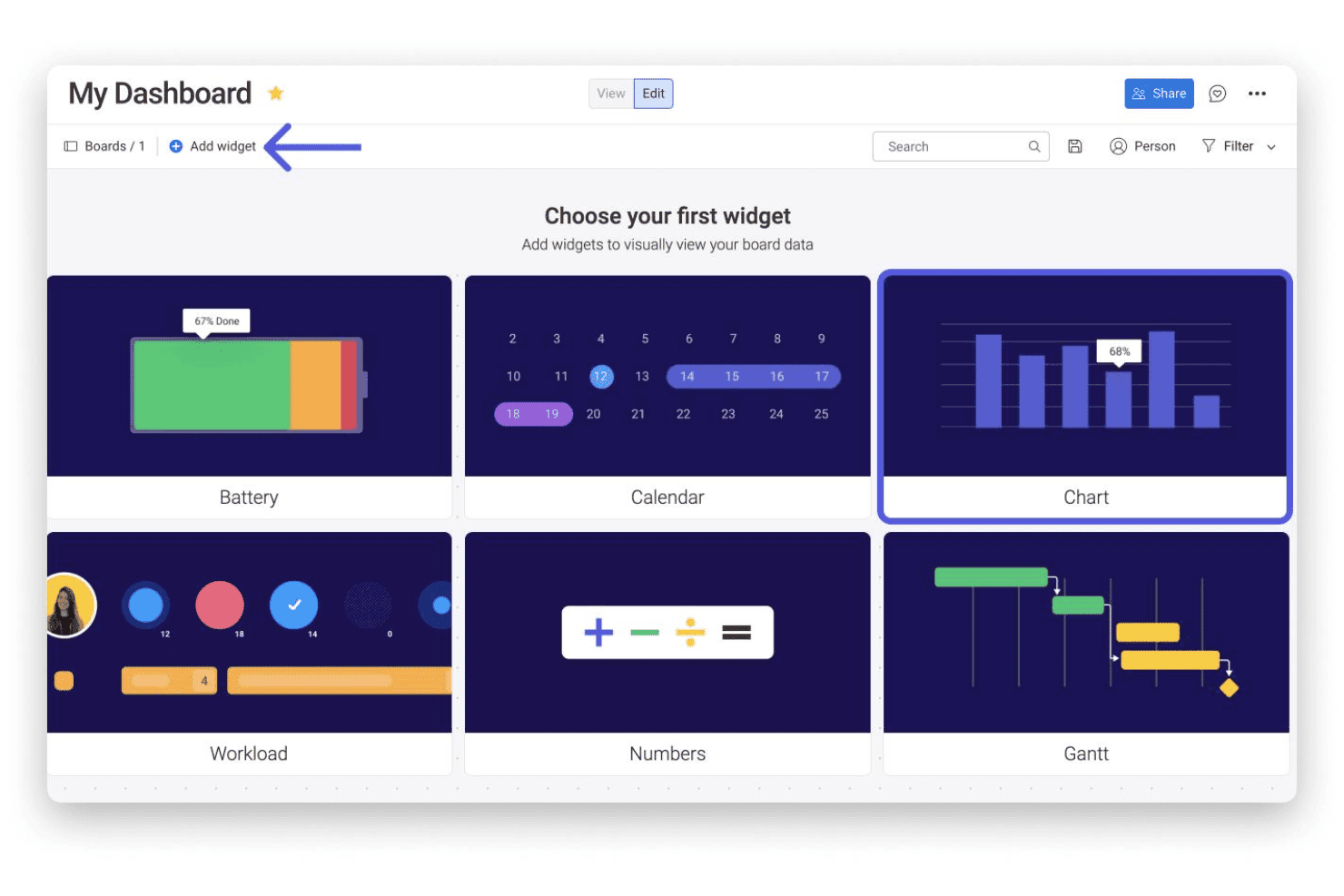
Build dashboards to track campaign KPIs, leads, and spend. Drag-and-drop widgets let you visualize results for fast reporting.
Shared Content Libraries
Store and share campaign assets, graphics, and files in one place. Collaborators can access and update materials without leaving their workflow.
Approval Tracking
Manage requests for creative or budget sign-offs directly in task boards. See what’s pending and nudge reviewers with one click.
Form-Based Intake
Capture project briefs and content requests through customizable intake forms. Submissions land on your board ready to be prioritized and assigned.
Standout Features
Customizable Board Templates
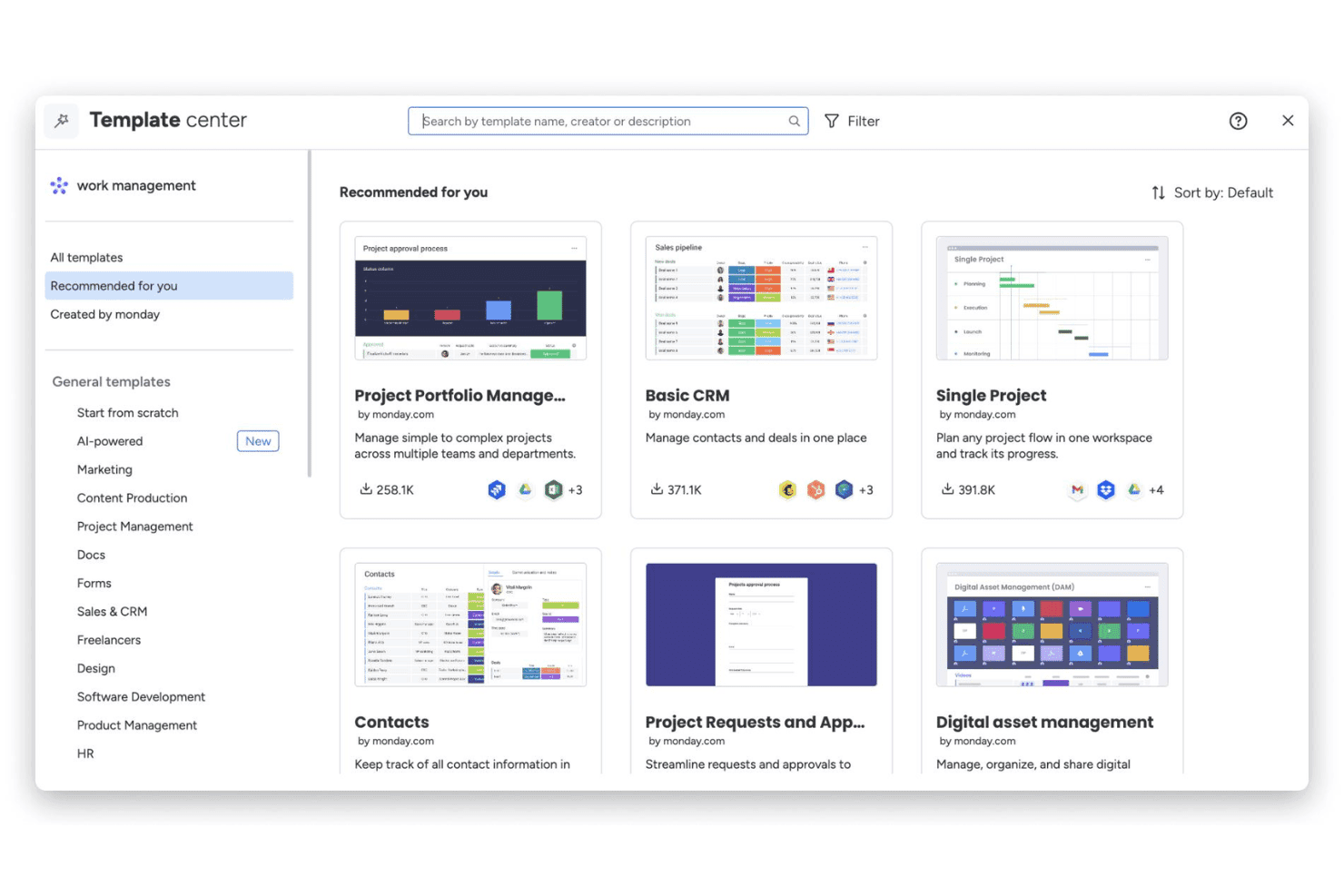
Choose from dozens of marketing-specific board templates built for launches, events, and content calendars. Teams can launch new projects in minutes, not hours.
Workload Management and Resource View
Monitor team bandwidth and see who’s overloaded across all campaigns. Easily reassign tasks to balance workloads for better project delivery.
Ease of Use
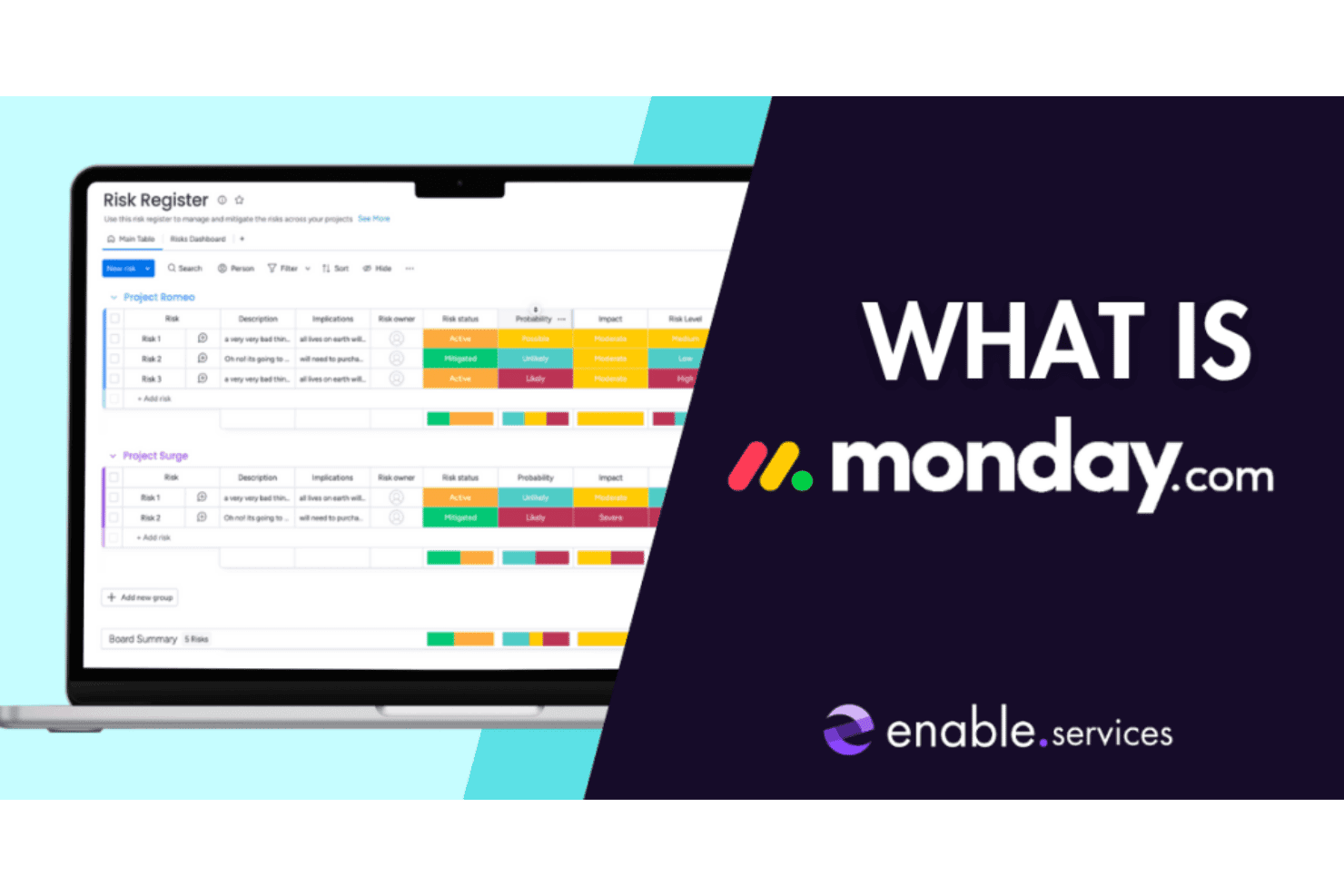
monday.com’s drag-and-drop boards, intuitive navigation, and quick-start templates make it one of the easiest marketing planning tools to set up and use. I see users call out how quickly non-technical team members adapt, and I find campaign tracking, updates, and approvals feel genuinely simple—no extra training or complicated workflows needed.
Onboarding
monday.com’s onboarding stands out for its step-by-step in-app guides, marketing-focused templates, and instant access to a help center full of video tutorials. I’ve seen users mention getting a project up and running within an hour, and the live chat and quick email support add even more confidence for new teams looking to get value right away.
Customer Support
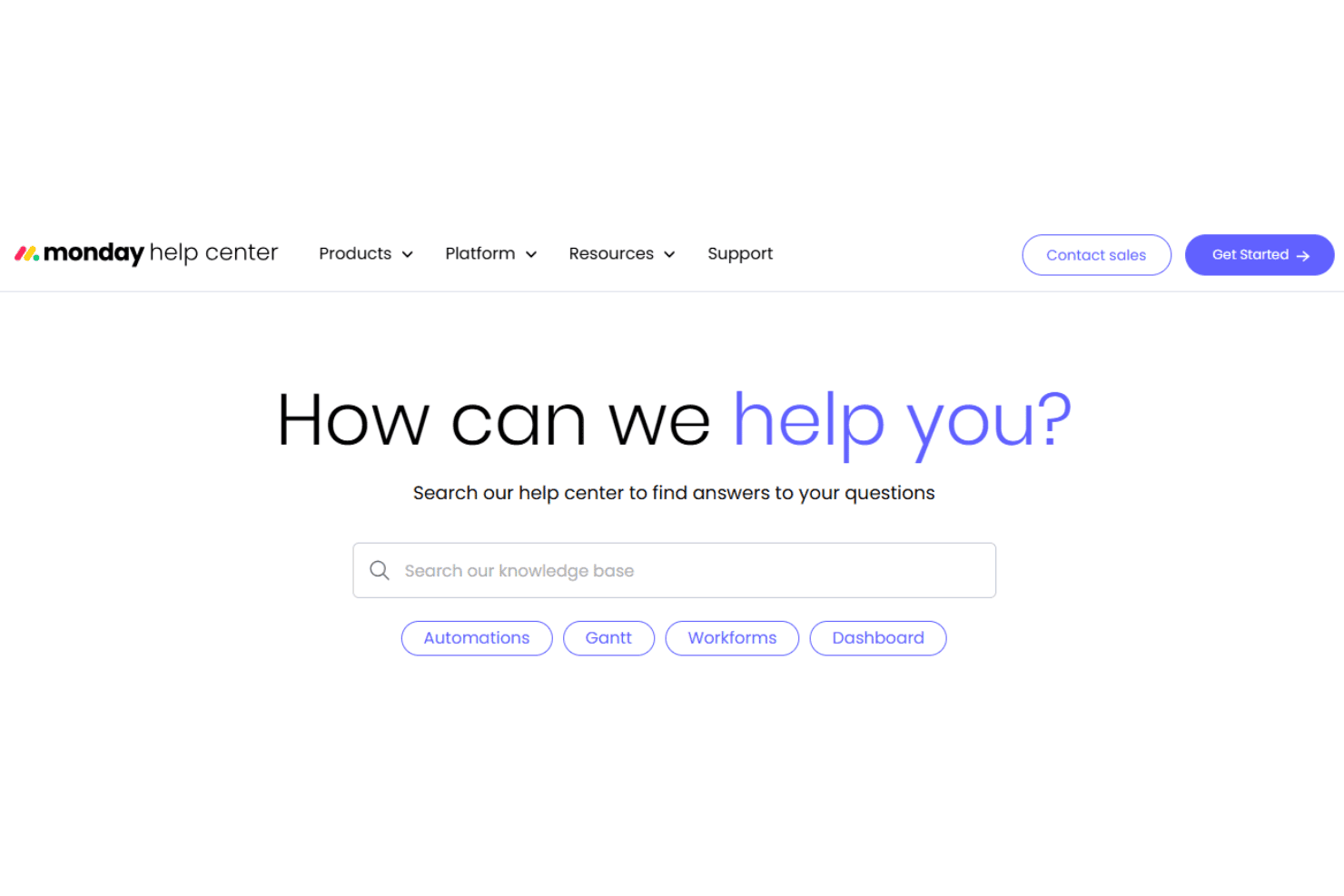
monday.com offers responsive live chat, email support, and a well-populated online knowledge base, which I think puts it ahead for customer care. Users frequently mention fast ticket responses and clear, helpful troubleshooting from the support team—even on lower-tier plans—which helps keep marketing projects on track.
Integrations
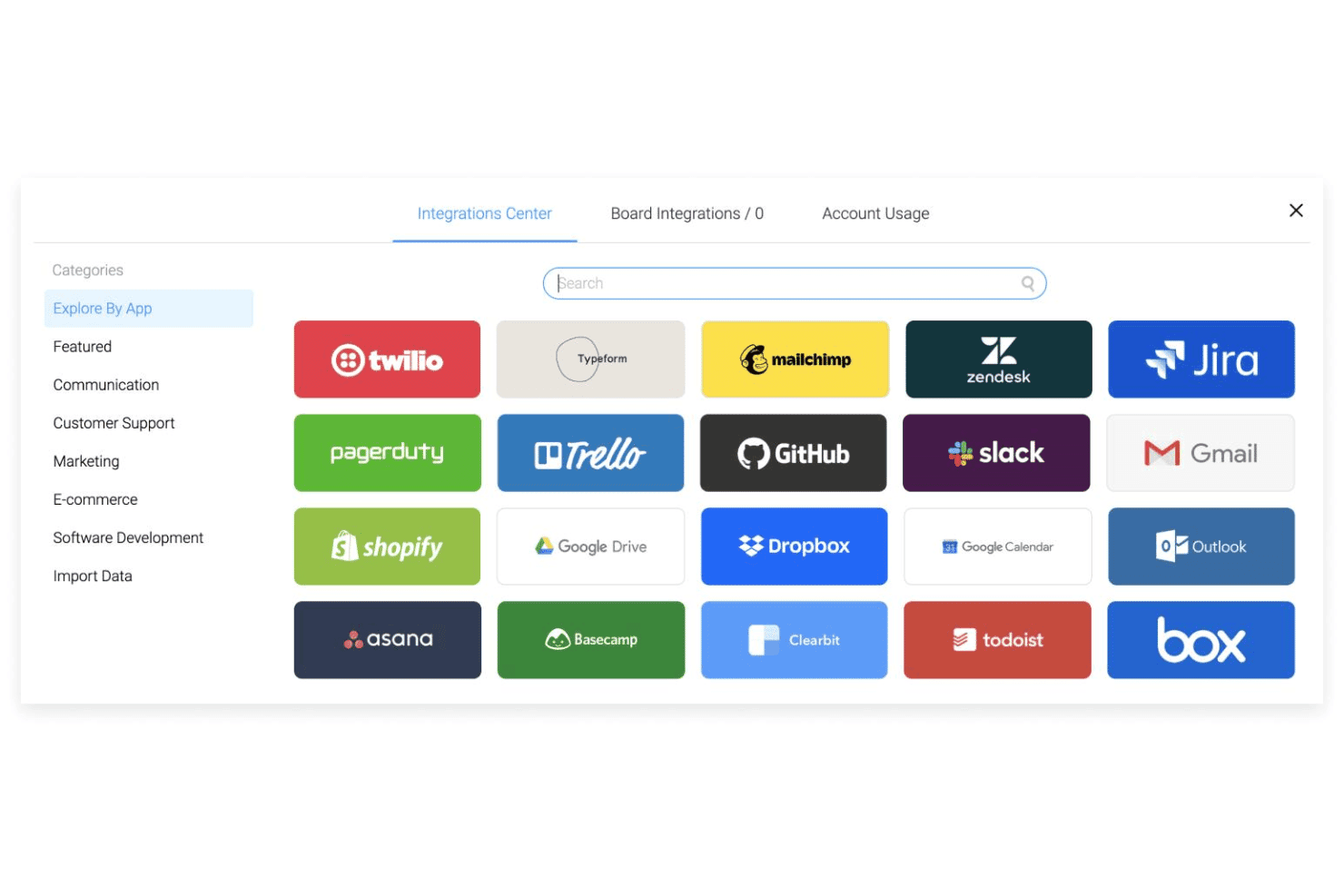
monday.com natively integrates with Slack, QuickBooks, Salesforce, Asana, GitHub, Outlook, Zoom, and Dropbox, among others.
monday.com also offers an open API and connects with third-party integration tools like Zapier and Make.
Value for Money
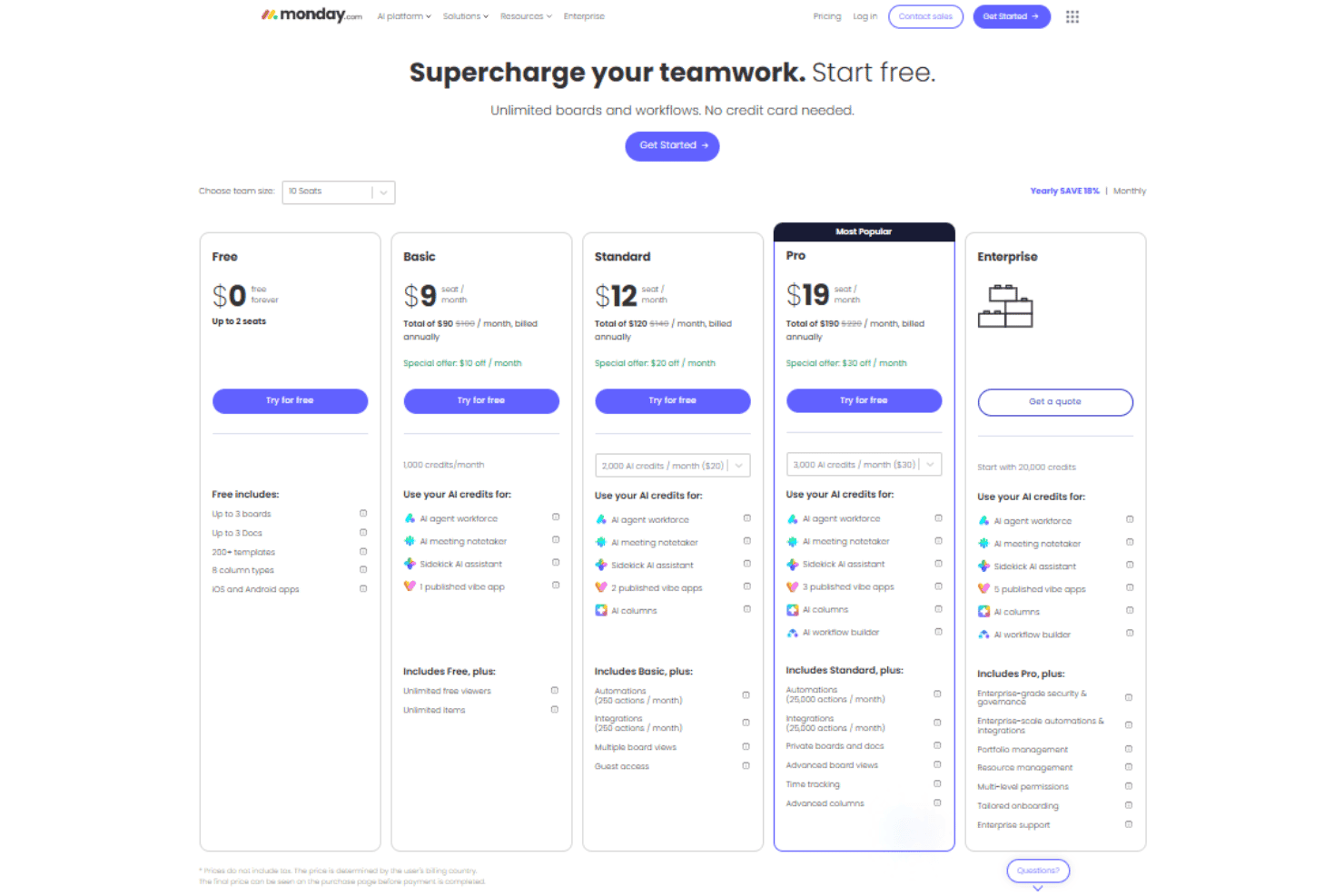
monday.com’s pricing feels fair for the depth of features, and most users say they see real value, especially when managing large teams or projects. The free and basic plans suit small teams, while premium tiers unlock workflow automation, reporting, and advanced permissioning.
- Free: Includes up to two seats, three boards, three docs, over 200 templates, and eight column types.
- Basic: Adds unlimited seats, unlimited boards & items, and 5 GB of file storage.
- Standard: Provides timeline, calendar, and map views, 20 GB of file storage, and Zoom integration.
- Pro: Includes time tracking, formula column, dependency column, and board administrators.
- Enterprise: Offers resource planner, capacity maanger, portfolio management, and AI risk insights.
monday AI Workspace Specs
- API: Yes
- Batch Permissions & Access: Yes
- Budgeting: No
- Calendar Management: Yes
- Collaboration Support: Yes
- Contact Management: No
- Contact Sharing: No
- Customer Management: No
- Dashboard: Yes
- Dashboards: Yes
- Data Export: Yes
- Data Import: Yes
- Data Visualization: Yes
- Dependency Tracking: Yes
- Document Sharing: Yes
- Expense Tracking: No
- External Integrations: Yes
- File Sharing: Yes
- Gantt Charts: Yes
- Kanban Boards: Yes
- Multi-User: Yes
- Notifications: Yes
- Project Management: Yes
- Resource Management: Yes
- Scheduling: Yes
- Task Scheduling/Tracking: Yes
- Third-Party Plugins/Add-Ons: Yes
- Time Management: Yes
- Travel Management: No
- Workflow Management: Yes
monday AI Workspace FAQs
monday AI Workspace Company Overview & History
monday.com is a work management platform headquartered in Tel Aviv, Israel, with offices in New York, London, and other major cities. Founded in 2012 by Roy Mann and Eran Zinman, monday.com employs over 1,700 people worldwide. The company went public on the NASDAQ in 2021 under the ticker MNDY. monday.com is used by teams at Coca-Cola, Hulu, Universal, and numerous other global brands.
monday.com Major Milestones
- 2012: Company founded in Tel Aviv, Israel
- 2014: Core platform launched to the public
- 2019: Reaches unicorn status after $150M Series D, valued at $1.9 billion
- 2021: IPO on the NASDAQ under ticker symbol MNDY
- 2022: Surpasses $400 million in annual recurring revenue
- 2023: Expands product offering with monday sales CRM and monday dev