
Reseña de Asana: Pros, Contras, Características y Precios
Asana destaca en la gestión de proyectos en equipo gracias a su interfaz intuitiva, convirtiéndose en la favorita de los equipos de marketing por su flexibilidad y eficiencia.

Revisamos herramientas de manera independiente, y las comisiones ayudan a financiar nuestras pruebas. Consulta nuestra política de transparencia, nuestra metodología o sugiere una herramienta.
Asana is a marketing resource management software for marketing teams that need to plan, track, and coordinate campaigns, creative workflows, and cross-functional projects in a single workspace. I'd consider it if you want more structured workflow management and task visibility than monday.com offers, without the setup complexity that comes with enterprise-grade platforms.
Asana Evaluation Summary
4.4/5
- From $10.99/user/month (billed annually)
- Free plan available
Por qué confiar en nuestras recomendaciones de software
6,700+
Reviews
20
Industry experts
16+
Evaluation factors
14
Years
Nuestro equipo lleva probando y evaluando software desde 2012. Como líderes de marketing, sabemos lo difícil —y lo importante— que es elegir el software adecuado.
Para esta guía, evaluamos las herramientas mediante pruebas prácticas e investigación independiente, puntuando las herramientas según nuestros criterios de selección.
Nuestras reseñas reflejan nuestro criterio editorial humano, no un discurso de ventas.
Revisores expertos:
 Gui DrusinaDirector creativo
- Shriya GhateSenior Marketing Lead
 Amanda JacquesLíder de Marketing Ops

Asana Overview
In my opinion, Asana excels as a marketing resource management software with its user-friendly interface and effective task management features. It stands out with useful integrations and visual project planning abilities. However, its pricing, especially for advanced features, can be a setback compared to Asana alternatives such as ClickUp, Trello, or monday.com. Asana is ideal for teams that prioritize ease of use and task management but might not suit those needing extensive resource management without upgrading to a higher plan. If you're choosing a project management software for marketing or creative teams with a focus on collaboration and task tracking, Asana is a strong contender.
Pros
- The intuitive interface allows you to track tasks and due dates without effort.
- Your team can customize workflows to suit project needs.
- Visual project planning helps your team stay organized.
Cons
- Your team might find the advanced features overwhelming.
- You may experience occasional delays in customer support.
- Task dependencies can be tricky to manage effectively.
Is Asana Right For Your Needs?
Who Would be a Good Fit for Asana?
Asana’s project management features are perfect for marketing teams, creative agencies, and project managers who need to track tasks and manage deadlines. If your team values key features such as visual project planning and customizable workflows, Asana's interface supports these needs well. It's especially useful if your work involves collaboration and task management. Its features help keep everyone on the same page, making it a great choice for teams focused on organization and productivity.
- Creative AgenciesYour team can customize workflows to manage client projects smoothly.
- Marketing TeamsVisual task tracking helps you coordinate campaigns and deadlines.
- Project ManagersYou can use Asana to assign tasks and track the progress of specific projects with the intuitive interface.
- Small BusinessesAsana offers flexibility to manage tasks and subtasks without overwhelming your team.
- Remote TeamsYou can keep everyone connected and organized, no matter where they are.
- Small Teams and Tech StartupsAsana supports fast-paced environments with its agile task management features.
Who Would be a Bad Fit for Asana?
Asana might not suit large enterprises with complex resource management needs or teams requiring intricate task dependencies. If your role involves detailed resource allocation or extensive reporting, Asana's work management functionalities might fall short. Teams that need highly specialized features for industry-specific tasks may find Asana lacking. Its simplicity, while a strength, can be a limitation for those needing more advanced project management tools.
- Large EnterprisesYour complex resource management needs may exceed Asana's capabilities.
- Construction ProjectsYou might find Asana's task dependencies inadequate for detailed planning.
- Finance DepartmentsYour need for intricate reporting could make Asana a poor fit.
- Legal TeamsAsana lacks features tailored for managing legal cases and documents.
- Manufacturing CompaniesYour industry-specific tracking needs may not align with Asana's offerings.
- Healthcare FacilitiesAsana's functionalities might not support the regulatory and compliance demands of the healthcare industry.
Cómo Probamos y Puntuamos las Herramientas
Hemos dedicado años a construir, refinar y mejorar nuestro sistema de prueba y puntuación de software. El marco está diseñado para captar los matices de la selección de software y lo que hace a una herramienta eficaz, enfocándose en los aspectos críticos del proceso de decisión. A continuación, puedes ver exactamente cómo funcionan nuestras pruebas y puntuaciones en siete criterios. Esto nos permite brindar una evaluación imparcial de los programas basada en la funcionalidad principal, características destacadas, facilidad de uso, integración, soporte al cliente, reseñas de clientes y relación calidad-precio.
Funcionalidad Principal (25% de la puntuación final)
El punto de partida de nuestra evaluación siempre es la funcionalidad principal de la herramienta. ¿Cuenta con las funciones básicas que un usuario esperaría? ¿Alguna de esas funciones está reservada solo para planes de pago avanzados? Esperamos que, en esencia, una herramienta se mantenga al nivel de las capacidades mínimas de sus competidores.
Características Destacadas (25% de la puntuación final)
Después, evaluamos las características poco comunes y destacadas que van más allá de la funcionalidad típica de herramientas similares. Una puntuación alta refleja funciones especializadas o únicas que hacen el producto más rápido, eficiente o aportan un valor adicional al usuario. También evaluamos qué tan fácil es integrarse con otras herramientas habituales en el entorno tecnológico para expandir la funcionalidad del software. Las herramientas que ofrecen muchas integraciones nativas, conexiones de terceros y acceso a API para crear integraciones personalizadas tienen la mejor puntuación.
Facilidad de Uso (10% de la puntuación final)
Consideramos cuán rápido y fácil es ejecutar las tareas definidas en la funcionalidad central utilizando la herramienta. El software mejor puntuado está bien diseñado, es intuitivo, ofrece aplicaciones móviles, proporciona plantillas y hace que tareas relativamente complejas parezcan sencillas.
Incorporación (10% de la puntuación final)
Sabemos lo importante que es que un equipo adopte rápidamente una nueva plataforma, por eso evaluamos lo fácil que es aprender y usar una herramienta con la menor formación posible. Analizamos lo rápido que un integrante puede comenzar a usar la herramienta sin experiencia previa. Las soluciones mejor puntuadas requieren poco o ningún soporte.
Soporte al Cliente (10% de la puntuación final)
Vemos cuán rápido y sencillo es obtener ayuda por teléfono, chat en vivo o base de conocimientos. Las empresas y herramientas que ofrecen soporte en tiempo real logran la mejor puntuación, mientras que los chatbots obtienen la peor.
Reseñas de Clientes (10% de la puntuación final)
Más allá de nuestras propias pruebas y evaluaciones, consideramos el puntaje de recomendación de clientes actuales y anteriores. Revisamos la probabilidad de que, de poder elegir de nuevo, seleccionarían la herramienta por su funcionalidad principal. Un software con alta puntuación refleja una elevada recomendación de sus usuarios.
Relación Calidad-Precio (10% de la puntuación final)
Finalmente, considerando todos los demás criterios, revisamos el precio promedio de los planes básicos frente a las funciones y el valor de los demás factores de evaluación. El software que ofrece más por menos obtiene mejor puntuación.
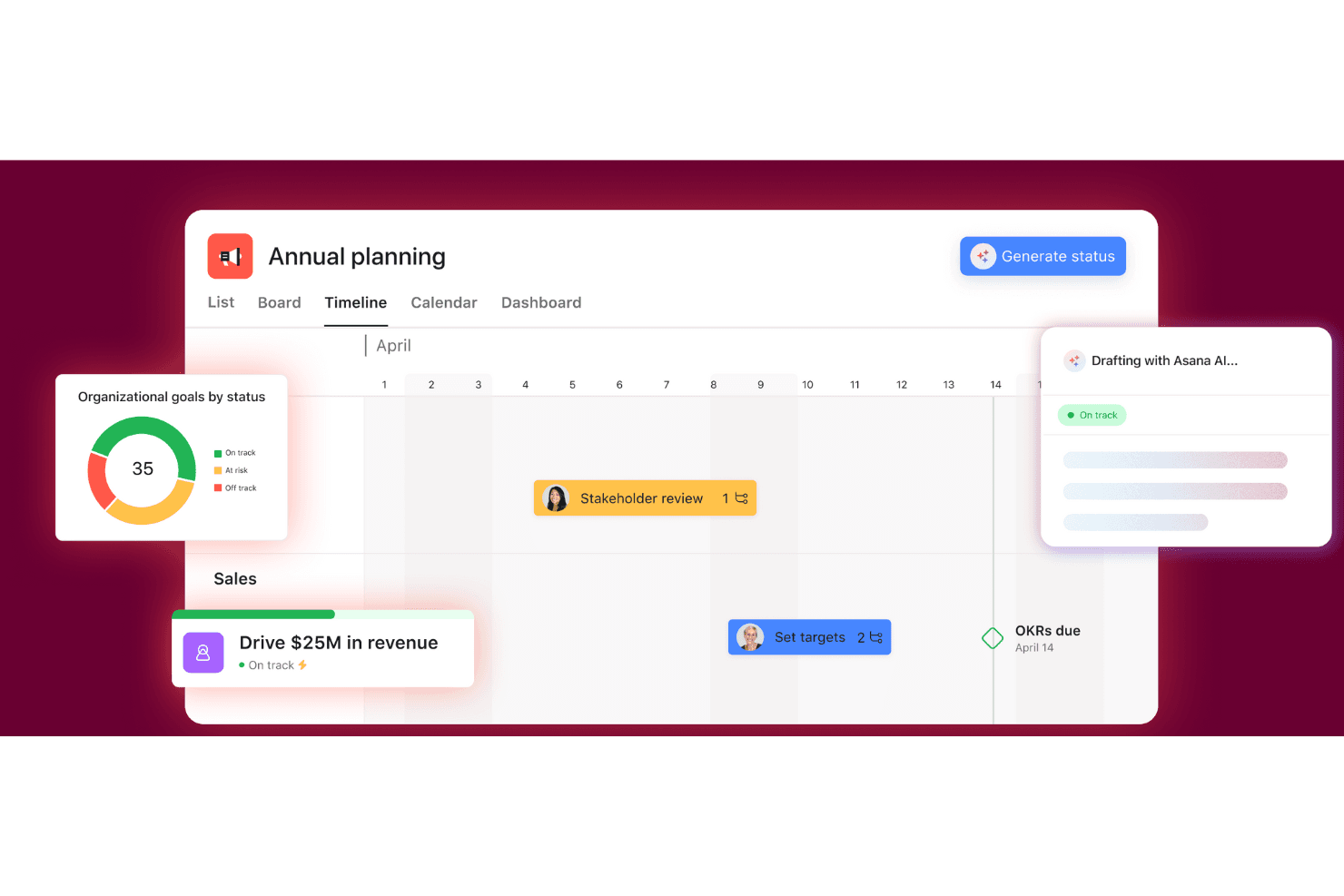
Core Features
Project Management
Helps teams plan and deliver work day-to-day using tasks, projects, different views (like timeline/Gantt/Kanban), updates, and personal inbox/task lists so everyone knows what’s happening and who owns what.
Goals and Reporting
Connects work to company targets and shows progress in one place using goals, portfolios, and dashboards so leaders can track results without chasing updates.
Workflows and Automation
Standardizes how work comes in and moves forward using forms, rules, bundles, and templates so repeatable processes run faster with less manual follow-up.
Resource Management
Gives visibility into who has time and who’s overloaded using workload and capacity planning so you can balance assignments and avoid burnout or missed deadlines.
Admin and Security
Controls access, privacy, and governance with admin tools, permissions, audits, and guest settings so teams can collaborate safely and stay compliant.
Ease of Use
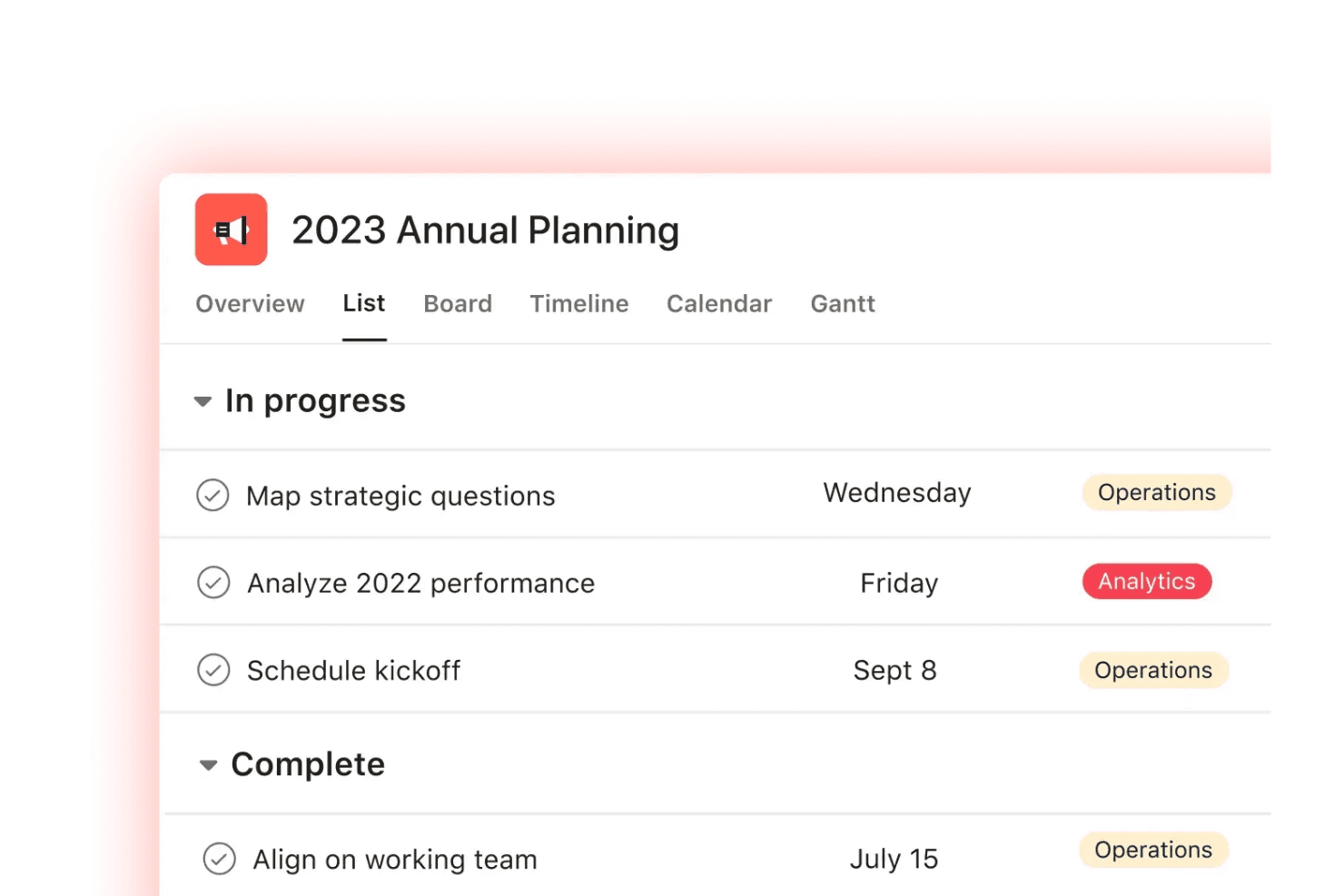
Asana shines in user-friendliness with its intuitive interface that makes it easy for your team to jump right in. The clear layout and drag-and-drop functionality simplify task management and project planning. You don't need extensive training to get started, which saves time and effort. Its design focuses on boosting your team's productivity, making it a preferred choice for those seeking a straightforward project management tool. Users appreciate how it organizes their workflows without unnecessary complexity, while routine task automation saves time.
Integrations
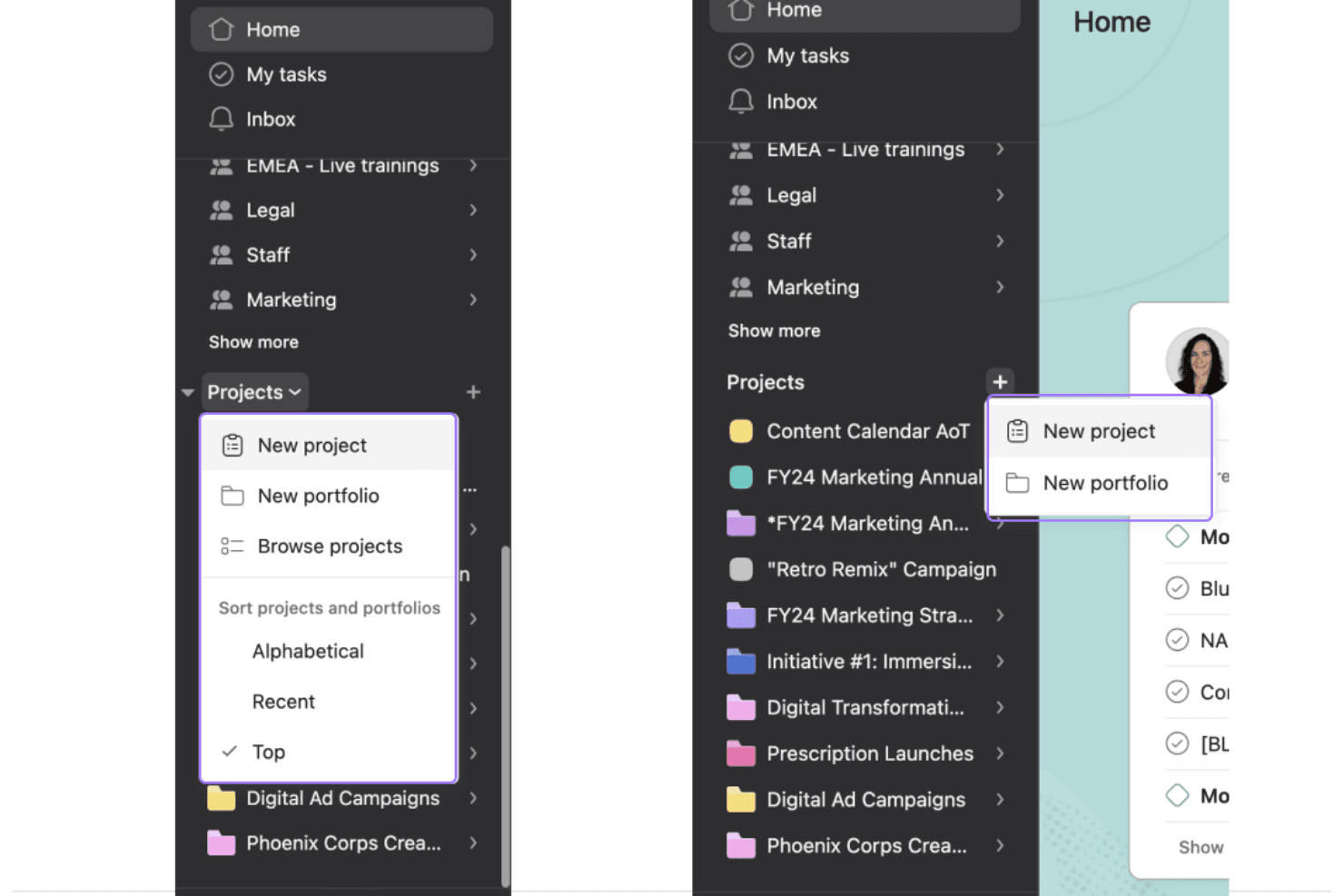
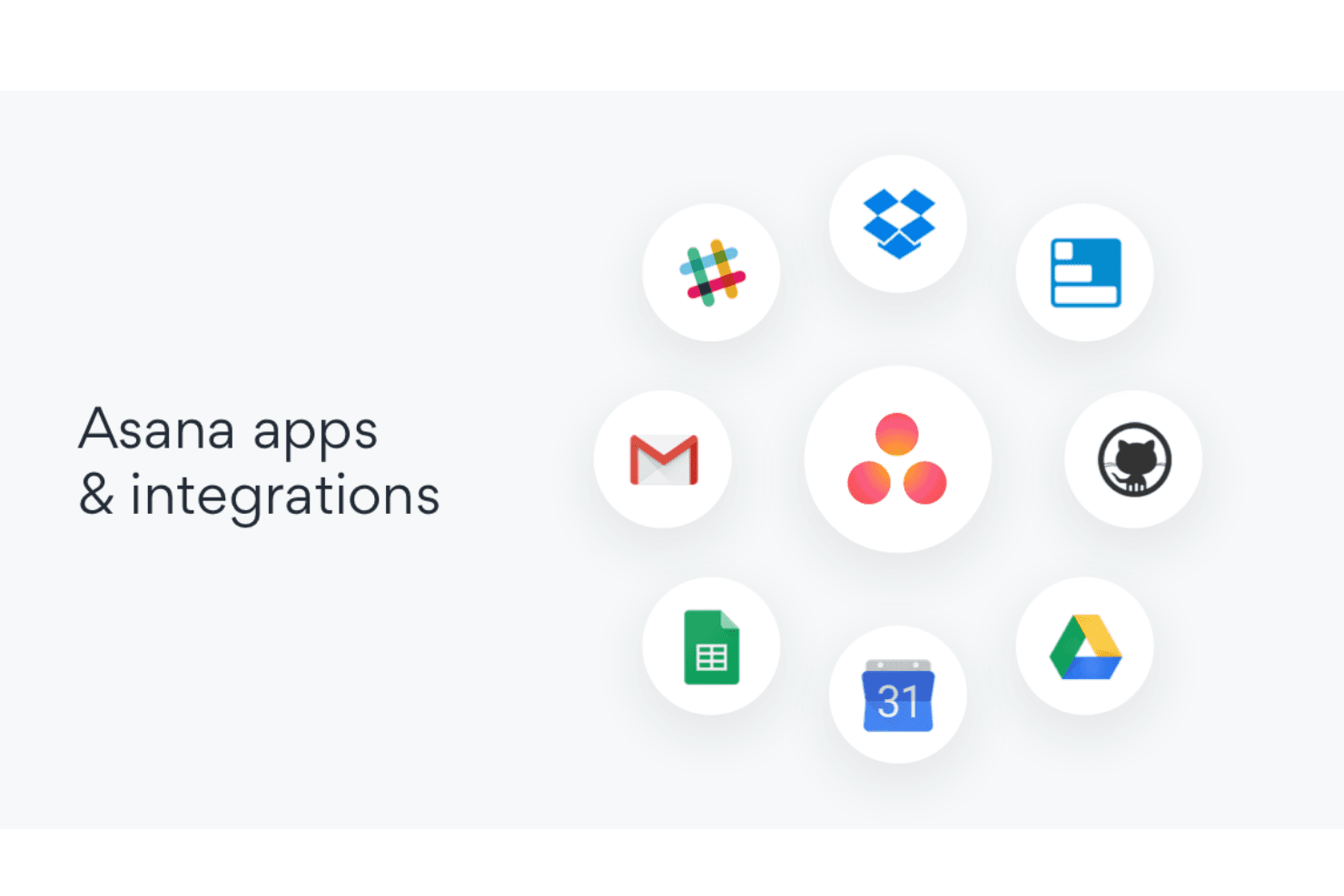
Asana has a large app directory, so you can connect the tools your team already uses communication, file storage, video calls, CRM, and developer tools. Common examples include Slack, Microsoft (Teams/Outlook), Google (Drive), Zoom, Dropbox, Salesforce, GitHub, and tools like Jira (by Atlassian).
For more flexibility, Asana also supports custom connections through its developer API and third-party connectors.
Asana Specs
- API: Yes
- Batch Permissions & Access: Yes
- Budgeting: Yes
- Calendar Management: Yes
- Collaboration Support: Yes
- Contact Management: Yes
- Contact Sharing: No
- Customer Management: No
- Dashboard: Yes
- Dashboards: Yes
- Data Export: Yes
- Data Import: Yes
- Data Visualization: Yes
- Dependency Tracking: Yes
- Document Sharing: Yes
- Expense Tracking: Yes
- External Integrations: Yes
- File Sharing: Yes
- Gantt Charts: Yes
- Kanban Boards: Yes
- Multi-User: Yes
- Notifications: Yes
- Project Management: Yes
- Resource Management: No
- Scheduling: Yes
- Task Scheduling/Tracking: Yes
- Third-Party Plugins/Add-Ons: Yes
- Time Management: Yes
- Travel Management: No
- Workflow Management: Yes


