

10 herramientas de PPC para 2026

Selección de herramientas de PPC


Las herramientas de PPC te ayudan a crear, gestionar y optimizar anuncios de PPC y campañas de marketing más amplias en plataformas publicitarias como Google, Bing y las redes sociales. Tanto si eres principiante como si eres un experto en busca de las mejores herramientas de automatización, probablemente te centres en mejorar el rendimiento del marketing de PPC, automatizar tareas que consumen mucho tiempo y obtener información detallada sobre tu presupuesto publicitario. Con el aumento de las tarifas de CPC y la fuerte competencia, elegir las herramientas de IA adecuadas puede marcar una gran diferencia en la forma en que llegas a tu audiencia y demuestras el ROI junto con tus esfuerzos de marketing de contenidos. Esta lista te ayudará a comparar las mejores opciones para 2026, para que puedas olvidarte de la hoja de cálculo manual y encontrar la opción adecuada para tus objetivos y flujo de trabajo de marketing.
Por qué confiar en nuestras recomendaciones de software
Nuestro equipo lleva probando y evaluando software desde 2012. Como líderes de marketing, sabemos lo difícil —y lo importante— que es elegir el software adecuado.
Para esta guía, evaluamos las herramientas mediante pruebas prácticas e investigación independiente, puntuando las herramientas según nuestros criterios de selección.
Nuestras reseñas reflejan nuestro criterio editorial humano, no un discurso de ventas.
Resumen de las mejores herramientas de PPC
Esta tabla comparativa resume los detalles de precios de mi selección de las mejores herramientas de PPC para ayudarte a encontrar la más adecuada para tu presupuesto y las necesidades de tu empresa.
| Tool | Best For | Trial Info | Price | ||
|---|---|---|---|---|---|
| 1 | Ideal para descubrir estrategias publicitarias de la competencia | No disponible | Desde $39/mes | Website | |
| 2 | Ideal para investigación de palabras clave de competidores | Plan gratuito + prueba gratis de 7 días + demo gratis | Desde $117.33/mes (facturado anualmente) | Website | |
| 3 | Mejor para informes unificados en un solo panel | Plan gratuito disponible | Desde $69/mes | Website | |
| 4 | Ideal para pruebas de anuncios en Facebook e Instagram | Prueba gratuita de 14 días | Desde $49/mes | Website | |
| 5 | Ideal para gestionar campañas publicitarias a gran escala | No disponible | Precios bajo solicitud | Website | |
| 6 | Ideal para llegar a audiencias de Bing y socios | No disponible | Sin tarifa mínima, solo pague por clics | Website | |
| 7 | Ideal para la optimización automatizada de cuentas | Prueba gratuita de 14 días | Desde $66/mes | Website | |
| 8 | Mejor para flujos de trabajo avanzados de pruebas de anuncios | Prueba gratuita de 30 días | Desde $149/mes | Website | |
| 9 | Ideal para publicidad en marketplaces de ecommerce | Demo gratuita disponible | Desde $695/mes | Website | |
| 10 | Ideal para la gestión simplificada de campañas | Demo gratuita disponible | No disponible | Website |
Opiniones sobre herramientas de PPC
A continuación encontrarás mis resúmenes detallados de las herramientas de PPC que llegaron a mi selección. Mis reseñas ofrecen un análisis detallado de las funciones, los mejores casos de uso y las integraciones de cada plataforma para ayudarte a encontrar la más adecuada para ti.

SpyFu
Ideal para descubrir estrategias publicitarias de la competencia

Si deseas analizar las estrategias de búsqueda de pago de tus competidores, SpyFu te da acceso a sus campañas PPC históricas y actuales. Esta herramienta es especialmente útil para los especialistas en marketing digital y agencias que buscan descubrir qué palabras clave, copias de anuncios y páginas de destino generan resultados para otros en su sector. Con SpyFu, puedes identificar vacíos en tus propias campañas y encontrar nuevas oportunidades para mejorar tu rendimiento en búsquedas pagadas.
Por qué elegí SpyFu
SpyFu destaca por su capacidad para revelar estrategias PPC detalladas de la competencia, lo cual es esencial para los mercadólogos que quieren compararse y superar a sus rivales. Lo elegí porque puedes ver exactamente en qué palabras clave están pujando tus competidores, junto con su copia de anuncios y su historial de gastos. La herramienta también te permite seguir los cambios en las campañas de la competencia a lo largo del tiempo, por lo que puedes detectar tendencias y cambios en su enfoque. Para cualquiera que se enfoque en la búsqueda de pago, estas ideas hacen que SpyFu sea un recurso valioso para la planificación y optimización de campañas.
Características clave de SpyFu
Además de sus capacidades de investigación de la competencia, SpyFu ofrece varias otras funciones para la gestión de campañas PPC:
- Informes de historial de anuncios: Accede a una línea de tiempo con los anuncios históricos de cualquier dominio para analizar los mensajes y los cambios creativos.
- Agrupación de palabras clave: Organiza las palabras clave en grupos lógicos para una planificación y gestión de campañas más sencilla.
- Análisis SERP: Revisa las páginas de resultados del motor de búsqueda para ver qué dominios están posicionados y haciendo publicidad por palabras clave objetivo.
- Informes personalizados con marca: Genera informes descargables con tu propia marca para presentaciones a clientes o para compartir internamente.
Integraciones de SpyFu
Las integraciones incluyen Google Ads, Google Analytics, Google Search Console, WriterAccess y Slack.
Pros and Cons
Pros:
- Encuentra ideas para palabras clave negativas
- Fácil exportación de plantillas de anuncios
- Rastrea cambios en los rankings rápidamente
Cons:
- Solo se enfoca en anuncios de búsqueda
- No realiza seguimiento de PPC en redes sociales

Semrush
Ideal para investigación de palabras clave de competidores

Si necesitas descubrir las estrategias de palabras clave de tus competidores, Semrush ofrece un conjunto completo de herramientas de investigación diseñadas para ese propósito. Es una opción sólida para equipos de marketing y agencias que desean analizar campañas PPC rivales y detectar nuevas oportunidades de palabras clave. La plataforma te ayuda a comparar el rendimiento de tu búsqueda pagada y perfeccionar tu estrategia de ofertas con datos competitivos detallados.
Por qué elegí Semrush
Semrush destaca por su capacidad para mostrar datos detallados de palabras clave de la competencia, algo esencial para crear campañas PPC eficaces. Lo elegí porque la herramienta Keyword Gap te permite comparar directamente tu portafolio de palabras clave pagadas con el de tus competidores y detectar oportunidades perdidas. La función Advertising Research también te da acceso a los textos publicitarios de tus rivales, páginas de destino y estimaciones de gasto, lo que te permite perfeccionar tu propia estrategia. Para los especialistas en marketing enfocados en superar a la competencia en búsqueda pagada, estas funciones hacen que Semrush sea una excelente elección.
Funcionalidades clave de Semrush
Otras funcionalidades en Semrush te ayudan a gestionar y optimizar campañas PPC:
- Herramienta PPC Keyword: Crea, organiza y perfecciona listas de palabras clave para campañas pagadas en un solo espacio de trabajo.
- Ad Builder: Crea y prueba variaciones de textos publicitarios antes de lanzar campañas en Google Ads.
- Investigación de PLA: Analiza anuncios de productos de la competencia para mejorar tus propias campañas de compras.
- Seguimiento de Posiciones: Supervisa el posicionamiento y la visibilidad de tus palabras clave pagadas en diferentes ubicaciones y dispositivos.
Integraciones de Semrush
Las integraciones incluyen Google Ads, Google Analytics, Google Search Console, WordPress y HubSpot.
Pros and Cons
Pros:
- Rastrea el historial de textos publicitarios
- Estima el gasto de los competidores
- Excelente herramienta para investigar palabras clave
Cons:
- La interfaz puede ser visualmente abrumadora
- Los complementos tienen un costo adicional
Adzooma
Mejor para informes unificados en un solo panel
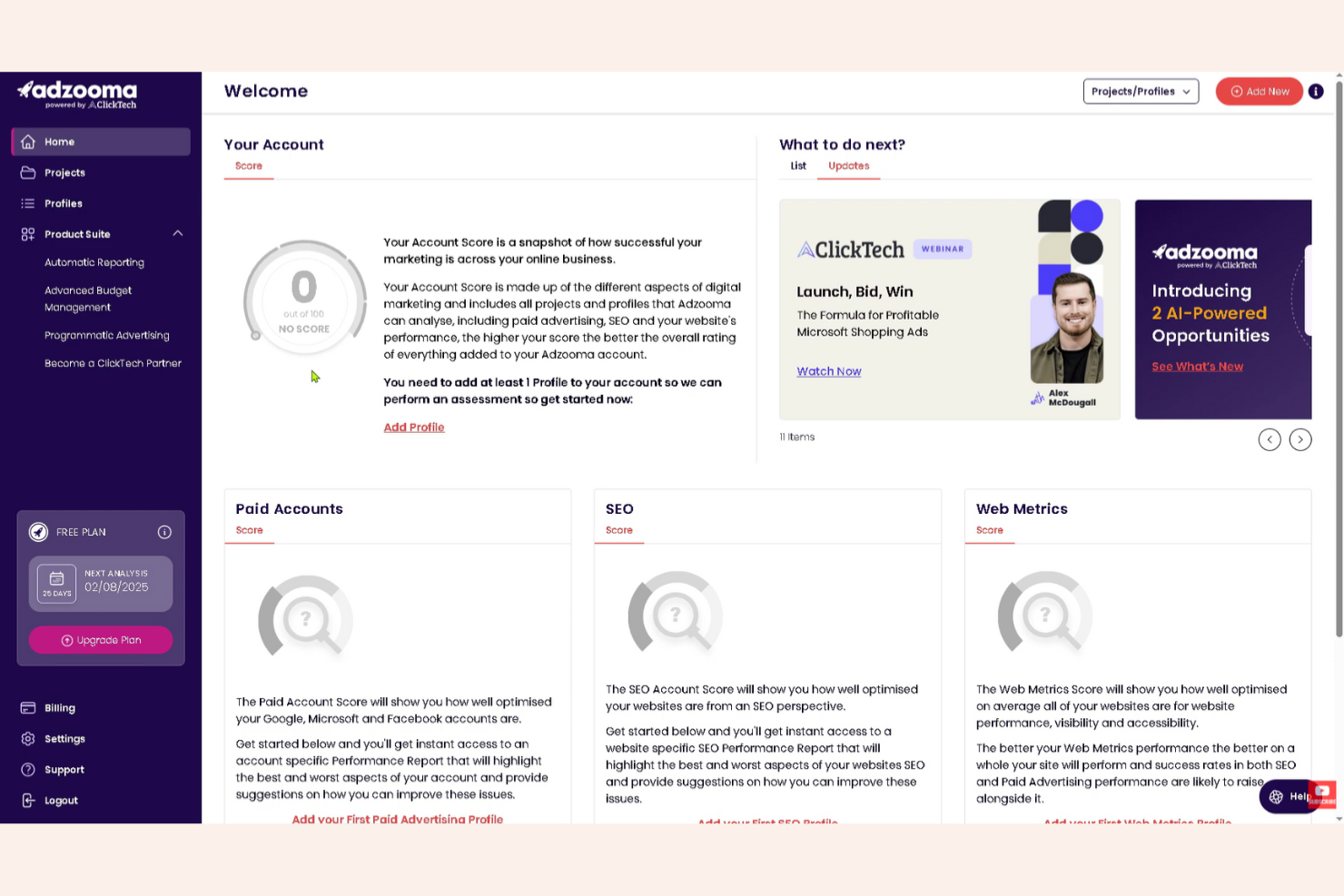
Adzooma ofrece a los gestores de PPC y equipos de marketing digital un panel unificado para rastrear y optimizar campañas en múltiples plataformas. La herramienta es especialmente útil para agencias y empresas que gestionan anuncios en Google, Facebook y Microsoft desde un único lugar. Si necesitas informes consolidados y recomendaciones automáticas sin tener que alternar entre cuentas, Adzooma está diseñada para ese flujo de trabajo.
Por Qué Elegí Adzooma
Para los equipos de PPC que manejan varias plataformas publicitarias, los informes del panel unificado de Adzooma suponen una gran ventaja. La plataforma recopila datos de Google, Facebook y Microsoft Ads en una sola vista personalizable, lo que te permite monitorear el rendimiento sin cambiar de pestaña. Me gusta cómo Adzooma permite crear informes a medida y visualizar resultados entre canales en un solo lugar. Esta configuración ayuda a agencias y especialistas internos a detectar tendencias rápidamente y tomar decisiones informadas en todas sus campañas.
Funciones Clave de Adzooma
Otras funciones que hacen que Adzooma sea valiosa para la gestión de PPC incluyen:
- Motor de Oportunidades: Ofrece sugerencias automáticas para mejorar campañas basadas en datos de la cuenta.
- Automatización de Tareas: Permite programar y automatizar acciones rutinarias de gestión de cuentas.
- Herramienta de Comparación de Rendimiento: Compara resultados entre diferentes campañas, grupos de anuncios o periodos de tiempo.
- Informes de Marca Blanca: Genera informes personalizables que pueden ser adaptados para clientes o partes interesadas.
Integraciones de Adzooma
Las integraciones incluyen Google Ads, Microsoft Advertising y Meta Ads.
Pros and Cons
Pros:
- Soporta varias redes
- Interfaz limpia y sencilla
- Directorio útil de agencias SEO
Cons:
- Funciones avanzadas cuestan extra
- Retrasos ocasionales en la sincronización

Ideal para pruebas de anuncios en Facebook e Instagram
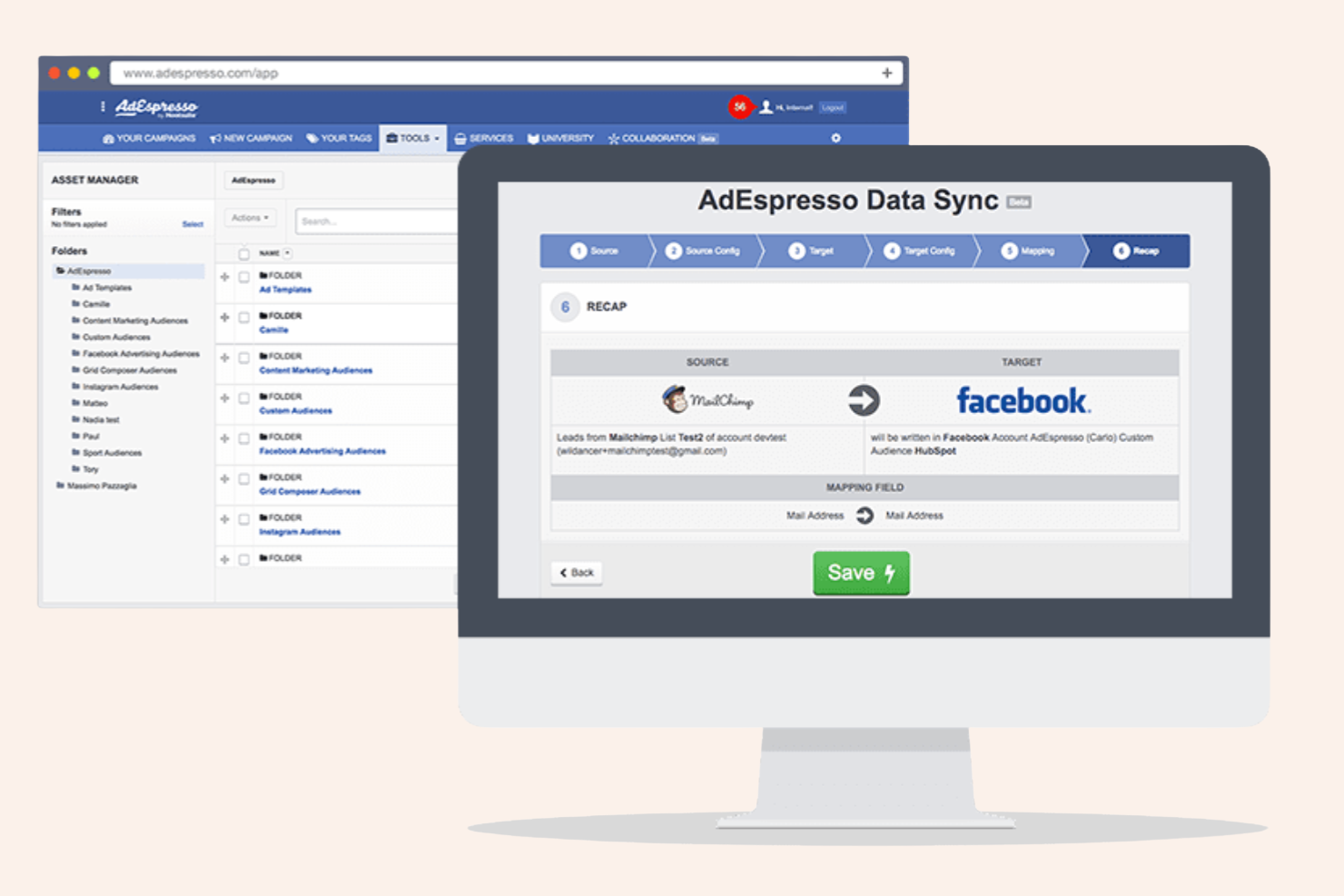
Para los especialistas en marketing enfocados en redes sociales de pago, AdEspresso ofrece herramientas especializadas para probar y optimizar anuncios en Facebook e Instagram. Es una opción muy adecuada para agencias y equipos internos que desean ejecutar experimentos publicitarios multivariantes sin configuración manual. La plataforma te ayuda a identificar rápidamente las combinaciones de creatividad y audiencia que mejor funcionan, facilitando la mejora del ROI en las plataformas de Meta.
Por qué elegí AdEspresso
AdEspresso está diseñada específicamente para los especialistas en marketing que quieren probar y optimizar anuncios de Facebook e Instagram a gran escala. Lo elegí porque su flujo de trabajo para la creación de campañas permite configurar pruebas multivariantes entre creatividad, audiencia y colocación en solo unos pasos. El panel de análisis de la plataforma desglosa el rendimiento de cada variación, por lo que puedes identificar rápidamente lo que funciona. Para quienes están enfocados en redes sociales pagadas, estas funciones de prueba y reporte hacen de AdEspresso una opción sólida.
Características clave de AdEspresso
Además de sus capacidades de prueba e informes, AdEspresso ofrece varias otras funciones para gestionar campañas de pago en redes sociales:
- Reglas de optimización automatizadas: Establece reglas personalizadas para pausar, promocionar o ajustar anuncios automáticamente según métricas de rendimiento.
- Herramientas de colaboración: Invita a miembros del equipo o clientes a revisar, comentar y aprobar campañas dentro de la plataforma.
- Programación de anuncios: Programa anuncios para que se muestren en momentos o días específicos según los patrones de actividad de tu audiencia.
- Informes en PDF: Genera informes PDF personalizables para compartir los resultados de las campañas con las partes interesadas.
Integraciones de AdEspresso
Las integraciones incluyen Facebook Ads, Instagram Ads y Google Ads.
Pros and Cons
Pros:
- Panel visual limpio
- Reglas de optimización automatizadas
- Excelente para publicidad en Meta
Cons:
- No profundiza en Google Search
- La analítica puede cargar lentamente

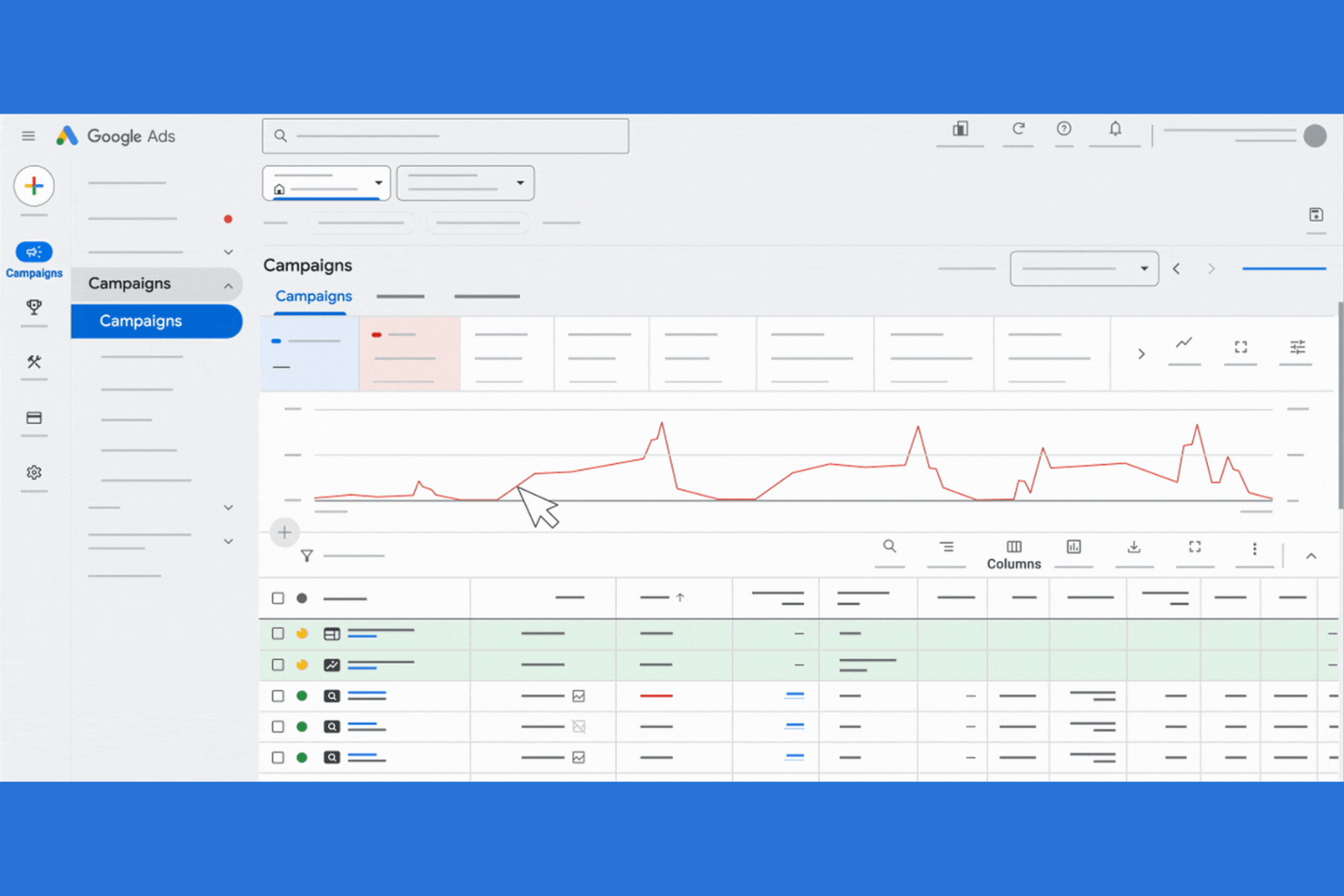
Si necesitas gestionar campañas publicitarias de gran volumen en varios mercados, Google Ads ofrece el alcance y la flexibilidad para hacerlo. Esta plataforma está diseñada para equipos de marketing y agencias que buscan un control minucioso sobre presupuestos, segmentación y creatividad a escala. Es especialmente útil para empresas que desean maximizar su visibilidad en Google Search, YouTube y sitios asociados.
Por qué elegí Google Ads
Elegí Google Ads porque está diseñada específicamente para gestionar campañas publicitarias a gran escala con requisitos complejos. La plataforma admite estructuras avanzadas de campañas, permitiéndote organizar miles de anuncios y palabras clave en varias cuentas y mercados. Valoro la segmentación de audiencia detallada y las opciones de puja automatizada, que ayudan a asignar el presupuesto de forma eficiente a gran escala. Google Ads también ofrece herramientas de informes sólidas, así puedes monitorear el rendimiento y ajustar las estrategias para campañas de alto volumen.
Funciones claves de Google Ads
Otras funciones de Google Ads especialmente útiles para la gestión de PPC incluyen:
- Anuncios de búsqueda responsivos: Prueban automáticamente diferentes títulos y descripciones para encontrar las combinaciones de anuncios con mejor rendimiento.
- Extensiones de anuncio: Agrega enlaces de sitio, destacadas e información estructurada a tus anuncios para proporcionar más detalles y aumentar la visibilidad.
- Seguimiento de conversiones: Mide acciones específicas que los usuarios realizan después de hacer clic en tus anuncios, como compras o registros, para evaluar la efectividad de la campaña.
- Google Keyword Planner: Investiga y descubre nuevas palabras clave, junto con datos de volumen de búsquedas y previsiones, para orientar tu estrategia de campaña.
Integraciones de Google Ads
Las integraciones incluyen Google Analytics, Google Search Console, YouTube, Salesforce y HubSpot.
Pros and Cons
Pros:
- Potente inteligencia artificial de aprendizaje automático
- Segmentación de audiencia avanzada
- Se integra fácilmente con GA4
Cons:
- La interfaz cambia con frecuencia
- El soporte puede ser poco útil


Para los especialistas en marketing que buscan llegar a audiencias más allá de Google, Microsoft Advertising ofrece acceso a Bing, Yahoo y a una red de sitios asociados. Esta plataforma es ideal para empresas que desean diversificar su estrategia de PPC y aprovechar segmentos demográficos únicos de búsqueda. Es especialmente útil para equipos que buscan ampliar su alcance a usuarios que no son tan activos en las propiedades de Google.
Por Qué Elegí Microsoft Advertising
Lo que diferencia a Microsoft Advertising es su capacidad para llegar a audiencias en Bing y una amplia red de sitios asociados que no se pueden alcanzar con Google Ads. Esto la convierte en una excelente opción para campañas de PPC dirigidas a usuarios que prefieren motores de búsqueda alternativos o tienen diferentes hábitos de navegación. Me gusta que la plataforma ofrezca segmentación por perfil de LinkedIn, lo que permite refinar el público objetivo en función de atributos profesionales. Microsoft Advertising también permite importar campañas de Google Ads, facilitando la expansión del alcance sin tener que reconstruir campañas desde cero.
Características Clave de Microsoft Advertising
También encontré otras funciones en Microsoft Advertising que son valiosas para la gestión de PPC:
- Anuncios en la Red de Audiencia: Publica anuncios en la red de sitios asociados, aplicaciones y ubicaciones de Microsoft más allá de los resultados de búsqueda.
- Personalizadores de Anuncios: Actualiza dinámicamente el contenido del anuncio en función de la ubicación, el dispositivo o la hora del día del usuario.
- Campañas de Shopping: Promociona productos directamente en los resultados de búsqueda de Bing con información detallada e imágenes de los productos.
- Reglas Automatizadas: Configura reglas personalizadas para ajustar automáticamente pujas, presupuestos o el estado de los anuncios según los criterios de rendimiento.
Integraciones de Microsoft Advertising
Las integraciones incluyen Bing Places for Business, Bing Webmaster Tools, Microsoft Clarity, Microsoft 365, MSN, Microsoft Edge y Netflix.
Pros and Cons
Pros:
- Llega a públicos de mayor edad
- Fácil herramienta de importación desde Google Ads
- Opciones sólidas de segmentación B2B
Cons:
- Bajo tráfico de búsqueda móvil
- El soporte puede ser muy lento

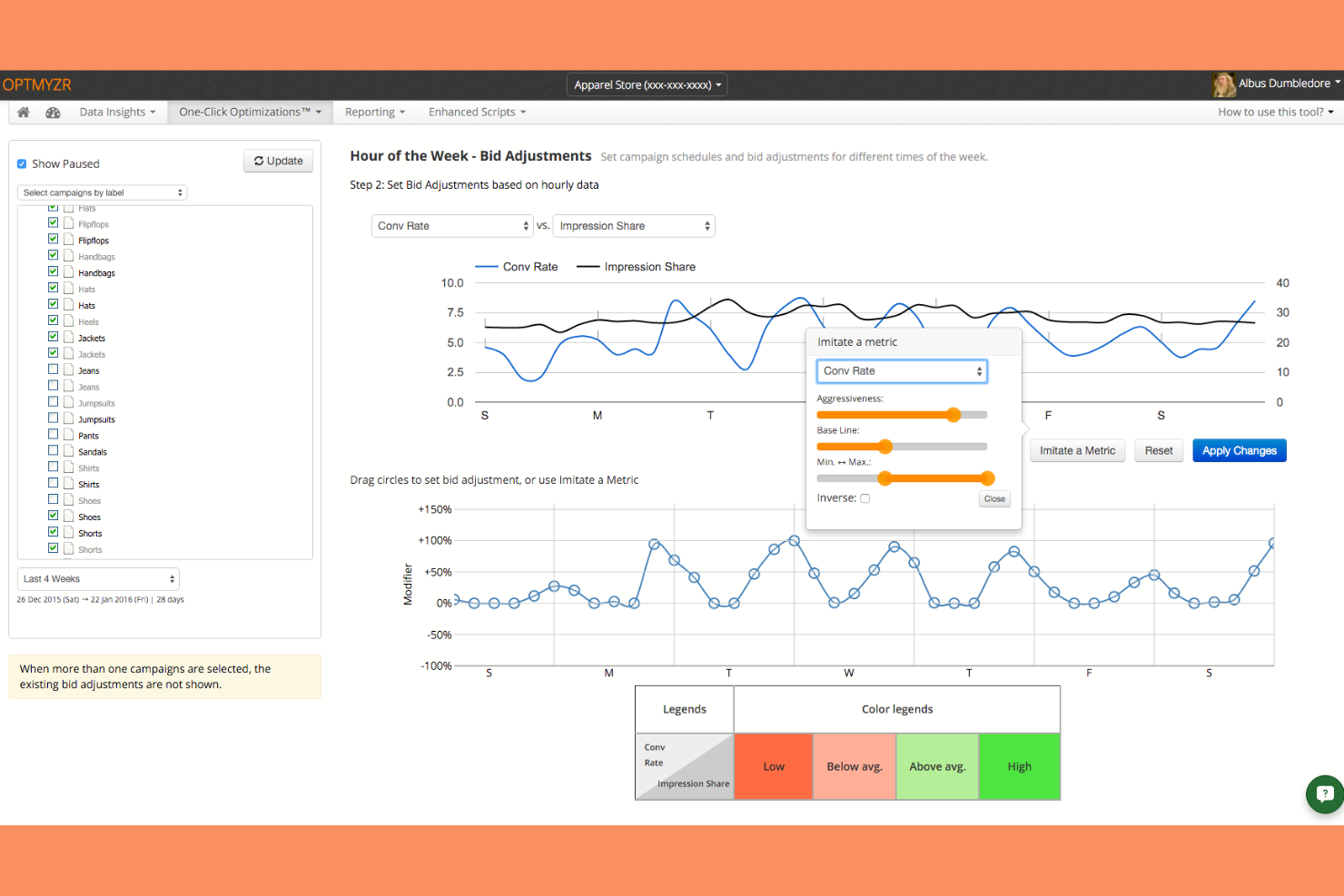
Optmyzr está diseñado para gestores de PPC y agencias que desean automatizar y escalar la optimización de cuentas en varias plataformas. La herramienta ofrece flujos de trabajo basados en reglas y en inteligencia artificial que te ayudan a gestionar pujas, presupuestos y scripts sin intervención manual. Si buscas reducir tareas repetitivas y enfocarte en la estrategia, Optmyzr ofrece automatización y control en la gestión de tu publicidad de pago.
Por qué elegí Optmyzr
La optimización automatizada de cuentas es donde Optmyzr realmente destaca para los profesionales de PPC que quieren escalar sus esfuerzos. Lo elegí porque sus optimizaciones basadas en reglas y auditorías de cuentas con un solo clic te ayudan a identificar rápidamente y aprovechar oportunidades en múltiples campañas. La función de capas de automatización de la herramienta te permite combinar scripts, reglas personalizadas y sugerencias impulsadas por IA para mantener el rendimiento de las cuentas sin revisiones manuales constantes. Para quienes gestionan cuentas de PPC complejas o de alto volumen, las funciones de automatización de Optmyzr pueden ayudarte a mantener el control mientras reduces el trabajo repetitivo.
Funciones clave de Optmyzr
Otras funciones que hacen útil a Optmyzr para equipos de PPC incluyen:
- Constructor de campañas de Shopping: Crea y gestiona campañas de Google Shopping con organización automatizada de grupos de productos.
- Investigador de PPC: Visualiza cambios en el rendimiento y diagnostica causas raíz con gráficos interactivos y desgloses.
- Herramientas de seguimiento de presupuesto: Supervisa el gasto en todas las cuentas y configura alertas para el ritmo de gasto y límites de presupuesto.
- Diseñador de informes personalizados: Crea y programa informes de rendimiento personalizados con widgets de arrastrar y soltar.
Integraciones de Optmyzr
Las integraciones incluyen Google Ads, Microsoft Ads, Amazon Ads, Meta Ads y LinkedIn Ads.
Pros and Cons
Pros:
- Soporte para anuncios multiplataforma
- Optimizaciones con un solo clic
- Excelentes herramientas de informes
Cons:
- Difícil para principiantes en PPC
- Conjunto de funciones abrumador

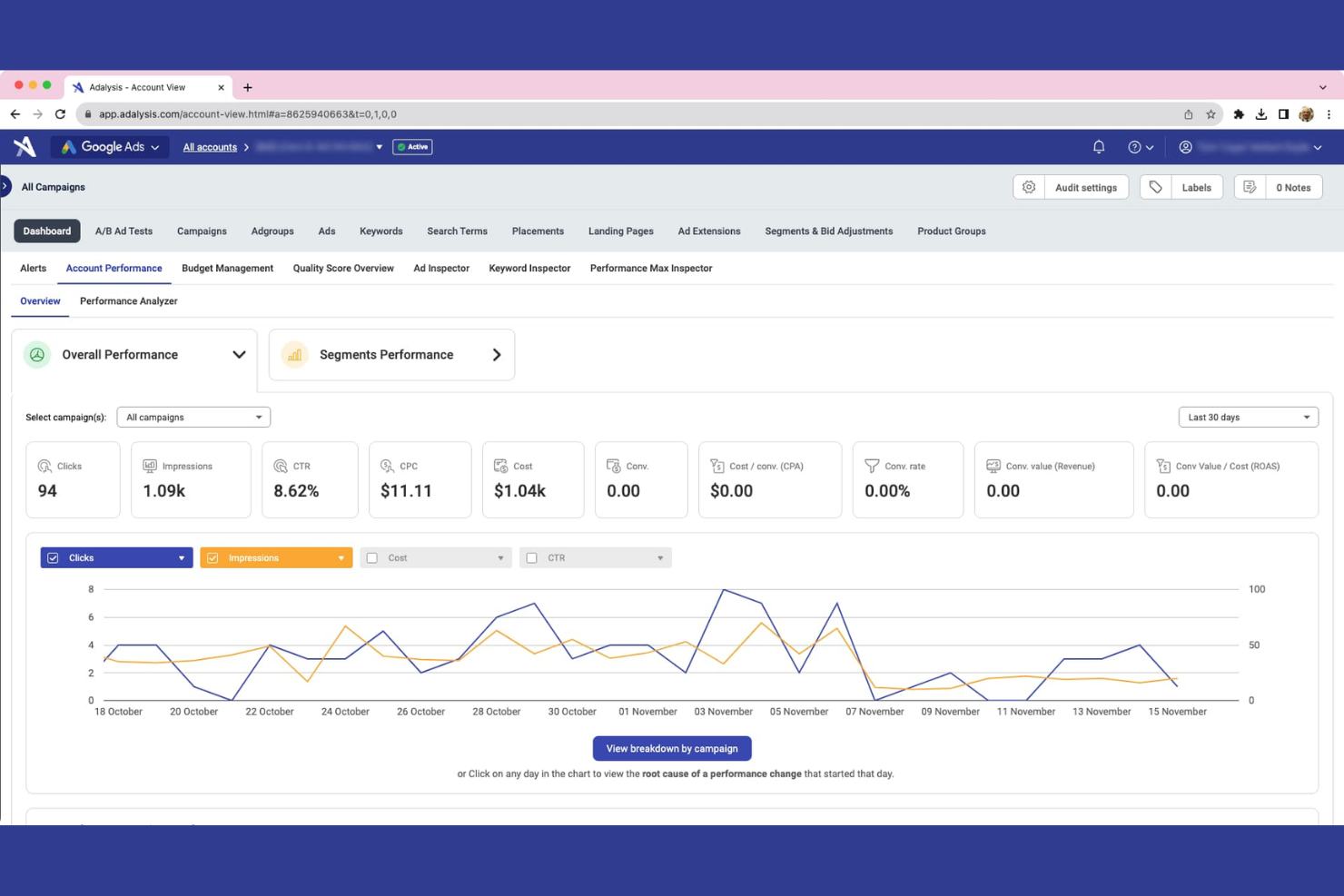
Adalysis está diseñado para especialistas en PPC y agencias que desean realizar pruebas avanzadas de anuncios a gran escala. La plataforma ofrece análisis estadístico automatizado y alertas accionables, lo que te permite identificar rápidamente los anuncios con bajo rendimiento y optimizar la creatividad. Si gestionas campañas de alto volumen y necesitas flujos de trabajo estructurados y basados en datos para las pruebas, Adalysis aporta rigor y automatización a tu proceso de optimización de anuncios.
Por qué elegí Adalysis
Los flujos de trabajo avanzados para pruebas de anuncios son donde Adalysis destaca para los equipos de PPC enfocados en la mejora continua. Lo elegí porque sus pruebas automatizadas de significancia estadística te ayudan a identificar rápidamente qué anuncios realmente superan a otros, eliminando las suposiciones en las decisiones creativas. La plataforma también proporciona alertas accionables y herramientas de pruebas en masa, para que puedas gestionar experimentos en cientos de grupos de anuncios sin seguimiento manual. Para quienes desean aportar rigor científico y automatización a su proceso de pruebas de anuncios, Adalysis ofrece un conjunto de funciones enfocado en ese objetivo.
Características clave de Adalysis
Además de sus avanzadas capacidades de testeo de anuncios, Adalysis ofrece varias otras funciones que apoyan la gestión de PPC:
- Seguimiento del Quality Score: Supervisa los cambios en las puntuaciones de calidad a lo largo de las campañas y recibe alertas ante variaciones importantes.
- Auditorías automatizadas de cuentas: Realiza auditorías periódicas para identificar problemas como enlaces rotos, extensiones de anuncio faltantes o anuncios desaprobados.
- Herramientas de gestión de presupuesto: Establece y rastrea objetivos de gasto con alertas de ritmo y recomendaciones de presupuesto.
- Tableros personalizables de desempeño: Crea tableros para visualizar métricas clave y tendencias de múltiples cuentas.
Integraciones de Adalysis
Las integraciones incluyen Google Ads y Microsoft Ads.
Pros and Cons
Pros:
- Alertas automatizadas de cuenta
- Fácil verificación entre campañas
- Detecta términos de búsqueda duplicados
Cons:
- El precio aumenta con el gasto en anuncios
- Funciones limitadas para anuncios en redes sociales
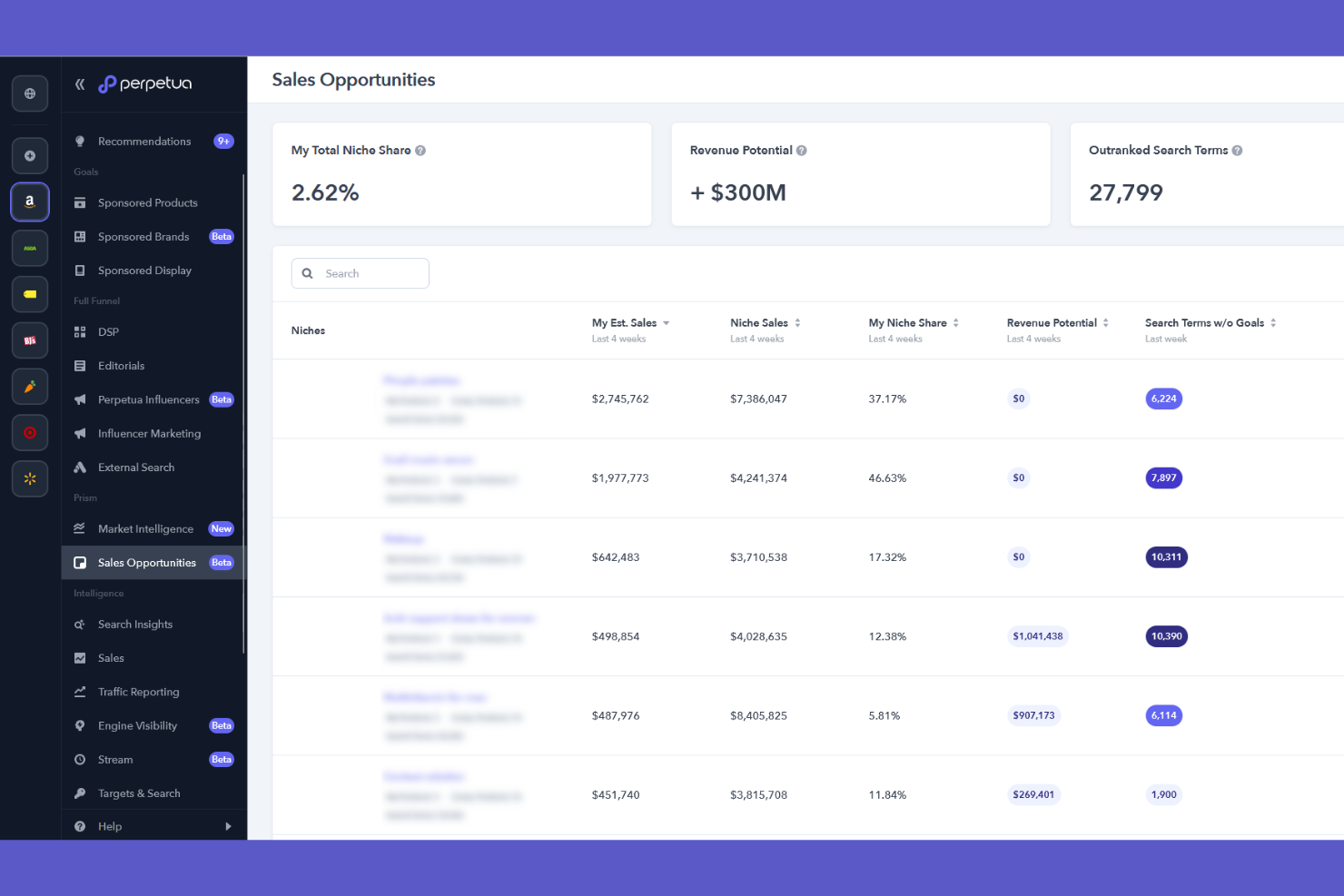
Si publicas anuncios en Amazon, Walmart u otros marketplaces de comercio electrónico, Perpetua está diseñada para ayudarte a gestionar y optimizar esas campañas en un solo lugar. La plataforma está pensada para marcas y agencias de ecommerce que necesitan automatización avanzada, análisis y herramientas creativas adaptadas a la publicidad en marketplaces. Perpetua destaca por sus funciones específicas para marketplaces, como la optimización de pujas impulsada por IA y el seguimiento de palabras clave en tiempo real, que abordan los desafíos únicos de los medios minoristas.
Por qué elegí Perpetua
A diferencia de la mayoría de las herramientas PPC que se centran en buscadores o canales sociales, Perpetua está pensada específicamente para la publicidad en marketplaces de ecommerce. Elegí Perpetua porque ofrece automatización de campañas y recolección de palabras clave impulsadas por IA específicamente para plataformas como Amazon, Walmart e Instacart. El constructor creativo para anuncios de video de marca patrocinada y el panel de análisis en tiempo real resultan especialmente útiles para equipos de medios minoristas. Estas funcionalidades ayudan a las marcas y agencias de ecommerce a gestionar campañas en marketplaces con la precisión y automatización que muchas plataformas PPC generales no ofrecen.
Características principales de Perpetua
Otras características que hacen que Perpetua destaque entre los anunciantes de marketplaces incluyen:
- Seguimiento de cuota de voz: Monitorea la visibilidad y clasificación de tu marca para palabras clave objetivo en distintos marketplaces.
- Automatización de programación horaria: Ajusta pujas y presupuestos según el rendimiento por franja horaria.
- Definición personalizada de objetivos: Permite definir y hacer seguimiento de objetivos de campaña como ROAS, ventas o captación de nuevos clientes.
- Panel de Insights de marketplace: Agrupa los datos de rendimiento de varios marketplaces en una sola vista analítica.
Integraciones de Perpetua
Las integraciones incluyen Amazon Ads, Walmart Connect, Instacart Ads, Target Roundel y Amazon Marketing Cloud.
Pros and Cons
Pros:
- Excelentes insights de cuota de mercado
- Mejora el posicionamiento orgánico de los anuncios
- Excelente creador de anuncios en video
Cons:
- Lleva tiempo que la IA aprenda
- Proceso de incorporación complejo
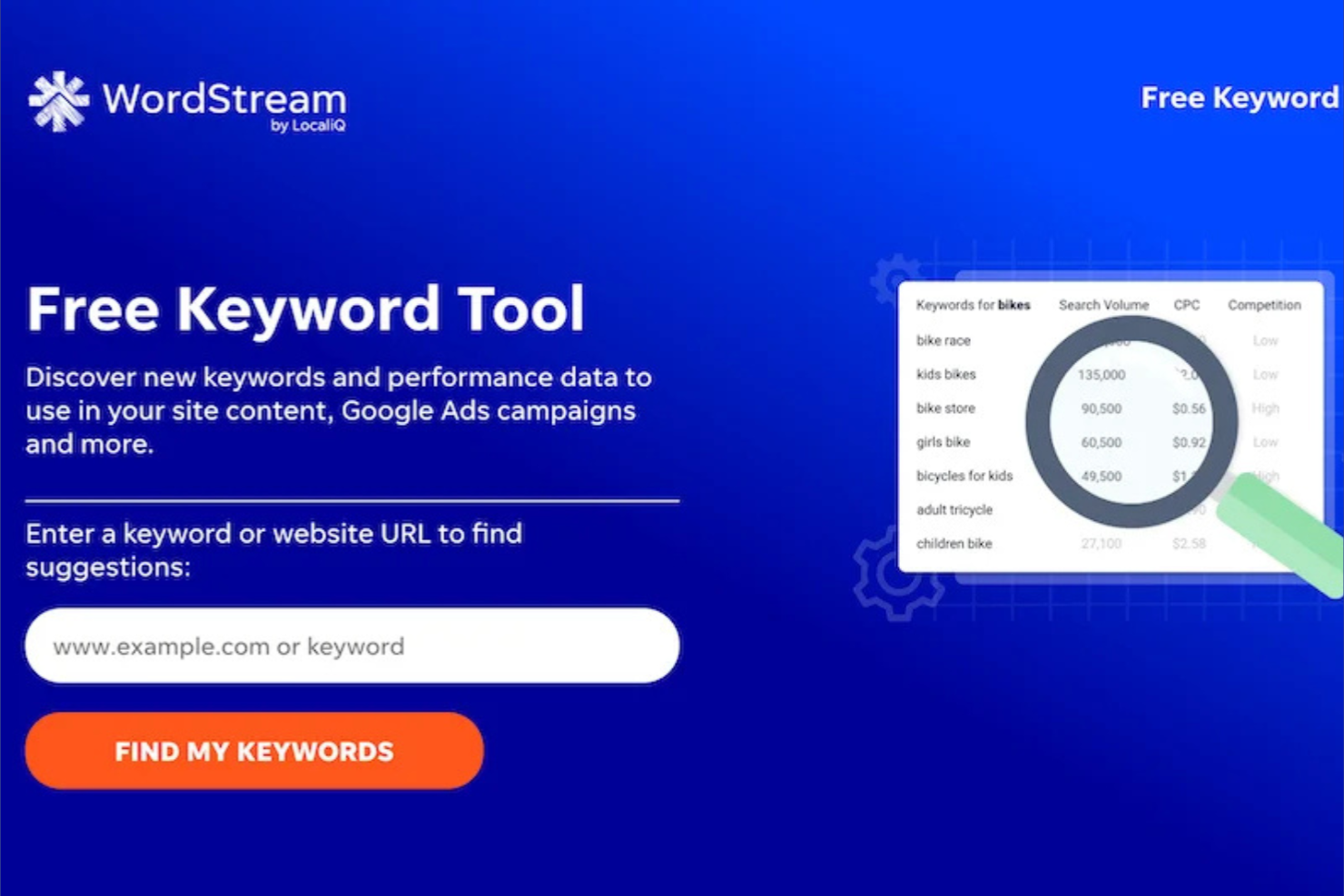
Si buscas una forma de simplificar la gestión de campañas PPC, WordStream está diseñado pensando en pequeñas empresas y equipos de marketing. La plataforma centraliza la creación, optimización e informes de campañas para Google, Microsoft y Facebook Ads. WordStream es especialmente útil para quienes desean recomendaciones guiadas y automatización sin la complejidad de las herramientas a nivel empresarial.
Por qué elegí WordStream
La gestión simplificada de campañas es donde WordStream realmente marca la diferencia para equipos PPC que quieren reducir el trabajo manual. Lo elegí porque su función 'Semana de trabajo de 20 minutos' te da una lista de prioridades de tareas de optimización, haciendo que sea sencillo mantener las campañas en buen camino sin sentirse abrumado. La plataforma también ofrece recomendaciones automáticas para ajustes de pujas, adición de palabras clave y sugerencias de palabras clave negativas, lo que te ayuda a actuar rápidamente según los datos de rendimiento. Para los especialistas en marketing que desean gestionar varios canales publicitarios sin alternar entre diferentes paneles, WordStream reúne todo en un solo lugar.
Características clave de WordStream
Otras características que hacen que WordStream sea útil para la gestión de PPC incluyen:
- Informes multiplataforma: Genera informes unificados de Google, Microsoft y Facebook Ads en un solo panel.
- Evaluador de páginas de destino: Analiza páginas de destino para factores de relevancia y rendimiento vinculados a campañas publicitarias.
- Integración de seguimiento de llamadas: Supervisa y atribuye conversiones por llamadas telefónicas directamente a tus campañas PPC.
- Sugerencias de estructura de cuentas: Recibe recomendaciones automáticas para reestructurar campañas y grupos de anuncios con el objetivo de mejorar el rendimiento.
Integraciones de WordStream
Las integraciones incluyen Google Ads, Microsoft Advertising y Facebook Ads.
Pros and Cons
Pros:
- Informes multiplataforma
- Evaluador de rendimiento gratuito
- Excelentes recursos educativos
Cons:
- Pruebas A/B avanzadas limitadas
- Se enfoca principalmente en pequeñas y medianas empresas
Otras herramientas de PPC
Estas son algunas opciones adicionales de herramientas de PPC que no llegaron a mi selección, pero que merece la pena tener en cuenta:


Cómo evalúo las herramientas PPC
Evalúo las herramientas PPC en dos niveles: las capacidades básicas como la automatización de pujas y los informes multiplataforma, y los factores diferenciadores que determinan la adecuación real para agencias o equipos internos.
Funcionalidad principal (Requisitos básicos para esta lista)
Cuando selecciono herramientas para mi lista, califico cada una en una escala del 0 (no ofrece la funcionalidad) al 5 (destaca en esta área) para cada funcionalidad central que aparece a continuación. Luego, convierto la puntuación total de la herramienta en un porcentaje. Cada herramienta debe lograr una puntuación total mínima del 75% para ser incluida.
- Gestión de anuncios multiplataforma: Verifico si una herramienta permite crear y editar campañas en Google Ads, Microsoft Ads, Meta y otras redes desde una sola interfaz.
- Investigación y gestión de palabras clave: Las herramientas sólidas deben cubrir descubrimiento, agrupación, control de tipos de concordancia y listas de palabras clave negativas, no solo importaciones básicas.
- Optimización de pujas y presupuestos: Busco pujas automáticas o basadas en reglas vinculadas a objetivos como CPA objetivo o ROAS, además de control de presupuesto para evitar excesos de gasto a mitad de mes.
- Analítica del rendimiento de campañas: Los paneles deben mostrar datos de CPC, CTR, conversiones y ROAS con vistas personalizadas, no solo los datos en bruto de la plataforma publicitaria.
- Inteligencia de competidores y anuncios: Herramientas como SpyFu y Semrush lo abordan de manera diferente, así que evalúo qué datos competitivos están disponibles: copias de anuncios, palabras clave o estimaciones de gasto.
- Pruebas de copies y creatividades: Busco tests A/B o multivariantes integrados con seguimiento de rendimiento, de modo que puedas iterar variantes sin exportar datos manualmente.
Una vez tengo una lista de herramientas que cumplen estos criterios, considero qué diferencia a cada plataforma del resto.
Factores diferenciadores (Qué distingue a los proveedores)
Así es como comparo y contrasto diferentes proveedores:
Características destacadas
Las recomendaciones con IA son importantes aquí: busco herramientas que señalen proactivamente el gasto desperdiciado o sugieran nuevas oportunidades de palabras clave, en vez de esperar a que tengas que analizar los informes. Para las agencias, los informes de clientes con marca blanca son un diferenciador clave, permitiéndote entregar resúmenes de rendimiento personalizados en una agenda fija. También evalúo bibliotecas de scripts y automatizaciones, ya que las reglas preconstruidas para pausar campañas poco efectivas o reasignar presupuesto entre campañas pueden ahorrar horas de trabajo manual cada semana.
Más allá de las características
Las integraciones determinan lo útil que resulta la herramienta PPC en el día a día: reviso conectividades nativas con GA4, CRM como Salesforce o HubSpot, y almacenes de datos como BigQuery, para que los datos de conversión fluyan sin exportaciones manuales. El modelo de precios también es importante, ya que algunas herramientas cobran un porcentaje del gasto publicitario, lo que se encarece a medida que crece el presupuesto. También analizo si la plataforma se ajusta a flujos de trabajo de agencias o equipos internos, observando soporte para MCC, permisos por cliente y cadenas de aprobación para la colaboración en equipo.
Cómo elegir herramientas de PPC
Es fácil perderse entre largas listas de funciones y complejas estructuras de precios. Para ayudarte a mantener la concentración mientras avanzas en tu proceso particular de selección de software, aquí tienes una lista de factores que debes tener en cuenta:
| Factor | Qué debes considerar |
|---|---|
| Escalabilidad | ¿La herramienta será compatible con el volumen y la complejidad de tus campañas a medida que crezca tu empresa? Comprueba si existen límites en el número de cuentas, usuarios o gasto publicitario. |
| Integraciones | ¿La herramienta se conecta de forma nativa con tus canales publicitarios, plataformas de análisis y herramientas de informes? Confirma que sea compatible con tu conjunto de herramientas actual. |
| Personalización | ¿Puedes adaptar los paneles, los informes y los flujos de trabajo a las necesidades de tu equipo? Busca opciones de configuración flexibles y permisos de usuario. |
| Facilidad de uso | ¿Con qué rapidez puede tu equipo aprender a usar la plataforma y desplazarse por ella? Solicita una demostración o una prueba para evaluar la interfaz y el flujo de trabajo. |
| Implementación e incorporación | ¿Qué recursos se necesitan para empezar? Ten en cuenta el tiempo, la formación y la asistencia necesarios para la configuración y la migración. |
| Coste | ¿Los niveles de precios se ajustan a tu presupuesto y uso? Presta atención a los requisitos de gasto mínimo, las tarifas adicionales o los compromisos contractuales. |
| Medidas de seguridad | ¿La herramienta ofrece acceso basado en roles, cifrado de datos y cumplimiento de las normas de privacidad? Pregunta por los registros de auditoría y los controles de usuario. |
| Disponibilidad de asistencia | ¿Qué canales de asistencia se ofrecen y durante qué horario? Comprueba si hay chat en directo, asistencia telefónica o gestión de cuentas específica si tu equipo necesita ayuda práctica. |
¿Qué son las herramientas de PPC?
Estas herramientas ayudan a las empresas a crear, gestionar y optimizar la publicidad PPC en canales digitales, incluidas redes especializadas como Amazon PPC. Estos sistemas utilizan algoritmos avanzados para facilitar la configuración de campañas, la gestión de palabras clave, los ajustes de pujas y el seguimiento del rendimiento, con el fin de mejorar la eficiencia de la inversión publicitaria sin depender de exportaciones básicas de Excel. Los equipos de marketing, las agencias y las marcas de comercio electrónico utilizan estas soluciones para automatizar tareas rutinarias, analizar resultados y ampliar sus esfuerzos publicitarios, manteniendo al mismo tiempo el control sobre los presupuestos y la segmentación.
Características de las herramientas de PPC
Al seleccionar herramientas de PPC, presta atención a las siguientes características clave:
- Gestión de campañas: Centraliza la creación, programación y edición de anuncios en varias plataformas, lo que permite organizar las campañas por objetivo, audiencia o línea de productos.
- Investigación de palabras clave: Identifica palabras clave de alto rendimiento y palabras clave negativas, lo que te ayuda a orientar los anuncios a los términos de búsqueda adecuados y evitar desperdiciar la inversión publicitaria.
- Gestión de pujas: Permite establecer, ajustar y automatizar las pujas para palabras clave o grupos de anuncios, garantizando que tus anuncios sigan siendo competitivos dentro de los límites de tu presupuesto.
- Programación de anuncios: Te permite especificar cuándo aparecen tus anuncios, para que puedas dirigirte a las audiencias en los días y horarios óptimos y obtener un mejor rendimiento.
- Seguimiento del rendimiento: Supervisa métricas clave como clics, impresiones, conversiones y coste por adquisición, y proporciona datos en tiempo real para orientar los ajustes de las campañas.
- Gestión del presupuesto: Permite asignar, supervisar y controlar la inversión publicitaria a nivel de campaña o cuenta, reduciendo el riesgo de gastar en exceso.
- Informes y análisis: Genera informes y paneles personalizables que visualizan los resultados, las tendencias y el ROI de las campañas para las partes interesadas.
- Pruebas A/B: Facilita la comparación de distintos recursos publicitarios, textos o páginas de destino para determinar qué variantes generan los mejores resultados.
- Compatibilidad con varios canales: Permite gestionar campañas en diversas redes publicitarias, como motores de búsqueda, redes sociales y mercados en línea, desde una única interfaz.
Funciones de IA comunes de las herramientas de PPC
Además de las funciones estándar de las herramientas de PPC indicadas anteriormente, muchas de estas soluciones están incorporando IA con características como:
- Asignación predictiva del presupuesto: Utiliza IA para prever el rendimiento de las campañas y reasigna automáticamente el presupuesto a los anuncios o canales con mayor potencial, basándose en patrones de datos en tiempo real.
- Detección automatizada de anomalías: Supervisa continuamente las métricas de las campañas y te avisa de aumentos o disminuciones inusuales del rendimiento, lo que te ayuda a detectar problemas u oportunidades con antelación.
- Segmentación dinámica de audiencias: Utiliza IA para analizar el comportamiento de los usuarios y agrupar automáticamente las audiencias, con una segmentación más precisa y una entrega de anuncios personalizada.
- Análisis del rendimiento de los recursos publicitarios: Aplica aprendizaje automático para evaluar qué recursos publicitarios atraen a los distintos segmentos y recomienda ajustes para mejorar las tasas de interacción y conversión.
- Ampliación de palabras clave mediante lenguaje natural: Utiliza IA para sugerir nuevas palabras clave relevantes y palabras clave negativas mediante el análisis de las tendencias de búsqueda y la intención del usuario, más allá de la coincidencia básica de palabras clave.
Beneficios de las herramientas de PPC
La implementación de herramientas de PPC ofrece varios beneficios para tu equipo y tu empresa. Estos son algunos de los que puedes esperar:
- Mayor eficiencia de las campañas: Las funciones de gestión centralizada y automatización ayudan a tu equipo a lanzar, supervisar y ajustar campañas más rápidamente en varios canales.
- Mejor control del presupuesto: Las herramientas integradas de gestión y asignación del presupuesto basadas en IA reducen el gasto excesivo y maximizan el retorno de la inversión publicitaria.
- Información más profunda sobre el rendimiento: Los informes avanzados, los análisis y la detección de anomalías basada en IA proporcionan datos prácticos para perfeccionar tu estrategia y mejorar los resultados.
- Mayor precisión de la segmentación: La investigación de palabras clave, la segmentación dinámica de audiencias y la compatibilidad con varios canales te permiten llegar a las audiencias adecuadas con mensajes relevantes.
- Ciclos de optimización más rápidos: Las pruebas A/B, el análisis de recursos publicitarios y los ajustes automatizados de pujas te permiten identificar rápidamente lo que funciona y ampliarlo.
- Menor carga de trabajo manual: La automatización de tareas rutinarias como la gestión de pujas, la programación y la ampliación de palabras clave libera a tu equipo para centrarse en la estrategia y el trabajo creativo.
- Crecimiento escalable: La gestión flexible de campañas y las capacidades de integración respaldan a tu empresa a medida que aumentan la complejidad y las necesidades de publicidad.
Costes y precios de las herramientas de PPC
Seleccionar herramientas de PPC requiere comprender los diversos modelos de precios y planes disponibles. Los costos varían según las funciones, el tamaño del equipo, los complementos y otros factores. La tabla a continuación resume los planes comunes, sus precios promedio y las funciones habituales incluidas en las soluciones de herramientas de PPC:
Tabla comparativa de planes de herramientas de PPC
| Tipo de plan | Precio promedio | Funciones comunes |
|---|---|---|
| Plan gratuito | $0 | Gestión básica de campañas, seguimiento limitado de palabras clave, acceso para un solo usuario e informes estándar. |
| Plan personal | $39-$209/mes | Compatibilidad con varios canales, investigación mejorada de palabras clave, gestión automatizada de pujas y asistencia por correo electrónico. |
| Plan empresarial | $249-$499/mes | Herramientas de colaboración en equipo, análisis avanzados, informes personalizados, acceso a la API y asistencia prioritaria. |
| Plan corporativo | $500+/mes | Gestión de cuentas exclusiva, integraciones personalizadas, controles de seguridad avanzados, garantías de SLA y asistencia para la incorporación. |
Preguntas frecuentes sobre las herramientas de PPC
Estas son algunas respuestas a preguntas frecuentes sobre las herramientas de PPC:
¿Cómo ayudan las herramientas de PPC a gestionar varias plataformas publicitarias?
Las herramientas de PPC permiten crear, supervisar y optimizar campañas en distintas redes publicitarias desde un único panel. Esto ahorra tiempo, reduce los errores manuales y ayuda a comparar los datos de rendimiento uno al lado del otro para tomar mejores decisiones.
¿Pueden las herramientas de PPC automatizar los ajustes de las pujas?
Sí, la mayoría de las herramientas de PPC ofrecen gestión automatizada de pujas. Estas funciones utilizan reglas o IA para ajustar las pujas en tiempo real según los datos de rendimiento, lo que ayuda a mantener la competitividad y controlar los costos sin una supervisión manual constante.
¿Qué integraciones debería buscar en una herramienta de PPC?
Busca integraciones con tus principales plataformas publicitarias, herramientas de análisis, sistemas CRM y software de informes. Las integraciones fluidas garantizan que tus datos circulen correctamente y permiten realizar un seguimiento de todo el recorrido del cliente, desde el clic en el anuncio hasta la conversión.
¿Existen riesgos al automatizar las campañas de PPC?
Sí, la automatización a veces puede realizar cambios que no se ajustan a tus objetivos si no se configura correctamente. Revisa siempre las reglas de automatización, supervisa de cerca el rendimiento y establece límites claros para evitar gastar de más o dirigirte a las audiencias equivocadas.
¿Cómo facilitan las herramientas de PPC la colaboración en equipo?
Muchas herramientas de PPC incluyen roles de usuario, permisos y espacios de trabajo compartidos. Estas funciones permiten que varios miembros del equipo gestionen campañas, revisen cambios y accedan a informes sin comprometer la seguridad de la cuenta ni la integridad de los datos.