

Avis sur Asana : Avantages, Inconvénients, Fonctionnalités et Tarification
Asana excelle dans la gestion des projets d'équipe grâce à son interface intuitive, ce qui en fait un favori parmi les équipes marketing pour sa flexibilité et son efficacité.

Nous évaluons les outils de manière indépendante, et les commissions aident à financer nos tests. Consultez notre politique de transparence, notre méthodologie ou suggérez un outil.
Asana is a marketing resource management software for marketing teams that need to plan, track, and coordinate campaigns, creative workflows, and cross-functional projects in a single workspace. I'd consider it if you want more structured workflow management and task visibility than monday.com offers, without the setup complexity that comes with enterprise-grade platforms.
Asana Evaluation Summary
4.4/5
- From $10.99/user/month (billed annually)
- Free plan available
Pourquoi faire confiance à nos recommandations de logiciels
6,700+
Reviews
20
Industry experts
16+
Evaluation factors
14
Years
Notre équipe teste et évalue des logiciels depuis 2012. En tant que leaders marketing nous-mêmes, nous savons à quel point il est difficile — et important — de choisir le bon logiciel.
Pour ce guide, nous avons évalué les outils grâce à des tests pratiques et une recherche indépendante, en notant les outils selon nos critères de sélection.
Nos avis reflètent notre jugement éditorial humain, et non un argumentaire de vente.
Réviseurs experts:
 Gui DrusinaDirecteur de la création
- Shriya GhateSenior Marketing Lead
 Amanda JacquesResponsable Marketing Ops

Asana Overview
In my opinion, Asana excels as a marketing resource management software with its user-friendly interface and effective task management features. It stands out with useful integrations and visual project planning abilities. However, its pricing, especially for advanced features, can be a setback compared to Asana alternatives such as ClickUp, Trello, or monday.com. Asana is ideal for teams that prioritize ease of use and task management but might not suit those needing extensive resource management without upgrading to a higher plan. If you're choosing a project management software for marketing or creative teams with a focus on collaboration and task tracking, Asana is a strong contender.
Pros
- The intuitive interface allows you to track tasks and due dates without effort.
- Your team can customize workflows to suit project needs.
- Visual project planning helps your team stay organized.
Cons
- Your team might find the advanced features overwhelming.
- You may experience occasional delays in customer support.
- Task dependencies can be tricky to manage effectively.
Is Asana Right For Your Needs?
Who Would be a Good Fit for Asana?
Asana’s project management features are perfect for marketing teams, creative agencies, and project managers who need to track tasks and manage deadlines. If your team values key features such as visual project planning and customizable workflows, Asana's interface supports these needs well. It's especially useful if your work involves collaboration and task management. Its features help keep everyone on the same page, making it a great choice for teams focused on organization and productivity.
- Creative AgenciesYour team can customize workflows to manage client projects smoothly.
- Marketing TeamsVisual task tracking helps you coordinate campaigns and deadlines.
- Project ManagersYou can use Asana to assign tasks and track the progress of specific projects with the intuitive interface.
- Small BusinessesAsana offers flexibility to manage tasks and subtasks without overwhelming your team.
- Remote TeamsYou can keep everyone connected and organized, no matter where they are.
- Small Teams and Tech StartupsAsana supports fast-paced environments with its agile task management features.
Who Would be a Bad Fit for Asana?
Asana might not suit large enterprises with complex resource management needs or teams requiring intricate task dependencies. If your role involves detailed resource allocation or extensive reporting, Asana's work management functionalities might fall short. Teams that need highly specialized features for industry-specific tasks may find Asana lacking. Its simplicity, while a strength, can be a limitation for those needing more advanced project management tools.
- Large EnterprisesYour complex resource management needs may exceed Asana's capabilities.
- Construction ProjectsYou might find Asana's task dependencies inadequate for detailed planning.
- Finance DepartmentsYour need for intricate reporting could make Asana a poor fit.
- Legal TeamsAsana lacks features tailored for managing legal cases and documents.
- Manufacturing CompaniesYour industry-specific tracking needs may not align with Asana's offerings.
- Healthcare FacilitiesAsana's functionalities might not support the regulatory and compliance demands of the healthcare industry.
Comment nous testons et évaluons les outils
Nous avons passé des années à construire, affiner et améliorer notre système de test et de notation des logiciels. Notre grille d’évaluation est conçue pour prendre en compte toutes les nuances du choix logiciel et ce qui rend un outil efficace, en mettant l’accent sur les aspects critiques du processus de décision. Ci-dessous, vous pouvez découvrir précisément comment nos tests et notations fonctionnent selon sept critères. Cela nous permet d’offrir une évaluation impartiale des logiciels en fonction de la fonctionnalité principale, des fonctionnalités différenciantes, de la facilité d’utilisation, de l’onboarding, du support client, des intégrations, des avis clients et du rapport qualité-prix.
Fonctionnalité principale (25% de la note finale)
Le point de départ de notre évaluation est toujours la fonctionnalité principale de l’outil. Dispose-t-il des fonctions de base attendues ? Certaines de ces fonctionnalités sont-elles bloquées dans des offres tarifaires supérieures ? Nous attendons d’un outil qu’il soit à la hauteur des capacités fondamentales de ses concurrents.
Fonctionnalités différenciantes (25% de la note finale)
Ensuite, nous évaluons les fonctionnalités spéciales qui vont au-delà de ce que l’on trouve habituellement chez ce type d’outils. Un score élevé indique des fonctionnalités uniques ou spécialisées qui rendent le produit plus rapide, plus efficace, ou offrent une valeur ajoutée à l’utilisateur. Nous évaluons également la facilité d’intégration avec d’autres outils couramment utilisés pour élargir les possibilités et l’utilité du logiciel. Les outils offrant de nombreuses intégrations natives, des connexions tierces et un accès API pour bâtir des intégrations personnalisées obtiennent les meilleures notes.
Facilité d’utilisation (10% de la note finale)
Nous considérons la rapidité et la facilité d’exécution des tâches principales via l’outil. Les logiciels les mieux notés sont bien conçus, intuitifs à utiliser, proposent des applications mobiles, des modèles prêts à l’emploi, et simplifient des tâches parfois complexes.
Onboarding (10% de la note finale)
Nous savons combien l’adoption rapide par l’équipe est cruciale pour une nouvelle plateforme. Nous évaluons donc la facilité avec laquelle il est possible d’apprendre et d’utiliser un outil sans formation poussée. On mesure aussi la vitesse à laquelle un membre de l’équipe peut être opérationnel, sans expérience préalable. Les solutions bien notées requièrent peu ou pas d’assistance.
Support client (10% de la note finale)
Nous examinons la rapidité et la facilité avec lesquelles on peut obtenir de l’aide par téléphone, chat en direct ou base de connaissances. Les outils et sociétés offrant un support en temps réel sont favorisés ; les chatbots sont pénalisés.
Avis clients (10% de la note finale)
Au-delà de nos propres tests et évaluations, nous prenons en compte le score de recommandation nette des clients actuels et passés. Nous étudions leur propension, si l’occasion se présente, à réutiliser l’outil pour sa fonctionnalité principale. Un score élevé reflète donc un bon taux de recommandation.
Rapport qualité-prix (10% de la note finale)
Enfin, après avoir pris en compte tous les autres critères, nous confrontons le prix moyen des offres de base aux fonctionnalités principales et prenons en compte la valeur apportée par les autres éléments d’évaluation. Les logiciels qui offrent plus pour moins obtiennent une note supérieure.
Core Features
Project Management
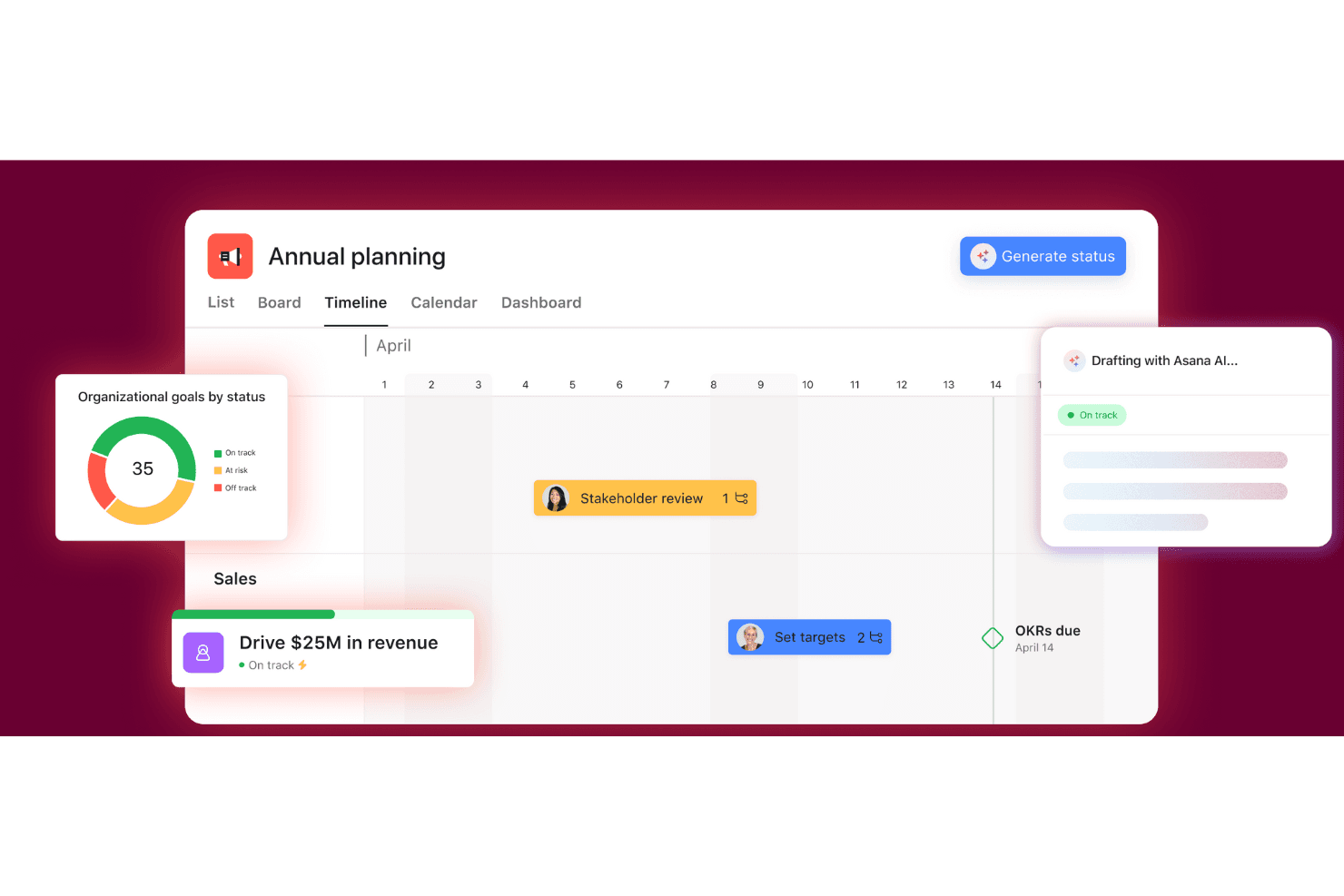
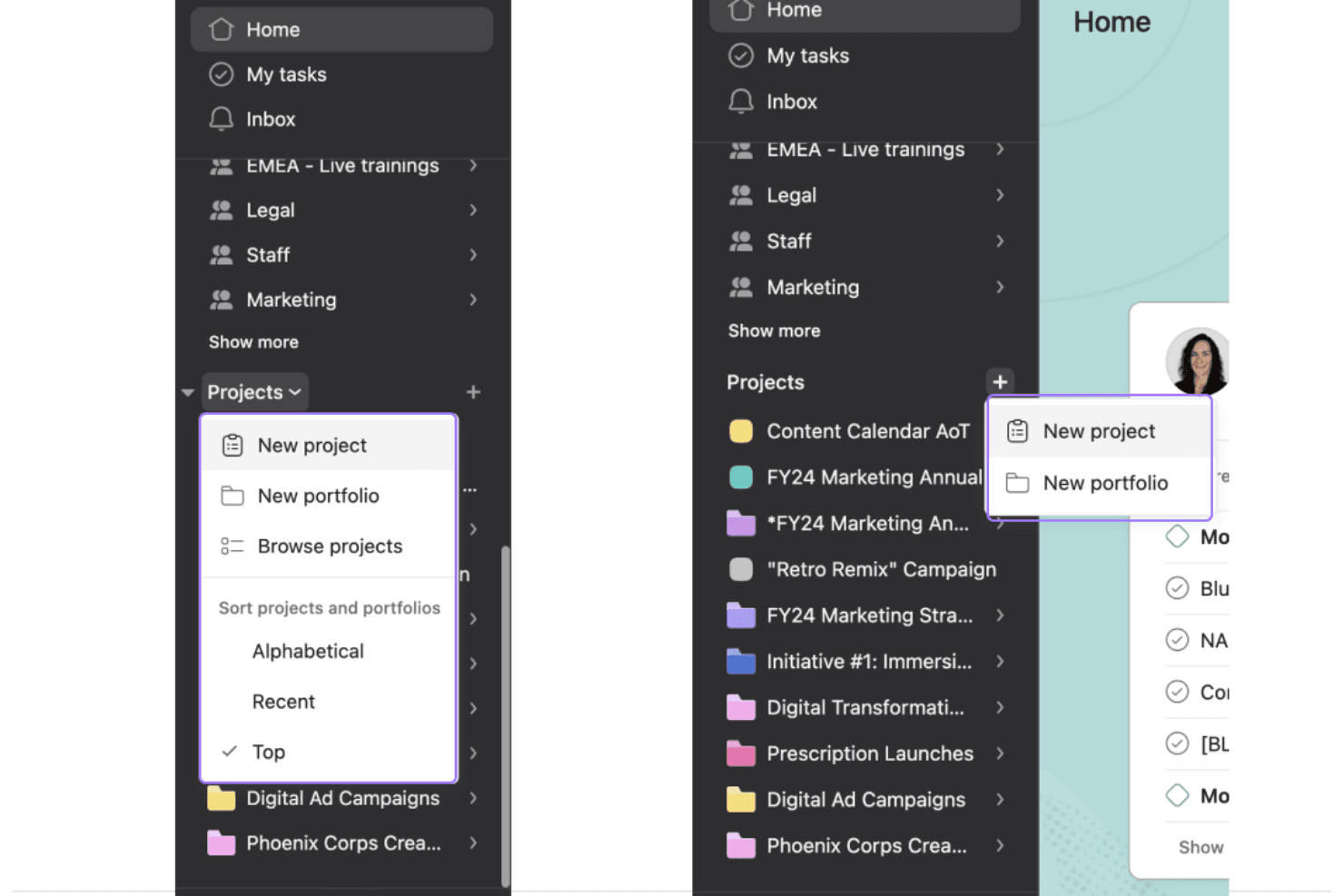
Helps teams plan and deliver work day-to-day using tasks, projects, different views (like timeline/Gantt/Kanban), updates, and personal inbox/task lists so everyone knows what’s happening and who owns what.
Goals and Reporting
Connects work to company targets and shows progress in one place using goals, portfolios, and dashboards so leaders can track results without chasing updates.
Workflows and Automation
Standardizes how work comes in and moves forward using forms, rules, bundles, and templates so repeatable processes run faster with less manual follow-up.
Resource Management
Gives visibility into who has time and who’s overloaded using workload and capacity planning so you can balance assignments and avoid burnout or missed deadlines.
Admin and Security
Controls access, privacy, and governance with admin tools, permissions, audits, and guest settings so teams can collaborate safely and stay compliant.
Ease of Use
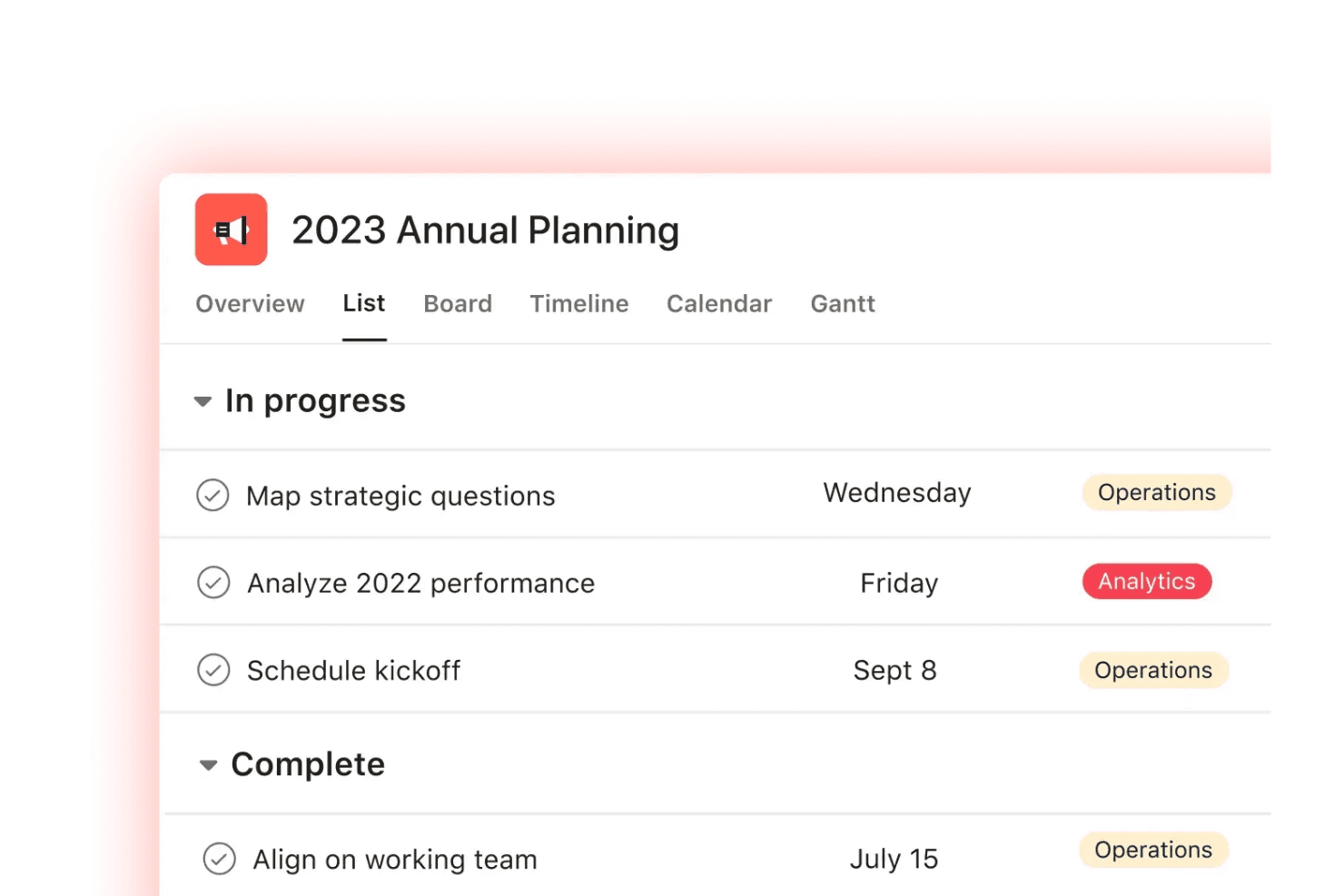
Asana shines in user-friendliness with its intuitive interface that makes it easy for your team to jump right in. The clear layout and drag-and-drop functionality simplify task management and project planning. You don't need extensive training to get started, which saves time and effort. Its design focuses on boosting your team's productivity, making it a preferred choice for those seeking a straightforward project management tool. Users appreciate how it organizes their workflows without unnecessary complexity, while routine task automation saves time.
Integrations
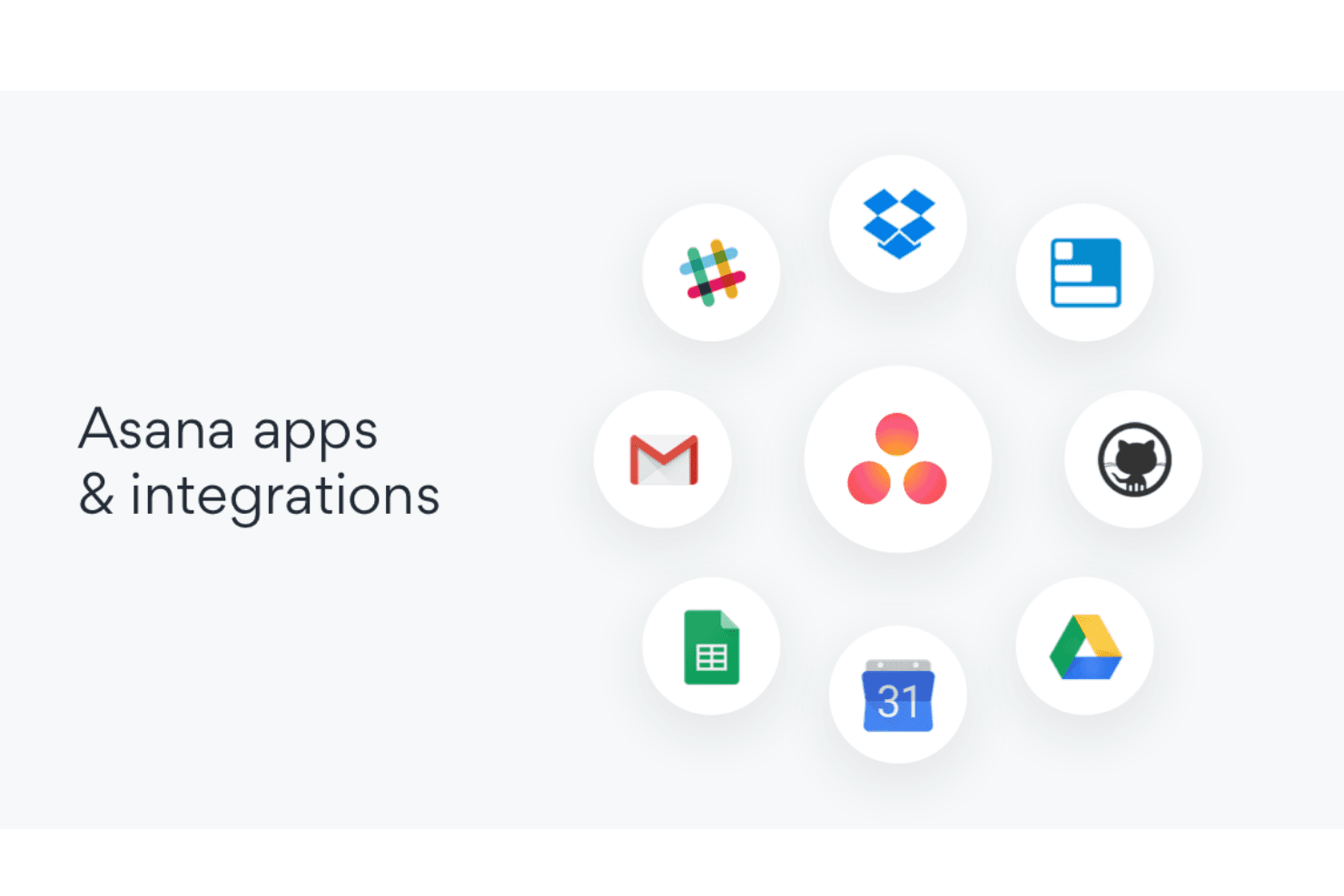
Asana has a large app directory, so you can connect the tools your team already uses communication, file storage, video calls, CRM, and developer tools. Common examples include Slack, Microsoft (Teams/Outlook), Google (Drive), Zoom, Dropbox, Salesforce, GitHub, and tools like Jira (by Atlassian).
For more flexibility, Asana also supports custom connections through its developer API and third-party connectors.
Asana Specs
- API: Yes
- Batch Permissions & Access: Yes
- Budgeting: Yes
- Calendar Management: Yes
- Collaboration Support: Yes
- Contact Management: Yes
- Contact Sharing: No
- Customer Management: No
- Dashboard: Yes
- Dashboards: Yes
- Data Export: Yes
- Data Import: Yes
- Data Visualization: Yes
- Dependency Tracking: Yes
- Document Sharing: Yes
- Expense Tracking: Yes
- External Integrations: Yes
- File Sharing: Yes
- Gantt Charts: Yes
- Kanban Boards: Yes
- Multi-User: Yes
- Notifications: Yes
- Project Management: Yes
- Resource Management: No
- Scheduling: Yes
- Task Scheduling/Tracking: Yes
- Third-Party Plugins/Add-Ons: Yes
- Time Management: Yes
- Travel Management: No
- Workflow Management: Yes


