
Recensione di Sitecore 2026: vantaggi, svantaggi, funzionalità e prezzi
I unpack Sitecore’s enterprise-grade CMS to show where its personalization and scalability shine—and where its complexity and pricing demand a serious business case.

Recensiamo gli strumenti in modo indipendente, e le commissioni aiutano a finanziare i nostri test. Consulta la nostra politica sulla trasparenza, la nostra metodologia o suggerisci uno strumento.
Sitecore is enterprise content management software for organizations that need to manage complex digital experiences, personalize content, and support multiple markets or channels. I’d consider it when your marketing team needs scalable content operations and deeper personalization than a simpler CMS can provide. Compared with Adobe Experience Manager, Sitecore is a strong choice when you want personalization and experience management closely connected to your CMS.
Sitecore Evaluation Summary
4.7/5
- Pricing upon request
- Free demo available
Perché fidarsi dei nostri consigli sui software
6,700+
Reviews
20
Industry experts
16+
Evaluation factors
14
Years
Il nostro team testa e recensisce software dal 2012. In quanto leader del marketing noi stessi, sappiamo quanto sia difficile — e importante — scegliere il software giusto.
Per questa guida, abbiamo valutato gli strumenti attraverso test pratici e ricerche indipendenti, assegnando un punteggio agli strumenti in base ai nostri criteri di selezione.
Le nostre recensioni riflettono il nostro giudizio editoriale umano, non un discorso di vendita.
Revisori esperti:
 Gui DrusinaDirettore creativo
- Shriya GhateSenior Marketing Lead
 Amanda JacquesResponsabile Marketing Ops

Sitecore Overview
I’d choose Sitecore for enterprise marketing teams that need centralized content, personalization, multilingual delivery, analytics, and multiple digital channels. Its connected experience tools and integration options outperform simpler platforms, while its structured content model supports complex governance and large publishing operations. However, licensing, implementation, customization, and specialist support can make overall pricing difficult to justify for smaller teams. The interface is capable but takes time to learn, and onboarding usually needs experienced partners. In my view, Sitecore is best for organizations comparing long-term scalability and targeting depth against ease of setup and lower ownership costs.
Pros
- Multisite and multilingual controls support large global content operations.
- Built-in personalization and testing connect content with audience targeting.
- Structured workflows and permissions support governed publishing at scale.
Cons
- Experience Editor performance can slow large publishing workflows.
- Implementation requires specialized developers and substantial internal administration.
- Enterprise licensing and implementation costs exceed simpler CMS alternatives.
Is Sitecore Right For Your Needs?
Who Would be a Good Fit for Sitecore?
Sitecore suits established organizations with complex content operations, multiple audiences, and specialist marketing or IT teams. Its personalization, workflows, permissions, multilingual controls, DAM capabilities, AI features, APIs, and integration options justify the implementation effort when your content program needs centralized governance and scale.
- Global EnterprisesSitecore supports multilingual publishing, permissions, workflows, personalization, and centralized governance for organizations managing content across countries and business units.
- Ecommerce BrandsEcommerce teams can connect Sitecore with Salesforce, marketing platforms, customer data tools, and personalization features to manage targeted digital experiences.
- Regulated IndustriesFinancial services, healthcare, and other regulated organizations can use permissions, approval workflows, and governance controls to manage content before publication.
- Large Marketing TeamsMarketing departments can combine Sitecore’s content management, personalization, DAM capabilities, AI workflows, and analytics features within one enterprise platform.
- Omnichannel ProgramsBrands publishing across websites, campaigns, email, and connected channels can use Sitecore’s APIs, integrations, and Sitecore Connect to coordinate their technology stack.
- Digital Transformation TeamsOrganizations replacing disconnected content tools can use Sitecore Content Hub, Sitecore CDP, AI features, and third-party connectors as part of a broader digital platform.
Who Would be a Bad Fit for Sitecore?
Sitecore is a poor choice when your team needs a low-cost CMS, quick setup, or simple content publishing without specialist support. Its quote-based pricing, complex implementation, steep learning curve, and administration requirements can outweigh its features for smaller organizations and straightforward websites.
- Small BusinessesSmall companies with limited content needs may find Sitecore’s licensing, implementation, and administration requirements excessive compared with simpler CMS platforms.
- Early StartupsStartups testing a market often need rapid publishing and flexible budgets, while Sitecore typically requires architecture, configuration, workflows, and specialist implementation.
- Solo MarketersA single marketer may struggle with Sitecore’s learning curve, permissions, workflows, and administration without internal technical support or paid assistance.
- Simple WebsitesOrganizations publishing a few informational pages will gain little from advanced personalization, multilingual controls, DAM features, and enterprise governance.
- Limited BudgetsTeams with strict software budgets may find Sitecore poor value because core pricing is quote-based and implementation costs can be high.
- Basic CampaignsTeams running occasional campaigns without complex audience targeting or channel requirements may not justify Sitecore’s personalization, integration, and AI capabilities.
Come Testiamo e Valutiamo gli Strumenti
Abbiamo passato anni a costruire, perfezionare e migliorare il nostro sistema di test e valutazione del software. Il nostro metodo è progettato per cogliere le sfumature nella selezione del software e ciò che rende uno strumento efficace, concentrandoci sugli aspetti critici del processo decisionale. Qui sotto puoi vedere esattamente come funziona il nostro sistema di test e valutazione su sette criteri. Questo ci permette di offrire una valutazione imparziale del software basata su funzionalità principali, funzioni distintive, facilità d’uso, onboarding, supporto clienti, integrazioni, recensioni dei clienti e rapporto qualità-prezzo.
Funzionalità principali (25% del punteggio finale)
Il punto di partenza della nostra valutazione è sempre la funzionalità principale dello strumento. Include le caratteristiche e le funzioni basilari che un utente si aspetterebbe di trovare? Alcune di queste funzionalità sono bloccate nei piani premium? Ci aspettiamo che ogni strumento soddisfi almeno le capacità di base dei suoi concorrenti.
Funzionalità distintive (25% del punteggio finale)
Successivamente, valutiamo le funzionalità uniche che vanno oltre la normale funzionalità principale, quelle poco comuni negli strumenti simili. Un punteggio alto riflette caratteristiche specializzate o uniche che rendono il prodotto più veloce, efficiente o offrono un valore aggiunto all’utente. Valutiamo anche quanto sia semplice integrare il software con altri strumenti abitualmente usati in una tech stack, per espandere le funzionalità e l’utilità del prodotto. Sono valutate positivamente soluzioni con molte integrazioni native, connessioni di terze parti e API per creare integrazioni personalizzate.
Facilità d’uso (10% del punteggio finale)
Consideriamo la rapidità e semplicità con cui si possono eseguire le attività principali tramite lo strumento. I software con punteggio più alto sono ben progettati, intuitivi, dispongono di app mobili, offrono template e semplificano compiti complessi.
Onboarding (10% del punteggio finale)
Sappiamo quanto sia importante l’adozione rapida in azienda, quindi valutiamo la facilità di apprendimento e utilizzo di uno strumento con formazione minima. Analizziamo quanto velocemente un utente senza esperienza può iniziare a usare il software. Le soluzioni migliori richiedono poco o nessun supporto.
Supporto clienti (10% del punteggio finale)
Analizziamo la rapidità e facilità nel trovare aiuto tramite telefono, chat dal vivo o knowledge base. Gli strumenti che offrono supporto in tempo reale ottengono il punteggio migliore: i chatbot invece i peggiori.
Recensioni dei clienti (10% del punteggio finale)
Oltre ai nostri test, consideriamo il net promoter score di attuali ed ex clienti. Valutiamo la probabilità che, potendo scegliere, l’utente decida di utilizzare ancora quello strumento per le funzionalità principali. Un software con un punteggio alto corrisponde ad un alto net promoter score tra clienti attuali o passati.
Rapporto qualità-prezzo (10% del punteggio finale)
Infine, tenendo conto di tutti gli altri criteri, confrontiamo il prezzo medio dei piani base rispetto alle funzionalità principali e agli altri fattori di valutazione. I software che offrono di più, a meno, ottengono i punteggi più alti.
Core Features
Visual Editing
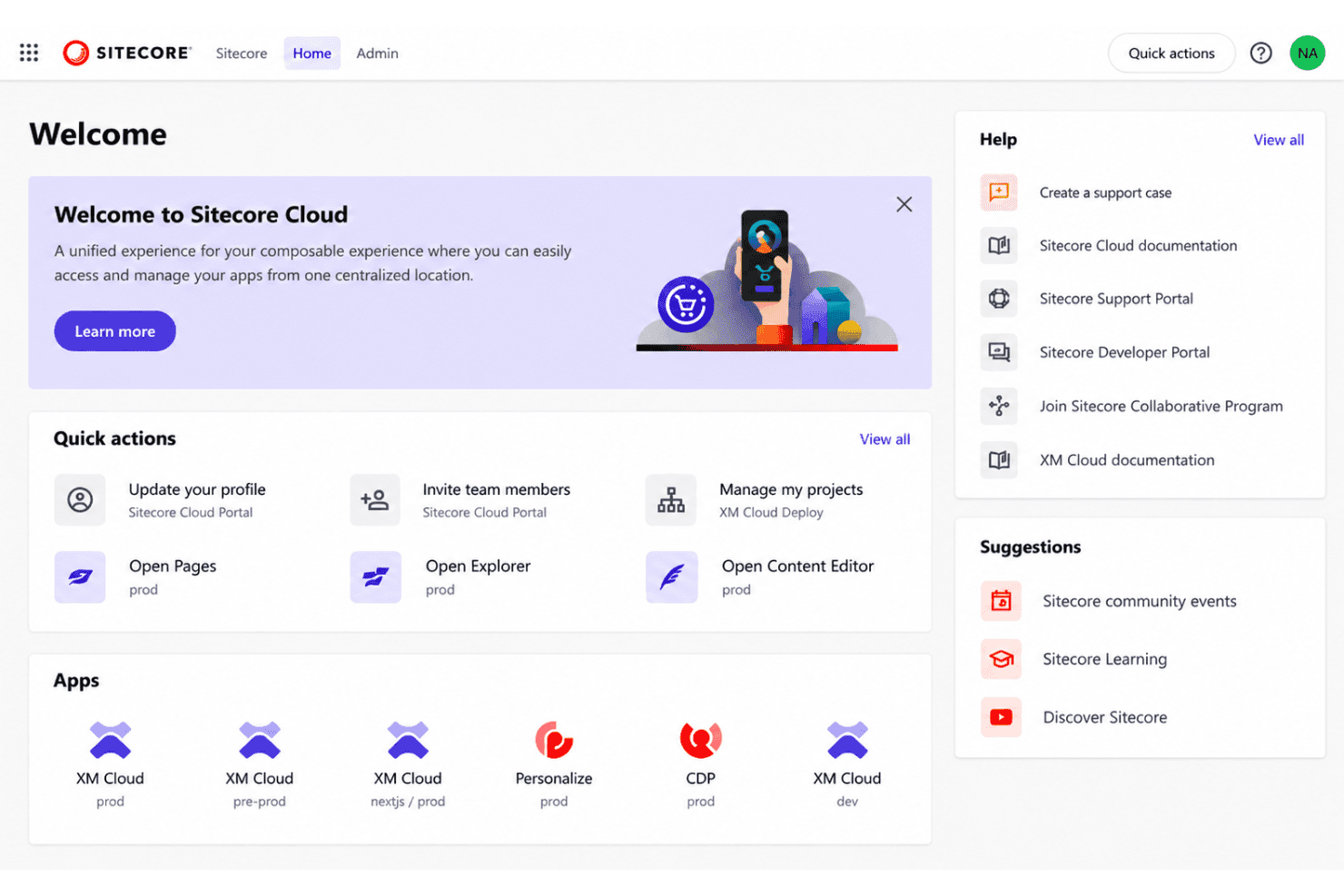
Sitecore’s visual editor lets marketers create and edit pages with drag-and-drop tools and live previews. You can review page changes in context before publishing, reducing reliance on developer handoffs.
Content Creation And Publishing
Teams can create, organize, approve, and publish structured content from one CMS. Publishing jobs show status and troubleshooting details, helping you track launches across large content operations.
Multisite And Multilingual Management
Sitecore supports content delivery across multiple websites, brands, regions, and languages. Reusable layouts, components, and templates help global teams launch localized sites without rebuilding each experience.
Workflows And Brand Governance
Built-in workflows, approvals, and brand guardrails control how content moves from draft to publication. For example, legal or regional reviewers can approve campaign pages before audiences see them.
Personalization And Testing
Sitecore supports real-time personalization, point-and-click audience rules, and A/B or multivariate testing within the editing experience. You can target content using signals such as location, behavior, account, or journey stage.
Headless Content Delivery
Sitecore’s headless architecture delivers content to websites and other digital channels through flexible front-end frameworks. This gives development teams options such as Next.js, Angular, and .NET Core while marketers manage content centrally.
Ease of Use
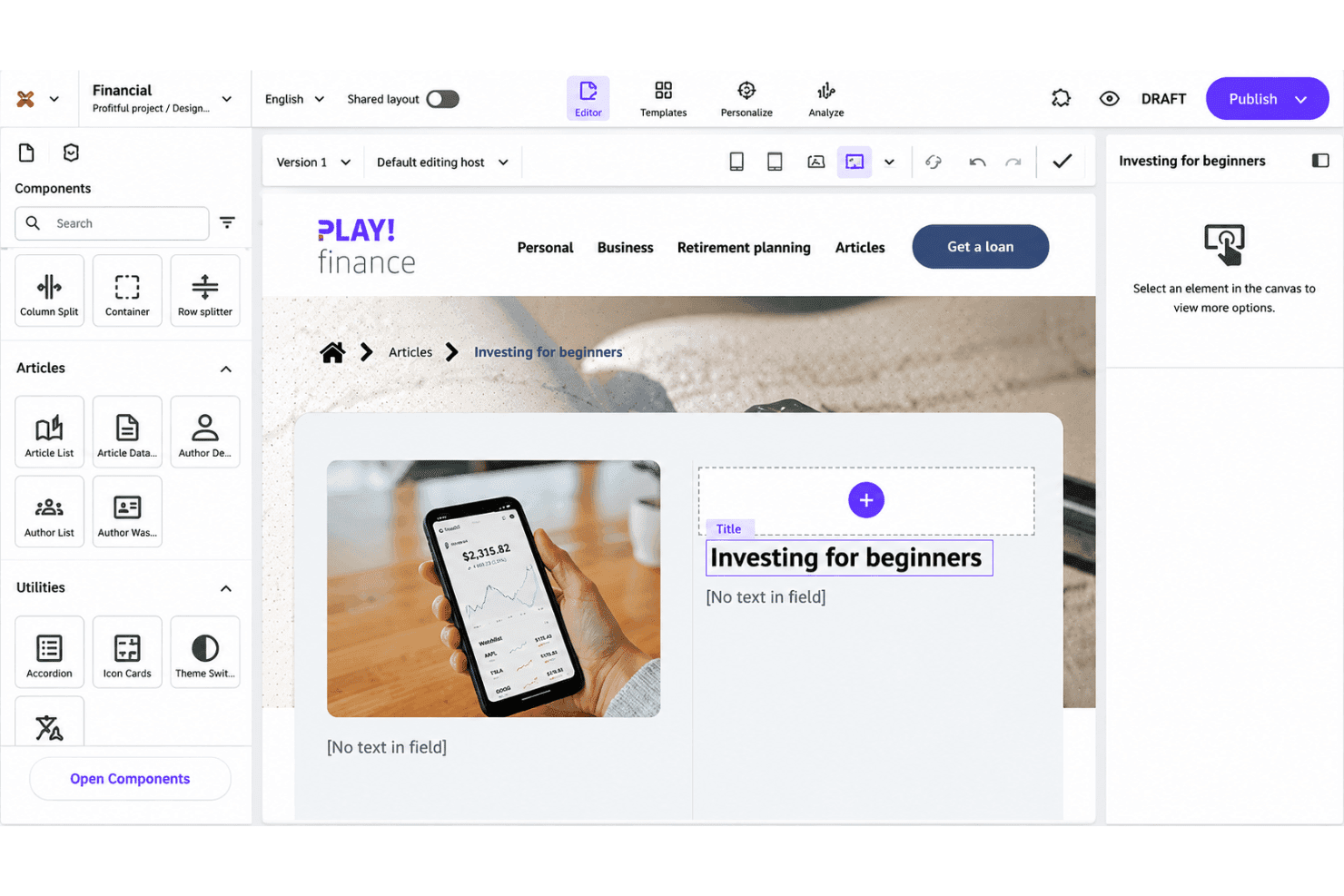
Sitecore is capable but not especially easy to use. User reviews praise its flexible content authoring, personalization, and customization, while many describe a steep learning curve. The Experience Editor, workflows, permissions, and multilingual controls support complex publishing, but large projects can feel slow and require specialist administration. Compared with simpler CMS platforms, Sitecore demands more training and implementation support, making it better suited to experienced enterprise teams.
Integrations
Sitecore integrates with Salesforce Marketing Cloud, Salesforce, Adobe Creative Cloud, Google Sheets, Facebook, Google Workspace, Microsoft Office, Mailchimp, Sitecore CDP, and Sitecore Content Hub, among others.
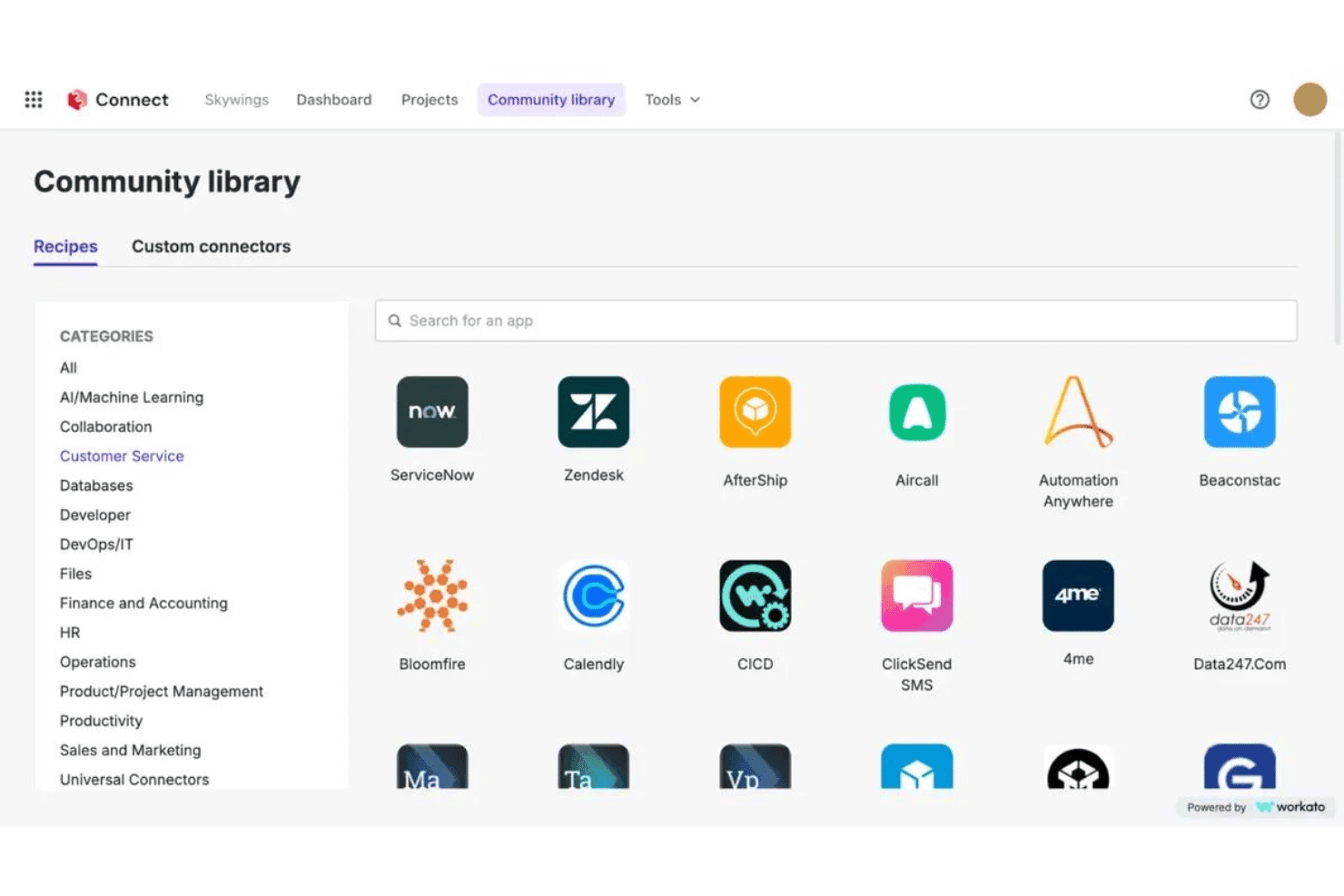
Sitecore also provides APIs and Sitecore Connect, a Workato-based low-code/no-code integration platform that connects Sitecore products with third-party applications through more than 1,000 prebuilt app connectors.
Sitecore Specs
- Analytics: Yes
- API: Yes
- Calendar Management: No
- Chat: No
- Click-to-Dial: No
- CRM Integration: Yes
- Customer Management: No
- Customer Service: Yes
- Dashboard: Yes
- Dashboards: Yes
- Data Export: Yes
- Data Import: Yes
- Data Visualization: Yes
- External Integrations: Yes
- Feedback Management: No
- Knowledge Base: No
- Lead Management: No
- Lead Scoring: No
- Multi-Source Feedback: No
- Multi-User: Yes
- Net Promoter Score: No
- Notifications: Yes
- Omnichannel Referrals: No
- Online Surveys: Yes
- Review Moderation: No
- Scheduling: Yes
- Sentiment Analysis: No
- Social Media Monitoring: No


