

Recensione Jira: Pro, Contro, Funzionalità e Prezzi
Jira eccelle nella pianificazione del marketing grazie ai suoi flussi di lavoro personalizzabili, rendendolo una scelta ideale per i team che cercano flessibilità ed efficienza.

Recensiamo gli strumenti in modo indipendente, e le commissioni aiutano a finanziare i nostri test. Consulta la nostra politica sulla trasparenza, la nostra metodologia o suggerisci uno strumento.
Jira is a marketing planning software built around agile project management, giving marketing teams a structured way to plan campaigns, assign tasks, and track progress across sprints. I'd consider it if your team works closely with engineering or product—that's where Jira has a real edge over tools like Asana. Its cross-functional visibility and developer-native workflows make it easier to align marketing work with product releases, which standalone marketing tools simply aren't designed to do.
Jira Evaluation Summary
4.3/5
- From $7.91/user/month (billed annually)
- Free plan + 14-day free trial available
Perché fidarsi dei nostri consigli sui software
6,700+
Reviews
20
Industry experts
16+
Evaluation factors
14
Years
Il nostro team testa e recensisce software dal 2012. In quanto leader del marketing noi stessi, sappiamo quanto sia difficile — e importante — scegliere il software giusto.
Per questa guida, abbiamo valutato gli strumenti attraverso test pratici e ricerche indipendenti, assegnando un punteggio agli strumenti in base ai nostri criteri di selezione.
Le nostre recensioni riflettono il nostro giudizio editoriale umano, non un discorso di vendita.
Revisori esperti:
 Gui DrusinaDirettore creativo
- Shriya GhateSenior Marketing Lead
 Amanda JacquesResponsabile Marketing Ops

Jira Overview
In my opinion, Jira is a solid choice for marketing planning, especially if your team values flexibility and detailed project tracking. Its standout features like customizable roadmaps and integration capabilities set it apart from competitors. However, it might not be the best fit for those needing extensive resource management tools, as some advanced features are locked behind higher-tier pricing. Jira is best suited for tech-driven teams who appreciate a customizable and scalable tool. If you're weighing options, consider Jira for its ease of onboarding and strong core features, but be mindful of its pricing structure if your team requires comprehensive resource management.
Pros
- You can customize workflows to fit your team's specific needs.
- Its task management functionality help your team stay organized and efficient.
- The onboarding process is straightforward, making it easy for your team to get started quickly.
Cons
- The interface can feel cluttered and overwhelming for new users.
- Advanced features may require a learning curve for your team.
- It's not ideal for teams needing detailed resource management tools.
Is Jira Right For Your Needs?
Who Would be a Good Fit for Jira?
Jira is great for tech-driven companies and agile teams that value customization and detailed project tracking. It's well-suited for IT departments and software development teams who need to manage complex projects with multiple workflows. Marketing teams that want to tailor their planning processes and keep everyone aligned can benefit from Jira's flexible features. If your team thrives on clear task management and efficient onboarding, Jira can help you achieve your project goals.
- Software DevelopmentJira's customizable workflows and task management make it perfect for managing software projects efficiently.
- Agile TeamsIts agile boards and Scrum sprint planning tools help your team stay organized and focused on delivering results.
- IT DepartmentsJira's issue tracking capabilities ensure that your IT team can handle support requests swiftly.
- Marketing TeamsCustomizable roadmaps let your marketing team plan and execute campaigns effectively.
- Project ManagementJira's detailed tracking and reporting features help project managers keep everything on schedule.
- Tech StartupsThe flexibility and scalability of Jira support the dynamic needs of growing tech startups.
Who Would be a Bad Fit for Jira?
Jira might not suit small teams or businesses with simple project needs due to its complex interface and advanced features. Non-technical teams could find the learning curve steep and overwhelming. Companies that require robust resource management tools may find Jira lacking in this area. If your team values simplicity and straightforward project management without much customization, Jira might not meet your expectations.
- Small BusinessesSmall teams with basic project needs might find Jira's complex features unnecessary and cumbersome.
- Non-Technical TeamsThe interface can be overwhelming for teams without technical expertise, leading to frustration and inefficiency.
- Resource ManagementFirms needing detailed resource management tools might find Jira's capabilities lacking in this aspect.
- FreelancersFreelancers might find Jira's extensive features excessive for managing individual projects.
- Education SectorSchools and educational institutions may not need Jira's advanced project tracking for their administrative tasks.
- Retail CompaniesRetail businesses focused on straightforward inventory and sales tracking may find Jira's features too complex.
Come Testiamo e Valutiamo gli Strumenti
Abbiamo passato anni a costruire, perfezionare e migliorare il nostro sistema di test e valutazione del software. Il nostro metodo è progettato per cogliere le sfumature nella selezione del software e ciò che rende uno strumento efficace, concentrandoci sugli aspetti critici del processo decisionale. Qui sotto puoi vedere esattamente come funziona il nostro sistema di test e valutazione su sette criteri. Questo ci permette di offrire una valutazione imparziale del software basata su funzionalità principali, funzioni distintive, facilità d’uso, onboarding, supporto clienti, integrazioni, recensioni dei clienti e rapporto qualità-prezzo.
Funzionalità principali (25% del punteggio finale)
Il punto di partenza della nostra valutazione è sempre la funzionalità principale dello strumento. Include le caratteristiche e le funzioni basilari che un utente si aspetterebbe di trovare? Alcune di queste funzionalità sono bloccate nei piani premium? Ci aspettiamo che ogni strumento soddisfi almeno le capacità di base dei suoi concorrenti.
Funzionalità distintive (25% del punteggio finale)
Successivamente, valutiamo le funzionalità uniche che vanno oltre la normale funzionalità principale, quelle poco comuni negli strumenti simili. Un punteggio alto riflette caratteristiche specializzate o uniche che rendono il prodotto più veloce, efficiente o offrono un valore aggiunto all’utente. Valutiamo anche quanto sia semplice integrare il software con altri strumenti abitualmente usati in una tech stack, per espandere le funzionalità e l’utilità del prodotto. Sono valutate positivamente soluzioni con molte integrazioni native, connessioni di terze parti e API per creare integrazioni personalizzate.
Facilità d’uso (10% del punteggio finale)
Consideriamo la rapidità e semplicità con cui si possono eseguire le attività principali tramite lo strumento. I software con punteggio più alto sono ben progettati, intuitivi, dispongono di app mobili, offrono template e semplificano compiti complessi.
Onboarding (10% del punteggio finale)
Sappiamo quanto sia importante l’adozione rapida in azienda, quindi valutiamo la facilità di apprendimento e utilizzo di uno strumento con formazione minima. Analizziamo quanto velocemente un utente senza esperienza può iniziare a usare il software. Le soluzioni migliori richiedono poco o nessun supporto.
Supporto clienti (10% del punteggio finale)
Analizziamo la rapidità e facilità nel trovare aiuto tramite telefono, chat dal vivo o knowledge base. Gli strumenti che offrono supporto in tempo reale ottengono il punteggio migliore: i chatbot invece i peggiori.
Recensioni dei clienti (10% del punteggio finale)
Oltre ai nostri test, consideriamo il net promoter score di attuali ed ex clienti. Valutiamo la probabilità che, potendo scegliere, l’utente decida di utilizzare ancora quello strumento per le funzionalità principali. Un software con un punteggio alto corrisponde ad un alto net promoter score tra clienti attuali o passati.
Rapporto qualità-prezzo (10% del punteggio finale)
Infine, tenendo conto di tutti gli altri criteri, confrontiamo il prezzo medio dei piani base rispetto alle funzionalità principali e agli altri fattori di valutazione. I software che offrono di più, a meno, ottengono i punteggi più alti.
Core Features
Task Management: You can assign tasks, set deadlines, and track progress, keeping your team's projects organized and on track.
Custom Workflows: Customize workflows to fit your team's specific processes, ensuring that every project runs smoothly and efficiently.
Agile Boards: Use agile boards to manage sprints and backlogs, supporting strong team collaboration throughout each project cycle.
Reporting and Analytics: Generate detailed reports and analytics to gain insights into your team's performance and make informed decisions.
Roadmaps: Create visual roadmaps to plan and communicate your team's project timelines and goals effectively.
Issue Tracking: Track and resolve issues quickly, ensuring that your team can address challenges as they arise.
Ease of Use
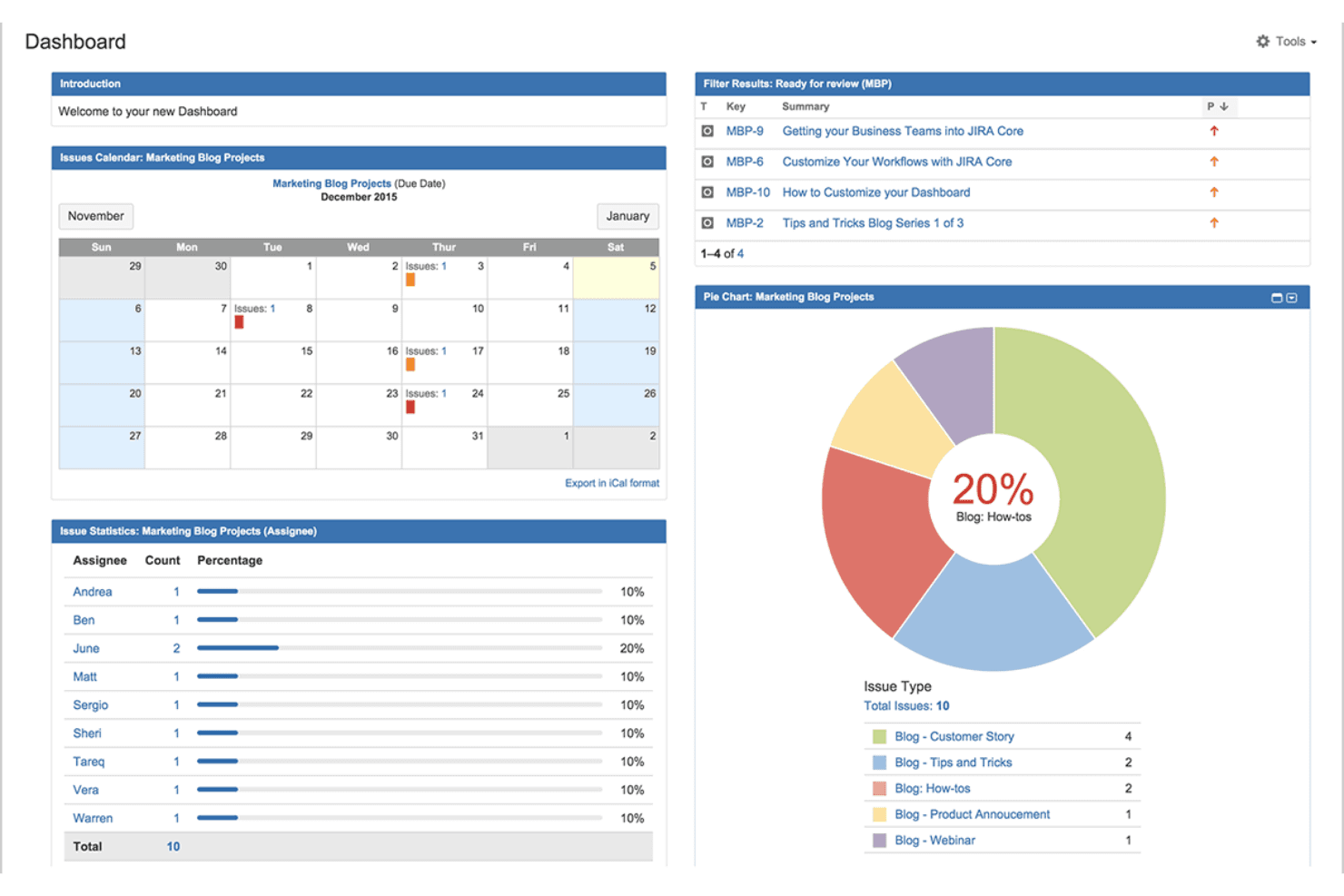
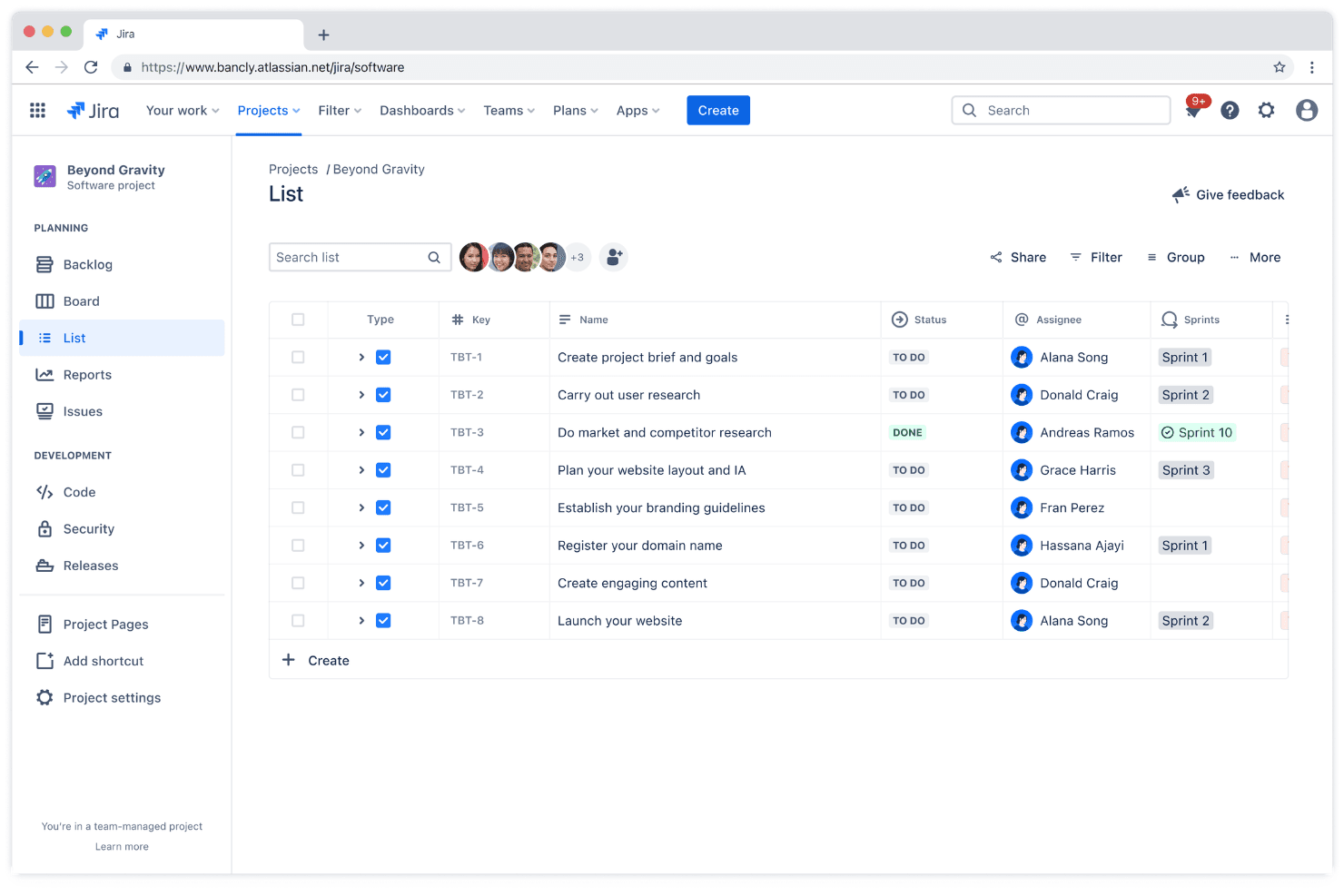
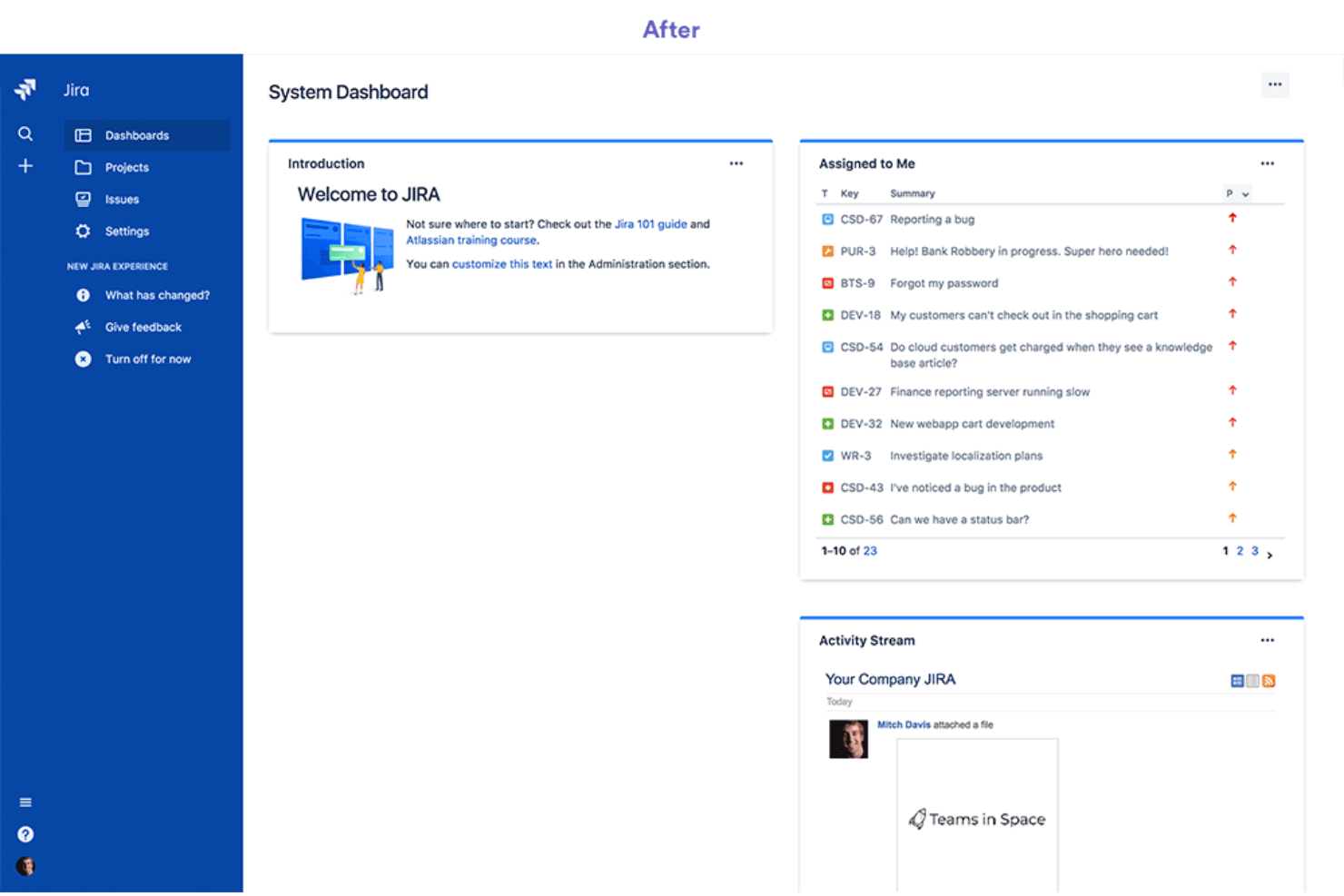
Jira offers a user-friendly experience for teams familiar with project management software, but it can be overwhelming for newcomers. Its customizable dashboards and agile boards are intuitive once you get the hang of them, but the initial learning curve might slow your team down at first. If your team values flexibility and detailed control, you'll appreciate Jira's depth. However, be prepared for some adjustment time as your team navigates its extensive feature set.
Integrations
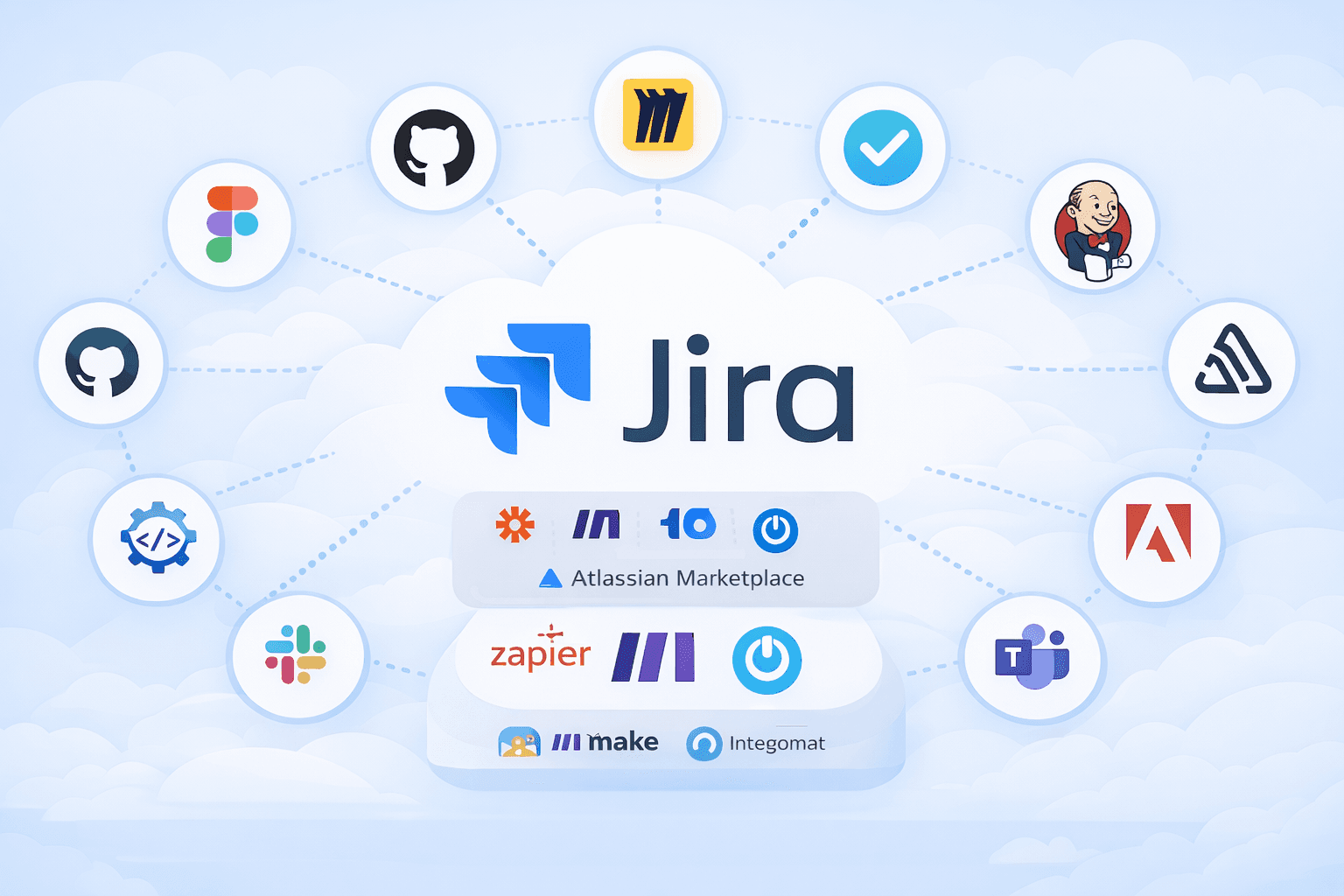
Jira integrates with GitHub, Figma, Miro, Clockify, Jenkins, Sentry, Lucidchart, Adobe, Slack, and Microsoft Teams. Jira also offers an API and connects with third-party integration tools through the Atlassian Marketplace.
Jira Specs
- API: Yes
- Calendar Management: No
- Data Export: Yes
- Data Import: Yes
- External Integrations: Yes
- Inventory Tracking: Yes
- Multi-User: Yes
- Notifications: Yes
- Project Management: Yes
- Scheduling: Yes
- Supplier Management: Yes
- Task Scheduling/Tracking: Yes


