

Recensione di BrandShield: Pro, Contro, Caratteristiche e Prezzi
Compare un sito sospetto che utilizza il nome del tuo marchio. Poi un falso account social inizia a contattare i clienti e compare un annuncio dubbio su un marketplace. Situazioni come queste spingono i team a cercare un affidabile software di protezione del marchio che sia davvero in grado di rilevare e fermare queste minacce. In questa recensione, analizzo le funzionalità, i punti di forza e i limiti di BrandShield per capire se […]

Recensiamo gli strumenti in modo indipendente, e le commissioni aiutano a finanziare i nostri test. Consulta la nostra politica sulla trasparenza, la nostra metodologia o suggerisci uno strumento.
Immagina un sito sospetto che utilizza il nome del tuo marchio. Poi un falso account sui social media inizia a contattare i clienti e appare anche un'inserzione dubbia su una piattaforma di marketplace.
Situzioni come questa spingono i team a cercare un software per la protezione del marchio affidabile che sia davvero in grado di rilevare e bloccare queste minacce.
In questa recensione analizzo le funzionalità, i punti di forza e i limiti di BrandShield così puoi vedere come si comporta nella protezione dei marchi online.
BrandShield Evaluation Summary
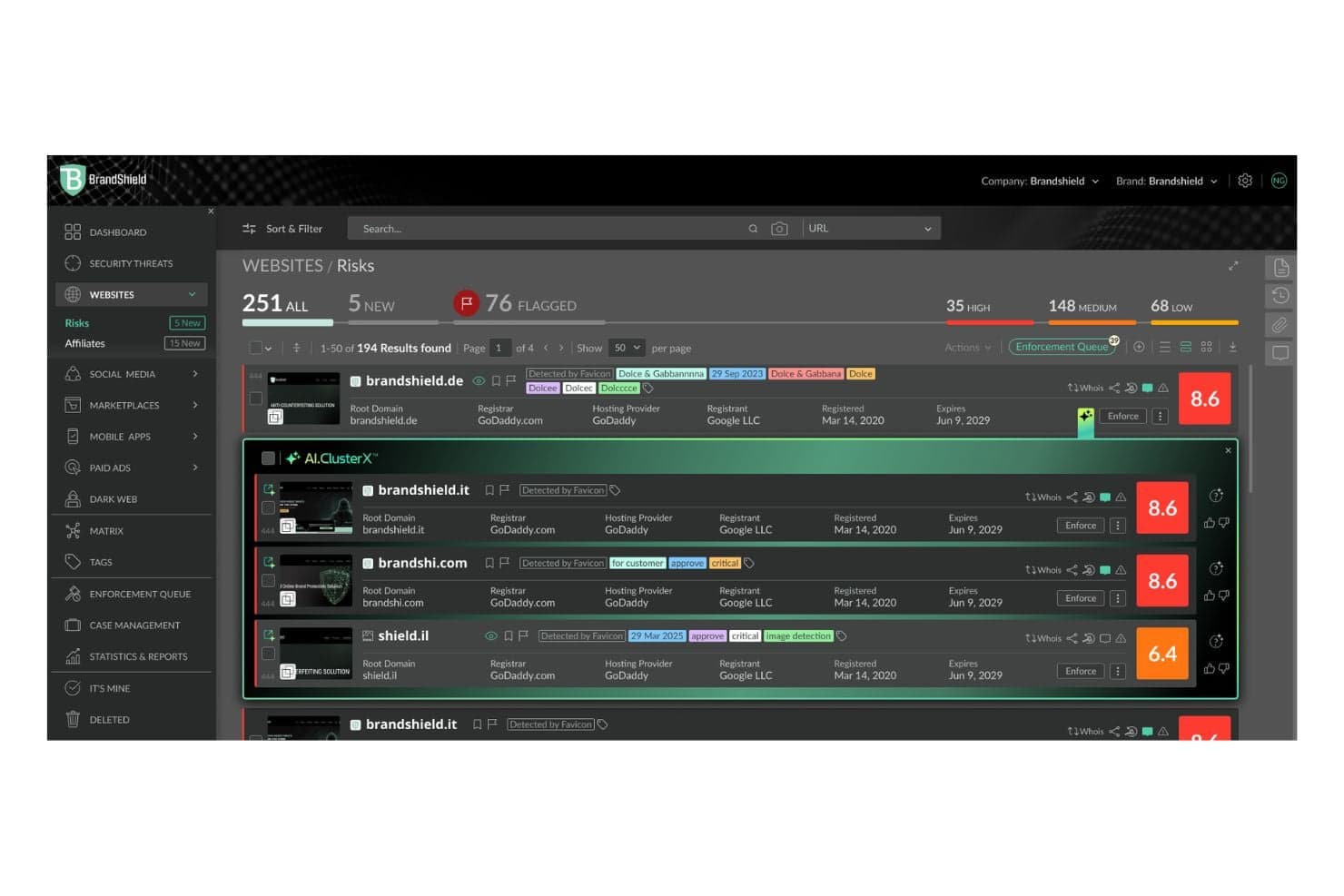
4.7/5
- Pricing upon request
- Free demo available
Perché fidarsi dei nostri consigli sui software
6,700+
Reviews
20
Industry experts
16+
Evaluation factors
14
Years
Il nostro team testa e recensisce software dal 2012. In quanto leader del marketing noi stessi, sappiamo quanto sia difficile — e importante — scegliere il software giusto.
Per questa guida, abbiamo valutato gli strumenti attraverso test pratici e ricerche indipendenti, assegnando un punteggio agli strumenti in base ai nostri criteri di selezione.
Le nostre recensioni riflettono il nostro giudizio editoriale umano, non un discorso di vendita.
Revisori esperti:
 Gui DrusinaDirettore creativo
- Shriya GhateSenior Marketing Lead
 Amanda JacquesResponsabile Marketing Ops

BrandShield Overview
Pros
- Offers real-time monitoring to keep your brand protected around the clock.
- Automated enforcement tools save your team time by handling trademark takedowns.
- The user-friendly interface makes it easy for your team to navigate and use.
Cons
- Services are sold in packs, offering less flexibility in service and pricing customization compared to some other providers.
- Infringement scan frequency is limited depending on the plan selected, which may slow detection during high-volume periods.
- Enforcement is capped by plan, and unlimited takedowns are not available, requiring teams to prioritize which threats to act on.
Is BrandShield Right For Your Needs?
Who Would be a Good Fit for BrandShield?
BrandShield is best suited for organizations that need to monitor and stop digital threats targeting their brand, customers, or products across the internet. Companies with strong online visibility, valuable intellectual property, or frequent exposure to fraud and impersonation will benefit the most from the platform.
- Cybersecurity Threat Protection NeedsCompanies that want to extend their protection beyond brand infringement into external cybersecurity threats can use Brandshield.
- Teams Needing "Enforcement-Only" PackagesIf an organization already has an internal process for finding and identifying fake websites or listings but lacks the time to execute takedowns, Brandshield is a fit.
- Retail and Ecommerce BrandsRetail companies selling products online are a strong fit since BrandShield monitors marketplaces and removes counterfeit listings and trademark abuse at scale.
- Financial Services OrganizationsBanks, fintech companies, and financial platforms benefit from continuous monitoring that detects fraud, impersonation, and digital threats targeting customers.
- Technology and Internet CompaniesTech companies with large online footprints can use BrandShield to uncover spoofed domains, impersonation attempts, counterfeits, and trademark misuse.
- Easy Entry PackagesBrands looking for a straightforward way to get started with brand protection can use BrandShield's packages, which include a set number of detections and takedowns. The fixed caps on detections and takedowns mean enforcement cadence and scale are tied to the package rather than the size of the threat.
Who Would be a Bad Fit for BrandShield?
BrandShield focuses on external brand protection and digital threat detection. Organizations that do not face these risks or are looking for unrelated capabilities will likely find limited value in the platform.
- Small Local Businesses With Minimal Online PresenceBusinesses operating mostly offline or within a small local market typically do not encounter large-scale impersonation or counterfeit activity.
- Individuals or Personal Brands Without Registered IPFreelancers or creators without trademarks, products, or widely recognized brands may not benefit from enterprise-level brand protection monitoring.
- Companies Looking for Marketing, SEO, or Social Media Management ToolsBrandShield does not provide campaign management, content scheduling, or audience growth features.
- Organizations That Only Sell Through Controlled Private ChannelsBusinesses that sell through private networks, direct relationships, or invite-only platforms often have limited exposure to public online threats.
- Very Early-Stage Startups Without Brand Exposure YetCompanies that have not launched publicly or do not yet have brand exposure online may not encounter the risks BrandShield is designed to address.
Come Testiamo e Valutiamo gli Strumenti
Abbiamo passato anni a costruire, perfezionare e migliorare il nostro sistema di test e valutazione del software. Il nostro metodo è progettato per cogliere le sfumature nella selezione del software e ciò che rende uno strumento efficace, concentrandoci sugli aspetti critici del processo decisionale. Qui sotto puoi vedere esattamente come funziona il nostro sistema di test e valutazione su sette criteri. Questo ci permette di offrire una valutazione imparziale del software basata su funzionalità principali, funzioni distintive, facilità d’uso, onboarding, supporto clienti, integrazioni, recensioni dei clienti e rapporto qualità-prezzo.
Funzionalità principali (25% del punteggio finale)
Il punto di partenza della nostra valutazione è sempre la funzionalità principale dello strumento. Include le caratteristiche e le funzioni basilari che un utente si aspetterebbe di trovare? Alcune di queste funzionalità sono bloccate nei piani premium? Ci aspettiamo che ogni strumento soddisfi almeno le capacità di base dei suoi concorrenti.
Funzionalità distintive (25% del punteggio finale)
Successivamente, valutiamo le funzionalità uniche che vanno oltre la normale funzionalità principale, quelle poco comuni negli strumenti simili. Un punteggio alto riflette caratteristiche specializzate o uniche che rendono il prodotto più veloce, efficiente o offrono un valore aggiunto all’utente. Valutiamo anche quanto sia semplice integrare il software con altri strumenti abitualmente usati in una tech stack, per espandere le funzionalità e l’utilità del prodotto. Sono valutate positivamente soluzioni con molte integrazioni native, connessioni di terze parti e API per creare integrazioni personalizzate.
Facilità d’uso (10% del punteggio finale)
Consideriamo la rapidità e semplicità con cui si possono eseguire le attività principali tramite lo strumento. I software con punteggio più alto sono ben progettati, intuitivi, dispongono di app mobili, offrono template e semplificano compiti complessi.
Onboarding (10% del punteggio finale)
Sappiamo quanto sia importante l’adozione rapida in azienda, quindi valutiamo la facilità di apprendimento e utilizzo di uno strumento con formazione minima. Analizziamo quanto velocemente un utente senza esperienza può iniziare a usare il software. Le soluzioni migliori richiedono poco o nessun supporto.
Supporto clienti (10% del punteggio finale)
Analizziamo la rapidità e facilità nel trovare aiuto tramite telefono, chat dal vivo o knowledge base. Gli strumenti che offrono supporto in tempo reale ottengono il punteggio migliore: i chatbot invece i peggiori.
Recensioni dei clienti (10% del punteggio finale)
Oltre ai nostri test, consideriamo il net promoter score di attuali ed ex clienti. Valutiamo la probabilità che, potendo scegliere, l’utente decida di utilizzare ancora quello strumento per le funzionalità principali. Un software con un punteggio alto corrisponde ad un alto net promoter score tra clienti attuali o passati.
Rapporto qualità-prezzo (10% del punteggio finale)
Infine, tenendo conto di tutti gli altri criteri, confrontiamo il prezzo medio dei piani base rispetto alle funzionalità principali e agli altri fattori di valutazione. I software che offrono di più, a meno, ottengono i punteggi più alti.
Core Features
Trademark Infringement Protection
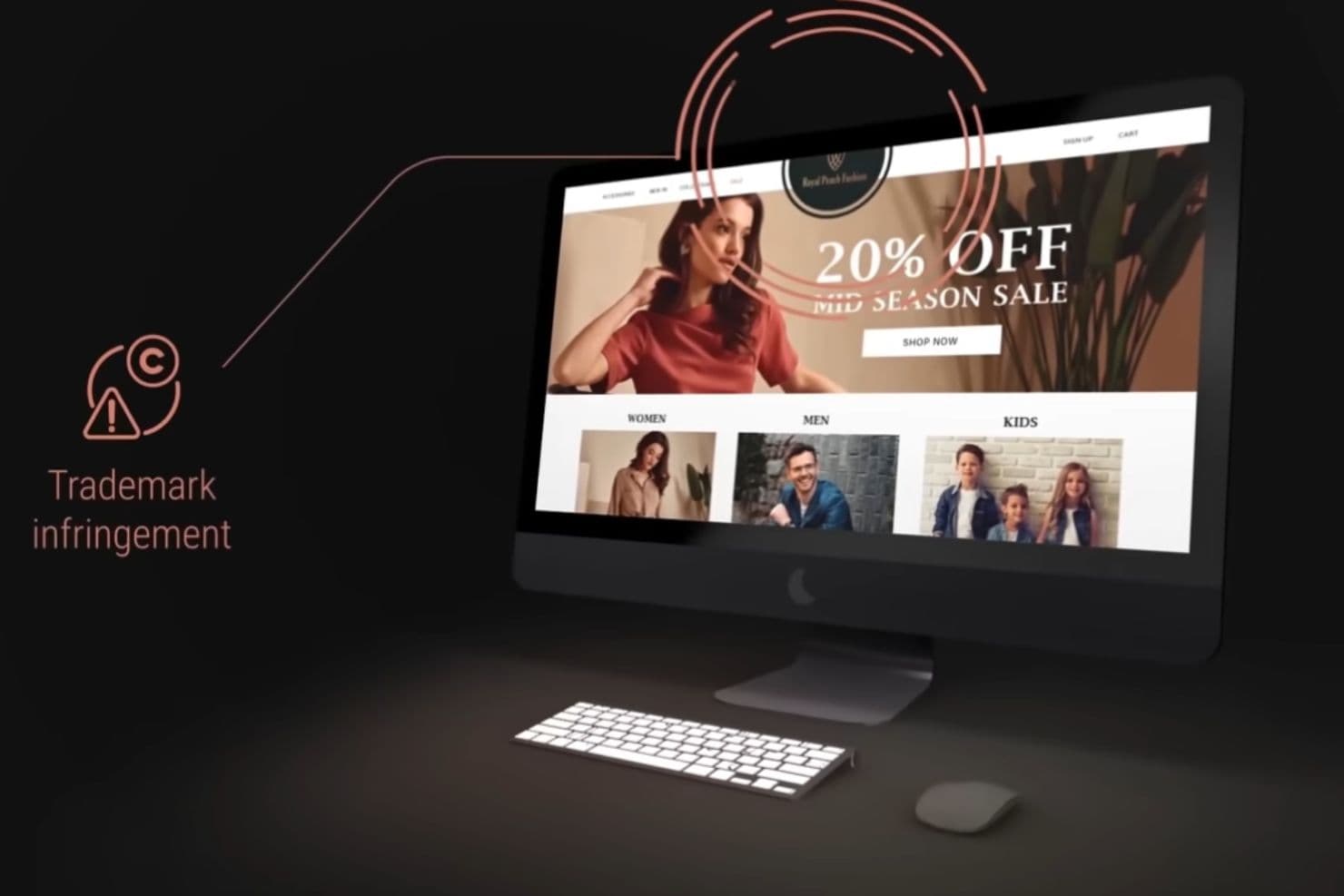
Detects unauthorized use of brand names, logos, and intellectual property across websites, marketplaces, and social platforms, helping companies identify violations and remove them quickly.
Phishing Protection
Continuously monitors for phishing websites, malicious domains, and brand impersonation attempts so organizations can detect and shut down threats before they reach customers.
Social Media Scam Protection
Tracks major social media platforms to find fake accounts, scams, and impersonation targeting a company or its customers, then helps enforce takedowns.
Online Counterfeit Protection
Scans marketplaces and websites to identify counterfeit listings, unauthorized sellers, and product misuse that could damage revenue and brand trust.
Marketplace Brand Protection
Monitors major eCommerce platforms for trademark abuse, counterfeit goods, and grey-market listings, helping brands enforce their rights at scale.
Impersonation Protection
Detects fake profiles, cloned websites, and impersonation attempts involving brands or executives to prevent scams and fraud.
Ease of Use
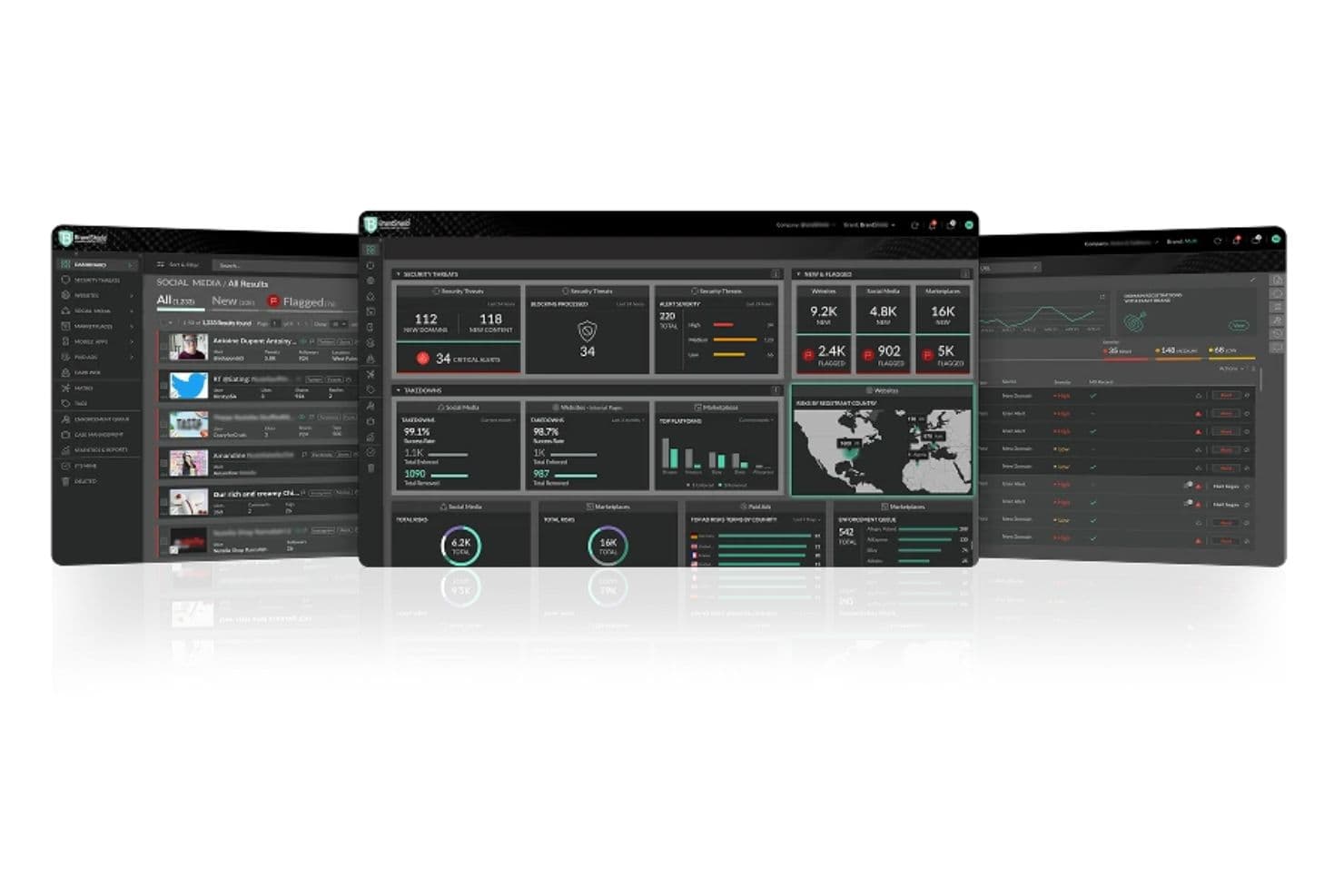
BrandShield is generally considered easy to navigate, even for teams that are new to brand protection platforms. Users highlight the dashboard as clear and straightforward, providing a quick overview of threats, investigations, and takedown activity without requiring deep technical knowledge.
The platform is also described as intuitive during day-to-day use. As teams review alerts and flag what is relevant to their brand, the system improves its ability to identify meaningful risks over time. This helps reduce noise and makes it easier to focus on real threats.
Integrations
BrandShield monitors platforms such as Amazon, eBay, social media networks, marketplaces, and websites to detect brand abuse and counterfeit activity. Rather than direct integrations, the platform scans these channels and supports enforcement and takedowns when threats are identified.
BrandShield Specs
- A/B Testing: No
- Analytics: No
- API: Yes
- Audience Targeting: No
- Automated Conversion: No
- Batch Permissions & Access: No
- Behavioral Tracking: No
- Brand Management: Yes
- Campaign Management: No
- Contact Management: No
- Contact Sharing: No
- Conversion Tracking: No
- CRM Integration: No
- Customer Management: No
- Dashboards: No
- Data Export: Yes
- Data Import: Yes
- Email Integration: No
- External Integrations: Yes
- Keyword Tracking: No
- Landing Pages: No
- Lead Management: No
- Lead Scoring: No
- Link Tracking: No
- Marketing Automation: No
- Multi-User: No
- Notifications: No
- Password & Access Management: No
- Social-Media Integration: No


