
Recensione di Air: Pro, Contro, Funzionalità e Prezzi
Air eccelle nel favorire la collaborazione del team con aggiornamenti in tempo reale e funzionalità di prioritizzazione uniche, distinguendosi nella gestione delle risorse di marketing.

Recensiamo gli strumenti in modo indipendente, e le commissioni aiutano a finanziare i nostri test. Consulta la nostra politica sulla trasparenza, la nostra metodologia o suggerisci uno strumento.
Air is a marketing asset management software built for creative and marketing teams that need one central place to store, review, and share brand assets. If you're deciding between Air and something like Bynder, I'd lean toward Air when your team wants a more visually intuitive workspace without the setup complexity of a traditional enterprise DAM. It's worth a close look if your team moves fast on creative production and needs a tool that keeps pace.
Air Evaluation Summary
4.6/5
- From $10/month (billed annually)
- Free plan available
Perché fidarsi dei nostri consigli sui software
6,700+
Reviews
20
Industry experts
16+
Evaluation factors
14
Years
Il nostro team testa e recensisce software dal 2012. In quanto leader del marketing noi stessi, sappiamo quanto sia difficile — e importante — scegliere il software giusto.
Per questa guida, abbiamo valutato gli strumenti attraverso test pratici e ricerche indipendenti, assegnando un punteggio agli strumenti in base ai nostri criteri di selezione.
Le nostre recensioni riflettono il nostro giudizio editoriale umano, non un discorso di vendita.
Revisori esperti:
 Gui DrusinaDirettore creativo
- Shriya GhateSenior Marketing Lead
 Amanda JacquesResponsabile Marketing Ops

Air Overview
In my opinion, Air is a solid option for marketing asset management, especially for teams needing effective collaboration and asset organization. It excels with standout features like integrations and real-time updates, making it a great choice for tech-savvy teams. However, its value for money could be better compared to more budget-friendly options. I think Air suits creative agencies and tech startups well, offering a user-friendly interface and strong support. If you're deciding between collaboration platforms, consider Air for its unique prioritization and collaboration tools, but weigh your budgetary constraints. For those evaluating alternatives, understanding these trade-offs is essential.
Pros
- It offers real-time collaboration features that boost team productivity.
- The interface is intuitive and easy for your team to navigate.
- It provides strong asset organization tools for better workflow management.
Cons
- Customizing features can be limited for complex needs.
- It might have a steeper learning curve for non-tech users.
- Advanced reporting features are not as comprehensive as some competitors.
Is Air Right For Your Needs?
Who Would be a Good Fit for Air?
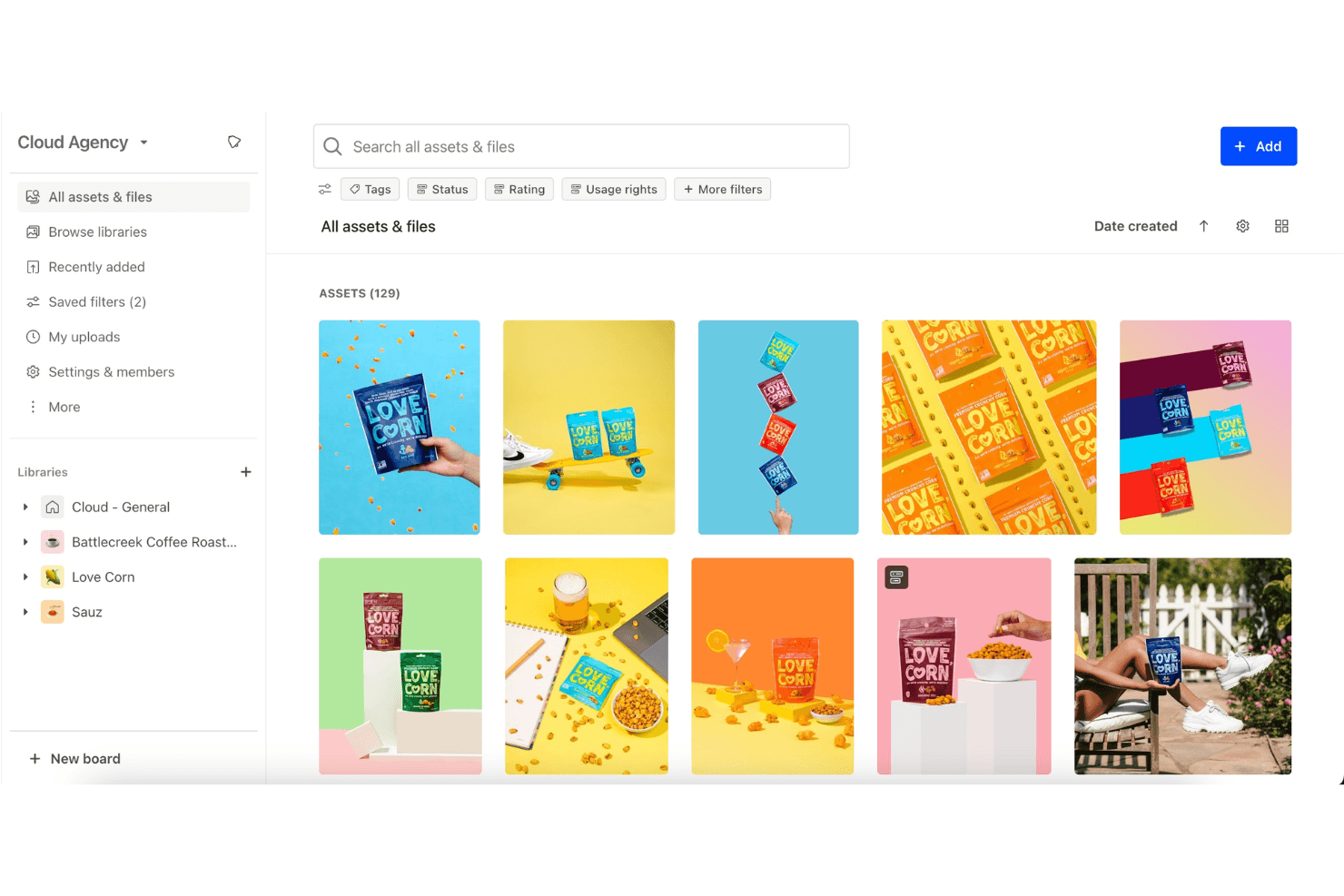
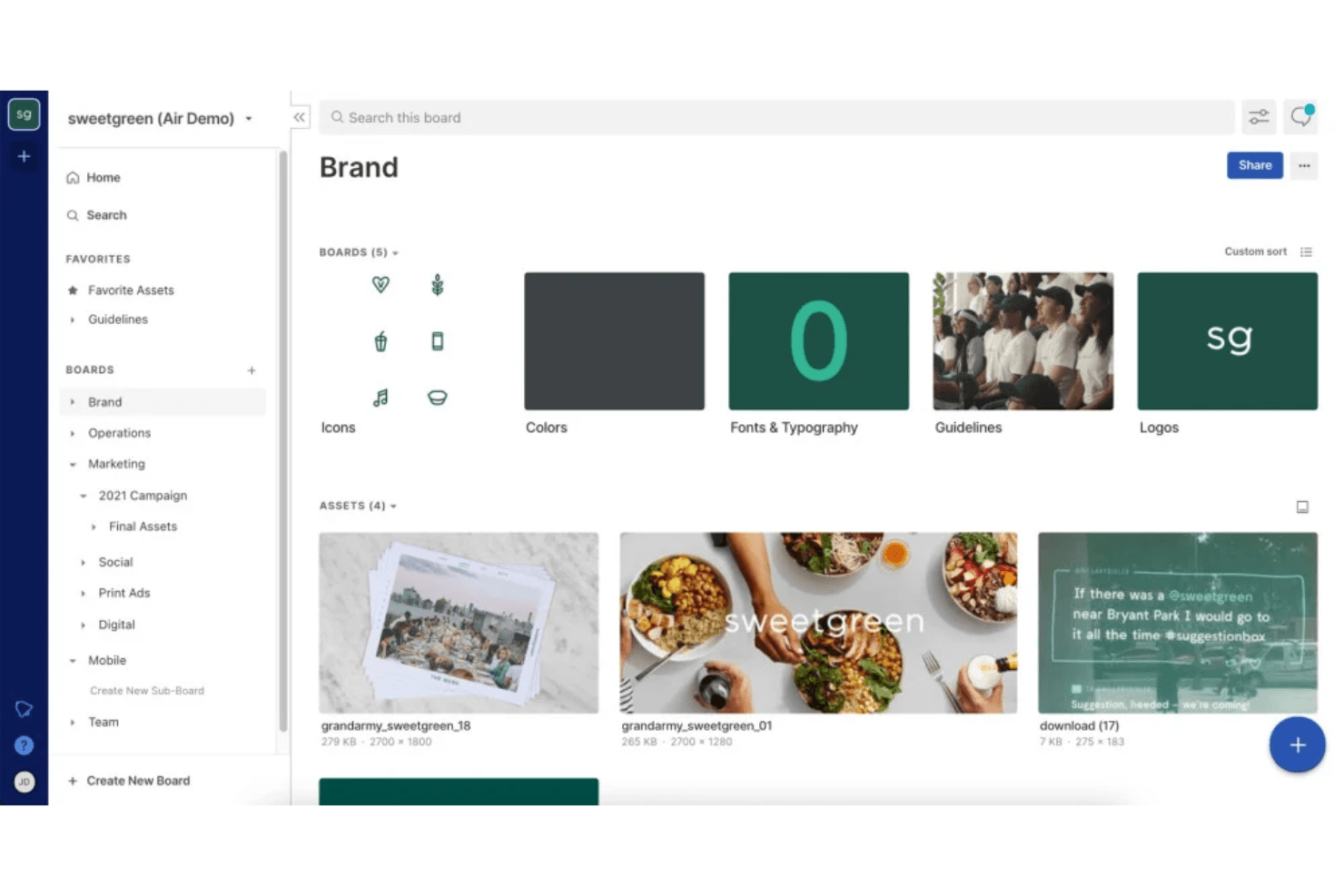
Air is great for creative agencies and tech startups that rely on dynamic content and agile workflows. Your team will benefit from its real-time collaboration tools and intuitive interface, which enhance productivity and asset management. If you work in fast-paced environments where efficient asset organization is key, Air's functionalities will support your needs effectively. The platform's digital asset management (DAM) capabilities make it particularly valuable for teams managing extensive asset libraries across various formats.
- Creative AgenciesAir helps your team manage creative projects with its intuitive interface and strong asset organization tools.
- Tech StartupsYour startup can thrive with Air's real-time collaboration and agile workflow capabilities, boosting team productivity.
- Marketing TeamsAir's features help you streamline asset management and boost collaboration in your marketing projects.
- Design DepartmentsYour design team will appreciate Air's easy navigation and robust asset organization for efficient project management.
- Digital Content CreatorsAir supports your work with tools for organizing and managing digital assets seamlessly.
- Remote TeamsAir's collaboration features help your remote team stay connected and productive, no matter where you are.
Who Would be a Bad Fit for Air?
Air might not be ideal for large enterprises with complex asset management needs due to its limited customization options. If your team requires advanced reporting features or highly specialized functionalities, Air's offerings might fall short. Those in industries with stringent compliance requirements or non-tech users might find the learning curve challenging, making it less suitable for your needs.
- Large EnterprisesYour large-scale operations might struggle with Air's limited customization and advanced reporting capabilities.
- Finance DepartmentsComplex compliance requirements in finance make Air's functionalities less suitable for your department's needs.
- Manufacturing CompaniesManufacturing processes requiring specialized asset management might find Air's features inadequate for your needs.
- Legal TeamsYour legal team might need more advanced reporting and customization than Air can offer.
- Government AgenciesGovernment agencies with strict compliance and reporting needs might find Air lacking in necessary features.
Come Testiamo e Valutiamo gli Strumenti
Abbiamo passato anni a costruire, perfezionare e migliorare il nostro sistema di test e valutazione del software. Il nostro metodo è progettato per cogliere le sfumature nella selezione del software e ciò che rende uno strumento efficace, concentrandoci sugli aspetti critici del processo decisionale. Qui sotto puoi vedere esattamente come funziona il nostro sistema di test e valutazione su sette criteri. Questo ci permette di offrire una valutazione imparziale del software basata su funzionalità principali, funzioni distintive, facilità d’uso, onboarding, supporto clienti, integrazioni, recensioni dei clienti e rapporto qualità-prezzo.
Funzionalità principali (25% del punteggio finale)
Il punto di partenza della nostra valutazione è sempre la funzionalità principale dello strumento. Include le caratteristiche e le funzioni basilari che un utente si aspetterebbe di trovare? Alcune di queste funzionalità sono bloccate nei piani premium? Ci aspettiamo che ogni strumento soddisfi almeno le capacità di base dei suoi concorrenti.
Funzionalità distintive (25% del punteggio finale)
Successivamente, valutiamo le funzionalità uniche che vanno oltre la normale funzionalità principale, quelle poco comuni negli strumenti simili. Un punteggio alto riflette caratteristiche specializzate o uniche che rendono il prodotto più veloce, efficiente o offrono un valore aggiunto all’utente. Valutiamo anche quanto sia semplice integrare il software con altri strumenti abitualmente usati in una tech stack, per espandere le funzionalità e l’utilità del prodotto. Sono valutate positivamente soluzioni con molte integrazioni native, connessioni di terze parti e API per creare integrazioni personalizzate.
Facilità d’uso (10% del punteggio finale)
Consideriamo la rapidità e semplicità con cui si possono eseguire le attività principali tramite lo strumento. I software con punteggio più alto sono ben progettati, intuitivi, dispongono di app mobili, offrono template e semplificano compiti complessi.
Onboarding (10% del punteggio finale)
Sappiamo quanto sia importante l’adozione rapida in azienda, quindi valutiamo la facilità di apprendimento e utilizzo di uno strumento con formazione minima. Analizziamo quanto velocemente un utente senza esperienza può iniziare a usare il software. Le soluzioni migliori richiedono poco o nessun supporto.
Supporto clienti (10% del punteggio finale)
Analizziamo la rapidità e facilità nel trovare aiuto tramite telefono, chat dal vivo o knowledge base. Gli strumenti che offrono supporto in tempo reale ottengono il punteggio migliore: i chatbot invece i peggiori.
Recensioni dei clienti (10% del punteggio finale)
Oltre ai nostri test, consideriamo il net promoter score di attuali ed ex clienti. Valutiamo la probabilità che, potendo scegliere, l’utente decida di utilizzare ancora quello strumento per le funzionalità principali. Un software con un punteggio alto corrisponde ad un alto net promoter score tra clienti attuali o passati.
Rapporto qualità-prezzo (10% del punteggio finale)
Infine, tenendo conto di tutti gli altri criteri, confrontiamo il prezzo medio dei piani base rispetto alle funzionalità principali e agli altri fattori di valutazione. I software che offrono di più, a meno, ottengono i punteggi più alti.
Core Features
Asset Organization
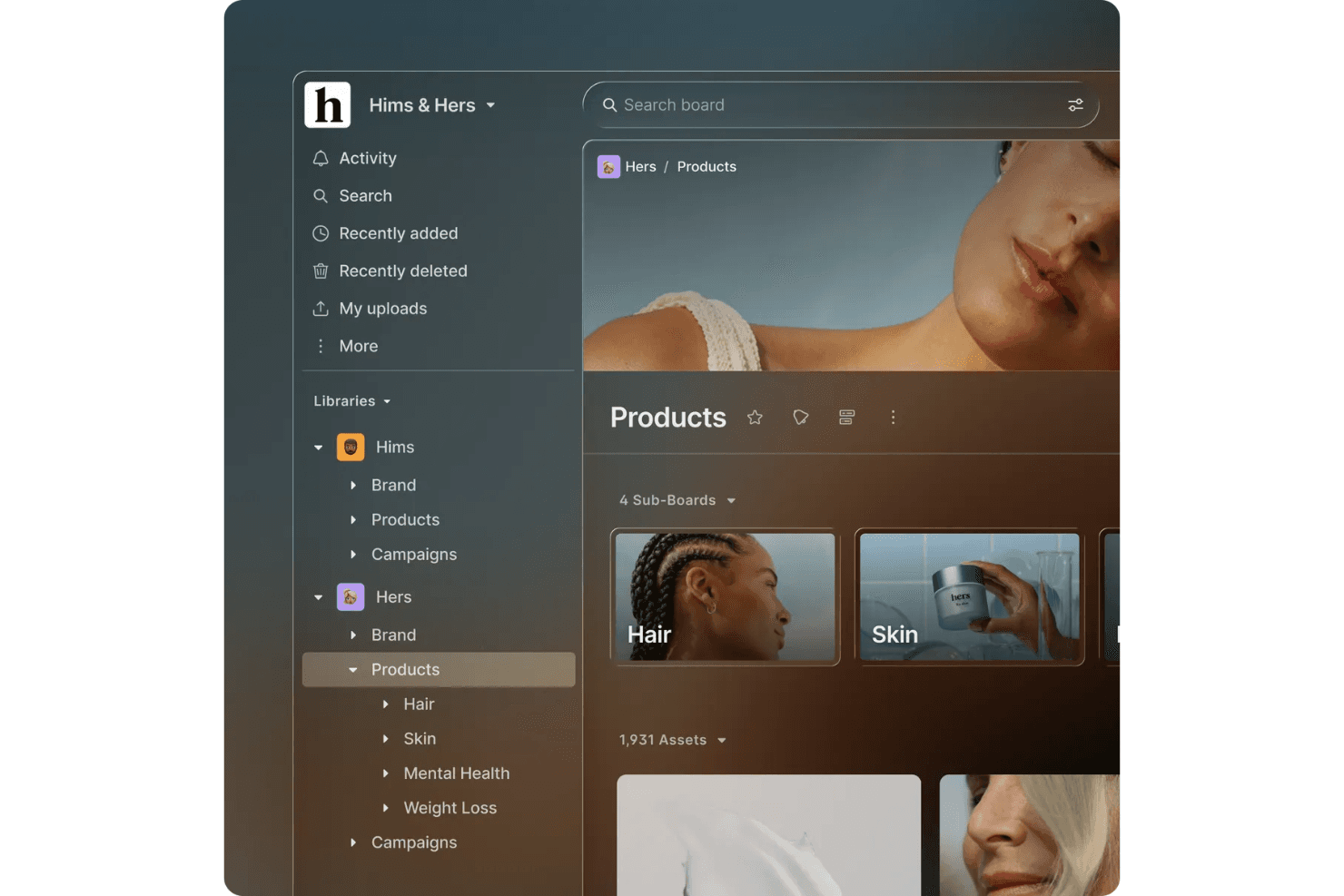
Air lets you categorize and tag your digital assets, making it easy for your team to find what you need. This feature enhances workflow efficiency.
Version Control
You can track changes and updates to your files, ensuring your team always works with the latest versions. This prevents confusion over outdated assets.
Real-Time Collaboration
Air allows your team to work together on projects simultaneously, boosting productivity. It's perfect for dynamic environments.
User Permissions
You can control who accesses what within your team, maintaining security. This feature protects sensitive information.
Search Functionality
Air offers powerful search capabilities, helping you locate assets quickly with keywords or tags. This saves your team time and effort.
Customizable Workspaces
You can tailor your workspace to fit your team's needs, providing a personalized experience. This feature adapts to your unique processes.
Standout Features
Prioritization Tools
Air provides unique prioritization features that help your team focus on what matters most, enhancing productivity and task management.
Real-Time Updates
Your team receives instant notifications about changes, keeping everyone informed and aligned. This feature ensures seamless communication.

Ease of Use
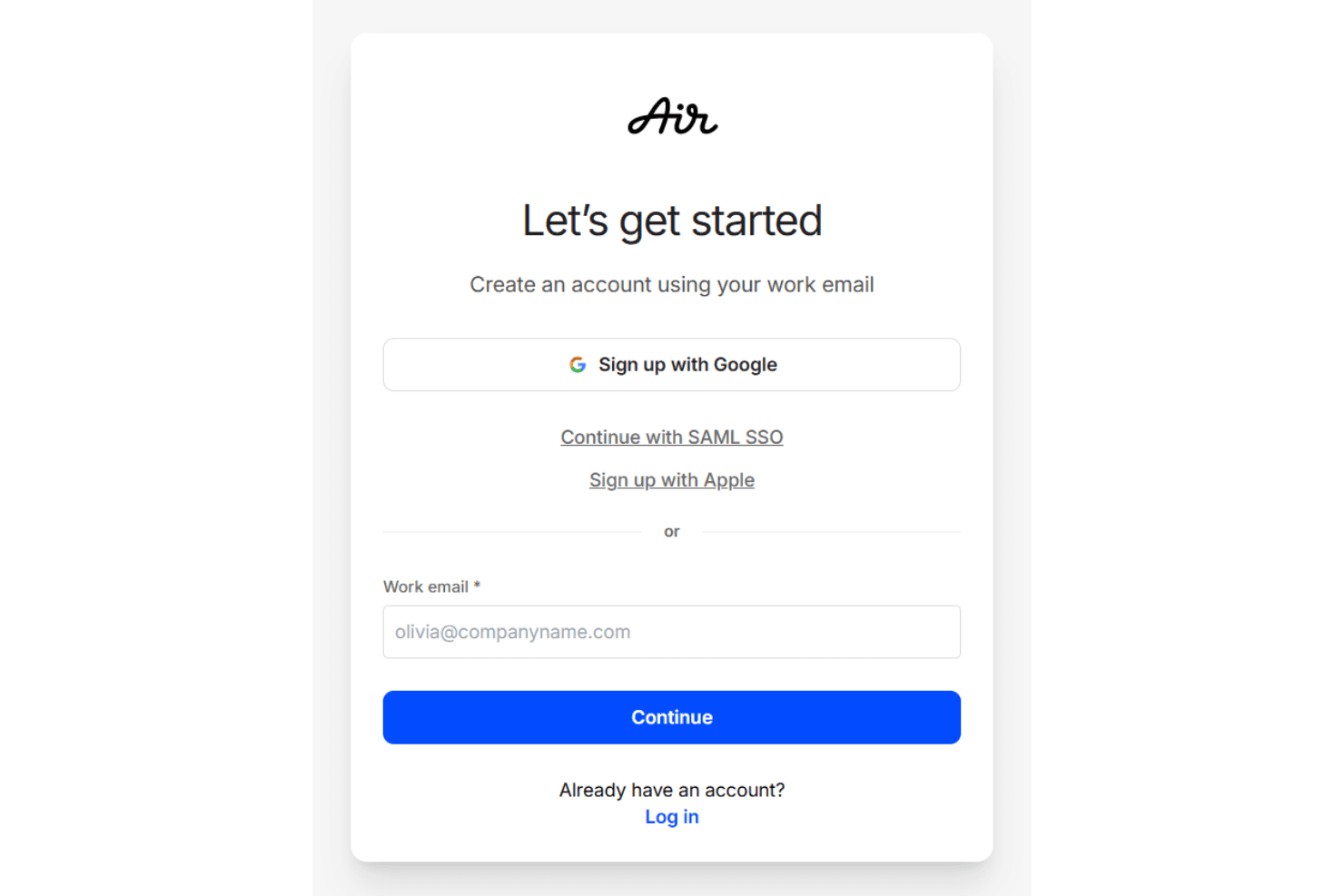
Air is quite user-friendly, offering an intuitive interface that makes navigation easy for your team. You'll find that its features are straightforward, helping you manage and organize assets without hassle. The mobile app extends this ease of use to iOS and iPhone users, while Android support ensures cross-platform accessibility. While some user reviews mention a learning curve, especially for non-tech folks, the real-time collaboration and customizable workspaces enhance usability significantly. Compared to other software, Air's simplicity and efficiency stand out, making it a suitable choice for teams looking for quick adoption.
Onboarding
Air's onboarding process is smooth, providing your team with clear guidance and support to get started quickly. You'll appreciate the detailed tutorials and responsive customer support that help you understand its features. The knowledge base offers comprehensive resources for self-service learning, while templates help teams accelerate their setup. While some users wish for more personalized onboarding, the available resources generally make the transition easy. Compared to other options, Air's onboarding ensures a quicker time to value, allowing your team to focus on productivity without being bogged down by complex setup processes.
Customer Support
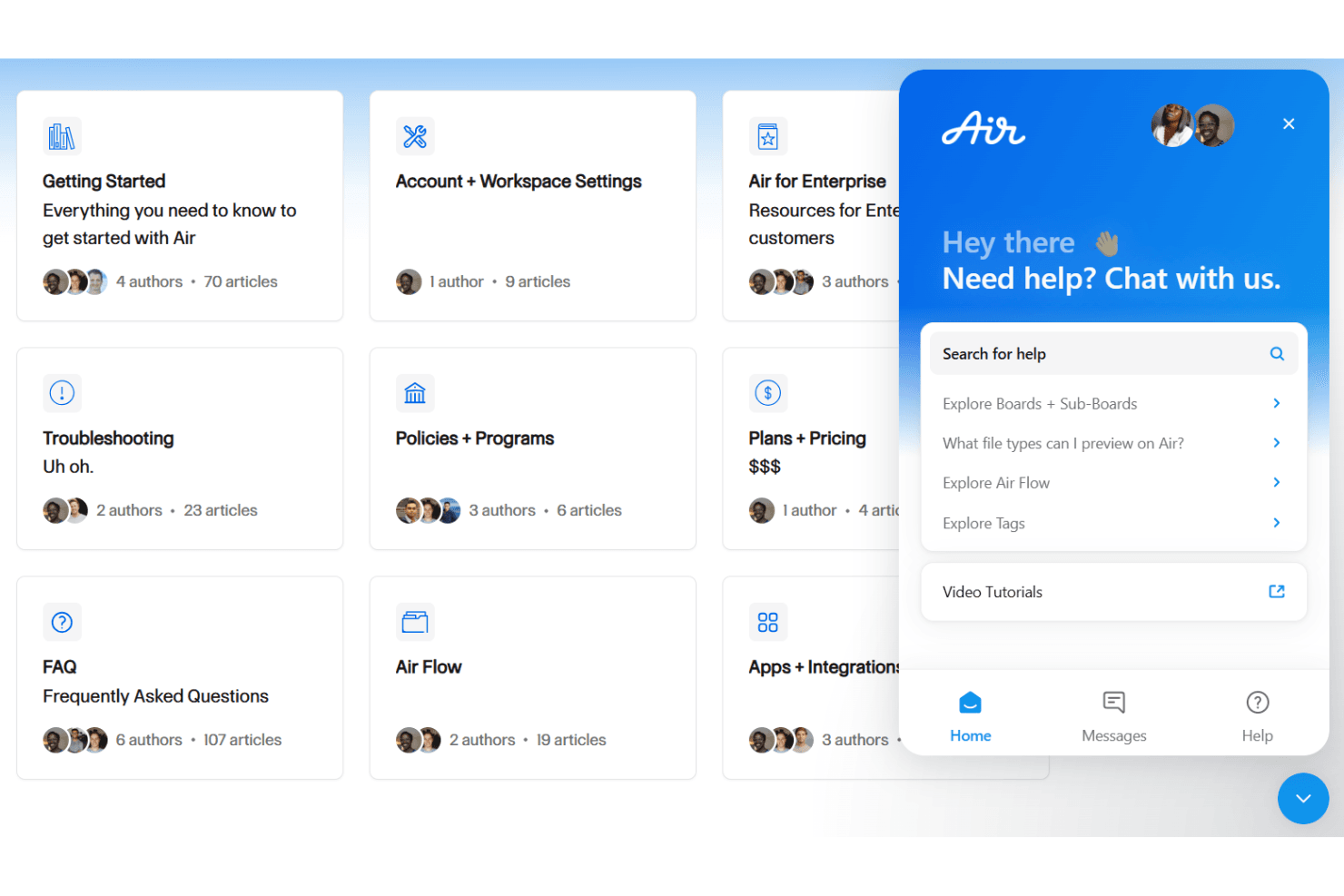
Air provides reliable customer support, ensuring your team gets the help you need when challenges arise. Users appreciate the responsive service and helpful resources that guide them through issues effectively. The support team is accessible through multiple channels, offering quick resolutions and valuable insights. While some users hope for extended support hours, Air's assistance generally meets expectations, making it easier for your team to stay productive and focused on their work without unnecessary delays.
Integrations
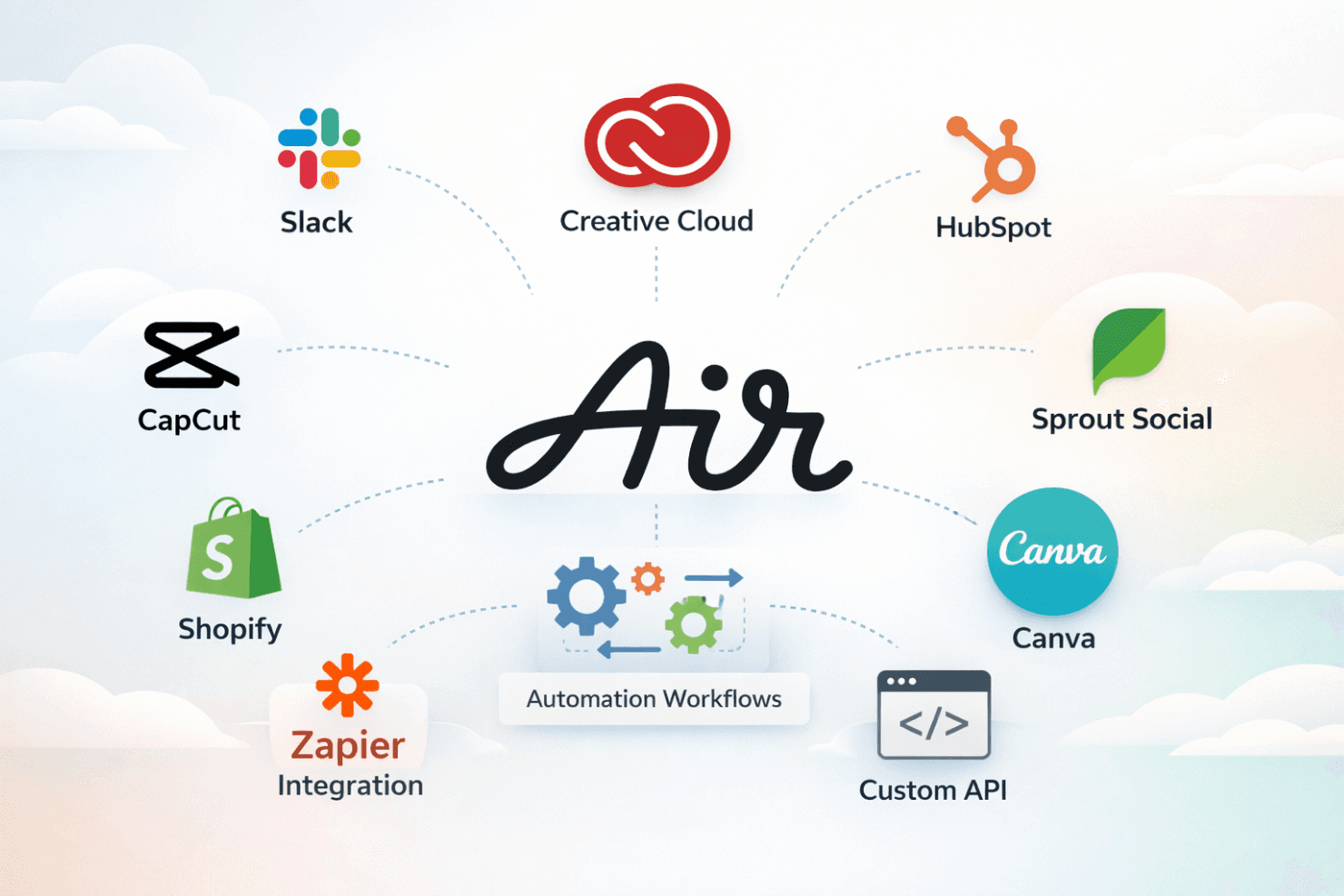
Air natively integrates with platforms such as Slack, Adobe Creative Cloud, HubSpot, CapCut, Shopify, Canva, and Sprout Social, among others.
Air also provides an API for custom connections and integrates with third-party tools like Zapier for expanded capabilities, enabling automation workflows that optimize your tech stack.
Value for Money
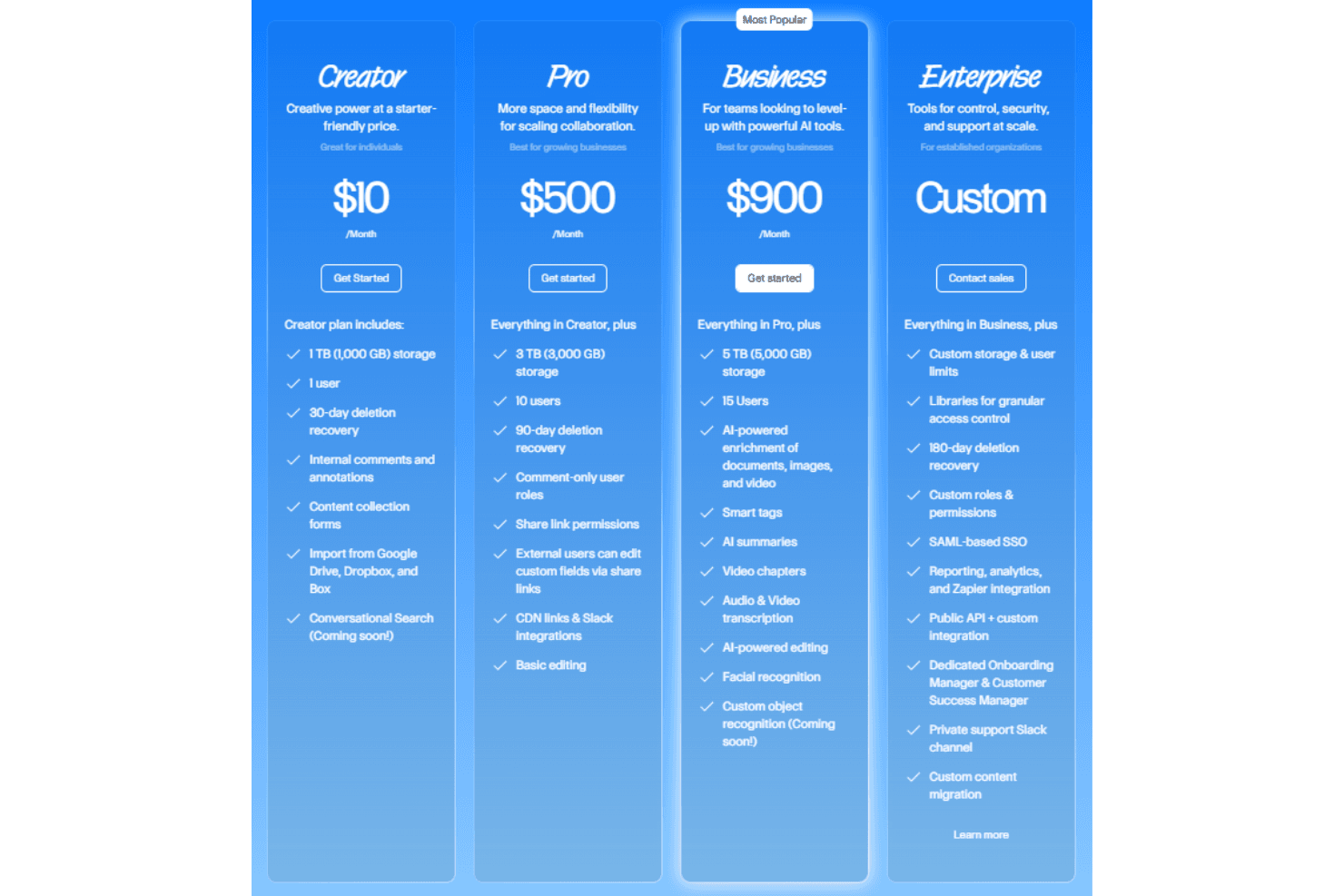
Air’s pricing model offers flexible plans for various needs, making it a viable option for managing digital assets. Users find the pricing reasonable, given features such as AI-powered search and collaboration tools. The free version is a great starting point, while paid options provide more storage and advanced features. A free trial is available, allowing you to evaluate the software before making a purchase decision.
- Free Plan: Provides 10 GB of storage and organization tools for individuals.
- Creator Plan: Includes 1 TB of storage for one user, with annotations and imports from Google Drive and Dropbox
- Pro Plan: Offers 3 TB of storage for 10 users, basic editing tools, and share link permissions.
- Business Plan: Adds 5 TB of storage for 15 users, AI-powered editing, and audio/video transcription.
- Enterprise Plan: Custom pricing with tailored features for established businesses, access to the API, and a dedicated onboarding manager.
Air Specs
- Access Management: Yes
- API: Yes
- Asset Tagging: Yes
- Automatic Transcription: Yes
- Batch Permissions & Access: Yes
- Brand Asset Creation: Yes
- Brand Management: Yes
- Dashboards: Yes
- Database Search: Yes
- Document Comparison: Yes
- Document Sharing: Yes
- Downloading: Yes
- External Integrations: Yes
- File Format Conversion: Yes
- File Sharing: Yes
- File Transfer: Yes
- History/Version Control: Yes
- Keyword Tracking: No
- Materials Library: Yes
- Metadata Management: Yes
- Multi-User: Yes
- Product Catalog: No
- Reports: Yes
- Review Monitoring: Yes
- Template Designer: Yes
Air FAQs
Air Company Overview & History
Air is headquartered in Brooklyn, New York, and currently employs over 50 people. Founded in 2017 by Shane Hegde, the company empowers creative departments with tools for digital asset management, editing, and storage, currently used by over 1,000 teams. With recent Series B funding of over $35 million, Air continues to grow and expand its reach globally.
Air Major Milestones
- 2017: Founded by Shane Hegde.
- 2024: Raised $35 million in Series B funding.