

Brandfolder-arvostelu: hyvät ja huonot puolet, ominaisuudet ja hinnoittelu selitettynä
Brandfolder erottuu edukseen intuitiivisella käyttöliittymällään ja tehokkaalla aineiston organisoinnillaan, mikä tekee siitä ihanteellisen tiimeille, jotka etsivät sujuvaa markkinointiaineiston hallintaa, vaikka se ei välttämättä sovellu erittäin monimutkaisiin työnkulkuihin.

We review tools independently, and commissions help fund our testing. See our transparency policy, our methodology, or suggest a tool.
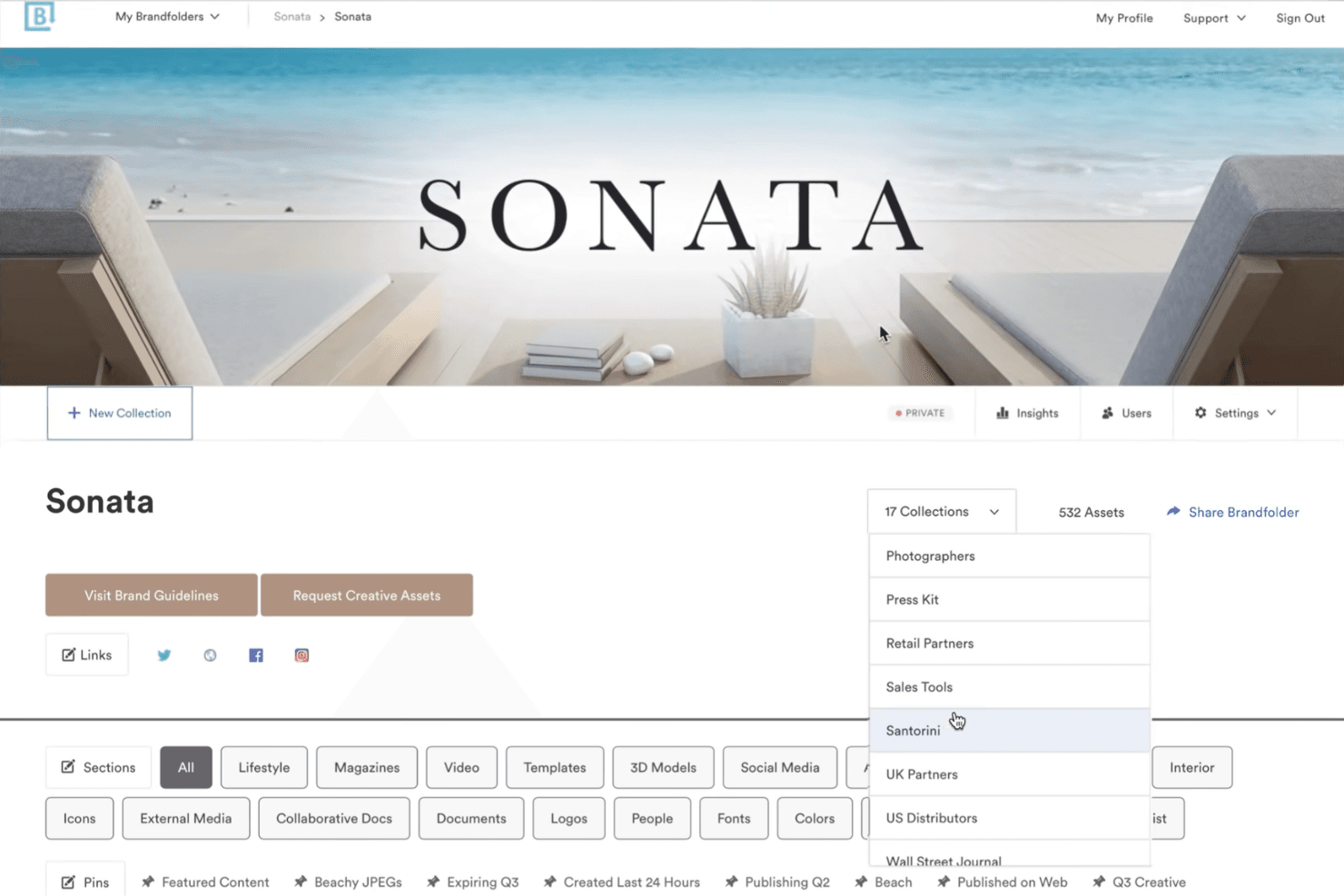
Brandfolder is a marketing asset management software built for marketing teams that need one place to store, organize, and share brand assets—think logos, images, videos, and templated collateral. It's a good fit if your team is constantly fielding "can you send me the logo?" requests or losing control of which asset versions are actually in use. I'd pick it over Bynder if you want something your whole organization can navigate without a formal training session.
Brandfolder Evaluation Summary
4.6/5
- Pricing upon request
- Free demo available
Why Trust Our Software Recommendations
6,700+
Reviews
20
Industry experts
16+
Evaluation factors
14
Years
Our team has been testing and reviewing software since 2012. As marketing leaders ourselves, we know how difficult—and important—it is to choose the right software.
For this guide, we evaluated tools using hands-on testing and independent research, scoring tools using our selection criteria.
Our reviews reflect our human editorial judgment, not a sales pitch.
Expert reviewers:
 Gui DrusinaCreative Director
- Shriya GhateSenior Marketing Lead
 Amanda JacquesMarketing Ops Leader

Brandfolder Overview
If you’re judging marketing asset management software on interface and ease of onboarding, Brandfolder is a top pick—its clean design and guided setup make adoption quick for most teams. I think its asset organization and sharing features outperform many competitors, especially for marketing teams managing large libraries. Pricing is mid-range, and support is responsive, but advanced workflow automation and niche integrations can lag behind.
If you’re selecting a solution for a fast-moving marketing team that values usability and brand consistency, Brandfolder is a strong contender. For highly specialized workflows, you might find some limitations.
Pros
- Brandfolder simplifies digital asset organization for your team, making content management a breeze.
- Its intuitive interface helps you quickly locate and share assets, boosting your team's productivity.
- You can easily collaborate with your team, ensuring everyone stays aligned and informed.
Cons
- Some users find the initial learning curve challenging when getting started with Brandfolder.
- Customization options may feel limited for teams with specific needs or workflows.
- Users sometimes experience slower customer support response times compared to competitors.
Is Brandfolder Right For Your Needs?
Who Would be a Good Fit for Brandfolder?
Brandfolder is ideal for creative teams in advertising agencies and marketing departments in large corporations that need quick access to digital assets. Its intuitive interface and easy asset sharing enable your team to streamline workflows and enhance collaboration. Retail businesses can also benefit from Brandfolder’s ability to maintain consistent brand assets across multiple channels, ensuring your brand’s message remains uniform. If your team values time-saving tools and efficient content management, Brandfolder’s features align well with your goals.
- Advertising AgenciesBrandfolder’s organization features help your team manage and access creative assets quickly, improving project turnaround times.
- Retail BusinessesYou can maintain consistent brand messaging across various platforms, thanks to Brandfolder’s centralized asset management.
- Marketing DepartmentsBrandfolder’s collaborative tools ensure your team stays aligned, making it easier to execute campaigns efficiently.
- Large CorporationsYou benefit from Brandfolder’s robust asset storage and sharing capabilities, which support complex marketing operations.
- Creative TeamsIts user-friendly interface helps your team focus on creativity rather than navigating cumbersome software.
- Brand ManagersBrandfolder’s version control and asset tracking ensure your brand assets remain up-to-date and on-point.
Who Would be a Bad Fit for Brandfolder?
Brandfolder may not suit small businesses or startups with limited budgets that require extensive customization options. Its initial learning curve and limited customization can be challenging for teams that need highly tailored solutions. If your team relies heavily on quick customer support for troubleshooting, Brandfolder’s response times might not meet your needs. Additionally, if your organization needs advanced analytics or reporting features, Brandfolder may not offer the depth you require.
- Small StartupsYour budget constraints might not align with Brandfolder’s offerings, especially if you need extensive customization.
- Highly Regulated IndustriesYou might find Brandfolder’s compliance features lacking for industries with strict data regulations.
- FreelancersThe robust features of Brandfolder may be excessive for your individual needs and simpler asset management tools could suffice.
- Non-Technical TeamsThe initial learning curve may be too steep if your team lacks technical expertise.
- Data-Driven OrganizationsIf you require in-depth analytics, Brandfolder’s reporting capabilities might fall short of your expectations.
- Niche IndustriesYou may find Brandfolder’s features too generalized if your industry requires specialized asset management functions.
How We Test & Score Tools
We’ve spent years building, refining, and improving our software testing and scoring system. The rubric is designed to capture the nuances of software selection and what makes a tool effective, focusing on critical aspects of the decision-making process.
Below, you can see exactly how our testing and scoring works across seven criteria. It allows us to provide an unbiased evaluation of the software based on core functionality, standout features, ease of use, onboarding, customer support, integrations, customer reviews, and value for money.
Core Functionality (25% of final scoring)
The starting point of our evaluation is always the core functionality of the tool. Does it have the basic features and functions that a user would expect to see? Are any of those core features locked to higher-tiered pricing plans? At its core, we expect a tool to stand up against the baseline capabilities of its competitors.
Standout Features (25% of final scoring)
Next, we evaluate uncommon standout features that go above and beyond the core functionality typically found in tools of its kind. A high score reflects specialized or unique features that make the product faster, more efficient, or offer additional value to the user.
We also evaluate how easy it is to integrate with other tools typically found in the tech stack to expand the functionality and utility of the software. Tools offering plentiful native integrations, 3rd party connections, and API access to build custom integrations score best.
Ease of Use (10% of final scoring)
We consider how quick and easy it is to execute the tasks defined in the core functionality using the tool. High scoring software is well designed, intuitive to use, offers mobile apps, provides templates, and makes relatively complex tasks seem simple.
Onboarding (10% of final scoring)
We know how important rapid team adoption is for a new platform, so we evaluate how easy it is to learn and use a tool with minimal training. We evaluate how quickly a team member can get set up and start using the tool with no experience. High scoring solutions indicate little or no support is required.
Customer Support (10% of final scoring)
We review how quick and easy it is to get unstuck and find help by phone, live chat, or knowledge base. Tools and companies that provide real-time support score best, while chatbots score worst.
Customer Reviews (10% of final scoring)
Beyond our own testing and evaluation, we consider the net promoter score from current and past customers. We review their likelihood, given the option, to choose the tool again for the core functionality. A high scoring software reflects a high net promoter score from current or past customers.
Value for Money (10% of final scoring)
Lastly, in consideration of all the other criteria, we review the average price of entry level plans against the core features and consider the value of the other evaluation criteria. Software that delivers more, for less, will score higher.
Core Features
AI-Powered Tagging and Search
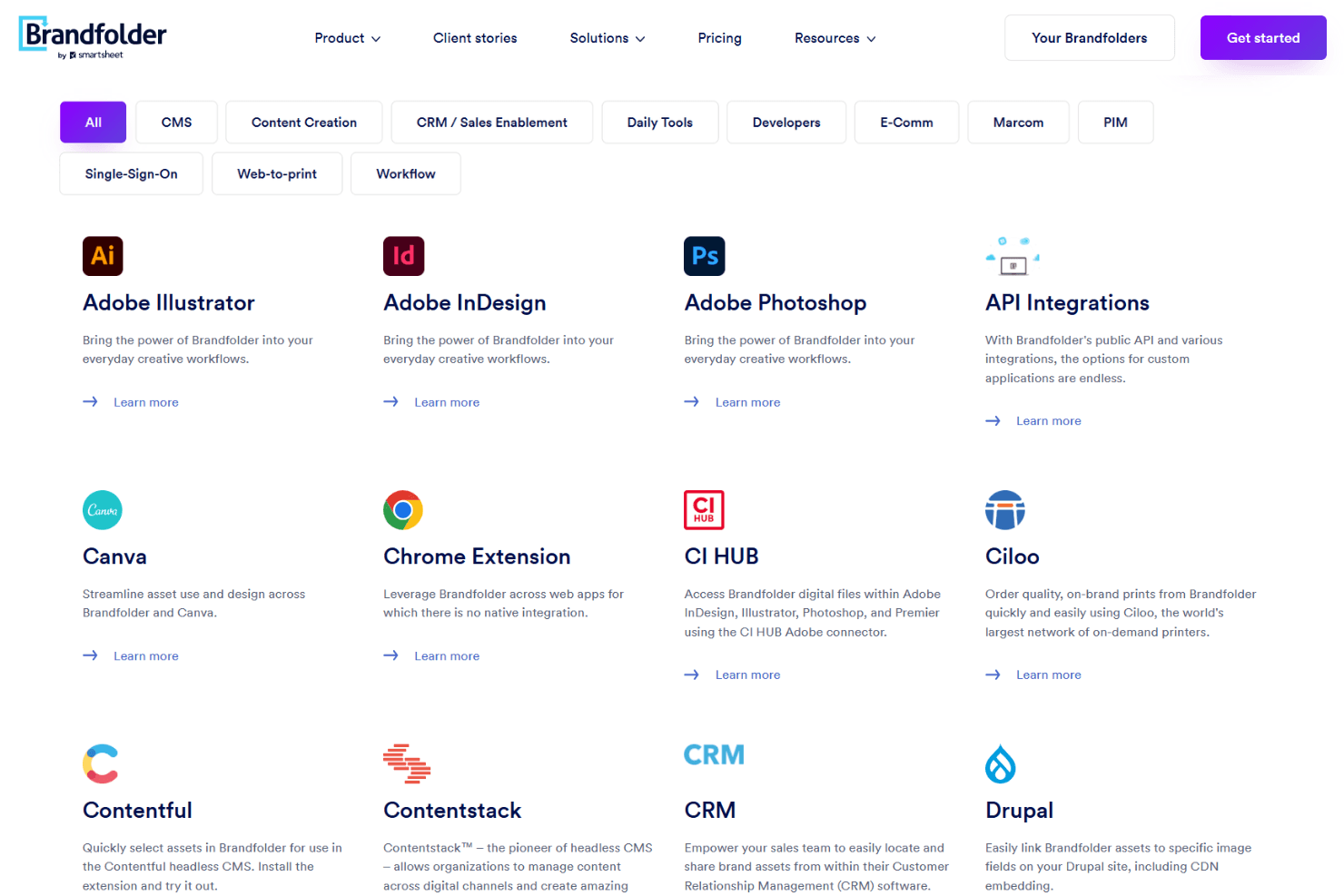
Brand Intelligence uses AI to automatically tag assets and recommend keywords, making it easy to find files by campaign, color, or product.
Smart CDN Links
Update assets across dozens of channels instantly with a single link, ensuring everyone always accesses the latest approved version.
Collaborative Workspaces
Manage in-progress assets, creative briefs, and approvals in dedicated spaces, streamlining feedback and review cycles.
Content Automation
Create and customize on-brand content at scale using templates and self-service tools, so marketers can update assets without design help.
Brandguide
Keep brand guidelines up to date and accessible anywhere, so teams and partners always have the latest standards at hand.
Portals
Curate and share collections of assets with specific audiences, making it simple to deliver the right content to the right stakeholders.
Ease of Use
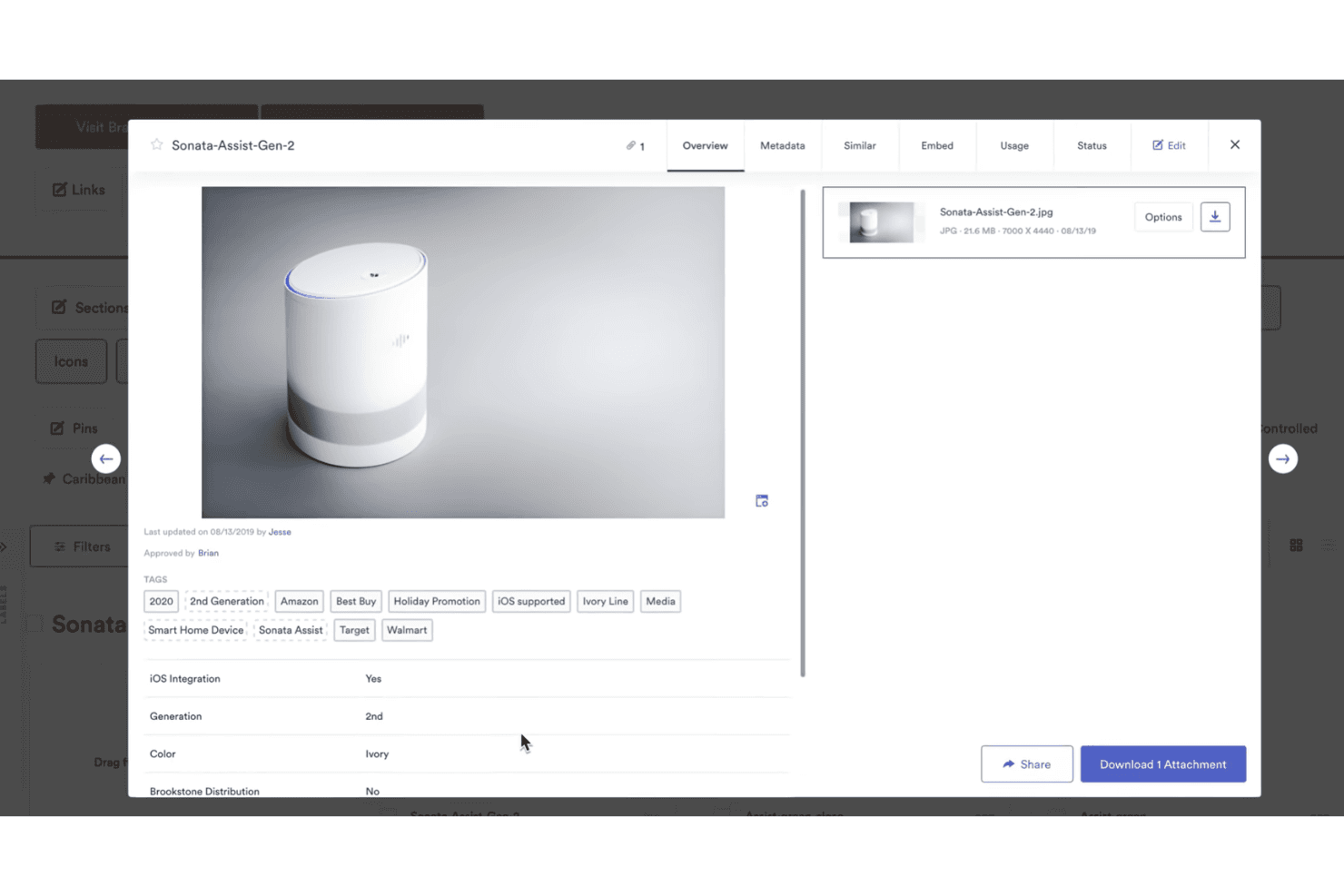
Brandfolder is one of the most user-friendly marketing asset management platforms I’ve used. The interface is clean, navigation is intuitive, and onboarding is quick—even for non-technical users. Features like AI-powered search, drag-and-drop uploads, and guided asset organization make daily tasks simple. User reviews consistently mention how easy it is for teams to find, share, and update assets without extra training or IT support.
Integrations
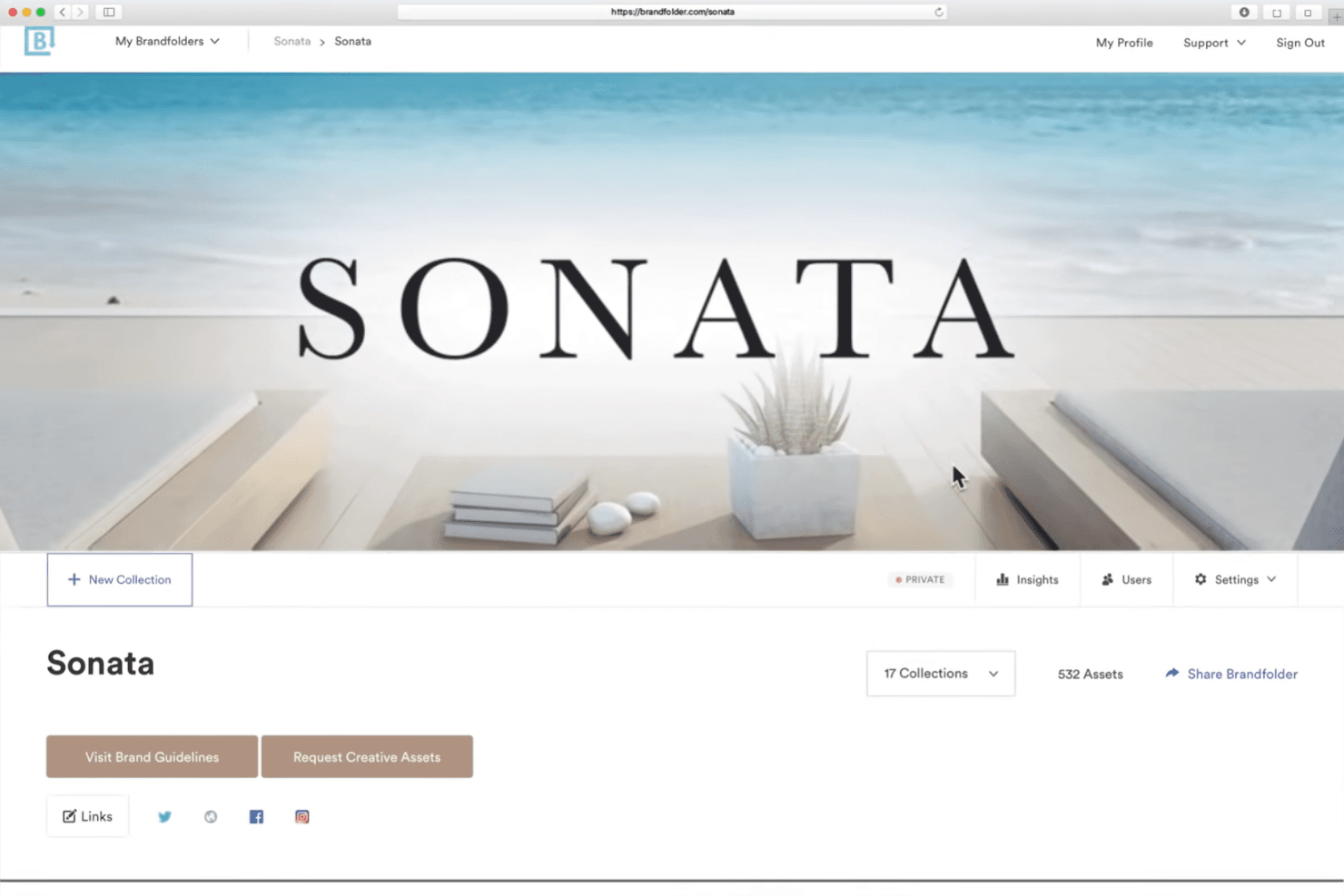
Brandfolder integrates with Adobe Creative Cloud (Illustrator, InDesign, Photoshop), Canva, Figma, Salesforce, HubSpot, Hootsuite, Slack, WordPress, Smartsheet, and Shopify, among others.
Brandfolder also offers a public API and connects with third-party integration tools like Zapier and Tray.io.
Brandfolder Specs
- Analytics: Yes
- Brand Asset Creation: Yes
- Brand Management: Yes
- Campaign Management: Yes
- Data Export: Yes
- Data Import: Yes
- Database: Yes
- Document Comparison: No
- External Integrations: Yes
- Feedback Management: Yes
- File Format Conversion: Yes
- File Sharing: Yes
- File Transfer: Yes
- Knowledge Base: Yes
- Marketing Automation: No
- Multi-App: Yes
- Multi-Site: Yes
- Multi-User: Yes
- Net Promoter Score: No
- Notifications: Yes
- Optimized Search Processing: Yes
- Review Monitoring: No
- Scheduling: No
- Sentiment Analysis: No
- Social Media Monitoring: No
- Social-Media Integration: No
- Template Designer: Yes
- Third-Party Plugins/Add-Ons: Yes
- White-label: Yes
- Workflow Management: Yes


