

Reseña de Strapi 2026: ventajas, desventajas, características y precios
I put Strapi’s API-first flexibility to the test, weighing its features, trade-offs, and pricing to see whether it’s the right CMS for your content stack.

Revisamos herramientas de manera independiente, y las comisiones ayudan a financiar nuestras pruebas. Consulta nuestra política de transparencia, nuestra metodología o sugiere una herramienta.
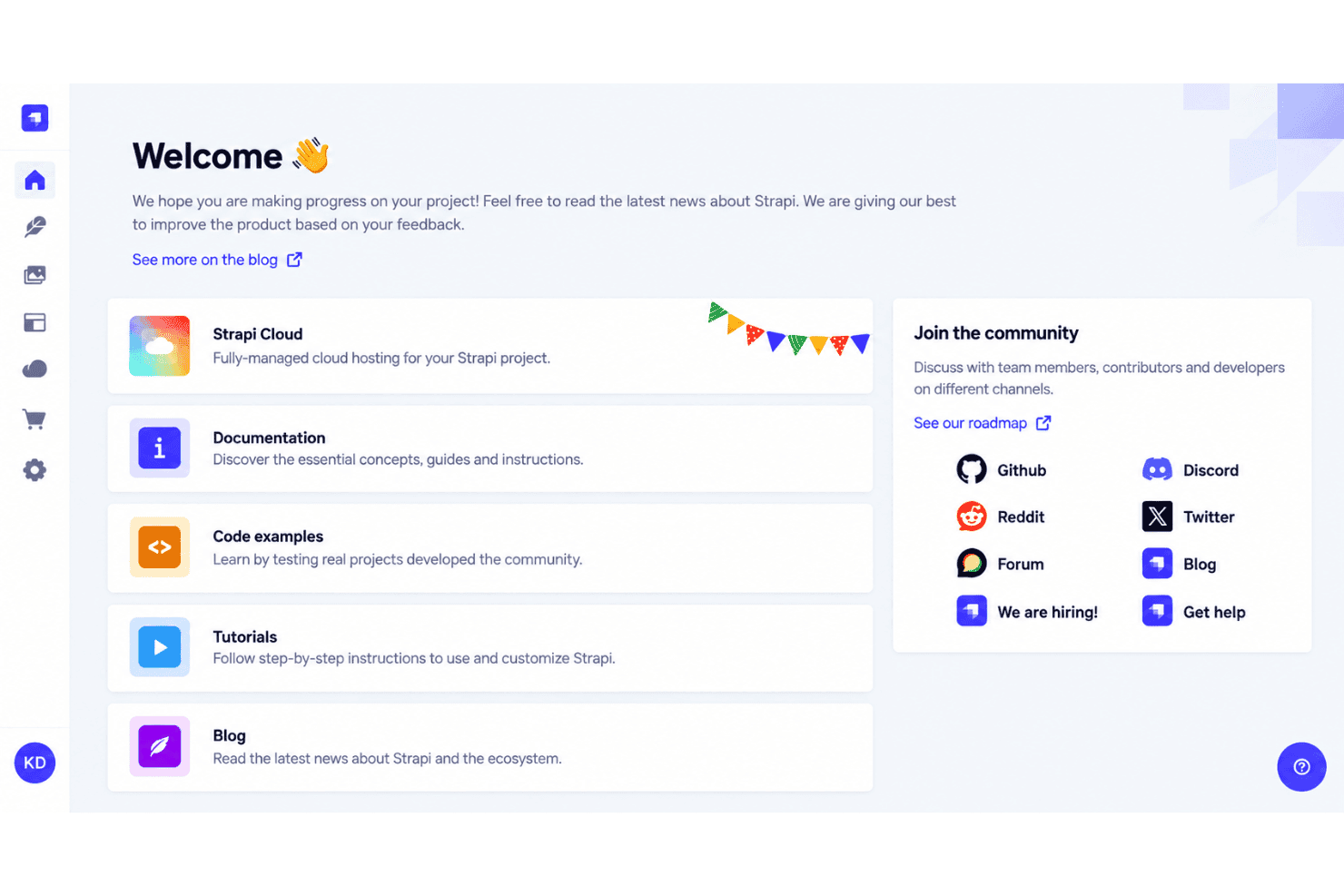
Strapi is an open-source, API-first content management software for teams that need to manage structured content across websites, mobile apps, and other digital channels. I’d choose Strapi over WordPress when developers need a customizable headless architecture, flexible content models, and API delivery without tying content to one presentation layer.
Strapi Evaluation Summary
4.5/5
- From $45/month
- Free plan available
Por qué confiar en nuestras recomendaciones de software
6,700+
Reviews
20
Industry experts
16+
Evaluation factors
14
Years
Nuestro equipo lleva probando y evaluando software desde 2012. Como líderes de marketing, sabemos lo difícil —y lo importante— que es elegir el software adecuado.
Para esta guía, evaluamos las herramientas mediante pruebas prácticas e investigación independiente, puntuando las herramientas según nuestros criterios de selección.
Nuestras reseñas reflejan nuestro criterio editorial humano, no un discurso de ventas.
Revisores expertos:
 Gui DrusinaDirector creativo
- Shriya GhateSenior Marketing Lead
 Amanda JacquesLíder de Marketing Ops

Strapi Overview
I’d choose Strapi when your team needs an open-source, API-first CMS with customizable content types, REST and GraphQL APIs, role-based access, webhooks, and plugin support. Its admin interface is clear, though onboarding still requires developer involvement for hosting, schemas, and deployments. Self-hosting keeps entry costs low, while cloud and enterprise plans add managed infrastructure and support. Compared with more packaged CMS platforms, Strapi offers greater control, flexible integrations, and cleaner multi-channel delivery, but less out-of-the-box functionality and a steeper technical setup. I think it fits product teams, content operations, and businesses supporting websites, apps, and other digital experiences.
Pros
- Flexible content types and reusable components support diverse content structures.
- REST and GraphQL APIs deliver content across websites and apps.
- Open-source self-hosting permits source-level customization without license fees.
Cons
- Self-hosting requires infrastructure, deployment, database, and maintenance ownership.
- Advanced plugins and admin customizations require substantial JavaScript development.
- Documentation can feel fragmented during complex configurations.
Is Strapi Right For Your Needs?
Who Would be a Good Fit for Strapi?
Strapi suits developer-led teams that need custom content models, REST or GraphQL APIs, and publishing across multiple channels. It works especially well for businesses with technical resources that can manage hosting, deployments, plugins, and integrations.
- Developer-Led StartupsStrapi lets developers create custom content types and automatically generated REST or GraphQL APIs without adopting a fixed frontend.
- Ecommerce BrandsEcommerce teams can connect Strapi with Shopify, BigCommerce, Cloudinary, webhooks, and custom integrations for product and campaign content.
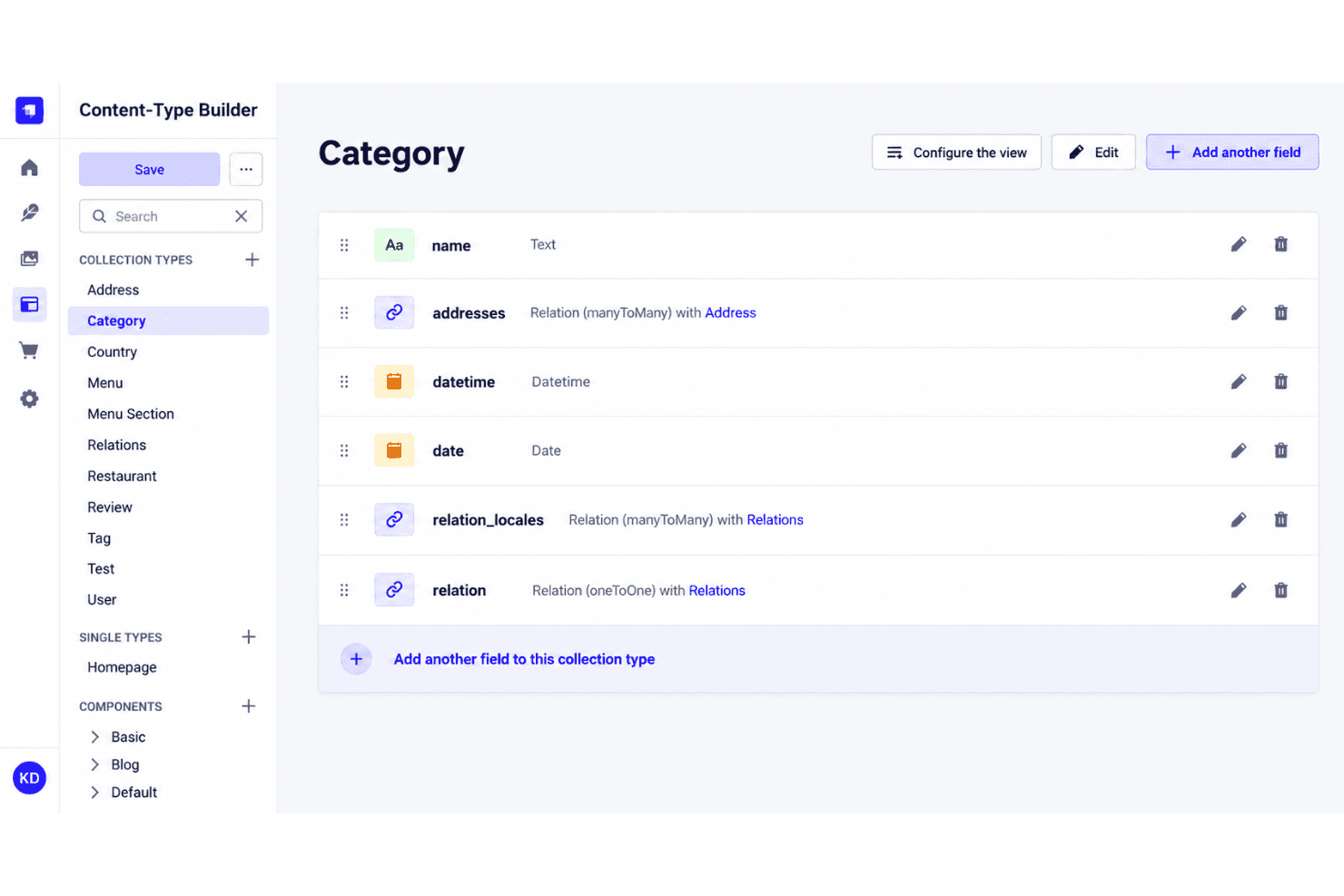
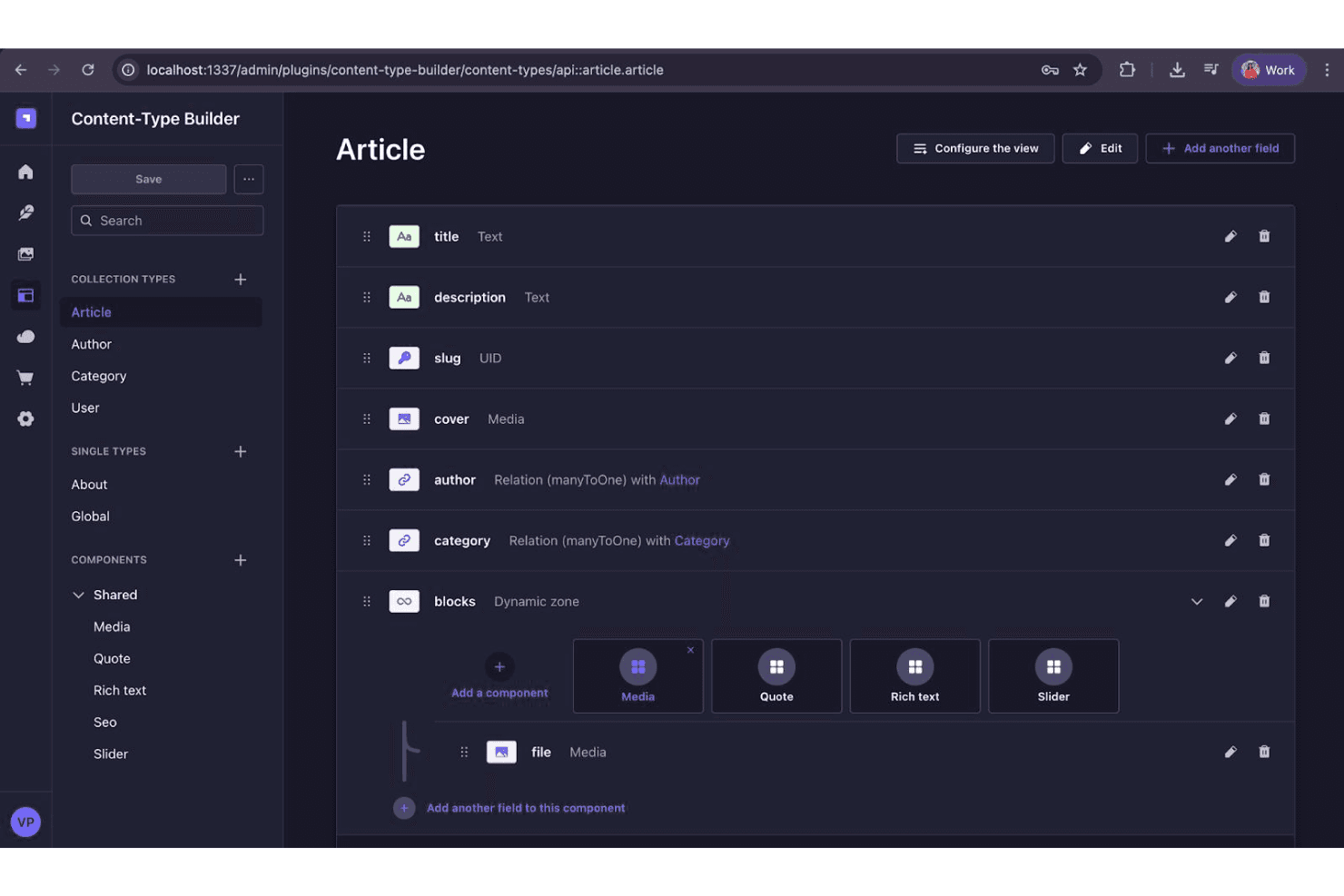
- Digital PublishersPublishers can model articles, authors, categories, and media assets in the Content-Type Builder, then deliver content to websites and applications.
- Marketing DepartmentsMarketing teams with developer support can manage entries in the admin interface while developers control schemas, deployments, plugins, and API connections.
- Content AgenciesAgencies can use Strapi’s open-source edition and custom integrations to build tailored CMS projects for clients with different content structures.
- Multichannel ProductsProduct teams can use Strapi’s REST and GraphQL APIs to distribute shared content across websites, mobile applications, ecommerce experiences, and other interfaces.
Who Would be a Bad Fit for Strapi?
Strapi is a poor match for teams that need a ready-to-use CMS with minimal technical administration. Self-hosting, database setup, schema design, deployment work, and advanced customization can create too much overhead for simple websites or teams without developer access.
- Solo EntrepreneursSolo business owners without technical support may struggle with hosting, deployments, database configuration, and custom plugin requirements.
- Simple Brochure SitesA small business needing only a few static pages may find Strapi’s content modeling and API setup unnecessary for its limited publishing needs.
- No-Code TeamsMarketing teams that need to create and change content without developer involvement may find Strapi less suitable because custom schemas and integrations require technical setup.
- Immediate LaunchesTeams with tight launch deadlines may lose time configuring infrastructure, designing content types, and deploying the CMS before publishing content.
- Guided SupportMarketers who expect hands-on troubleshooting may find the free edition restrictive because ticket-based support requires a Growth or Enterprise plan.
- Heavy GovernanceLarge organizations requiring review workflows, audit logs, and advanced support must choose Enterprise, which uses custom pricing rather than a standard low-cost plan.
Cómo Probamos y Puntuamos las Herramientas
Hemos dedicado años a construir, refinar y mejorar nuestro sistema de prueba y puntuación de software. El marco está diseñado para captar los matices de la selección de software y lo que hace a una herramienta eficaz, enfocándose en los aspectos críticos del proceso de decisión. A continuación, puedes ver exactamente cómo funcionan nuestras pruebas y puntuaciones en siete criterios. Esto nos permite brindar una evaluación imparcial de los programas basada en la funcionalidad principal, características destacadas, facilidad de uso, integración, soporte al cliente, reseñas de clientes y relación calidad-precio.
Funcionalidad Principal (25% de la puntuación final)
El punto de partida de nuestra evaluación siempre es la funcionalidad principal de la herramienta. ¿Cuenta con las funciones básicas que un usuario esperaría? ¿Alguna de esas funciones está reservada solo para planes de pago avanzados? Esperamos que, en esencia, una herramienta se mantenga al nivel de las capacidades mínimas de sus competidores.
Características Destacadas (25% de la puntuación final)
Después, evaluamos las características poco comunes y destacadas que van más allá de la funcionalidad típica de herramientas similares. Una puntuación alta refleja funciones especializadas o únicas que hacen el producto más rápido, eficiente o aportan un valor adicional al usuario. También evaluamos qué tan fácil es integrarse con otras herramientas habituales en el entorno tecnológico para expandir la funcionalidad del software. Las herramientas que ofrecen muchas integraciones nativas, conexiones de terceros y acceso a API para crear integraciones personalizadas tienen la mejor puntuación.
Facilidad de Uso (10% de la puntuación final)
Consideramos cuán rápido y fácil es ejecutar las tareas definidas en la funcionalidad central utilizando la herramienta. El software mejor puntuado está bien diseñado, es intuitivo, ofrece aplicaciones móviles, proporciona plantillas y hace que tareas relativamente complejas parezcan sencillas.
Incorporación (10% de la puntuación final)
Sabemos lo importante que es que un equipo adopte rápidamente una nueva plataforma, por eso evaluamos lo fácil que es aprender y usar una herramienta con la menor formación posible. Analizamos lo rápido que un integrante puede comenzar a usar la herramienta sin experiencia previa. Las soluciones mejor puntuadas requieren poco o ningún soporte.
Soporte al Cliente (10% de la puntuación final)
Vemos cuán rápido y sencillo es obtener ayuda por teléfono, chat en vivo o base de conocimientos. Las empresas y herramientas que ofrecen soporte en tiempo real logran la mejor puntuación, mientras que los chatbots obtienen la peor.
Reseñas de Clientes (10% de la puntuación final)
Más allá de nuestras propias pruebas y evaluaciones, consideramos el puntaje de recomendación de clientes actuales y anteriores. Revisamos la probabilidad de que, de poder elegir de nuevo, seleccionarían la herramienta por su funcionalidad principal. Un software con alta puntuación refleja una elevada recomendación de sus usuarios.
Relación Calidad-Precio (10% de la puntuación final)
Finalmente, considerando todos los demás criterios, revisamos el precio promedio de los planes básicos frente a las funciones y el valor de los demás factores de evaluación. El software que ofrece más por menos obtiene mejor puntuación.
Core Features
Custom Content Types
Define structured content types with fields such as text, images, dates, and relationships. A marketing team could create separate models for blog posts, authors, campaigns, and landing pages without changing the front end.
Reusable Components And Dynamic Zones
Build reusable field groups and flexible page sections, then arrange them across content entries. Editors can combine hero banners, testimonials, and calls to action while developers maintain consistent schemas.
Media Library
Upload, organize, and reuse images and other media from Strapi’s admin panel. A content team can manage campaign graphics in one place and attach them to multiple articles or landing pages.
REST And GraphQL APIs
Deliver structured content through REST or GraphQL APIs to websites, mobile apps, and other digital experiences. Developers can choose REST endpoints for straightforward requests or GraphQL queries when clients need specific fields.
Roles And Permissions
Set permissions for administrator, editor, author, and other roles across content types and actions. This lets an author draft articles while restricting publishing or settings changes to approved team members.
Draft And Publish
Create and edit unpublished entries before making them available through the API. Editors can review a campaign page, correct its copy, and publish it only when the content is ready.
Ease of Use
Strapi is user-friendly for developers and content teams once configured, but it isn’t a turnkey CMS. Its Content-Type Builder and automatically generated API endpoints make content modeling and entry management straightforward. However, self-hosting, deployments, and custom plugins require technical skills, which can make onboarding less approachable for nontechnical teams.
Integrations
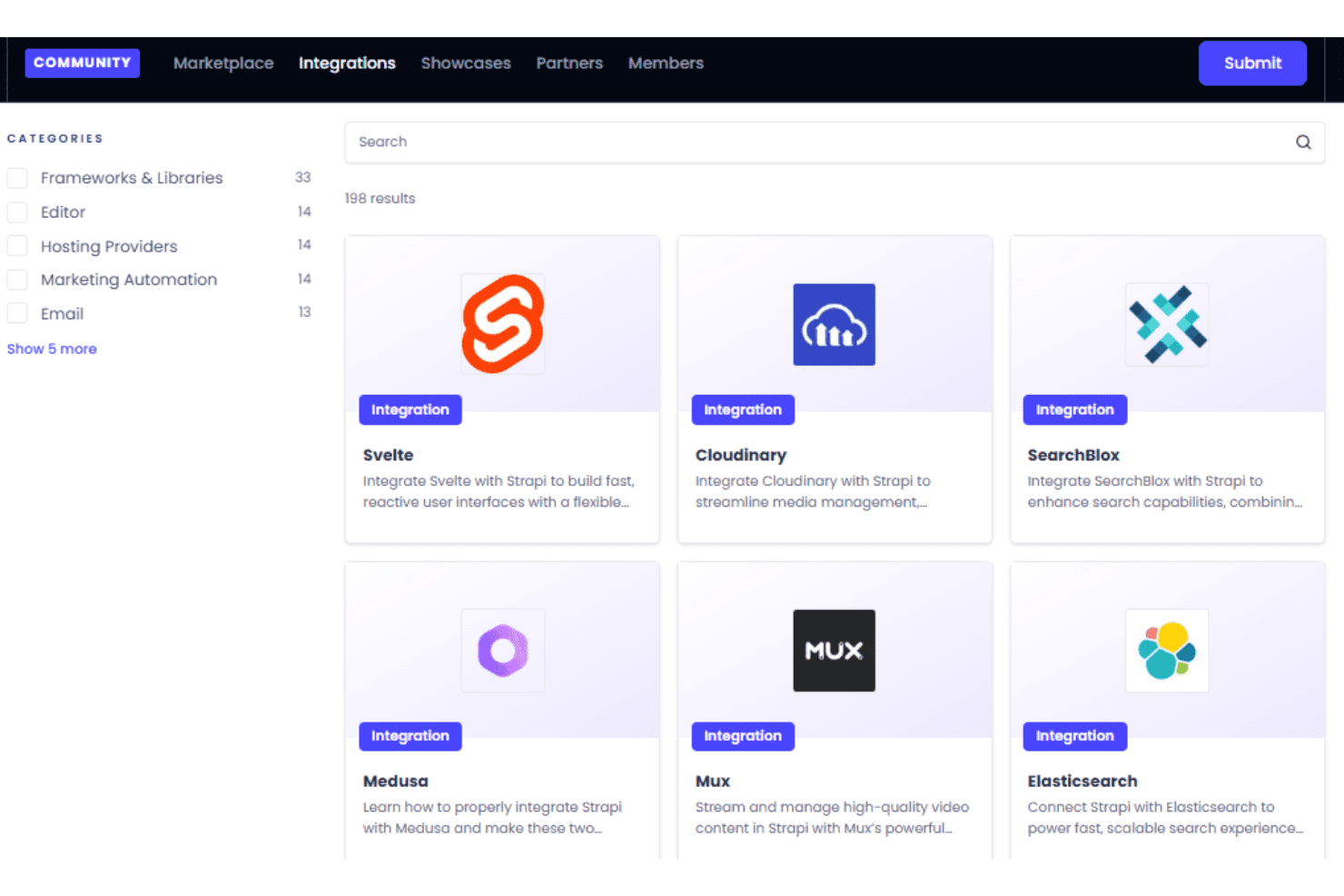
Strapi integrates with Shopify, BigCommerce, and Cloudinary. Strapi also provides REST and GraphQL APIs and connects with third-party tools through webhooks, custom integrations, and plugins.
Strapi Specs
- A/B Testing: No
- Analytics: No
- API: Yes
- Audience Targeting: No
- Automated Conversion: No
- Batch Permissions & Access: No
- Behavioral Tracking: No
- Brand Management: No
- Campaign Management: No
- Contact Management: No
- Contact Sharing: No
- Conversion Tracking: No
- CRM Integration: Yes
- Customer Management: No
- Dashboards: Yes
- Data Export: Yes
- Data Import: Yes
- Email Integration: Yes
- External Integrations: Yes
- Keyword Tracking: No
- Landing Pages: Yes
- Lead Management: No
- Lead Scoring: No
- Link Tracking: No
- Marketing Automation: No
- Multi-User: Yes
- Notifications: Yes
- Password & Access Management: Yes
- Social-Media Integration: Yes


