

Reseña de Brandwatch: Ventajas, Desventajas, Funciones y Precios Explicados
Brandwatch destaca por sus potentes análisis y funciones avanzadas de escucha, lo que lo hace ideal para equipos orientados a los datos, pero su complejidad y precio pueden no ser adecuados para empresas más pequeñas.

Revisamos herramientas de manera independiente, y las comisiones ayudan a financiar nuestras pruebas. Consulta nuestra política de transparencia, nuestra metodología o sugiere una herramienta.
Brandwatch is a social media marketing software built around social listening and consumer intelligence. It's the right fit for teams that need to track brand mentions, analyze audience sentiment, and surface insights from large volumes of social data. If you're deciding between Brandwatch and something like Sprout Social, I'd lean toward Brandwatch when deep research and intelligence matter more to your team than publishing and scheduling features.
Brandwatch Evaluation Summary
4.3/5
- Pricing upon request
- Not available
Por qué confiar en nuestras recomendaciones de software
6,700+
Reviews
20
Industry experts
16+
Evaluation factors
14
Years
Nuestro equipo lleva probando y evaluando software desde 2012. Como líderes de marketing, sabemos lo difícil —y lo importante— que es elegir el software adecuado.
Para esta guía, evaluamos las herramientas mediante pruebas prácticas e investigación independiente, puntuando las herramientas según nuestros criterios de selección.
Nuestras reseñas reflejan nuestro criterio editorial humano, no un discurso de ventas.
Revisores expertos:
 Gui DrusinaDirector creativo
- Shriya GhateSenior Marketing Lead
 Amanda JacquesLíder de Marketing Ops

Brandwatch Overview
If you’re judging social media software by analytics depth, Brandwatch is a top contender. Its dashboards, sentiment analysis, and audience segmentation outperform most options, especially for teams comparing brand health or tracking trends at scale. The interface is clean but takes some onboarding, and pricing is on the higher side.
I think Brandwatch is best for larger teams or agencies who need advanced reporting, custom integrations, and responsive support. If you’re selecting a tool for complex listening or multi-channel analysis, Brandwatch should be on your shortlist.
Pros
- Advanced sentiment analysis for brand and competitor tracking.
- Real-time alerts for crisis and reputation management.
- Highly customizable dashboards and reporting options.
Cons
- Pricing is high for small and mid-sized teams.
- Historical data access can require additional fees.
- Some users report slow customer support response times.
Is Brandwatch Right For Your Needs?
Who Would be a Good Fit for Brandwatch?
Brandwatch is a strong choice for organizations that need deep analytics, real-time monitoring, and advanced reporting across multiple social channels. Teams in industries where brand reputation, crisis management, and audience insights are critical will get the most value. Its feature set is especially useful for large-scale marketing, PR, and research teams who need to track trends, benchmark competitors, and manage complex campaigns.
- Higher Education InstitutionsBrandwatch tracks campus sentiment and public perception across channels.
- Agencies with Multiple ClientsMulti-account management and reporting streamline client deliverables.
- Market Research FirmsCustom dashboards and historical data enable trend and audience analysis.
- PR and CommunicationsReal-time alerts support crisis management and reputation monitoring.
- Consumer BrandsDetailed sentiment analysis helps track product launches and customer feedback.
- Enterprise Marketing TeamsBrandwatch handles high-volume data and multi-brand monitoring with ease.
Who Would be a Bad Fit for Brandwatch?
Brandwatch isn’t ideal for smaller businesses, teams with basic needs, or those focused on simple publishing and engagement. Its advanced analytics and higher price point can be overkill for organizations that don’t need deep listening or custom reporting. If your team just wants to schedule posts or monitor a few channels, lighter tools are a better match.
- Internal Communications TeamsBrandwatch’s external monitoring isn’t designed for internal messaging.
- Event-Only CampaignsShort-term projects don’t justify Brandwatch’s investment.
- Basic Content SchedulersTeams focused on post scheduling won’t use Brandwatch’s analytics.
- Nonprofits with Tight BudgetsHigh costs and advanced features aren’t budget-friendly.
- Solo Social Media ManagersThe platform’s complexity is unnecessary for single-user workflows.
- Small Local BusinessesBrandwatch’s pricing and features exceed most local needs.
Cómo Probamos y Puntuamos las Herramientas
Hemos dedicado años a construir, refinar y mejorar nuestro sistema de prueba y puntuación de software. El marco está diseñado para captar los matices de la selección de software y lo que hace a una herramienta eficaz, enfocándose en los aspectos críticos del proceso de decisión. A continuación, puedes ver exactamente cómo funcionan nuestras pruebas y puntuaciones en siete criterios. Esto nos permite brindar una evaluación imparcial de los programas basada en la funcionalidad principal, características destacadas, facilidad de uso, integración, soporte al cliente, reseñas de clientes y relación calidad-precio.
Funcionalidad Principal (25% de la puntuación final)
El punto de partida de nuestra evaluación siempre es la funcionalidad principal de la herramienta. ¿Cuenta con las funciones básicas que un usuario esperaría? ¿Alguna de esas funciones está reservada solo para planes de pago avanzados? Esperamos que, en esencia, una herramienta se mantenga al nivel de las capacidades mínimas de sus competidores.
Características Destacadas (25% de la puntuación final)
Después, evaluamos las características poco comunes y destacadas que van más allá de la funcionalidad típica de herramientas similares. Una puntuación alta refleja funciones especializadas o únicas que hacen el producto más rápido, eficiente o aportan un valor adicional al usuario. También evaluamos qué tan fácil es integrarse con otras herramientas habituales en el entorno tecnológico para expandir la funcionalidad del software. Las herramientas que ofrecen muchas integraciones nativas, conexiones de terceros y acceso a API para crear integraciones personalizadas tienen la mejor puntuación.
Facilidad de Uso (10% de la puntuación final)
Consideramos cuán rápido y fácil es ejecutar las tareas definidas en la funcionalidad central utilizando la herramienta. El software mejor puntuado está bien diseñado, es intuitivo, ofrece aplicaciones móviles, proporciona plantillas y hace que tareas relativamente complejas parezcan sencillas.
Incorporación (10% de la puntuación final)
Sabemos lo importante que es que un equipo adopte rápidamente una nueva plataforma, por eso evaluamos lo fácil que es aprender y usar una herramienta con la menor formación posible. Analizamos lo rápido que un integrante puede comenzar a usar la herramienta sin experiencia previa. Las soluciones mejor puntuadas requieren poco o ningún soporte.
Soporte al Cliente (10% de la puntuación final)
Vemos cuán rápido y sencillo es obtener ayuda por teléfono, chat en vivo o base de conocimientos. Las empresas y herramientas que ofrecen soporte en tiempo real logran la mejor puntuación, mientras que los chatbots obtienen la peor.
Reseñas de Clientes (10% de la puntuación final)
Más allá de nuestras propias pruebas y evaluaciones, consideramos el puntaje de recomendación de clientes actuales y anteriores. Revisamos la probabilidad de que, de poder elegir de nuevo, seleccionarían la herramienta por su funcionalidad principal. Un software con alta puntuación refleja una elevada recomendación de sus usuarios.
Relación Calidad-Precio (10% de la puntuación final)
Finalmente, considerando todos los demás criterios, revisamos el precio promedio de los planes básicos frente a las funciones y el valor de los demás factores de evaluación. El software que ofrece más por menos obtiene mejor puntuación.
Core Features
Social Listening
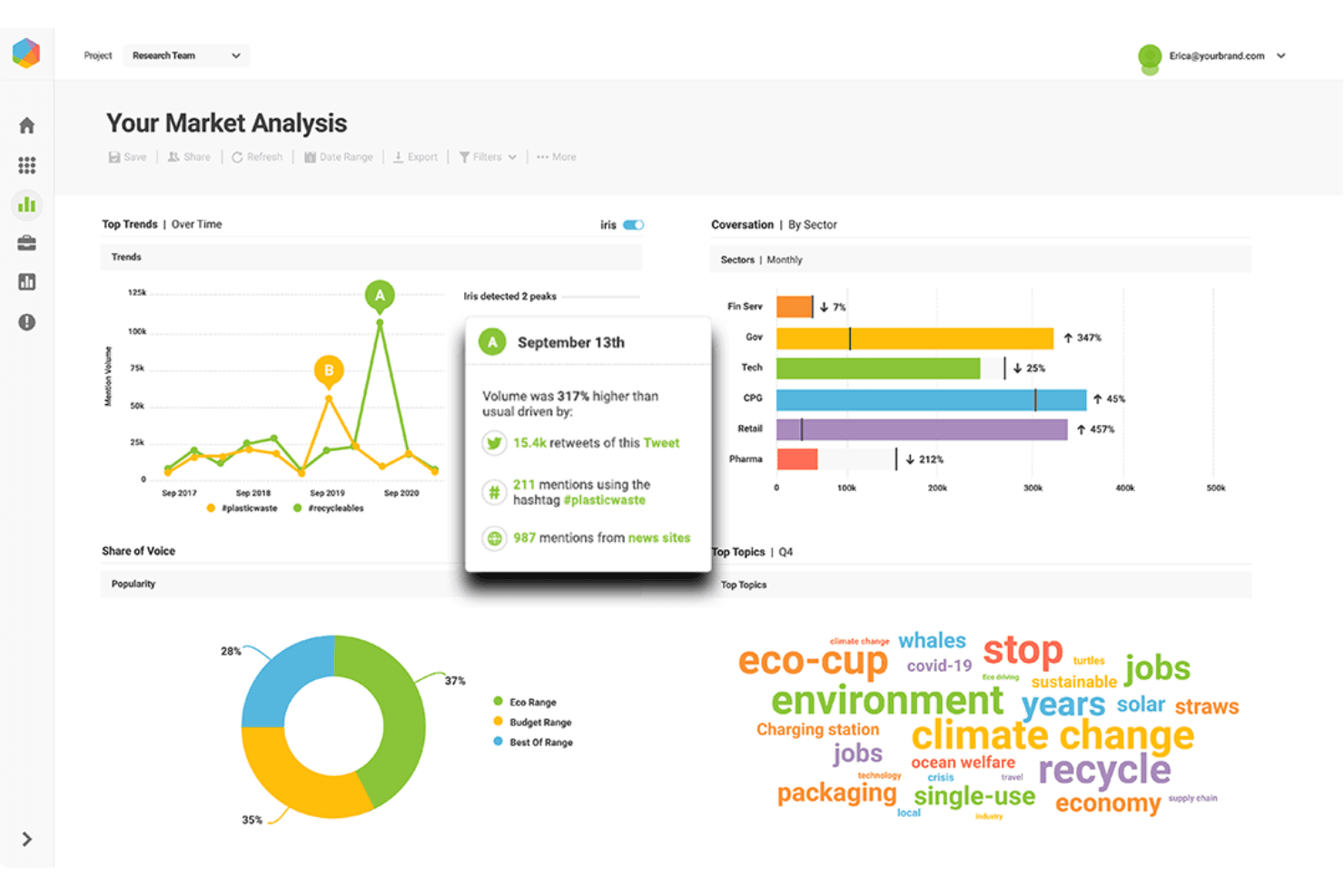
Track brand mentions, keywords, and conversations across major social platforms in real time. Users can filter by sentiment, location, or demographics for targeted insights.
Sentiment Analysis
Automatically detect positive, negative, or neutral sentiment in posts and comments. This helps teams quickly spot reputation risks or celebrate wins.
Custom Dashboards
Build tailored dashboards to visualize trends, share reports, and monitor KPIs. Drag-and-drop widgets make it easy to focus on what matters most.
Crisis Detection Alerts
Receive instant notifications when unusual spikes or negative trends appear. This feature helps teams respond quickly to potential PR issues.
Audience Insights
Analyze audience demographics, interests, and behaviors to refine targeting. See how different segments engage with your brand or competitors.
Competitor Benchmarking
Compare your brand’s performance against competitors on reach, engagement, and sentiment. Identify gaps and opportunities to adjust your strategy.
Ease of Use
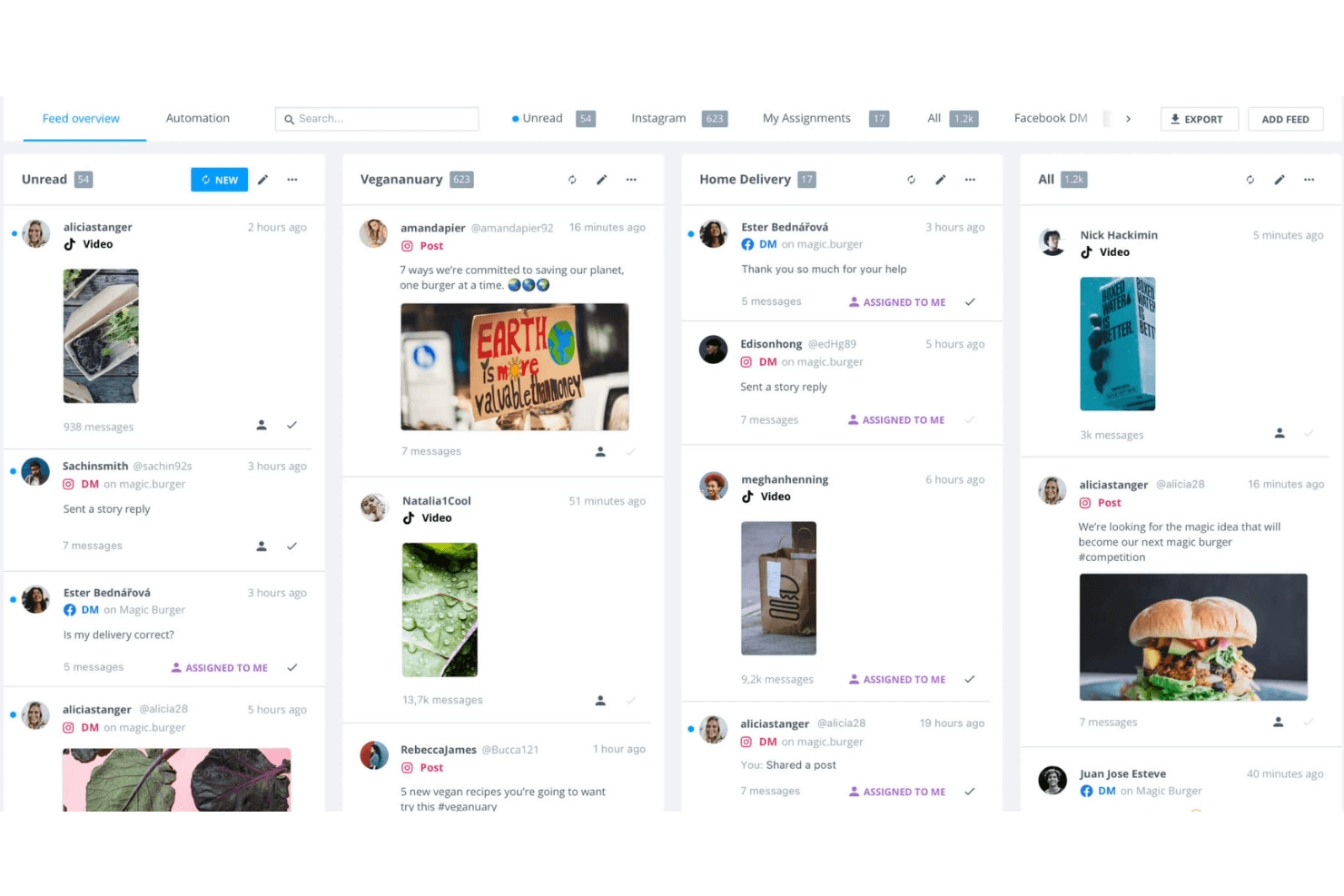
Brandwatch offers a clean, modern interface, but its depth means there’s a learning curve for new users. Many reviewers mention that setting up dashboards and filters takes time, especially for teams new to advanced analytics. Once configured, navigation is smooth and reporting is intuitive, but I think smaller teams or those seeking quick setup may find it overwhelming. The platform’s power is clear, but it’s best suited to users comfortable with data-driven tools.
Integrations
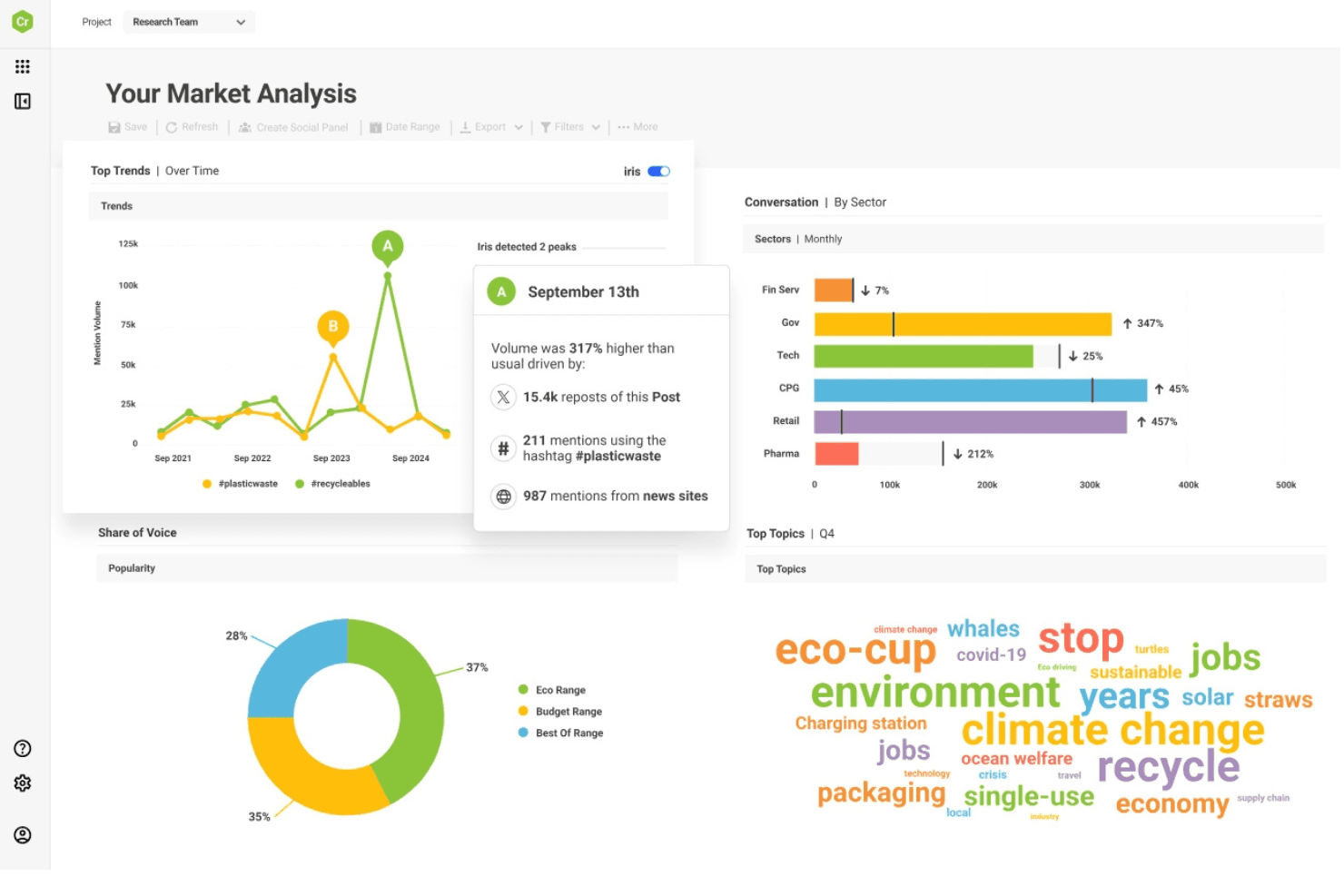
Brandwatch integrates with HubSpot, ServiceNow, Dropbox, Bitly, Shopify, Box, OneDrive, Google Drive, Bynder, and Zendesk, among others.
Brandwatch also offers an API and connects with third-party integration tools for expanded functionality.
Brandwatch Specs
- Analytics: Yes
- API: Yes
- Approval Workflows: No
- Audience Targeting: Yes
- Brand Management: Yes
- Calendar Management: No
- Campaign Management: No
- Collaboration Support: No
- Conversion Tracking: No
- Custom Reports: No
- Dashboard: Yes
- Data Export: Yes
- Data Import: No
- Data Visualization: Yes
- External Integrations: Yes
- Feedback Management: No
- Keyword Tracking: Yes
- Knowledge Base: No
- Landing Pages: No
- Link Tracking: No
- Marketing Automation: No
- Multi-Account: Yes
- Multi-User: Yes
- Notifications: Yes
- Review Monitoring: No
- Scheduling: No
- Sentiment Analysis: No
- Social Media Monitoring: Yes
- Social-Media Integration: Yes
- Third-Party Plugins/Add-Ons: No
- Workflow Management: No


