

Reseña de Contentful 2026: ventajas, desventajas, características y precios
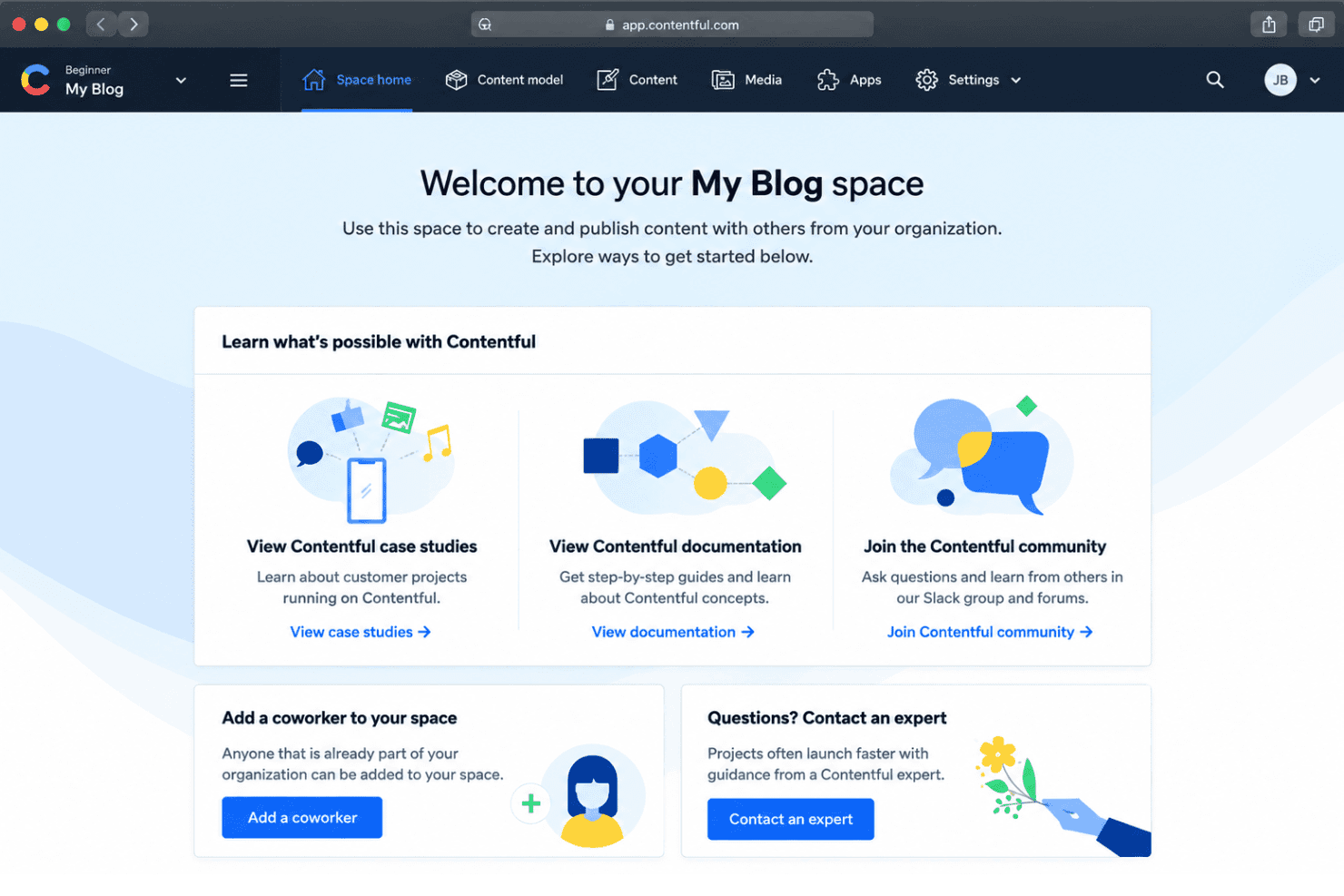
I see Contentful as a flexible, API-first CMS for teams building omnichannel experiences—powerful and scalable, but potentially overkill if you need a simple, all-in-one website editor.

Revisamos herramientas de manera independiente, y las comisiones ayudan a financiar nuestras pruebas. Consulta nuestra política de transparencia, nuestra metodología o sugiere una herramienta.
Contentful is an API-first content management software platform for teams that need to create, manage, and distribute structured content across websites, apps, and other digital channels. Compared with WordPress, Contentful is a better fit when marketers and developers need flexible omnichannel publishing without tying content to one presentation layer.
Contentful Evaluation Summary
4.5/5
- From $300/month
- Free plan available
Por qué confiar en nuestras recomendaciones de software
6,700+
Reviews
20
Industry experts
16+
Evaluation factors
14
Years
Nuestro equipo lleva probando y evaluando software desde 2012. Como líderes de marketing, sabemos lo difícil —y lo importante— que es elegir el software adecuado.
Para esta guía, evaluamos las herramientas mediante pruebas prácticas e investigación independiente, puntuando las herramientas según nuestros criterios de selección.
Nuestras reseñas reflejan nuestro criterio editorial humano, no un discurso de ventas.
Revisores expertos:
 Gui DrusinaDirector creativo
- Shriya GhateSenior Marketing Lead
 Amanda JacquesLíder de Marketing Ops

Contentful Overview
Contentful is my preferred choice for teams publishing structured content across websites, apps, and campaigns. Its reusable content models, environments, APIs, localization, and integrations outperform many all-in-one tools for omnichannel work, while its clean interface suits editors after a short learning curve. However, developer-led setup makes onboarding slower, and the $300-per-month Lite plan, usage quotas, and custom enterprise pricing can exceed simpler alternatives. Community support on Free is limited; paid plans add technical support and SLAs. I recommend Contentful for growing, multi-channel marketing teams with engineering resources, not small brochure sites.
Pros
- Reusable content models and references prevent duplicating shared assets.
- API-first delivery supports websites, apps, and other channels.
- Localization, environments, and role controls support multi-market publishing.
Cons
- Content modeling and API setup require developer involvement before publishing.
- Lite pricing starts at $300 monthly, with usage-based overages.
- Page composition depends on configured models and front-end implementation.
Is Contentful Right For Your Needs?
Who Would be a Good Fit for Contentful?
Contentful suits organizations with developer support, multiple channels, and structured content needs. Its reusable entries, localization, environments, APIs, role controls, and Contentful Studio support coordinated marketing operations across teams.
- Global EcommerceLocalization, reusable entries, and APIs help ecommerce teams publish consistent product and campaign content across regional storefronts and other channels.
- Enterprise MarketingRole controls, environments, and reusable content support larger marketing departments that need publishing governance across multiple campaigns and teams.
- SaaS CompaniesREST and GraphQL APIs let SaaS companies deliver structured content across websites, product interfaces, documentation, and customer-facing applications.
- Omnichannel CampaignsContentful supports omnichannel campaigns through reusable entries, localization, environments, and connections with tools such as Braze, Klaviyo, and Iterable.
- Product TeamsProduct teams can connect structured content to applications through APIs while marketing teams manage approved copy in the editor.
- Distributed DepartmentsTeams across regions and departments can use roles, locales, environments, and reusable entries to manage shared content without duplicating every asset.
Who Would be a Bad Fit for Contentful?
Contentful is a poor match for teams that need a simple, ready-to-publish website or hands-on onboarding. Its setup requires content modeling, API planning, environment configuration, and workflow decisions, while Lite starts at $300 monthly and Enterprise uses custom pricing.
- Small BusinessesSmall businesses with simple website needs may find content modeling, APIs, and environment setup excessive compared with simpler CMS platforms.
- Solo MarketersSolo marketers without developer support may struggle with Contentful’s technical configuration, API concepts, roles, and publishing workflows.
- Local WebsitesA local business with one brochure website may not need reusable entries, multiple locales, environments, or omnichannel delivery.
- Template SeekersTeams that want ready-made templates and guided page creation may find Contentful’s developer-led setup slower than template-focused CMS platforms.
- Tight BudgetsBudget-conscious teams may find Lite’s $300 monthly price difficult to justify when the free tier’s limits no longer meet their needs.
- Hands-On SupportTeams that expect personal onboarding may be disappointed because free users primarily receive community support, while paid plans add support tickets and response-time guarantees.
Cómo Probamos y Puntuamos las Herramientas
Hemos dedicado años a construir, refinar y mejorar nuestro sistema de prueba y puntuación de software. El marco está diseñado para captar los matices de la selección de software y lo que hace a una herramienta eficaz, enfocándose en los aspectos críticos del proceso de decisión. A continuación, puedes ver exactamente cómo funcionan nuestras pruebas y puntuaciones en siete criterios. Esto nos permite brindar una evaluación imparcial de los programas basada en la funcionalidad principal, características destacadas, facilidad de uso, integración, soporte al cliente, reseñas de clientes y relación calidad-precio.
Funcionalidad Principal (25% de la puntuación final)
El punto de partida de nuestra evaluación siempre es la funcionalidad principal de la herramienta. ¿Cuenta con las funciones básicas que un usuario esperaría? ¿Alguna de esas funciones está reservada solo para planes de pago avanzados? Esperamos que, en esencia, una herramienta se mantenga al nivel de las capacidades mínimas de sus competidores.
Características Destacadas (25% de la puntuación final)
Después, evaluamos las características poco comunes y destacadas que van más allá de la funcionalidad típica de herramientas similares. Una puntuación alta refleja funciones especializadas o únicas que hacen el producto más rápido, eficiente o aportan un valor adicional al usuario. También evaluamos qué tan fácil es integrarse con otras herramientas habituales en el entorno tecnológico para expandir la funcionalidad del software. Las herramientas que ofrecen muchas integraciones nativas, conexiones de terceros y acceso a API para crear integraciones personalizadas tienen la mejor puntuación.
Facilidad de Uso (10% de la puntuación final)
Consideramos cuán rápido y fácil es ejecutar las tareas definidas en la funcionalidad central utilizando la herramienta. El software mejor puntuado está bien diseñado, es intuitivo, ofrece aplicaciones móviles, proporciona plantillas y hace que tareas relativamente complejas parezcan sencillas.
Incorporación (10% de la puntuación final)
Sabemos lo importante que es que un equipo adopte rápidamente una nueva plataforma, por eso evaluamos lo fácil que es aprender y usar una herramienta con la menor formación posible. Analizamos lo rápido que un integrante puede comenzar a usar la herramienta sin experiencia previa. Las soluciones mejor puntuadas requieren poco o ningún soporte.
Soporte al Cliente (10% de la puntuación final)
Vemos cuán rápido y sencillo es obtener ayuda por teléfono, chat en vivo o base de conocimientos. Las empresas y herramientas que ofrecen soporte en tiempo real logran la mejor puntuación, mientras que los chatbots obtienen la peor.
Reseñas de Clientes (10% de la puntuación final)
Más allá de nuestras propias pruebas y evaluaciones, consideramos el puntaje de recomendación de clientes actuales y anteriores. Revisamos la probabilidad de que, de poder elegir de nuevo, seleccionarían la herramienta por su funcionalidad principal. Un software con alta puntuación refleja una elevada recomendación de sus usuarios.
Relación Calidad-Precio (10% de la puntuación final)
Finalmente, considerando todos los demás criterios, revisamos el precio promedio de los planes básicos frente a las funciones y el valor de los demás factores de evaluación. El software que ofrece más por menos obtiene mejor puntuación.
Core Features
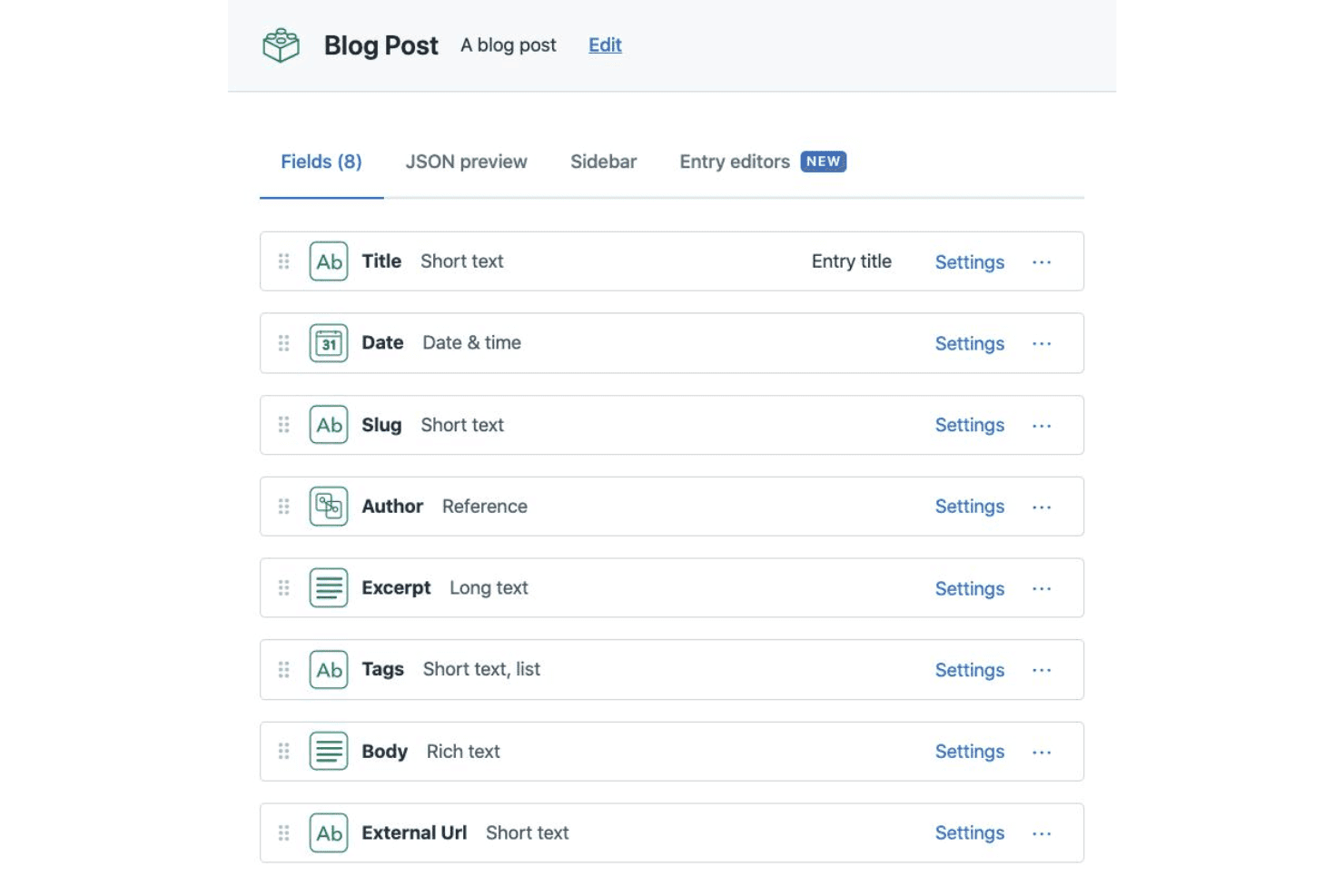
Structured Content Modeling
Define content types, fields, validations, and references instead of fitting content into fixed page templates. Reuse an author profile across blog posts, landing pages, and apps without duplicating entries.
API-Based Content Delivery
Deliver structured content through Content Delivery, Preview, Management, and GraphQL APIs to websites, apps, and other channels. Your front-end team can choose its preferred framework while marketers manage content centrally.
Localization Management
Create locale-specific versions of entries and assets within the same space. Localized workflows can assign translators and review steps for languages such as English, Spanish, and French.
Environments For Staging And Production
Use isolated environments to separate draft, staging, and production content. Editors can test a campaign update before publishing it to the live website or app.
Roles And Permissions
Assign custom roles that control who can view, edit, publish, or manage specific content. This lets marketing teams delegate campaign work while restricting model and publishing changes.
Asset Management
Store, organize, and deliver images, videos, and other media as reusable assets. Link one approved product image to multiple entries, then update its metadata or usage without replacing each page manually.
Ease of Use
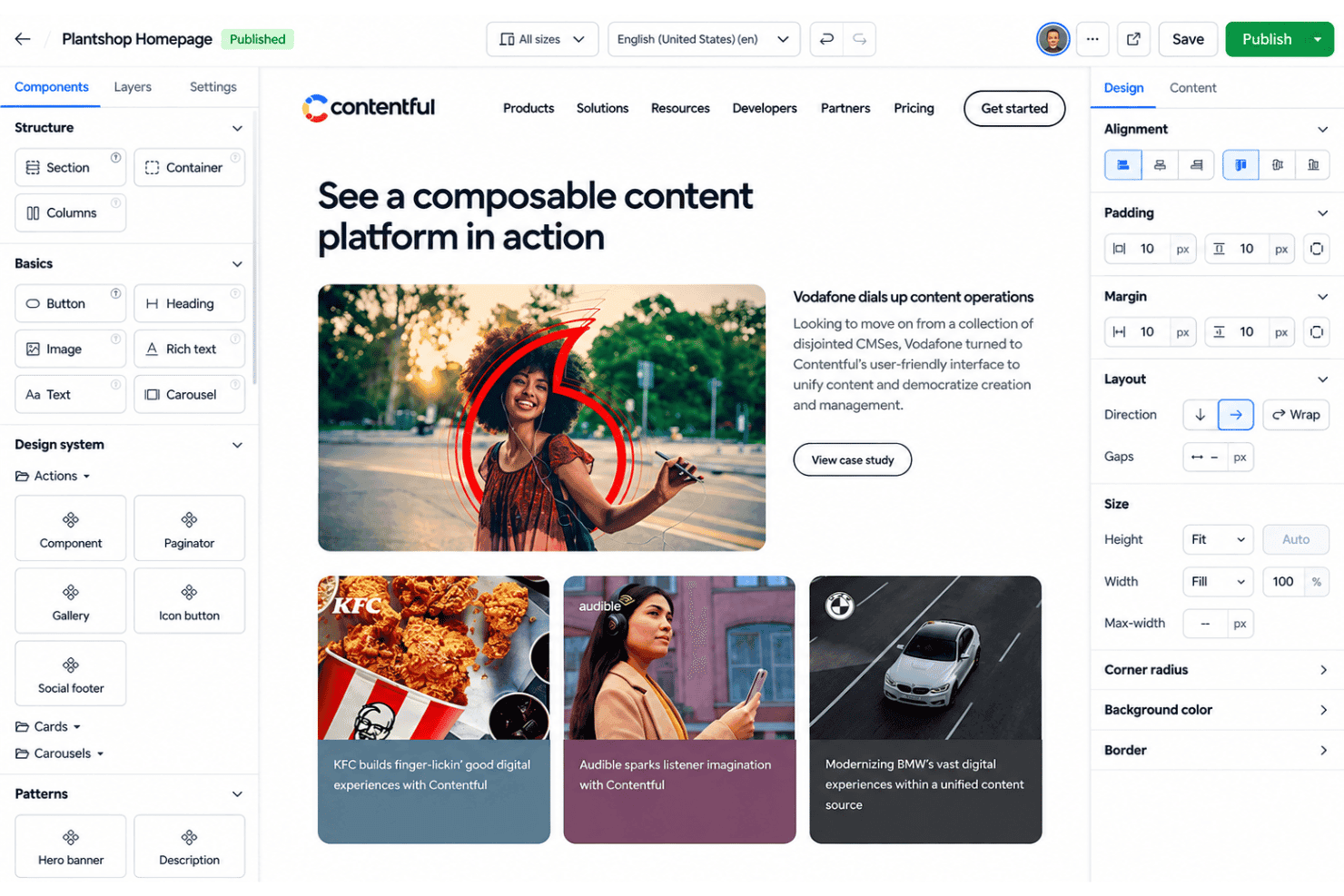
Contentful is user-friendly once its content model is configured, but setup feels technical compared with all-in-one CMS platforms. I like the clean editor, reusable entries, role controls, localization, and environments for managing multi-channel campaigns. Contentful Studio improves page assembly for marketers, while AI Actions support rewriting and translation. However, user feedback commonly points to a learning curve around modeling, APIs, and workflows, so teams without developer support may struggle initially.
Integrations
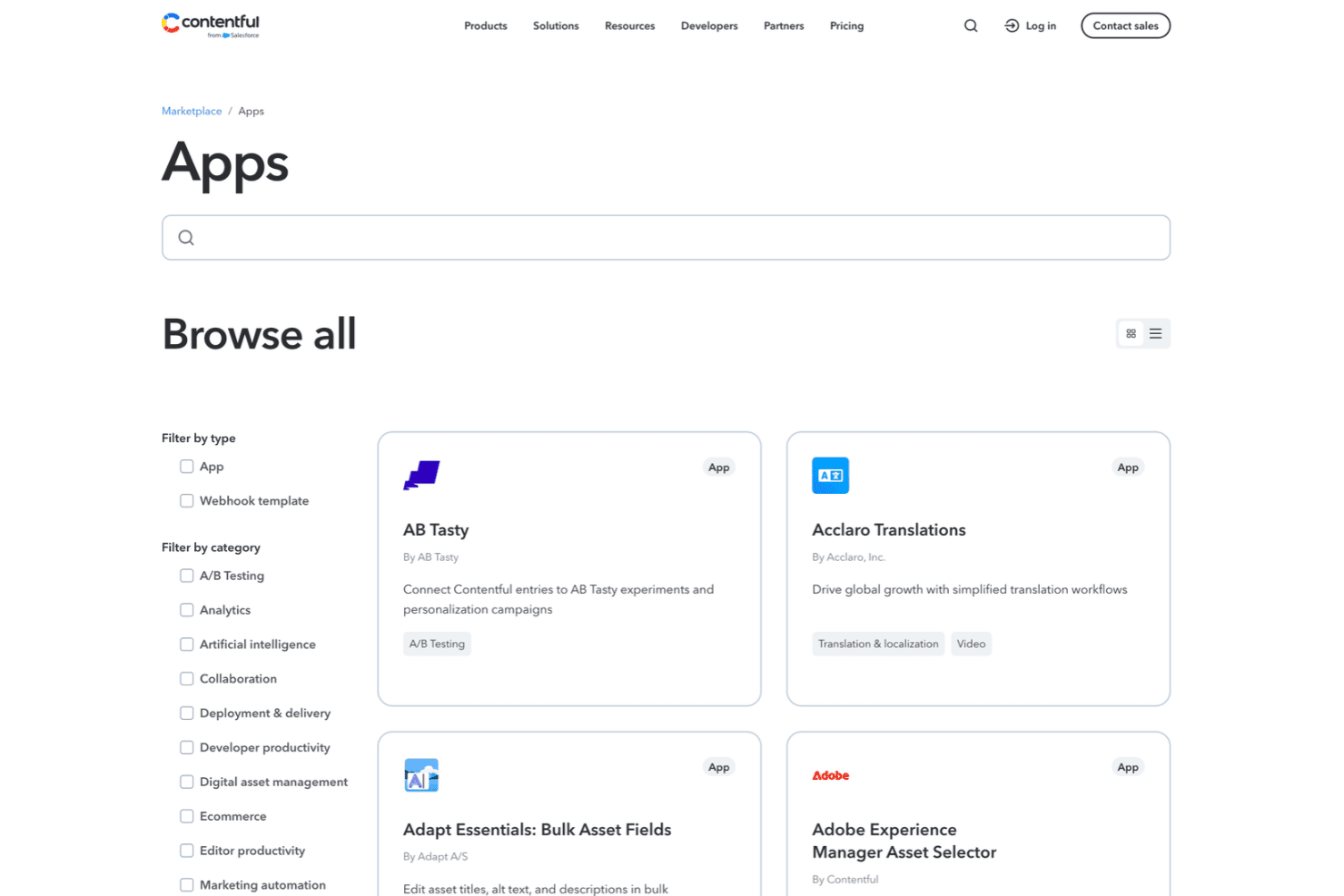
Contentful integrates with Vercel, Slack, Microsoft Teams, Braze, Bynder, Cloudinary, Klaviyo, HubSpot, Iterable, and OpenAI-powered content generation, among others.
Contentful also provides REST and GraphQL APIs for custom integrations and connects with third-party automation tools such as Zapier.
Contentful Specs
- 2-Factor Authentication: Yes
- A/B Testing: Yes
- Analytics: Yes
- API: Yes
- BitCoin: No
- Conversion Tracking: Yes
- Dashboard: Yes
- Data Export: Yes
- Data Import: Yes
- Data Visualization: Yes
- Design Templates: Yes
- External Integrations: Yes
- Inventory Tracking: No
- Keyword Tracking: No
- Marketing Automation: No
- Multi-User: Yes
- Notifications: Yes
- Order Management: No
- Payment Gateway Integration: No
- Payment Processor: No
- PayPal: No
- Product Catalog: No
- Review Monitoring: No
- SAP Integration: Yes
- Scheduling: Yes
- Stripe: No
- Third-Party Plugins/Add-Ons: Yes


