
Hyros Review 2026: Pros, Cons, Features and Pricing
I look beyond Hyros’ attribution claims to weigh its tracking strengths, trade-offs, features, and pricing—and whether it’s the right fit for your marketing stack.

We review tools independently, and commissions help fund our testing. See our transparency policy, our methodology, or suggest a tool.
Hyros is marketing attribution software that connects ad interactions to sales, making it a fit for teams measuring revenue across long, multi-step customer journeys. For high-spend campaigns with complex funnels, I’d choose Hyros over Triple Whale for its extended, configurable attribution windows and broader focus beyond Shopify.
Hyros Evaluation Summary
4.9/5
- Pricing upon request
- Free demo available
Why Trust Our Software Recommendations
6,700+
Reviews
20
Industry experts
16+
Evaluation factors
14
Years
Our team has been testing and reviewing software since 2012. As marketing leaders ourselves, we know how difficult—and important—it is to choose the right software.
For this guide, we evaluated tools using hands-on testing and independent research, scoring tools using our selection criteria.
Our reviews reflect our human editorial judgment, not a sales pitch.
Expert reviewers:
 Gui DrusinaCreative Director
- Shriya GhateSenior Marketing Lead
 Amanda JacquesMarketing Ops Leader

Hyros Overview
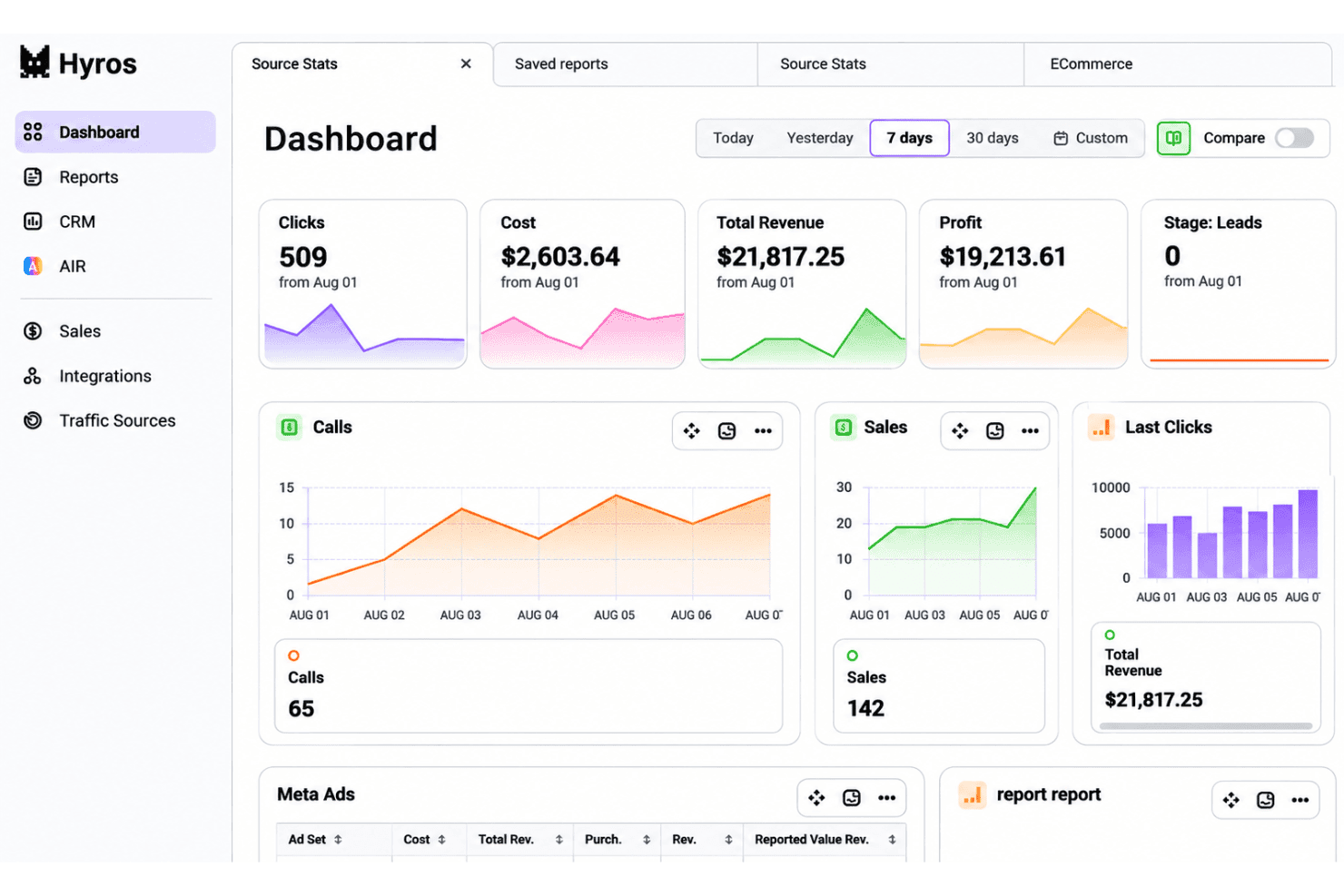
Hyros is my pick for teams that need to connect ad activity to revenue across long, multi-step funnels. Its server-side tracking, cross-channel attribution, and configurable attribution windows can follow a journey from a Meta or Google ad through a call, email, or webinar to a Shopify or Stripe sale. Compared with lighter, ecommerce-first tools, it’s better suited to complex sales paths and offers an AI analyst, integrations, and guided onboarding. The interface centers on attribution and revenue reporting, though setup and interpretation can take work. Pricing is custom and requires a setup call, so budgeting is less straightforward. I’d choose it for high-spend teams, not simple funnels.
Pros
- Tracks delayed, cross-channel sales that ad-platform pixels can miss.
- Connects calls and offline sales to originating ad journeys.
- Users praise its visibility into customer journeys and revenue.
Cons
- Users report setup can take days across complex funnels.
- Revenue-based quotes can rise, making costs hard to forecast.
- Some users report missed or misassigned conversions.


How We Test & Score Tools
We’ve spent years building, refining, and improving our software testing and scoring system. The rubric is designed to capture the nuances of software selection and what makes a tool effective, focusing on critical aspects of the decision-making process.
Below, you can see exactly how our testing and scoring works across seven criteria. It allows us to provide an unbiased evaluation of the software based on core functionality, standout features, ease of use, onboarding, customer support, integrations, customer reviews, and value for money.
Core Functionality (25% of final scoring)
The starting point of our evaluation is always the core functionality of the tool. Does it have the basic features and functions that a user would expect to see? Are any of those core features locked to higher-tiered pricing plans? At its core, we expect a tool to stand up against the baseline capabilities of its competitors.
Standout Features (25% of final scoring)
Next, we evaluate uncommon standout features that go above and beyond the core functionality typically found in tools of its kind. A high score reflects specialized or unique features that make the product faster, more efficient, or offer additional value to the user.
We also evaluate how easy it is to integrate with other tools typically found in the tech stack to expand the functionality and utility of the software. Tools offering plentiful native integrations, 3rd party connections, and API access to build custom integrations score best.
Ease of Use (10% of final scoring)
We consider how quick and easy it is to execute the tasks defined in the core functionality using the tool. High scoring software is well designed, intuitive to use, offers mobile apps, provides templates, and makes relatively complex tasks seem simple.
Onboarding (10% of final scoring)
We know how important rapid team adoption is for a new platform, so we evaluate how easy it is to learn and use a tool with minimal training. We evaluate how quickly a team member can get set up and start using the tool with no experience. High scoring solutions indicate little or no support is required.
Customer Support (10% of final scoring)
We review how quick and easy it is to get unstuck and find help by phone, live chat, or knowledge base. Tools and companies that provide real-time support score best, while chatbots score worst.
Customer Reviews (10% of final scoring)
Beyond our own testing and evaluation, we consider the net promoter score from current and past customers. We review their likelihood, given the option, to choose the tool again for the core functionality. A high scoring software reflects a high net promoter score from current or past customers.
Value for Money (10% of final scoring)
Lastly, in consideration of all the other criteria, we review the average price of entry level plans against the core features and consider the value of the other evaluation criteria. Software that delivers more, for less, will score higher.
Core Features
Server-Side, First-Party Tracking
Hyros collects first-party interaction data and receives purchase events server to server, then matches them to customer journeys across devices. This can capture sales browser pixels miss, such as a purchase completed after an earlier ad click.
Cross-Channel, Multi-Touch Attribution
Hyros attributes paid and organic touchpoints, showing first interactions, later assists, and the final touch before a sale. For example, you can see how an ad, email, and webinar contributed to one conversion instead of crediting only the last click.
Configurable Attribution Windows
You can adjust attribution windows to account for longer buying cycles and delayed conversions. That helps teams assess an ad’s contribution when a prospect clicks today but buys after a call or follow-up weeks later.
Call and Offline Conversion Attribution
Hyros connects phone calls and offline sales to the originating ad journey, using tracked customer and conversion data. A team can include a deal closed by phone in campaign revenue reporting rather than counting only online checkouts.
Revenue, LTV, and Cohort Reporting
Hyros reports attributed revenue, customer lifetime value, and cohort data alongside journey touchpoints. You can compare customers acquired by different campaigns and see whether their later purchases justify the initial ad spend.
Conversion Feedback to Ad Platforms
Hyros can send tracked conversion data back to ad platforms through APIs, including Meta Conversions API and Google offline conversions. This gives platforms sales signals from later purchases or offline deals, rather than relying only on browser pixel events.
Ease of Use
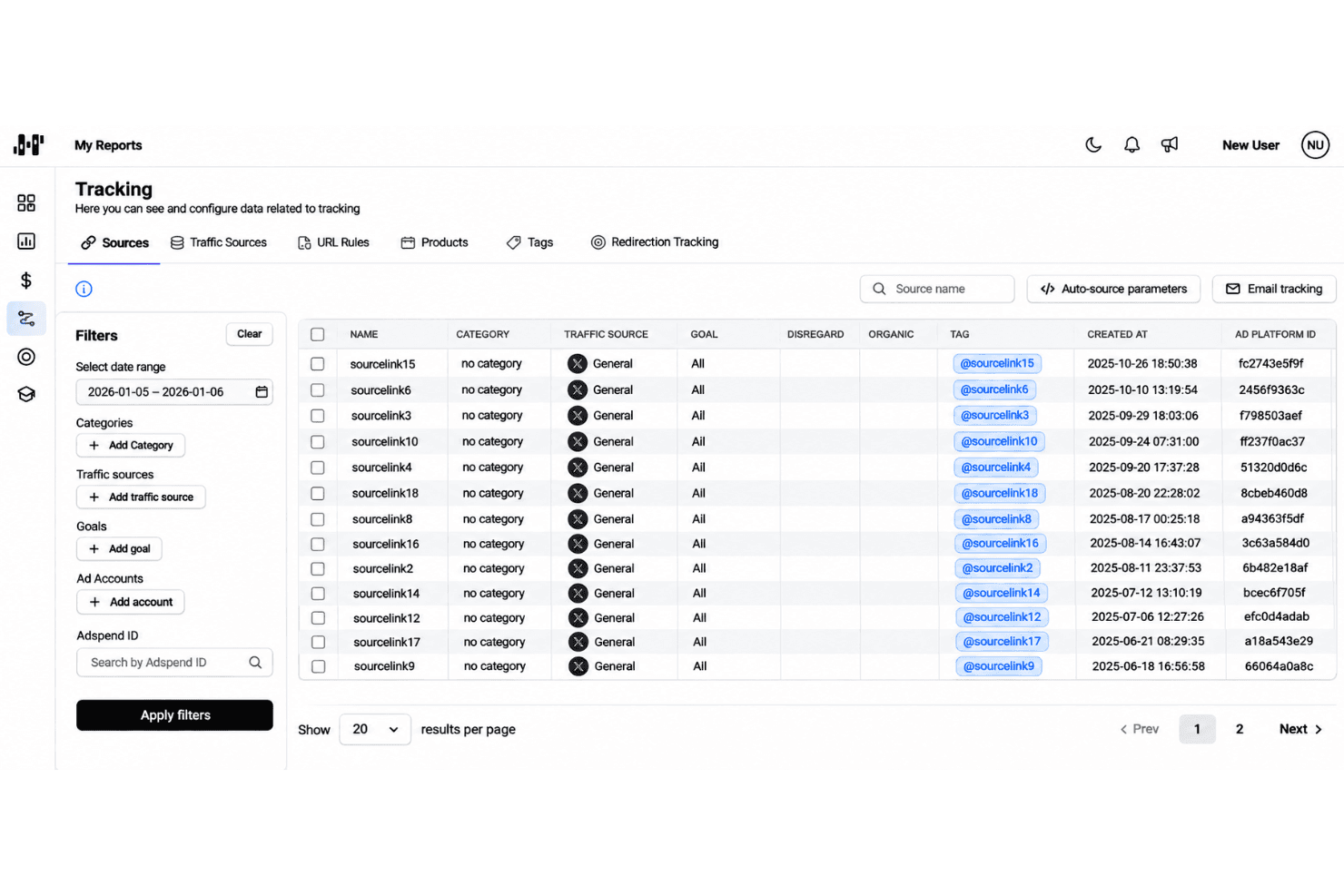
Hyros is capable, but I wouldn’t call it especially user-friendly: its detailed attribution and configurable windows suit complex funnels, yet setup can take days when you’re mapping multiple sales steps. Users praise its customer-journey and revenue visibility, though some report missed or misassigned conversions. Guided onboarding and an AI analyst help with setup and exploring reports, but simpler attribution tools are easier to get started with and interpret.
Integrations
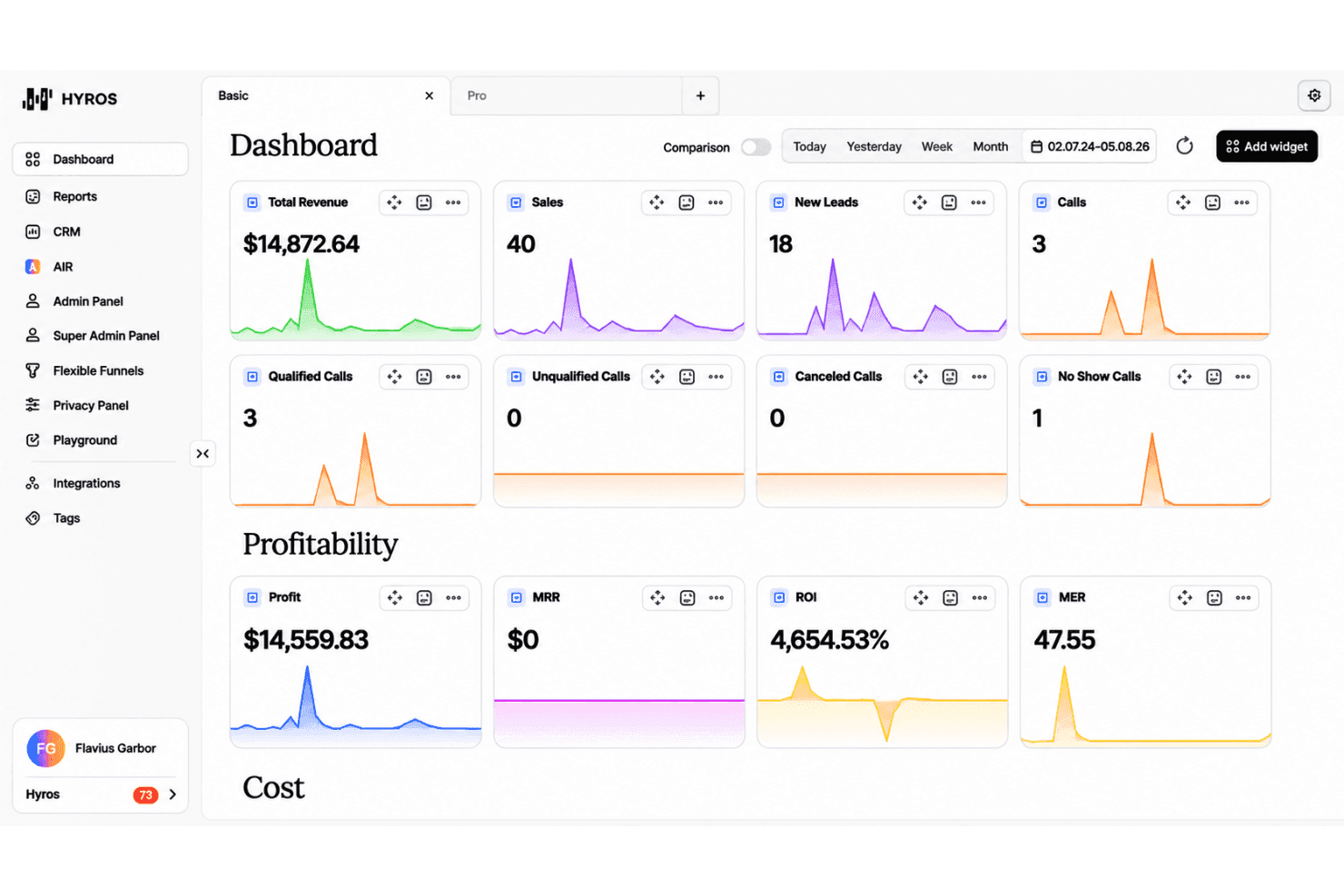
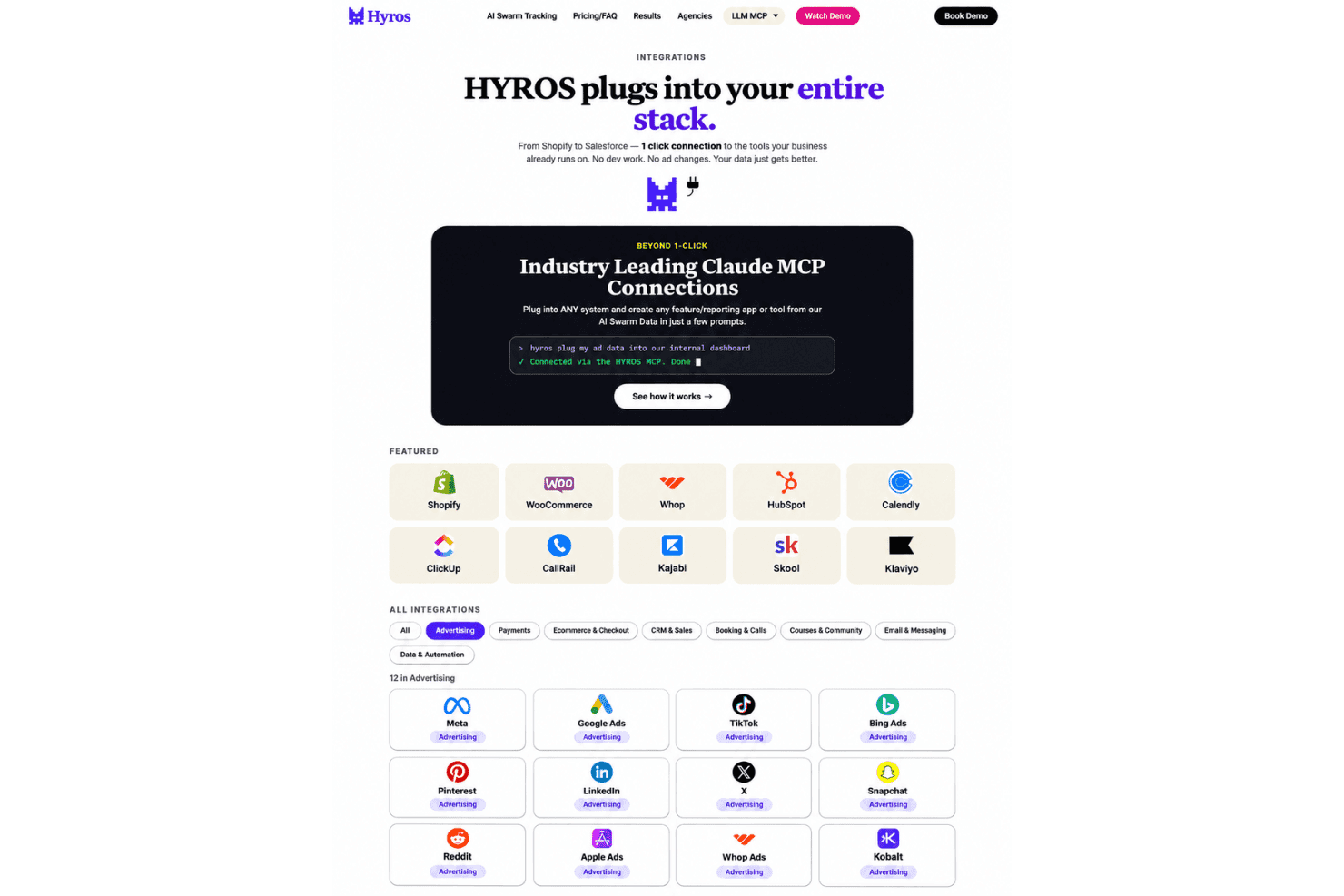
Hyros integrates with Meta, Google Ads, TikTok, Shopify, WooCommerce, Stripe, ClickFunnels, HubSpot, Kajabi, and Zapier, among others. It also provides an API for custom integrations and supports automation through Make.
Hyros Specs
- API: Yes
- Audience Targeting: Yes
- Brand Management: No
- Conversion Tracking: Yes
- Data Export: Yes
- Data Import: Yes
- External Integrations: Yes
- Keyword Tracking: Yes
- Lead Management: Yes
- Lead Scoring: No
- Link Tracking: Yes
- Marketing Automation: Yes
- Multi-User: Yes
- Net Promoter Score: No
- Notifications: Yes
- Social-Media Integration: Yes


