
Reseña de Proton Mail: Ventajas, Desventajas, Características y Precios
Proton Mail destaca por su fuerte énfasis en la privacidad y seguridad del usuario, ofreciendo a tu equipo una protección sin igual en el espacio de correo electrónico empresarial.

Revisamos herramientas de manera independiente, y las comisiones ayudan a financiar nuestras pruebas. Consulta nuestra política de transparencia, nuestra metodología o sugiere una herramienta.
ProtonMail is an enterprise email service provider built around end-to-end encryption and zero-access architecture, meaning not even ProtonMail can read your messages. I'd consider it most seriously if your organization handles sensitive data and needs email that no third party can access. If you're weighing it against Google Workspace, ProtonMail is the stronger choice for privacy—unlike Google, it doesn't scan message content for advertising or analytics, which matters considerably in regulated industries or privacy-conscious environments.
ProtonMail Evaluation Summary
4.6/5
- From $2.99/user/month (billed annually)
- 14-day free trial
Por qué confiar en nuestras recomendaciones de software
6,700+
Reviews
20
Industry experts
16+
Evaluation factors
14
Years
Nuestro equipo lleva probando y evaluando software desde 2012. Como líderes de marketing, sabemos lo difícil —y lo importante— que es elegir el software adecuado.
Para esta guía, evaluamos las herramientas mediante pruebas prácticas e investigación independiente, puntuando las herramientas según nuestros criterios de selección.
Nuestras reseñas reflejan nuestro criterio editorial humano, no un discurso de ventas.
Revisores expertos:
 Gui DrusinaDirector creativo
- Shriya GhateSenior Marketing Lead
 Amanda JacquesLíder de Marketing Ops

ProtonMail Overview
In my opinion, Proton Mail excels in providing secure and private email services, making it a strong choice for businesses prioritizing data protection. Its standout features include end-to-end encryption and a user-friendly interface, but it could improve on onboarding and customer support. Compared to other email providers like Gmail, it offers better privacy but lacks some integration capabilities. It's well-suited for industries like finance and healthcare, where security is crucial. If you value privacy over seamless integration with other tools, Proton Mail could be a solid choice for your team.
Pros
- It offers end-to-end encryption for maximum privacy.
- It's user-friendly and easy for your team to navigate.
- It provides strong security features that protect your communications.
Cons
- It lacks some integration features you might need.
- Onboarding can be a bit challenging for new users.
- Customer support may not meet your expectations for quick responses.
Is ProtonMail Right For Your Needs?
Who Would be a Good Fit for ProtonMail?
Proton Mail is a great fit for businesses and industries where privacy is crucial, like finance, healthcare, and legal sectors. Your team will benefit from its end-to-end encryption and strong security measures that protect sensitive data. If you're in a regulatory-heavy environment, Proton Mail ensures compliance with its secure email services. It's also ideal for small to medium-sized companies that value privacy over extensive integrations. These features make it perfect for teams prioritizing data protection and confidentiality.
- Finance IndustryProton Mail's encryption ensures your financial communications stay confidential and secure.
- Healthcare ProvidersIt protects patient data with privacy features that comply with health regulations.
- Small BusinessesIf you're a small business, you'll appreciate the ease of use with top-notch security.
- Privacy AdvocatesProton Mail is the go-to choice for those who prioritize privacy in their communications.
- Compliance OfficersIt helps ensure your team meets regulatory requirements with secure, encrypted messages.
Who Would be a Bad Fit for ProtonMail?
Proton Mail might not suit large enterprises needing extensive third-party integrations or complex email systems. If your team relies heavily on integrating email with other business tools, Proton Mail's limitations in this area could slow your workflow. Marketing departments that use email automation tools might find Proton Mail's capabilities lacking. It's also not ideal for organizations needing responsive customer support, as some users have reported delays. If you prioritize integration and quick support, you might want to explore other options.
- Large EnterprisesLimited integration options make it difficult for complex systems.
- Marketing TeamsAdvanced email automation features aren't available.
- Tech StartupsThe lack of integrations could hinder collaboration across tools.
- Customer Service DepartmentsSupport response times may not meet urgent needs.
- Educational InstitutionsIntegration limits could be problematic when using multiple educational tools.
- E-commerce BusinessesFeatures for handling large volumes of customer interactions are insufficient.
Cómo Probamos y Puntuamos las Herramientas
Hemos dedicado años a construir, refinar y mejorar nuestro sistema de prueba y puntuación de software. El marco está diseñado para captar los matices de la selección de software y lo que hace a una herramienta eficaz, enfocándose en los aspectos críticos del proceso de decisión. A continuación, puedes ver exactamente cómo funcionan nuestras pruebas y puntuaciones en siete criterios. Esto nos permite brindar una evaluación imparcial de los programas basada en la funcionalidad principal, características destacadas, facilidad de uso, integración, soporte al cliente, reseñas de clientes y relación calidad-precio.
Funcionalidad Principal (25% de la puntuación final)
El punto de partida de nuestra evaluación siempre es la funcionalidad principal de la herramienta. ¿Cuenta con las funciones básicas que un usuario esperaría? ¿Alguna de esas funciones está reservada solo para planes de pago avanzados? Esperamos que, en esencia, una herramienta se mantenga al nivel de las capacidades mínimas de sus competidores.
Características Destacadas (25% de la puntuación final)
Después, evaluamos las características poco comunes y destacadas que van más allá de la funcionalidad típica de herramientas similares. Una puntuación alta refleja funciones especializadas o únicas que hacen el producto más rápido, eficiente o aportan un valor adicional al usuario. También evaluamos qué tan fácil es integrarse con otras herramientas habituales en el entorno tecnológico para expandir la funcionalidad del software. Las herramientas que ofrecen muchas integraciones nativas, conexiones de terceros y acceso a API para crear integraciones personalizadas tienen la mejor puntuación.
Facilidad de Uso (10% de la puntuación final)
Consideramos cuán rápido y fácil es ejecutar las tareas definidas en la funcionalidad central utilizando la herramienta. El software mejor puntuado está bien diseñado, es intuitivo, ofrece aplicaciones móviles, proporciona plantillas y hace que tareas relativamente complejas parezcan sencillas.
Incorporación (10% de la puntuación final)
Sabemos lo importante que es que un equipo adopte rápidamente una nueva plataforma, por eso evaluamos lo fácil que es aprender y usar una herramienta con la menor formación posible. Analizamos lo rápido que un integrante puede comenzar a usar la herramienta sin experiencia previa. Las soluciones mejor puntuadas requieren poco o ningún soporte.
Soporte al Cliente (10% de la puntuación final)
Vemos cuán rápido y sencillo es obtener ayuda por teléfono, chat en vivo o base de conocimientos. Las empresas y herramientas que ofrecen soporte en tiempo real logran la mejor puntuación, mientras que los chatbots obtienen la peor.
Reseñas de Clientes (10% de la puntuación final)
Más allá de nuestras propias pruebas y evaluaciones, consideramos el puntaje de recomendación de clientes actuales y anteriores. Revisamos la probabilidad de que, de poder elegir de nuevo, seleccionarían la herramienta por su funcionalidad principal. Un software con alta puntuación refleja una elevada recomendación de sus usuarios.
Relación Calidad-Precio (10% de la puntuación final)
Finalmente, considerando todos los demás criterios, revisamos el precio promedio de los planes básicos frente a las funciones y el valor de los demás factores de evaluación. El software que ofrece más por menos obtiene mejor puntuación.
Core Features
End-to-End Encryption
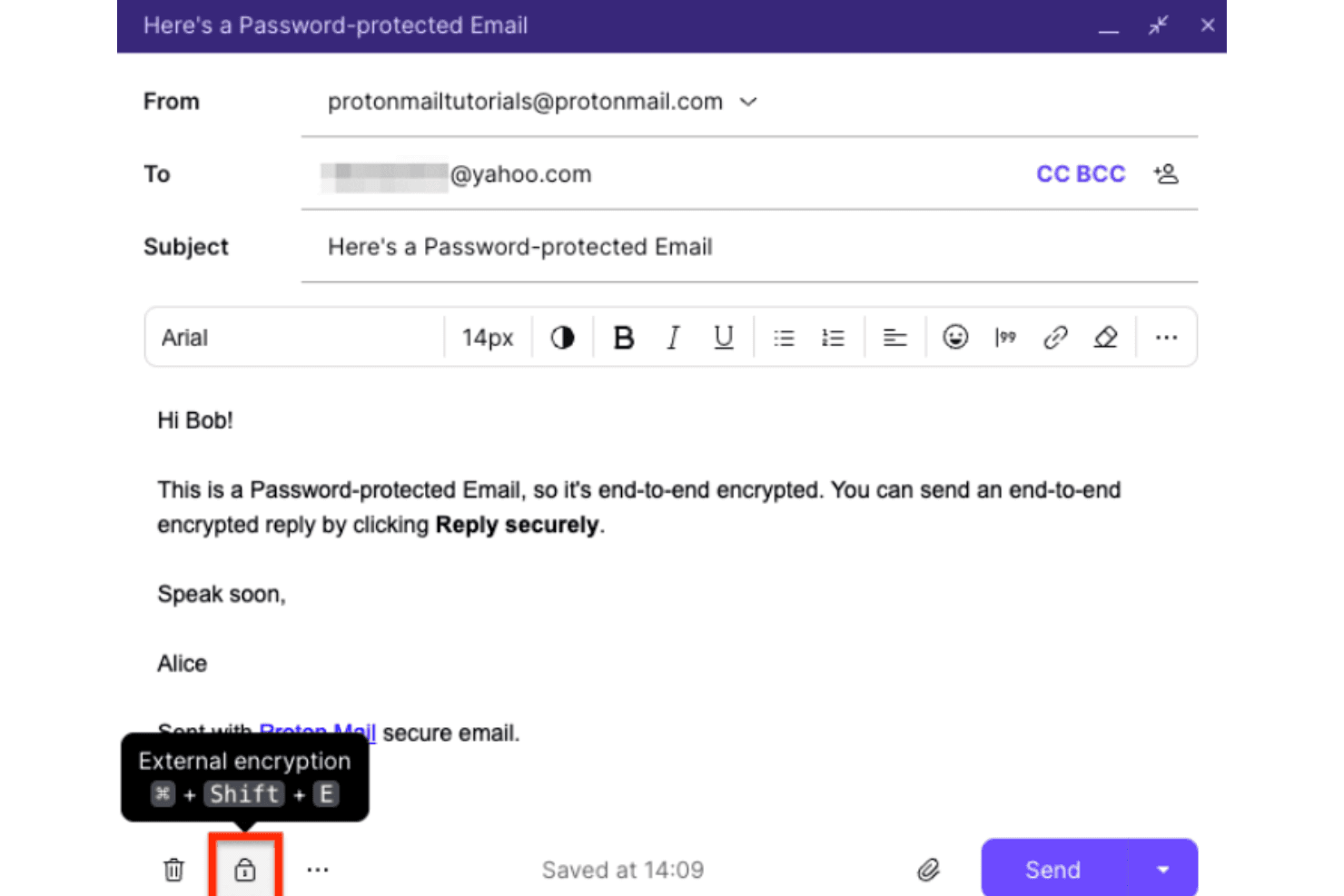
Secures emails so only sender and recipient can read them, protecting sensitive data.
User-Friendly Interface
Easy navigation and email management with intuitive layouts.
Secure Attachments
Encrypted file transfers keep attachments as protected as messages.
Two-Factor Authentication
Extra security layer requiring second verification form.
Custom Domains
Professional appearance with personalized communication channels.
Spam and Phishing Protection
Filters unwanted emails to maintain a clean inbox.
Ease of Use
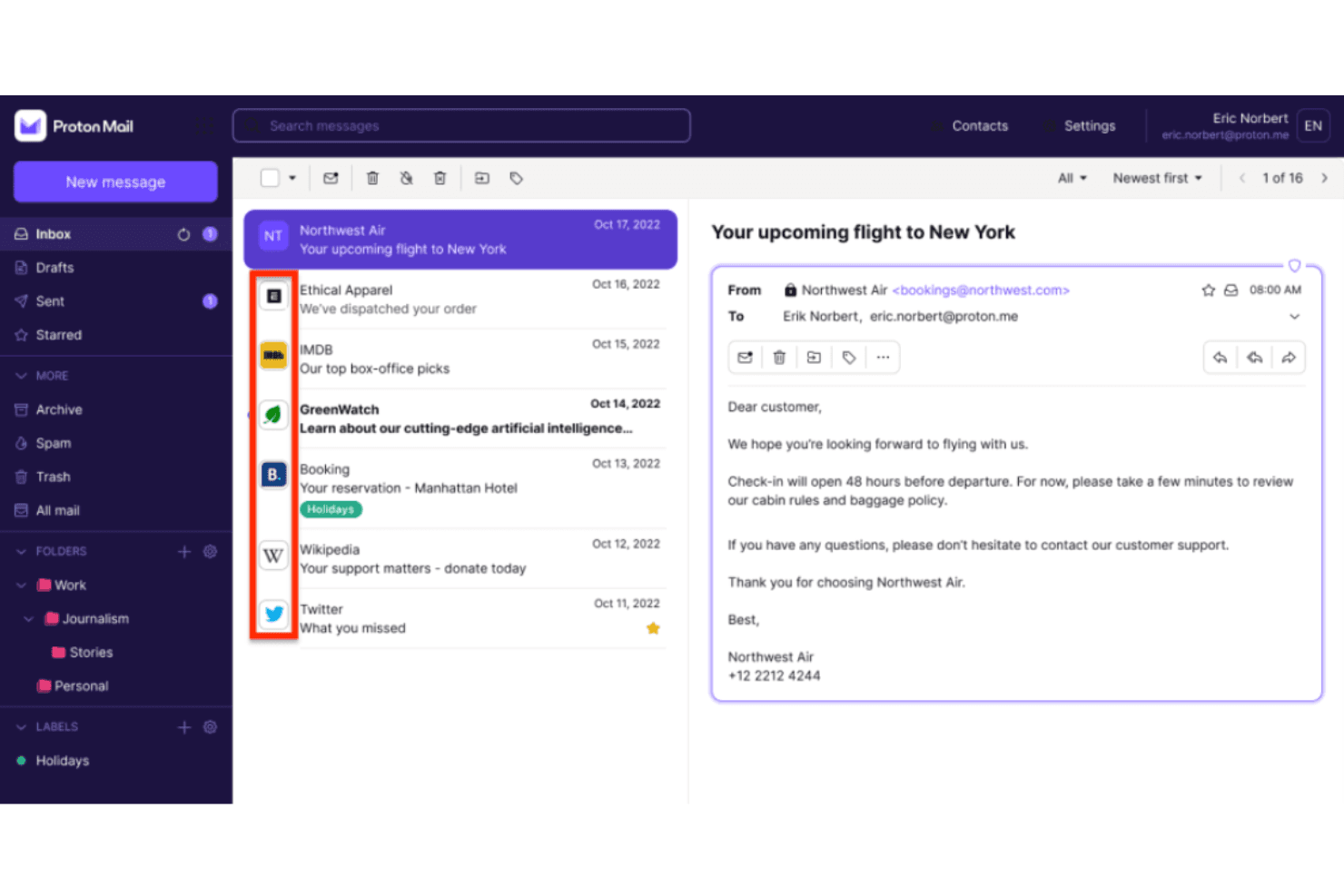
Proton Mail is user-friendly, making it easy for your team to manage emails without a steep learning curve. Its clean interface and intuitive controls let you navigate effortlessly, enhancing productivity. While some users mention that onboarding could be smoother, the overall ease of use stands out, especially for those prioritizing privacy and security. Proton Mail's straightforward design ensures you spend less time figuring things out and more time focusing on your work.
Integrations
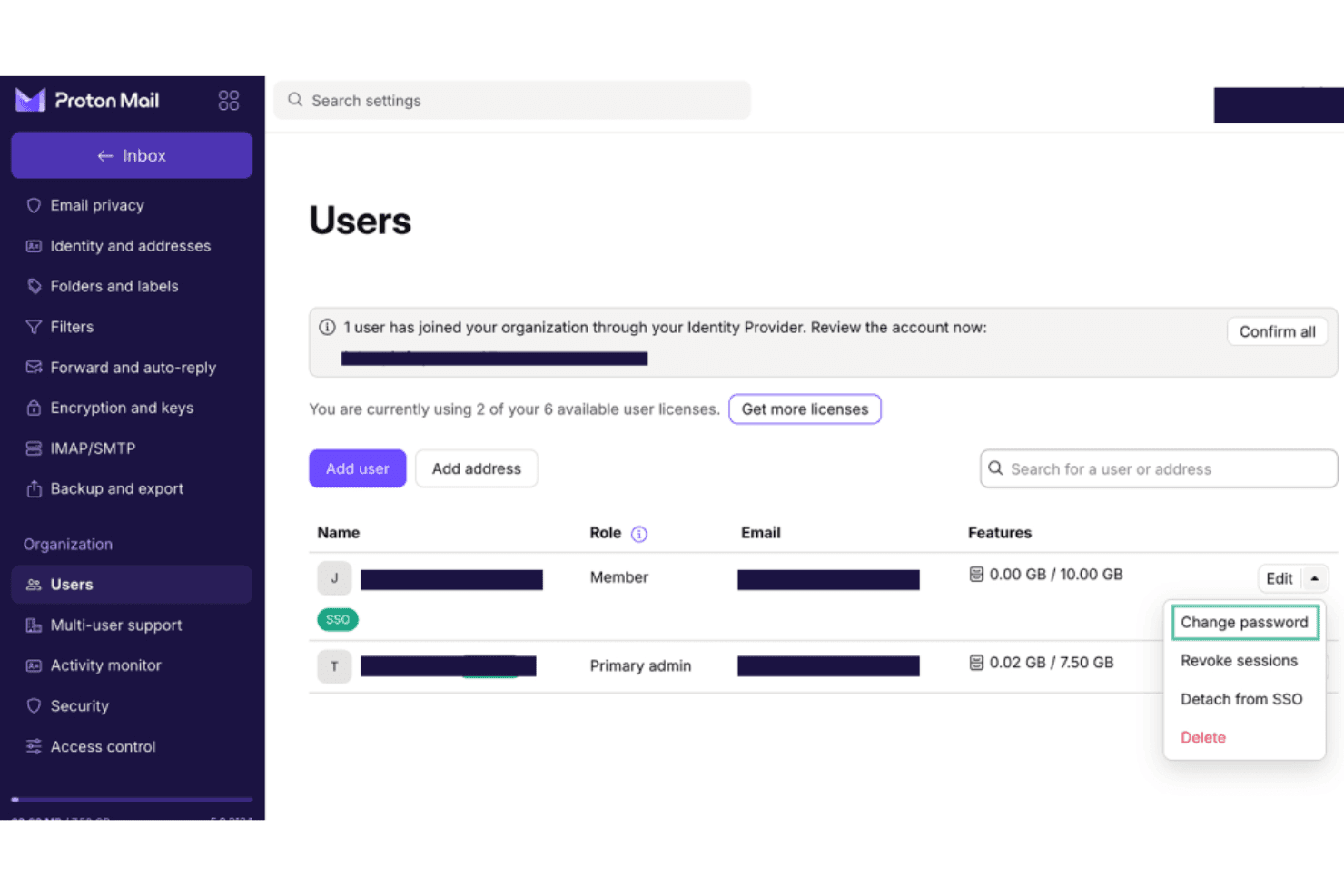
Proton Mail works with desktop email clients like Apple Mail, Microsoft Outlook, and Thunderbird through the Proton Mail Bridge, which enables IMAP and SMTP access. It also connects with other Proton services such as Proton Pass, Proton Calendar, and Proton Drive, while supporting standard authenticator apps for two-factor authentication. Mobile apps are available for both iOS and Android platforms, giving you secure access to your email account on the go.
.png&w=3840&q=75)
ProtonMail Specs
- API: No
- Calendar Management: Yes
- Chat: No
- Contact Management: Yes
- Contact Sharing: No
- Customer Management: No
- Data Export: No
- Data Import: No
- Email Integration: No
- External Integrations: No
- Google Apps Integration: No
- History/Version Control: No
- Marketing Automation: No
- Multi-User: Yes
- Notifications: No
- Scheduling: No
- Supplier Management: No


