

Bu kadar çok seçenek varken doğru içerik deneyimi platformunu seçmek zor olabilir. İçeriği etkili bir şekilde oluşturmak, yönetmek ve optimize etmek istiyorsunuz; ancak hangi aracın ihtiyaçlarınıza en uygun olduğunu belirlemeniz gerekiyor. Size yardımcı olacağım! Bu yazıda, çeşitli içerik yönetim sistemleri ve platformlarıyla çalışma konusundaki kapsamlı deneyimimden yararlanarak içerik deneyimi platformları için en iyi seçimlerimi sunuyorum.
Bu araçlar, birden fazla kanalda kişiselleştirilmiş ve ilgi çekici içerik sunmanıza yardımcı olur. İçerik parçalanması, tutarsız kullanıcı deneyimleri ve verimsiz iş akışları gibi önemli sorunları çözerler. Karar verme sürecinizi kolaylaştırarak sizi en iyi seçeneklere yönlendirmeme izin verin.
Why Trust Our Software Recommendations
6,700+
Reviews
20
Industry experts
16+
Evaluation factors
14
Years
Our team has been testing and reviewing software since 2012. As marketing leaders ourselves, we know how difficult—and important—it is to choose the right software.
For this guide, we evaluated tools using hands-on testing and independent research, scoring tools using our selection criteria.
Our reviews reflect our human editorial judgment, not a sales pitch.
Expert reviewers:
 Gui DrusinaCreative Director
- Shriya GhateSenior Marketing Lead
 Amanda JacquesMarketing Ops Leader

İçerik Deneyimi Platformları Karşılaştırma Tablosu
Bu karşılaştırma tablosu, en iyi içerik deneyimi platformları arasından seçtiklerimin fiyatlandırma ayrıntılarını özetlemektedir:
Score legend (out of 5)
- Excellent4.5–5
- Good4–4.4
- Average3–3.9
- Below average2–2.9
- Poor1–1.9
Sorted by: Default
| Tool | Starting Price | Website | |||||||
|---|---|---|---|---|---|---|---|---|---|
Best for no-code interactive content and deal rooms | 4.7 out of 5 | 5 | 5 | 5 | 5 | 4 | 4 | $30/user/month Free demo available | Website |
Best for experimentation-led content personalization | 4.5 out of 5 | 4 | 4 | 5 | 4 | 5 | 5 | Pricing upon request Free demo available | Website |
Best for account-based content hub experiences | 4.8 out of 5 | 5 | 4 | 5 | 5 | 5 | 5 | Pricing upon request Free demo available | Website |
Best for flexible multi-site content management | 4.2 out of 5 | 5 | 4 | 3 | 4 | 4 | 5 | Pricing upon request Free demo available | Website |
Best for Adobe ecosystem content operations | 4.2 out of 5 | 5 | 3 | 4 | 5 | 4 | 4 | Pricing upon request Not available | Website |
Best for data-driven multisite personalization at scale | 4.7 out of 5 | 5 | 4 | 5 | 4 | 5 | 5 | Pricing upon request Free demo available | Website |
Best for seller-led buyer content experiences | 4.0 out of 5 | 4 | 5 | 4 | 5 | 3 | 3 | Pricing upon request Free demo available | Website |
Best for value-selling content and revenue proof | 4.7 out of 5 | 4 | 5 | 5 | 5 | 5 | 4 | $30/user/month Free demo available | Website |
Best for AI-guided content binge experiences | 4.8 out of 5 | 5 | 5 | 5 | 4 | 5 | 5 | $30,000/year Free demo available | Website |
Best for turning static docs into interactive hubs | 4.0 out of 5 | 5 | 4 | 3 | 5 | 3 | 4 | $750/month Free demo available | Website |


En İyi İçerik Deneyimi Platformları İncelemeleri
Bu bölüm, her bir içerik deneyimi platformunun kapsamlı bir analizini ve genel değerlendirmesini sunar. Her aracın artılarını ve eksilerini, özelliklerini ve en uygun kullanım alanlarını ele alacağız.
 Best for no-code interactive content and deal rooms
- Free demo available
- From $30/user/month
Visit WebsiteCustomer Rating:4.8/5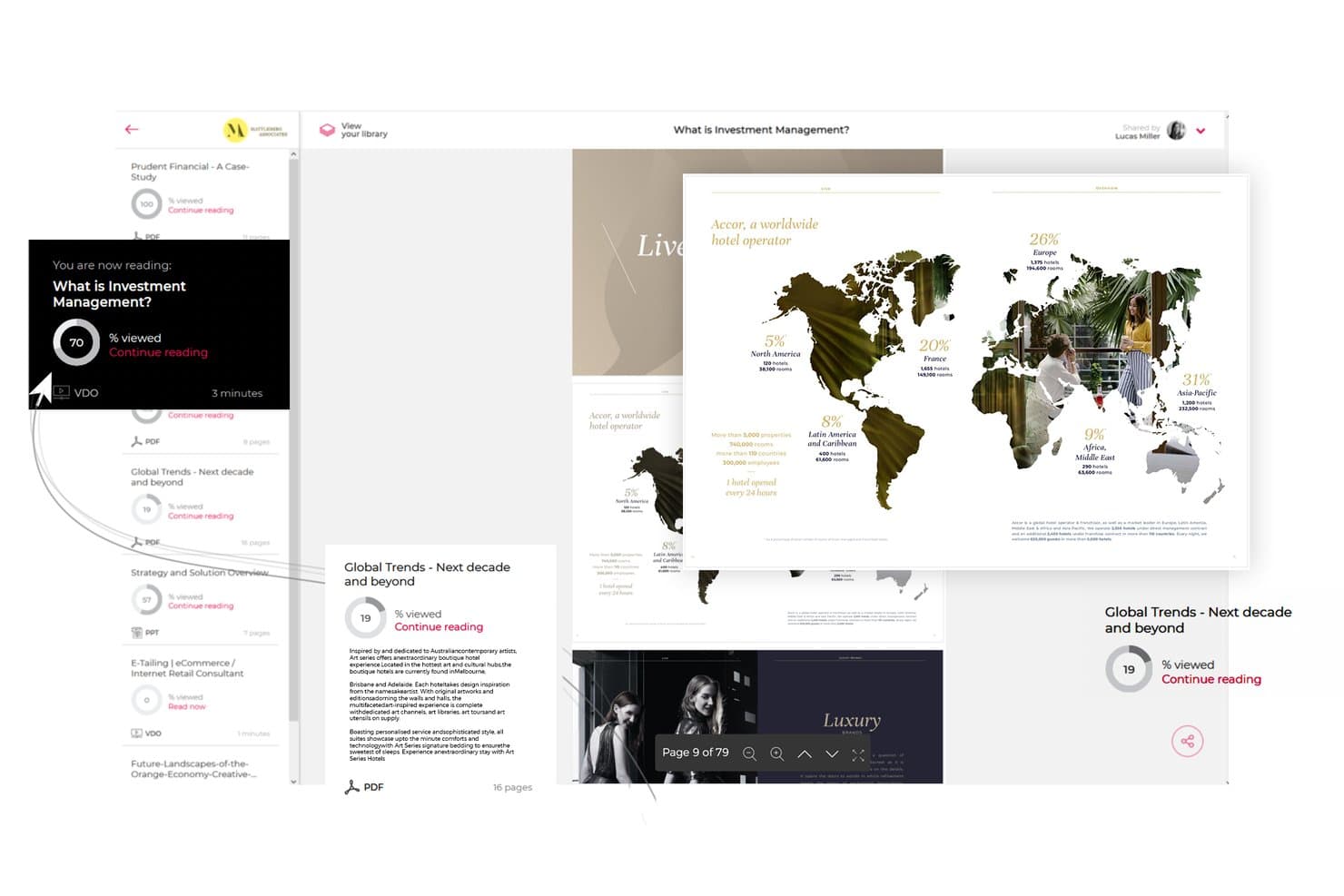
Paperflite lets users track content engagement progress across shared documents. Paperflite is a content experience platform that centralizes marketing and sales assets into branded hubs, personalized microsites, and interactive experiences, with AI-powered search, engagement analytics, and digital deal rooms built in.
Who Is Paperflite Best For?
Paperflite is a strong fit for B2B marketing and sales teams that need to create interactive content experiences and buyer-facing deal rooms without relying on designers or developers.
Why I Picked Paperflite
Paperflite earns its spot on my shortlist because of Cleverstory, its no-code interactive content builder that lets marketers create quizzes, calculators, and clickable infographics without touching a line of code. I also love the Digital Deal Rooms, which give buyers and sellers a shared, trackable workspace where every stakeholder's engagement is logged from the first click. Paired with SEEK, an AI search layer trained on your content library, finding and sharing the right asset at the right deal stage becomes much faster.
Paperflite Key Features
- Content hub streams: Organize and distribute marketing and sales assets into curated, permission-controlled streams that teams can subscribe to with one click.
- Real-time engagement alerts: Get instant notifications when a prospect opens shared content, including section-level data on time spent and scroll depth.
- CRM and email integrations: Sync engagement data directly with Salesforce, HubSpot, Pipedrive, Freshsales, and Microsoft Dynamics, plus Gmail and Outlook.
- Personalized microsites: Build branded, multi-asset portals for individual accounts or prospects using FliteView, shareable as a single trackable link.
Paperflite Integrations
Paperflite offers native integrations with Salesforce, HubSpot, Microsoft Dynamics, Pipedrive, Freshsales, Oracle Eloqua, Gmail, and Outlook. It also connects with SharePoint, Google Drive, Dropbox, Box, and OneDrive, while Enterprise plans support custom API access.
Pros and Cons
Pros:
- Branded deal rooms for buyer collaboration
- Real-time content engagement alerts for reps
- Interactive experiences built with no code
Cons:
- Full interactive features need separate subscription
- Advanced personalization requires higher-tier plan
Learn more about Paperflite: Best for experimentation-led content personalization
- Free demo available
- Pricing upon request
Visit WebsiteCustomer Rating:4.2/5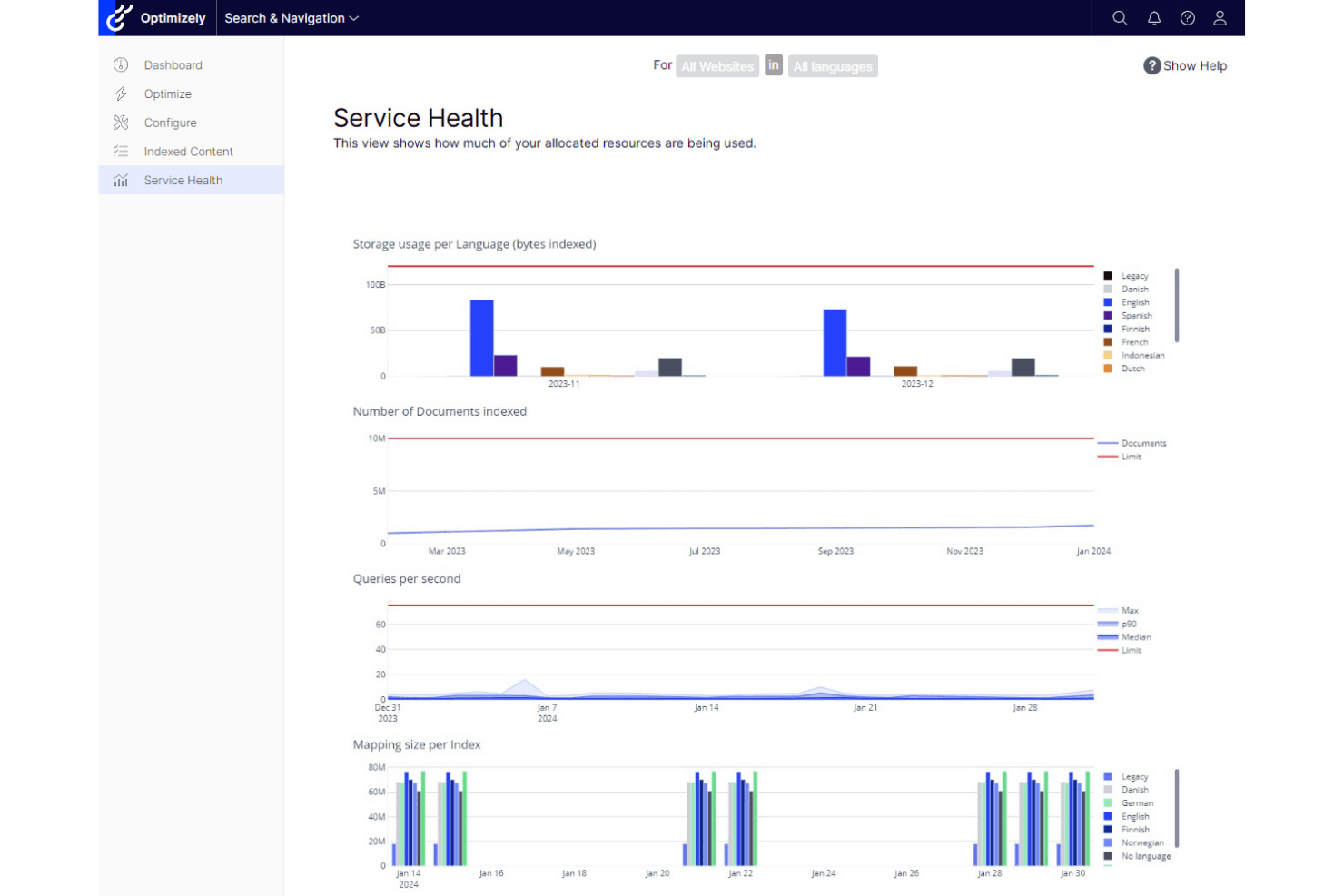
Optimizely is distinguished by its robust web experimentation and tailored content delivery. Optimizely is a digital experience platform that combines an agentic CMS, DAM, content marketing tools, AI-driven personalization, and built-in experimentation into a single suite.
Who Is Optimizely Best For?
Optimizely is a strong fit for enterprise marketing teams that want to run content experiments and personalization from the same platform, without stitching together separate tools.
Why I Picked Optimizely
Optimizely earns its spot on my shortlist because no other platform pairs content personalization with built-in experimentation as tightly. I particularly like the Stats Engine, which brings statistical rigor to A/B and multivariate tests run directly against content variations. Pair that with the NLP-powered Content Recommendations product, which builds real-time visitor interest profiles and swaps content to match, and you get a feedback loop where experiments inform personalization and vice versa.
Optimizely Key Features
- Agentic CMS: A no-code visual editor with multi-site publishing, reusable templates, and front-end edge delivery for managing content across channels from one place.
- Embedded DAM: A built-in digital asset management system with AI-powered auto-tagging and semantic search to organize and retrieve brand assets quickly.
- Warehouse-native analytics: Direct connections to Snowflake, BigQuery, and Redshift let you analyze content performance without duplicating data or writing SQL.
- Optimizely Forms with gated content workflows: Native form builder that captures leads, triggers confirmation emails, and automatically exports submissions to Salesforce and connected MAPs.
Optimizely Integrations
Optimizely offers native integrations with Salesforce, Salesforce Marketing Cloud, Pardot, HubSpot, Marketo, Oracle Eloqua, Delivra, Google Analytics, Figma, Jira, and Bynder. Its API-first architecture and webhooks support custom integrations and event-driven data pipelines.
Pros and Cons
Pros:
- Salesforce-triggered 1:1 personalization at scale
- Advanced AI-powered content recommendations system
- Combines CMS, personalization, and experimentation
Cons:
- Interactive assets need third-party or custom builds
- Requires sales conversation for pricing details
 Best for account-based content hub experiences
- Free demo available
- Pricing upon request
Visit WebsiteCustomer Rating:4.3/5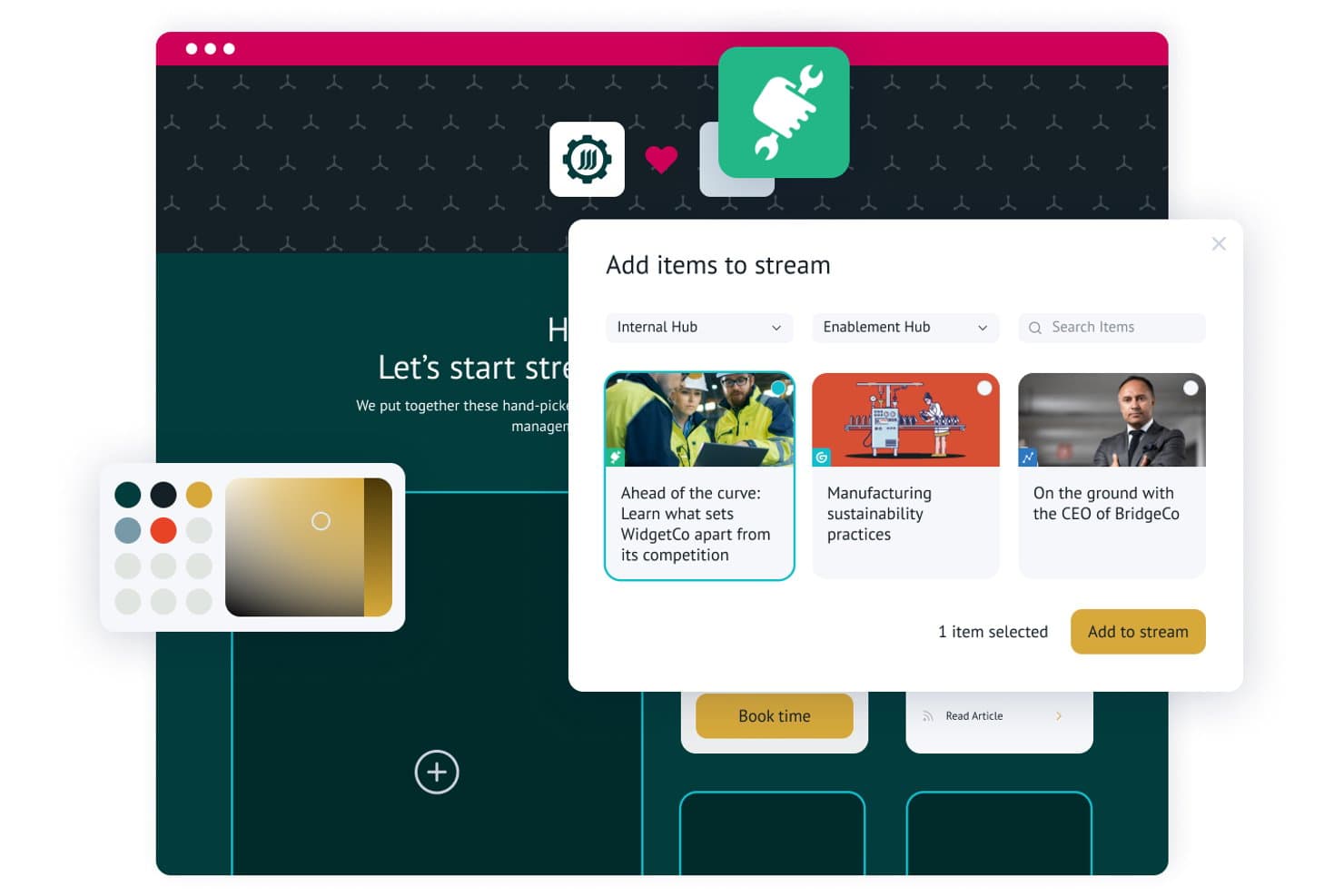
Uberflip lets users add and curate content items into personalized streams. Uberflip is a content experience platform that lets marketing teams build centralized content hubs, organize assets into curated streams, personalize experiences for target accounts, and capture leads through native form integrations across MAP and CRM systems.
Who Is Uberflip Best For?
Uberflip is a strong fit for B2B marketing teams running account-based programs who need to build personalized content destinations for named accounts at scale.
Why I Picked Uberflip
Uberflip earns its spot on my shortlist because it's genuinely built around account-based content hub experiences in a way most platforms aren't. I love that you can spin up a fully personalized content destination for a named account, complete with that account's logo and a curated stream of relevant assets, without touching a line of code. The AI-powered Smart Tags automatically organize your library at scale, and the Site Engager widget surfaces recommendations across existing web pages to keep buyers in your content ecosystem longer.
Uberflip Key Features
- Gated form CTAs: Embed native lead capture forms directly within content streams, replacing standalone gated landing pages.
- Flipbook conversion: Automatically transforms uploaded PDFs into interactive HTML5 Flipbooks with page-level engagement tracking.
- Digital sales rooms: Lets sales reps build personalized, marketing-approved content destinations for individual prospects without developer support.
- Explore custom reporting: A built-in reporting tool that lets you compare content KPIs and build custom performance views across hubs and streams.
Uberflip Integrations
Uberflip offers native integrations with Marketo, HubSpot, Salesforce Pardot, Oracle Eloqua, Salesforce, Demandbase, and Bombora. It also connects with 6sense, Clearbit, RollWorks, Google Analytics, YouTube, Vidyard, Wistia, Vimeo, and Brightcove, with API documentation available for custom integrations.
Pros and Cons
Pros:
- Digital sales rooms for sales collaboration
- AI-driven content recommendations for web visitors
- ABM features enable deep account personalization
Cons:
- Advanced analytics require MAP or CRM integration
- Uncertain product roadmap post-acquisition
Learn more about Uberflip: Best for flexible multi-site content management
- Free demo available
- Pricing upon request
Visit WebsiteCustomer Rating:4.5/5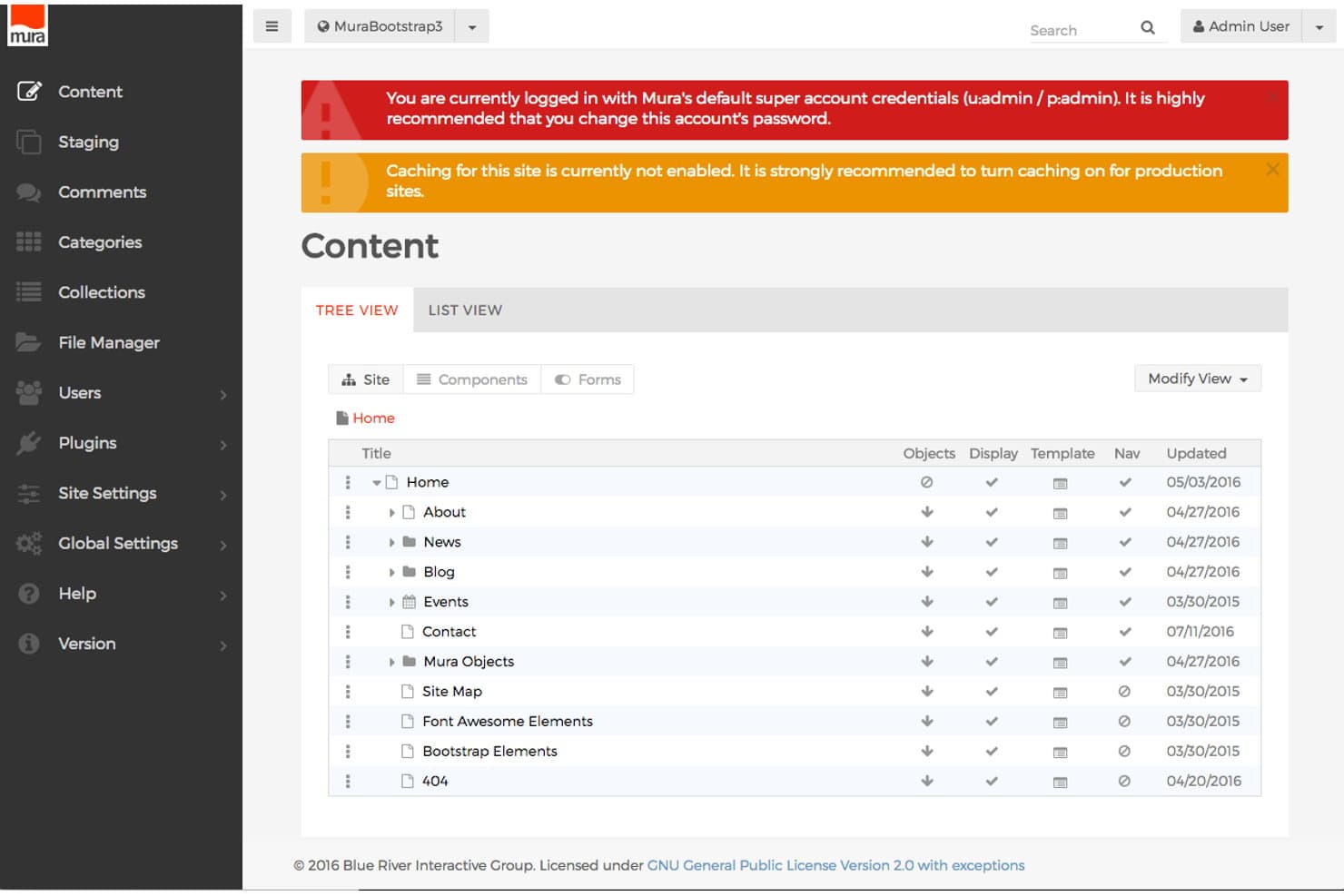
Mura CMS organizes site content in a clear tree view hierarchy. Mura CMS is a digital experience platform that combines multi-site content management, persona-based personalization, content scoring, and MAP/CRM integration to deliver targeted web experiences across multiple owned channels.
Who Is Mura CMS Best For?
Mura CMS is a strong fit for enterprise marketing teams managing multiple branded sites or regional microsites from a single platform.
Why I Picked Mura CMS
I picked Mura CMS as one of the best because its multi-site architecture lets you manage unlimited branded sites and microsites from a single install, which is genuinely rare at this level. I love how the DXP layer maps content to specific personas and buyer stages, then uses Change Sets to dynamically swap page components based on triggered experiences. Content scoring tracks cumulative engagement per visitor and fires those personalized experiences automatically, without manual intervention.
Mura CMS Key Features
- Content scoring: Assigns weighted point values to individual content assets per persona, then automatically triggers personalized experiences once a visitor crosses a defined engagement threshold.
- Experience Matrix tool: A dashboard that displays visitor counts across every persona and buyer stage combination, with associated ROI data including opportunities, wins, and close time.
- Progressive profiling forms: Persona-driven forms that collect visitor data incrementally across multiple interactions rather than in a single submission.
- Content campaign management: Groups related content assets into trackable campaigns and compares performance across updated content versions to measure acquisition impact.
Mura CMS Integrations
Mura CMS has documented integrations with Marketo, HubSpot, Eloqua, Pardot, Salesforce, Microsoft Dynamics, DemandBase, Google Analytics 360, and Adobe Analytics. Its open REST API supports custom integrations.
Pros and Cons
Pros:
- Tracks content influence on pipeline and revenue
- Persona-based content personalization across buyer stages
- Manages unlimited branded sites and microsites
Cons:
- Smaller developer community limits plugin options
- No native interactive content builder
Learn more about Mura CMS: Best for Adobe ecosystem content operations
- Not available
- Pricing upon request
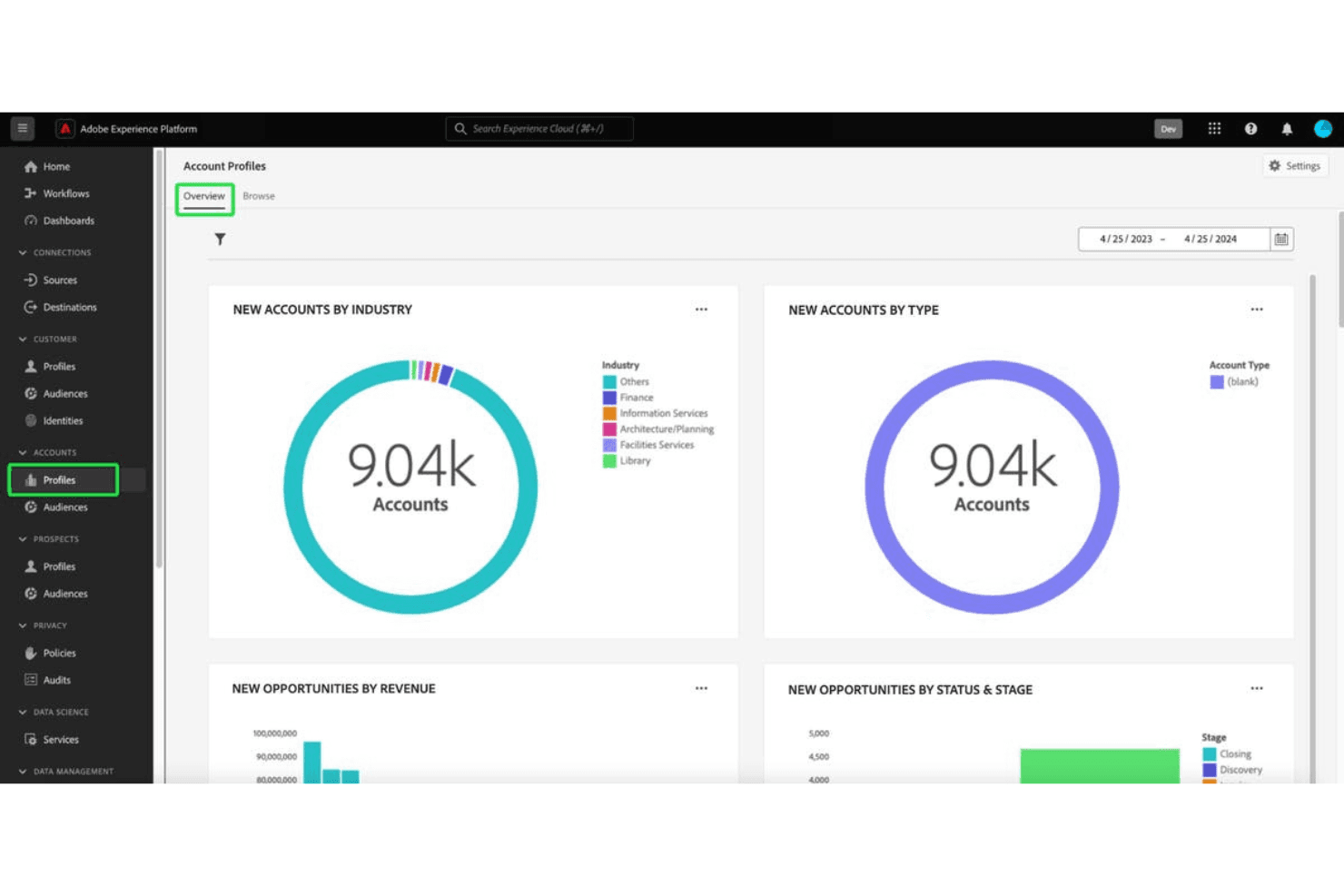
Adobe Experience Manager excels in enterprise-level digital content and comprehensive marketing management. Adobe Experience Manager is an enterprise CMS and digital asset management platform that combines multi-site content creation, asset storage and delivery, adaptive forms, and personalization capabilities powered by integrations across the Adobe Experience Cloud.
Who Is Adobe Experience Manager Best For?
AEM is built for large enterprises running complex, multi-brand content operations that are already invested in the Adobe Experience Cloud stack.
Why I Picked Adobe Experience Manager
I've included Adobe Experience Manager in my top picks because it's the strongest option on this list for teams already running on Adobe Experience Cloud. I love how AEM Assets Content Hub creates a purpose-built, branded asset portal where internal teams and external partners can find, filter, and share approved assets without chasing down a creative. The multi-site manager with Live Copy is also genuinely impressive for managing content across dozens of brands or regions from one place, keeping everything consistent at scale.
Adobe Experience Manager Key Features
- Adaptive forms builder: AEM Forms lets you create responsive, conditional forms with drag-and-drop authoring, dynamic logic, and e-signature support for content gating and lead capture.
- Headless content delivery: AEM Sites delivers content via GraphQL API, enabling you to publish structured content across web, mobile, and app channels from a single repository.
- Adobe Firefly generative AI: Non-creative users can generate and remix brand-compliant asset variations directly inside Content Hub without leaving the platform.
- Rule-based audience targeting: AEM Sites includes built-in client context targeting that lets you define audience segments and serve dynamic content variations based on user data.
Adobe Experience Manager Integrations
Adobe Experience Manager has documented native integrations across the Adobe ecosystem, including Adobe Analytics, Adobe Target, Marketo Engage, Real-Time CDP, Journey Optimizer, Commerce, Creative Cloud, and Adobe Sign. It supports GraphQL, events, webhooks, and Adobe Developer App Builder for custom integrations.
Pros and Cons
Pros:
- Enterprise-grade security and compliance certifications
- Deep Adobe ecosystem integration for content ops
- Best-in-class branded content hub capabilities
Cons:
- Not purpose-built for sales enablement
- No native interactive content builder
Learn more about Adobe Experience Manager: Best for data-driven multisite personalization at scale
- Free demo available
- Pricing upon request
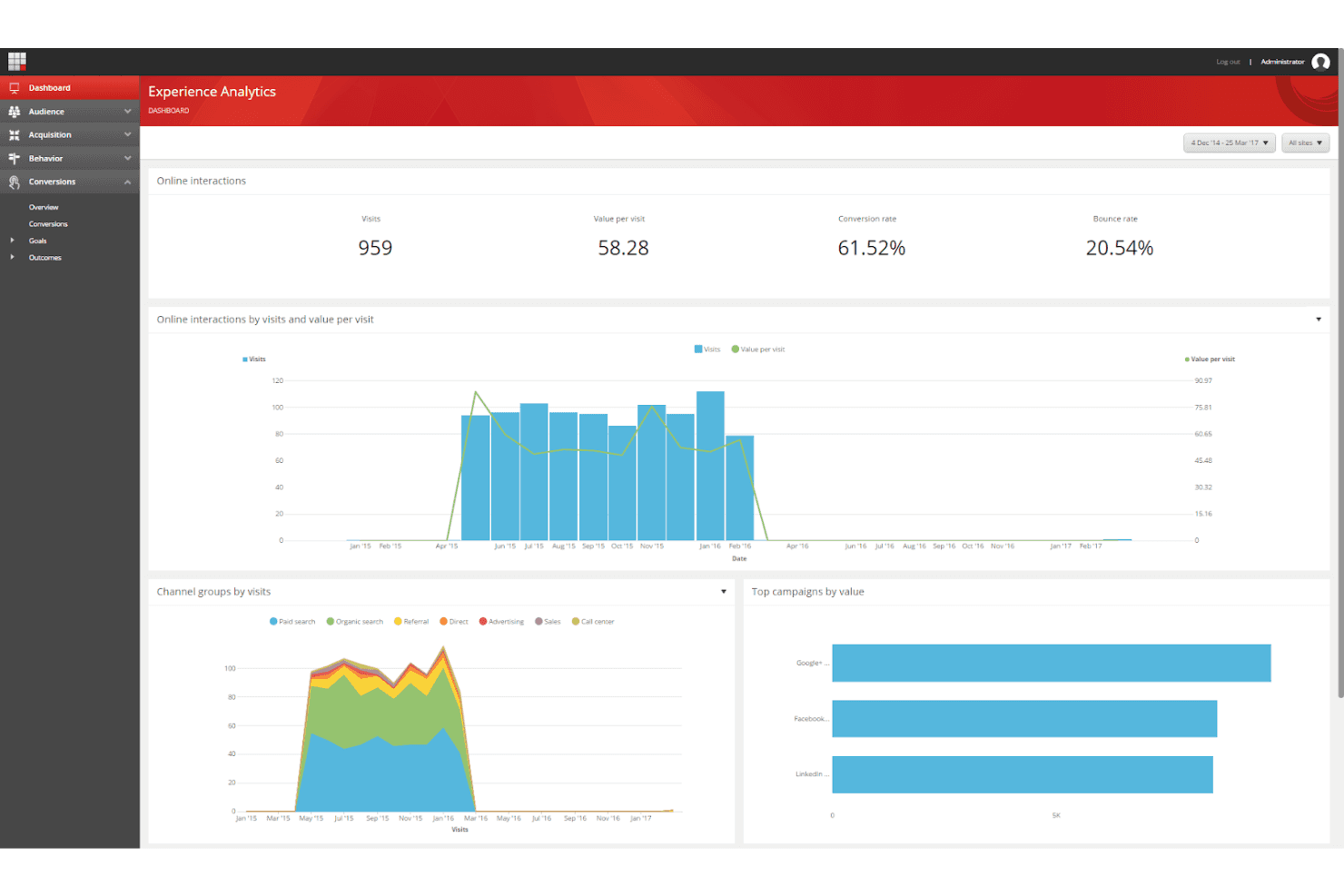
Sitecore Experience Platform offers advanced tools for creating data-driven, personalized customer journeys. Sitecore Experience Platform is an enterprise digital experience platform (DXP) that combines multisite content management, a digital asset management (DAM) layer, CDP-driven personalization, A/B testing, and marketing automation integrations.
Who Is Sitecore Experience Platform Best For?
Sitecore Experience Platform is a strong fit for enterprise marketing teams managing multiple brands, regions, or sites that need CDP-driven personalization at scale.
Why I Picked Sitecore Experience Platform
I picked Sitecore Experience Platform because no other tool on this list matches its depth of CDP-driven personalization across multiple sites and brands simultaneously. Its Site Collections feature lets you spin up and manage unlimited branded sites from one interface, while the integrated CDP builds real-time visitor profiles that power dynamic content swapping at the segment, account, and behavior level. I'm also impressed by how SitecoreAI Stream automates A/B testing and serves winning variants without manual intervention.
Sitecore Experience Platform Key Features
- Sitecore Connect integrations: A built-in iPaaS layer with 1,000+ pre-built connectors links Sitecore XP to tools like Marketo, HubSpot, Salesforce, and Microsoft Dynamics for bi-directional data sync.
- Engagement value scoring: The platform assigns numerical engagement scores to visitor interactions, giving you a real-time measure of how meaningfully each user engages with your content.
- Content Hub DAM: A centralized digital asset management layer handles the full content lifecycle—planning, production, metadata tagging, and omnichannel publishing—from one interface.
- Agentic Studio: A no-code visual builder lets you create custom generative AI agents that enforce brand guardrails across content creation and delivery workflows.
Sitecore Experience Platform Integrations
Sitecore Connect offers 1,000+ pre-built connectors, including Salesforce, Microsoft Dynamics, Marketo, HubSpot, and Eloqua. It also supports REST APIs, webhooks, and custom data pipelines.
Pros and Cons
Pros:
- Advanced engagement analytics with goal tracking
- Real-time AI-driven content personalization
- Supports unlimited branded content hubs and microsites
Cons:
- Experience Editor can be slow for marketers
- Requires developer support for site changes
Learn more about Sitecore Experience Platform: Best for seller-led buyer content experiences
- Free demo available
- Pricing upon request
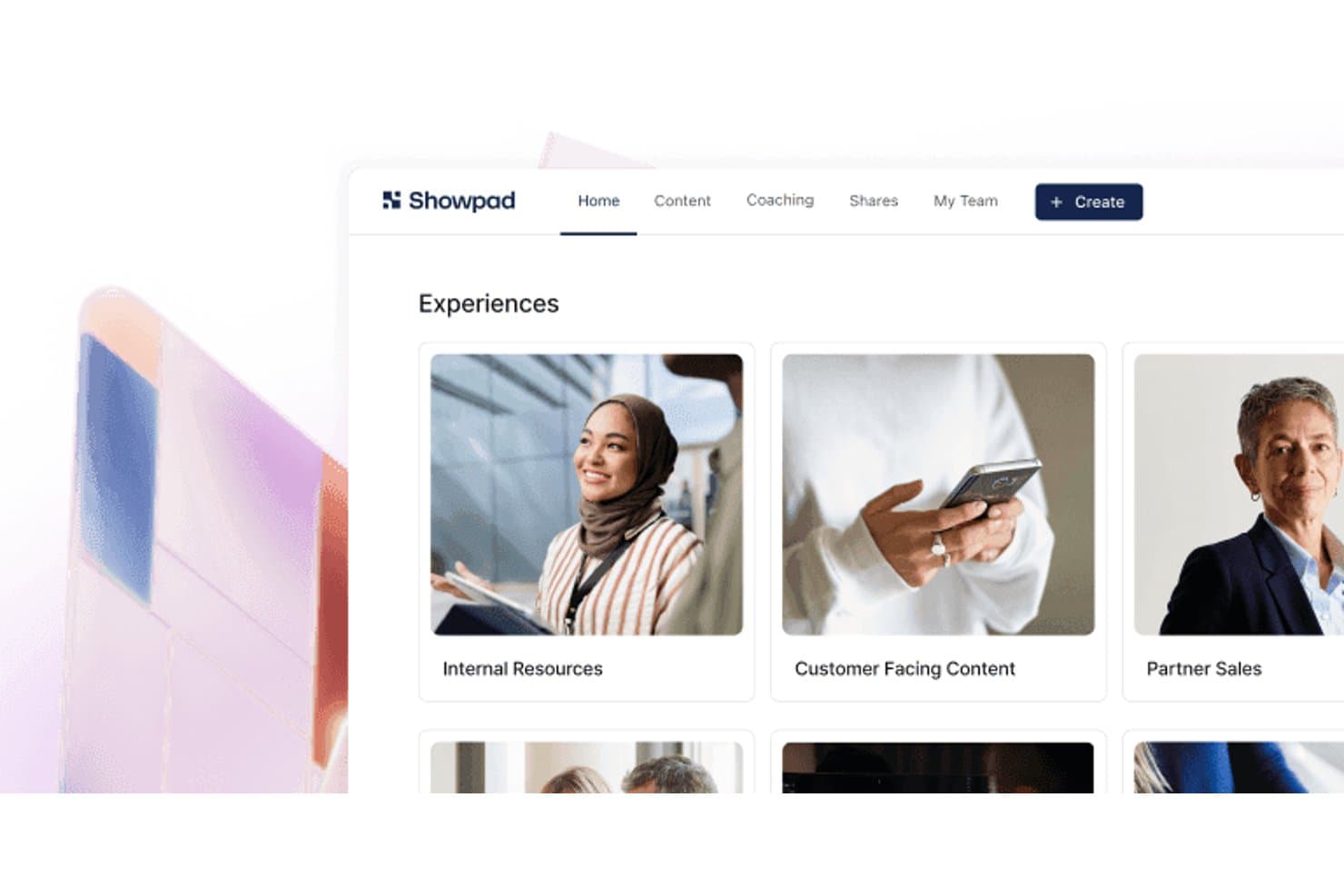
Showpad organizes sales content into browsable experience collections. Showpad is a sales enablement and content experience platform that combines a centralized content library, interactive buyer-facing deal rooms, AI-driven content recommendations, and deep engagement analytics.
Who Is Showpad Best For?
Showpad is a strong fit for enterprise sales and marketing teams that need seller-led content experiences, buyer engagement tracking, and revenue attribution across complex, multi-stakeholder deals.
Why I Picked Showpad
I picked Showpad as one of the best because it's built specifically for seller-led buyer content experiences, which is a distinct motion that pure-play content experience platforms don't serve as well. Shared Spaces let sellers build co-branded, deal-specific destinations where buying committees can view curated content, track mutual action plans, and signal engagement. I especially like that every interaction inside a Shared Space feeds directly into CRM records, so you can connect specific content to pipeline progress and closed-won revenue without any manual attribution work.
Showpad Key Features
- AI-powered content recommendations: Showpad Genie surfaces deal-specific asset suggestions directly within CRM workflows based on deal stage and account data.
- Multi-format asset support: The platform hosts PDFs, videos, 3D models, 360° showrooms, AR assets, and interactive apps within a single content library.
- Revenue attribution reporting: Content engagement data syncs with CRM records to connect specific assets to pipeline progress and closed-won revenue.
- Marketo integration: Showpad pushes buyer engagement signals into Marketo to enrich lead scoring and trigger automated marketing campaigns.
Showpad Integrations
Showpad offers 75+ pre-built integrations, including Marketo, Salesforce, HubSpot, Microsoft Dynamics, SharePoint, Google Drive, Box, Dropbox, Salesloft, and Outreach. Its REST API, webhooks, Reporting API, and SDK support custom integrations and BI pipelines.
Pros and Cons
Pros:
- Broad support for 3D and AR content
- Shared Spaces create seller-led deal rooms
- Best-in-class buyer engagement analytics
Cons:
- Lacks anonymous visitor personalization features
- No native gated content or lead capture
Learn more about Showpad: Best for value-selling content and revenue proof
- Free demo available
- From $30/user/month
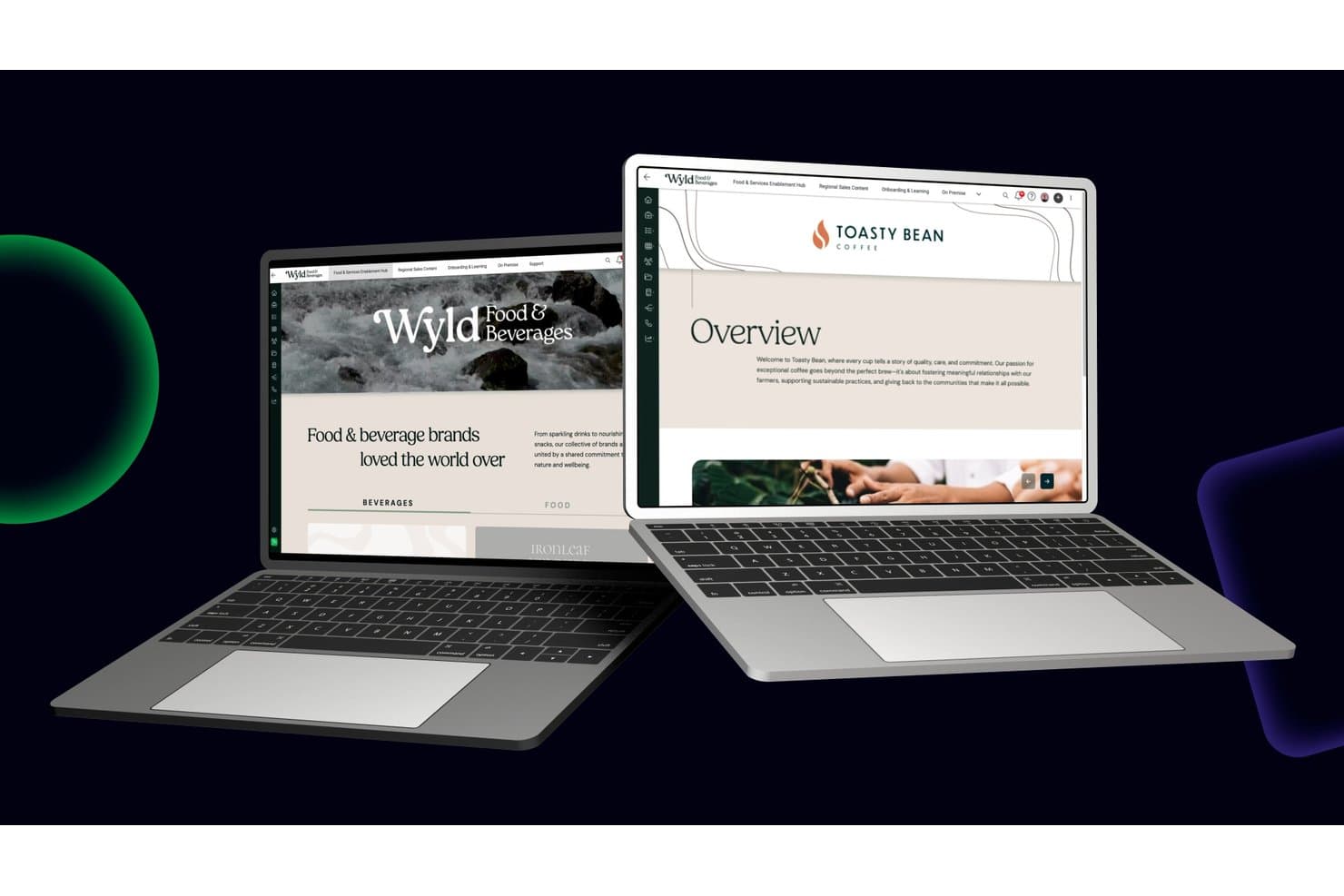
Mediafly organizes brand content into structured, browsable sales portals. Mediafly is a revenue enablement platform that combines branded content workspaces, digital sales rooms, interactive content creation, AI-driven content recommendations, and value selling tools like ROI calculators and business value assessments.
Who Is Mediafly Best For?
Mediafly is a strong fit for enterprise sales and marketing teams that need to prove the revenue impact of their content through ROI tools, value assessments, and closed-deal attribution.
Why I Picked Mediafly
Mediafly earns its spot on my shortlist because no other content experience platform ties content directly to revenue proof the way it does. The Value Suite lets you build ROI calculators and business value assessments without developer support, so your team can quantify deal impact at every stage of the customer lifecycle. Paired with the Advanced Insights module's closed-deal attribution, I can see exactly which content assets influenced pipeline and won revenue inside Salesforce.
Mediafly Key Features
- Digital sales rooms: Build personalized, branded microsites for individual accounts that house multiple content assets in a single shared space.
- AI content tagging: Automatically applies metadata, content summaries, and tags to assets to improve discoverability across the content library.
- StoryGuide: An AI-powered tool that guides sellers to assemble on-brand presentations by recommending relevant slides and assets based on the selling scenario.
- Offline access: Lets sellers download and present content without an internet connection, supporting field sales and in-person meetings.
Mediafly Integrations
Mediafly offers documented integrations with Salesforce, SAP Sales Cloud, Microsoft Dynamics 365, HubSpot, Marketo, Pardot, SharePoint, Bynder, and Adobe Experience Manager. OAuth and API connectors support custom integrations.
Pros and Cons
Pros:
- Revenue attribution connects content to pipeline
- Account-level content personalization features included
- Value selling tools for revenue proof
Cons:
- Quote-based pricing increases upfront friction
- Lacks native SEO controls for content hubs
Learn more about Mediafly: Best for AI-guided content binge experiences
- Free demo available
- From $30,000/year (billed annually)
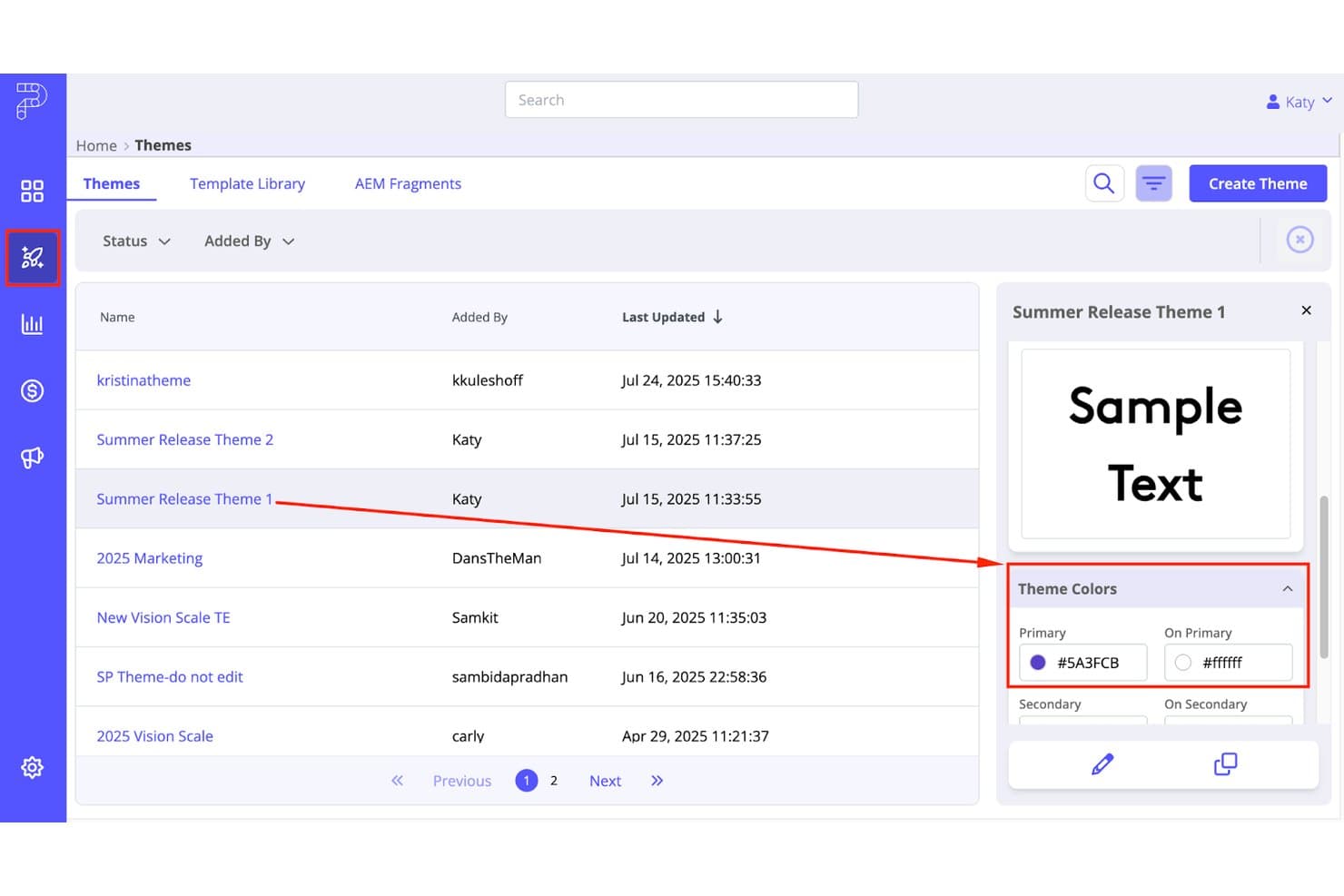
PathFactory lets users preview and manage branded content themes. PathFactory is a content experience platform that lets you build AI-guided content hubs, personalized account-based destinations, and binge-style content playlists with deep MAP, CRM, and intent data integrations.
Who Is PathFactory Best For?
PathFactory is a strong fit for mid-market and enterprise marketing teams running ABM or demand generation programs who need to connect content engagement directly to pipeline.
Why I Picked PathFactory
PathFactory earns its spot on my shortlist because its AI recommendation engine is purpose-built to turn single-asset visits into multi-asset binge sessions. I love how Content Playlists sequence PDFs, videos, case studies, and webinars into a guided journey that adapts in real time to each visitor's behavior. The Content Intelligence Center then analyzes your entire asset library to surface what's actually driving engagement, so I'm never guessing which content to sequence next.
PathFactory Key Features
- Intelligent gating: Automatically shows forms to unknown visitors while giving known accounts frictionless access to content without filling out a form.
- ChatFactory AI buying agent: A GenAI-powered conversational agent that answers buyer questions, recommends assets, and generates personalized microsites from each interaction.
- PathFactory for Revenue Intelligence (PFRI): A revenue attribution dashboard that maps content engagement data directly to pipeline and open opportunities in Salesforce.
- AI content tagging: Automatically analyzes and tags your entire asset library by topic, benchmarks content against your strategy, and flags gaps in your content coverage.
PathFactory Integrations
PathFactory offers 17 native integrations, including Salesforce, Marketo, HubSpot, Eloqua, Pardot, 6sense, Demandbase, ZoomInfo, Adobe Experience Manager, and Snowflake. Its public API and webhooks support custom data pipelines and real-time CRM workflows.
Pros and Cons
Pros:
- Dynamic personalization for ABM and industry segments
- AI-powered playlists drive higher content consumption
- Connects content engagement directly to pipeline
Cons:
- Chatbot lacks handoff to live agents
- No interactive content builders like quizzes
Learn more about PathFactory: 10Best for turning static docs into interactive hubs
RELAYTO
- Free demo available
- $750/month (billed annually)
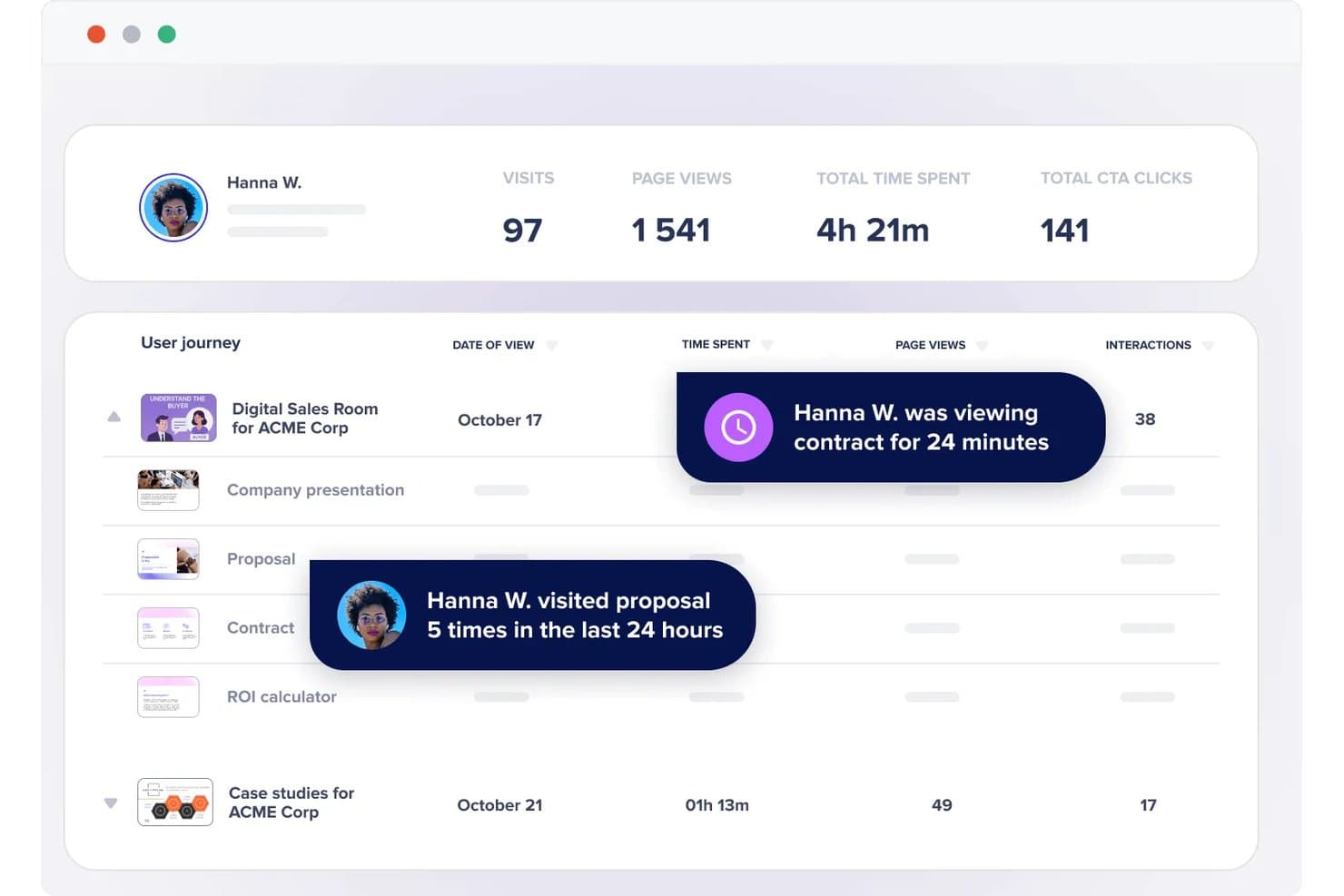
RELAYTO tracks buyer intent signals like time spent and visit frequency. RELAYTO is a content experience platform that lets you transform static documents—PDFs, presentations, and more—into interactive microsites, content hubs, and digital sales rooms using a no-code editor and AI-powered tools.
Who Is RELAYTO Best For?
RELAYTO is a strong fit for content and demand gen teams that regularly work with PDFs and presentations and want to turn those assets into trackable, branded experiences without leaning on developers.
Why I Picked RELAYTO
I picked RELAYTO as one of the best because its AI Experience Builder can take a static PDF or PowerPoint and turn it into a fully interactive microsite in minutes, complete with hotspots, video narration, and animated elements. I also love the AI Content Chat, which lets visitors search across an entire content hub using natural language, so even large asset libraries stay navigable. The no-code Interactivity Studio means my team can add gated forms, clickable CTAs, and embedded third-party tools without touching a single line of code.
RELAYTO Key Features
- Engagement analytics: Tracks visitor journeys, interaction-level events like hotspot and CTA clicks, referral sources, and device types across your content experiences.
- Lead capture forms: Supports native forms and embedded Marketo forms to gate content and capture leads directly within an experience.
- Audience access controls: Restricts or grants content access by email domain whitelisting, blacklisting, and corporate email rules to target specific account segments.
- Sales enablement digital sales rooms: Lets sales teams create personalized, password-protected microsites for individual prospects with real-time engagement notifications.
RELAYTO Integrations
RELAYTO offers native integrations with Salesforce, HubSpot, Marketo, Google Analytics, and Google Tag Manager. It also connects with Google Drive, OneDrive, and Box, while Business and Enterprise plans support custom integrations through its API.
Pros and Cons
Pros:
- Visitor journeys reveal hotspot and CTA engagement
- Content hubs organize multi-format asset libraries
- AI converts PDFs into interactive microsites
Cons:
- Behavior-based recommendations remain limited
- Advanced interactivity takes practice to master
Learn more about RELAYTO:
Diğer İçerik Deneyimi Platformları
Aşağıda, kısa listemize aldığımız ancak en üst sıradaki listeye giremeyen ek içerik deneyimi platformlarının bir listesi yer almaktadır. İlk 10’a girememiş olsalar da yine de değerlidirler ve daha fazla araştırmaya değerdirler.
- 11FollozeBest for account-based content personalization at scale
- 12HushlyBest for AI-driven account microsite creation
- 13AcquiaBest for Drupal-optimized digital experiences
- 14ON24Best for webinar-to-hub content repurposing
- 15HighspotBest for sales-to-buyer content engagement tracking
- 16WordPress VIPBest for enterprise content hubs
- 17FoleonBest for brand-governed interactive content creation
- 18TurtlBest for ABM-driven content personalization at scale
- 19IonBest for rules-based interactive lead experiences
How I Evaluate Content Experience Platforms
I split my evaluation into three parts, giving the most weight to core functionality: bring content from multiple sources into hubs and tailor what each buyer sees by persona or behavior. Next, I look for differentiators such as account-based views or sales-shareable playlists. Finally, I consider what sits beyond features, including onboarding, ongoing support, and pricing as the program scales.
Core Functionality (Table Stakes For This List)
When I'm selecting tools for my list, I score each one on a scale from 0 (does not offer the functionality) to 5 (excels in this area) for each core functionality listed below. I then convert the total into a percentage to help assess each tool's overall fit, with extra weight on any functionalities I’ve deemed essential.
- Content Curation (Essential): I look for hubs that organize varied formats, such as webinars and case studies, with useful tags or categories.
- Audience Personalization (Essential): I evaluate whether teams can tailor content by attributes like persona, industry, or visitor behavior.
- Engagement Analytics: I check for content-level signals such as completion, repeat visits, and engagement tied to a visitor or account.
- Experience Building: I look for customizable templates to publish branded hubs or microsites without building each one from scratch.
- Lead Capture & Sync: I assess how forms capture visitor details and whether engagement data syncs with CRM or marketing automation systems.
- Journey Orchestration: I consider whether the platform can guide visitors from one asset to a relevant next step based on their progress.
Once I have a list of tools that meet the criteria, I consider what sets each platform apart.
Differentiating Factors (What Sets Vendors Apart)
Here's how I compare and contrast different vendors:
Standout Features
Content scoring and attribution is where I spend the most time. I evaluate whether a platform assigns weighted engagement scores to individual assets so you can trace which piece actually influenced a deal, not just which one got the most views. Sales-shareable playlists matter just as much; I check whether sellers can assemble personalized micro-hubs for prospects without leaving their own workflow. Account-based experience views round out the picture, letting your team tailor hub content to target accounts and track engagement at the buying-group level.
Beyond Features
I evaluate how quickly a non-technical marketer can launch a first hub, including whether the vendor offers migration help for existing content libraries. Martech ecosystem fit matters just as much; I check for bi-directional CRM and MAP connectors so engagement data actually flows into lead scoring and pipeline reports without IT involvement. For multi-brand or multi-region teams, I look at whether permissions and localization controls scale without forcing a platform-wide redesign.
İçerik Deneyimi Platformu Nasıl Seçilir?
Uzun özellik listeleri ve karmaşık fiyatlandırma yapılarına kapılmak kolaydır. Kendinize özgü yazılım seçim sürecinizde ilerlerken odaklanmanıza yardımcı olmak için şu faktörleri göz önünde bulundurun:
| Faktör | Dikkat Edilmesi Gerekenler |
|---|---|
| FaktörÖlçeklenebilirlik | Dikkat Edilmesi GerekenlerPlatform işletmenizle birlikte büyüyebilir mi? Gelecekteki ihtiyaçları ve büyüdükçe aracın artan içerik ve kullanıcı taleplerini karşılayıp karşılayamayacağını değerlendirin. |
| FaktörEntegrasyonlar | Dikkat Edilmesi GerekenlerMevcut araçlarınızla çalışıyor mu? İş akışlarını kolaylaştırmak için CRM'iniz, pazarlama otomasyonu ve analiz platformlarınızla bağlantı kurup kurmadığını kontrol edin. |
| FaktörÖzelleştirilebilirlik | Dikkat Edilmesi Gerekenlerİhtiyaçlarınıza göre uyarlayabilir misiniz? Benzersiz süreçlerinize ve marka kimliğinize uyacak şekilde düzenleri, markalamayı ve kullanıcı yollarını değiştirme seçeneklerini arayın. |
| FaktörKullanım kolaylığı | Dikkat Edilmesi GerekenlerEkibiniz için kullanıcı dostu mu? Eğitim ve destek ihtiyaçlarını en aza indirmek için sezgisel arayüzler ve anlaşılır gezinme özellikleri arayın. |
| FaktörUygulama ve kullanıma alıştırma | Dikkat Edilmesi GerekenlerNe kadar hızlı başlayabilirsiniz? Kurulum için gereken zamanı ve kaynakları, ayrıca sağlayıcının kullanıma alıştırma sırasında destek sunup sunmadığını değerlendirin. |
| FaktörMaliyet | Dikkat Edilmesi GerekenlerBütçenize uygun mu? Finansal planlarınızla uyumlu olduğundan emin olmak için fiyatlandırma modellerini, gizli ücretleri ve her kademede sunulan değeri karşılaştırın. |
| FaktörGüvenlik önlemleri | Dikkat Edilmesi GerekenlerVerileriniz korunuyor mu? Bilgilerinizi güvende tutmak için şifrelemeyi, veri depolamayı ve sektör standartlarına uyumluluğu değerlendirin. |
| FaktörDestek erişilebilirliği | Dikkat Edilmesi GerekenlerGerektiğinde yardım alabilir misiniz? Yanıt süreleri ve canlı destek kanallarına erişim de dahil olmak üzere müşteri desteğinin kullanılabilirliğini göz önünde bulundurun. |
İçerik Deneyimi Platformlarına Yön Veren Trendler
İçerik deneyimi platformları hızla gelişiyor. İşte bu yıl sektöre yön veren başlıca trendler.
- Yapay Zekâ Odaklı Kişiselleştirme: Yapay zekâ odaklı kişiselleştirme giderek yaygınlaşıyor ve son derece kişiselleştirilmiş içerik deneyimlerine olanak tanıyor. Bu teknoloji, bireysel kullanıcıların ilgisini çeken içerikleri öngörmek ve sunmak için verilerden yararlanıyor. Bu önemlidir; çünkü kullanıcı etkileşimini ve memnuniyetini önemli ölçüde artırır.
- Başsız CMS Kullanımının Yaygınlaşması: Başsız CMS kullanımı artıyor ve geliştiricilere daha fazla esneklik sunuyor. Bu trend, içeriğin belirli bir ön yüze bağlı olmadan birden fazla kanalda yönetilmesini ve sunulmasını sağlıyor. Cihazlar arasında tutarlı bir kullanıcı deneyimi oluşturmak için kritik öneme sahiptir.
- Gelişmiş Analiz ve Raporlama: Gelişmiş analiz ve raporlama araçları, içerik performansına ilişkin daha derin içgörüler sağlıyor. Bu araçlar, kuruluşların içerik stratejilerini optimize etmek için veriye dayalı kararlar almasına yardımcı olur. Bu trend, yatırım getirisini en üst düzeye çıkarmak ve kitle davranışını anlamak açısından hayati önem taşır.
- Pazarlama Otomasyonuyla Entegrasyon: Pazarlama otomasyonu araçlarıyla entegrasyon standart hâle geliyor. Bu, verimli içerik pazarlama stratejilerini mümkün kılar. Önemlidir; çünkü operasyonları kolaylaştırır ve pazarlama kampanyalarının etkinliğini artırır.
- Kullanıcı Deneyimine (UX) Odaklanma: Daha iyi arayüz tasarımı ve kullanıcı dostu özellikler aracılığıyla kullanıcı deneyimini iyileştirmeye yönelik artan bir odaklanma var. Platformlar, öğrenme eğrisini azaltmak ve üretkenliği artırmak için sezgisel tasarıma yatırım yapıyor. Bu trend önemlidir; çünkü kullanıcı memnuniyetini ve platformun benimsenmesini doğrudan etkiler.
İçerik deneyimi platformları geliştikçe yapay zekâ odaklı kişiselleştirme, başsız CMS, gelişmiş analiz ve pazarlama otomasyonunun birleşimi yalnızca teknolojik bir yükseltme değil, aynı zamanda daha uyarlanabilir ve kullanıcı merkezli ortamlara doğru stratejik bir değişimdir. Bu gelişim, içeriğin öngörüye dayalı ve son derece kişiselleştirilmiş olduğu, kullanıcıların ihtiyaçlarını gerçek zamanlı olarak karşılayan bir geleceğe işaret ediyor.
İçerik Deneyimi Platformu Nedir?
İçerik deneyimi platformu, işletmelerin çeşitli kanallardaki dijital içerikleri oluşturmasına, yönetmesine ve optimize etmesine olanak tanıyan bir araçtır. Yaygın kullanıcılar arasında kitlelerine kişiselleştirilmiş ve ilgi çekici içerikler sunması gereken pazarlama ekipleri, içerik üreticileri ve dijital stratejistler yer alır.
İçerik deneyimi platformunun temel amacı, ilgili ve tutarlı içerik deneyimleri sunarak müşteri yolculuğunu iyileştirmektir. Kullanıcıların içerik iş akışlarını basitleştirmesine, içerik performansını ölçmesine ve gelişmiş analiz ile kişiselleştirme özellikleri aracılığıyla etkileşimi artırmasına yardımcı olur.
Özellikler
İçerik deneyimi platformlarını değerlendirirken içerik oluşturmayı, yönetimini ve sunumunu geliştiren temel özellikleri ararım. Bu özellikler, platformun pazarlama ekiplerinin ve içerik üreticilerinin ihtiyaçlarını karşılamasına ve verimli bir kullanıcı deneyimi sunmasına yardımcı olur.
- İçerik Oluşturma Araçları: Kullanıcıların dijital içeriği kolayca oluşturmasını ve düzenlemesini sağlar.
- Dijital Varlık Yönetimi: Dijital varlıkların düzenlenmesine ve alınmasına olanak tanır.
- Kişiselleştirme: Farklı kitle segmentlerine özel içerikler sunar.
- Çok Kanallı Dağıtım: İçeriği çeşitli kanallar ve platformlar genelinde dağıtır.
- Analiz ve Raporlama: İçerik performansı ve kullanıcı etkileşimi hakkında içgörüler sunar.
- SEO Araçları: Görünürlüğü artırmak için içeriğin arama motorları açısından optimize edilmesine yardımcı olur.
- Entegrasyon Yetenekleri: İş akışlarını basitleştirmek için diğer pazarlama ve CRM araçlarına bağlanır.
- İş Birliği Özellikleri: Ekiplerin içerik projeleri üzerinde iş birliği yapmasını kolaylaştırır.
- İş Akışı Otomasyonu: Zaman kazanmak ve verimliliği artırmak için tekrarlayan görevleri otomatikleştirir.
- Gerçek Zamanlı Güncellemeler: İçeriğin tüm platformlarda gerçek zamanlı olarak güncellenmesini sağlar.
Bu özellikler, kapsamlı ve etkili bir içerik stratejisi oluşturmak için gereklidir ve içeriğin ilgi çekici, kişiselleştirilmiş ve kolayca yönetilebilir olmasını sağlar.
Avantajlar
İçerik deneyimi platformları, dijital varlıklarını ve etkileşimlerini geliştirmeyi amaçlayan işletmelere çok sayıda avantaj sağlar. Bu platformların kullanıcılar ve kuruluşlara sunduğu beş temel avantaj aşağıda verilmiştir.
- Geliştirilmiş İçerik Kişiselleştirme: Belirli kitle segmentlerine özel içerikler sunmak, etkileşimi ve dönüşüm oranlarını artırır.
- Artırılmış Verimlilik: İçerik oluşturma ve yönetme süreçlerini basitleştirmek zaman kazandırır ve operasyonel maliyetleri azaltır.
- Daha İyi Veri İçgörüleri: Gelişmiş analiz ve raporlama araçları, içerik performansı ve kullanıcı davranışı hakkında değerli içgörüler sunar.
- Kolay Çok Kanallı Dağıtım: İçeriğin birden fazla kanalda dağıtılması, tutarlı bir kullanıcı deneyimi sağlar.
- Artırılmış İş Birliği: İş birliği özellikleri, ekiplerin daha etkili bir şekilde birlikte çalışmasını sağlayarak üretkenliği ve çıktı kalitesini artırır.
Bu avantajlar, içerik deneyimi platformlarını dijital içerik stratejilerini optimize etmek ve daha iyi sonuçlar elde etmek isteyen işletmeler için temel bir araç hâline getirir. Bu platformların benimsenmesi, daha etkili pazarlama çalışmaları ve hedef kitleyle daha güçlü bir bağ kurulmasını sağlayabilir.
Maliyetler ve Fiyatlandırma
İçerik deneyimi platformlarının maliyetlerini ve fiyatlandırmasını anlamak, işletmelerin bilinçli bir karar vermesi açısından kritik öneme sahiptir. Bu platformlar genellikle farklı ihtiyaçlara ve bütçelere göre uyarlanmış çeşitli planlar sunar. Aşağıda, yazılım alıcılarının seçeneklerini değerlendirmesine yardımcı olmak amacıyla yaygın plan türlerini, ortalama fiyatlarını ve özelliklerini açıkladım.
İçerik Deneyimi Platformları için Plan Karşılaştırma Tablosu
| Plan Türü | Ortalama Fiyat | Yaygın Özellikler |
|---|---|---|
| Plan TürüÜcretsiz | Ortalama Fiyat$0 | Yaygın ÖzelliklerTemel içerik oluşturma araçları, sınırlı depolama, temel analiz |
| Plan TürüTemel | Ortalama Fiyat$25/kullanıcı/ay | Yaygın Özelliklerİçerik oluşturma ve düzenleme, temel kişiselleştirme, standart destek |
| Plan TürüProfesyonel | Ortalama Fiyat$75/kullanıcı/ay | Yaygın ÖzelliklerGelişmiş kişiselleştirme, çok kanallı dağıtım, geliştirilmiş analiz |
| Plan TürüKurumsal | Ortalama FiyatTalep üzerine fiyatlandırma | Yaygın ÖzelliklerÖzel entegrasyonlar, yapay zekâ destekli içgörüler, özel hesap yöneticisi, 7/24 destek |
İçerik Deneyimi Platformu SSS
İçerik deneyimi platformu, içerik yönetim sisteminden nasıl farklıdır?
İçerik yönetim sistemi (CMS), dijital içerik oluşturma ve yönetmeye odaklanırken içerik deneyimi platformu, bu içeriğin sunumunu kişiselleştirip optimize ederek bir adım daha ileri gider. CXP; içerik kişiselleştirme, analiz ve çok kanallı dağıtım için araçlar sunarak kullanıcılar için daha ilgi çekici ve alakalı bir deneyim sağlar.
İçerik deneyimi platformu diğer pazarlama araçlarıyla entegre olabilir mi?
Evet, çoğu içerik deneyimi platformu müşteri ilişkileri yönetimi (CRM) sistemleri, e-posta pazarlama yazılımları ve sosyal medya yönetimi araçları gibi diğer pazarlama araçlarıyla kolayca entegre olacak şekilde tasarlanmıştır. Bu entegrasyon, daha uyumlu ve verimli bir pazarlama stratejisi sağlar.
İçerik deneyimi platformu müşteri etkileşimini nasıl geliştirir?
İçerik deneyimi platformu, kullanıcılara tercihlerine ve davranışlarına göre kişiselleştirilmiş ve alakalı içerik sunarak müşteri etkileşimini geliştirir. İşletmeler, özel olarak uyarlanmış bir içerik deneyimi sunarak kitlelerinin dikkatini çekebilir, etkileşimi artırabilir ve daha güçlü ilişkiler kurabilir
İçerik deneyimi platformu her tür işletme için uygun mudur?
Evet, içerik deneyimi platformu her büyüklükteki ve sektördeki işletme için faydalı olabilir. İster içerik stratejinizi geliştirmek isteyen küçük bir işletme olun ister geniş ölçekte kişiselleştirilmiş deneyimler sunmayı amaçlayan büyük bir kuruluş olun, CXP hedeflerinize ulaşmanıza yardımcı olabilir.
İşletmem için en iyi içerik deneyimi platformunu nasıl seçerim?
İşletmeniz için en iyi içerik deneyimi platformunu seçmek için öncelikle özel ihtiyaçlarınızı ve hedeflerinizi belirleyin. Farklı platformları araştırın, özelliklerini karşılaştırın ve kullanıcı yorumlarını okuyun. Kullanım kolaylığı, entegrasyon olanakları, müşteri desteği ve fiyatlandırma gibi faktörleri göz önünde bulundurun. Kapsamlı bir değerlendirme yapmanız, işletme hedeflerinizle uyumlu bir platform seçmenize yardımcı olacaktır.